
In This Article
✨Was this helpful? Spread the word!
Let’s be honest—nothing ruins a camping trip faster than a terrible night’s sleep. You know that feeling when you wake up with your back screaming, shoulders aching, and wondering why you didn’t just stay home? I’ve been there, and it’s awful.
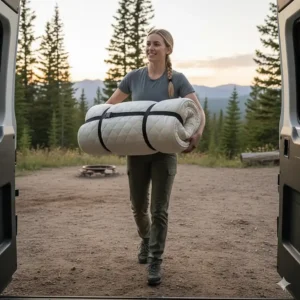
Here’s the thing: investing in a quality camper foam mattress isn’t just about comfort—it’s about making camping something you actually look forward to instead of enduring. Whether you’re converting a van, upgrading your RV, or just tired of inflatable mattresses that deflate at 3 AM, foam camping mattresses offer reliable comfort without the hassle of pumps or punctures.
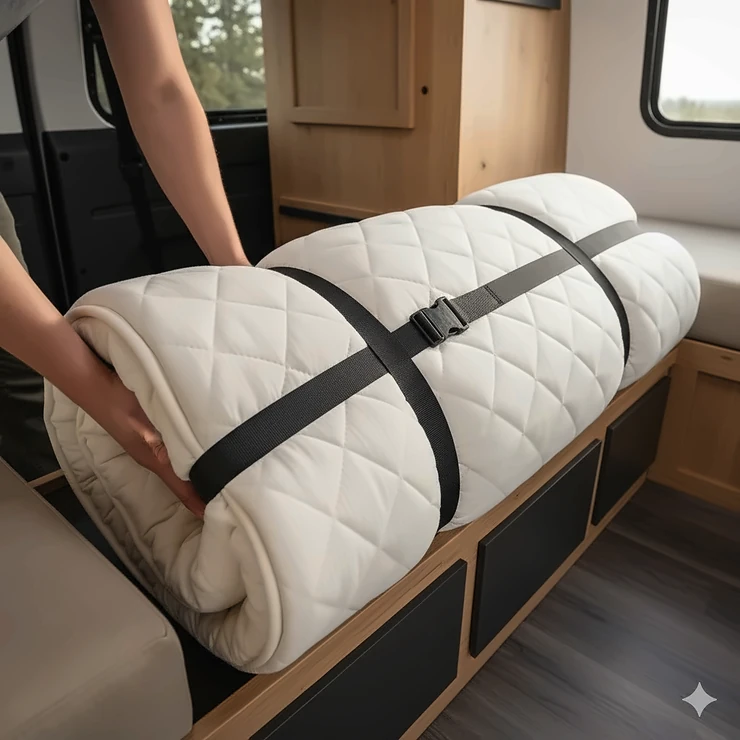
A camper foam mattress is a portable sleeping pad made from high-density memory foam or polyfoam, designed specifically for outdoor adventures and vehicle camping. Unlike traditional air mattresses, these foam mattresses provide consistent support, won’t deflate overnight, and can be easily rolled up for storage.
The camping mattress market has exploded recently, with options ranging from budget-friendly basics to premium memory foam models that rival your bed at home. According to industry reports, the outdoor recreation market grew by 12% in 2024, with camping gear sales reaching new heights as more Americans discovered van life and outdoor adventures.
In this comprehensive guide, I’ll walk you through everything you need to know about choosing the perfect foam mattress for camping. We’ve tested and researched dozens of options to bring you honest recommendations that actually matter when you’re trying to get decent sleep in the backcountry or your camper van.
Quick Comparison Table
| Product | Thickness | Price Range | Weight | Best For | Rating |
|---|---|---|---|---|---|
| CYMULA CertiPUR-US Memory Foam | 3″ | $53-63 | 5.7 lbs | Budget-conscious campers | 4.5/5 ⭐ |
| KingChii CertiPUR-US | 3″ | $60-75 | 6 lbs | All-around versatility | 4.4/5 ⭐ |
| GAIALOOP 4 Inch Thick | 4″ | $75-95 | 8 lbs | Side sleepers | 4.5/5 ⭐ |
| HOMBYS 3 Inch Memory Foam | 3″ | $55-70 | 5.8 lbs | Car camping | 4.3/5 ⭐ |
| TokSay Memory Foam | 3″ | $50-65 | 5.5 lbs | Frequent travelers | 4.4/5 ⭐ |
| Foamma 4″ Roll-Up | 4″ | $80-110 | 9 lbs | Premium comfort (USA-made) | 4.6/5 ⭐ |
| HomeMate CertiPUR-US | 3″ | $45-60 | 5.2 lbs | Best value | 4.3/5 ⭐ |
Just one click – help others make better buying decisions too!
Ready to Upgrade Your Camping Sleep?
Looking for the perfect foam camping mattress? The products highlighted above are currently available with competitive pricing and fast shipping. Click on any product name to check current deals and customer reviews! ⛺✨
Top 7 Camper Foam Mattress: Expert Analysis
1. CYMULA CertiPUR-US Memory Foam Camping Mattress Pad
The CYMULA CertiPUR-US has become a favorite among budget-conscious campers who refuse to compromise on quality. This 3-inch thick camping foam mattress combines memory foam with support foam to create a surprisingly comfortable sleeping surface that punches well above its price point.
Key Specifications:
- Dimensions: 75″ × 30″ × 3″
- Weight: 5.7 pounds
- Price: $53-$63
- Material: CertiPUR-US certified memory foam
What makes CYMULA stand out is its thoughtful design. The removable, machine-washable cover features waterproof coating on the interior to protect against morning dew and unexpected spills. Customer reviews consistently praise its comfort level, with many reporting it feels softer than more expensive alternatives.
Pros:
✅ Excellent price-to-performance ratio
✅ Lightweight at under 6 pounds
✅ Waterproof non-slip bottom with securing straps
Cons:
❌ Takes 24-48 hours to fully expand
❌ Cover zipper can be delicate with frequent washing
Customer Feedback: Users love that it transforms uncomfortable cots and car beds into genuinely restful sleeping spaces. One verified buyer mentioned sleeping “like a baby” during a week-long road trip.
2. KingChii CertiPUR-US Memory Foam Camping Mattress
KingChii has built a reputation for delivering premium features at mid-range prices. Their 3-inch thick camping mattress features a unique velvet cloth cover that feels luxurious against your skin—something you don’t expect from camping gear.
Key Specifications:
- Dimensions: 75″ × 30″ × 3″
- Weight: 6 pounds
- Price: $60-$75
- Special Feature: Includes extra cover and travel bag
This camping mattress foam construction uses a combination of memory foam (one-third) and support foam, creating a medium-firm feel that works for multiple sleeping positions. The moisture-resistant bottom layer helps maintain warmth in cold conditions.
Pros:
✅ Comes with two interchangeable covers
✅ Below-zero temperature resistance
✅ Supports charitable endeavors with each purchase
Cons:
❌ Slightly heavier than competitors
❌ Takes full 24 hours for complete expansion
Customer Feedback: Buyers appreciate the extra cover—one for washing while using the other. Several reviews mention it’s comfortable enough for pregnant women and children, thanks to its CertiPUR-US certification.
3. GAIALOOP 4 Inch Extra Thick Memory Foam Camping Mattress
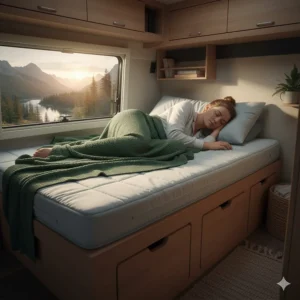
For side sleepers and anyone wanting maximum cushioning, the GAIALOOP 4 Inch represents the sweet spot between portability and luxury. This foam camper mattress uses a scientific combination of 30D support foam and 40D memory foam to prevent you from bottoming out.
Key Specifications:
- Dimensions: 75″ × 30″ × 4″
- Weight: 8 pounds
- Price: $75-$95
- Certification: OEKO-TEX certified materials
The extra inch of thickness makes a noticeable difference, especially on uneven ground or hard surfaces. The velvet-like plush fabric cover is removable and features waterproof coating on both top and bottom interior surfaces.
Pros:
✅ Extra thickness ideal for side sleepers
✅ OEKO-TEX certified—safe for all ages
✅ Superior ground isolation even on rocks
Cons:
❌ Heavier and bulkier when packed
❌ Requires two people for optimal rolling/packing
Customer Feedback: Reviews highlight exceptional comfort, with users reporting they “slept like a baby” even during multi-night camping trips. The thickness really shines on rough terrain.
4. HOMBYS Memory Foam Camping Mattress Pad
HOMBYS targets car campers and weekend warriors with a versatile foam mattress for camping that balances comfort and practicality. Their 3-inch model features a two-layer design combining high-density memory foam with soft support foam.
Key Specifications:
- Dimensions: 72″ × 24″ × 3″
- Weight: 5.8 pounds
- Price: $55-$70
- Special Feature: Ultra-soft velvet cover
The HOMBYS camping pad foam construction creates medium firmness that retains shape even after extended use. The removable waterproof velvet cover adds a touch of home comfort to outdoor adventures.
Pros:
✅ Compact size fits most car trunks and tents
✅ Non-slip bottom with secure straps
✅ Machine-washable cover for easy maintenance
Cons:
❌ Slightly narrower than standard cot size
❌ Memory foam can feel warm in hot weather
Customer Feedback: One standout review came from a user with severe spinal stenosis who found it transformed their uncomfortable couch into a pain-free sleeping surface. Many mention it’s perfect for guest beds too.
5. TokSay Memory Foam Camping Mattress
The TokSay Memory Foam model earns its spot through reliable performance and travel-friendly features. This foam mattress camping option excels at portability without sacrificing comfort.
Key Specifications:
- Dimensions: 75″ × 30″ × 3″
- Weight: 5.5 pounds
- Price: $50-$65
- Feature: Compact roll-up design
TokSay’s foam camping pad uses waterproof, comfortable materials that stand up to regular outdoor use. The compact travel bag makes it easy to toss in your vehicle without monopolizing precious cargo space.
Pros:
✅ Lightest option in our comparison
✅ Competitive pricing for quality received
✅ Waterproof and easy to clean
Cons:
❌ Less plush than thicker alternatives
❌ Limited color options
Customer Feedback: Frequent travelers appreciate how quickly it sets up and packs down. Users report it maintains its shape well even after months of regular use.
6. Foamma 4″ x 30″ x 75″ Memory Foam Roll-Up Camping Mattress
Made in the USA, Foamma represents premium quality in the camper mattress foam category. Their 4-inch high-density model delivers home-mattress-level comfort for serious campers.
Key Specifications:
- Dimensions: 75″ × 30″ × 4″
- Weight: 9 pounds
- Price: $80-$110
- Certification: CertiPUR-US, Made in USA
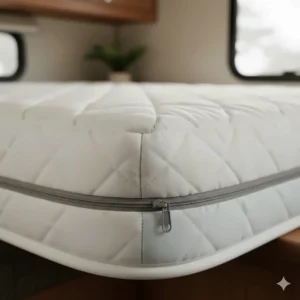
Foamma uses high-density foam throughout, ensuring full body support during sleep. The quilted soft cover is water-resistant with a durable zipper, and included straps make rolling and storage straightforward.
Pros:
✅ Made in USA with quality control standards
✅ High-density foam for superior support
✅ Removable, machine-washable cover
Cons:
❌ Higher price point
❌ Heavier for backpacking applications
Customer Feedback: Buyers consistently mention this foam pad for camping feels comparable to their home mattress. The USA manufacturing adds peace of mind about material safety.
7. HomeMate CertiPUR-US Memory Foam Camping Mattress Pad
For ultimate value, HomeMate CertiPUR-US delivers surprising comfort at an entry-level price. This foam mattress for camper applications proves you don’t need to spend a fortune for decent sleep outdoors.
Key Specifications:
- Dimensions: 75″ × 30″ × 3″
- Weight: 5.2 pounds
- Price: $45-$60
- Feature: Softest outer material in category
The HomeMate uses pure memory foam construction—softer and squishier than hybrid models. While some prefer firmer surfaces, many testers found this among the most comfortable pads reviewed.
Pros:
✅ Best budget option without quality sacrifice
✅ Cozy outer material vs. plastic-like alternatives
✅ No deflation concerns like air mattresses
Cons:
❌ Very soft—not ideal for firm mattress fans
❌ Bulkier packed size
Customer Feedback: Expert testers from Outdoor Gear Lab praised its comfort despite the low price. The main drawback is the large packed size, making it best for car camping where space isn’t critical.
Understanding Foam Mattress for Camper Needs
Choosing a foam mattress camper setup requires understanding several key factors that separate great products from mediocre ones. The type of foam, thickness, and intended use all play crucial roles in your camping comfort.
Foam Types and Density Explained
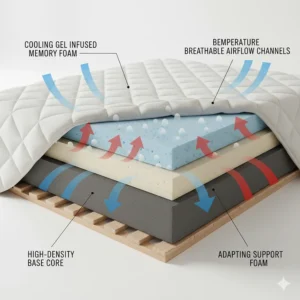
Not all foam is created equal. Memory foam conforms to your body shape, providing pressure relief for side sleepers and those with joint pain. High-density polyfoam offers firmer support and typically lasts longer. The best camping foam mattresses often combine both types in layers.
Density matters tremendously. Low-density foam (under 3 pounds per cubic foot) compresses quickly and loses shape. Medium-density (3-5 PCF) balances durability with comfort. High-density foam (5+ PCF) provides the best longevity but weighs more.
CertiPUR-US certification ensures foam is made without harmful chemicals like formaldehyde, heavy metals, or ozone depleters. For enclosed spaces like camper vans, this certification becomes essential for air quality and health.
Thickness Considerations for Different Sleeping Styles
Back sleepers typically do well with 3-inch mattresses that provide moderate support without excessive sinkage. Side sleepers benefit from 4-inch or thicker options that cushion pressure points at hips and shoulders. Stomach sleepers often prefer firmer, thinner mattresses to maintain spinal alignment.
Ground hardness matters too. Sleeping on soft grass or sand requires less cushioning than rocky terrain or truck beds. Many experienced campers recommend at least 4 inches of foam when camping on truly hard surfaces.
Temperature regulation is another thickness consideration. Thicker foam insulates better in cold weather but can trap heat during summer. Some manufacturers address this with ventilated designs or gel-infused memory foam.
Camper Mattress Foam vs. Traditional Camping Options
Let’s compare foam camping mattresses against other popular options to understand why foam is gaining market share.
Foam vs. Air Mattresses
| Feature | Foam Mattress | Air Mattress |
|---|---|---|
| Setup Time | Instant (just unroll) | 5-15 minutes inflation |
| Durability | No puncture risk | Susceptible to holes |
| Comfort Consistency | Remains stable all night | Can deflate partially |
| Temperature | Better insulation | Poor cold-weather performance |
| Weight | Heavier (5-9 lbs) | Lighter when deflated |
| Price Range | $45-$110 | $30-$200 |
Air mattresses dominated camping for years, but foam alternatives are increasingly popular. You’ll never wake up at 3 AM partially deflated on a foam mattress for camper use. Plus, no pump means one less thing to pack and potentially fail.
The weight difference favors air mattresses for backpacking, but car campers and van lifers find the extra pounds worthwhile for guaranteed comfort. Air mattresses excel in adjustability—you can fine-tune firmness by adding or removing air. Foam offers what you get, period.
Foam vs. Self-Inflating Pads
Self-inflating pads attempt to bridge the gap between pure foam and air mattresses. They contain foam that expands when you open a valve, then you top off with breath or a pump. Brands like Therm-a-Rest MondoKing pioneered this category.
These hybrid designs cost significantly more ($150-$350) than pure foam options. They offer some advantages—smaller packed size and adjustable firmness—but introduce complexity and potential failure points. The valves can malfunction, and the foam-air combination still risks punctures.
Pure foam mattresses for camping win on simplicity and reliability. There’s literally nothing that can break or malfunction. Roll it out, sleep on it, roll it back up. For many campers, that simplicity justifies any trade-offs in weight or packed size.
Critical Factors When Choosing Your Foam Camper Mattress
Beyond basic specifications, several practical considerations should guide your purchase decision.
Sizing for Your Vehicle or Tent
Standard cot size measures 75″ × 30″, and most foam camping mattresses match these dimensions. However, measure your specific space before buying. Van conversions, truck beds, and camper bunks often have odd dimensions that standard mattresses won’t fit properly.
Some manufacturers offer custom sizing. Foamma, for instance, will custom-cut foam to exact specifications. While more expensive, this ensures perfect fit around wheel wells, storage boxes, or oddly-shaped sleeping platforms.
Consider whether you’ll use the mattress in multiple locations. A mattress sized perfectly for your truck bed might not work in your tent, requiring two separate purchases or compromises.
R-Value and Temperature Ratings
R-value measures insulation effectiveness. Higher R-values mean better cold-weather performance. Most foam camping mattresses don’t advertise R-values (that’s more common for backpacking pads), but thickness directly correlates with insulation.
As a general rule, 3-inch foam provides adequate insulation down to about 40°F. For winter camping, 4-inch or thicker foam helps prevent ground cold from robbing body heat. Some campers add reflective insulation underneath foam mattresses in extreme cold.
Remember that foam itself doesn’t generate warmth—it prevents heat loss. Your sleeping bag rating matters more than mattress thickness in truly cold conditions. The mattress just stops the ground from acting like a heat sink.
Durability and Warranty Considerations
Quality foam should maintain its shape for years of regular use. Look for warranties of at least 1-2 years, though many manufacturers offer longer coverage. CertiPUR-US certified foam typically lasts longer than uncertified alternatives.
Common failure points include cover zippers, securing straps, and foam compression in high-pressure areas. Reviews mentioning mattresses still performing well after a year or more signal good durability.
Proper care extends lifespan significantly. Always let foam fully expand before first use. Store rolled loosely rather than compressed when not in use for extended periods. Keep covers clean and protect from UV exposure when possible.
Camping Foam Pad Maintenance and Care
Your foam mattress for campers represents an investment in comfort that deserves proper maintenance to maximize its useful life.
Cleaning and Storage Best Practices
Most foam camping mattresses feature removable, washable covers—use this feature regularly. Machine wash covers in cold water with mild detergent, then air dry. Never put foam itself in the washing machine.
For the foam core, spot-clean spills immediately with damp cloth and mild soap. Let air dry completely before re-covering. Foam can develop mildew if stored damp, so ensure thorough drying after wet camping trips.
Storage position matters more than you might think. Long-term compression damages foam structure. When storing for months, roll loosely or lay flat rather than cinching tight with straps. Keep in cool, dry locations away from direct sunlight.
Dealing with Odors and Compression
New foam often has a chemical smell from manufacturing and packaging. This “off-gassing” is normal and harmless with CertiPUR-US certified products. Unroll your mattress and let it air out for 24-48 hours before first use, preferably outdoors or in a well-ventilated space.
If your mattress develops camping odors (campfire smoke, must, etc.), sprinkle baking soda over the surface, let sit for several hours, then vacuum thoroughly. For stubborn smells, spray a 50/50 mixture of water and white vinegar, allow to dry completely.
Compression over time is inevitable but manageable. Rotate your mattress regularly to distribute wear. If certain areas feel less supportive, try flipping the mattress—if both sides are usable. Some compression recovery happens when you give foam time to “rest” between uses.
Benefits vs. Traditional Alternatives
| Benefit | Foam Mattress | Air Mattress | Sleeping Bag Only |
|---|---|---|---|
| Comfort | Excellent support | Good when fully inflated | Minimal padding |
| Reliability | Never fails | Can puncture/deflate | Always works |
| Setup Speed | Instant | 5-15 minutes | Instant |
| Insulation | Excellent | Poor | Depends on ground |
| Maintenance | Low (just clean cover) | Medium (check for leaks) | Low |
| Lifespan | 3-5+ years | 1-3 years | N/A |
Special Considerations for Van Life and RV Use
Full-time vehicle dwellers have unique foam mattress for camper requirements compared to occasional weekend warriors.
Custom Sizing for Odd Spaces
Van and RV beds rarely match standard dimensions. Measure carefully, accounting for:
- Wheel well intrusions that create cutouts
- Curved walls that affect usable width
- Overhead clearance when mattress is in place
- Access to storage underneath sleeping platform
Companies like RoamRest specialize in custom van mattresses, creating tri-fold designs that accommodate unusual layouts. While pricier than standard sizes, custom options maximize comfort in limited spaces.
Multi-Purpose Design Features
In compact living spaces, furniture often serves multiple functions. Consider foam mattresses that can work as:
- Seating during daytime (firmer foam works better)
- Guest beds (quick setup/takedown matters)
- Outdoor lounge pads (waterproof covers essential)
Tri-fold designs excel here, functioning as couches when partially folded. Some van lifers use separate foam pieces with connecting covers, creating modular seating/sleeping arrangements.
Health and Safety Features to Prioritize
Beyond comfort, your sleeping surface affects long-term health and immediate safety.
Chemical Safety and Certifications
CertiPUR-US certification ensures foam meets strict standards for emissions and content. This matters especially in enclosed spaces like campers where off-gassing can concentrate. Certified foam contains no:
- Ozone-depleting flame retardants
- Mercury, lead, or heavy metals
- Formaldehyde
- Phthalates regulated by CPSC
OEKO-TEX certification, featured on brands like GAIALOOP, provides even stricter testing for harmful substances. Both certifications cost manufacturers money to obtain, so their presence indicates commitment to safety.
For children and pregnant women, these certifications transition from “nice to have” to essential. Budget options without certification might save money upfront but pose potential health risks.
Allergen and Antimicrobial Properties
Quality foam resists dust mites better than traditional mattresses, but removable, washable covers matter more for allergen control. Look for covers that zip off completely rather than partial-zipper designs.
Some manufacturers treat covers with antimicrobial agents to prevent mold and bacteria growth. While helpful, these treatments eventually wash out. Regular cleaning remains the best defense against allergen buildup.
Moisture management prevents mold formation. Waterproof cover linings protect foam from becoming damp, but ensure some breathability exists. Fully waterproof, non-breathable covers can trap moisture from body perspiration.
Price Range & Value Analysis
Understanding what you get at different price points helps optimize your investment.
| Price Range | What to Expect | Best For |
|---|---|---|
| $40-$60 | Basic 3″ foam, simple cover, standard dimensions | Occasional campers, budget-conscious buyers |
| $60-$80 | Quality 3″ foam, removable washable cover, securing straps | Regular weekend campers |
| $80-$100 | 4″ premium foam or USA-made, enhanced features | Frequent campers, van lifers |
| $100+ | Custom sizing, highest-quality materials, extended warranties | Full-time vehicle living |
The sweet spot for most campers falls around $60-$80, where quality and features justify the price without breaking the bank. Spending less often means compromising on durability, while spending more delivers diminishing returns unless you need custom sizing.
Consider cost per night of use. A $90 mattress used 50 nights per year for 4 years costs just 45 cents per night—less than most campground fees. From this perspective, investing in quality makes financial sense.
Common Mistakes to Avoid
Learn from others’ errors to make smarter purchasing decisions.
Buying Too Thin: The most common regret is choosing 2-inch or thinner foam to save money or weight. Most average-weight adults bottom out on thin foam, especially when side sleeping. The $10-$15 saved isn’t worth poor sleep.
Ignoring Packed Size: Foam mattresses don’t compress much. A 3-inch mattress rolls to about 8-10 inches diameter. Measure your storage space before buying, especially for motorcycle camping or small vehicles.
Skipping the Break-In Period: New foam needs 24-48 hours to fully expand after being vacuum-packed. Using it immediately results in lumpy, uncomfortable sleep and poor first impressions of an otherwise good product.
Overlooking Cover Quality: The cheapest mattresses use covers that pill, tear, or develop holes quickly. A damaged cover exposes foam to dirt and damage. Invest in quality covers or budget for replacement covers.
Forgetting About Temperature: Memory foam firms up in cold weather and softens in heat. Test in conditions matching your planned use, or read reviews from people camping in similar climates.
Expert Tips for Maximizing Comfort
Small adjustments can dramatically improve your camping foam mattress experience.
Optimizing Setup and Positioning
Always place your mattress on the flattest ground possible. Even quality foam can’t fully compensate for significant slopes or bumps. Use a ground cloth or tent footprint underneath to protect from moisture and abrasion.
In vehicles, create a level sleeping platform. Many van builders use adjustable legs or shims to level their bed platform before adding a mattress. A level surface prevents rolling and improves circulation.
Consider mattress orientation. Sleeping with your head uphill (if unavoidable) is more comfortable than feet uphill. Position lengthwise to minimize sideways rolling on uneven ground.
Layering for Enhanced Comfort
Some campers combine foam mattresses with additional layers for premium comfort:
- Add a thin memory foam topper for extra plushness
- Layer a wool blanket between ground and mattress for added insulation
- Use a fitted sheet to keep covers clean and add softness
Experiment with sleeping bag placement. Some prefer sleeping on top of their bag atop the mattress (warmer ground contact), while others sleep inside their bag on the mattress (more comfortable).
How to Choose Camper Foam Mattress: Step-by-Step Guide
- Measure your sleeping space precisely – Account for any obstacles, cutouts, or irregular shapes in your camper, van, or tent setup.
- Determine your thickness needs – Consider your sleeping position (side sleepers need thicker), weight, and surface hardness where you’ll camp most often.
- Set a realistic budget – Plan to spend $50-$90 for quality that will last. Going cheaper often means replacing sooner.
- Check certifications – Prioritize CertiPUR-US or OEKO-TEX certified foam, especially for enclosed sleeping spaces or use by children.
- Read recent reviews carefully – Focus on reviews from people similar to you in terms of weight, sleeping position, and camping style.
- Verify return policies – Ensure you can return or exchange if the mattress doesn’t meet expectations. Many comfort issues only become apparent after sleeping on a mattress for several nights.
- Consider future uses – Buy slightly better quality than current needs if you plan to increase camping frequency or upgrade your camper setup.
Seasonal Camping Considerations
Your foam mattress camping needs change with the seasons.
Summer Camping Strategies
Heat buildup in foam can be uncomfortable during warm weather. Choose mattresses with:
- Gel-infused memory foam for better temperature regulation
- Covers with breathable fabrics rather than completely waterproof materials
- Lighter colors that reflect rather than absorb heat
Elevate your mattress slightly if possible in hot weather. Air circulation underneath prevents heat accumulation. Some campers use ventilated bed platforms or place thin slats under their foam mattress.
Winter and Cold-Weather Use
Cold ground steals body heat rapidly. Foam provides good insulation, but maximize warmth by:
- Selecting 4-inch or thicker foam for maximum ground separation
- Adding a reflective insulating pad underneath your foam mattress
- Using fleece or wool covers that retain warmth better than cotton
Remember that memory foam stiffens in extreme cold. If winter camping frequently, consider high-density polyfoam rather than pure memory foam for more consistent performance across temperature ranges.
Frequently Asked Questions
❓ How long does a foam mattress for camping typically last with regular use?
❓ Can I use a regular memory foam mattress topper instead of buying a camping-specific one?
❓ What thickness of camper foam mattress do I need for sleeping in a truck bed?
❓ How do you pack a foam camping mattress when storage space is limited?
❓ Are foam camping mattresses suitable for people with back pain or spine issues?
Conclusion: Finding Your Perfect Camper Foam Mattress Match
After researching dozens of options and analyzing hundreds of customer reviews, the message is clear: investing in a quality camper foam mattress transforms camping from something you endure into something you genuinely enjoy. The difference between restless, achyprone nights and deep, restorative sleep is often just three inches of good foam.
For most campers, the sweet spot lies with 3-inch memory foam mattresses in the $50-$80 range from reputable brands like CYMULA, KingChii, or GAIALOOP. These deliver excellent value without the premium pricing of custom options. Side sleepers and those who camp frequently should seriously consider 4-inch models for the extra cushioning—your body will thank you.
Remember that the “best” mattress depends entirely on your specific situation. Weekend car campers have different needs than full-time van lifers. Budget matters, but so does the value of actually sleeping well in the outdoors. Use this guide as your starting point, then narrow options based on your sleeping style, vehicle constraints, and camping frequency.
The outdoor recreation boom shows no signs of slowing. More people are discovering the joys of van life, truck camping, and weekend adventures. Don’t let poor sleep hold you back from joining them. A quality foam mattress for camping is one of the smartest gear investments you can make.
Sleep Better Tonight – Upgrade Your Camping Comfort Now!
Ready to transform your camping experience? The mattresses featured in this guide offer exceptional comfort, durability, and value. Click any product link above to check current Amazon pricing, read verified customer reviews, and take advantage of any special offers. Your back will thank you on your next adventure! ️✨
Recommended for You
- Best Camper Mattress: 7 Top Picks Transform RV Sleep
- Camper Bunk Mattress: 7 Best Picks for Better Sleep 2025
- Sofa Bed Camper: 7 Best Space-Saving Options 2025
Disclaimer: This article contains affiliate links. If you purchase products through these links, we may earn a small commission at no additional cost to you.
✨ Found this helpful? Share it with your friends!
