In This Article
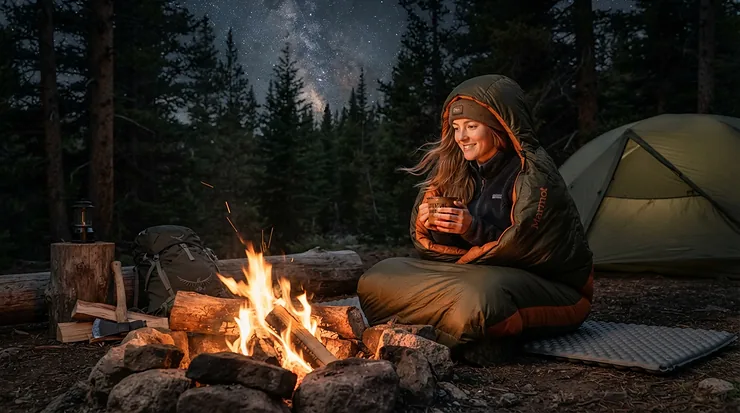
A budget 3-season sleeping bag is an affordable, insulated bag built for spring, summer, and autumn nights, usually comfortable somewhere between 25°F and 40°F. It trades premium fabrics and ultralight weight for a lower price, using synthetic fill or entry-level down. Most land in the roughly $40-$200 range, and a good one still keeps a beginner warm.
Here’s the twist most first-timers miss. The big number printed on the bag is rarely the number your body will feel. Lab standards like EN 13537, now superseded by ISO 23537, exist because brands once invented their own ratings. Even now, casual camping bags often print a single flattering figure. Buy on hype and you’ll spend a long, shivery night learning the difference between “survival” and “sleep.”
This guide covers seven real bags, from a bargain-bin classic to one deliberate splurge, so you can see exactly what each extra dollar buys. It’s built on published specs and independent reviewer findings, not personal testing. Every pick gets a plain-English translation of what the numbers mean outdoors.
Along the way, you’ll find advice on choosing a 3-season sleeping bag for beginners and the entry-level camping gear that makes any bag work harder. There’s also a proper set of care instructions so your bag survives past next summer.
Quick Comparison: Best Budget 3-Season Sleeping Bag Options at a Glance
| Product | Insulation | Warmth Reality Check | Price Range | Best For |
|---|---|---|---|---|
| Coleman Brazos 20°F | Synthetic | Reviewers say ~40°F and up | ~$40-$80 | Families, sleepovers, first trips |
| TETON Sports Celsius XL 0°F | Synthetic | Maker comfort range 25-30°F | ~$80-$140 | Tall or restless car campers |
| Kelty Tuck 20 | Synthetic | Testers report upper 30s comfortably | ~$80-$130 | Car campers who sometimes hike |
| Hyke & Byke Eolus 15°F | 800-fill goose down | Maker-rated 15°F; no ISO figure found | ~$130-$170 | Budget backpackers wanting down |
| Marmot Trestles Elite Eco 20 | Recycled synthetic | Reviewers split: 30s to ~40°F | ~$150-$200 | Damp climates, eco-minded buyers |
| Kelty Cosmic Down 20 | 550-fill hydrophobic down | ISO comfort 32°F | ~$110-$190 | Best all-round value |
| Therm-a-Rest Parsec 20 | 900-fill hydrophobic down | ISO comfort 29°F | ~$450-$500 | Splurge benchmark, long miles |
Read the “Warmth Reality Check” column first, because it’s where budget bags quietly separate. The Coleman Brazos 20°F and Kelty Cosmic Down 20 sit at opposite ends of the weight-and-effort spectrum but share honest, modest comfort zones. The Hyke & Byke Eolus 15°F offers the cheapest route to down, though its warmth claims rest on the maker’s word.
💬 Just one click — help others make better buying decisions too!😊
Top 7 Budget 3-Season Sleeping Bag Picks: Expert Analysis
Each bag below gets the same treatment: what stands out, what the specs mean at 2 a.m., what reviewers keep saying, and whether the price makes sense.
1. Coleman Brazos 20°F — the cheapest way to stay warm above freezing
This is a big, soft, unfussy rectangle. It measures 33 by 75 inches, fits campers up to about 5’11”, and packs roughly four pounds of synthetic fill behind a soft tricot liner. The zipper wraps around the side and foot, so it opens into a blanket or pairs with a second bag.
Rectangular means roll-over room, but it also means more air to heat. With no hood or shoulder cinch, drafts creep in around your neck. Switchback Travel found the 20°F number believable next to other 20° bags but noted the missing hood makes it feel cooler. CleverHiker’s tester wouldn’t push the Brazos below about 40°F without layers.
Based on that, treat it as a 40°F-and-up bag. That’s still perfect for warm-season car camping, kids’ sleepovers, and stocking a whole family.
Reviewers consistently praise the softness and price. The recurring complaints are weight (nearly seven pounds), bulk, and materials that feel low-end.
Pros:
- ✅ Soft liner and roomy, roll-around cut
- ✅ Zips open or joins a second bag
- ✅ Very low cost per night of use
Cons:
- ❌ No hood; drafty around the neck
- ❌ Heavy and bulky; useless for backpacking
Expect roughly $40-$80, so check current price. Verdict: unbeatable value if the bag never leaves the car trunk.

2. TETON Sports Celsius XL 0°F — the cozy bedroom-on-the-ground
The TETON Sports Celsius XL 0°F is the “I refuse to be cramped” option. It’s a rectangular bag with a mummy-style hood, measuring 90 by 36 inches and packing to roughly 17 by 13 inches. It uses hollow-fiber fill, a taffeta shell, and a polyester-flannel lining.
Here’s the fine print worth reading. TETON’s own footnote says its ratings are survival temperatures, and it suggests adding 20-30 degrees for comfort. The listed 25-30°F comfort range is the number that matters, which still makes it a genuine 3-season bag.
At nearly eight pounds, weight is the price of the roominess. This is a truck-bed, cabin, and campground bag. Tall sleepers and restless rollers will appreciate the extra girth.
CleverHiker’s analyst logged dozens of cold and mild nights in the XXL sibling and liked its coziness and value. Buyer sentiment across the line is broadly positive. The common gripes are bulk and weight, and a few buyers report quality complaints.
Pros:
- ✅ Generous 90-inch length suits tall campers
- ✅ Cinchable hood keeps drafts off your head
- ✅ Lifetime warranty backs the build
Cons:
- ❌ Nearly eight pounds; not for hiking
- ❌ Large packed size eats trunk space
Expect roughly $80-$140 depending on size and rating, so check current price. Verdict: solid value for comfort-first car campers, provided you read the comfort number and ignore the survival one.
3. Kelty Tuck 20 — the mummy cut that forgives wiggling
The Kelty Tuck 20 is where a budget 3-season sleeping bag starts to feel designed. Its ThermaPro Ultra synthetic fill weighs about 41 ounces, and the regular size runs about 3 pounds 11 ounces. It’s shaped like a mummy but with extra shoulder room, and the hood is padded so it doubles as a pillow.
The clever bit is the zipper. It crosses above the footbox, so you can poke your feet out on mild nights or open the whole bag like a quilt. That’s ventilation you’d otherwise pay extra for.
OutdoorGearLab’s older test called it the best 20°F bag at its price but wanted a jacket around 30-35°F. That fits what I’d expect from a synthetic bag at this weight. It’s a strong 35-40°F performer, not a true 20° bag.
Reviewers like the comfortable cut and the smooth, snag-resistant zipper. They flag its bulk in a pack. One caveat: several of these reviews cover earlier versions, so confirm current specs.
Pros:
- ✅ Foot-vent zipper lets you regulate heat
- ✅ Roomy shoulders and a padded hood
- ✅ Synthetic fill shrugs off damp nights
Cons:
- ❌ Bulky; hard to compress for small packs
- ❌ Feels chilly below the mid-30s
Expect roughly $80-$130, so check current price. Verdict: the best “one bag, several uses” choice under about $130.
4. Hyke & Byke Eolus 15°F — budget down with an ultralight streak
Down usually costs a small fortune, which makes the Hyke & Byke Eolus 15°F interesting. It uses 800-fill hydrophobic goose down and comes in short, regular, and long sizes. The brand advertises it as the lightest, most compressible bag for under about $150.
Its design secret is differential fill: more down on top, less underneath. That saves weight, since compressed down under your body does little anyway. But it means the bag must be paired with a decent sleeping pad, or your back will feel it.
I couldn’t find an independent ISO comfort figure, so the 15°F number is the maker’s claim. Treat it as roughly a 30°F bag until proven otherwise.
Customer feedback on the brand’s site skews enthusiastic about loft and value. At least one buyer reports sparse down on the underside, which suggests some quality-control variance.
Pros:
- ✅ High-fill-power down at a modest cost
- ✅ Three size options, including short
- ✅ Packs far smaller than synthetic rivals
Cons:
- ❌ Underside insulation needs a warm pad
- ❌ No independent comfort rating found
Expect roughly $130-$170, so check current price. Verdict: a smart gamble for backpackers who want low weight but flinch at premium pricing.
5. Marmot Trestles Elite Eco 20 — the brand-name synthetic that shrugs off damp
The Marmot Trestles Elite Eco 20 is a recycled-synthetic mummy with a plush, lofty feel. The regular weighs 3 pounds 8.4 ounces, packs to about 9.4 by 18.9 inches, and carries an ISO comfort rating of 24°F with a 12°F lower limit. Its wave-style top and blanket-style bottom construction are meant to keep loft where you need it.
Reviewers disagree here, and that disagreement is useful. OutdoorGearLab called it possibly the warmest, most affordable bag it tested and stayed warm on 30°F nights. Better Trail’s tester, in low-30s shoulder-season weather, needed extra layers and called it more of a 40°F bag. The roomy cut heats slowly.
Translation: it’s a strong pick for damp climates, where synthetic fill keeps insulating when wet. It suits cold sleepers less well unless you add a liner.
Pros:
- ✅ Keeps insulating when damp
- ✅ Recycled fabric and fill
- ✅ Feature-rich for the price tier
Cons:
- ❌ Bulky and heavy versus down
- ❌ Warmth reports vary by sleeper
Expect roughly $150-$200, so check current price. Verdict: worth it for wet-weather campers, but not the value champion.
6. Kelty Cosmic Down 20 — real down at a synthetic price
The Kelty Cosmic Down 20 is the bag reviewers keep crowning. It’s filled with 550-fill hydrophobic down, has an ISO comfort rating of 32°F with a lower limit of 21°F, and the unisex regular weighs about 2 pounds 7 ounces. Some older listings cite 600-fill, so check the current spec. It fits to about six feet and has a semi-rectangular shape with a wide footbox.
The hydrophobic treatment helps down cope with damp nights. The lower fill power means more down is needed for the same warmth, so it’s heavier than premium bags. OutdoorGearLab’s women’s-version testers stayed comfortable to about 33°F, matching that honest 32°F comfort rating.
Treeline Review’s 2026 camping roundup named it best overall for comfort, praising the silky lining and accurate rating. Better Trail’s criticism is fair: its warmth-to-weight ratio trails pricier down. The women’s version has more fill, so it weighs and costs more.
Pros:
- ✅ Honest, accurate comfort rating
- ✅ Down packability at a budget price
- ✅ Wide footbox and comfy semi-rectangular shape
Cons:
- ❌ Heavier than premium down bags
- ❌ Only a basic stuff sack included
Expect roughly $110-$190 depending on version and retailer, so check current price. Verdict: the best overall value in this guide.
7. Therm-a-Rest Parsec 20 — the splurge that shows what your money could buy
This is the deliberate outlier. The Therm-a-Rest Parsec 20 uses 900-fill hydrophobic duck down and a 20-denier nylon shell. SectionHiker lists 17 ounces of fill, an EN comfort rating of 29°F, and a limit of 18°F. It’s listed at about 1 pound 13 ounces (measured slightly higher), with box baffles that stop the down shifting.
Compared with the Kelty Cosmic Down 20, it saves roughly a pound and packs much smaller. That’s the honest math of premium gear: pay a lot more for a modest weight drop.
Reviewers at GearJunkie, Better Trail, and SectionHiker are consistently positive. The recurring caveats are price and a generous cut that can feel drafty if it doesn’t fit you.
Pros:
- ✅ Excellent warmth-to-weight ratio
- ✅ Tough-for-its-weight 20D shell
- ✅ Certified responsibly sourced down
Cons:
- ❌ Several times the cost of budget bags
- ❌ Roomy cut can feel drafty
Expect around $450-$500, so check current price. Verdict: buy it only if you’ll carry it over serious miles.
Top 7 Spec Snapshot
| Product | Approx. Weight | Shape | Best For |
|---|---|---|---|
| Coleman Brazos 20°F | ~7 lb | Rectangular | Stocking a family cheaply |
| TETON Sports Celsius XL 0°F | ~7.9 lb | Rectangular with hood | Tall, roomy-sleeping campers |
| Kelty Tuck 20 | ~3 lb 11 oz | Mummy | Hybrid car-camp and hike use |
| Hyke & Byke Eolus 15°F | Size-dependent (verify) | Mummy | Weight-conscious budget hikers |
| Marmot Trestles Elite Eco 20 | ~3 lb 8 oz | Mummy | Wet-weather trips |
| Kelty Cosmic Down 20 | ~2 lb 7 oz | Semi-rectangular | Best all-round value |
| Therm-a-Rest Parsec 20 | ~1 lb 13 oz | Mummy | Long-distance backpacking |
The weight column tells the real story. Paying more mostly buys you fewer pounds, not extra warmth. If your bag lives in a car, the two heavy rectangular bags deliver comfort for the least money. If you carry it on your back, the Kelty Cosmic Down 20 is the sweet spot before prices climb steeply toward the Therm-a-Rest Parsec 20.
How to Choose a Budget 3-Season Sleeping Bag
Pick a budget 3-season sleeping bag in seven steps:
- Read the comfort rating, not the headline. The lower-limit number is what a warm sleeper can just tolerate. Backpacking Light’s explainer on ISO 23537 ratings shows why the comfort figure is the safer guide.
- Add a 10°F buffer. If your coldest realistic night is 35°F, shop for a bag with a comfort rating around 25°F.
- Choose your insulation. Synthetic tolerates damp and costs less. Down packs smaller and lasts longer if kept dry.
- Check weight and packed size. A rating means nothing if the bag won’t fit your pack.
- Pick the shape. Rectangular bags give room; mummy bags hold heat better.
- Confirm length and zipper features. Foot vents and anti-snag zippers are worth real money.
- Budget for a pad. The ground steals more heat than the air does.
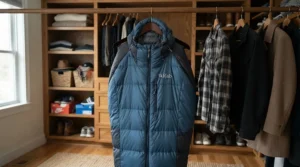
Budget 3-Season Sleeping Bag vs Cheaper and Pricier Alternatives
| Factor | Budget 3-Season Bag | Cheap Cotton Flannel Bag | Premium Ultralight Down |
|---|---|---|---|
| Warmth for weight | Decent | Poor | Excellent |
| Damp-weather ability | Good (synthetic) | Poor; cotton holds water | Good if hydrophobic |
| Packed size | Moderate | Very bulky | Tiny |
| Price tier | Low to moderate | Lowest | High |
| Best For | Kelty Cosmic Down 20, Kelty Tuck 20 | Coleman Brazos 20°F (polyester, not cotton) | Therm-a-Rest Parsec 20 |
Notice the pattern: the budget middle ground beats the cheapest option on warmth and pack size without demanding a premium price. Cotton flannel bags feel homey but hold moisture and take forever to dry, a real risk on cool, damp nights.
The premium tier wins on grams, and grams matter mostly if you hike. For most people buying their first bag, spending a little more than the cheapest option is the smartest jump. Going beyond a solid budget down or synthetic bag rarely improves your sleep, only your pack weight.
3-Season Sleeping Bag for Beginners: Where to Start
If you’re shopping for a 3-season sleeping bag for beginners, resist the urge to buy the warmest one. Overshooting the rating leaves you sweating and unzipping all night, which is its own kind of misery. A comfort rating in the low 30s covers most spring-to-autumn trips.
Ask two questions before anything else. Will you carry it, or will it live in a car? And is your typical night damp or dry? A car camper can grab the Coleman Brazos 20°F or the TETON Sports Celsius XL 0°F and never think about weight. A future hiker should skip straight to the Kelty Cosmic Down 20 or Kelty Tuck 20.
Also buy for the shape of your sleep. If you roll around, choose a roomy cut. If you get cold easily, choose the mummy hood and treat the manufacturer’s headline rating as a best-case number.
Entry-Level Camping Gear: The Rest of Your Sleep System
The bag is only one third of your warmth. Good entry-level camping gear means pairing it with a pad, a sensible layering plan, and a few cheap extras.
Sleeping pad first. One guide suggests an R-value of 4.0 or higher for 3-season thru-hiking. Car campers can go cheaper and thicker since weight doesn’t matter. A weak pad makes a good bag feel bad, especially with the Hyke & Byke Eolus 15°F, whose underside insulation is thin.
A liner second. Sleeping bag liners can add roughly 5°F for a thin one and 10-15°F for a fleece one. They also keep your bag cleaner, so you’ll wash it less often.
Clothes and pillow third. Dry base layers, clean socks, and a hat add warmth. A cheap camp pillow beats a wadded-up hoodie.
Pair a bag with the right pad and liner, and a modest budget 3-season sleeping bag can outperform a pricier bag used alone.
Common Mistakes When Buying a Budget 3-Season Sleeping Bag
Trusting the headline rating. Many casual bags print the lower limit or a survival number. Always look for a comfort figure or independent review.
Ignoring the size and shape. A bag that’s too long or too roomy is cold. A bag that’s too tight is miserable.
Overlooking weight until it’s on your back. A seven-pound bag is fine for a campsite but a nightmare on a trail.
Skipping the pad. People spend on bags and sleep on thin foam. That’s backwards.
Buying down for a soggy climate. Down loses loft when wet. Hydrophobic treatments help, but synthetics like the Marmot Trestles Elite Eco 20 and Kelty Tuck 20 are more forgiving.
Forgetting storage. Keeping a bag compressed in its stuff sack all year slowly flattens the insulation. That’s a care instructions mistake we’ll fix below.
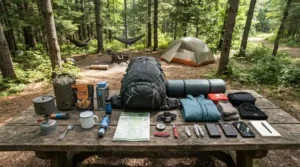
Long-Term Cost & Value Analysis
| Product | Price Range | Value Verdict | Best For |
|---|---|---|---|
| Coleman Brazos 20°F | ~$40-$80 | Best price per night | Occasional car campers |
| TETON Sports Celsius XL 0°F | ~$80-$140 | Great comfort per dollar | Tall, roomy sleepers |
| Kelty Tuck 20 | ~$80-$130 | Strong versatility | Mixed car-camp and hike use |
| Hyke & Byke Eolus 15°F | ~$130-$170 | Cheap entry to down | Value-hunting backpackers |
| Marmot Trestles Elite Eco 20 | ~$150-$200 | Solid but not cheap | Damp climates |
| Kelty Cosmic Down 20 | ~$110-$190 | Best all-round value | Most first-time buyers |
| Therm-a-Rest Parsec 20 | ~$450-$500 | Premium cost, premium weight | Long-distance hikers |
Cost per night tells the honest story. A bag in the $150-$200 range used 15 nights a year for eight years works out to roughly $1.25-$1.65 per night. A bag in the $40-$80 range used 10 nights a year for four years lands around $1-$2 per night.
The Coleman Brazos 20°F wins the short game, but bags like the Kelty Cosmic Down 20 often win over the long haul because down tends to last longer. Spending a bit more is smart only if you’ll actually use the bag often enough to cash in the durability.
Care Instructions for Your Budget 3-Season Sleeping Bag
Good care instructions turn a budget bag into a long-term investment. Here’s the routine.
In the field:
- Sleep in clean clothes. Body oils and sunscreen quietly rob insulation.
- Air the bag out whenever it gets damp.
- Always put a pad between the bag and the ground.
- Keep it away from campfire sparks, especially down bags.
Washing:
- Wash at least once a year, or more if you camp often.
- Follow REI’s guide to washing a sleeping bag: use a front-loading machine, ideally a large commercial one.
- Avoid top-loaders with agitators, which can tear baffles.
- Use a down-specific or technical wash, and skip bleach, fabric softener, and dry cleaning.
- Check the maker’s label first, since the Coleman Brazos 20°F is machine washable while down bags need extra rinsing.
Drying and storage:
- Dry thoroughly on low heat; tennis balls help re-fluff clumped fill.
- Store loosely in a large mesh or cotton bag, never compressed in the stuff sack.
Real-World Scenarios: Which Bag Fits Which Camper
The college student on weekend car trips. Budget is tight, weight is irrelevant, and nights rarely dip below 40°F. The Coleman Brazos 20°F plus a decent pad covers it for a small outlay.
The family of four. You need multiple bags, room for kids, and easy washing. A mix of Coleman Brazos 20°F bags works, or the TETON Sports Celsius XL 0°F for taller parents. Zip two together on cold nights.
The first-time backpacker. Twelve miles, shoulder-season nights in the 30s, and a small budget. The Kelty Cosmic Down 20 offers down packability and a believable rating. If you camp in damp valleys, the Kelty Tuck 20 trades weight for worry-free moisture handling.
Each profile pairs a real budget with a real environment. That beats chasing the “best” bag, because best depends entirely on where you sleep.
Problem → Solution Guide: Fixing Cold Nights and Comfort Issues
Problem: cold feet. Move loose fill to the footbox by shaking the bag, wear dry socks, and try a liner. The foot-vent zipper on the Kelty Tuck 20 helps in the opposite problem, overheating.
Problem: cold under your back. That’s compressed insulation plus a weak pad. Upgrade the pad before the bag, especially with the Hyke & Byke Eolus 15°F.
Problem: the bag feels damp. Air it out each morning, and favor synthetic fill like the Marmot Trestles Elite Eco 20 in wet climates.
Problem: it won’t fit your pack. Add a compression sack, or switch to a down bag like the Kelty Cosmic Down 20.
Problem: you’re too warm. Unzip, vent your feet, or use the bag as a quilt. This is where rectangular bags like the Coleman Brazos 20°F shine.

FAQ
❓ Can a budget 3-season sleeping bag handle a freezing night?
❓ Is a 20°F bag better than a 30°F bag for a 3-season sleeping bag for beginners?
❓ Do I need a liner with a budget 3-season sleeping bag?
❓ How much does entry-level camping gear cost overall?
❓ Can I machine-wash a synthetic bag at home?
Conclusion
The best budget 3-season sleeping bag is the one that matches where you sleep, not the one with the coldest number on the tag. For car campers on a shoestring, the Coleman Brazos 20°F and TETON Sports Celsius XL 0°F deliver comfort for very little. The Kelty Tuck 20 and Marmot Trestles Elite Eco 20 add mummy-cut efficiency and damp-weather forgiveness.
For most first-time buyers, the Kelty Cosmic Down 20 hits the sweet spot of honest rating, real down, and sensible cost. The Hyke & Byke Eolus 15°F is a smart gamble for weight-conscious hikers on a tight budget. And the Therm-a-Rest Parsec 20 shows what a premium price really buys: fewer pounds on your back.
Whatever you choose, pair it with a good pad, follow the care instructions above, and read comfort ratings skeptically. Do that, and even a modest budget 3-season sleeping bag will treat you very well under the stars.
Recommended for You
- 7 Best 3-Season Sleeping Bags For Backpacking In 2026
- Summer Sleeping Bag For Festivals: 7 Picks To Beat The Heat In 2026
- Budget Summer Sleeping Bag: 7 Picks For Hot Nights (2026)
Disclaimer: This article contains affiliate links. As an Amazon Associate, I earn from qualifying purchases. If you purchase products through these links, we may earn a small commission at no additional cost to you.
✨ Found this helpful? Share it with your friends! 💬
