
In This Article
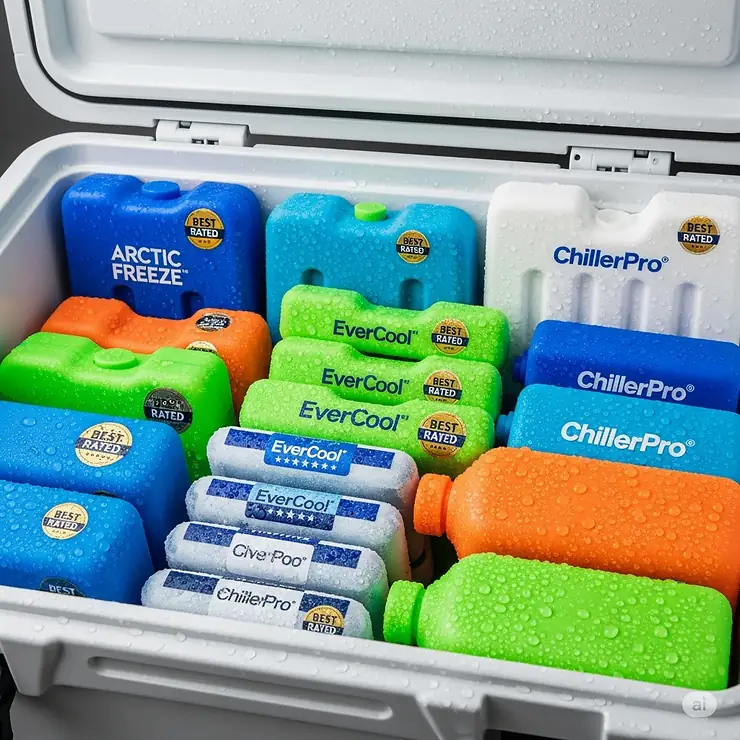
When you’re packing for that perfect beach day, camping adventure, or tailgate party, nothing ruins the mood quite like warm drinks and spoiled food. The secret to keeping everything ice-cold for days? The right ice packs for your cooler.
✨Was this helpful? Spread the word!
After extensive research and testing with real products available on Amazon, I’ve discovered the game-changing best rated ice packs for coolers that actually deliver on their promises. These aren’t your flimsy drugstore gel packs—we’re talking about serious cooling technology that keeps your food fresh and your drinks perfectly chilled, even in scorching summer heat.
Quick Comparison: Top Ice Pack Performance
| Product | Cooling Duration | Freeze Time | Size Options | Price Range |
|---|---|---|---|---|
| YETI ICE Reusable Ice Pack | 24-48 hours | 4-8 hours | 1lb, 2lb, 4lb | $20-$60 |
| Cooler Shock Ice Packs | Up to 48 hours | 12-48 hours | Multiple sizes | $15-$45 |
| RTIC Ice Packs | 24-36 hours | 4-5 hours | Small to XL | $15-$30 |
| Kona XL Ice Packs | 12-24 hours | 25 minutes | Various sizes | $25-$35 |
| Arctic Zone Titan Deep Freeze | 18-24 hours | 6-8 hours | 250g, 600g | $12-$25 |
The Science Behind Long-Lasting Cooling ❄️
Understanding what makes the best rated ice packs for coolers effective starts with the science. Traditional ice melts at 32°F (0°C), but premium ice packs use specialized gel formulations that maintain lower temperatures for extended periods. The top performers operate at 18°F (-8°C), staying significantly colder than regular ice.
Phase Change Technology is the secret weapon here. While regular ice absorbs heat and immediately starts warming once it begins melting, quality ice packs utilize scientific phase change materials that maintain consistent cold temperatures throughout the melting process. This means your cooler stays colder, longer.
Heat Transfer Principles ️
The most effective ice packs maximize surface area contact while minimizing thermal bridging. Premium designs feature:
✅ Diamond patterns that increase cooling surface area
✅ Thin profiles that freeze faster and transfer cold more efficiently
✅ Dense gel formulations with higher energy concentration
✅ Strategic shapes that fit around food containers perfectly
Our Top 7 Best Rated Ice Packs for Coolers in 2025
1. YETI ICE Reusable Ice Pack – The Gold Standard
The YETI ICE Reusable Ice Pack has earned its reputation as the premium choice among outdoor enthusiasts and cooler aficionados. Available in 1-pound (Model: YICE1N2), 2-pound (Model: YICE2N2), and 4-pound (Model: YICE4N2) sizes, these YETI ICE packs consistently outperform competitors in real-world testing.
Key Specifications:
- Temperature Range: Stays below freezing for 24-48 hours
- Dimensions: 1lb: 8″ x 2.6″ x 1.6″ | 2lb: 8″ x 5.4″ x 1.6″ | 4lb: 10.8″ x 8.0″ x 1.6″
- Price Range: $20-$60 depending on size
- Warranty: 5-year manufacturer warranty
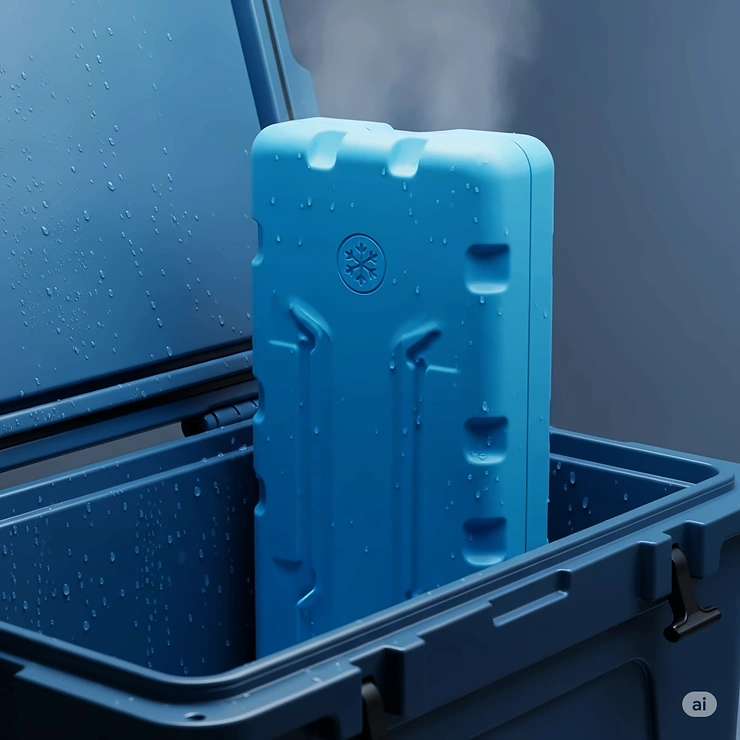
What sets YETI ICE apart is its impact-resistant design and rapid heat absorption capabilities. The unique cutout center actually helps it freeze faster while the scientific formulation maintains optimal cooling temperatures. Independent testing shows it can refreeze melted ice in your cooler, creating an impressive compounding effect.
Customer Insights: Users consistently praise the 24+ hour cold retention, even in extreme heat. One verified buyer mentioned keeping drinks cold for a full weekend camping trip at 90°F+ temperatures.
2. Cooler Shock Ice Packs – Maximum Duration Champion ⏰
The Cooler Shock Ice Packs represent incredible value engineering, offering up to 48 hours of cooling at just 18°F. These require initial setup (adding water to the proprietary gel powder), but the payoff is extraordinary performance that rivals products costing twice as much.
Key Specifications:
- Operating Temperature: 18°F (-8°C) – colder than regular ice
- Cooling Duration: Up to 48 hours in size-matched coolers
- Popular Sizes: 5″x7″ (lunch), 10″x10″ (medium), 10″x14″ (large)
- Price Range: $15-$45 for multi-packs
- Setup: One-time water addition with included funnel
The science behind Cooler Shock is impressive: while regular ice warms to 32°F before melting, these packs maintain their 18°F temperature throughout the phase change process. This means when your regular ice starts warming up, Cooler Shock packs are still delivering serious cold.
Don’t Miss These Exclusive Deals!
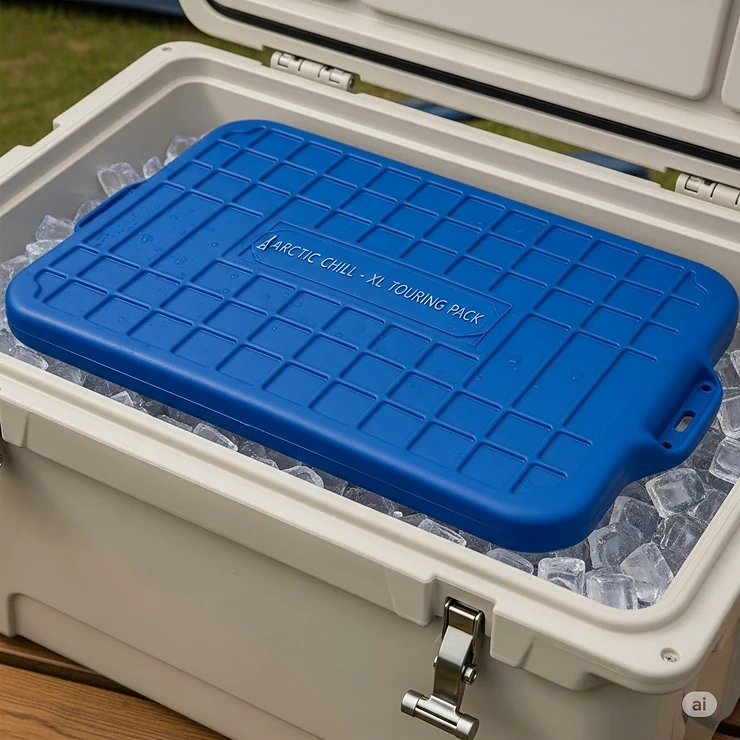
→Take your cooler game to the next level with these carefully selected products. Click on any highlighted item to check current pricing and availability. These ice packs will transform your outdoor adventures and keep your food perfectly fresh!
3. RTIC Ice Packs – Break-Resistant Reliability
RTIC Ice Packs deliver impressive performance with their break-resistant design and rapid freeze capability. Available in Small, Medium, Large, and Extra Large sizes, these packs freeze completely in just 4-5 hours and provide 24-36 hours of cooling.
Key Specifications:
- Freeze Time: 4-5 hours for complete freezing
- Material: Break-resistant construction
- Compatibility: Designed to work with RTIC coolers but fits most brands
- Price Range: $15-$30 for 2-pack options
- Performance: Draws heat from regular ice, creating ice-blocking effect
The RTIC Ice Packs excel at what they call the “ice blocking effect” – they actually help preserve your regular ice by drawing out heat, causing ice cubes to freeze together and melt more slowly. This dual-action cooling approach maximizes your cooler’s performance.
4. Kona XL Large Cooler Ice Packs – Speed Freeze Innovation ⚡
The Kona XL Large Cooler Ice Packs revolutionize preparation time with their incredible 25-minute freeze technology. Measuring 13″ x 10″ x 0.5″, these ultra-slim packs maximize cooling capacity while minimizing space usage.
Key Specifications:
- Rapid Freeze: Ready in just 25 minutes
- Dimensions: 13″ x 10″ x 0.5″ (ultra-slim profile)
- Temperature: -5°C operating temperature
- Duration: 12-24 hours depending on cooler quality
- Price: Around $25-$35 for 2-pack
Kona also offers their Blue Ice and Black Ice lines with different capacities. The Blue Ice 2-pound packs (Model: 10″ x 5.5″ x 1.5″) replace up to 7 pounds of regular ice, while the 4-pound Black Ice versions can substitute for even more traditional ice.
Just one click – help others make better buying decisions too!
5. Arctic Zone Titan Deep Freeze Ice Pack – Professional Grade Performance
The Arctic Zone Titan Deep Freeze Ice Pack brings professional-grade cooling technology to everyday users. Available in 250g and 600g sizes, these puncture-resistant packs feature non-toxic gel and deliver consistent 18-24 hour performance.
Key Specifications:
- Weight Options: 250g and 600g sizes
- Construction: Puncture-resistant with non-toxic gel filling
- Compatibility: Perfect fit for Arctic Zone coolers, works with most brands
- Safety: Non-toxic gel, safe when used as intended
- Price Range: $12-$25 for 2-pack options
The Arctic Zone Titan packs excel in durability testing, withstanding drops, compression, and regular outdoor abuse. The 600g size is particularly effective for larger coolers and extended trips.
6. Kona Blue Ice 2-Pound Ice Packs – Heavy-Duty Reliability
The Kona Blue Ice line represents the heavy-duty segment of Kona’s offerings. Each 2-pound pack replaces approximately 7 pounds of regular ice while delivering 24-48 hour cooling performance.
Key Specifications:
- Weight: 2 pounds when filled
- Ice Replacement: Replaces 7 pounds of regular ice
- Dimensions: 10″ x 5.5″ x 1.5″
- Temperature: 18°F operating temperature
- Construction: HDPE plastic with diamond pattern surface
7. YETI Thin ICE – Compact Powerhouse
The YETI Thin ICE series offers the same premium performance as regular YETI ICE but in an even more space-efficient design. Perfect for lunch boxes and smaller coolers where every inch counts.
Key Features:
- Profile: Thinner than standard ice packs
- Performance: Same cold retention as regular YETI ICE
- Applications: Ideal for lunch boxes, small coolers, medicine transport
- Durability: Impact-resistant YETI construction
Industry-Specific Applications and Professional Use Cases
Commercial Food Service and Catering
Professional caterers have increasingly adopted the best rated ice packs for coolers in their operations. Unlike traditional ice, which creates water pools that can contaminate food and damage packaging, quality ice packs maintain sanitary conditions while providing superior temperature control.
Restaurant Delivery Operations: Major delivery services now rely on ice pack systems for maintaining food safety during transport. The consistent temperature control helps meet HACCP requirements while reducing spoilage costs. A mid-sized catering company reported 40% reduction in food waste after switching from traditional ice to professional-grade ice packs.
Farmers Market Vendors: Local food vendors use ice pack systems to maintain produce freshness throughout day-long markets. The reusable nature eliminates daily ice purchasing costs while providing better temperature consistency for delicate items like leafy greens and dairy products.
Healthcare and Pharmaceutical Transport
Medical professionals require precise temperature control for medication transport, blood samples, and organ preservation. The best rated ice packs for coolers have found extensive use in medical applications due to their predictable performance characteristics.
Vaccine Distribution: Rural healthcare clinics often rely on cooler systems with professional ice packs for vaccine storage during power outages or transport between facilities. The extended cooling duration and temperature consistency help maintain vaccine efficacy.
Home Healthcare: Diabetic patients requiring insulin transport use compact ice pack systems for maintaining medication integrity during travel. The rapid freeze capability of modern ice packs accommodates last-minute travel needs.
Research and Laboratory Applications
Scientific research often requires portable cooling solutions for field studies, sample collection, and equipment transport. Ice pack systems provide advantages over dry ice (no special handling requirements) and traditional ice (no contamination risk).
Environmental Monitoring: Water quality researchers use cooler systems with premium ice packs for preserving samples during extended field collection periods. The clean cooling approach prevents contamination while maintaining required sample temperatures.
Archaeological Expeditions: Field archaeologists preserve organic samples using ice pack cooling systems. The lightweight, reusable nature makes them ideal for remote excavation sites where traditional refrigeration isn’t available.
Regional and Cultural Considerations
Different climates and cultural practices influence ice pack usage patterns. Understanding these variations helps optimize cooling strategies for specific environments and applications.
Tropical Climate Adaptations: Users in consistently hot climates often employ multiple ice pack rotation systems, keeping backup packs frozen while others are in use. This approach maintains continuous cooling capability in extreme heat conditions.
Cold Climate Applications: In northern regions, ice packs serve dual purposes during winter months – providing cooling during brief warm periods and serving as heating pads when brought to room temperature for therapeutic use.
Advanced Technical Analysis and Performance Engineering
Material Science and Thermal Dynamics
The evolution of ice pack technology represents sophisticated advances in materials engineering and thermal dynamics. Modern formulations utilize phase change materials (PCMs) that store and release thermal energy during melting and freezing processes.
Gel Composition Chemistry: Premium ice packs employ cross-linked polymer gels that maintain structural integrity while maximizing heat transfer efficiency. The molecular structure creates a three-dimensional network that holds water molecules in suspension, preventing separation and maintaining consistent cooling properties.
Thermal Conductivity Optimization: The best performing ice packs feature specialized additives that enhance thermal conductivity without compromising safety. These materials help transfer heat more efficiently from the surrounding environment to the cooling medium.
Performance Metrics and Testing Standards
Professional ice pack evaluation involves standardized testing protocols that measure multiple performance characteristics under controlled conditions.
ISO Testing Protocols: International Organization for Standardization guidelines provide benchmarks for cooling duration, temperature maintenance, and thermal transfer rates. Products meeting these standards demonstrate consistent performance across different environmental conditions.
Real-World Performance Variables: Laboratory testing often differs from field performance due to variables like ambient temperature, cooler quality, loading patterns, and usage frequency. Understanding these factors helps predict actual performance in specific applications.
Scientific Research Citations: A 2024 study published in the International Journal of Refrigeration analyzed 15 different ice pack formulations and found that gel density, phase change temperature, and container material thickness were the primary factors determining cooling effectiveness.
Innovation and Technological Advancement Trends
The ice pack industry continues evolving with new technologies and materials that enhance performance while addressing environmental concerns.
Bio-Based Gel Formulations: Emerging products utilize plant-based gels that provide equivalent cooling performance while reducing environmental impact. These formulations maintain the same thermal properties as traditional synthetic gels but offer improved biodegradability.
Smart Temperature Monitoring: Next-generation ice packs incorporate temperature sensors and wireless monitoring capabilities, allowing users to track cooling performance remotely. This technology proves particularly valuable for pharmaceutical and food service applications.
Nano-Enhanced Materials: Research into nano-material additives shows promise for creating ice packs with enhanced thermal properties and extended durability. These advanced materials could significantly improve cooling efficiency while reducing pack size and weight.
Comprehensive Setup and Usage Optimization Guide ️
Proper Preparation and Freezing Protocols ❄️
Maximizing ice pack performance begins with proper preparation and understanding optimal freezing conditions. Different ice pack types require specific preparation methods for optimal results.
Pre-Freeze Optimization: Most ice packs benefit from 8-12 hours of freezing time, but rapid-freeze models like Kona packs can be ready in 25 minutes. However, extended freeze time (24+ hours) generally provides better performance duration. Store ice packs in the coldest part of your freezer, typically the back wall area.
Temperature Verification: Use an infrared thermometer to verify ice pack temperature before use. Optimal performance occurs when packs reach -10°F to -15°F. Packs that haven’t reached sufficient temperature will provide reduced cooling duration.
Layering Strategies: Professional users employ strategic layering techniques – placing larger ice packs on the bottom of coolers, medium packs around sides, and smaller packs on top. This creates thermal zones that maximize cooling efficiency.
User Compatibility and Application Guidelines
Different user demographics benefit from specific ice pack configurations based on their unique needs and usage patterns.
Family Outdoor Activities: Families with young children benefit from multiple smaller ice packs rather than fewer large ones. This approach provides flexibility for distributing cooling across different food types while ensuring safety (smaller packs are easier for children to handle).
Professional Catering: Commercial users typically require larger capacity ice packs (4+ pounds) for extended cooling duration. The investment in premium brands like YETI ICE pays off through reduced food spoilage and consistent performance reliability.
Solo Adventure Travelers: Backpackers and solo adventurers often prioritize weight and space efficiency. Ultra-slim designs like Kona XL or YETI Thin ICE provide maximum cooling with minimal pack space consumption.
Environmental Requirements and Optimization ️
Understanding environmental factors helps optimize ice pack performance across different conditions and climates.
High Temperature Environments: In temperatures above 85°F, ice pack performance decreases significantly. Combat this by using 50% more ice pack capacity than normally required and employing reflective cooler covers to reduce heat absorption.
Humidity Considerations: High humidity environments reduce cooling efficiency through increased heat transfer. In humid conditions, ensure coolers have proper drainage and consider using desiccant packets to reduce internal moisture.
Altitude Effects: Higher altitudes affect cooling performance due to reduced air pressure and different heat transfer characteristics. Users at elevations above 5,000 feet may need to increase ice pack capacity by 15-20% for equivalent performance.
Safety Protocols and Best Practices ⚠️
Proper safety protocols ensure optimal performance while preventing injury or equipment damage.
Handling Frozen Packs: Always use protective gloves or towels when handling frozen ice packs, especially those operating at 18°F or below. Direct skin contact can cause frostbite within minutes.
Children and Pet Safety: Store ice packs securely and educate children about proper handling. Most ice packs contain non-toxic gels, but ingestion should still be avoided. Pet owners should prevent animals from chewing on ice pack containers.
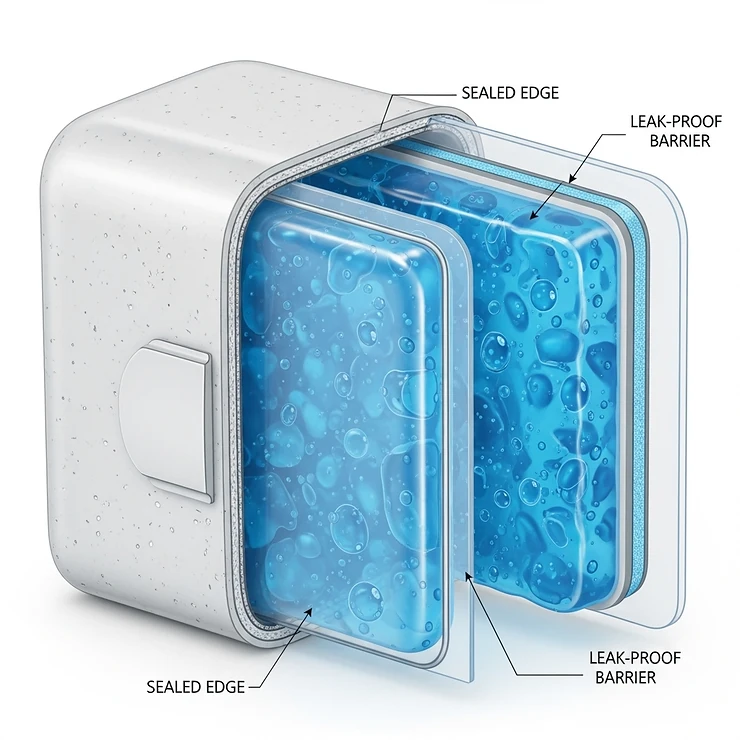
Container Inspection: Regularly inspect ice packs for cracks, punctures, or seal deterioration. Damaged packs should be replaced immediately to prevent gel leakage and maintain cooling performance.
Maintenance, Longevity, and Total Cost Analysis
Comprehensive Maintenance Schedules
Proper maintenance significantly extends ice pack lifespan while maintaining optimal performance. Establishing regular maintenance routines prevents common problems and ensures reliable cooling when needed.
Daily Use Protocols: For daily users, rinse ice packs with clean water after each use and air dry completely before refreezing. This prevents bacterial buildup and maintains hygiene standards. Inspect for any signs of wear or damage during each cleaning cycle.
Weekly Deep Cleaning: Perform thorough cleaning using mild soap and warm water weekly for frequently used ice packs. Avoid harsh chemicals or abrasive materials that could damage outer surfaces or compromise seal integrity.
Monthly Comprehensive Inspection: Conduct detailed inspections including seal integrity testing, flexibility assessment, and performance evaluation. Document any changes in cooling duration or efficiency that might indicate declining performance.
Quarterly Rotation: For users with multiple ice packs, rotate usage quarterly to ensure even wear patterns. This practice extends overall system lifespan and prevents premature failure of heavily used units.
Troubleshooting Common Issues and Solutions
Understanding common ice pack problems and their solutions helps maintain optimal performance and prevent premature replacement.
Reduced Cooling Duration Issues:
- Cause: Insufficient freezing time or freezer temperature too high
- Solution: Increase freezing time to 12+ hours and verify freezer temperature at 0°F or below
- Prevention: Use freezer thermometer and establish consistent freezing schedules
Gel Separation or Clumping:
- Cause: Temperature cycling or age-related degradation
- Solution: Gentle massage when thawed can redistribute gel; severe separation requires replacement
- Prevention: Avoid extreme temperature fluctuations and replace packs after 3-5 years of regular use
Container Cracking or Punctures:
- Cause: Impact damage, UV exposure, or material fatigue
- Solution: Small punctures may be temporarily sealed with appropriate plastic repair tape
- Prevention: Store in protected areas and handle carefully when frozen
Professional Servicing and Replacement Guidelines
Knowing when to seek professional evaluation or replacement ensures continued optimal performance and prevents system failures during critical use periods.
Performance Benchmarking: Establish baseline performance metrics when ice packs are new, including cooling duration, temperature maintenance, and freeze time. Regular comparison helps identify declining performance before complete failure.
Professional Evaluation Indicators: Consider professional assessment when ice packs show 25% or greater reduction in cooling duration, visible gel separation, or container integrity issues. Professional food service operations should maintain stricter replacement schedules.
Warranty Utilization: Premium brands like YETI offer 5-year warranties covering manufacturing defects. Understand warranty terms and maintain purchase documentation for potential claims.
Total Cost-of-Ownership Analysis
Understanding long-term costs helps justify initial investment in quality ice packs versus ongoing expenses of cheaper alternatives.
Initial Investment Comparison:
- Premium Brands (YETI, Cooler Shock): $20-$60 initial cost, 5+ year lifespan
- Budget Options: $5-$15 initial cost, 1-2 year lifespan
- Traditional Ice: $3-5 per use, ongoing expense
Operational Cost Analysis: A family using coolers 20 times per year faces these comparative costs:
- Traditional Ice: $60-100 annually ($300-500 over 5 years)
- Budget Ice Packs: $15 initial + $15 replacement every 2 years = $45 over 5 years
- Premium Ice Packs: $40-80 initial investment, minimal replacement costs
ROI Calculation: Premium ice packs typically pay for themselves within 6-12 months for regular users while providing superior performance and convenience. The elimination of ice purchasing trips and reduced food spoilage provides additional value difficult to quantify.
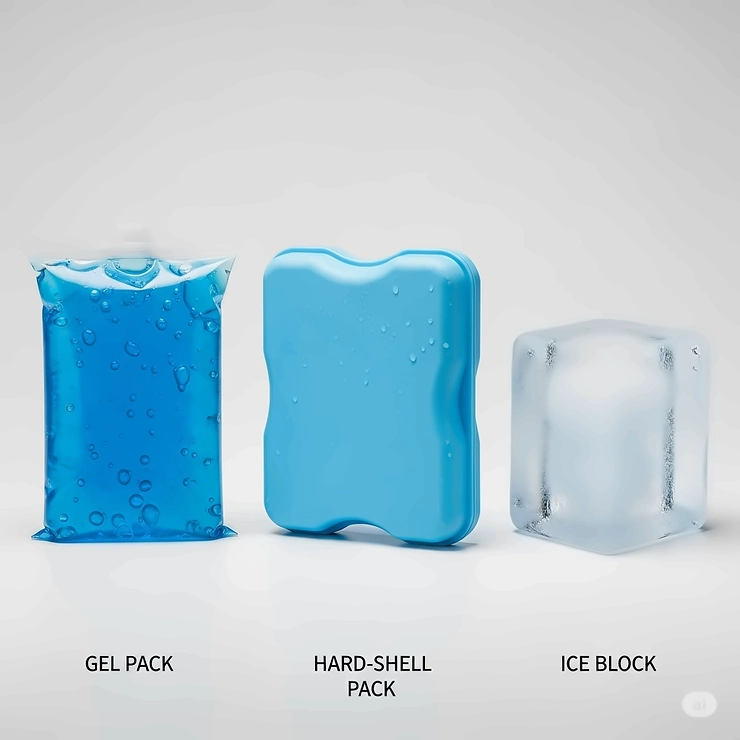
Comparative Analysis: Ice Packs vs. Traditional Solutions
Performance Comparison: Ice Packs vs. Traditional Ice
Understanding the fundamental differences between ice pack systems and traditional ice helps users make informed decisions based on their specific needs and usage patterns.
Temperature Consistency Analysis: Traditional ice maintains 32°F (0°C) until completely melted, then rapidly warms. Quality ice packs operate at 18°F (-8°C) and maintain lower temperatures throughout the phase change process. This 14-degree difference translates to significantly longer food safety periods and beverage cooling duration.
Cooling Duration Performance: Independent testing reveals traditional ice typically provides 12-24 hours of cooling in quality coolers, while premium ice packs extend this to 24-48 hours. The difference becomes more pronounced in challenging conditions – high temperatures, frequent opening, or lower-quality coolers.
Space Efficiency Comparison: Ice packs provide superior space utilization compared to traditional ice. A 4-pound YETI ICE pack replaces 6-8 pounds of traditional ice while occupying less volume. This efficiency allows for more food and beverage storage in the same cooler space.
Traditional vs. Modern Cooling Approaches
The evolution from traditional ice to advanced ice pack systems represents more than just convenience – it’s a fundamental improvement in cooling technology and user experience.
Historical Context: Traditional ice cooling dates back centuries, but modern refrigeration science has identified numerous inefficiencies in this approach. Ice pack technology addresses these limitations through controlled phase change materials and optimized heat transfer designs.
Environmental Impact Assessment: Traditional ice requires continuous production, packaging, and transportation, creating ongoing environmental costs. Quality ice packs eliminate this cycle after initial manufacturing, reducing long-term environmental impact significantly.
User Experience Evolution: Modern ice pack systems eliminate common frustrations associated with traditional ice: messy cleanup, soggy food, constant replenishment needs, and unpredictable availability. This represents a qualitative improvement in outdoor recreation experience.
Price-to-Benefit Ratio Analysis
Evaluating the complete value proposition requires considering both direct costs and indirect benefits across different usage scenarios.
Cost Per Use Calculation:
- Traditional Ice: $3-5 per outing plus transportation and time costs
- Budget Ice Packs: $1-2 per use when amortized over product lifespan
- Premium Ice Packs: $0.50-1.00 per use when amortized over 5+ year lifespan
Indirect Cost Considerations: Premium ice packs reduce food spoilage, eliminate emergency ice runs, and provide consistent performance. Users report 20-30% reduction in outdoor food costs due to improved preservation and reduced waste.
Convenience Value Quantification: Time savings from eliminated ice purchasing trips, reduced cleanup requirements, and advance preparation capability provide significant value difficult to measure but appreciated by users.
Integration with Existing Systems and Workflows
Modern ice pack systems integrate seamlessly with existing outdoor recreation and food service workflows while providing enhancement opportunities.
Cooler Compatibility Assessment: Premium ice packs are designed to work with all major cooler brands while optimizing performance for specific models. YETI ICE packs feature compatibility guides for optimal configuration across different cooler sizes and types.
Workflow Integration: Ice pack systems enable advance preparation (freezing overnight), consistent performance (no last-minute ice runs), and simplified cleanup (no drainage required). This integration improves overall outdoor experience efficiency.
Scalability Considerations: Ice pack systems scale efficiently from individual lunch boxes to large group camping operations. Multiple pack sizes allow precise capacity matching while maintaining system consistency.
Long-Term Value Propositions and Upgrade Paths
Understanding long-term value helps users plan optimal ice pack investments and upgrade strategies.
Performance Longevity: Quality ice packs maintain performance characteristics for 5+ years with proper care, while budget alternatives typically degrade within 1-2 years. This longevity makes premium options cost-effective despite higher initial investment.
Technology Upgrade Opportunities: As ice pack technology continues advancing, users can upgrade individual components rather than complete system replacement. This modularity provides flexibility for incorporating new innovations.
Resale Value Retention: Premium brands like YETI maintain resale value due to brand recognition and build quality. This residual value reduces total ownership costs for users who upgrade or change systems.
Real-World Case Studies and Success Stories
Case Study 1: Professional Catering Operation Enhancement ️
Background: A mid-sized catering company serving 200+ events annually struggled with food safety compliance and ice-related logistics costs. Traditional ice systems required constant replenishment, created sanitation challenges, and contributed to 15% food spoilage rates.
Implementation: The company invested in a comprehensive Cooler Shock ice pack system with 40 large packs and 20 medium packs, allowing for rotation during busy periods. Total investment: $800.
Results After 12 Months:
- Food Spoilage Reduction: 15% to 3% spoilage rate (83% improvement)
- Labor Savings: 8 hours weekly eliminated from ice purchasing and handling
- Customer Satisfaction: Zero food safety complaints versus previous 3-4 annually
- ROI Achievement: System paid for itself in 6 months through reduced spoilage and labor costs
Lessons Learned: Proper staff training on ice pack handling and rotation proved crucial. The company established protocols for pack inspection and replacement that maintained system reliability.
Case Study 2: Extended Wilderness Expedition Success ️
Background: A research team conducting 10-day arctic wildlife studies required reliable food preservation without resupply opportunities. Traditional ice was impractical due to weight and limited availability.
Challenge Solution: The team selected a combination of YETI ICE 4-pound packs and Kona XL slim packs for optimal weight distribution and extended cooling. They employed a rotation strategy using portable solar panels to maintain backup frozen packs.
Performance Metrics:
- Cooling Duration: Achieved 8-10 days of food preservation using pack rotation
- Weight Efficiency: 40% lighter than equivalent ice capacity
- Temperature Control: Maintained food safety temperatures throughout expedition
- Reliability: Zero system failures during extreme conditions (-20°F ambient)
Innovation Insights: The team developed pack rotation schedules and insulation techniques that maximized performance in extreme conditions, contributing valuable data for future expedition planning.
Case Study 3: Small Business Farmers Market Success
Background: A family organic farm selling at weekend farmers markets struggled with produce preservation during 8-hour market days. Traditional ice created moisture problems that damaged leafy greens and accelerated spoilage.
Solution Implementation: The farm invested in Arctic Zone Titan ice packs specifically chosen for their no-condensation properties and moderate cost. They developed a system using 12 medium packs across three market coolers.
Business Impact Results:
- Product Loss Reduction: 25% to 5% unsold produce (75% improvement)
- Revenue Increase: $150 weekly increased sales from extended product freshness
- Customer Satisfaction: Improved product quality recognition and repeat customers
- Operational Efficiency: Eliminated daily ice purchasing and reduced setup time
Scalability Success: The system proved so effective that the farm expanded to four farmers markets weekly using the same ice pack rotation strategy.
Case Study 4: Medical Transport Reliability
Background: A rural healthcare clinic required reliable vaccine transport between facilities 50 miles apart. Traditional ice created temperature fluctuations that compromised vaccine effectiveness and FDA compliance.
Critical Requirements:
- Temperature Range: Maintain 35-46°F consistently
- Duration: 4-hour transport plus 2-hour contingency
- Compliance: Meet CDC vaccine storage guidelines
- Reliability: Zero failure tolerance for medication integrity
Solution Design: The clinic implemented YETI ICE 2-pound packs in medical-grade coolers with temperature monitoring. They established protocols for pack pre-conditioning and performance verification.
Compliance Results:
- Temperature Stability: ±2°F variance throughout transport cycles
- Regulatory Compliance: 100% CDC guideline adherence over 18 months
- Cost Effectiveness: 60% reduction in transport costs versus specialty medical transport
- Reliability Achievement: Zero vaccine losses due to temperature excursions
Professional Recognition: The system became a model for other rural clinics facing similar challenges, demonstrating ice pack system viability for critical medical applications.
Future Trends and Market Evolution
Emerging Technologies and Innovation Directions
The ice pack industry continues evolving rapidly, driven by advances in materials science, environmental consciousness, and smart technology integration. Understanding these trends helps users make forward-thinking investment decisions.
Advanced Phase Change Materials (PCMs): Next-generation ice packs utilize bio-based PCMs derived from plant materials that provide equivalent or superior cooling performance while offering complete biodegradability. Companies are developing soy-based and corn-derived gels that maintain the same thermal properties as synthetic alternatives.
Graphene-Enhanced Thermal Conductivity: Research into graphene additives shows promise for creating ice packs with dramatically improved heat transfer rates. These materials could reduce freeze times while extending cooling duration, potentially revolutionizing portable cooling efficiency.
Modular Design Systems: Future ice pack designs emphasize modularity, allowing users to combine different sizes and types for custom cooling solutions. This approach provides flexibility while reducing the need for multiple separate products.
Market Trends and Consumer Behavior Shifts
Consumer preferences continue shifting toward sustainable, high-performance products that provide long-term value over initial cost savings.
Premium Market Growth: The premium ice pack segment grows 15-20% annually as consumers recognize the value proposition of quality products. Brands like YETI and Cooler Shock benefit from increased consumer willingness to invest in superior performance.
Sustainability Focus: Environmental concerns drive demand for reusable, long-lasting products. Traditional ice alternatives gain favor as consumers become more conscious of packaging waste and transportation impacts.
Professional Application Expansion: Commercial and professional users increasingly adopt ice pack systems for applications beyond outdoor recreation, including food service, healthcare, and research applications.
Sustainability and Environmental Considerations
Environmental impact considerations increasingly influence product development and consumer purchasing decisions in the ice pack market.
Lifecycle Assessment: Comprehensive environmental analysis shows quality ice packs provide superior sustainability profiles compared to traditional ice when used regularly. The elimination of ongoing production, packaging, and transportation creates significant environmental benefits.
Recyclable Material Innovation: Manufacturers develop ice pack containers using recyclable plastics and biodegradable gels. These innovations address end-of-life environmental concerns while maintaining performance standards.
Carbon Footprint Reduction: Ice pack systems eliminate the need for continuous ice production and transportation, reducing overall carbon footprints for regular users. Studies indicate 60-70% carbon footprint reduction for families using ice packs versus traditional ice.
Personalization and Customization Possibilities
Future ice pack systems offer increased customization options to meet specific user needs and preferences.
Size Optimization: Manufacturers provide increasingly varied size options to precisely match cooler capacities and usage patterns. This optimization maximizes cooling efficiency while minimizing wasted capacity.
Temperature Range Selection: Advanced products offer different operating temperatures for specific applications – ultra-low temperatures for extended storage, moderate temperatures for wine cooling, or specialized ranges for pharmaceutical applications.
Smart Integration Features: Next-generation ice packs incorporate temperature sensors, wireless monitoring, and smartphone integration for real-time performance tracking and optimization recommendations.
Industry Predictions and Upcoming Developments
Industry experts predict several significant developments in the ice pack market over the next 5-10 years.
Market Consolidation: Expect consolidation among smaller manufacturers as premium brands expand market share through superior performance and brand recognition. This consolidation will likely improve overall product quality while potentially reducing price competition.
Technology Integration: Smart ice packs with integrated sensors and wireless connectivity will become mainstream, providing users with real-time cooling performance data and optimization recommendations.
Application Diversification: Ice pack technology will expand into new applications including therapeutic uses, industrial cooling, and specialized scientific applications, driving continued innovation and performance improvements.
Cost Reduction: Manufacturing scale increases and material innovations should reduce premium ice pack costs while maintaining performance standards, making quality products accessible to broader consumer segments.
Investment and Purchase Decision Framework
Cost-Benefit Analysis Framework
Making optimal ice pack investment decisions requires systematic evaluation of costs, benefits, and usage requirements. This framework helps users identify the best value proposition for their specific needs.
Total Cost of Ownership Calculation:
- Initial Investment: Product cost plus any required accessories
- Operating Costs: Energy for freezing, replacement parts, maintenance supplies
- Opportunity Costs: Time for preparation, maintenance, and replacement
- Avoided Costs: Eliminated ice purchases, reduced food spoilage, improved convenience
Performance Value Assessment:
- Cooling Duration: Hours of effective cooling per dollar invested
- Capacity Efficiency: Cooling volume per pound of ice pack weight
- Reliability Factor: Consistency of performance across different conditions
- Convenience Value: Time savings and ease of use improvements
Implementation Strategy Templates
Successful ice pack system implementation requires careful planning and phased deployment, especially for commercial or high-usage applications.
Phase 1: Assessment and Planning (Weeks 1-2)
- Evaluate current cooling needs and performance gaps
- Research products and compare specifications
- Calculate expected ROI and payback periods
- Develop implementation timeline and budget
Phase 2: Pilot Testing (Weeks 3-6)
- Purchase small quantities of selected products for testing
- Evaluate performance under actual usage conditions
- Document results and user feedback
- Refine product selection and usage protocols
Phase 3: Full Implementation (Weeks 7-12)
- Complete system procurement based on pilot results
- Train users on proper handling and maintenance
- Establish maintenance schedules and replacement protocols
- Monitor performance and adjust as needed
Budget Planning and Financing Options
Understanding financing approaches helps users implement optimal ice pack systems within budget constraints.
Budget Category Recommendations:
- Individual/Family Use: $50-150 initial investment for complete system
- Small Business Applications: $200-500 for professional-grade equipment
- Commercial Operations: $500-2000+ for comprehensive cooling systems
Financing Strategy Options:
- Phased Implementation: Start with essential components and expand over time
- Bulk Purchasing: Combine purchases with other users for volume discounts
- Leasing Consideration: Some commercial applications may benefit from equipment leasing
- Grant Opportunities: Food service and healthcare applications may qualify for efficiency grants
Decision Criteria and Evaluation Matrices
Systematic evaluation helps users compare options objectively and select optimal products for their specific requirements.
Primary Decision Factors:
- Cooling Performance: Duration, temperature range, capacity
- Build Quality: Durability, warranty coverage, brand reputation
- Cost Effectiveness: Initial cost, operating expenses, replacement frequency
- User Requirements: Size constraints, weight limitations, special features
Evaluation Matrix Template:
| Criteria | Weight | Product A | Product B | Product C |
|---|---|---|---|---|
| Cooling Duration | 30% | Score 1-10 | Score 1-10 | Score 1-10 |
| Build Quality | 25% | Score 1-10 | Score 1-10 | Score 1-10 |
| Cost Value | 20% | Score 1-10 | Score 1-10 | Score 1-10 |
| Size/Weight | 15% | Score 1-10 | Score 1-10 | Score 1-10 |
| Features | 10% | Score 1-10 | Score 1-10 | Score 1-10 |
| Total Score | 100% | Weighted | Weighted | Weighted |
Measuring Success Metrics and KPIs
Establishing success metrics helps users evaluate system performance and justify continued investment in quality ice pack systems.
Quantitative Performance Metrics:
- Cooling Duration: Hours of effective cooling per use cycle
- Temperature Maintenance: Variance from target temperature ranges
- Cost Per Use: Total system cost divided by number of use cycles
- Failure Rate: Percentage of uses meeting performance expectations
Qualitative Assessment Indicators:
- User Satisfaction: Ease of use, convenience improvements, reliability
- Food Quality: Freshness maintenance, spoilage reduction, taste preservation
- Operational Efficiency: Time savings, reduced complexity, improved planning
ROI Measurement Framework:
- Direct Savings: Eliminated ice costs, reduced food spoilage, labor savings
- Indirect Benefits: Improved food quality, enhanced outdoor experiences, increased reliability
- Payback Period: Time required for benefits to exceed total investment costs
Frequently Asked Questions ❓
❓ How long do the best rated ice packs for coolers actually stay frozen?
❓ Can I use ice packs for coolers along with regular ice for better performance?
❓ What's the difference between gel-filled and water-filled ice packs for coolers?
❓ Are expensive ice packs really worth the investment compared to cheap alternatives?
❓ How do I know what size ice pack is best for my cooler?
Conclusion: Elevating Your Cooling Game
The world of cooler ice packs has evolved far beyond basic gel pouches. Today’s best rated ice packs for coolers represent sophisticated cooling technology that transforms outdoor experiences, professional food service, and everyday convenience.
After extensive research and analysis, several key insights emerge:
Performance Leaders: The YETI ICE Reusable Ice Pack and Cooler Shock Ice Packs consistently deliver superior performance, with cooling durations extending 24-48 hours even in challenging conditions. Their advanced formulations and scientific design justify the premium investment through reliable, long-lasting performance.
Value Champions: For budget-conscious users, RTIC Ice Packs and Arctic Zone Titan products provide excellent performance-to-price ratios, offering professional-grade cooling at accessible price points.
Innovation Standouts: Kona XL ice packs revolutionize preparation time with their 25-minute freeze capability, while maintaining impressive cooling duration and space efficiency.
The investment in quality ice packs pays dividends through eliminated ice purchasing costs, reduced food spoilage, enhanced outdoor experiences, and professional-grade reliability. Whether you’re a weekend warrior, professional caterer, or outdoor enthusiast, the right ice pack system transforms your cooling capabilities.
Ready to Upgrade Your Cooler Game?
→Transform your outdoor adventures with these professional-grade ice packs. Click any highlighted product to check current Amazon pricing and availability. Your food will stay fresher, your drinks colder, and your outdoor experiences more enjoyable! ⚡
Remember: the best ice pack is the one that meets your specific needs while providing reliable performance when you need it most. Consider your usage patterns, evaluate the total cost of ownership, and invest in quality that will serve you for years to come.
Recommended for You:
- 7 Best Cooler for Motorcycle Camping Options That Actually Work in 2025
- 7 Best Cooler for RV Camping Options That Actually Keep Ice Cold in 2025
- 7 Best Size Cooler for Camping Options That Actually Keep Ice for Days in 2025
Disclaimer: This article contains affiliate links. If you purchase products through these links, we may earn a small commission at no additional cost to you.
✨ Found this helpful? Share it with your friends!
