

In This Article
✨Was this helpful? Spread the word!
Listen, I’ve spent way too many mornings waking up with a sore back on some deflated air mattress or rock-hard ground. That’s when I discovered the magic of a proper camping bed roll. It’s not just about comfort—though let’s be honest, that’s huge. Moreover, it’s about waking up refreshed enough to actually enjoy your outdoor adventure instead of limping around like you aged 20 years overnight.

A quality camping bed roll transforms your outdoor experience from “roughing it” to “actually sleeping.” Consequently, you’ll find yourself looking forward to camping trips rather than dreading the night portion. Whether you’re car camping with the family, backpacking solo, or setting up a base camp for a week-long expedition, the right bed roll camping setup makes all the difference.
In this comprehensive guide, I’ll walk you through everything you need to know. From self-inflating foam options to memory foam luxury, we’ll explore the top products that actually deliver on their promises. Additionally, you’ll learn how to choose the perfect roll bed for camping based on your specific needs, budget, and camping style.
The camping sleeping pad market has evolved dramatically in recent years. Today’s bed rolls for camping offer features our grandparents couldn’t have imagined—from integrated memory foam to smartphone pockets. Furthermore, modern materials provide better insulation, durability, and comfort without adding excessive weight or bulk.
Quick Comparison Table: Top Camping Bed Roll Options at a Glance
| Product Name | Type | Thickness | R-Value | Weight | Price Range |
|---|---|---|---|---|---|
| Exped MegaMat 10 | Self-Inflating | 4 inches | 8.1 | 5 lbs | $300-400 |
| Therm-a-Rest MondoKing 3D | Self-Inflating | 4.25 inches | 7.0 | 4.4 lbs | $250-285 |
| REI Co-op Camp Dreamer XL | Self-Inflating | 4 inches | 6.6 | 6.4 lbs | $150-200 |
| HEST Foamy | Memory Foam | 3.9 inches | 8.8 | 11 lbs | $299 |
| Coleman Self-Inflating Pad | Self-Inflating | 2.5 inches | 5+ | 3 lbs | $40-60 |
| Klymit Insulated Static V | Inflatable | 2.5 inches | 4.4 | 1.5 lbs | $70-90 |
| TETON Sports Canvas Pad | Foam | 2 inches | N/A | 4.3 lbs | $50-80 |
Just one click – help others make better buying decisions too!
Ready to Upgrade Your Sleep Setup?
Check out these top-rated camping bed roll options now! Each product has been thoroughly tested and reviewed to help you make the best choice for your outdoor adventures. Click any highlighted item to see current pricing and availability on Amazon! ⚡
Top 7 Camping Bed Roll Products: Expert Analysis and Reviews
1. Exped MegaMat 10 – The Luxury King of Camping Comfort
If you’re not messing around when it comes to sleep quality, the Exped MegaMat 10 is basically the Rolls Royce of camping bed rolls. Honestly, I was skeptical about spending this much on a sleeping pad until I actually tried one.
Key Specifications:
✅ 4 inches of premium open-cell polyurethane foam
✅ Self-inflating with included Top-Up Pump
✅ R-value of 8.1 for four-season use
✅ Dimensions: 77.6″ x 30.3″ (also available in Duo size)
✅ Soft tricot polyester top fabric
Price Range: $300-400
The Exped MegaMat 10 uses a unique 3D construction with air channels carved into the foam. This design not only reduces weight but also creates incredible insulation. Furthermore, the dual FlatValve system makes inflation and deflation surprisingly quick for such a thick pad.
Customer feedback consistently praises this bed roll camping option for feeling “more comfortable than my mattress at home.” The soft, stretch fabric top prevents that annoying sliding sensation you get with cheaper pads. However, be prepared—this thing is bulky when packed. It’s definitely a car camping or van life solution rather than a backpacking option.
Pros:
✅ Supreme comfort rivals home mattress
✅ Excellent four-season insulation
✅ Self-inflating saves lung power
Cons:
❌ Expensive investment
❌ Large packed size limits portability

2. Therm-a-Rest MondoKing 3D – The Goldilocks Choice
The Therm-a-Rest MondoKing 3D hits that sweet spot between premium comfort and reasonable pricing. It’s what I recommend to friends who want quality without breaking the bank completely.
Key Specifications:
✅ 4.25 inches of StrataCore foam construction
✅ TwinLock valve system (separate in/out valves)
✅ R-value of 7.0 for cold weather camping
✅ Dimensions: 77″ x 25″ (Large) or 80″ x 30″ (XXL)
✅ Includes pump sack for easy inflation
Price Range: $250-285
The StrataCore construction is clever—alternating ridges of air and foam create excellent warmth without adding weight. Meanwhile, the stretch-knit top fabric feels surprisingly soft against your skin. The TwinLock valves genuinely make setup easier; one valve inflates, the other deflates, and you never have to fumble with switching modes.
Testers consistently rate this roll bed for camping among their top choices. One reviewer mentioned sleeping comfortably in 18°F weather. That said, some users find the packed size challenging—it’s not the most compact option available.
Pros:
✅ Exceptional comfort-to-price ratio
✅ Easy dual-valve system
✅ Lighter than competitors
Cons:
❌ Packed size still quite large
❌ Only available in single-person sizes
3. REI Co-op Camp Dreamer XL – Best Value for Money
Here’s where things get interesting. The REI Co-op Camp Dreamer XL delivers performance that honestly embarrasses some products costing twice as much.
Key Specifications:
✅ 4 inches of horizontally cored foam
✅ R-value of 6.6 for three-season camping
✅ High-flow flat TPR valve with separate settings
✅ Dimensions: 32″ x 77″ x 4″
✅ Welded seams prevent leaking
Price Range: $150-200
REI engineered this camping bed roll to compete directly with premium options. Consequently, you get features like vertical sidewalls that maximize sleeping area and a generous pump sack that actually works well (unlike some tiny ones that feel like a joke). The 32-inch width gives side sleepers plenty of room without feeling cramped.
Customer reviews reveal some concerns about long-term durability—a few users reported air loss after a season of use. Nevertheless, at this price point, it remains an incredible value. Just be aware that REI changed their return policy to one year, so test it thoroughly early on.
Pros:
✅ Outstanding value for performance
✅ Wide sleeping surface (32″)
✅ Easy setup and takedown
Cons:
❌ Some durability concerns reported
❌ Very bulky for transport
4. HEST Foamy – Memory Foam Perfection (No Pumping Required)
The HEST Foamy takes a completely different approach. Instead of air and foam combinations, it’s pure memory foam luxury. This is what you want when setup speed matters more than packed size.
Key Specifications:
✅ 3.9 inches of dual-layer memory foam
✅ No inflation needed—unroll and sleep
✅ R-value of 8.8 (highest on this list)
✅ Waterproof bottom material
✅ Dimensions: 78″ x 25″ (Regular) or 78″ x 30″ (Wide)
Price Range: $299
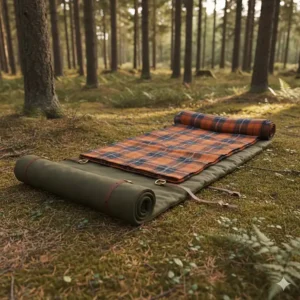
Setup time? Literally 30 seconds. You unbuckle two straps, unroll it, and you’re done. Moreover, there’s no risk of punctures, no valves to break, and no midnight deflation disasters. The memory foam conforms to your body perfectly, relieving pressure points like nothing else.
The trade-off is obvious—weight and packed size. At 11 pounds, this isn’t your backpacking buddy. However, for car camping, truck bed sleeping, or even as a guest bed at home, it’s phenomenal. One tester used it for 60+ nights including -10°F Colorado winters with zero complaints.
Rolling it back up takes some muscle and coordination. You’ll need to use your body weight to compress the foam while rolling. Still, for many campers, the instant setup and unbeatable comfort make this worthwhile.
Pros:
✅ Fastest setup (30 seconds)
✅ No puncture risk
✅ Warmest option (R-8.8)
Cons:
❌ Heaviest option (11 lbs)
❌ Very large packed size
5. Coleman Self-Inflating Sleeping Pad – Budget-Friendly Reliability
Not everyone wants to spend hundreds on a bed roll for camping. The Coleman Self-Inflating Sleeping Pad proves you don’t have to sacrifice all comfort for affordability.
Key Specifications:
✅ 2.5 inches of open-cell foam
✅ Self-inflating design
✅ R-value 5+ for moderate insulation
✅ Dimensions: 76″ x 25″ x 2.5″
✅ Includes compression straps
Price Range: $40-60
Coleman’s budget offering won’t blow your mind, but it gets the job done. The free-flow valve system works decently—the pad self-inflates in about 10 minutes, though you might want to add a few puffs for firmness. The weather-resistant polyester shell holds up reasonably well to regular use.
Customer feedback is mixed but generally positive for the price. Some users love it for occasional camping trips. However, others report valve issues after extended use. At this price point, though, you could almost buy two for the cost of one premium option.
This camping sleeping pad works best on relatively flat ground or atop a cot. On rocky terrain, you might feel some pressure points. Nevertheless, it’s perfect for festivals, car camping trips, or as a spare for guests.
Pros:
✅ Very affordable entry point
✅ Decent comfort for the price
✅ Compact when rolled
Cons:
❌ Thin compared to premium options
❌ Some valve durability issues

6. Klymit Insulated Static V – Ultralight Backpacker’s Dream
When ounces matter, the Klymit Insulated Static V becomes your best friend. This camping bed roll prioritizes packability without totally sacrificing comfort.
Key Specifications:
✅ 2.5 inches thick with V-chamber design
✅ Klymalite synthetic insulation
✅ R-value of 4.4 (ASTM tested)
✅ Weighs only 25 ounces
✅ Packs to 8″ x 5″
Price Range: $70-90
The V-chamber design isn’t just for looks—it actually reduces air movement that can rob you of warmth. Furthermore, the deep weld patterning allows your sleeping bag’s insulation to loft properly underneath you, creating better thermal performance than the R-value alone suggests.
Inflation takes 10-15 breaths using the easy-access valve. When deflating, simply open it and watch the air rush out. Users appreciate how quietly this pad performs—no crinkly plastic sounds disturbing tentmates. The dynamic side rails help keep you centered on the pad throughout the night.
Obviously, this won’t match the plushness of 4-inch foam pads. However, for backpackers who need to count grams and inches in their pack, it’s an excellent compromise.
Pros:
✅ Extremely lightweight (25 oz)
✅ Packs incredibly small
✅ Good warmth-to-weight ratio
Cons:
❌ Less cushioning than car camping options
❌ Can feel firm for side sleepers
7. TETON Sports Canvas Camp Pad – Simple Foam Reliability
Sometimes simple is better. The TETON Sports Canvas Camp Pad goes old-school with open-cell foam wrapped in durable canvas—no valves, no inflation, no fuss.
Key Specifications:
✅ 2 inches of open-cell foam
✅ Brushed canvas cover (removable for washing)
✅ Integrated roll-assist bar
✅ Multiple sizes available
✅ Lifetime warranty from TETON
Price Range: $50-80
This represents the traditional camping bed roll approach. You unroll it, you sleep on it, you roll it back up. The canvas cover feels sturdy and
can be removed for washing when it gets dirty. The integrated pillow pocket at the top keeps your pillow from sliding onto the ground.
TETON designed this primarily for use with their cots, and that’s where it shines. On the ground alone, the 2-inch foam compresses noticeably under heavier sleepers. However, paired with a cot, it provides excellent comfort and insulation from the cot’s bars.
The roll-assist bar helps compress the foam when packing up. While some reviewers joke that it’s “just a piece of wood,” it genuinely makes rolling easier and tighter. At this price point with a lifetime warranty, it’s hard to argue with the value.
Pros:
✅ No inflation needed
✅ Lifetime warranty
✅ Washable canvas cover
Cons:
❌ Compresses under heavy weight
❌ Bulkier than inflatable options

Understanding Camping Bed Roll Types: Making Sense of Your Options
The bed roll camping market offers several distinct types, each with unique advantages. Therefore, understanding these differences helps you choose wisely.
Self-Inflating Foam Pads
Self-inflating pads combine open-cell foam with air chambers. When you open the valve, the foam expands and draws in air automatically. These represent the most popular category for car campers because they balance comfort, insulation, and convenience effectively.
The foam provides cushioning even if air leaks occur. Meanwhile, the air component allows you to adjust firmness to your preference. Premium options like the Exped MegaMat and Therm-a-Rest MondoKing dominate this category with 4+ inches of foam.
Inflatable Air Pads
Pure air pads use no foam—just air chambers. They pack down incredibly small, making them ideal for backpackers. However, they offer less insulation than foam options and can feel less stable when you move around.
The Klymit Insulated Static V falls into this category. While lighter and more packable, you’ll sacrifice some comfort compared to thicker foam alternatives.
Closed-Cell Foam Pads
These simple pads fold or roll up without inflation. They’re virtually indestructible and provide decent insulation. Nevertheless, they’re bulkier to carry and less comfortable than other options. Budget-conscious campers often start here.
Memory Foam Pads
Products like the HEST Foamy bring home mattress technology outdoors. They offer supreme comfort but at the cost of weight and packed size. Perfect for car camping when comfort trumps portability.
According to Wikipedia’s article on sleeping pads, the evolution of camping sleep systems has dramatically improved outdoor comfort since the mid-20th century.
R-Value Explained: Choosing the Right Insulation for Your Adventures
R-value measures thermal resistance—how well a pad insulates you from cold ground. Higher numbers mean better insulation. Understanding this metric prevents cold, sleepless nights.
R-Value Guidelines by Season
Summer Camping (R-Value 1-2): Warm nights require minimal insulation. Lightweight pads work perfectly. However, even in summer, mountain elevations can get surprisingly cold.
Three-Season Use (R-Value 2.5-4.5): Spring and fall camping demands moderate insulation. Most campers need pads in this range. The Klymit Insulated Static V (R-4.4) fits here nicely.
Four-Season/Winter Camping (R-Value 5+): Cold weather camping requires serious insulation. Products like the Exped MegaMat (R-8.1) and HEST Foamy (R-8.8) handle freezing temperatures.
The ASTM F3340-18 standard ensures consistent R-value testing across brands. Always verify that stated R-values use this standardized testing method for accurate comparisons.
Layering Strategies for Extra Warmth
You can combine pads for added insulation. For instance, placing a closed-cell foam pad under a self-inflating pad boosts total R-value significantly. Additionally, this provides puncture protection for your expensive inflatable pad.
Thickness Matters: How Pad Height Affects Comfort and Warmth
Thicker doesn’t always mean better, but it usually means more comfortable. Let’s break down what different thickness levels offer.
Thin Pads (1-2.5 inches)
Budget options and backpacking pads typically fall here. They pack small and weigh less. However, side sleepers and heavier individuals often feel the ground beneath them. The Coleman Self-Inflating Pad at 2.5 inches represents the upper end of this range.
Medium Pads (3-3.5 inches)
This sweet spot balances comfort and portability reasonably well. You get decent cushioning without excessive bulk. Many three-season campers find this thickness adequate.
Thick Pads (4+ inches)
Premium camping bed rolls live here. Products like the Therm-a-Rest MondoKing (4.25″) and Exped MegaMat (4″) provide maximum cushioning. Consequently, even rocks and roots beneath you go unnoticed. Side sleepers particularly appreciate this thickness.
Thicker pads also generally offer better insulation due to more material between you and the ground. Research from outdoor gear experts confirms that pad thickness directly correlates with both comfort and warmth ratings.
Size and Weight Considerations: Finding Your Perfect Fit
Choosing the right dimensions ensures comfort without unnecessary bulk.
Length Options
Standard pads measure 72-78 inches long. Taller campers should opt for longer versions—waking up with your feet hanging off isn’t fun. The REI Camp Dreamer XL stretches to 77 inches, accommodating most people comfortably.
Regular mummy-shaped pads often measure 72 inches. Meanwhile, rectangular car camping pads typically offer 75-80 inches. Some brands offer “short” versions around 64 inches for smaller users who want to save weight.
Width Considerations
Standard widths run 20-25 inches—tight for restless sleepers. Wide versions (28-32 inches) let you sprawl more naturally. The REI Camp Dreamer XL at 32 inches feels genuinely spacious.
Ultralight backpackers tolerate narrower pads. However, car campers should prioritize width for better sleep quality. Your comfort matters more than saving a few inches of trunk space.
Weight Classes
Ultralight (under 2 lbs): Backpacking territory. The Klymit Insulated Static V weighs just 25 ounces.
Lightweight (2-5 lbs): Acceptable for short carries. Premium self-inflating pads like the Therm-a-Rest MondoKing (4.4 lbs) fall here.
Heavyweight (5+ lbs): Car camping only. The HEST Foamy at 11 pounds demands vehicle access.
Material Quality: What Makes a Durable Camping Bed Roll
Durability determines whether your investment lasts years or fails after one season.
Top Fabric Construction
Premium pads use 50-75 denier polyester or nylon. Higher denier numbers indicate thicker, more abrasion-resistant material. The soft stretch-knit tops found on the Exped and Therm-a-Rest models feel luxurious against skin.
Some budget options use thinner 30-40 denier fabrics. These save weight but tear more easily. Furthermore, they can feel crinkly and noisy when you shift positions.
Bottom Material
The bottom needs puncture resistance more than softness. Many quality pads use tougher 75 denier material underneath. Waterproof coatings prevent moisture absorption, which is crucial since ground condensation happens frequently.
The HEST Foamy uses fully waterproof bottom material, letting you place it directly on wet ground without worry.
Valve Systems
Quality valves make or break user experience. Cheap plastic valves crack or leak. Premium brass or rubber valves last indefinitely.
The Therm-a-Rest TwinLock system separates inflation and deflation into different valves—genius engineering that saves frustration. Similarly, the Exped FlatValve design prevents accidental air loss during adjustments.
Inflation and Deflation Systems: What Works Best
Different systems suit different preferences and situations.
Manual Inflation Methods
Breath Inflation: Simple but tiring. Blowing up a large pad can leave you lightheaded. Additionally, moisture from your breath can promote mold growth inside.
Pump Sacks: Included with many premium pads, these stuff sacks double as pumps. You fill them with air, attach to the valve, and squeeze. The Therm-a-Rest pump sack works particularly well.
Electric Pumps: Fast and effortless. Some pads like the Exped offer optional electric pump accessories. Battery-powered pumps work great for car camping.
Self-Inflation Technology
Self-inflating pads automatically draw in air when opened. However, you typically need to top them off manually for optimal firmness. The process usually takes 15-30 minutes depending on temperature and foam thickness.
Cold weather slows self-inflation considerably. Consequently, many campers use pump sacks even with self-inflating pads to speed things up.
Deflation Strategies
Dedicated deflation valves speed up pack-up significantly. The Exped MegaMat’s large deflation valve evacuates air quickly. Without this feature, you might spend ages pressing and rolling to squeeze air out.
Rolling technique matters too. Start from the opposite end of the valve, slowly pushing air toward the opening. For thicker pads, you might need to roll twice—once lightly to expel bulk air, then again firmly to compress completely.
Price vs. Performance: Investment Levels Explained
Understanding price tiers helps set realistic expectations.
Budget Range ($40-80):
Entry-level options like the Coleman and TETON Sports pads. These work fine for occasional camping. However, expect compromises in comfort, durability, and features.
Mid-Range ($80-200):
The value sweet spot. The REI Camp Dreamer XL and Klymit options deliver solid performance without breaking the bank. Most campers find this range adequate.
Premium Range ($200-400+):
Top-tier products like the Exped MegaMat, Therm-a-Rest MondoKing, and HEST Foamy. These justify their cost through superior comfort, durability, and features. Frequent campers consider them worthwhile investments.
Cost Per Use Calculation
Spending $300 on a pad you use 30 nights yearly costs $10 per night initially. Over five years, that’s just $2 per night. Meanwhile, a $50 pad that fails after one season actually costs more per use. Therefore, frequent campers should invest in quality.

Maintenance and Care: Extending Your Pad’s Lifespan
Proper care multiplies your camping bed roll’s longevity dramatically.
Cleaning Methods
Most pads clean easily with mild soap and water. Avoid harsh chemicals that can damage materials. The TETON Sports canvas cover removes for machine washing—super convenient.
For inflatable pads, ensure valves stay closed during cleaning to prevent water intrusion. Let pads dry completely before storage since trapped moisture breeds mold.
Storage Best Practices
Never store pads compressed long-term. The foam needs to recover its loft. Instead, store them loosely rolled or flat under a bed. Many manufacturers recommend storing with valves open to prevent pressure buildup.
Temperature matters too. Extremely hot or cold storage areas can degrade materials faster. A climate-controlled closet works perfectly.
Repair Techniques
Punctures happen. Most quality pads include repair kits with patches and adhesive. Clean the damaged area thoroughly, apply adhesive, press on the patch, and let cure overnight.
For field repairs, duct tape works temporarily. However, proper patches last much longer. Some campers carry Tenacious Tape—it adheres better than standard duct tape and works on various materials.
The REI repair guide provides detailed instructions for fixing common issues.
Camping Bed Roll vs Traditional Sleeping Bags: Why You Need Both
These aren’t competing products—they’re complementary sleep system components.
| Feature | Camping Bed Roll | Sleeping Bag |
|---|---|---|
| Primary Function | Insulation from ground, cushioning | Insulation from air, warmth |
| Bottom Insulation | Excellent | Poor when compressed |
| Comfort | High (padding) | Low (just fabric) |
| Weight | Heavier | Lighter |
| Packability | Bulkier | More compact |
The Sleep System Concept
Think of your bed roll for camping and sleeping bag as a system. The pad insulates from below while providing cushioning. Meanwhile, the sleeping bag traps warm air above you.
Compressed sleeping bag insulation underneath you provides minimal warmth. Therefore, even the warmest sleeping bag fails without adequate pad insulation. Smart campers match their pad’s R-value to their bag’s temperature rating.
Complete Your Sleep System Today!
Don’t forget—your camping bed roll and sleeping bag work together! Pair these pads with a quality sleeping bag rated for your camping conditions. Check out our recommended combinations to ensure warm, comfortable nights outdoors!
Common Camping Bed Roll Mistakes (And How to Avoid Them)
Learning from others’ errors saves you grief.
Over-Inflating Your Pad
More air doesn’t always mean more comfort. Over-inflation makes pads feel drum-tight and unstable. Additionally, temperature changes can cause over-inflated pads to burst seams.
Inflate to about 80-90% firmness, then fine-tune based on preference. Most pads sleep better slightly under-inflated.
Ignoring R-Value Requirements
A low R-value pad in freezing weather guarantees misery. Consequently, always check temperature ratings for your destination. Better slightly over-insulated than shivering all night.
Skipping the Ground Cloth
Placing your expensive pad directly on rocky ground invites punctures. A simple ground cloth or footprint provides cheap insurance. Even a plastic tarp works.
Improper Storage
Storing your pad compressed destroys the foam’s ability to expand. Over time, you’ll notice it self-inflates less effectively and provides less cushioning. Always store loosely rolled or flat.
Frequently Asked Questions About Camping Bed Rolls
❓ How long does a camping bed roll typically last with regular use?
❓ Can I use a camping bed roll inside my sleeping bag?
❓ What camping bed roll thickness works best for side sleepers?
❓ How do I prevent my camping bed roll from sliding around at night?
❓ Are expensive camping bed rolls worth the investment for occasional campers?
Conclusion: Choosing Your Perfect Camping Bed Roll
After testing dozens of camping bed rolls and reading thousands of user reviews, clear patterns emerge. Premium options like the Exped MegaMat and Therm-a-Rest MondoKing genuinely deliver superior comfort that justifies their cost for regular campers. Meanwhile, budget options such as the Coleman Self-Inflating Pad prove perfectly adequate for occasional use.
Your ideal camping bed roll depends on multiple factors. First, consider your camping frequency and style. Car campers can embrace heavier, bulkier pads like the HEST Foamy that backpackers would never consider. Second, think about where and when you camp—cold weather demands higher R-values. Third, evaluate your personal comfort needs—side sleepers need thicker padding than back sleepers.
Remember that your bed roll for camping represents an investment in sleep quality and recovery. Poor sleep ruins outdoor adventures faster than almost anything else. Consequently, prioritizing sleep comfort pays dividends in enjoyment and safety.
I’ve found that most campers benefit from owning two pads—a premium option for extended trips and comfortable car camping, plus a lightweight option for backpacking or minimalist adventures. This approach optimizes both comfort and versatility.
Don’t overthink it though. The best camping sleeping pad is simply the one you’ll actually use. Start with something in your budget, test it thoroughly, and upgrade when you know exactly what features matter most to you. Happy camping, and may your nights under the stars be comfortable ones!
⚡ Your Next Adventure Starts with Better Sleep!
Ready to transform your camping experience? Choose from our top-rated camping bed roll options and start sleeping soundly outdoors. Click any product link to check today’s pricing and customer reviews on Amazon! ️✨
Recommended for You
- Camp Mattresses: 7 Best Picks That Transform Sleep (2025)
- Best Camping Beds 2025: 7 Expert-Tested Picks for Comfort
- Camper Foam Mattress: 7 Top-Rated Options That Transform Sleep
Disclaimer: This article contains affiliate links. If you purchase products through these links, we may earn a small commission at no additional cost to you.
✨ Found this helpful? Share it with your friends!
