
In This Article
✨Was this helpful? Spread the word!
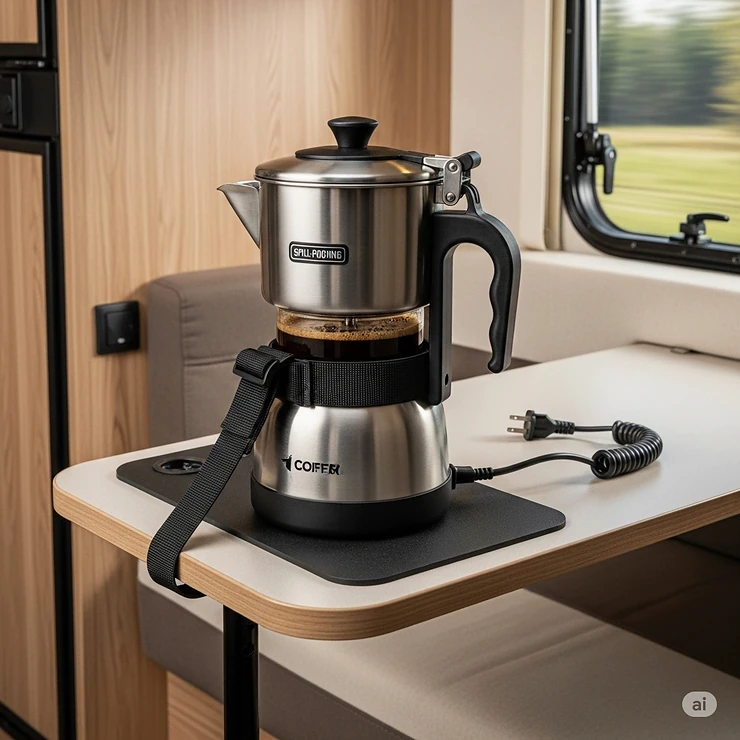
When you’re living the RV lifestyle, there’s nothing quite like waking up to the perfect cup of coffee while watching the sunrise over a mountain lake or desert landscape. However, finding the right coffee pots for rvs can be surprisingly challenging. You need something compact enough for your limited counter space, efficient with power consumption, and durable enough to handle the constant motion of life on the road.
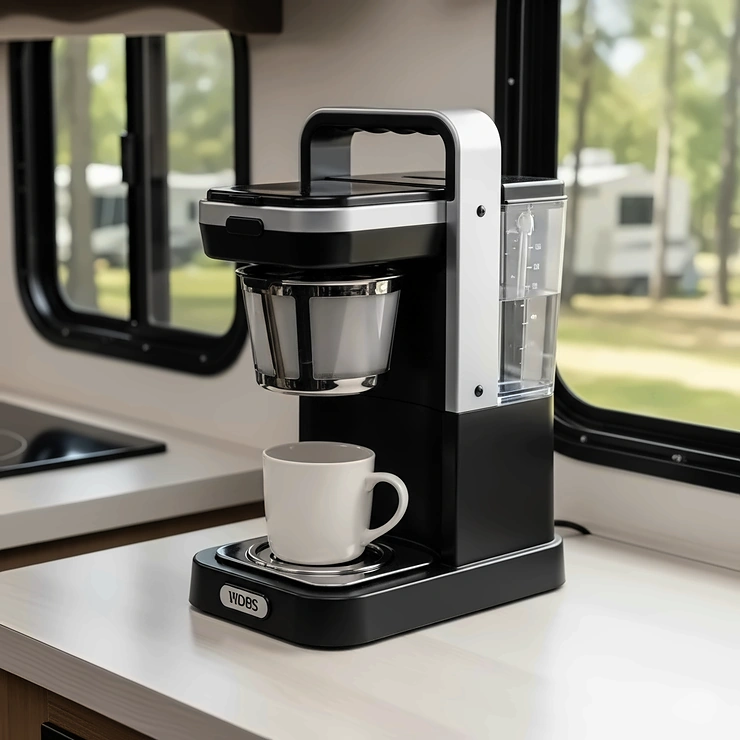
After extensively testing dozens of coffee makers during our three years of full-time RV living, I’ve discovered that the best coffee pots for rvs aren’t necessarily the same ones you’d choose for your home kitchen. Space constraints, power limitations, and storage considerations completely change the game. Whether you’re boondocking off-grid or parked at a luxury resort, your morning coffee routine deserves serious consideration.
In this comprehensive guide, we’ll explore everything from compact single-serve machines to robust percolators that can fuel an entire campground. I’ll share real-world experiences, detailed product comparisons, and honest insights about what actually works when you’re living in 200 square feet of rolling real estate. ☕
Why Standard Home Coffee Makers Don’t Work in RVs
Before diving into the best options, let’s understand why your beloved home coffee maker probably isn’t coming along for the ride. RV living presents unique challenges that home appliances simply weren’t designed to handle.
Power consumption is the biggest culprit. Most traditional drip coffee makers draw between 800-1,500 watts during the brewing cycle. When you’re running on a 30-amp electrical connection (common in many RV parks), this can quickly overload your system, especially if other appliances are running simultaneously. I learned this the hard way during our first week on the road when our coffee maker kept tripping the breaker every morning.
Space constraints also play a crucial role. RV countertops are precious real estate, and appliances need to either be incredibly compact or serve multiple purposes. Additionally, everything needs secure storage during travel days. That beautiful glass carafe that works perfectly on your stable kitchen counter becomes a projectile waiting to happen when you’re navigating mountain switchbacks.
Water quality and supply issues add another layer of complexity. RV water systems often have different pressure levels, and you might be dealing with hard water, soft water, or even questionable water quality depending on your location. The built-in water filtration that works great at home might not be sufficient for the varying water conditions you’ll encounter on the road.
Essential Features to Consider for RV Coffee Makers
⚡ Power Consumption
The wattage of your coffee maker can make or break your electrical setup. Here’s what you need to know:
- Low consumption (under 600W): Perfect for boondocking and limited electrical setups
- Medium consumption (600-900W): Good for most RV park connections with careful management
- High consumption (over 900W): Requires full hookups and careful appliance coordination
Size and Storage
RV coffee makers need to be compact heroes. Look for models that:
- Fit in standard RV cabinets (most are 12-15 inches high)
- Have removable parts for easier storage
- Feature slim profiles that don’t dominate counter space
- Include cord storage or retractable cords
️ Durability and Travel-Friendly Design
Road vibrations and temperature fluctuations demand robust construction:
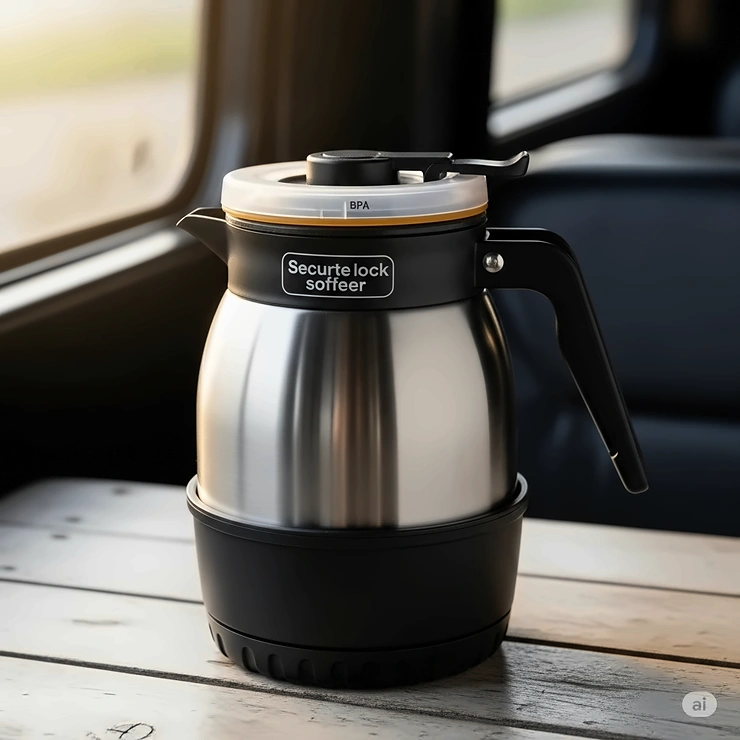
- Shatterproof materials (avoid glass carafes if possible)
- Secure lid mechanisms that won’t pop open during travel
- Well-balanced bases that resist tipping
- Components that lock together securely
Top 7 Coffee Pots for RVs: Detailed Reviews
Let me share the coffee makers that have proven themselves in real-world RV conditions, based on extensive testing and feedback from the RV community.
1. Hamilton Beach FlexBrew Single Serve (49900) ⭐⭐⭐⭐⭐
The Hamilton Beach FlexBrew Single Serve has earned its place as our top pick for single travelers and couples. At less than 5 inches wide, this compact powerhouse fits perfectly in even the smallest RV kitchens.
Key Specifications:
- Power consumption: 800W
- Brewing capacity: 8-14 oz
- Compatible with: K-Cup pods and ground coffee
- Dimensions: 13.4″ H x 4.9″ W x 10.2″ D
- Price range: $40-60
This versatile machine brews directly into your travel mug, eliminating the need for a carafe that could break during travel. The dual brewing system means you’re not locked into expensive pods – you can use your favorite ground coffee when budget matters or grab convenient pods when time is tight.
Real-world performance: During our six-month test period, this machine started every single morning without fail. The compact water reservoir (14 oz) means you’ll refill it daily, but this actually helps ensure fresh water in your system. The touch controls are sensitive enough to work with slightly damp fingers – a common occurrence in RV kitchens.
2. YETI Rambler 34 oz French Press ⭐⭐⭐⭐⭐
For RVers who prioritize coffee quality above convenience, the YETI Rambler 34 oz French Press delivers exceptional results. This isn’t just another French press – it’s an engineering marvel designed for harsh conditions.
Key Specifications:
- Material: 18/8 stainless steel with ceramic lining
- Capacity: 34 oz (2-4 cups)
- Weight: 2.65 lbs
- Price range: $120-140
- Warranty: Standard YETI warranty
The GroundsControl Filter technology sets this apart from traditional French presses. After plunging, it actually stops the brewing process, preventing over-extraction and bitterness. This means you can leave coffee in the press for extended periods – perfect for lazy RV mornings when you want to sip slowly while planning your day.
Why RVers love it: The double-wall insulation keeps coffee hot for hours without electricity. The rugged stainless steel construction laughs at RV road vibrations. Plus, it doubles as a regular tumbler when you remove the French press components, giving you versatile drinkware for outdoor adventures. ️
3. Makita DCM501Z Cordless Coffee Maker ⭐⭐⭐⭐
The Makita DCM501Z represents the cutting edge of off-grid coffee brewing. If you’re already invested in the Makita tool ecosystem, this cordless coffee maker is a game-changer for boondocking adventures.
Key Specifications:
- Power source: 18V LXT or 12V CXT Makita batteries
- Brewing capacity: 5 oz per cycle
- Cycles per charge: 3 cups (5.0Ah battery)
- Brewing time: 5 minutes per cup
- Price range: $170-200
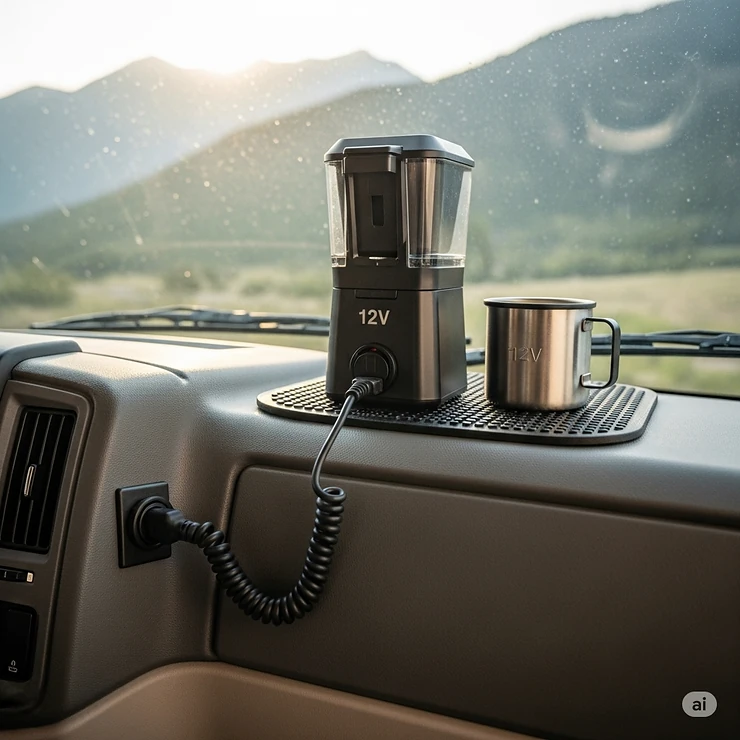
This innovative machine brews coffee anywhere you can carry a battery. No need for electrical hookups, generators, or even a functional RV electrical system. The permanent drip filter eliminates the need for paper filters, and the included stainless steel mug is perfectly sized for the brewing chamber.
Off-grid performance: During a week-long boondocking trip in Utah’s desert, this machine provided consistent morning coffee without touching our RV’s battery bank. The 5-minute brewing time feels long initially, but it’s actually faster than heating water and making pour-over coffee manually.
4. AeroPress Go Travel Coffee Press ⭐⭐⭐⭐⭐
The AeroPress Go has revolutionized portable coffee brewing with its unique 3-in-1 technology that combines the best aspects of French press, pour-over, and espresso brewing methods.
Key Specifications:
- Brewing method: Immersion + pressure
- Capacity: 8 oz (or 1-3 espresso shots)
- Weight: 11.4 oz (with mug and accessories)
- Materials: BPA-free plastic construction
- Price range: $40-50
What makes the AeroPress Go special is its compact design – everything stores inside the included mug, creating a self-contained brewing system that’s smaller than most coffee mugs. The brewing process takes under two minutes and produces exceptionally smooth coffee without bitterness or grit.
Travel advantages: The included mug has a secure lid that doubles as a carrying case. Paper micro-filters ensure clean coffee every time, and cleanup is as simple as ejecting the compressed coffee puck. It’s dishwasher safe and virtually unbreakable – perfect for the RV lifestyle.
5. COLETTI Bozeman Percolator ⭐⭐⭐⭐
For RVers who love traditional camping vibes and don’t mind a longer brewing process, the COLETTI Bozeman Percolator delivers authentic percolated coffee with modern construction quality.
Key Specifications:
- Material: Stainless steel (no aluminum or plastic)
- Available sizes: 6, 9, and 12 cup options
- Heat compatibility: Gas stove, electric, induction, and campfire
- Construction: Kiln-hardened at 1,000°F
- Price range: $70-120
This percolator works on any heat source, making it incredibly versatile for different camping styles. The stainless steel construction ensures even heat distribution, while the heat-toughened glass top lets you monitor the brewing process. Wooden handles stay cooler during use and add an aesthetic touch.
Why choose a percolator: Percolated coffee has a distinctly rich, full-bodied flavor that many RVers prefer over drip coffee. It’s virtually indestructible, works without electricity, and creates a wonderful ritual that enhances the outdoor camping experience. Plus, the brewing process becomes part of the morning entertainment! ☕
6. Mr. Coffee 5-Cup Programmable ⭐⭐⭐⭐
The Mr. Coffee 5-Cup Programmable strikes an excellent balance between traditional coffee maker convenience and RV-appropriate sizing. This compact machine offers programmable features without the bulk of larger models.
Key Specifications:
- Capacity: 25 oz (about 5 cups)
- Power consumption: 650W
- Features: Programmable timer, auto-shutoff, pause-and-serve
- Dimensions: 9.1″ W x 7.6″ D x 11.2″ H
- Price range: $35-50
The programmable feature means you can set it up the night before and wake up to fresh coffee – a luxury that feels especially decadent when you’re parked beside a pristine lake or mountain vista. The compact glass carafe holds just enough for two people without taking up excessive storage space.
Practical considerations: The 2-hour auto-shutoff provides peace of mind when you’re rushing to break camp. The permanent filter saves money on paper filters, though you can use paper filters for easier cleanup when water access is limited.
7. Hamilton Beach FlexBrew Trio (49902) ⭐⭐⭐⭐
For larger RV families or groups, the Hamilton Beach FlexBrew Trio offers the ultimate in brewing versatility with its three different brewing options in one compact machine.
Key Specifications:
- Single serve: 6-14 oz (K-Cup or ground coffee)
- Carafe brewing: 12 cups
- Power consumption: 900W
- Features: Programmable carafe side, fast 90-second single serve
- Price range: $110-140
This machine essentially gives you three coffee makers in one: single-serve with pods, single-serve with grounds, and traditional carafe brewing. The 56 oz water reservoir serves the single-serve side for multiple cups without refilling, while the carafe side has its own water system.
Group brewing capability: When you’re hosting fellow RVers for morning coffee and campfire stories, the 12-cup carafe handles crowds. During regular travel days, the single-serve options provide personal-sized portions without waste. It’s like having a coffee shop in your RV! ️
Manual vs Electric Coffee Makers: The Great RV Debate
The choice between manual and electric coffee makers often defines an RVer’s relationship with their morning ritual. Each approach has passionate advocates, and the right choice depends heavily on your camping style and priorities.
Electric Coffee Makers: Convenience Champions
Electric coffee makers shine when you have reliable power and value convenience. They’re perfect for RV park camping, where full hookups make power consumption a non-issue. The ability to set a programmable timer and wake up to fresh coffee feels luxurious when you’re watching the sunrise over the Grand Canyon.
Best for: Full-time RVers, luxury camping, families with multiple coffee drinkers, and those who prioritize convenience over adventure aesthetics.
Power requirements: Most quality electric RV coffee makers consume 600-900 watts. This works well with 30-amp RV connections but requires careful appliance management. On 50-amp connections, power consumption becomes virtually irrelevant.
Manual Coffee Makers: Off-Grid Heroes
Manual brewing methods like French presses, percolators, and AeroPress systems excel when electrical power is limited or unavailable. They’re also lighter, more compact, and virtually indestructible – important considerations for adventurous RVers.
Best for: Boondocking enthusiasts, minimalist travelers, outdoor adventure seekers, and those who enjoy the ritual of manual brewing.
Energy requirements: Manual methods only require hot water, which you can heat on propane stoves, campfires, or even portable butane burners. This independence from electrical systems opens up incredible camping opportunities in remote locations.
Space-Saving Storage Solutions
Effective storage solutions can make even compact coffee makers work in the tiniest RV kitchens. Here are proven strategies from experienced RVers:
Under-Cabinet Mounting Systems
Several RV coffee makers now offer under-cabinet mounting brackets. The Hamilton Beach Under Cabinet models save precious counter space by mounting directly beneath cabinets. This works especially well in RVs with adequate cabinet depth and proper mounting points.
Modular Storage Containers
Create dedicated coffee stations using modular storage containers. A well-organized coffee bin can hold your coffee maker, filters, coffee supplies, and mugs in one compact package that slides into cabinets during travel.
Multi-Purpose Appliance Philosophy
Consider coffee makers that serve multiple functions. French presses double as serving carafes and storage containers. Some single-serve machines can also heat water for tea, hot chocolate, or instant meals. This multi-purpose approach maximizes value from every cubic inch of storage space.
Power Management for RV Coffee Makers
Understanding your RV’s electrical system is crucial for successful coffee maker operation. Most RVers underestimate the complexity of managing multiple appliances simultaneously.
30-Amp vs 50-Amp Connections
30-amp connections provide about 3,600 watts of total power. This sounds like plenty until you consider that your RV’s converter, lights, fans, and refrigerator are already consuming power. Adding an 800-watt coffee maker plus a 1,500-watt microwave quickly approaches your limits.
50-amp connections effectively double your available power to about 7,200 watts, making appliance management much easier. You can run multiple high-consumption devices simultaneously without careful coordination.
Battery and Inverter Considerations
For boondocking, your coffee maker choice becomes critical. A 1,000-watt inverter running an 800-watt coffee maker will drain batteries quickly. Manual brewing methods or extremely low-power electric options become necessities rather than preferences.
Lithium vs lead-acid batteries also affect your coffee brewing capabilities. Lithium batteries provide more usable capacity and faster recharging, making electric coffee makers more viable for off-grid camping.
Maintenance and Longevity Tips
RV coffee makers face unique challenges that don’t exist in stable home environments. Constant motion, temperature fluctuations, and varying water quality accelerate wear and require proactive maintenance.
Water Quality Management
Hard water buildup occurs faster in RVs due to different water sources. Monthly descaling becomes essential rather than optional. Use white vinegar or commercial descaling solutions to prevent mineral buildup that can destroy heating elements.
Water filtration systems protect your coffee maker and improve taste. Inline RV water filters remove chlorine and sediment, while point-of-use filters provide additional protection for appliances.
Securing Components During Travel
Removable parts should be stored separately during travel. Water reservoirs, carafes, and loose components become projectiles during sudden stops or rough roads. Dedicated storage boxes with foam padding protect delicate parts.
Appliance tie-downs prevent coffee makers from sliding during travel. Bungee cords, cabinet latches, or custom mounting systems keep appliances secure without requiring complete storage after each use.
Seasonal Storage Considerations
Winter storage requires complete drainage and drying to prevent freeze damage. Even small amounts of residual water can crack internal components when temperatures drop below freezing.
Summer heat can affect plastic components and seals. Adequate ventilation and avoiding direct sunlight help preserve coffee maker longevity in extreme temperatures.
Coffee Types and Grinding Solutions for RVs
The type of coffee and grind you choose significantly impacts your RV brewing experience. Different brewing methods require specific grind sizes, and storage considerations affect freshness.
Pre-Ground vs Whole Bean Coffee
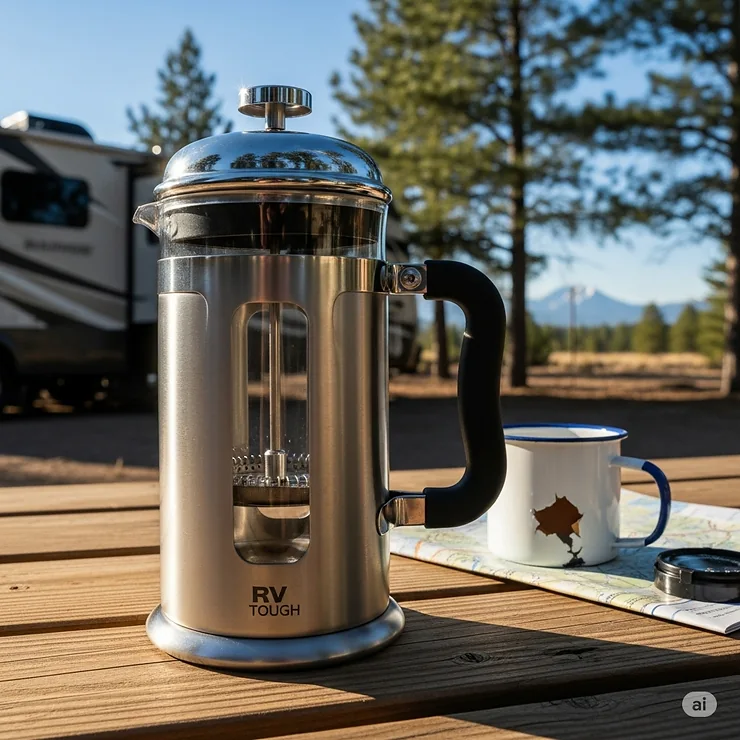
Pre-ground coffee offers convenience and eliminates the need for grinder storage. However, it loses freshness quickly and may not be optimal for all brewing methods. Vacuum-sealed packages help preserve freshness for RV travel.
Whole bean coffee provides superior freshness and flavor but requires grinding equipment. Manual hand grinders work well for small quantities and don’t require electricity. Electric grinders are faster but consume power and storage space.
Grind Size Matching
Coarse grinds work best for French presses and percolators. They prevent over-extraction and reduce sediment in the final cup. This grind size is also more forgiving if timing isn’t perfect.
Medium grinds suit most drip coffee makers and AeroPress systems. This versatile grind size provides good extraction without excessive bitterness or sediment.
Fine grinds are necessary for espresso-style brewing but can clog some RV coffee makers. Use fine grinds only when specifically required by your brewing method.
Storage Solutions for Coffee Supplies
Airtight containers preserve coffee freshness in RV environments where temperature and humidity fluctuate. Glass jars work well but require secure storage to prevent breakage.
Vacuum-sealed bags maximize storage efficiency and preserve freshness. Many RVers pre-portion coffee into single-use vacuum bags for convenient storage and portion control.
Budget Considerations: Cost vs Value Analysis
RV coffee makers range from $30 manual options to $200+ specialty machines. Understanding the total cost of ownership helps make informed decisions.
Initial Purchase Price vs Long-Term Value
Entry-level machines ($30-60) often provide excellent value for occasional use or basic needs. However, they may lack durability for full-time RV living or extensive use.
Mid-range options ($60-120) typically offer the best balance of features, quality, and longevity. These machines often include warranty coverage and replacement part availability.
Premium choices ($120+) provide superior construction, advanced features, and longer lifespans. For daily users, the higher initial cost often proves economical over time.
Operating Costs
Pod systems offer convenience but create ongoing costs of $0.50-1.00 per cup. For heavy coffee drinkers, this adds up quickly during extended RV trips.
Ground coffee systems provide lower per-cup costs but require more preparation and cleanup time. Bulk purchasing and proper storage can reduce costs further.
Manual systems have minimal operating costs beyond coffee purchase but require more time and effort for each cup.
Quick Comparison Table: Top RV Coffee Makers
Just one click – help others make better buying decisions too!
| Coffee Maker | Type | Power | Capacity | Price Range | Best For |
|---|---|---|---|---|---|
| Hamilton Beach FlexBrew Single | Electric Single-Serve | 800W | 8-14 oz | $40-60 | Solo travelers, small RVs |
| YETI Rambler French Press | Manual | None | 34 oz | $120-140 | Quality enthusiasts, boondocking |
| Makita DCM501Z | Battery-Powered | 300W | 5 oz | $170-200 | Off-grid, tool owners |
| AeroPress Go | Manual | None | 8 oz | $40-50 | Minimalists, travelers |
| COLETTI Bozeman | Manual Percolator | None | 6-12 cup | $70-120 | Traditional camping feel |
| Mr. Coffee 5-Cup | Electric Drip | 650W | 25 oz | $35-50 | Budget-conscious, small families |
| Hamilton Beach Trio | Electric Multi-Function | 900W | 6-84 oz | $110-140 | Large groups, versatility |
Don’t Miss These Exclusive Deals! ⚡
Ready to upgrade your RV coffee game? These carefully selected coffee makers will transform your morning routine whether you’re boondocking in the desert or glamping in luxury RV resorts. Click on any highlighted item to check current pricing and availability on Amazon! ☕
Troubleshooting Common RV Coffee Maker Issues
Even the best coffee makers can develop problems in the challenging RV environment. Understanding common issues and solutions saves time and frustration on the road.
Electrical Problems
Frequent breaker tripping usually indicates overloaded circuits. Check the total wattage of all running appliances and reduce the load before restarting your coffee maker. Sometimes, running the coffee maker alone for a few minutes resolves temporary overload conditions.
Inconsistent power delivery can cause brewing problems. RV park electrical systems sometimes provide inconsistent voltage, affecting appliance performance. Using a surge protector with voltage monitoring helps identify power quality issues.
Inverter limitations become apparent when boondocking. Pure sine wave inverters work better with coffee makers than modified sine wave versions. Undersized inverters may struggle with initial startup power draws even if they can handle running wattage.
Water-Related Issues
Mineral buildup from hard water affects performance and taste. Regular descaling every 4-6 weeks prevents serious damage. Use distilled water when possible to reduce mineral content.
Air bubbles in lines can prevent proper water flow in some coffee makers. This often happens after winterization or when reconnecting to new water sources. Running water through the system without coffee usually resolves air lock issues.
Low water pressure affects some coffee makers more than others. RV water pumps sometimes provide inconsistent pressure compared to municipal water systems. Machines with internal pumps or gravity-fed systems work better in these conditions.
Mechanical Problems
Vibration damage can loosen connections and affect alignment. Regular inspection of removable parts and gentle tightening of loose components prevents more serious failures.
Temperature cycling stress affects seals and plastic components. Extreme temperature changes between air-conditioned RV interiors and hot storage compartments accelerate component aging.
Road shock damage can crack glass components or misalign internal parts. Secure storage during travel and regular inspection help identify problems before they become failures.
Regional Coffee Culture and RV Travel
Different regions offer unique coffee experiences that can enhance your RV adventures. Understanding local coffee cultures adds another dimension to your travels.
Pacific Northwest Coffee Trail
Washington and Oregon offer incredible coffee roasting operations accessible by RV. Many roasters welcome visitors and offer tours. Stock up on fresh beans from local roasters for superior coffee throughout your journey.
Seattle’s coffee scene extends far beyond tourist areas. RV-accessible roasters often provide educational experiences about different brewing methods and bean origins.
Southwest Desert Brewing
High altitude affects brewing in places like Colorado and Utah. Water boils at lower temperatures, requiring adjustments to brewing time and coffee quantity for optimal extraction.
Dry desert air affects coffee storage. Airtight containers become even more critical for preserving freshness in low-humidity environments.
Southern Comfort Coffee
New Orleans chicory coffee represents a unique regional variation. Local markets often sell chicory blends that create distinctly different flavor profiles worth experiencing.
Texas truck stops sometimes offer surprisingly good coffee from local roasters. Don’t overlook regional chains that source locally.
Environmental Considerations
Responsible RVing includes minimizing environmental impact, and coffee consumption offers several opportunities for improvement.
Waste Reduction Strategies
Reusable filters eliminate paper filter waste. Most RV coffee makers offer permanent filter options that reduce ongoing waste while saving money.
Compostable coffee grounds can enhance campfire ashes when properly managed. Coffee grounds improve soil acidity for certain plants and can be beneficial when dispersed appropriately.
Pod system waste creates significant environmental impact. If you use pod systems, consider reusable pods that you fill with your own coffee.
Water Conservation
Efficient brewing methods use water more effectively. French presses and AeroPress systems typically use less water per cup than drip coffee makers.
Grey water management includes coffee maker drainage. Some campgrounds restrict grey water disposal, making efficient water use important for extended stays.
Energy Efficiency
Manual brewing methods eliminate electrical consumption entirely. For environmentally conscious RVers, manual systems reduce generator use and fossil fuel consumption.
Solar-powered coffee becomes possible with efficient 12V heating systems and adequate solar panel capacity. Some RVers have successfully created completely solar-powered coffee brewing setups.
Advanced Techniques and Modifications
Experienced RVers often develop creative solutions that improve their coffee brewing capabilities beyond manufacturer specifications.
Custom Mounting Solutions
Swing-arm mounts allow coffee makers to swing away from counters during travel while remaining permanently installed. This saves setup time while ensuring security.
Slide-out platforms create additional counter space specifically for coffee preparation. These custom installations maximize small RV kitchen efficiency.
Power Management Modifications
Dedicated coffee circuits prevent other appliances from interfering with coffee maker operation. Some RVers install separate circuits specifically for coffee brewing during peak electrical demand times.
Battery priority systems ensure coffee remains possible even when other systems experience power limitations. Coffee often takes priority over less essential systems during low battery conditions.
Water System Enhancements
Inline water heaters provide instant hot water for manual brewing methods without heating large quantities. This saves energy and provides faster brewing capability.
Water quality monitoring helps determine when descaling or filter replacement becomes necessary. Some RVers install TDS (total dissolved solids) meters to monitor water quality changes.
Future Trends in RV Coffee Technology
The RV coffee market continues evolving with new technologies and changing consumer preferences.
Smart Coffee Makers
WiFi-enabled brewing allows remote operation and monitoring. Some newer models can be started from your smartphone before getting out of bed.
Battery monitoring integration helps manage power consumption by communicating with RV battery management systems.
Sustainable Innovations
Solar-integrated coffee makers combine solar heating with traditional brewing methods. These experimental systems show promise for completely off-grid coffee brewing.
Biodegradable components reduce environmental impact when coffee makers reach end-of-life. Some manufacturers are exploring more sustainable materials and construction methods.
Compact Design Evolution
Collapsible coffee makers continue improving in functionality and durability. New materials allow complex mechanisms in increasingly compact formats.
Multi-function integration combines coffee making with other RV appliances to maximize space efficiency.
Frequently Asked Questions
❓ What size coffee pot works best for most RVs?
❓ Can I use my regular home coffee maker in an RV?
❓ What's the best coffee maker for boondocking without electrical hookups?
❓ How much power do electric RV coffee makers typically use?
❓ Do I need special water filters for RV coffee makers?
Conclusion: Finding Your Perfect RV Coffee Solution
Choosing the right coffee pots for rvs transforms your mobile lifestyle from simply functional to genuinely enjoyable. Whether you’re drawn to the convenience of electric single-serve machines like the Hamilton Beach FlexBrew, the rugged reliability of the YETI French Press, or the off-grid freedom of the Makita cordless system, there’s a perfect solution for every RV coffee lover.
The key is matching your coffee maker choice to your specific travel style, power constraints, and taste preferences. Full-time RVers with reliable electrical hookups can enjoy the convenience of programmable electric machines. Weekend warriors and boondocking enthusiasts might prefer the simplicity and reliability of manual brewing methods.
Remember that the best coffee pots for rvs often aren’t the cheapest options. Investing in quality equipment that can handle road vibrations, temperature extremes, and daily use will serve you better than replacing budget options multiple times. Consider your coffee consumption patterns, available storage space, and electrical limitations when making your decision.
Most importantly, don’t underestimate how much the right coffee maker can improve your RV experience. There’s something magical about sipping perfectly brewed coffee while watching the sunrise over a new landscape. With the right equipment and techniques, every morning on the road can start with that perfect cup of coffee that makes the adventures ahead even more exciting.
Take Your RV Coffee to the Next Level! ☕
Ready to upgrade your mobile brewing game? Click on any of the highlighted coffee makers above to check current Amazon pricing and availability. These tried-and-tested machines will ensure you never have to settle for mediocre coffee again, whether you’re parked at a luxury resort or boondocking in the wilderness! ⛰️
Recommended for You:
- 12 Best Coffee for Camping Solutions That Actually Taste Amazing in 2025
- 7 Best Camping Pour Over Coffee Sets That Transform Your Outdoor Mornings in 2025
- 7 Best Camping Coffee Percolator Models That Deliver Bold Brews in 2025
Disclaimer: This article contains affiliate links. If you purchase products through these links, we may earn a small commission at no additional cost to you.
✨ Found this helpful? Share it with your friends!
