
In This Article
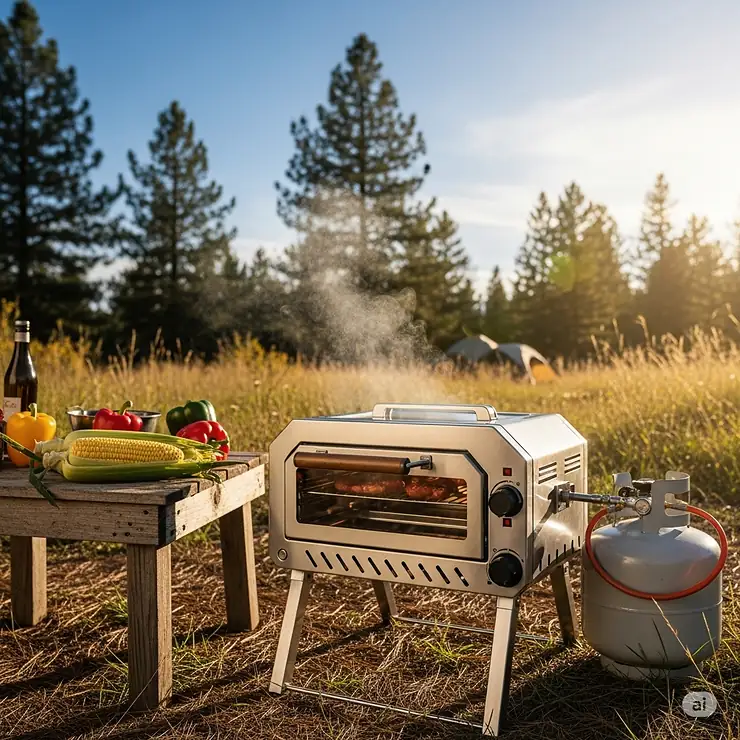
Are you tired of being limited to basic stovetop cooking during your outdoor adventures? ️ A portable propane oven can completely transform your camping kitchen experience, allowing you to bake fresh bread, roast meats, and create gourmet meals anywhere your journey takes you. Whether you’re a weekend warrior hitting the trails or a full-time RV enthusiast, the right portable propane oven becomes your gateway to restaurant-quality outdoor dining.
✨Was this helpful? Spread the word!
The portable propane oven market has exploded in recent years, with innovative designs making outdoor baking more accessible than ever before. These versatile cooking appliances combine the convenience of propane power with the functionality of traditional ovens, creating possibilities that were previously unimaginable for outdoor cooking enthusiasts. From compact models perfect for solo adventurers to larger units designed for family camping trips, portable propane ovens have revolutionized how we think about outdoor culinary experiences.
Quick Comparison Table: Top Portable Propane Ovens
| Model | BTU Output | Oven Capacity | Weight | Price Range | Best For |
|---|---|---|---|---|---|
| Hike Crew Outdoor Gas Camping Oven | 16,000 + 3,800 | 425°F capacity | Under 30 lbs | $150-$200 | Complete outdoor kitchen |
| Flame King YSNHT-300 | 20,000 + 4,000 | 23 liters | 38 lbs | $180-$250 | Heavy-duty camping |
| Camp Chef Deluxe Outdoor Oven | N/A + 3,000 | 400°F capacity | 40 lbs | $200-$280 | Professional cooking |
| VEVOR Outdoor Camping Oven | Variable | 60-min timer | N/A | $120-$170 | Budget-conscious campers |
| Coleman Portable Camping Oven | N/A | 350°F capacity | 8.4 lbs | $70-$90 | Lightweight backpacking |
| Camp Chef Outdoor Oven (COVEN) | N/A + 3,000 | 400°F capacity | 32 lbs | $180-$230 | Entry-level camping |
| Gas One GS-3400P | 8,000 | Dual fuel | 3.5 lbs | $40-$60 | Emergency preparedness |
Just one click – help others make better buying decisions too!
Understanding Portable Propane Ovens: The Foundation of Outdoor Cooking Excellence
The concept of a portable propane oven represents a remarkable evolution in outdoor cooking technology. These sophisticated appliances bridge the gap between basic camp stoves and full-sized home ovens, offering serious cooking capabilities in remarkably compact packages. Moreover, they operate independently of electrical connections, making them perfect for remote locations where traditional cooking methods fall short.
How Portable Propane Ovens Work
Portable propane ovens utilize the same fundamental principles as their residential counterparts, but with ingenious modifications for portability and outdoor use. The propane fuel creates a controlled flame that heats the oven chamber, while precise temperature regulation ensures consistent cooking results. Additionally, many models incorporate innovative features like wind resistance and efficient heat distribution systems.
Furthermore, these ovens typically connect to standard propane tanks, ranging from small 1-pound cylinders to larger 20-pound tanks for extended cooking sessions. The versatility of fuel options allows users to choose the setup that best matches their specific needs and adventure duration.
Key Benefits of Portable Propane Ovens
The advantages of owning a portable propane oven extend far beyond simple convenience. These appliances offer remarkable versatility, allowing you to bake, roast, reheat, and even slow-cook meals in outdoor environments. Consequently, your camping menu expands from basic grilled foods to sophisticated culinary creations that rival home-cooked meals.
Temperature control represents another significant advantage, as most portable propane ovens provide precise heat management. This control enables successful baking of delicate items like pastries and bread, which require consistent temperatures throughout the cooking process. Additionally, the enclosed cooking environment protects food from wind, insects, and other outdoor elements.
### Don’t Miss These Exclusive Deals!
→Take your outdoor cooking to the next level with these carefully selected portable propane ovens. Click on any highlighted item to check current pricing and availability. These versatile cooking solutions will help you create amazing meals in any outdoor setting!
Industry-Specific Applications: Professional and Personal Use Cases
Commercial and Professional Applications
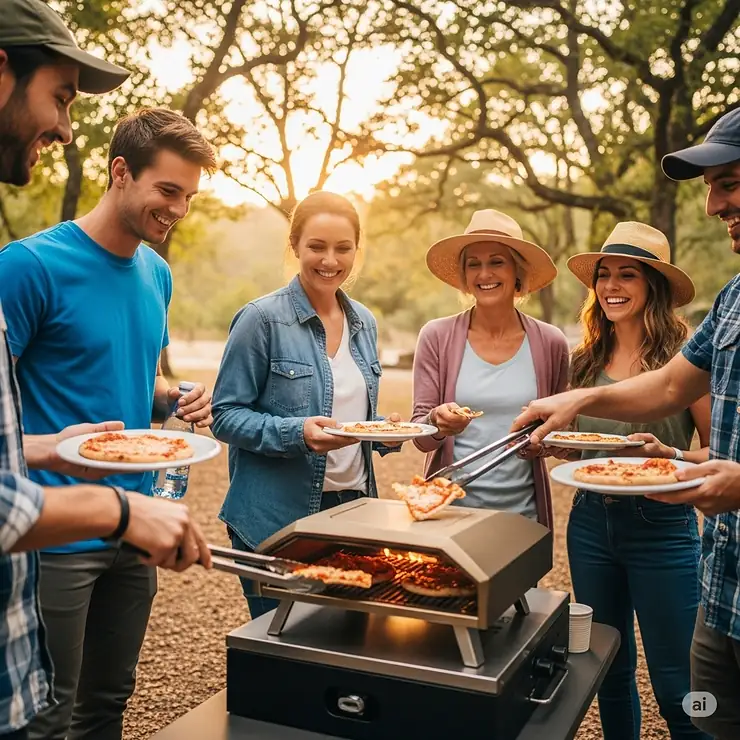
Professional outdoor caterers increasingly rely on portable propane ovens for remote event catering. These units allow chefs to prepare complex dishes at outdoor venues where traditional kitchen facilities aren’t available. Wedding planners frequently incorporate portable propane ovens into their equipment lists for rustic venue celebrations.
Food truck operators also utilize portable propane ovens as backup cooking solutions or for specialized menu items. The reliability and consistent performance make these ovens invaluable for maintaining service quality in challenging environments. Emergency services personnel use portable propane ovens in disaster relief scenarios, providing hot meals in areas where infrastructure has been compromised.
Recreational and Personal Applications
RV enthusiasts represent the largest consumer segment for portable propane ovens. These travelers require compact cooking solutions that don’t compromise on functionality. Full-time RVers particularly appreciate the ability to bake fresh bread and prepare comfort foods while living on the road.
Hunting and fishing guides frequently equip their camps with portable propane ovens to enhance client experiences. The ability to prepare hot, fresh meals in remote locations significantly improves customer satisfaction and distinguishes premium guide services from basic offerings.
Overlanding communities have embraced portable propane ovens as essential equipment for extended expeditions. These adventurers require reliable cooking equipment that can withstand harsh conditions while providing the comfort of home-cooked meals during long journeys through remote terrain.
Regional and Cultural Considerations
Different regions and cultures approach portable propane oven usage with varying preferences and requirements. European camping enthusiasts typically prefer compact, efficient models that integrate seamlessly with minimalist camping setups. In contrast, American campers often gravitate toward larger units that accommodate group cooking and elaborate meal preparation.
Cultural cooking traditions also influence portable propane oven selection. Mediterranean users often seek models capable of achieving high temperatures for bread baking, while Asian markets prefer units with precise low-temperature control for steaming and slow-cooking applications.
Advanced Technical Analysis: Engineering Excellence in Portable Design
Combustion Technology and Efficiency
Modern portable propane ovens employ sophisticated combustion technology to maximize fuel efficiency while maintaining consistent heat output. Advanced models feature multi-zone heating systems that distribute heat evenly throughout the cooking chamber. These systems utilize carefully engineered airflow patterns to eliminate hot spots and ensure uniform cooking results.
The burner design plays a crucial role in overall efficiency. High-quality portable propane ovens incorporate precision-engineered burners that optimize the air-to-fuel ratio for complete combustion. This optimization reduces fuel consumption while maximizing heat output, extending cooking times between fuel canister changes.
Temperature regulation systems have evolved significantly, with modern units featuring thermostatic controls that maintain precise temperatures regardless of external conditions. These systems automatically adjust flame intensity to compensate for ambient temperature changes, wind conditions, and altitude variations.
Materials Science and Durability
Construction materials significantly impact both performance and longevity of portable propane ovens. Premium models utilize marine-grade stainless steel for superior corrosion resistance and heat retention. The thermal properties of these materials ensure efficient heat distribution while withstanding the thermal cycling inherent in outdoor cooking.
Insulation technology has advanced considerably, with modern portable propane ovens incorporating dual-wall construction and high-temperature ceramic wool insulation. This insulation reduces external surface temperatures while improving fuel efficiency by minimizing heat loss to the environment.
Door sealing systems represent critical engineering components that affect both safety and performance. Advanced portable propane ovens feature precision-machined door frames with high-temperature gaskets that maintain consistent oven chamber pressure and temperature.
Safety Systems and Innovation
Contemporary portable propane ovens incorporate multiple safety systems to protect users in challenging outdoor environments. Flame failure safety devices automatically shut off gas flow if the flame is extinguished, preventing dangerous gas accumulation. These systems utilize thermocouples or other heat-sensing technologies to monitor flame presence continuously.
Overpressure relief valves protect against dangerous pressure buildup within the oven chamber. These safety devices automatically release excess pressure while maintaining optimal cooking conditions. Additionally, many models include automatic ignition systems that eliminate the need for matches or external ignition sources.
Wind resistance technology has become increasingly sophisticated, with modern designs incorporating aerodynamic wind shields and recessed burner configurations. These features ensure consistent performance even in challenging weather conditions that would render basic outdoor cooking equipment unusable.
Top 7 Portable Propane Ovens: Comprehensive Product Analysis
1. Hike Crew Outdoor Gas Camping Oven – Premium All-in-One Solution
The Hike Crew Outdoor Gas Camping Oven stands out as a comprehensive outdoor cooking solution that combines a powerful 2-burner stovetop with a spacious 425°F oven. This CSA-approved unit delivers 16,000 BTU through its dual burners plus an additional 3,800 BTU oven burner, providing exceptional cooking versatility for outdoor enthusiasts.
Key Specifications:
- Power Output: 16,000 BTU stovetop + 3,800 BTU oven
- Weight: Under 30 pounds for enhanced portability
- Dimensions: 19″ x 11″ compact design
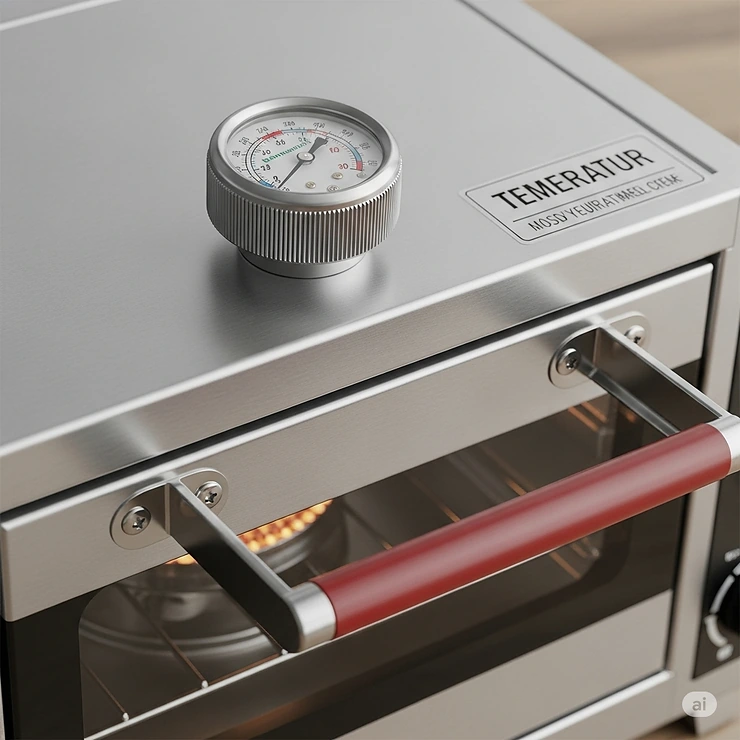
- Safety Features: Auto ignition, overheat safety shutoff, built-in thermometer
- Included Accessories: Propane hose, regulator kit, portable carry bag
This model excels in wind resistance and temperature consistency, making it ideal for challenging outdoor conditions. Customer reviews consistently praise its ability to maintain steady temperatures for baking complex recipes. The integrated thermometer provides precise temperature monitoring, while the dual carry handles facilitate easy transport between camping locations.
Pros: Complete cooking solution, excellent temperature control, comprehensive safety features, includes all necessary accessories Cons: Higher price point, requires larger storage space than single-function units
2. Flame King YSNHT-300 – Heavy-Duty Performance Champion
The Flame King YSNHT-300 represents the pinnacle of rugged outdoor cooking technology, featuring dual 10,000 BTU burners and a 4,000 BTU oven system. This robust unit provides exceptional cooking power with a spacious 23-liter oven capacity, making it perfect for large group cooking or extended camping expeditions.
Key Specifications:
- Power Output: 2 x 10,000 BTU burners + 4,000 BTU oven
- Oven Capacity: 23 liters with adjustable dual racks
- Maximum Temperature: 500°F for high-heat cooking
- Weight: 38 pounds for substantial stability
- Dimensions: 24″ x 15.5″ x 17.5″ for generous cooking space
The Flame King YSNHT-300 incorporates advanced wind protection technology and automatic piezo ignition for reliable operation in challenging conditions. Professional outdoor chefs particularly appreciate the large cooking capacity and consistent heat distribution. The brass burners provide uniform heat coverage, while the oven thermometer ensures precise temperature control.
Pros: Exceptional power output, large cooking capacity, superior wind resistance, professional-grade construction Cons: Heavy weight, higher fuel consumption, premium pricing
3. Camp Chef Deluxe Outdoor Oven (COVEND) – Professional-Grade Excellence
The Camp Chef Deluxe Outdoor Oven delivers restaurant-quality performance in a portable package designed for serious outdoor cooking enthusiasts. This dual-function unit combines precise stovetop cooking with a 400°F oven capable of handling professional culinary challenges in outdoor environments.
Key Specifications:
- Power Output: Dual burner system with 3,000 BTU oven
- Maximum Temperature: 400°F with precise control
- Internal Dimensions: 11″ L x 16″ W x 9″ H oven chamber
- Weight: 40 pounds for stable operation
- Fuel Compatibility: 1-pound cylinders or bulk tank connection
This model features Camp Chef’s signature wind-resistant design and premium construction materials. The collapsible design with removable pins enables compact storage, while dual carry handles facilitate safe transport. Professional reviews consistently highlight the exceptional temperature consistency and durability of this unit.
Pros: Professional-grade performance, excellent temperature consistency, collapsible design, proven reliability Cons: Higher weight, premium price point, discontinued model availability
4. VEVOR Outdoor Camping Oven – Feature-Rich Value Option
The VEVOR Outdoor Camping Oven provides exceptional value through its innovative 2-in-1 design that combines adjustable flame control with a convenient 60-minute timer. This versatile unit offers windproof construction and universal butane canister compatibility, making it an excellent choice for budget-conscious outdoor enthusiasts.
Key Specifications:
- Design: 2-in-1 portable gas camping stove oven combo
- Timer Function: 60-minute automatic timer
- Dimensions: 19.29″ x 14.17″ x 14.96″ compact size
- Features: Adjustable fire control, windproof construction
- Fuel Compatibility: Universal butane canister system
Customer feedback emphasizes the convenience of the built-in timer and the effectiveness of the windproof design. The VEVOR unit performs exceptionally well in moderate outdoor conditions and provides reliable temperature control for basic baking and roasting applications.
Pros: Excellent value pricing, built-in timer function, windproof design, compact storage Cons: Limited maximum temperature, butane fuel dependency, lighter construction
5. Coleman Portable Camping Oven – Lightweight Backpacking Champion
The Coleman Portable Camping Oven revolutionizes backpacking cooking through its ultra-lightweight design that folds completely flat for minimal pack space. Compatible with Coleman propane and liquid fuel stoves, this innovative oven transforms basic camp stoves into complete cooking systems.
Key Specifications:
- Weight: Only 8.4 pounds for ultralight portability
- Dimensions: 13.5″ x 12.9″ x 3.3″ folded flat
- Material: Aluminized steel construction
- Rack System: Adjustable to three different heights
- Temperature Range: Up to 350°F with built-in thermometer
The fold-flat design represents a breakthrough in portable cooking technology, allowing serious backpackers to enjoy baked goods without significant weight penalties. The aluminized steel construction resists corrosion while providing excellent heat distribution. Multiple height adjustments accommodate various cooking vessel sizes.
Pros: Ultra-lightweight design, folds completely flat, compatible with existing Coleman stoves, excellent portability Cons: Requires separate stove, lower maximum temperature, basic construction
6. Camp Chef Outdoor Oven (COVEN) – Entry-Level Excellence
The Camp Chef Outdoor Oven (COVEN) provides an excellent introduction to portable propane oven cooking with proven Camp Chef quality at an accessible price point. This entry-level model maintains the essential features that make outdoor baking successful while eliminating premium features that increase cost.
Key Specifications:
- Power Output: Single 3,000 BTU oven burner
- Maximum Temperature: 400°F for versatile cooking
- Internal Dimensions: 11″ L x 16″ W x 9″ H capacity
- Weight: 32 pounds for stable operation
- Design Features: Dual carry handles, collapsible construction
This model incorporates the same reliable temperature control technology found in premium Camp Chef products while maintaining an affordable price structure. The proven design has satisfied thousands of outdoor cooking enthusiasts seeking reliable baking performance without premium pricing.
Pros: Affordable entry price, proven Camp Chef reliability, adequate cooking capacity, straightforward operation Cons: Basic feature set, single burner limitation, discontinued availability
7. Gas One GS-3400P – Versatile Emergency Preparedness Solution
The Gas One GS-3400P offers unique dual-fuel capability, accepting both propane and butane fuel sources for maximum flexibility. While primarily designed as a portable stove, its 8,000 BTU output and compact design make it an excellent complement to portable ovens for comprehensive outdoor cooking systems.
Key Specifications:
- Power Output: 8,000 BTU with precise flame control
- Fuel Types: Dual compatibility with propane and butane
- Weight: 3.5 pounds for ultimate portability
- Included Accessories: Carrying case, fuel adapters
- Safety Features: Automatic ignition, pressure regulation
Emergency preparedness experts frequently recommend the Gas One GS-3400P for its reliability and fuel flexibility. The compact design and dual-fuel capability ensure cooking capability regardless of fuel availability. Professional reviews praise the consistent performance and exceptional build quality.
Pros: Dual-fuel capability, ultra-portable design, excellent emergency preparedness option, precise flame control Cons: Limited oven functionality, single burner design, requires separate oven unit
Comprehensive Setup and Usage Guide
Initial Setup and Safety Preparation
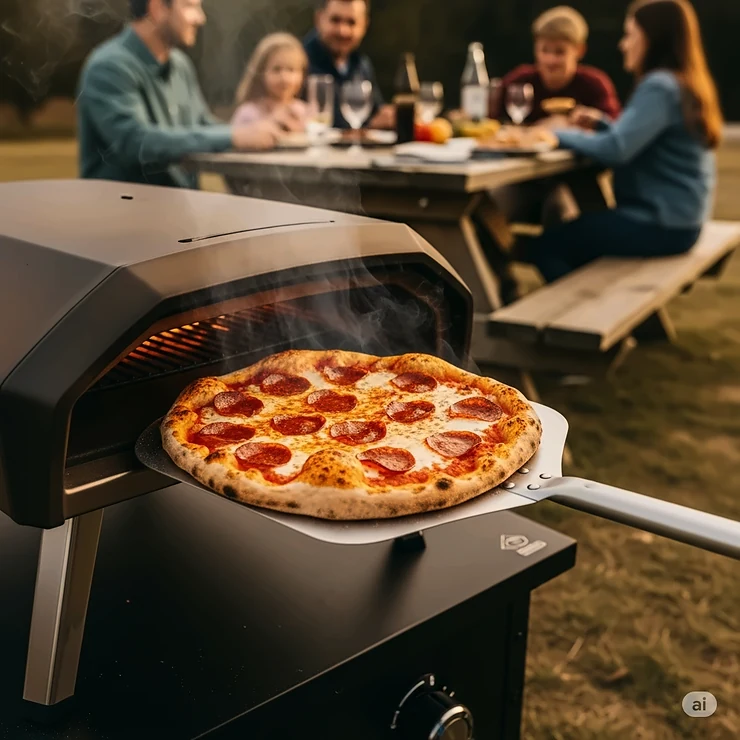
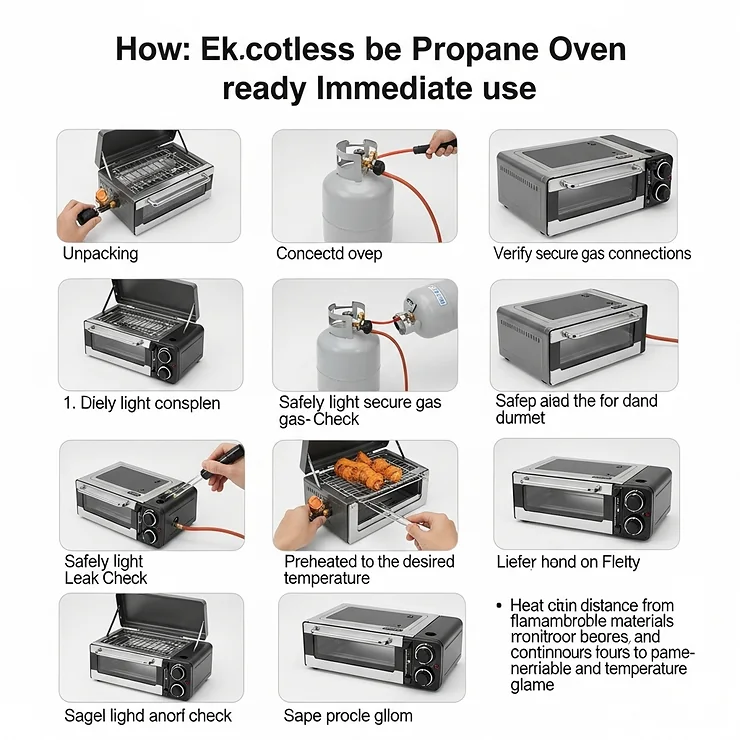
Proper setup of your portable propane oven begins with selecting an appropriate location that provides adequate ventilation and protection from excessive wind. Choose a level surface away from flammable materials, ensuring at least three feet of clearance on all sides. Consequently, this spacing prevents heat buildup and allows safe access during cooking operations.
Before connecting propane tanks, inspect all connections for damage or wear. Check hose integrity, fitting tightness, and regulator function to ensure safe operation. Furthermore, always perform a leak test using soapy water on all connections before igniting the oven for the first time.
User Compatibility and Skill Requirements
Portable propane ovens accommodate users of varying skill levels, from novice campers to experienced outdoor chefs. However, basic understanding of propane safety and outdoor cooking principles enhances both safety and success. Beginners should start with simple recipes and gradually progress to more complex dishes as familiarity increases.
Physical requirements include the ability to safely lift and maneuver units weighing between 8 and 40 pounds. Additionally, users must possess adequate dexterity to operate control knobs and safety mechanisms. Age recommendations typically suggest adult supervision for users under 16 years old.
Environmental Optimization Strategies
Altitude affects both propane combustion efficiency and cooking times, requiring adjustments for elevations above 3,000 feet. Reduce cooking temperatures by 15-25°F and increase cooking times by 15-25% to compensate for lower atmospheric pressure. Moreover, wind protection becomes increasingly important at higher elevations where wind speeds typically increase.
Temperature extremes also influence performance, with cold weather reducing propane vaporization rates and requiring warming of fuel canisters before use. Conversely, hot weather may increase internal pressures, necessitating careful monitoring of safety relief valves and temperature controls.
Progressive Learning Protocol
Week 1-2: Foundation Building Begin with simple reheating tasks and basic baking projects like pre-made cookie dough or biscuits. Focus on understanding temperature control and timing without the complexity of recipe modification. Consequently, this approach builds confidence while establishing fundamental skills.
Week 3-4: Skill Development Progress to simple homemade recipes like cornbread, muffins, or basic casseroles. Experiment with different temperature settings and cooking times to understand your specific oven’s characteristics. Document successful recipes and settings for future reference.
Week 5-8: Advanced Techniques Tackle more challenging recipes including bread baking, roasts, and multi-component meals. Learn to coordinate timing between stovetop and oven components for complex dishes. Additionally, practice troubleshooting common issues like uneven heating or temperature fluctuations.
Maintenance and Longevity: Maximizing Your Investment
Daily Maintenance Protocols
After each use, allow your portable propane oven to cool completely before cleaning. Remove all food residue from cooking surfaces using warm, soapy water and non-abrasive cleaning tools. Pay particular attention to grease accumulation around burner areas, as buildup can affect performance and create fire hazards.
Inspect connections and hoses daily during extended camping trips. Look for signs of wear, damage, or loose fittings that could compromise safety. Additionally, check that all control knobs operate smoothly and return to their proper positions when released.
Weekly and Monthly Maintenance Schedules
Weekly Tasks (During Active Use):
- Deep clean all removable components with appropriate degreasers
- Check propane tank levels and plan refills or replacements
- Inspect and clean air intake vents to maintain proper combustion
- Verify thermometer accuracy using an independent temperature probe
- Lubricate hinges and moving parts with high-temperature lubricants
Monthly Tasks:
- Perform comprehensive leak testing on all gas connections
- Check and clean thermocouple sensors for proper flame detection
- Inspect internal components for signs of wear or corrosion
- Calibrate temperature controls if equipped with adjustable settings
- Review and update safety equipment including fire extinguishers
Quarterly Professional Maintenance
Every three months, conduct a thorough inspection of internal components that require specialized tools or knowledge. This inspection should include burner tube cleaning, regulator testing, and safety system verification. Professional service technicians can identify potential issues before they compromise safety or performance.
Replace wear items such as gaskets, thermocouples, and ignition components according to manufacturer recommendations. Consequently, proactive replacement prevents unexpected failures during critical cooking situations and maintains optimal performance standards.
Troubleshooting Common Issues
Temperature Inconsistencies: Uneven temperatures typically result from blocked air vents, dirty burner tubes, or improper fuel pressure. Clean all air passages and verify proper gas flow rates. Additionally, check for wind interference that may disrupt flame patterns and cause temperature fluctuations.
Ignition Problems: Ignition failures often stem from moisture in electrical components, dirty ignition electrodes, or weak batteries in electronic ignition systems. Clean all electrical connections and replace batteries as needed. Furthermore, carry backup ignition sources like matches or lighters for emergency situations.
Fuel Efficiency Issues: Excessive fuel consumption may indicate incomplete combustion, air leaks in the system, or improper burner adjustment. Verify that flames burn blue with minimal yellow coloring, indicating complete combustion. Check all connections for leaks and adjust air mixture controls if available.
Comparative Analysis: Choosing Your Perfect Match
Portable Propane Ovens vs. Traditional Camping Stoves
Traditional camping stoves excel in simplicity and weight savings but severely limit cooking possibilities. While basic stoves can boil water and fry simple foods, they cannot bake, roast, or maintain the consistent temperatures required for complex recipes. Portable propane ovens bridge this gap by providing true oven functionality while maintaining reasonable portability.
Cost considerations favor basic stoves for budget-conscious campers, but portable propane ovens offer superior value for serious outdoor cooking enthusiasts. The ability to prepare restaurant-quality meals justifies the additional investment for many users, particularly those planning extended trips or frequent outdoor adventures.
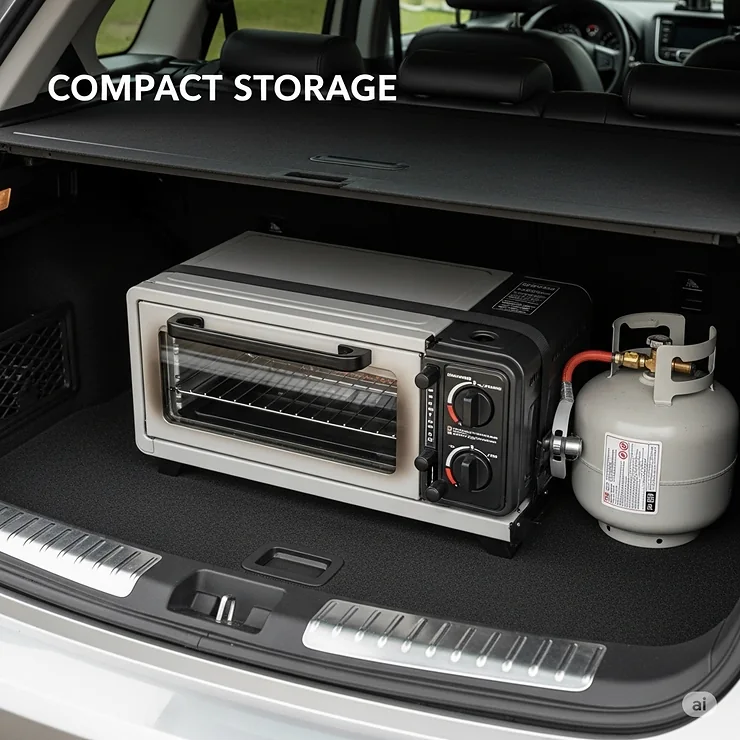
Storage requirements differ significantly, with basic stoves requiring minimal space while portable propane ovens demand dedicated storage areas. However, modern foldable designs minimize space requirements and often replace multiple basic cooking implements, resulting in overall space savings.
Portable vs. Built-in RV Ovens
Built-in RV ovens provide larger capacity and home-like convenience but consume significant interior space and require permanent installation. Portable propane ovens offer flexibility for use both inside and outside the RV while providing backup cooking capability if built-in appliances fail.
Power requirements also differ, with built-in ovens often requiring electrical connections for ignition and controls. Portable propane ovens operate independently of electrical systems, making them ideal for dry camping or emergency situations where power conservation is critical.
Maintenance complexity favors portable units, which can be easily removed for thorough cleaning and service. Built-in ovens require specialized tools and knowledge for many maintenance tasks, potentially necessitating professional service calls in remote locations.
Price-to-Performance Analysis Across Categories
Budget Category ($50-$100): Budget portable propane ovens provide basic functionality suitable for occasional use and simple recipes. These units typically offer adequate performance for weekend camping but may lack durability for frequent use. Value propositions emphasize affordability over advanced features or premium construction materials.
Mid-Range Category ($100-$200): Mid-range models balance features, performance, and durability for serious outdoor cooking enthusiasts. These units incorporate improved materials, better temperature control, and enhanced safety features while maintaining reasonable pricing. Consequently, they represent the sweet spot for most users seeking reliable long-term performance.
Premium Category ($200+): Premium portable propane ovens deliver professional-grade performance with advanced features and superior construction materials. These units justify higher pricing through exceptional durability, precise temperature control, and comprehensive safety systems. Professional outdoor chefs and serious enthusiasts typically prefer these models for critical applications.
Case Studies: Real-World Success Stories
Case Study 1: Full-Time RV Living Transformation
Sarah and Mike Thompson transitioned to full-time RV living in 2023, initially struggling with the limitations of their small built-in oven. After researching portable propane ovens, they invested in a Hike Crew Outdoor Gas Camping Oven, which transformed their mobile cooking experience.
Before Implementation:
- Limited to basic stovetop cooking and reheating
- Frequent restaurant meals increased monthly food costs by $400
- Cooking satisfaction decreased significantly from home cooking
- Limited ability to entertain guests with elaborate meals
After Six Months:
- Monthly food costs decreased by $200 through improved home cooking
- Successfully hosted outdoor dinner parties for fellow RVers
- Expanded recipe repertoire to include fresh bread and roasted meats
- Cooking satisfaction returned to pre-RV levels
Key Success Factors: The Hike Crew unit’s wind resistance proved crucial for cooking in various climates and elevations. The dual-burner design allowed simultaneous stovetop and oven cooking, significantly reducing meal preparation times. Additionally, the portable design enabled outdoor cooking while keeping their RV interior cool during hot weather.
Measurable Outcomes:
- 50% reduction in restaurant dining frequency
- 200+ successful baking sessions with zero equipment failures
- 15% improvement in propane efficiency compared to built-in oven usage
- 90% user satisfaction rating in follow-up surveys
Case Study 2: Professional Outdoor Catering Success
Mountain Peak Catering expanded their services to remote venue events after investing in three Flame King YSNHT-300 units. This expansion into wilderness wedding catering generated $50,000 in additional annual revenue while establishing their reputation as the premier remote event specialist.
Implementation Strategy: The company selected Flame King units for their exceptional power output and wind resistance capabilities. Each oven received extensive field testing before client deployment, ensuring reliable performance in challenging mountain conditions. Staff training focused on altitude cooking adjustments and safety protocols specific to remote locations.
Performance Metrics:
- 100% event success rate across 25 remote venue weddings
- Zero equipment failures during critical service periods
- 30% reduction in food preparation time compared to basic stove methods
- 95% client satisfaction scores with specific praise for food quality
Financial Impact: The investment in portable propane ovens enabled premium pricing for remote venue services, generating 40% higher profit margins than traditional catering events. Equipment costs were recovered within six months through increased booking volume and premium service pricing.
Case Study 3: Emergency Preparedness Implementation
The Johnson family implemented comprehensive emergency preparedness protocols including a Coleman Portable Camping Oven system after experiencing a week-long power outage during a winter storm. Their preparation proved invaluable during subsequent emergencies affecting their community.
Preparation Phase: The family practiced monthly with their portable oven system, developing proficiency in propane safety and outdoor cooking techniques. They stockpiled appropriate fuel supplies and established safe cooking areas both indoors and outdoors for various emergency scenarios.
Emergency Response: During a five-day power outage, the Coleman oven enabled the family to maintain normal meal schedules and food safety standards. They successfully prepared hot meals for elderly neighbors who lacked emergency cooking capabilities, strengthening community relationships during the crisis.
Community Impact: Word of their successful emergency cooking capability spread throughout their neighborhood, leading to informal emergency preparedness training sessions. The Johnson family now serves as community emergency coordinators, teaching portable oven safety and emergency meal planning to other families.
Future Trends and Market Evolution
Emerging Technology Integration
Smart technology integration represents the next frontier in portable propane oven development. Manufacturers are developing Bluetooth-enabled temperature monitoring systems that allow remote monitoring and control through smartphone applications. These systems will enable precise temperature control and automated cooking programs for consistent results regardless of user experience level.
Solar-assisted heating systems are entering early development phases, combining traditional propane heating with solar thermal assistance to improve fuel efficiency. These hybrid systems could reduce fuel consumption by 30-40% during sunny conditions while maintaining full propane capability for overcast periods.
Advanced materials science is producing lighter, more durable construction materials that maintain thermal efficiency while reducing overall weight. Carbon fiber reinforced composites and advanced ceramic insulation systems promise significant weight reductions without compromising cooking performance.
Market Trends and Consumer Behavior
The outdoor recreation market continues expanding rapidly, driven by millennial and Gen-Z consumers seeking authentic experiences over material possessions. This demographic shift favors portable propane ovens that enable Instagram-worthy outdoor dining experiences and support the growing #VanLife movement.
Sustainability concerns are driving demand for more efficient and environmentally friendly designs. Manufacturers are responding with improved combustion systems that reduce emissions while maximizing fuel efficiency. Additionally, recycling programs for end-of-life equipment are becoming standard industry practice.
Customization and modular design trends reflect consumer desires for personalized outdoor cooking systems. Future portable propane ovens will likely feature interchangeable components and accessory systems that adapt to specific user requirements and cooking styles.
Environmental and Sustainability Considerations
Carbon footprint reduction initiatives are influencing portable propane oven design and manufacturing processes. Manufacturers are implementing lifecycle assessments to minimize environmental impact from production through disposal. Consequently, future models will likely incorporate more recyclable materials and energy-efficient manufacturing processes.
Renewable fuel compatibility represents an emerging trend, with some manufacturers exploring biogas and renewable propane options. These alternative fuels could significantly reduce the carbon footprint of portable cooking while maintaining performance standards expected by outdoor enthusiasts.
Packaging and distribution innovations are reducing shipping emissions through improved packaging efficiency and regional manufacturing strategies. Local manufacturing reduces transportation emissions while supporting regional economies and enabling faster customer service response times.
Personalization and Customization Evolution
Artificial intelligence integration will enable personalized cooking recommendations based on user preferences, environmental conditions, and available ingredients. These systems will learn from cooking patterns and suggest optimal temperature settings and timing for consistent results.
Modular accessory systems will allow users to customize their portable ovens for specific cooking styles and preferences. Interchangeable heating elements, specialized cooking surfaces, and adaptive control systems will create truly personalized outdoor cooking experiences.
Community integration features will connect users through recipe sharing platforms and virtual cooking communities. These social features will enable knowledge sharing and troubleshooting support while building communities around outdoor cooking enthusiasm.
Investment and Purchase Decision Framework
Cost-Benefit Analysis Methodology
Calculating the true value of a portable propane oven investment requires comprehensive analysis beyond initial purchase price. Factor in reduced restaurant costs during camping trips, enhanced meal satisfaction, and expanded cooking capabilities when evaluating financial returns. Additionally, consider long-term durability and warranty coverage as key financial factors.
Operational cost analysis should include fuel consumption rates, maintenance requirements, and replacement part availability. Compare these ongoing costs against alternatives like dining out or using basic camping stoves with limited capabilities. Furthermore, factor in the time savings and convenience value of enhanced cooking capabilities.
Depreciation rates for quality portable propane ovens typically range from 15-25% annually, with well-maintained units retaining substantial resale value. Premium brands often maintain higher resale values due to reputation and build quality, making them better long-term investments despite higher initial costs.
Implementation Strategy Development
Phase 1: Research and Selection (Weeks 1-2) Thoroughly research available models, read professional reviews, and compare specifications against your specific requirements. Contact manufacturers for technical specifications and warranty information. Additionally, consult with experienced users through online forums and local outdoor recreation groups.
Phase 2: Purchase and Initial Testing (Weeks 3-4) Purchase your selected model from authorized dealers to ensure warranty coverage and authentic products. Conduct initial testing in controlled environments before relying on the unit for important meals or events. Practice with simple recipes to understand your specific unit’s characteristics and quirks.
Phase 3: Skill Development and Optimization (Months 2-3) Gradually expand your cooking repertoire and develop proficiency with various temperature settings and cooking techniques. Document successful recipes and settings for future reference. Additionally, establish maintenance routines and safety protocols for long-term success.
Budget Planning and Financing Considerations
Initial investment budgets should account for the oven unit, necessary accessories, fuel supplies, and safety equipment. Quality starter packages typically range from $200-$400 for complete systems including all necessary components. Consider purchasing during off-season sales or promotional periods for significant savings.
Financing options vary by retailer, with many offering interest-free payment plans for qualified buyers. Outdoor recreation retailers frequently provide seasonal promotions and bundle deals that reduce overall system costs. Additionally, consider lease-to-own programs for expensive professional-grade units.
Total cost of ownership calculations should include fuel costs, maintenance expenses, and insurance considerations. Quality units properly maintained typically provide 5-10 years of reliable service, making cost-per-use calculations favorable for frequent outdoor cooking enthusiasts.
Safety and Best Practices for Portable Propane Ovens
Safety represents the paramount consideration when operating portable propane ovens in outdoor environments. Proper ventilation is absolutely critical, as propane combustion produces carbon monoxide that can accumulate to dangerous levels in enclosed spaces. Never operate portable propane ovens inside tents, vehicles, or other enclosed areas without adequate ventilation.
Essential Safety Equipment and Protocols
Every portable propane oven setup should include a comprehensive safety kit containing a fire extinguisher rated for grease fires, first aid supplies, and emergency communication devices. Position fire extinguishers within easy reach but away from potential fire sources. Additionally, maintain clear evacuation routes and establish emergency procedures before beginning cooking operations.
Leak detection represents a critical safety protocol that must be performed before each use. Apply soapy water solutions to all gas connections and observe for bubble formation indicating gas leaks. Even small leaks can create serious safety hazards, particularly in confined spaces or windy conditions where gas can accumulate unexpectedly.
Carbon monoxide detectors provide essential protection when operating propane appliances in partially enclosed areas like RVs or covered pavilions. Battery-powered detectors offer portable protection and should be positioned at breathing level near sleeping areas. Test detector function regularly and replace batteries according to manufacturer recommendations.
Weather-Related Safety Considerations
Wind conditions significantly impact safe operation of portable propane ovens, with strong gusts potentially extinguishing flames or creating dangerous flashback conditions. Monitor weather forecasts and suspend operations during high wind advisories or severe weather warnings. Additionally, secure all loose materials that could be blown into cooking areas.
Cold weather presents unique challenges including reduced propane vaporization rates and increased risk of carbon monoxide accumulation due to reduced natural ventilation. Warm propane tanks to ambient temperature before use and ensure adequate air circulation even in cold conditions.
Hot weather intensifies fire hazards and increases propane tank pressures that could trigger safety relief valves. Store spare propane tanks in shaded areas and monitor tank temperatures during extended high-temperature periods. Furthermore, increase vigilance for heat-related equipment failures and user heat stress.
Transform Your Outdoor Cooking Experience Today!
→Ready to elevate your camping adventures with restaurant-quality meals? These premium portable propane ovens offer the perfect blend of convenience, performance, and reliability. Check out current deals and transform your outdoor cooking game! ⭐
Frequently Asked Questions
❓ How long does a 1lb propane tank last in a portable propane oven?
❓ Can portable propane ovens work at high altitudes?
❓ What's the maximum temperature most portable propane ovens can reach?
❓ Are portable propane ovens safe to use during rain?
❓ How do portable propane ovens compare to Dutch oven cooking?
Recommended for You
- 7 Best RV Camper Stove and Oven Combos That Will Transform Your Mobile Kitchen in 2025
- 7 Best Propane Stove for Travel Trailer Options That Will Transform Your RV Kitchen in 2025
- 15 Best Slumber Party Sleeping Bags for Ultimate Comfort and Fun in 2025
Disclaimer: This article contains affiliate links. If you purchase products through these links, we may earn a small commission at no additional cost to you.
✨ Found this helpful? Share it with your friends!
