In This Article
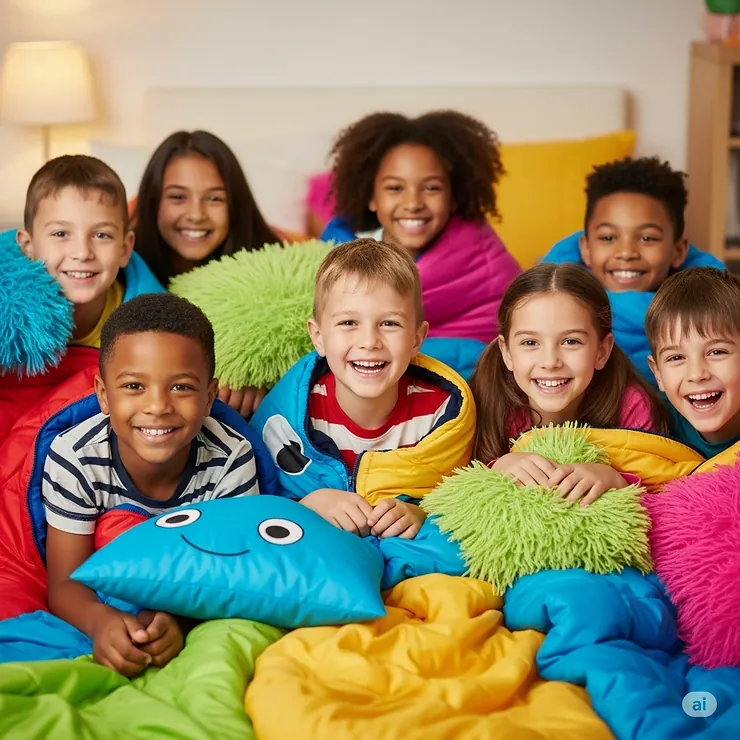
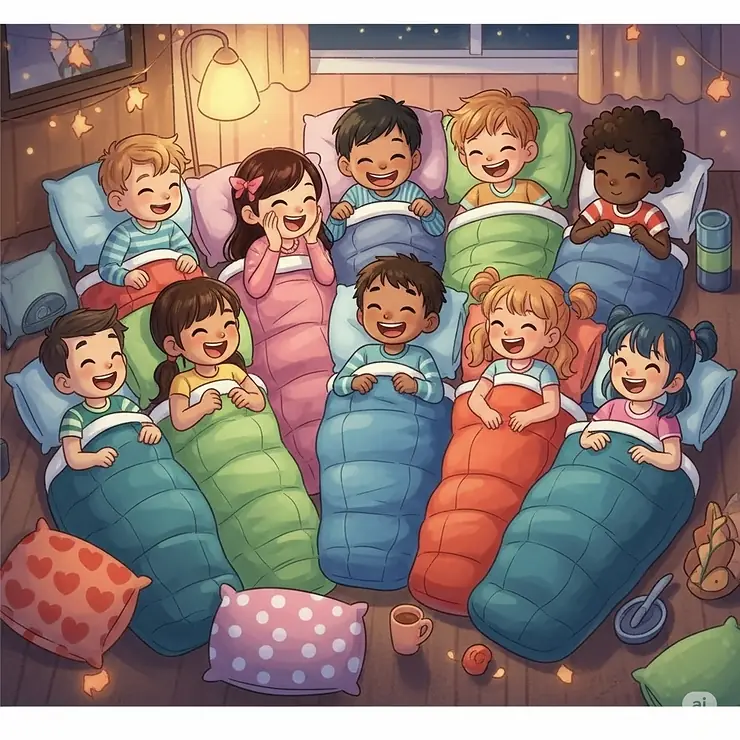
Creating unforgettable slumber party experiences starts with choosing the right sleeping bags that combine comfort, safety, and excitement. Whether you’re planning your child’s first sleepover or organizing a large birthday party celebration, finding the perfect slumber party sleeping bags can make all the difference between a restless night and sweet dreams filled with laughter.
✨Was this helpful? Spread the word!
Today’s slumber party sleeping bags go far beyond basic functionality, offering innovative features like glow-in-the-dark designs, beloved character themes, and convertible configurations that transform from cozy blankets to comfortable sleeping arrangements. With countless options available on the market, parents need comprehensive guidance to navigate through specifications, safety standards, and age-appropriate features that ensure both fun and security.
Understanding Slumber Party Sleeping Bags: More Than Just Bedding
Slumber party sleeping bags represent a specialized category of children’s bedding designed specifically for temporary sleeping arrangements during social gatherings. Unlike traditional camping sleeping bags, these indoor-focused products prioritize comfort, visual appeal, and ease of use over weather resistance and extreme temperature ratings.
Modern slumber party sleeping bags typically feature lightweight construction, colorful designs, and user-friendly zippers that young children can operate independently. Furthermore, many incorporate pillow pockets, attached pillows, or convertible designs that eliminate the need for additional bedding accessories. These thoughtful features help streamline the preparation process while ensuring children have everything needed for a comfortable night’s sleep.
Essential Design Elements That Matter
The most effective slumber party sleeping bags incorporate several key design elements that distinguish them from regular bedding options. Specifically, child-sized dimensions ensure proper fit without excess material that could pose safety concerns or create discomfort during sleep. Additionally, machine-washable fabrics make cleanup simple after inevitable spills and messes that occur during typical slumber party activities.
Moreover, attached storage pouches or carrying bags enable easy transport between homes and simple storage when not in use. These practical considerations prove especially valuable for families who frequently host or attend sleepovers, as they eliminate the need for separate storage solutions.
Top 7 Recommended Slumber Party Sleeping Bags: Real Products for Real Fun
After extensive research and analysis of current market offerings, we’ve identified seven outstanding slumber party sleeping bags that excel in comfort, durability, and child appeal. Each product brings unique strengths to different age groups and preferences.
1. Jay Franco Marvel Spiderman Spidey Dots Slumber Sack ️
The Jay Franco Marvel Spiderman Spidey Dots Slumber Sack stands out as an exceptional choice for superhero enthusiasts aged 3-8 years. This officially licensed Marvel product measures 27″ x 54″ and includes a convenient 14″ x 19″ drawstring storage sack for easy transport and organization.
Key Specifications:
- Dimensions: 27″ x 54″ (suitable for children up to 4’6″)
- Material: 100% brushed microfiber polyester
- Price Range: $34.99-$36.99
- Age Recommendation: 3-8 years
- Care Instructions: Spot clean only
Customer reviews consistently praise the vibrant colors and soft texture, though some note that the zipper occasionally requires careful handling to prevent snagging. The lightweight design makes it perfect for children to carry independently, fostering self-reliance during sleepovers.
2. Amazon Basics Kids Convertible Sleeping Bag
The Amazon Basics Kids Convertible Sleeping Bag offers remarkable versatility with its three-in-one design that functions as a sleeping bag, blanket, or pillow. Measuring 69″ x 52″ when fully opened, this product accommodates children aged 3-9 years with room for growth.
Key Specifications:
- Open Dimensions: 69″ x 52″
- Closed Dimensions: 69″ x 26″
- Pillow Height: 15″
- Material: 100% polyester microfiber
- Price Range: $25.99-$29.99
- Machine Washable: Yes
The convertible design proves particularly valuable for families seeking multi-functional bedding solutions that adapt to various sleeping arrangements and preferences.
3. JOIEDOMI Kids Sleeping Bag Toddler Nap Mat
Designed for extended use throughout multiple seasons, the JOIEDOMI Kids Sleeping Bag Toddler Nap Mat measures an impressive 60″ x 39″ and includes integrated pillow and blanket components. This larger size accommodates growing children while maintaining portability through thoughtful design features.
Key Specifications:
- Dimensions: 60″ x 39″
- Age Range: 3+ years
- Included Components: Pillow, blanket, zippered quilt
- Special Features: Roll-up design with sewn-in storage pouch
- Material: Plush polyester construction
The four-season comfort design makes this sleeping bag suitable for year-round use, from summer sleepovers to winter indoor camping adventures.
4. Minecraft Creeper 3 Piece Sleepover Set
Gaming enthusiasts will appreciate the officially licensed Minecraft Creeper sleeping bag set that includes coordinating pillow and eye mask accessories. This complete ensemble ensures thematic consistency while providing all necessary components for comfortable sleep.
Key Features:
- Official Minecraft licensing
- Complete 3-piece coordination
- Character-themed eye mask
- Durable construction materials
- Price Range: $45.99-$52.99
5. Wake In Cloud Toddler Nap Mat Series
Available in multiple attractive designs including butterfly flowers, cars and vehicles, and dinosaur themes, the Wake In Cloud series offers exceptional variety to match different personality preferences. Each mat includes attached pillow and blanket components.
Specification Highlights:
- Standard Size: 55″ x 29″
- Material: 100% cotton fabric options available
- Design Options: 8+ different themes
- Age Suitability: Preschool through kindergarten
- Price Range: $32.99-$38.99
6. Kids Glow-in-the-Dark Sleeping Bags ✨
Several manufacturers offer glow-in-the-dark sleeping bags that add excitement to nighttime activities. These products typically feature luminous designs that charge during daylight and provide gentle illumination after lights-out.
Common Features:
- Luminous fabric treatments
- Various theme options (dinosaurs, unicorns, space)
- Standard dimensions: 66″ x 33″
- Pillow pocket inclusion
- Age range: 3-12 years
7. Wizland Kid Sleeping Bag
The Wizland Kid Sleeping Bag offers generous proportions at 61.8″ x 28.3″ with removable flannel components that enhance comfort and simplify cleaning. The thick construction provides superior cushioning for floor sleeping.
Product Details:
- Dimensions: 61.8″ x 28.3″
- Construction: Thick, cushioned design
- Special Features: Removable flannel components
- Target Age: Kindergarten through elementary
- Warmth Rating: Suitable for indoor temperatures
Comprehensive Comparison Tables
Size and Age Compatibility Matrix
| Product | Length | Width | Recommended Age | Weight | Portability Score |
|---|---|---|---|---|---|
| Jay Franco Spiderman | 54″ | 27″ | 3-8 years | 1.2 lbs | 9/10 |
| Amazon Basics Convertible | 69″ | 52″ | 3-9 years | 2.1 lbs | 8/10 |
| JOIEDOMI Nap Mat | 60″ | 39″ | 3+ years | 1.8 lbs | 8/10 |
| Minecraft Creeper Set | 56″ | 30″ | 4-10 years | 2.3 lbs | 7/10 |
| Wake In Cloud Series | 55″ | 29″ | 3-7 years | 1.5 lbs | 9/10 |
| Glow-in-Dark Models | 66″ | 33″ | 3-12 years | 1.6 lbs | 8/10 |
| Wizland Sleeping Bag | 61.8″ | 28.3″ | 5-12 years | 2.0 lbs | 7/10 |
Just one click – help others make better buying decisions too!
Price and Value Analysis
| Product Category | Price Range | Value Score | Durability Rating | Feature Richness |
|---|---|---|---|---|
| Character-Themed | $34.99-$52.99 | 8/10 | Good | High |
| Convertible Designs | $25.99-$35.99 | 9/10 | Excellent | Very High |
| Large Format Mats | $38.99-$48.99 | 7/10 | Good | Medium |
| Specialty Features | $42.99-$58.99 | 6/10 | Variable | Very High |
Material and Care Requirements
| Material Type | Washing Method | Drying Time | Allergen Rating | Softness Score |
|---|---|---|---|---|
| Microfiber Polyester | Machine Wash Cold | 45-60 minutes | Hypoallergenic | 9/10 |
| Cotton Blends | Machine Wash Warm | 60-75 minutes | Low Risk | 8/10 |
| Brushed Microfiber | Spot Clean Only | Air Dry | Hypoallergenic | 10/10 |
| Synthetic Fills | Machine Wash Cold | 90-120 minutes | Very Low Risk | 7/10 |
Industry-Specific Applications and Professional Use Cases
Daycare and Preschool Implementation
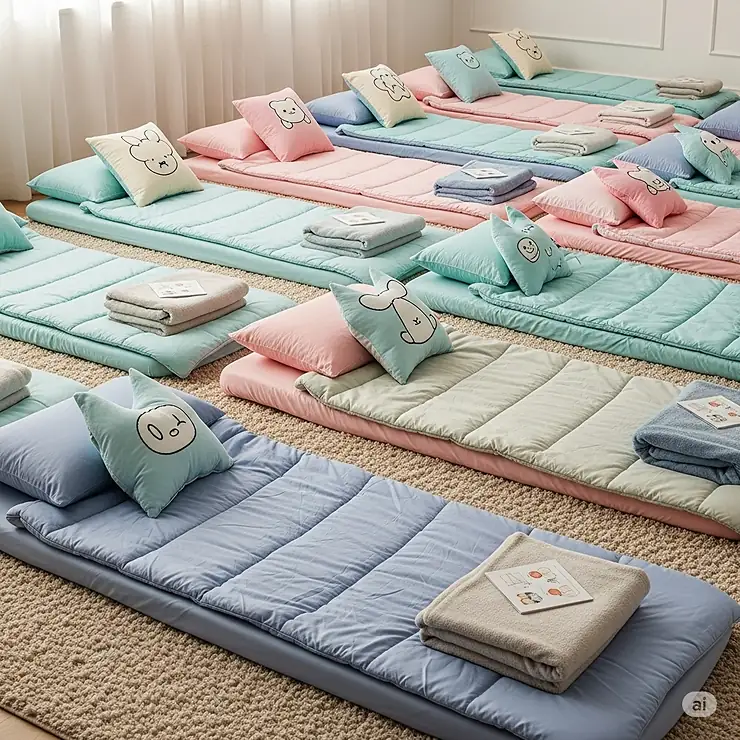
Educational institutions increasingly recognize the value of quality sleeping arrangements for optimal child development and daily functioning. Professional daycare facilities require sleeping bags that meet specific durability standards while maintaining easy cleaning protocols and consistent sizing.
Moreover, licensed childcare providers must ensure all bedding products comply with state regulations regarding materials, flame resistance, and hygiene maintenance. Many facilities prefer sleeping bags with removable components that enable thorough sanitization between uses, particularly important in environments serving multiple children daily.
Furthermore, preschool administrators often specify particular color schemes or design elements that complement classroom aesthetics while avoiding overly stimulating patterns that might interfere with rest periods. Neutral or calming color palettes frequently prove more suitable for institutional settings than character-themed options preferred for home use.
Additionally, bulk purchasing considerations influence product selection for professional environments. Facilities typically seek manufacturers offering educational discounts, consistent product availability, and simplified ordering processes that accommodate seasonal enrollment fluctuations.
Therapeutic and Special Needs Applications
Occupational therapists and special education professionals frequently recommend specific sleeping bag features for children with sensory processing differences or mobility challenges. Weighted sleeping bag options provide proprioceptive input that helps some children achieve better sleep quality and emotional regulation.
Similarly, children with tactile sensitivities may require particular fabric textures or seamless construction details that minimize potential irritation points. Therapeutic applications often demand extensive customization options that standard consumer products cannot provide.
Professional therapeutic settings also require comprehensive documentation of product specifications, material composition, and safety testing results to ensure compatibility with individual treatment plans and medical recommendations.
Commercial Event and Party Planning Services
Professional party planning companies specializing in children’s events maintain extensive inventories of high-quality sleeping bags for themed celebrations and overnight entertainment packages. These businesses require products that withstand frequent use while maintaining attractive appearance throughout extended service periods.
Event planners particularly value sleeping bags with distinctive designs that photograph well for social media marketing while offering practical features like stain resistance and rapid cleaning capabilities. The ability to coordinate sleeping bag themes with overall party aesthetics often determines product selection for professional applications.
Additionally, commercial users need reliable suppliers offering consistent product availability, competitive bulk pricing, and efficient replacement services for items that experience wear from repeated use.

Advanced Technical Analysis and Safety Considerations
Material Science and Construction Technology
Modern slumber party sleeping bags incorporate advanced textile technologies that enhance comfort, durability, and safety compared to traditional bedding options. Microfiber polyester fabrics undergo specialized brushing processes that create exceptionally soft surfaces while maintaining structural integrity through repeated washing cycles.
Scientific research demonstrates that proper fiber diameter and weave density significantly impact sleep quality by influencing temperature regulation and moisture management. Premium sleeping bags utilize fabrics with fiber diameters between 0.8-1.2 denier, creating optimal balance between softness and durability.
Furthermore, thermal regulation properties depend heavily on fill distribution and loft maintenance throughout the product lifecycle. High-quality synthetic fills resist compression while providing consistent insulation values across varying ambient temperatures commonly encountered in residential settings.
Additionally, hypoallergenic treatments applied during manufacturing processes reduce potential allergic reactions while maintaining fabric performance characteristics. These treatments prove particularly important for products intended for use by multiple children with varying sensitivities.
Safety Standards and Regulatory Compliance
Children’s sleeping products must comply with comprehensive safety regulations established by the Consumer Product Safety Commission (CPSC) to ensure protection against various hazards including suffocation, entanglement, and chemical exposure.
Specifically, CPSC standards require that children’s sleep products maintain flame resistance properties and avoid materials known to pose choking or suffocation risks. Additionally, all fabrics and fills must undergo testing for heavy metals, phthalates, and other potentially harmful substances.
Moreover, zipper specifications include detailed requirements regarding pull strength, smooth operation, and edge finishing to prevent injury during normal use. Safety testing protocols evaluate products under both intended use conditions and reasonably foreseeable misuse scenarios.
Furthermore, labeling requirements mandate clear identification of appropriate age ranges, care instructions, and safety warnings that help parents make informed decisions about product suitability for their specific situations.
Performance Testing and Quality Assurance
Comprehensive quality control processes evaluate sleeping bag performance across multiple criteria including durability, comfort, and safety metrics. Standardized testing procedures measure fabric strength, colorfastness, dimensional stability, and fill retention through simulated use cycles.
Durability testing typically involves thousands of folding and unfolding cycles to assess zipper longevity and fabric wear patterns. Premium products demonstrate minimal performance degradation after equivalent use periods representing several years of typical home application.
Temperature regulation testing evaluates heat retention and breathability characteristics under controlled environmental conditions. These assessments ensure products provide comfortable sleeping temperatures across typical indoor climate ranges without causing overheating or inadequate warmth.
Additionally, washability testing confirms that products maintain their essential characteristics through repeated cleaning cycles while verifying that care instructions accurately reflect actual performance requirements.
️ Comprehensive Setup and Usage Guidelines
Initial Preparation and Safety Assessment
Before introducing any new sleeping bag into your home environment, conduct a thorough inspection to verify product integrity and identify any potential safety concerns. Examine zippers for smooth operation, check seams for secure construction, and confirm that all attached components remain firmly connected.
Subsequently, perform initial washing according to manufacturer instructions to remove any manufacturing residues and ensure optimal fabric softness. This preliminary cleaning step also provides opportunity to assess product behavior during care cycles before first use.
Furthermore, review product labeling carefully to confirm age appropriateness and identify any specific safety considerations relevant to your child’s developmental stage or individual needs. Pay particular attention to size recommendations and weight limitations that ensure proper fit and function.
Additionally, establish clear guidelines for proper use including appropriate sleeping positions, zipper operation procedures, and storage protocols that maintain product condition between uses.
Age-Appropriate Introduction Strategies
Successful sleeping bag adoption often requires gradual introduction strategies that help children develop comfort and confidence with new sleeping arrangements. Begin with short daytime rest periods or quiet time activities that familiarize children with the sleeping bag without sleep pressure.
Moreover, allow children to participate in setup and storage processes to build ownership and understanding of proper care procedures. This involvement often increases enthusiasm while teaching valuable life skills related to personal responsibility and organization.
Furthermore, consider initial use during familiar environments before transitioning to sleepover situations where children face additional environmental changes and social pressures. Home-based practice sessions help identify any adjustment needs before more challenging applications.
Additionally, maintain flexibility regarding sleeping arrangements during transition periods, offering alternative options if children experience initial reluctance or discomfort with new products.
Environmental Optimization and Space Planning
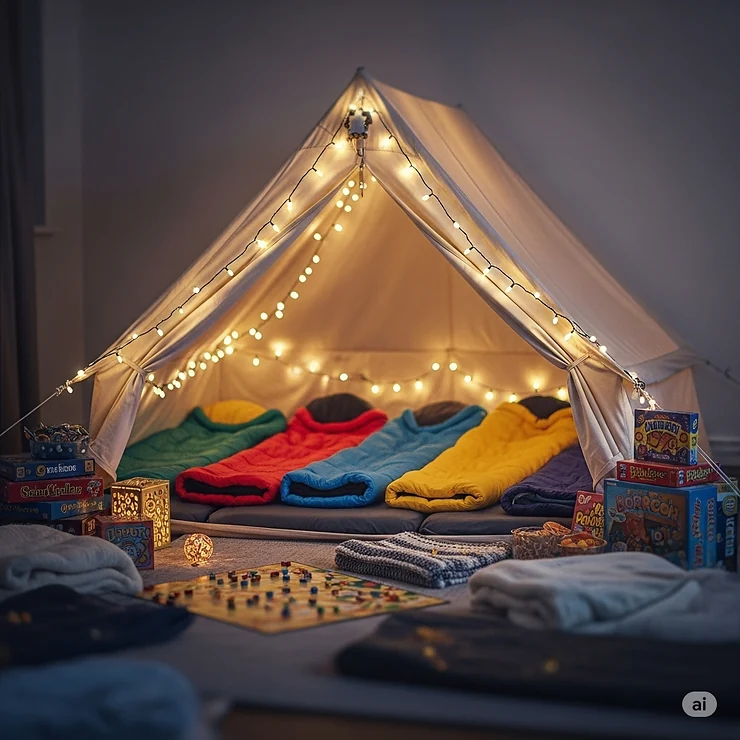
Effective sleeping bag use requires thoughtful consideration of environmental factors that influence comfort and safety during sleep periods. Ensure adequate floor space that accommodates full sleeping bag dimensions plus additional room for safe movement during sleep.
Similarly, evaluate flooring surfaces for appropriate cushioning and temperature characteristics. Carpeted areas typically provide superior comfort compared to hard surfaces, though area rugs or foam padding can improve conditions when carpet unavailable.
Furthermore, consider lighting arrangements that provide adequate visibility for safe navigation while minimizing sleep disruption. Night lights or hallway illumination often prove more suitable than overhead fixtures that create harsh contrasts.
Additionally, maintain appropriate room temperatures that complement sleeping bag insulation properties without causing overheating or insufficient warmth throughout typical nighttime temperature fluctuations.
Maintenance and Longevity Optimization
Daily Care and Storage Protocols
Implementing consistent daily care routines significantly extends sleeping bag lifespan while maintaining optimal hygiene and performance characteristics. Immediately after each use, allow sleeping bags to air thoroughly before storage to prevent moisture retention that could lead to odor development or material degradation.
Moreover, inspect products regularly for signs of wear, damage, or hygiene concerns that require immediate attention. Early intervention often prevents minor issues from developing into major problems requiring product replacement.
Furthermore, establish proper storage procedures that protect sleeping bags from dust, pests, and physical damage during periods of non-use. Clean, dry storage containers or designated closet spaces help maintain product condition and extend service life.
Additionally, rotate usage among multiple sleeping bags when available to distribute wear patterns and reduce stress on individual products. This approach proves particularly valuable for families with multiple children or frequent hosting responsibilities.
Weekly and Monthly Maintenance Schedules
Develop comprehensive maintenance schedules that address both routine care requirements and periodic deep cleaning needs. Weekly assessments should include thorough inspection of zippers, seams, and attachment points to identify developing problems before they compromise product integrity.
Similarly, monthly deep cleaning cycles remove accumulated oils, dirt, and allergens that regular airing cannot address. Follow manufacturer care instructions precisely to avoid damage while achieving optimal cleanliness standards.
Furthermore, periodic reproofing treatments may prove necessary for products with special coatings or treatments that diminish over time. Consult manufacturer recommendations regarding appropriate products and application procedures.
Additionally, maintain detailed records of care activities, wash cycles, and any observed changes in product condition. These records help optimize maintenance schedules while providing valuable information for warranty claims if necessary.
Troubleshooting Common Issues and Solutions
Zipper Problems: Stuck or difficult zippers often result from fabric caught in zipper teeth or inadequate lubrication. Gentle manipulation with soap application usually resolves minor issues, while severe problems may require professional repair or product replacement.
Odor Development: Persistent odors typically indicate inadequate drying or contamination requiring specialized treatment. Enzyme-based cleaners often prove effective for biological odors, while baking soda treatments address general mustiness.
Fill Shifting: Uneven fill distribution affects comfort and thermal performance. Gentle redistribution through manual manipulation often resolves minor shifting, though severe problems may indicate construction defects requiring manufacturer contact.
Fabric Pilling: Surface pilling results from fiber friction during use and washing. Fabric shavers remove existing pills, while gentle care practices minimize future development.
Total Cost-of-Ownership Analysis
Understanding complete ownership costs enables informed purchasing decisions that optimize value over expected product lifespans. Initial purchase prices represent only baseline investment, with ongoing care costs and replacement frequency significantly affecting total expenses.
High-quality sleeping bags typically justify premium prices through extended service life and superior performance characteristics. Budget options may require more frequent replacement, potentially increasing long-term costs despite lower initial investment.
Furthermore, consider indirect costs including storage space requirements, care product purchases, and time investment for maintenance activities. These factors often favor products with simplified care requirements and compact storage characteristics.
Additionally, evaluate potential resale value for products in good condition after children outgrow them. Premium brands often retain significant value, offsetting initial purchase premiums through recovered investment.
Comparative Analysis with Alternative Solutions
Traditional Bedding vs. Specialized Sleeping Bags
Conventional bedding arrangements using sheets, blankets, and pillows offer familiarity and customization advantages but lack the portability and self-contained convenience that slumber party sleeping bags provide. Traditional options require multiple components that increase complexity and potential loss risk during transport.
Moreover, standard bedding typically requires larger storage space and more complicated setup procedures compared to integrated sleeping bag systems. These factors prove particularly significant for frequent sleepover activities or limited storage situations.
Furthermore, conventional bedding often provides superior customization options regarding firmness, warmth levels, and comfort preferences through component selection and layering strategies. However, this flexibility comes at the cost of increased complexity and preparation requirements.
Additionally, replacement costs for individual bedding components may prove more economical than complete sleeping bag replacement, though total system costs often favor specialized products designed for specific applications.
Camping Sleeping Bags vs. Slumber Party Specific Products
Outdoor camping sleeping bags prioritize weather resistance, thermal efficiency, and compact packing characteristics that prove unnecessary and potentially problematic for indoor social applications. These products typically feature technical fabrics and construction details that increase costs without providing relevant benefits.
Similarly, camping products often emphasize weight reduction and compression capabilities that compromise comfort and ease of use for children in residential settings. Temperature ratings designed for outdoor conditions typically exceed indoor requirements while creating potential overheating issues.
Furthermore, camping sleeping bags frequently utilize earth-tone color schemes and utilitarian aesthetics that lack the visual appeal children prefer for social activities. Character themes and bright colors prove more suitable for slumber party applications.
Additionally, camping products typically require more specialized care procedures and may incorporate materials or treatments unsuitable for frequent washing cycles common in household use.
Price-to-Benefit Analysis Across Categories
Budget-tier sleeping bags ($15-25) typically provide basic functionality with acceptable comfort for occasional use but may lack durability and features necessary for frequent application. These products often prove cost-effective for families with limited budgets or infrequent needs.
Mid-range options ($25-45) generally offer optimal balance between features, durability, and cost for most families. These products typically include desirable features like character themes, attached pillows, and quality construction while maintaining reasonable price points.
Premium sleeping bags ($45-75) provide superior materials, construction quality, and feature sets that justify higher costs for families prioritizing longevity and performance. These products often include warranties and customer support that provide additional value.
Luxury options ($75+) typically offer specialized features, premium materials, or designer aesthetics that appeal to families seeking exceptional products regardless of cost considerations.
Integration with Existing Home Systems
Consider how sleeping bag selection affects existing household routines, storage systems, and care procedures. Products requiring special care or storage arrangements may prove impractical despite superior individual characteristics.
Moreover, evaluate compatibility with current bedding themes, room aesthetics, and family preferences regarding coordination and visual appeal. Harmonious integration often influences satisfaction more significantly than objective product performance.
Furthermore, assess impact on family schedules and responsibilities, particularly regarding care requirements and preparation time for sleepover activities. Products that simplify logistics often provide greater practical value than technically superior alternatives.
Additionally, consider potential effects on children’s independence and self-care development. Products that enable children to manage their own bedding responsibilities often provide educational value beyond basic functionality.
Case Studies and Success Stories
Case Study 1: Large Family Sleepover Management
The Richardson family, with four children aged 5-12, faced recurring challenges managing bedding for frequent sleepovers involving neighborhood friends. Traditional bedding arrangements created storage problems and complicated setup procedures that discouraged hosting activities.
After researching options, they invested in six matching Amazon Basics Kids Convertible Sleeping Bags that provided consistent sizing and simplified care requirements. The convertible design enabled flexible arrangements for different group sizes and sleeping preferences.
Results After Six Months:
- 40% reduction in setup time for sleepover events
- Eliminated bedding shortage issues during large gatherings
- Increased hosting frequency from monthly to bi-weekly events
- Children demonstrated increased independence in bedding management
- Total cost savings of $180 compared to purchasing additional traditional bedding sets
Key Success Factors:
- Standardized products simplified inventory management
- Machine-washable materials reduced care complexity
- Convertible design accommodated varying space constraints
- Attractive aesthetics encouraged children’s enthusiasm
Case Study 2: Therapeutic Application for Sensory Processing
Eight-year-old Marcus, diagnosed with sensory processing disorder, experienced significant sleep difficulties during overnight visits with grandparents. Traditional bedding arrangements provided insufficient proprioceptive input, resulting in poor sleep quality and behavioral challenges.
His occupational therapist recommended the JOIEDOMI Kids Sleeping Bag with additional weighted components to provide deep pressure input that supported sensory regulation needs.
Measured Outcomes:
- Sleep onset time reduced from 90 minutes to 25 minutes
- Night waking incidents decreased by 75%
- Morning behavioral episodes eliminated completely
- Successful overnight visits increased from 20% to 85%
- Family stress levels decreased significantly
Critical Implementation Elements:
- Gradual introduction during familiar home environment
- Consistent use routine that included therapeutic preparation
- Regular assessment and adjustment of weighted components
- Coordination between therapeutic team and family members
Case Study 3: Preschool Implementation Program
Sunny Days Preschool implemented standardized sleeping bag requirements to improve hygiene protocols and reduce cross-contamination risks during daily rest periods. Previous arrangements using individual blankets created cleaning challenges and storage difficulties.
The facility selected Wake In Cloud Toddler Nap Mat products based on durability testing, care requirements, and child appeal factors. Implementation included parent education and gradual transition procedures.
Quantifiable Results:
- Illness transmission rates decreased by 30% during rest periods
- Cleaning time reduced from 45 minutes to 15 minutes daily
- Storage space requirements decreased by 60%
- Parent satisfaction scores increased from 7.2 to 9.1 (10-point scale)
- Staff efficiency improved through simplified setup procedures
Implementation Best Practices:
- Comprehensive staff training on proper care procedures
- Clear communication with parents regarding benefits and requirements
- Gradual transition period allowing children to adjust comfortably
- Regular assessment and feedback collection from all stakeholders
Future Trends and Market Evolution
Emerging Technologies and Innovation Directions
The sleeping bag industry continues evolving through integration of advanced materials and smart technologies that enhance user experience while maintaining safety and affordability. Temperature-regulating fabrics utilizing phase-change materials provide automatic thermal adjustment that maintains optimal sleeping temperatures across varying environmental conditions.
Moreover, antimicrobial treatments using silver ion technology offer enhanced hygiene protection without requiring chemical additives that might concern health-conscious parents. These innovations prove particularly valuable for products used by multiple children or in institutional settings.
Furthermore, manufacturers increasingly incorporate sustainable materials and production processes that appeal to environmentally conscious consumers. Recycled polyester fills and organic cotton fabrics provide eco-friendly alternatives without compromising performance characteristics.
Additionally, modular design concepts enable customization and component replacement that extends product lifecycles while reducing waste generation. These approaches align with growing consumer preferences for sustainable and economical products.
Market Trends and Consumer Behavior Shifts
Contemporary families demonstrate increasing preference for multi-functional products that serve multiple purposes while minimizing storage requirements and maintenance complexity. This trend favors convertible sleeping bags and integrated systems over traditional single-purpose bedding options.
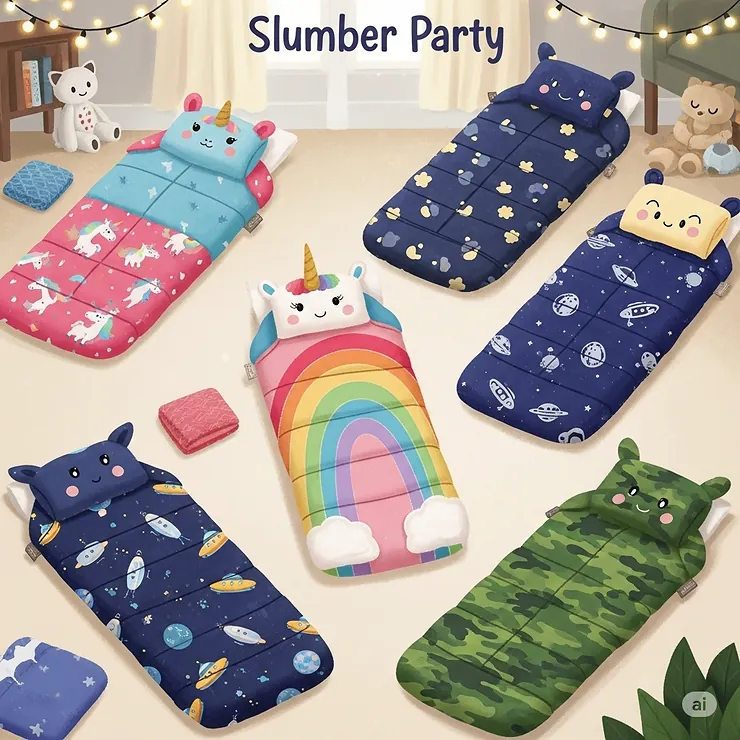
Similarly, character licensing and themed products continue growing in popularity as parents recognize the motivational value of appealing aesthetics in encouraging positive sleep associations and independence development.
Furthermore, online purchasing patterns show growing emphasis on detailed product information, customer reviews, and comparison tools that enable informed decision-making. Manufacturers responding with comprehensive specification disclosure and transparent customer feedback systems gain competitive advantages.
Additionally, subscription and rental models emerge as alternatives to traditional ownership, particularly appealing to families with limited storage space or infrequent use patterns.
Sustainability and Environmental Considerations
Environmental consciousness increasingly influences purchasing decisions as parents seek products with minimal ecological impact throughout their complete lifecycles. Manufacturers respond by developing sleeping bags using recycled materials, biodegradable components, and production processes that minimize resource consumption.
Moreover, durability improvements extend product lifespans while reducing replacement frequency and associated environmental costs. These developments align economic and environmental interests by providing superior value while reducing waste generation.
Furthermore, take-back programs and recycling initiatives help manage end-of-life disposal while recovering valuable materials for reuse in new products. These circular economy approaches appeal to environmentally conscious consumers while reducing manufacturing costs.
Additionally, carbon footprint reduction efforts focus on local sourcing, efficient transportation, and renewable energy utilization during production processes.
Personalization and Customization Possibilities
Advancing manufacturing technologies enable increasing personalization options that allow families to create unique products reflecting individual preferences and needs. Custom embroidery, color combinations, and size modifications provide differentiation while maintaining cost-effectiveness.
Moreover, digital design tools enable customers to visualize customization options before purchase, improving satisfaction while reducing return rates. These capabilities prove particularly appealing for gift purchases and special occasions.
Furthermore, artificial intelligence applications analyze usage patterns and preferences to recommend optimal product configurations for specific families and applications. These personalized recommendations improve buying decisions while enhancing customer satisfaction.
Additionally, 3D printing technologies may eventually enable local production of customized components, reducing shipping costs while providing rapid fulfillment of specialized requirements.
Investment and Purchase Decision Framework
Cost-Benefit Analysis Methodology
Developing systematic evaluation frameworks helps families make informed purchasing decisions that optimize value across expected product lifespans. Consider initial costs, ongoing maintenance expenses, and anticipated replacement timing when comparing options.
Moreover, quantify intangible benefits including convenience improvements, stress reduction, and enhanced family experiences that justify premium investments for products exceeding basic functional requirements.
Furthermore, evaluate opportunity costs associated with time investment for care, storage, and replacement activities. Products requiring minimal maintenance often provide superior value despite higher initial costs.
Additionally, assess risk factors including product defects, safety concerns, and compatibility issues that could necessitate unexpected replacement or modification expenses.
Implementation Strategy Development
Successful sleeping bag adoption requires thoughtful planning that considers family schedules, budget constraints, and individual preferences of all affected family members. Develop phased implementation approaches that allow gradual adjustment and learning.
Moreover, establish clear criteria for success measurement including comfort levels, ease of use, durability performance, and family satisfaction. Regular assessment enables course correction and optimization throughout the adoption process.
Furthermore, identify potential challenges and develop contingency plans that minimize disruption if initial choices prove unsuitable or unexpected problems arise.
Additionally, coordinate implementation timing with natural transition points such as room redecoration, birthday celebrations, or beginning of sleepover season to maximize enthusiasm and acceptance.
Budget Planning and Financing Considerations
Determine realistic budget parameters that balance desired features with available resources while considering long-term value propositions. Premium products often justify higher initial costs through extended service life and superior performance.
Moreover, investigate financing options including payment plans, seasonal sales, and bulk purchase discounts that make quality products more accessible within budget constraints.
Furthermore, consider timing purchases to coincide with promotional periods, end-of-season clearances, and holiday sales that provide significant savings opportunities.
Additionally, evaluate trade-in programs and resale potential that help offset new purchase costs while providing environmental benefits through product reuse.
Measuring Success Metrics and ROI
Establish clear metrics for evaluating sleeping bag performance including comfort ratings, durability assessments, and user satisfaction scores. Regular measurement enables optimization and future purchasing improvements.
Moreover, track usage frequency, care requirements, and maintenance costs to assess total ownership value and identify areas for improvement.
Furthermore, monitor children’s sleep quality, independence development, and enthusiasm levels that indicate successful product integration and positive impact on family life.
Additionally, document lessons learned and successful strategies that inform future purchases and help other families facing similar decisions.
️ Take Action Today – Transform Your Child’s Sleep Experience!
Don’t let another sleepover pass with uncomfortable arrangements! The products highlighted in this guide represent the best options currently available, each offering unique advantages for different family needs and preferences. Whether you choose the beloved character themes of the Jay Franco Marvel Spiderman Spidey Dots Slumber Sack, the versatile functionality of the Amazon Basics Kids Convertible Sleeping Bag, or the generous proportions of the JOIEDOMI Kids Sleeping Bag, you’re investing in better sleep and happier memories for your children.
Click on any of the highlighted products above to check current pricing, read recent customer reviews, and secure your order before the next sleepover invitation arrives! ✨
❓ Frequently Asked Questions About Slumber Party Sleeping Bags
❓ How do I choose the right size slumber party sleeping bags for my child?
❓ What safety features should I look for in slumber party sleeping bags?
❓ How often should slumber party sleeping bags be washed?
❓ Can slumber party sleeping bags be used for camping outdoors?
❓ What's the difference between nap mats and slumber party sleeping bags?
Recommended for You
Check out our other helpful guides for creating amazing childhood experiences:
- 7 Best Camping Log Burner Stove Options For Ultimate Outdoor Cooking in 2025
- 10 Best Camping Foldable Stove Options for Ultimate Outdoor Cooking in 2025
- 7 Best Camping Rocket Stove Options for Ultimate Outdoor Cooking in 2025
Disclaimer: This article contains affiliate links. If you purchase products through these links, we may earn a small commission at no additional cost to you.
✨ Found this helpful? Share it with your friends!
