
In This Article
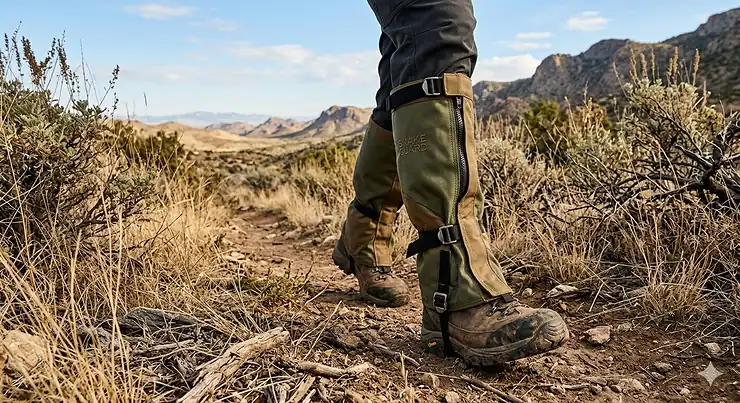
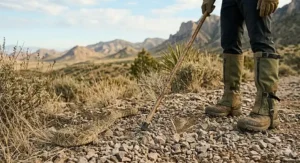
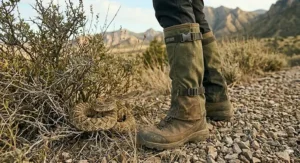
Picture this: you’re deep in the wilderness, miles from civilization, when you hear that unmistakable sound—the warning rattle of a snake coiled just inches from your boot. Your heart races, but there’s no panic. Why? Because you’re wearing proper snake gaiters for hiking that transform a potentially life-threatening moment into nothing more than a cautionary tale.
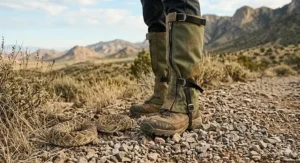
snake gaiters for hiking have become essential gear for anyone exploring snake-inhabited terrain across the United States. With approximately 7,000 to 8,000 venomous snakebites occurring annually in the U.S., according to data from the Centers for Disease Control and Prevention, protecting your lower legs isn’t just smart—it’s potentially life-saving. While death from snakebites remains rare thanks to modern medical care, the permanent injuries from rattlesnake bites affect between 10-44% of victims, making prevention through proper gear absolutely critical.
What exactly makes snake gaiters for hiking different from regular hiking gaiters? These specialized leg guards combine puncture resistant material with strategic design to shield the most vulnerable strike zones—your ankles and lower calves—from fangs that can penetrate ordinary fabric in milliseconds. Whether you’re traversing the desert Southwest, exploring Southern forests, or hiking mountain trails where rattlesnakes sun themselves on rocks, understanding which snake proof gaiters deliver genuine snake bite protection hiking enthusiasts need can mean the difference between a memorable adventure and a medical emergency.
Quick Comparison Table: Top Snake Gaiters at a Glance
| Product | Material | Weight (per gaiter) | Height | Price Range | Best For |
|---|---|---|---|---|---|
| TurtleSkin SnakeArmor | Ballistic fibers + polyester | <6 oz | 16″ | $129-149 | Lightweight protection |
| Pike Trail Snake Gaiters | Double-wall plastic + Cordura | 19 oz | Full leg | $69-89 | 360° wraparound security |
| Razer Snake Gaiters | 13 polycarbonate panels | 13 oz | 12″ leg, 5″ foot | $89-109 | Flexibility + durability |
| Gonex Snake Gaiters | 12 PP boards + 1000D Oxford | 13 oz | 12″ | $36-45 | Budget-conscious hikers |
| SPIKA Strike Gaiters | PU-bonded canvas | ~16 oz | Full leg | $79-99 | Professional-grade testing |
| NIFUYOP Snake Gaiters | PP boards + 600D Oxford | Variable | Variable | $42-58 | Ergonomic fit |
| Pike Trail (USA Made) | Plastic core + Cordura nylon | 19+ oz | Full leg | $75-95 | American craftsmanship |
💬 Just one click – help others make better buying decisions too! 😊
Top 7 Snake Gaiters for Hiking: Expert Analysis
1. TurtleSkin SnakeArmor Snake Gaiters – The Ultralight Champion
When every ounce matters on long-distance treks, TurtleSkin SnakeArmor redefines what’s possible in snake bite protection hiking gear. Weighing less than 6 ounces per gaiter, these revolutionary leg guards employ a patented weave of high-strength ballistic fibers tested specifically against rattlesnake fangs.
Key Specifications:
- Proprietary ballistic fiber construction
- Reversible design (Khaki/Sage)
- 16-inch leg coverage height
- Waterproof and windproof coating
The reversible feature isn’t just aesthetic—it’s tactical. Flip to khaki for desert environments or sage for forested trails. Customer feedback consistently praises the breathability hiking enthusiasts demand, with users reporting comfortable all-day wear even in 90°F+ temperatures. The no-rust zipper and three tie-down grommets ensure a secure fit across various calf sizes.
✅ Pros: Exceptionally lightweight, tested against actual rattlesnake strikes, compact storage
✅ Pros: Reversible for different environments, waterproof protection
✅ Pros: Breathable despite protective construction
❌ Cons: Premium price point, may require sizing adjustment for very large calves
Price range: $129-$149 | Perfect for backpackers prioritizing weight savings without compromising safety
2. Pike Trail Snake Gaiters Leg Guards – 360° Protection Powerhouse
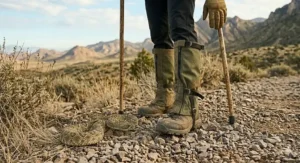
Pike Trail Snake Gaiters gained serious credibility when Mr. Beast wore them during his “I Survived The 5 Deadliest Places On Earth” video exploring Snake Island. This isn’t just marketing—it’s real-world validation of their double-walled plastic core and Cordura nylon casing that delivers comprehensive leg coverage height protection.
Key Specifications:
- Double-walled plastic core construction
- Three rustproof stainless steel buckles
- 360-degree wraparound protection
- Available in Black, Coyote Tan, Olive Drab
The genius lies in the engineering. Unlike gaiters that leave gaps, these wrap completely around your lower leg, secured by three stainless steel buckles that won’t corrode in wet conditions. Foot straps prevent the annoying ride-up problem that plagues cheaper models. Customers note these feel substantial—at 19 ounces each, they’re heavier than ultralight options but that weight translates to confidence-inspiring protection.
✅ Pros: Complete 360° coverage, celebrity-endorsed field testing
✅ Pros: Multiple color options for concealment, sturdy buckle system
✅ Pros: Excellent foot retention system
❌ Cons: Heavier than minimalist alternatives
❌ Cons: Bulkier profile may restrict mobility in tight terrain
Price range: $69-$89 | Ideal for hunters and hikers in high-density snake areas
3. Razer Snake Gaiters – Laboratory-Tested Confidence
What sets Razer Snake Gaiters apart is their commitment to science. These gaiters underwent rigorous testing to ASTM F1342-05 for puncture-resistance and ASTM D5420-16 for impact-resistance standards—the same testing protocols used for industrial safety equipment. The result? Thirteen flexible polycarbonate panels that move with your leg while maintaining snake proof gaiters integrity.
Key Specifications:
- 13 individual polycarbonate panels
- 1000-denier Cordura nylon exterior
- 12 inches leg protection, 5 inches foot coverage
- Lab-tested to industry safety standards
The panels flex independently, allowing natural movement while maintaining overlapping coverage that prevents fang penetration. At 13 ounces per gaiter, they strike an impressive balance between protection and mobility. Users particularly appreciate the adjustability—fitting calf sizes from 13 to 20 inches means one size genuinely works for most adults. The included nylon storage bag makes transport convenient.
✅ Pros: Scientific testing verification, truly one-size-fits-most design
✅ Pros: Excellent flexibility despite protective panels
✅ Pros: 3-year manufacturer warranty
❌ Cons: Mid-height coverage only, not full-leg protection
❌ Cons: Polycarbonate can feel stiff initially
Price range: $89-$109 | Best for data-driven hikers wanting proven protection specs
4. Gonex Snake Gaiters – Budget-Friendly Reliability
Don’t mistake affordability for inferior protection. Gonex Snake Gaiters utilize twelve individual PP (polypropylene) boards wrapped in 1000D Oxford fabric—a construction method that delivers impressive puncture resistant material performance at a fraction of premium prices.
Key Specifications:
- 12 PP board protection system
- 1000D Oxford fabric with waterproof coating
- Adjustable for 12-20 inch calves
- Double elastic loop system
The waterproof coating proves its worth in muddy, wet environments where standard gaiters fail. Weighing 13 ounces each, these fold surprisingly compact into the included storage bag. Customer reviews consistently mention the dual strap system—elastic bands plus buckles plus two extra loops—that keeps everything locked in place even during vigorous hiking. The trade-off for the lower price? Less breathability hiking in extreme heat compared to premium models.
✅ Pros: Outstanding value proposition, reliable waterproofing
✅ Pros: Compact folding for storage, secure multi-point attachment
✅ Pros: Suitable for various outdoor activities beyond hiking
❌ Cons: Less breathable in very hot conditions
❌ Cons: PP boards may be less durable than polycarbonate long-term
Price range: $36-$45 | Perfect entry-level choice for occasional hikers or budget-conscious adventurers
5. SPIKA Strike Snake Gaiters – Australian-Tested Toughness
When Australian snake expert Michael Alexander from Black Snake Productions tests your product against some of the world’s deadliest serpents and it passes every challenge, you know you’ve got serious snake bite protection hiking gear. SPIKA Strike Gaiters bring that Australian outback toughness to American trails with their PU-bonded canvas construction.
Key Specifications:
- Heavy-duty PU-bonded canvas
- 4-way closure system with Duraflex buckles
- Adjustable gaiter wires included
- Professionally tested against multiple snake species
The four-way closure system isn’t overkill—it’s comprehensive security. Hook-and-loop closures, buckles, shoelace hooks, and adjustable wires work together to ensure nothing shifts during movement. The reinforced stitching and bar tacks handle the stress points that cause cheaper gaiters to fail. Weighing approximately 16 ounces per gaiter, they provide full lower-leg coverage that extends over boot tops completely.
✅ Pros: Professional wildlife expert testing, reinforced stress points
✅ Pros: Comprehensive 4-way attachment system
✅ Pros: Available in multiple sizes and colors
❌ Cons: May run large—check sizing carefully
❌ Cons: PU-bonded material less breathable than synthetic weaves
Price range: $79-$99 | Top choice for professional outdoor workers and serious snake-country expeditions
6. NIFUYOP Snake Gaiters – Ergonomic Innovation
NIFUYOP Snake Gaiters take an ergonomic approach with their wide-top, narrow-bottom design that follows your leg’s natural contours. The construction features one middle PP panel plus six side panels that make donning and removal surprisingly easy while maintaining protective coverage.
Key Specifications:
- Anatomically contoured design
- Thickened PP boards + 600D Oxford cloth
- Dual bottom ankle straps
- Internal Velcro + external buckle system
The ankle protection design deserves special mention. While many gaiters focus solely on calf coverage, NIFUYOP includes two adjustable instep straps that lock the gaiter firmly in place and protect the vulnerable ankle area where many strikes occur. The double securing method—internal magic sticks (Velcro) plus external adjustable buckles—accommodates different calf sizes while preventing the slippage that compromises protection.
✅ Pros: Superior ankle protection design, anatomical fit reduces bulk
✅ Pros: Easy on/off despite secure fastening
✅ Pros: Excellent stability on uneven terrain
❌ Cons: Limited color options
❌ Cons: Sizing information can be unclear
Price range: $42-$58 | Excellent for hikers prioritizing comfort without sacrificing protection
7. Pike Trail USA-Made Snake Gaiters – American Craftsmanship
For those who value supporting American artisans, Pike Trail offers a premium USA-made option crafted by local seamstress artisans. These feature the same double-walled plastic core and Cordura nylon construction as their standard line but with enhanced quality control and domestic manufacturing.
Key Specifications:
- USA-made by artisan seamstresses
- Double-walled plastic core technology
- Cordura nylon casing
- Stringent quality inspection process
The difference shows in the details—reinforced stitching, more precise panel alignment, and attention to finish work that mass-produced alternatives sometimes miss. Pike Trail’s promise is straightforward: “If we wouldn’t use these hiking gaiters ourselves, we won’t sell them.” The company’s rigorous development process and hands-on testing show in the field-proven durability customers report even after seasons of hard use.
✅ Pros: American-made quality, exceptional durability
✅ Pros: Support for domestic artisan production
✅ Pros: Backed by extensive field testing
❌ Cons: Higher price point for domestic manufacturing
❌ Cons: Heavier than imported ultralight alternatives
Price range: $75-$95 | Ideal for those valuing American craftsmanship and maximum durability
✨ Don’t Miss These Exclusive Deals!
🔍 Take your snake bite protection hiking to the next level with these carefully selected products. Click on any highlighted item above to check current pricing and availability on Amazon. These tools will help you create authentic peace of mind your hiking adventures demand!
Understanding Snake Gaiters: What Makes Them Different
What is snake gaiters for hiking? snake gaiters for hiking are specialized protective leg guards constructed from puncture-resistant materials designed to prevent snake fangs from penetrating to your skin, typically covering from your ankle to knee and secured with adjustable straps over your boots and pants.
The fundamental difference between regular hiking gaiters and snake proof gaiters lies in construction philosophy. Standard gaiters prioritize keeping debris, snow, and water out of your boots using lightweight nylon or polyester. They’ll stop mud and pebbles but collapse instantly against a snake strike. snake gaiters for hiking, conversely, employ rigid or semi-rigid panels—polycarbonate, polypropylene, or ballistic fiber weaves—specifically engineered to resist the puncture force of snake fangs.
Think of it this way: regular gaiters are like a windbreaker, while snake gaiters for hiking function more like body armor. The ballistic testing that quality manufacturers conduct simulates actual rattlesnake strike force and fang penetration angles. Products like Razer’s ASTM-tested gaiters or SPIKA’s wildlife-expert-verified models have faced real-world strike simulations that would shred ordinary fabric. The National Institute for Occupational Safety and Health provides comprehensive workplace safety guidelines that outdoor professionals should follow when working in snake-inhabited areas.
The Wikipedia article on snake gaiters provides context for global snakebite epidemiology, showing why regional protection strategies matter. In North America, pit vipers—rattlesnakes, copperheads, and cottonmouths—account for the vast majority of venomous encounters. Their fang length typically ranges from 6-15 millimeters, requiring materials that can withstand both the initial penetration attempt and the snake’s instinctive chewing motion.
How to Choose Snake Gaiters for Hiking: 7 Essential Factors
1. Match Material to Your Hiking Environment
Not all puncture resistant material performs equally across conditions. Polycarbonate panels excel in dry, rocky terrain but can feel restrictive in humid forests. Ballistic fiber weaves like TurtleSkin’s offer superior breathability hiking in hot climates while maintaining protection. PU-bonded canvas from SPIKA provides excellent water resistance for swampy or rain-prone regions. Consider where you’ll actually hike—desert Southwest demands different properties than Appalachian forests.
2. Prioritize Proper Leg Coverage Height
Comprehensive studies on snakebite locations reveal that most strikes target the area from ankle to mid-calf. Full-length gaiters extending to just below the knee provide maximum protection but add weight and heat. Mid-height models (12-14 inches) offer excellent coverage for the statistically most vulnerable zones while maintaining better breathability hiking flexibility. The key question: do you need Fort Knox or sufficient coverage? For most recreational hikers, mid-height proves adequate; professionals working in dense snake populations should prioritize full coverage.
3. Verify Adjustability and Fit Systems
A poorly fitted gaiter creates dangerous gaps. Look for models offering multiple adjustment points—NIFUYOP’s dual Velcro and buckle system or Pike Trail’s three-buckle arrangement ensure customization. The gaiter should fit snugly over your typical hiking pants and boots without restricting circulation. Check manufacturer specifications: quality products accommodate calf circumferences from 12-20 inches, but verify measurements against your actual leg dimensions plus layering allowance.
4. Assess Weight vs. Protection Trade-offs
Here’s the honest calculus: ultralight TurtleSkin gaiters under 6 ounces per side feel almost non-existent on 15-mile hikes but offer less mechanical protection than 19-ounce Pike Trail models with double-wall cores. Your risk tolerance and hiking distance dictate the balance. Day hikers in moderately populated snake areas can afford lighter options; multi-day backpackers in prime rattlesnake habitat might accept extra weight for enhanced security.
5. Evaluate Breathability Hiking Performance
snake gaiters for hiking trap heat—that’s unavoidable physics. However, engineering differences create vast comfort gaps. Materials with moisture-wicking properties or ventilation panels (admittedly rare in this category due to protection requirements) significantly improve all-day wearability. User reviews consistently flag this: gaiters that work beautifully in March Arizona become sweat factories by June. If you’re hiking during peak snake season (typically April-October when temperatures climb), prioritize models with proven ventilation characteristics.
6. Examine Fastening System Durability
Buckles, zippers, and straps constitute failure points. Stainless steel hardware resists corrosion in wet conditions where cheaper materials rust or seize. YKK zippers (specified by quality manufacturers) dramatically outlast generic alternatives. The SPIKA Duraflex buckle system and Pike Trail’s stainless steel buckles exemplify the hardware quality that justifies higher prices through years of reliable use rather than single-season disposability.
7. Consider Secondary Protection Benefits
Premium snake proof gaiters deliver value beyond fang protection. Waterproofing keeps legs dry during stream crossings. Thorn and cactus resistance matters enormously in desert environments where puncture hazards abound. Some models include UV-resistant coatings protecting against sun exposure on exposed lower legs. These features transform snake gaiters from single-purpose gear into versatile trail protection systems.
Snake Bite Statistics: Understanding Your Real Risk
The numbers provide helpful perspective. According to data from the CDC and various state health departments, roughly 7,000-8,000 venomous snakebites occur annually across the United States. Of these, only about 5 deaths result each year—a testament to modern antivenom effectiveness and emergency medical response.
However, focusing solely on mortality misses the more common concern: permanent injury. Research published in medical journals indicates that 10-44% of rattlesnake bite victims suffer lasting damage. This ranges from partial finger loss (yes, many bites strike hands when people foolishly try to handle or photograph snakes) to chronic pain, reduced mobility, or permanent tissue damage in the affected limb.
Geographic distribution matters enormously. North Carolina leads in bite rate at 157.8 per million population annually, followed by West Virginia at 105.3 and Arkansas at 92.9. Texas, while home to the most snake species, maintains lower fatality rates due to excellent medical infrastructure. The Southern states account for approximately 82% of all snakebites, with the West contributing 11%, Midwest 7%, and Northeast just 1%.
These statistics shouldn’t paralyze you with fear—they should inform intelligent precautions. Your actual risk while hiking depends on season (snakes are most active dawn and dusk in warm weather), terrain (rocky areas and logs provide ideal snake habitat), and your behavior (watching where you step reduces risk dramatically). Quality snake gaiters for hiking transform your risk profile from “potential emergency” to “minimal concern,” allowing you to enjoy trails confidently.
Benefits Comparison: Snake Gaiters vs. Traditional Alternatives
| Feature | Snake Gaiters | Regular Hiking Boots | Tall Leather Boots | Denim Jeans |
|---|---|---|---|---|
| Fang Penetration Resistance | Excellent (tested) | Minimal | Moderate | Limited |
| Weight | 12-20 oz per pair | Varies | Heavy (3-5 lbs) | Light but ineffective |
| Breathability | Variable by model | Good | Poor | Moderate |
| Water Protection | Excellent (most models) | Variable | Good | Poor |
| Cost | $36-150 | $100-300 | $200-400 | $30-80 |
| Versatility | Can wear with any footwear | Fixed protection | Bulky, hot | No actual protection |
This comparison reveals why dedicated snake gaiters for hiking have become the preferred solution. Tall leather boots—once the traditional “snake boots”—provide decent protection but force you to wear heavy, hot footwear year-round. Modern hikers prefer lightweight trail runners for their superior performance characteristics. snake proof gaiters let you maintain your preferred footwear while adding protection only when and where needed.
The denim jeans myth deserves debunking. Yes, heavy denim can sometimes deflect smaller snake strikes, but relying on jeans for snake bite protection hiking is gambling with inadequate odds. Denim offers zero puncture resistance against determined strikes from larger rattlesnakes. It’s comfort theater rather than genuine protection.
Installation and Proper Wear Technique
Even the best snake gaiters for hiking fail if worn incorrectly. Here’s the proper technique:
Step 1: Don your regular hiking pants and boots first. snake gaiters for hiking function as the outer layer, not underneath clothing.
Step 2: Wrap the gaiter around your lower leg with any front closure facing outward (most models feature front zippers or buckles for easy access). The bottom should extend over your boot top, creating overlap.
Step 3: Secure from bottom to top. Start with the instep strap or hook that attaches to your shoelaces or boot bottom. This prevents ride-up during walking.
Step 4: Fasten the main closure system. Zippers should run smoothly without snagging; buckles should click securely. If using models with Velcro plus buckles, engage the Velcro first for proper alignment before buckling.
Step 5: Adjust for snug but not restrictive fit. You should be able to slide one finger between the gaiter and your leg. Tighter creates circulation problems; looser creates dangerous gaps.
Step 6: Secure top closures and ensure even distribution. Multiple attachment points should share tension evenly rather than creating pressure points.
Pro tip: Practice installation at home before hitting the trail. Emergency situations aren’t the time to learn your gaiter’s fastening system. Muscle memory from practice means you can don protection quickly if you spot snake warnings or enter known habitat zones.
Maintenance and Care for Maximum Longevity
Quality snake proof gaiters represent a meaningful investment worth protecting through proper maintenance:
After Each Use: Remove loose dirt and debris with a soft brush. Check all buckles, straps, and closures for damage or wear. Inspect the protective panels for cracks or compression damage that might compromise protection.
Deep Cleaning: Hand wash in cool water with mild soap every few trips or when visibly soiled. Harsh detergents and machine washing can degrade waterproof coatings and weaken panel attachments. Air dry completely before storage—never use direct heat sources like radiators or dryers that can warp protective panels.
Storage Best Practices: Store in a cool, dry location away from direct sunlight. UV exposure gradually degrades synthetic fabrics and weakens protective materials. Many models include storage bags; use them to prevent dust accumulation and accidental damage.
Periodic Inspection: Before each season, conduct thorough inspection of all critical components. Replace worn straps immediately—a broken buckle at the trailhead is inconvenient, mid-hike is dangerous. Check panel integrity carefully; any cracks or separations mean replacement time.
When to Replace: Even the best snake gaiters for hiking don’t last forever. Signs demanding replacement include: significant wear on protective panels, damaged closures that won’t secure properly, fabric tears or separations that create gaps, or if the gaiters have actually stopped a snake strike (protective materials may be compromised even if no visible damage shows).
Snake Safety Beyond Gaiters: Comprehensive Trail Protection
snake gaiters for hiking provide crucial protection but work best within a broader safety strategy:
Watch Your Step: The majority of snakebites occur because people didn’t see the snake before contact. Step ON rocks and logs rather than over them where you can’t see the other side. Use trekking poles to probe tall grass or brush before walking through.
Timing Matters: Snakes are most active during temperature transition periods—dawn and dusk in warm seasons. If possible, hike during the heat of day when snakes shelter in shade, or during cooler months when they’re less active or hibernating (typically November through March in most U.S. regions).
Terrain Awareness: Rocky areas, log piles, brush, and the shade line between sun and shadow all provide ideal snake habitat. Give these areas extra attention and avoid placing hands where you can’t see when scrambling over rocks.
Sound Strategy: While snakes can’t hear airborne sound, they detect ground vibrations extremely well. Trekking poles, conversation, and deliberate footfalls alert snakes to your approach, giving them time to move away. Most snakes prefer fleeing to confrontation. The U.S. Forest Service provides detailed safety guidelines for hiking in rattlesnake territory that all outdoor enthusiasts should review.
Dog Protection: Keep dogs on short, non-retractable leashes in snake country. Curious dogs investigate scents directly, getting their faces dangerously close to defensive snakes. Dog snake-aversion training courses (available in many snake-prone regions) can be lifesaving.
Emergency Preparedness: Know the location of the nearest hospital before hiking remote areas. Carry a satellite communicator or ensure your cell phone works. If bitten despite precautions, remain calm (panic accelerates venom spread), immobilize the affected limb, remove jewelry before swelling begins, and seek immediate medical attention. Do NOT attempt to capture or kill the snake for identification—photos from a safe distance can help, but antivenom protocols don’t require snake identification.
Real-World Testing: What Users Report
Beyond manufacturer claims, actual user experiences provide invaluable insights:
Long-Distance Hiking: PCT thru-hikers report TurtleSkin gaiters virtually disappear weight-wise during 20+ mile days but note reduced protection compared to heavier models. The trade-off works for them because covering vast mileage through varied terrain means weight savings compound significantly.
Professional Use: Wildlife biologists and field researchers consistently favor Pike Trail or SPIKA models despite the additional weight. Their work requires entering prime snake habitat deliberately—maximum protection trumps comfort considerations. Several report their gaiters have stopped actual strikes, validating the protection investment.
Weekend Warriors: Recreational day-hikers find Gonex gaiters hit the sweet spot—adequate protection for occasional use without the financial commitment of premium models. These users prioritize value and note that even budget snake proof gaiters dramatically outperform no protection.
Desert Hiking: Arizona and California desert hikers specifically mention the importance of rattlesnake gaiters during spring when snake activity peaks but temperatures haven’t yet reached summer extremes. Models with better breathability hiking characteristics receive notably higher satisfaction ratings in these conditions.
Family Hiking: Parents particularly appreciate adjustable models like NIFUYOP that can fit different family members or accommodate growth in younger hikers (though children should always wear appropriately sized protection—oversized gaiters create dangerous gaps).
Frequently Asked Questions
❓ How effective are snake gaiters for hiking against rattlesnake bites?
❓ Can I wear snake proof gaiters with any type of hiking boots?
❓ Do snake gaiters for hiking protect against all venomous snakes in the USA?
❓ What is the proper leg coverage height needed for rattlesnake gaiters?
❓ How do I maintain breathability hiking in hot weather while wearing snake gaiters?
Conclusion: Investing in Peace of Mind
The wilderness calls with irresistible beauty and adventure, but sharing these spaces with potentially dangerous wildlife demands respect and preparation. snake gaiters for hiking represent one of the smartest investments in outdoor safety gear—a relatively modest expenditure that can prevent life-altering injuries while allowing you to explore confidently through prime snake habitat.
Whether you choose ultralight TurtleSkin models for their nearly invisible comfort during long treks, Pike Trail’s battle-tested 360-degree protection, laboratory-verified Razer gaiters, budget-friendly Gonex options, professionally-tested SPIKA products, ergonomically-designed NIFUYOP models, or premium American-made alternatives, the crucial decision is choosing some form of snake bite protection hiking over gambling with inadequate alternatives.
Remember that snake gaiters for hiking work best as part of comprehensive trail safety practices. Watch where you step, hike during appropriate times, stay alert in known snake habitat, and always let someone know your hiking plans and expected return. The goal isn’t to eliminate all risk—that’s impossible and would confine us to our couches—but to manage risk intelligently while fully experiencing the natural world.
With proper protection and informed awareness, those encounters that once sparked panic transform into privileged wildlife observations. You’ll find yourself appreciating the engineering marvel of a coiled rattlesnake maintaining temperature homeostasis on a sun-warmed rock rather than fearing it. That shift in perspective, enabled by the confidence good equipment provides, might be the most valuable benefit snake gaiters for hiking deliver.
So gear up, step confidently, and embrace the trails. The wilderness awaits, and you’re now prepared to enjoy it safely.
Recommended for You
- 7 Best Survival Kits for Camping in 2026
- 7 Best Waterproof Matches for Camping – 2026
- 7 Best Fire Starter Kit for Camping 2026
Disclaimer: This article contains affiliate links. If you purchase products through these links, we may earn a small commission at no additional cost to you.
✨ Found this helpful? Share it with your friends! 💬🤗
