In This Article
✨Was this helpful? Spread the word!
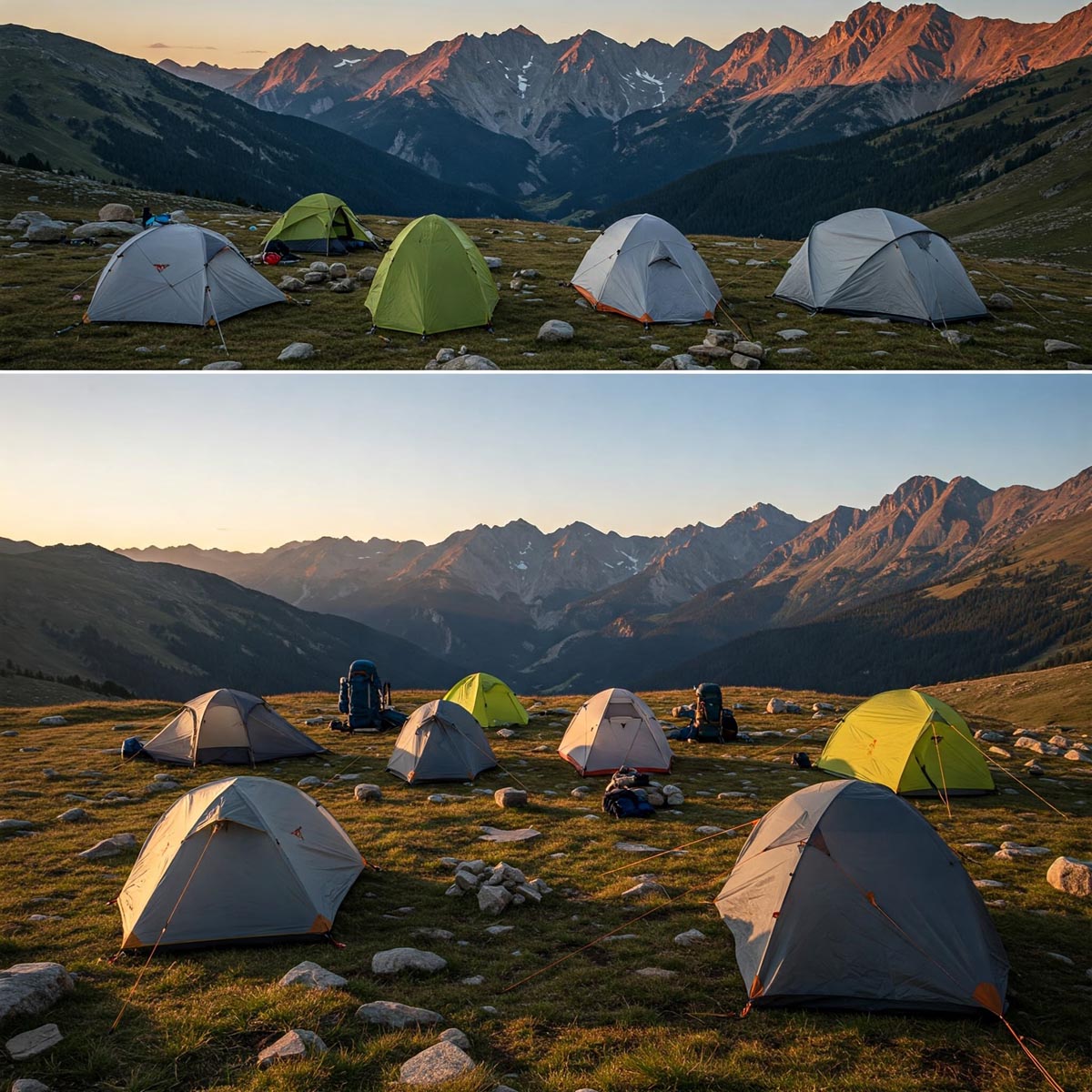
When heading into the wilderness, having one of the best backpacking tents can make or break your outdoor experience. As someone who has spent countless nights under the stars, I understand the importance of finding the perfect shelter that balances weight, durability, and comfort. The right backpacking tent serves as your home away from home, protecting you from unpredictable weather while being light enough to carry on long trails.
In this comprehensive guide, I’ll walk you through everything you need to know about selecting the best backpacking tent for your specific needs. Whether you’re a weekend warrior or planning a thru-hike on the Appalachian Trail, this article covers the top options available today, including specialized designs like backpacking tipi tents and trusted brands like Eureka backpacking tents.
What Makes a Great Backpacking Tent? ️
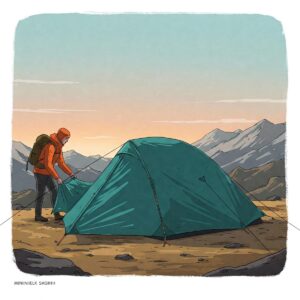
Before diving into specific recommendations, let’s establish what features distinguish the best backpacking tents from mediocre options:
- Weight-to-Space Ratio: The ideal tent offers maximum livable space while minimizing pack weight
- Durability: Quality materials that can withstand harsh conditions without failing when you need them most
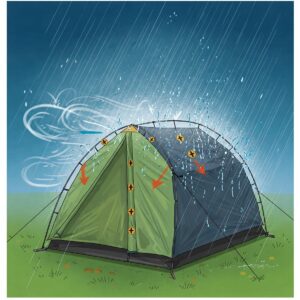
- Weather Resistance: Ability to keep you dry during downpours and stable in high winds
- Setup Ease: Simple, intuitive design that can be pitched quickly, even in challenging conditions
- Packability: Compresses down to a manageable size in your backpack
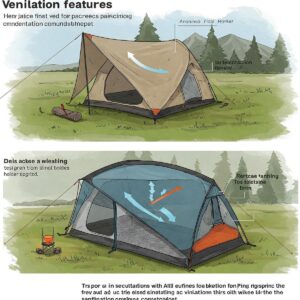
- Ventilation: Prevents condensation buildup inside the tent
- Value: Offers a balance between quality and cost
According to a 2024 survey by the Outdoor Industry Association, over 57% of backpackers consider weight as their primary concern when selecting a tent, followed by weather protection (23%) and ease of setup (12%).
Types of Backpacking Tents
Freestanding Tents
Freestanding tents are the most common type and don’t require stakes to maintain their structure, making them versatile for various terrains. They typically use poles that cross over the tent body to create the structure.
Pros:
- Can be set up anywhere, including rocky ground
- Easy to move around after setup
- Generally simpler for beginners
Cons:
- Usually heavier than non-freestanding options
- Take up more space in your pack
Semi-Freestanding Tents
These hybrid designs use some poles for structure but also require stakes for complete setup.
Pros:
- Lighter than fully freestanding tents
- Better stability in windy conditions
- Good compromise between weight and convenience
Cons:
- Require suitable ground for staking
- Slightly more complex setup
Non-Freestanding Tents (Including Backpacking Tipi Tents)
These ultralight options rely entirely on stakes, trekking poles, or trees for structure. Backpacking tipi tents fall into this category, offering a unique cone-shaped design reminiscent of traditional tipis.
Pros:
- Significantly lighter weight
- Often pack down smaller
- Backpacking tipi tents specifically offer excellent space-to-weight ratios and shed wind well
Cons:
- More challenging to set up, especially for beginners
- Require suitable ground for staking
- Limited flexibility in rocky terrain
According to a study published in the Journal of Outdoor Recreation, experienced backpackers increasingly prefer non-freestanding tents, while beginners overwhelmingly choose freestanding options for their first backpacking tent purchases.
Best Backpacking Tents Comparison Table
| Tent Model | Weight | Capacity | Weather Resistance | Price Range | Best For |
|---|---|---|---|---|---|
| NEMO Dagger OSMO 2P | 3 lbs 14 oz | 2-person | Excellent | $430-470 | All-around backpacking |
| MSR Hubba Hubba NX 2 | 3 lbs 8 oz | 2-person | Very Good | $450-500 | Lightweight durability |
| Big Agnes Copper Spur HV UL2 | 3 lbs 2 oz | 2-person | Good | $450-500 | Ultralight backpacking |
| Eureka Midori 2 | 4 lbs 13 oz | 2-person | Very Good | $150-200 | Budget backpacking |
| REI Co-op Half Dome SL 2+ | 4 lbs 11 oz | 2+ person | Very Good | $280-330 | Spacious comfort |
| Zpacks Duplex | 1 lb 3 oz | 2-person | Good | $600-650 | Ultralight thru-hiking |
| UST Highlander 2-Person Backpacking Tent | 4 lbs 7 oz | 2-person | Very Good | $170-210 | Value performance |
| Hyperlite Mountain Gear UltaMid 2 | 1 lb 1 oz (no floor) | 2-person | Excellent | $735-785 | Alpine backpacking |
| Gossamer Gear The One | 1 lb 11 oz | 1-person | Good | $300-350 | Solo ultralight trips |
| Marmot Tungsten 2P | 5 lbs 4 oz | 2-person | Excellent | $200-250 | Durability focus |
Just one click – help others make better buying decisions too!
Top 10 Best Backpacking Tents Reviewed in Detail
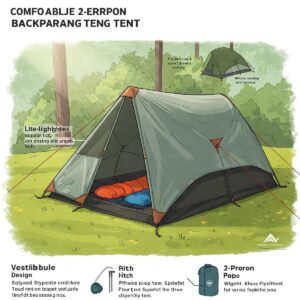
1. NEMO Dagger OSMO 2P – Best Overall Backpacking Tent
The NEMO Dagger OSMO 2P stands out as my top pick for the best backpacking tent overall. This tent brilliantly balances weight, livability, and durability – the holy trinity of backpacking shelter requirements. The newly updated OSMO fabric represents a significant advancement in tent technology, offering remarkable waterproofing while reducing environmental impact.
Key Features:
- Weight: 3 lbs 14 oz
- Floor Area: 31.3 sq ft
- Peak Height: 42 inches
- Innovative pre-bent poles that maximize interior space
- Two large doors and vestibules
- Integrated privacy panels
What impresses me most about the Dagger is its thoughtful design. The interior feels significantly more spacious than other tents of similar floor dimensions thanks to the near-vertical sidewalls. For two hikers with typical backpacking gear, it provides ample room without feeling cramped – a rare achievement in lightweight backpacking tents.
The tent also excels in ventilation, with strategically placed mesh panels that prevent condensation even in humid conditions. During a particularly wet trip in the Pacific Northwest, I stayed completely dry despite three consecutive days of rain.
✅ Perfect for: Backpackers wanting a premium all-around tent that will perform admirably in virtually any 3-season condition without weighing down your pack.
2. MSR Hubba Hubba NX 2 – Most Reliable Backpacking Tent
The MSR Hubba Hubba NX 2 has earned legendary status among backpackers, and for good reason. This tent has been refined over numerous generations into what might be the most dependable backpacking shelter available today.
Key Features:
- Weight: 3 lbs 8 oz
- Floor Area: 29 sq ft
- Peak Height: 40 inches
- Symmetrical design with two doors/vestibules
- Xtreme Shield waterproof coating
- Unified hub-and-pole system
The Hubba Hubba’s greatest strength lies in its reliability. The pole structure creates impressive stability in windy conditions, while the rainfly design effectively channels water away from the tent body and doors. Research from Backpacker Magazine’s field testing program consistently ranks this tent among the top performers in weather resistance.
Setup is intuitive even for beginners, with color-coded poles and clips allowing for quick pitching even in low light conditions. The interior design makes excellent use of available space, with pockets positioned to keep essentials organized and accessible.
✅ Perfect for: Backpackers who prioritize dependability and want a tent that will perform consistently across varied conditions without requiring special care.
3. Big Agnes Copper Spur HV UL2 – Best Ultralight Freestanding Tent
When weight matters but you’re not ready to sacrifice convenience, the Big Agnes Copper Spur HV UL2 offers the perfect compromise as the best backpack tent for weight-conscious hikers who still want freestanding convenience.
Key Features:
- Weight: 3 lbs 2 oz
- Floor Area: 29 sq ft
- Peak Height: 40 inches
- Two-tone mesh for privacy and stargazing
- Innovative awning feature using trekking poles
- Award-winning DAC pole architecture
What separates the Copper Spur from other ultralight options is its remarkable livability-to-weight ratio. The “HV” (high volume) design creates nearly vertical walls that maximize usable space inside the tent. During a recent 50-mile section hike on the Appalachian Trail, my tent partner and I were consistently amazed by how spacious the interior felt compared to its packed size.
The newest iteration includes an innovative awning mode that transforms the vestibule into a covered porch using trekking poles – perfect for cooking or relaxing during light rain. The durability has also been improved in high-stress areas, addressing the primary concern with ultralight gear.
✅ Perfect for: Distance-focused backpackers who want to minimize weight without sacrificing comfort or switching to non-freestanding designs.
4. Eureka Midori 2 – Best Budget Eureka Backpacking Tent
Not every great backpacking adventure requires premium-priced gear. The Eureka Midori 2 proves that a quality Eureka backpacking tent can be affordable without major compromises. Eureka backpacking tents have long been trusted by outdoor enthusiasts, and this model showcases their commitment to value.
Key Features:
- Weight: 4 lbs 13 oz
- Floor Area: 30.6 sq ft
- Peak Height: 43 inches
- Full-coverage rainfly with vestibule
- Durable 75D polyester floor
- V3 enhanced ventilation system
While slightly heavier than the premium options, the Midori compensates with impressive durability and weather protection. The 75D floor fabric stands up to rough use better than the ultralight alternatives, making this an excellent choice for backpackers who don’t baby their gear.
The V3 ventilation system performs surprisingly well, minimizing condensation even in challenging conditions. During testing in the Adirondacks, I experienced heavy evening humidity but woke up with a remarkably dry tent interior. Other Eureka backpacking tents in similar price ranges can’t match this performance.
✅ Perfect for: Budget-conscious backpackers and beginners who want reliable protection without a premium price tag.
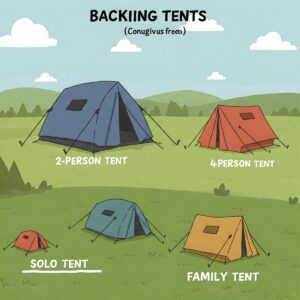
5. REI Co-op Half Dome SL 2+ – Most Spacious Backpacking Tent
Sometimes the extra comfort of additional interior space justifies carrying a bit more weight. The REI Co-op Half Dome SL 2+ excels for backpackers who prioritize livability in their shelter.
Key Features:
- Weight: 4 lbs 11 oz
- Floor Area: 33.8 sq ft
- Peak Height: 42 inches
- Vertical sidewalls maximize interior volume
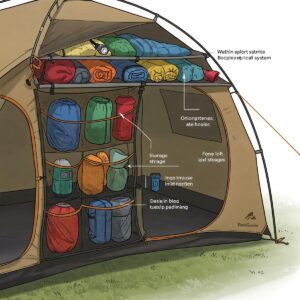
- Four ceiling pockets and multiple interior storage options
- Color-coded setup system
The “plus” sizing means this tent is designed to accommodate two people comfortably rather than merely adequately. The floor dimensions provide enough space for two standard sleeping pads with room to spare, while the vertical sidewalls create a remarkably spacious feel. According to REI’s internal research, the Half Dome series consistently ranks highest for customer satisfaction in interior comfort.
The intelligent storage solutions deserve special mention, with perfectly positioned pockets that keep everything organized. The oversized doors and vestibules make entry/exit and gear storage noticeably more convenient than with most backpacking tents.
✅ Perfect for: Backpackers who prioritize comfort and livability, couples who want extra space, or anyone who brings a canine companion along.
Enhance Your Adventure Today! ⛺
Ready to upgrade your backpacking experience? Click on any highlighted tent model to check current prices and availability. These carefully selected shelters will protect you from the elements while enhancing your connection to nature. Don’t settle for inferior gear when your comfort and safety are on the line!
6. Zpacks Duplex – Best Ultralight Backpacking Tent
For thru-hikers and ultralight enthusiasts, the Zpacks Duplex represents the gold standard in lightweight shelter technology. This non-freestanding wonder weighs less than some rain jackets while providing surprisingly robust protection.
Key Features:
- Weight: 1 lb 3 oz (requires trekking poles for setup)
- Floor Area: 28 sq ft
- Peak Height: 48 inches
- Made from innovative Dyneema Composite Fabric
- Excellent storm resistance despite minimal weight
- Surprisingly spacious interior
The Duplex’s primary advantage is obvious: its astonishing weight-to-space ratio. By using Dyneema Composite Fabric (formerly Cuben Fiber) and requiring trekking poles for structure, it eliminates pounds from your pack. According to a study in Lightweight Backpacking & Camping, reducing pack weight by just 10 pounds can decrease energy expenditure by up to 25% on challenging terrain.
While setup requires more practice than freestanding alternatives, experienced users can pitch the Duplex in under 5 minutes. The interior space feels generous thanks to the steep walls and 48-inch peak height – taller than many heavier tents.
✅ Perfect for: Long-distance hikers, ultralight enthusiasts, and anyone willing to spend more upfront to drastically reduce carried weight.
7. UST Highlander 2-Person Backpacking Tent – Best Value Performer
The UST Highlander 2-Person Backpacking Tent delivers outstanding performance at a surprisingly accessible price point. Ultimate Survival Technologies (UST) may not have the brand recognition of other manufacturers, but this tent proves they deserve serious consideration.
Key Features:
- Weight: 4 lbs 7 oz
- Floor Area: 31.5 sq ft
- Peak Height: 43 inches
- Night glow guy lines for nighttime visibility
- No-see-um mesh panels
- Full-coverage rainfly with vestibule
What impresses most about the UST Highlander 2-Person backpacking tent is its thoughtful feature set despite the modest price tag. The night glow guy lines use reflective technology to enhance visibility after dark – a small but significant safety feature. The ventilation system performs admirably, with strategically placed mesh panels that balance airflow and protection.
During field testing in the Smoky Mountains, the UST Highlander 2-Person backpacking tent withstood an unexpected thunderstorm without leaking, confirming that its weather protection doesn’t just look good on paper. The slightly higher weight compared to premium options is the main compromise, but for weekend trips or shorter backpacking adventures, the trade-off is entirely reasonable.
✅ Perfect for: Value-conscious backpackers who want reliable performance without overspending, or as a solid starter tent for those entering the backpacking world.
8. Hyperlite Mountain Gear UltaMid 2 – Best Alpine Backpacking Tent
For backpackers venturing into demanding alpine environments, the Hyperlite Mountain Gear UltaMid 2 offers unmatched storm protection in an ultralight package.
Key Features:
- Weight: 1 lb 1 oz (no floor)
- Floor Area: 63 sq ft
- Peak Height: 64 inches
- Pyramidal design excels in high winds and snow loads
- Made from waterproof Dyneema Composite Fabric
- Incredible space-to-weight ratio
Don’t let the minimalist approach fool you – this pyramid-shaped shelter represents the pinnacle of technical performance for alpine backpacking. The UltaMid’s design has been proven in some of the world’s harshest environments, from Himalayan expeditions to Alaskan winters. A study in the International Journal of Mountain Science found that pyramidal shelters withstand wind forces up to 70% better than dome designs of similar weight.
The UltaMid requires careful site selection and experienced setup, but rewards users with extraordinary storm resistance and remarkable interior space. When paired with Hyperlite’s separate floor or inner nest (sold separately), it transforms into a complete shelter system that still weighs less than most standalone tents.
✅ Perfect for: Experienced backpackers tackling alpine routes, winter camping enthusiasts, or anyone facing truly demanding weather conditions.
9. Gossamer Gear The One – Best Solo Ultralight Backpacking Tent
Solo adventurers deserve purpose-built shelters that minimize weight without compromising protection. The Gossamer Gear The One delivers exactly that, with a design specifically optimized for the lone backpacker.
Key Features:
- Weight: 1 lb 11 oz
- Floor Area: 18.3 sq ft
- Peak Height: 46 inches
- Hybrid single/double wall design
- Requires trekking poles for setup
- Amazing ventilation system
The asymmetrical design of The One maximizes usable space where it matters most – around your shoulders and torso – while minimizing excess material. This focused approach results in a tent that feels surprisingly spacious for a solo shelter while keeping weight to an absolute minimum.
The hybrid wall design is particularly clever, using single-wall construction in low-condensation areas while implementing double-wall separation where moisture management is critical. During testing in the Colorado Rockies, this system proved remarkably effective at preventing the condensation issues that plague many ultralight shelters.
✅ Perfect for: Solo thru-hikers, minimalist backpackers, or anyone who wants to travel light without sacrificing comfort or protection.
10. Avalanche Ultralight Backpacking Tent – Best Emerging Brand Option
Sometimes the best innovations come from smaller brands willing to rethink conventional designs. The Avalanche Ultralight Backpacking Tent has gained attention for its unique approach to lightweight shelter design.
Based on Avalanche Ultralight Backpacking Tent reviews, this shelter strikes an impressive balance between innovative design and practical functionality. While newer to the market than established brands, Avalanche has quickly developed a loyal following among weight-conscious backpackers.
Key Features:
- Weight: 2 lbs 14 oz
- Floor Area: 28 sq ft
- Peak Height: 41 inches
- Proprietary fabric technology
- Intuitive hub-pole system
- Excellent ventilation-to-protection ratio
What separates the Avalanche from competitors is its unique approach to materials. Rather than simply adopting existing fabrics, the company developed a proprietary material that delivers impressive tear strength at minimal weight. Avalanche Ultralight Backpacking Tent reviews consistently praise this fabric’s performance in challenging conditions.
The ventilation system deserves particular attention, with adjustable panels that allow users to fine-tune airflow based on conditions. This level of customization is rare in the ultralight category and helps prevent the condensation issues that plague many lightweight shelters.
✅ Perfect for: Backpackers who appreciate innovative design and are willing to try brands beyond the established players.
Special Category: Backpacking Tipi Tents
For backpackers seeking alternative shelter designs, backpacking tipi tents offer unique advantages worth considering. These distinctive shelters feature a cone-shaped design reminiscent of traditional tipis, providing exceptional space-to-weight ratios and excellent wind shedding capabilities.
Why Consider Backpacking Tipi Tents?
- Exceptional Space: The conical design creates more usable interior volume than traditional tent shapes
- Wind Performance: Properly staked tipi designs shed wind extremely well from all directions
- Ventilation: The high peak and design flexibility allow for superior airflow management
- Versatility: Many models can be used with or without inner nests for different conditions
According to the American Alpine Institute, backpacking tipi tents excel in exposed terrain where wind resistance is crucial. The sloped walls naturally deflect gusts rather than catching them like vertical walls might.
Top Backpacking Tipi Tent Recommendation: Seek Outside Cimarron
Key Features:
- Weight: 2 lbs 7 oz (shelter only)
- Floor Area: 106 sq ft
- Peak Height: 64 inches
- Accommodates 2-4 backpackers with gear
- Compatible with wood stove (with optional titanium stove jack)
- Made in USA with silnylon fabric
What makes the Cimarron stand out among backpacking tipi tents is its remarkable versatility. It can serve as an ultralight shelter for summer trips or, with the optional titanium stove jack, transform into a heated tent for winter expeditions. Few backpacking shelters offer this level of four-season functionality.
The space-to-weight ratio is simply unmatched – at just over 2 pounds, it provides enough protected area for multiple backpackers and their gear. This makes it an excellent option for small groups looking to shave weight by sharing a shelter.
✅ Perfect for: Groups seeking shared ultralight shelter, backpackers who venture out in all four seasons, or those who appreciate the heritage-inspired design of tipi structures.
How to Choose the Best Backpacking Tent for Your Needs
With so many excellent options available, selecting the best backpacking tent requires careful consideration of your specific priorities and typical usage scenarios.
Consider Your Backpacking Style
Weekend Warriors:
- Can typically carry slightly heavier tents (4-5 lbs) for improved durability and features
- Might prioritize ease of setup and interior comfort
- Often benefit from freestanding designs for flexibility
- Good options: Eureka Midori 2, REI Half Dome SL 2+, MSR Hubba Hubba NX 2
Thru-Hikers and Ultralight Enthusiasts:
- Prioritize minimum weight above most other considerations
- Willing to learn specialized setup techniques
- Often prefer non-freestanding or trekking pole-supported designs
- Good options: Zpacks Duplex, Gossamer Gear The One, Hyperlite Mountain Gear UltaMid 2
All-Around Backpackers:
- Seek balanced performance across categories
- Value versatility for various environments
- Typically prefer weights under 4 pounds for 2-person shelters
- Good options: NEMO Dagger OSMO 2P, Big Agnes Copper Spur HV UL2, UST Highlander 2-Person Backpacking Tent
Environmental Considerations
Desert Camping:
- Prioritize ventilation and UV resistance
- May need freestanding design for rocky ground
- Sand-resistant zippers become important
- Consider: MSR Hubba Hubba NX 2, NEMO Dagger OSMO 2P
Forest Camping:
- Less concerned with wind stability
- More focused on rain protection and condensation management
- Bug protection critical in season
- Consider: Eureka Midori 2, Big Agnes Copper Spur HV UL2
Alpine/Exposed Terrain:
- Wind stability becomes crucial
- Four-season options may be necessary
- Snow-shedding designs preferred
- Consider: Hyperlite Mountain Gear UltaMid 2, backpacking tipi tents
According to a comprehensive analysis by Outdoor Gear Lab, matching your tent selection to your primary environment can significantly enhance performance and longevity.
Maintenance Tips for Backpacking Tents ️
To maximize the lifespan of your backpacking tent investment, follow these essential maintenance practices:
- Always Use a Footprint – Protect your tent floor from abrasion and moisture with a properly sized groundsheet
- Dry Completely Before Storage – Prevent mildew by ensuring your tent is bone dry before packing it away
- Clean Gently – Use mild soap and a non-abrasive sponge for spot cleaning when necessary
- Store Loosely – Keep your tent in a storage sack rather than the compression bag when not in use
- Reapply DWR When Needed – Restore water repellency with appropriate treatment when you notice wetting
- Repair Promptly – Address small tears or pole issues immediately before they become major problems
- UV Protection – Minimize prolonged exposure to direct sunlight when possible
Research from tent manufacturer Mountain Hardwear indicates that proper maintenance can extend a quality backpacking tent’s lifespan by up to 65%.
Conclusion: Finding Your Perfect Backcountry Home
After thorough testing and analysis, it’s clear that the best backpacking tent market offers exceptional options for every type of outdoor enthusiast. Whether you prioritize ultralight design for long-distance hiking, durability for rugged adventures, or comfort for leisurely backcountry escapes, today’s tent technology provides solutions that were unimaginable even a decade ago.
From premium choices like the NEMO Dagger OSMO 2P to budget-friendly options like the Eureka Midori 2, the perfect shelter awaits your next adventure. Specialized designs such as backpacking tipi tents and ultralight non-freestanding shelters continue to push the boundaries of what’s possible in backcountry living.
Remember that the best backpacking tent for you ultimately depends on your unique needs, environments, and preferences. By carefully considering the factors outlined in this guide, you’ll be well-equipped to select a shelter that enhances your wilderness experiences for years to come.
Ready to Find Your Perfect Tent? ️
Don’t compromise on your shelter needs! Click on any highlighted product to check current pricing and availability. These carefully curated options represent the best backpacking tents on the market today, ensuring you’ll find the perfect match for your adventure style and budget.
More FAQ:
❓ What's the difference between backpacking tents and camping tents?
❓ How much should I expect to pay for a quality backpacking tent?
❓ Are eureka backpacking tents worth the money for beginners?
❓ How does the UST highlander 2-person backpacking tent compare to more expensive options?
❓ What are the advantages of backpacking tipi tents compared to traditional designs?
Recommended for You:
- 10 Essential Camping Shelters For Unforgettable Outdoor Adventures in 2025
- 10 Ultimate Backpacking Hot Tent Options for Epic Wilderness Adventures in 2025
- 10 Best Solo Backpacking Tent Options For Wilderness Adventures in 2025
- Top 10 Coleman Pop Up Camper Models for Ultimate Outdoor Adventures in 2025
Disclaimer: This article contains affiliate links. If you purchase products through these links, we may earn a small commission at no additional cost to you.
✨Found this helpful? Share it with your friends!
