
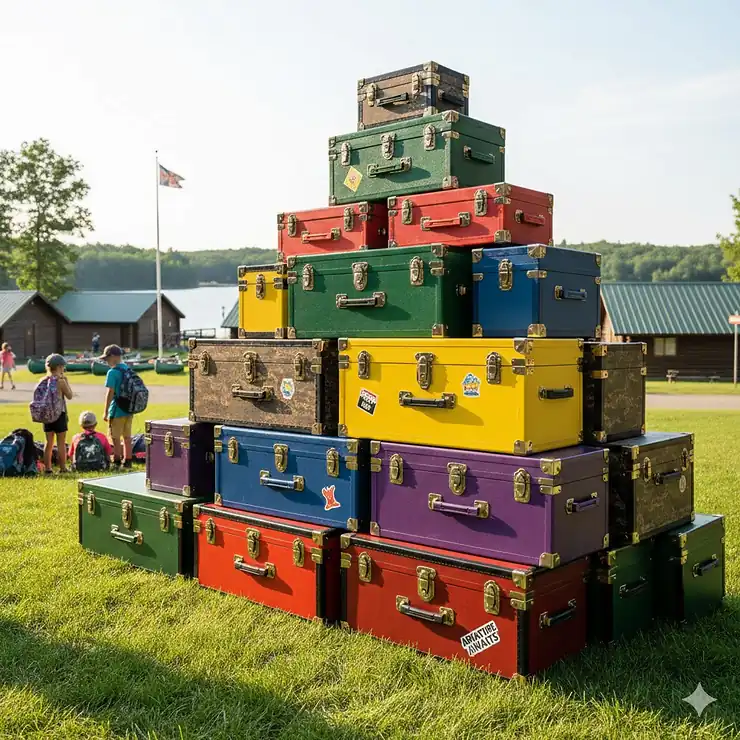
In This Article
Picture this: it’s the night before your child leaves for summer camp, and you’re frantically stuffing clothes into garbage bags while secretly wondering if there’s a better way. Spoiler alert—there is, and it’s been around since the 1800s!
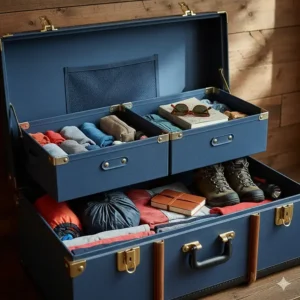
Camp trunks aren’t just oversized boxes with a lid. They’re mobile closets, security vaults, and sometimes even impromptu furniture that can handle everything from a rowdy bus ride to storage in a dusty cabin corner. Whether you’re packing for two weeks at sleepaway camp or need semester-long dorm storage, choosing the right trunk makes the difference between organized bliss and chaotic nightmare.
The modern camp trunk market has evolved dramatically. Today’s options range from budget-friendly plastic containers to premium wood-and-steel fortresses that can support over 1,000 pounds. You’ll find trunks with integrated wheels for easy transport, weatherproof seals that keep contents dry, and lockable latches that protect valuables from sticky-fingered bunkmates.
But here’s the catch: with dozens of brands and hundreds of models flooding Amazon and specialty retailers, how do you know which trunk actually delivers? I’ve spent weeks researching, comparing specifications, reading customer reviews, and analyzing what makes a camp trunk worth your investment. This guide cuts through the marketing fluff to reveal the seven best camp trunks that real families trust for their summer adventures in 2025.
Quick Comparison Table
| Trunk Model | Dimensions | Capacity | Weight Support | Wheels | Price Range |
|---|---|---|---|---|---|
| Rhino Large Essential | 32″x18″x14″ | 110 qt | 1000+ lbs | Yes | $180-220 |
| C&N Happy Camper | 32″x18″x13.5″ | 95 qt | 250+ lbs | Optional | $180-210 |
| Plano Storage Trunk | 34.75″x16″x13.5″ | 108 qt | 300 lbs | Yes | $40-55 |
| Sterilite Footlocker | 31.25″x17.6″x13.9″ | 92 L | 200 lbs | Yes | $35-50 |
| Seward Explorer 30″ | 30″x16″x12.5″ | 85 qt | 300 lbs | Yes | $85-110 |
Just one click – help others make better buying decisions too!
Top 7 Camp Trunks: Expert Analysis
1. Rhino Trunk & Case Large Essential Camp Trunk with Wheels
If durability could be a religion, Rhino Trunk would be its cathedral. This American-made powerhouse is the trunk that refuses to quit, no matter what your camper throws at it—literally.
Key Specifications:
- Dimensions: 32″x18″x14″
- Construction: 3/8″ birch plywood with leather-embossed vinyl
- Weight capacity: Holds 250+ lbs inside, supports 1000+ lbs on top
- Price: $180-220
Constructed from 3/8-inch birch plywood laminated with lead- and phthalate-free vegan leather vinyl, the Rhino Large Essential is engineered like a tank but weighs considerably less. The integrated high-impact wheels don’t add height to the trunk—a clever design touch that makes storage easier. What really sets this trunk apart is its ridiculous weight-bearing capacity: you can literally stand, sit, or even jump on it without causing damage.
Customer feedback consistently praises its organizational features. The removable hardwood tray keeps smaller items accessible, while the in-the-lid organizer creates additional storage pockets. One parent noted their 13-year-old daughter easily wheeled it fully packed across uneven camp terrain, which speaks volumes about the wheel quality.
✅ Pros: Lifetime warranty, USA-made quality, incredible durability, multi-functional design
❌ Cons: Premium price point, heavier than plastic alternatives
Best for: Families seeking a trunk that’ll last through multiple campers and decades of use.
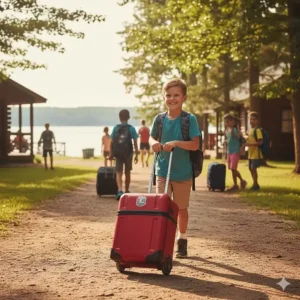
2. C&N Footlockers Happy Camper Trunk
Since 1987, C&N Footlockers has been the go-to choice for camp directors nationwide, and the Happy Camper model shows exactly why they’ve earned that reputation.
Key Specifications:
- Dimensions: 32″x18″x13.5″
- Available in 20+ colors
- Birch plywood with baked-enamel steel
- Price: $180-210
This trunk features wider handles that make two-person carrying significantly easier—a godsend when your teenager insists they can pack their entire wardrobe. The center clasp accommodates standard padlocks, giving you control over security level. What makes the Happy Camper especially appealing is its scratch and water-resistant exterior that maintains its appearance year after year.
The construction quality is exceptional: birch plywood reinforced with nickel-plated trim and baked-enamel steel creates a trunk that’s both lightweight enough to manage and sturdy enough to double as cabin seating. Over 270 camps recommended C&N in 2023, which isn’t just marketing—it’s genuine industry trust.
✅ Pros: Industry-leading reputation, 20 color choices, lifetime repair policy, American-made
❌ Cons: Wheels sold separately on some models, premium pricing
Best for: Campers who want reliability backed by decades of proven performance.
3. Plano Storage Trunk with Wheels
Sometimes you don’t need heirloom quality—you need practical protection at a price that won’t trigger sticker shock. Enter the Plano 108-Quart Storage Trunk, the budget champion that punches way above its weight class.
Key Specifications:
- Capacity: 108 quarts
- Interior: 34.75″L x 16″W x 13.5″H
- High-impact plastic construction
- Price: $40-55
This trunk proves that plastic doesn’t mean flimsy. Constructed from robust high-impact plastic with molded grooves for sturdy stacking, it’s airline-approved and features snap-down latches with padlock tabs. The recessed handles and integrated wheels make transport surprisingly easy, even when fully loaded with sports equipment and sleeping bags.
Customers rave about its weather resistance and the fact that it fits standard camp requirements while costing a fraction of premium wood alternatives. The 108-quart capacity accommodates everything from bedding to bulky winter clothing, making it versatile for both summer camp and college dorm transitions.
✅ Pros: Exceptional value, weatherproof, airline-approved, easy to clean
❌ Cons: Less aesthetically appealing, not suitable as furniture
Best for: Budget-conscious families or first-time campers testing the waters.
4. Sterilite Footlocker
The Sterilite Footlocker represents the sweet spot between affordability and functionality, delivering surprising durability in a lightweight package.
Key Specifications:
- Dimensions: 31 1/4″L x 17 5/8″W x 13 7/8″H
- 92-liter capacity
- Metal hinges and latches
- Price: $35-50
Don’t let the modest price fool you. This footlocker features metal hinges and latches that accept standard padlocks, smooth-rolling wheels, and integrated side handles plus a full-grip bail handle for versatile carrying options. The reinforced lid doubles as extra seating, supporting reasonable weight without cracking—a feature many plastic alternatives lack.
What makes Sterilite particularly practical is its lightweight construction that doesn’t sacrifice strength. Parents appreciate how easy it is for younger campers to manage independently, building confidence and self-sufficiency. The BPA-free and phthalate-free construction addresses safety concerns while maintaining durability through rough handling.
✅ Pros: Ultra-affordable, lightweight yet sturdy, Made in USA, easy maintenance
❌ Cons: Limited color options, less robust than wood alternatives
Best for: Young campers (ages 8-12) heading to their first overnight experiences.
5. Seward Trunk Explorer 30″ with Wheels & Lock
Seward Trunk has been crafting quality storage solutions for over a century, and the Explorer 30″ model carries that legacy forward with modern convenience features.
Key Specifications:
- Dimensions: 30″x16″x12.5″
- Push-button key lock included (2 keys)
- Recessed wheels for easy storage
- Price: $85-110
This trunk strikes an excellent balance between traditional craftsmanship and contemporary functionality. The tongue-and-groove closure system provides dust and moisture resistance, while the push-button key lock adds security without requiring a separate padlock purchase. The spring hinge closure system eliminates pinch points—a thoughtful safety feature parents appreciate.
Customer reviews consistently highlight how the 30-inch size fits perfectly in most camp cabins and dorm rooms without overwhelming smaller spaces. The heavy-gauge vinyl covering over solid wood construction creates a trunk that’s both durable and attractive enough to serve as bedroom furniture during off-season.
✅ Pros: Classic design, built-in lock system, spacious interior, century-old brand reputation
❌ Cons: Moderate weight, limited color variety
Best for: Families valuing traditional quality with modern convenience features.

6. Seward Trunk College Dorm and Camp Storage Footlocker
The Seward College Footlocker (Model SWD5120) takes the classic trunk concept and optimizes it specifically for the camp-to-college transition that many families face.
Key Specifications:
- Size: 30-inch
- Easy-open push-button key lock (includes 2 keys)
- Nickel-plated hardware
- Price: $87-115
This trunk understands that today’s campers become tomorrow’s college students. Its collegiate-style design means it doesn’t look out of place in either a rustic cabin or a modern dorm room. The black high-impact binding with nickel-plated hardware creates a look that’s both professional and durable.
What sets this model apart is its focus on multi-year usability. The trunk’s dimensions accommodate bulky linens, seasonal clothing, textbooks, and everything in between. Parents love that they can invest once and use the same trunk from middle school camp through university graduation. The lockable design with key-entry plus padlock loop provides dual security options.
✅ Pros: Versatile for multiple life stages, timeless design, reliable lock system, space-efficient
❌ Cons: No wheels (trade-off for lower profile), moderate weight
Best for: Families planning long-term investment through camp years and college.
7. Mercury Luggage Seward Trunk Wheeled Storage Footlocker
Rounding out our list is the Mercury Luggage Seward Trunk, a rolling solution that combines traditional trunk aesthetics with modern mobility.
Key Specifications:
- Dimensions: 30.74″L x 16.75″W x 16″H
- Solid wood construction with vinyl covering
- 2 recessed wheels and leather handles
- Price: $116-140
This trunk represents Mercury Luggage’s expertise in travel gear applied to camp storage. The solid wood frame wrapped in heavy-gauge vinyl creates surprising durability, while the recessed plastic wheels ensure smooth transport without sacrificing floor clearance. Two leather handles provide comfortable grip points for loading into vehicles or carrying short distances.
The easy-open push-button key lock comes with two keys, and the tongue-and-groove closure keeps contents secure during transport. Customers particularly appreciate the safe spring hinge closure system that prevents finger pinches—a detail that matters when excited campers are frantically packing or unpacking.
✅ Pros: Excellent mobility, classic appearance, durable construction, made in USA
❌ Cons: Higher weight than plastic options, mid-to-premium pricing
Best for: Campers who value both traditional trunk aesthetics and modern convenience.
✨ Don’t Miss These Exclusive Deals!
Take your summer camp packing to the next level with these carefully selected products. Click on any highlighted item to check current pricing and availability. These tools will help you create authentic organized camp experiences your family will love!
Understanding Camp Trunks: More Than Just Storage Boxes
Before humans had rolling suitcases and compression bags, they had trunks. These sturdy storage solutions date back centuries, originally crafted for long sea voyages and cross-country migrations. The tradition of summer camps in America began in 1861 when educator Frederick W. Gunn established the Gunnery Camp in Connecticut, and camp trunks quickly became essential gear for young campers.
A camp trunk is fundamentally a large, rectangular storage container with a hinged lid, designed to withstand rough handling while protecting contents from weather, dust, and damage. Modern camp trunks evolved from their historical predecessors to meet contemporary needs—adding wheels for mobility, incorporating lockable latches for security, and using materials that balance durability with weight considerations.
What Makes Camp Trunks Different from Regular Storage?
The distinction between a camp trunk and your average storage bin matters more than you might think. Camp trunks are specifically engineered to survive the unique challenges of camp life:
Structural Reinforcement: Unlike home storage boxes, camp trunks feature reinforced corners, steel hardware, and impact-resistant materials that can handle being tossed onto trucks, stacked in storage rooms, and used as makeshift seats or tables.
Weather Resistance: Camp environments expose gear to humidity, rain, dust, and temperature fluctuations. Quality camp trunks incorporate weather-resistant seals, moisture-proof materials, and ventilation features that prevent mildew while keeping contents dry.
Portability Features: Most camp trunks include handles designed for two-person carrying, integrated wheels that don’t add excessive height, and weight distribution that makes them manageable even when fully packed.
Multi-functionality: The best camp trunks pull double duty. They store gear during transport, serve as benches or tables at camp, and transition to seasonal storage or dorm furniture during off-season. This versatility justifies the investment for many families.
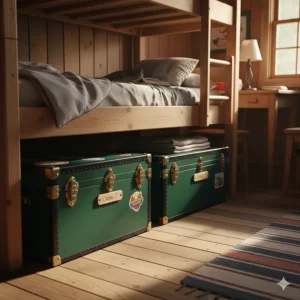
Types of Camp Trunks Available
The camp trunk market has diversified significantly in recent years. Understanding the different categories helps narrow your search to options that match your specific needs.
Hard-Shell Wood and Metal Trunks
Traditional hard-shell trunks constructed from plywood or engineered wood with metal reinforcements represent the gold standard for durability. Brands like Rhino, C&N Footlockers, and Seward Trunk dominate this category with products that can last decades. These trunks typically feature:
- Solid wood construction (usually birch plywood)
- Steel or brass hardware and corner reinforcements
- Vinyl or leather exterior covering
- Weight capacity that often exceeds 1,000 pounds
The primary advantage is longevity—these trunks can serve multiple children across many years. The trade-offs include higher weight (typically 20-30 pounds empty) and premium pricing ($150-250).
Heavy-Duty Plastic Storage Trunks
Plastic camp trunks from manufacturers like Plano and Sterilite have gained tremendous popularity for their affordability and weather resistance. Modern high-impact plastics deliver surprising strength while remaining lightweight and easy to clean.
Key features include:
- Molded plastic construction with reinforced corners
- Integrated handles and wheels
- Stackable design with molded grooves
- Budget-friendly pricing ($30-60)
These work exceptionally well for families new to camp who want to test the experience before investing in premium gear, or for situations where weight is a primary concern.
Hybrid and Specialized Designs
Some manufacturers blend materials and design elements to create hybrid solutions. You’ll find trunks with plastic shells and metal reinforcements, wood frames with plastic components, or specialized designs optimized for specific camp types (sports camps, arts camps, etc.).
Essential Features to Consider When Buying Camp Trunks
Choosing the right camp trunk requires evaluating several critical factors beyond just aesthetics and price. Here’s what actually matters:
Size and Capacity Requirements
Camp trunk sizes typically range from 28 to 36 inches in length, with capacities between 80-110 quarts. Most overnight camps specify minimum and maximum dimensions—check your camp’s packing list before purchasing. A 32-inch trunk accommodates most campers’ needs for 2-4 week sessions, while 30-inch models work better for shorter stays or younger children with less gear.
Consider interior dimensions, not just exterior measurements. Thick walls and reinforcement can reduce usable space significantly. Calculate what you need to pack: bedding, clothing for the session length, toiletries, shoes, towels, and any special equipment.
Durability and Construction Materials
Construction quality directly impacts how long your trunk survives camp life. Look for:
Material thickness: Wood trunks should use at least 3/8-inch plywood. Plastic trunks need high-impact, UV-resistant construction.
Hardware quality: Steel or brass hinges, latches, and corner protectors outlast cheaper alternatives. Check if hardware is riveted or screwed—rivets generally prove more durable.
Seal quality: Tongue-and-groove closures or gasket seals prevent dust and moisture infiltration better than simple overlapping lids.
Test the lid action if possible. It should open smoothly, stay open on its own (lid stays are essential), and close securely without force.
Mobility: Wheels, Handles, and Portability
Transportation challenges multiply when you’re dealing with a fully packed trunk weighing 40-60 pounds. Smart mobility features make a dramatic difference:
Wheel placement: Recessed wheels that don’t add trunk height allow for stacking and easier storage. Look for wheels with steel housings rather than cheap plastic mounts.
Handle design: Multiple handle options (side handles, bail handles, or pull handles) provide flexibility. Padded or rubber-coated grips reduce hand strain during carrying.
Weight distribution: Better trunks balance weight so they don’t tip when rolled. Check if the trunk tilts excessively when pulled by the handle.
Security Features and Locking Mechanisms
Camp environments present theft risks, especially in communal living situations. According to research on summer camp culture, security concerns have been part of camp life since organized camping began in the 1880s.
Lock types: Padlock loops, built-in key locks, or combination latches each offer different security levels. Many families prefer padlock-ready designs that let them choose their own lock.
Latch quality: Metal latches with proper tension hold better than plastic alternatives. Test latches multiple times—they should snap closed securely but release easily when needed.
Tamper resistance: While no trunk is theft-proof, quality construction deters casual pilfering and makes forced entry obvious.
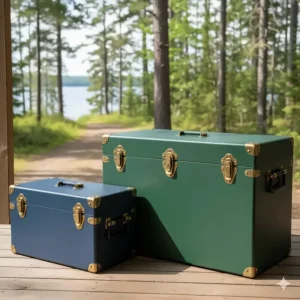
Camp Trunk Materials Comparison
| Material Type | Durability | Weight | Weather Resistance | Price Range | Best Use |
|---|---|---|---|---|---|
| Birch Plywood + Vinyl | Excellent (20+ years) | Heavy (25-30 lbs) | Very Good | $150-250 | Long-term investment |
| High-Impact Plastic | Good (5-10 years) | Light (10-15 lbs) | Excellent | $30-60 | Budget-conscious, frequent travelers |
| Steel-Reinforced Wood | Exceptional (30+ years) | Very Heavy (30-35 lbs) | Excellent | $200-300 | Maximum durability needs |
| Hybrid Designs | Good (8-15 years) | Moderate (18-25 lbs) | Good | $80-150 | Balanced performance |
Sizing Guide: Finding the Perfect Trunk Dimensions
Trunk dimensions might seem straightforward, but getting the size right prevents frustration later. Here’s how to determine what you actually need:
Standard Camp Trunk Sizes Explained
Small (28-30 inches): Best for weekend camps, day camps transitioning to overnight, or elementary-age campers. Capacity typically ranges 70-85 quarts. These fit easily in most car trunks and are manageable for younger children to move independently.
Medium (31-32 inches): The most popular size, accommodating 2-4 week camp sessions. Capacity runs 90-110 quarts. This size works well from middle school through college years and fits standard camp cabin storage areas.
Large (33-36 inches): Designed for extended sessions (6-8 weeks) or campers who need specialized equipment. Capacity exceeds 110 quarts. Check camp specifications carefully—some facilities have size restrictions that exclude larger trunks.
Calculating Your Packing Needs
Use this formula to estimate required capacity: (Number of camp days × 2 liters per day) + 25 liters for bedding + 15 liters for miscellaneous items. So a 14-day camp would need: (14 × 2) + 25 + 15 = 68 liters minimum, suggesting an 85-quart (80-liter) trunk works comfortably.
Remember to account for packing inefficiency. Rigid items, bulky bedding, and irregularly shaped gear don’t pack as densely as the numbers suggest. Adding 20-30% buffer capacity prevents overstuffing struggles.
Price vs Value: Budget Considerations
Camp trunks range from under $40 to over $300, but price doesn’t always correlate directly with value for your specific situation.
Budget-Friendly Options ($30-60)
Plastic trunks from Plano and Sterilite dominate this category. You sacrifice aesthetic appeal and extreme durability but gain excellent functionality for the price. These make sense for:
- First-time campers where commitment is uncertain
- Situations requiring multiple trunks for siblings
- Families prioritizing weight over appearance
- Short-term or single-season use
Mid-Range Quality ($80-150)
This sweet spot includes entry-level wood trunks and premium plastic designs. You get significantly better construction quality and often 10+ year lifespan. Consider this tier when:
- Planning to use trunk through high school
- Wanting better aesthetics for dorm room display
- Needing furniture-quality weight capacity
- Valuing brand reputation and warranty
Premium Investment ($160-300)
High-end options from Rhino, C&N, and similar manufacturers deliver heirloom quality. These trunks can serve multiple children across decades. Justification comes from:
- Multi-child families spreading cost across several users
- Expectation of 20+ years of service
- Importance of maximum durability and weight capacity
- American-made quality and lifetime warranties
Maintenance and Care for Long-Lasting Trunks
Proper maintenance extends trunk lifespan significantly, especially for wood and hybrid models.
Cleaning and Storage Tips
Wood/Vinyl Trunks: Wipe down with damp cloth after each use. For stubborn dirt, use mild soap solution—avoid harsh chemicals that damage vinyl. Apply vinyl conditioner annually to prevent cracking. Store in climate-controlled environments when possible; extreme temperature swings accelerate material degradation.
Plastic Trunks: These handle abuse better but still benefit from care. Hose off mud or debris, then dry thoroughly before storage. Check drain holes aren’t clogged. UV exposure weakens plastic over time—store indoors during off-season.
Hardware Maintenance: Lubricate hinges and latches with silicone spray (not oil, which attracts dirt). Tighten loose screws or rivets promptly. Replace damaged padlocks before they fail during transport.
Addressing Common Wear Issues
Scratches and Scuffs: Wood/vinyl trunks develop character over time. Deep scratches can be touched up with matching vinyl paint. Light scuffs often buff out with vinyl cleaner.
Odor Management: Camp trunks can develop musty smells if stored with damp items. Place baking soda boxes or activated charcoal bags inside during storage. Air out thoroughly between uses.
Wheel Problems: Wheels take serious abuse. Keep them clean and free of debris. Most trunks allow wheel replacement if they fail—order spare wheels for models you plan to use long-term.
Packing Strategies for Maximum Efficiency
Even the best trunk proves frustrating if poorly packed. These strategies maximize space while maintaining organization:
Layering System for Optimal Organization
Start with heaviest items on the bottom: shoes, boots, and dense equipment. Middle layer holds clothing, rolled or folded to minimize wrinkles. Top layer keeps frequently accessed items—toiletries, daily essentials, and electronics.
Use the trunk tray (if included) for small valuables: phones, wallets, medications, or jewelry. This prevents items from migrating to the trunk bottom where they’re impossible to find.
Consider packing cubes or compression bags that compartmentalize clothing by type or day. This organization system lets campers find specific items without emptying the entire trunk.
Weight Distribution for Easy Transport
Balance weight across the trunk’s interior. Heavier items toward the center and wheels (if wheeled trunk) make rolling easier. Uneven weight causes tipping and makes handling awkward.
Don’t exceed the trunk’s rated capacity. Overpacking stresses latches, hinges, and structural components, leading to premature failure. If you can’t close the lid without sitting on it, you’ve packed too much.
Frequently Asked Questions
❓ How much weight can camp trunks typically hold?
❓ Can camp trunks be used as airline luggage?
❓ What trunk size do most camps recommend?
❓ How do you prevent mold and mildew in camp trunks?
❓ Are wheeled trunks better than non-wheeled options?
Conclusion: Choosing Your Perfect Camp Trunk
Finding the ideal camp trunk comes down to matching features with your family’s specific needs and budget. If you’re investing in a trunk for multiple children over many years, premium options like the Rhino Large Essential or C&N Happy Camper deliver unmatched durability and lifetime value. Their construction quality justifies the $180-220 investment when you calculate cost-per-use across 15-20 years of service.
Budget-conscious families or those new to camp will find exceptional value in the Plano 108-Quart or Sterilite Footlocker models. These $35-55 options provide solid functionality without premium pricing, perfect for testing camp experiences before committing to long-term gear.
The Seward Trunk options occupy the valuable middle ground—offering traditional quality with modern conveniences at $85-140 price points that many families find comfortable. Their century-old manufacturing expertise shows in thoughtful design details like built-in locks and moisture-resistant closures.
Remember that the best camp trunk isn’t necessarily the most expensive one—it’s the trunk that survives your specific usage patterns while fitting your budget. Consider how many summers you’ll use it, how many children will benefit, and what conditions it will face. A $200 trunk used by three kids for ten years costs less than $7 per child per year—suddenly that premium price makes financial sense.
Summer camps continue growing in popularity, with over 20,000 camps serving millions of American children annually. The right trunk ensures those summer memories start with organized, stress-free packing rather than chaotic last-minute struggles. Choose wisely, pack thoroughly, and enjoy the peace of mind that comes from sending your camper off with gear that’s ready for adventure.
✨ Don’t Miss These Exclusive Deals!
Take your summer camp packing to the next level with these carefully selected products. Click on any highlighted item to check current pricing and availability. These durable trunks will help you create authentic organized camp experiences your family will love!
Recommended for You
- 7 Best Tent Heaters for Camping 2025 | Expert Safety Tips
- 7 Best Propane Heater for Camper: Expert Guide 2025
- Top 7 Childrens Camping Equipment: Expert Guide 2025
Disclaimer: This article contains affiliate links. If you purchase products through these links, we may earn a small commission at no additional cost to you.
✨ Found this helpful? Share it with your friends!
