In This Article
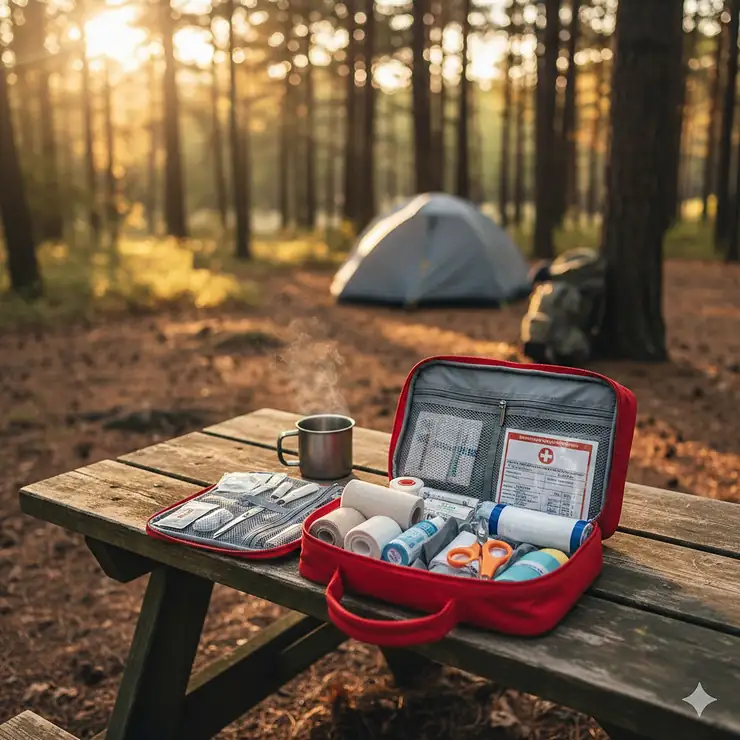
Picture this—you’re three miles deep into a wilderness trail when your hiking buddy slices their hand while preparing dinner. Your phone has no signal, and the nearest hospital is two hours away. In moments like these, having a well-stocked first aid kit for camping isn’t just smart—it’s potentially lifesaving.
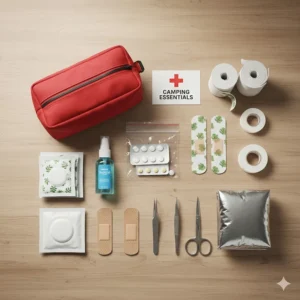
According to the Wilderness Medical Society, most outdoor injuries aren’t exotic snake bites or bear attacks but common accidents like cuts, burns, sprains, and blisters. Yet many campers hit the trails with inadequate medical supplies or expired Band-Aids stuffed in a plastic bag. That’s not preparedness—that’s wishful thinking.
A quality camping first aid kit essentials should bridge the gap between minor annoyance and medical emergency. Whether you’re car camping at a state park or backpacking into the backcountry, the right kit keeps you equipped to handle injuries when professional help is hours away. After testing dozens of kits across various terrains and weather conditions, I’ve identified the seven best options that balance portability, comprehensive coverage, and real-world functionality. Let’s dive into what separates a mediocre kit from one that could genuinely save your trip—or your life.
Quick Comparison Table: Top 7 Camping First Aid Kits
| Product | Pieces | Weight | Waterproof | Price Range | Best For |
|---|---|---|---|---|---|
| Adventure Medical Kits Ultralight/Watertight .7 | 75 | 6.4 oz | Yes | $35-45 | Ultralight hikers |
| Surviveware Small First Aid Kit | 98 | 6.2 oz | Water-resistant | $30-40 | Budget-conscious campers |
| MyMedic MyFAK Standard | 132 | 1.5 lbs | No | $135-170 | Serious preparedness |
| EVERLIT 250 Pieces Kit | 250 | 2 lbs | Water-resistant | $36-50 | Family camping |
| First Aid Only 298-Piece Kit | 298 | 1.8 lbs | No | $25-35 | Car camping/home use |
| RHINO RESCUE Survival Kit | 130 | 1.2 lbs | Water-resistant EVA | $40-55 | All-purpose outdoor |
| Adventure Medical Kits Mountain Hiker | 105 | 1.1 lbs | No | $50-65 | Multi-day backpacking |
💬 Just one click – help others make better buying decisions too! 😊
Top 7 First Aid Kit for Camping: Expert Analysis
1. Adventure Medical Kits Ultralight/Watertight .7
If weight matters as much as wound care, the Adventure Medical Kits Ultralight/Watertight .7 deserves top consideration. At just 6.4 ounces, this kit packs serious medical muscle into an incredibly compact package designed for up to three people over three days.
The standout feature? Genuine 2-stage waterproofing with DryFlex inner bags and a seam-sealed outer shell. I’ve tested this kit in torrential rain and river crossings—contents stayed bone-dry. Inside, you’ll find butterfly closures, moleskin for blisters, various bandage sizes, antiseptic wipes, and basic medications including ibuprofen and antihistamines.
Key Specifications:
- Weight: 6.4 oz
- Capacity: 2-3 people for 2-3 days
- 100% waterproof construction
- Price: $35-45
Customers consistently praise its grab-and-go convenience. One verified buyer noted, “Stashed this in my kayak and forgot about it until I needed tweezers for a splinter—everything was pristine despite multiple water exposures.”
✅ Pros:
- Genuinely waterproof, not just water-resistant
- Ultralight for backpacking
- High-visibility yellow color
❌ Cons:
- Limited medication quantities
- No trauma supplies like QuikClot
2. Surviveware Small First Aid Kit
For those building their outdoor medical arsenal on a budget, Surviveware Small First Aid Kit offers exceptional value without cutting corners on essentials. This 98-piece kit emphasizes organization with labeled compartments that make finding supplies intuitive during stressful moments.
Made from 600D water-resistant polyester, the case includes a MOLLE-compatible Velcro system for attaching to backpacks or tactical gear. What sets Surviveware apart is the included removable CPR pouch—a thoughtful addition most compact kits skip. You’ll also find hospital-grade trauma shears, tweezers, gauze pads, and elastic wraps.
Key Specifications:
- Weight: 6.2 oz
- 98 comprehensive pieces
- Labeled compartments for quick access
- Price: $30-40
Reviewers appreciate the customization space. As one Ohio hiker reported, “After adding my prescription meds and extra moleskin, there was still room to spare. The organization is chef’s kiss.”
✅ Pros:
- Excellent organization system
- Hospital-grade tools
- Room for customization
❌ Cons:
- No pre-included medications
- Limited waterproofing
3. MyMedic MyFAK Standard
When you want the emergency room in a bag, the MyMedic MyFAK Standard delivers professional-grade medical supplies in a tactical MOLLE package. This 132-piece powerhouse was designed by ER nurses and first responders, and it shows.
The kit features a unique folding page design that reveals supplies in an intuitive layout. You’ll find SuperSkin bandages (which stay adhered for days), a rapid tourniquet, compression bandages, irrigation syringe, and even a tear-away emergency panel for grab-and-go scenarios. The ballistic-grade nylon case screams durability.
Key Specifications:
- Weight: 1.5 lbs
- 132 premium items
- Lifetime guarantee
- Price: $135-170
An ER nurse reviewer confirmed, “We keep one in each car and our camper. Everything you could need in an emergency. The quality is unmatched.”
✅ Pros:
- Professional-grade components
- Excellent organization
- HSA/FSA eligible
❌ Cons:
- Heavier than ultralight options
- Premium price point
4. EVERLIT 250 Pieces Survival First Aid Kit
The EVERLIT 250 Pieces Survival First Aid Kit is the Swiss Army knife of outdoor first aid kit options—it covers medical emergencies AND survival scenarios. Designed by Army veterans, this comprehensive kit includes not just bandages and medications but also a tactical flashlight, emergency blanket, paracord bracelet, and even a fire starter.
The military-grade 1000D water-resistant nylon bag features three large compartments with MOLLE compatibility. At 2 pounds, it’s heavier than minimalist options, but you’re getting survival tools alongside medical supplies. This kit exceeds OSHA guidelines for workplace safety.
Key Specifications:
- Weight: 2 lbs
- 250+ pieces including survival gear
- MOLLE EMT pouch
- Price: $36-50
Customers love the dual functionality. One reported, “Used the medical supplies for a cut, then later that trip used the flashlight and fire starter. It’s like having two kits in one.”
✅ Pros:
- Comprehensive medical and survival tools
- Exceeds OSHA standards
- Budget-friendly for piece count
❌ Cons:
- Bulkier for backpacking
- Some survival items redundant for day trips
5. First Aid Only 298-Piece All-Purpose Kit
Sometimes simple beats sophisticated. The First Aid Only 298-Piece All-Purpose Kit focuses on what matters most: extensive wound care supplies and common medications. This soft-sided kit excels at treating the injuries you’re most likely to encounter—cuts, scrapes, burns, and minor sprains.
Inside the zippered case with clear plastic organizer pockets, you’ll find an impressive 187 bandages in various sizes, burn gel packets, a cold compress, antiseptic wipes, aspirin, ibuprofen, and a thermal emergency blanket. The layout makes everything visible at a glance.
Key Specifications:
- Weight: 1.8 lbs
- 298 pieces focused on common injuries
- Soft-sided fabric case
- Price: $25-35
One paramedic who carries this in their personal vehicle noted, “Twice I’ve been second on scene at accidents and handed this to first responders—they appreciated having gloves and proper supplies immediately available.”
✅ Pros:
- Extensive bandage selection
- Budget-friendly
- Ideal for car/home use
❌ Cons:
- Not waterproof
- Lacks advanced trauma supplies
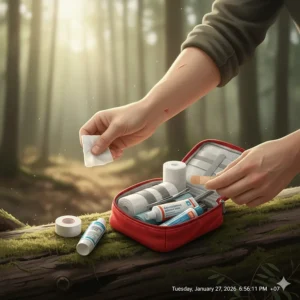
6. RHINO RESCUE Survival First Aid Kit
The RHINO RESCUE Survival First Aid Kit strikes a sweet spot between comprehensive first aid camping and practical portability. Founded by medical professionals in 2010, RHINO RESCUE built this 130-piece kit with input from outdoor experts and first responders.
The water-resistant EVA hardshell case protects contents from moisture and impacts while keeping weight reasonable at 1.2 pounds. Inside, you’ll find wound care supplies, CPR kit, first aid guide, and a thoughtful mix of bandages, gauze, medical tape, and medications. The kit includes both basic supplies for minor injuries and more serious items for emergency scenarios.
Key Specifications:
- Weight: 1.2 lbs
- 130 high-quality pieces
- Water-resistant EVA case
- Price: $40-55
A wilderness guide shared, “After three seasons guiding trips, this kit has handled everything from blisters to second-degree burns. The EVA case has survived drops, rain, and being crushed under gear.”
✅ Pros:
- Durable EVA hardshell protection
- Well-balanced content mix
- HSA/FSA eligible
❌ Cons:
- Slightly bulkier than soft cases
- Medium price point
7. Adventure Medical Kits Mountain Series Hiker
Rounding out our list, the Adventure Medical Kits Mountain Series Hiker was purpose-built for multi-day backpacking trips. This 105-piece kit balances weight (1.1 lbs) with comprehensive coverage for two people over two days in the backcountry.
What distinguishes the Mountain Hiker from other Adventure Medical kits is the inclusion of a trauma pad for serious bleeding, plus the company’s excellent wilderness medicine guidebook. You’ll also find fracture/sprain care items, blister prevention supplies, and medications organized in easy-to-find compartments.
Key Specifications:
- Weight: 1.1 lbs
- 105 pieces for 2 people/2 days
- Includes comprehensive medical guide
- Price: $50-65
Backpackers appreciate the thoughtful curation. One PCT hiker noted, “Carried this for 500 miles. Used the moleskin constantly, bandages regularly, and trauma pad once—grateful I had proper supplies when it mattered.”
✅ Pros:
- Designed specifically for wilderness use
- Excellent medical guide included
- Trauma-ready
❌ Cons:
- Not waterproof (needs dry bag)
- Moderate price for capacity
✨ Don’t Miss These Exclusive Deals!
🔍 Take your outdoor safety to the next level with these carefully selected products. Click on any highlighted item to check current pricing and availability. These kits will help you handle emergencies confidently and keep your family safe on every adventure!
Understanding Camping First Aid Kit Essentials
Not all outdoor first aid kit options are created equal. The difference between a proper wilderness medical kit and a household Band-Aid box could mean the difference between managing an emergency and escalating one.
Core Components Every Kit Needs
According to the American Red Cross wilderness first aid guidelines, a comprehensive first aid camping kit should address four primary categories: wound care, medications, tools, and emergency items.
Wound Care Supplies form the foundation. Look for various bandage sizes (not just standard adhesive strips), sterile gauze pads in multiple sizes, medical tape, butterfly closures or wound closure strips, antiseptic wipes, antibiotic ointment, and non-adherent dressings for burns. Many campers underestimate how quickly they’ll deplete these supplies on a multi-day trip.
Medications separate functional kits from decorative ones. At minimum, include pain relievers like ibuprofen or acetaminophen, antihistamines for allergic reactions, anti-diarrheal medication, and personal prescription medications with extras. Some comprehensive kits include burn gel, sting relief pads, and even altitude sickness medication.
Essential Tools enable you to actually use those supplies. Hospital-grade trauma shears cut through clothing and bandages, tweezers remove splinters and ticks, gloves protect both patient and caregiver, and a CPR mask provides protection during rescue breathing. Don’t overlook a thermometer—fever indicates infection.
Emergency Items handle worst-case scenarios. Emergency blankets retain body heat during shock or hypothermia, triangle bandages create slings or tourniquets, SAM splints immobilize fractures, and for serious situations, a tourniquet or hemostatic gauze controls severe bleeding.
Wilderness-Specific Considerations
Standard home first aid kits assume you’ll call 911 and reach a hospital within minutes. Wilderness medicine operates differently. When help is hours or even days away, you need supplies that stabilize conditions long-term, not just immediate fixes.
REI’s wilderness first aid experts emphasize three key differences in backcountry medical care: extended patient assessment, improvisation with available materials, and deciding whether to evacuate or continue. Your emergency medical kit should support these realities.
For example, moleskin prevents blisters from becoming debilitating wounds that force evacuation. Elastic wraps secure splints improvised from tent poles or sticks. Extra medication means treating symptoms for multiple days if weather prevents helicopter rescue. Waterproofing protects supplies during river crossings or storms.
OSHA Compliance for Workplace Camping
If you’re leading group trips, organizing corporate retreats, or working at camps, OSHA compliant kit standards matter. These guidelines specify minimum quantities of supplies based on group size and trip duration. Many professional kits like the EVERLIT and First Aid Only options specifically mention OSHA compliance.
The Occupational Safety and Health Administration recommends one first aid attendant with proper training for every 50 employees in non-hazardous work environments. For wilderness settings, that ratio should increase—one kit per 10-15 people is more appropriate given the higher injury risk and delayed access to care.
Choosing the Right First Aid Kit for Your Camping Style
Backpacking vs Car Camping
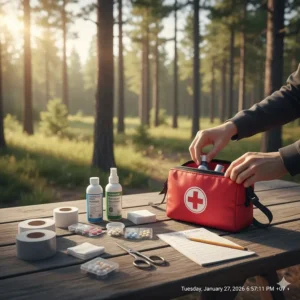
Your camping style dramatically influences the ideal kit. Backpackers count every ounce, making the Adventure Medical Kits Ultralight/Watertight series perfect. These kits sacrifice bulk for essential coverage, assuming you’ll improvise with gear you’re already carrying.
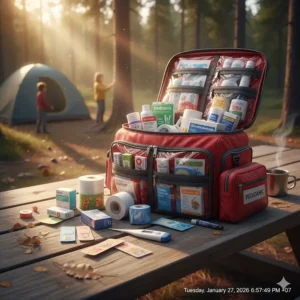
Car campers can afford heavier, more comprehensive options like the EVERLIT 250 or First Aid Only 298. When weight doesn’t limit you, prioritize extensive supplies over minimalism. These kits handle larger groups and provide redundancy—you’re not rationing gauze when the car’s 100 feet away.
Family Groups vs Solo Adventures
Solo hikers need different coverage than families with kids. Children get more scrapes, bug bites, and minor injuries that eat through basic supplies. The EVERLIT kit’s high piece count makes sense for family camping, while the Surviveware Small suits solo adventurers who can supplement with personal medications.
Consider age-appropriate medications too. Children’s fever reducers, child-safe antihistamines, and smaller bandage sizes matter when little ones need care. Some kits include pediatric supplies; others require customization.
Day Trips vs Extended Expeditions
A day hike demands different preparedness than a week-long expedition. For day trips, prioritize compact kits with high-frequency items: bandages, blister care, pain relievers, and antihistamines. The Surviveware Small or RHINO RESCUE kits fit this perfectly.
Multi-day trips need redundancy. You might use your entire supply of bandages in day three, leaving four days without coverage. The MyMedic MyFAK or Adventure Medical Kits Mountain Hiker provide depth in each category, plus the serious trauma supplies that become statistically more necessary over extended periods.
Weather and Terrain Considerations
Desert camping requires extensive sun protection supplies, electrolyte replacements, and extra hydration support. Mountain environments need altitude sickness medication, extra thermal blankets, and cold-injury supplies. Waterproofing matters more in rainy climates or near water.
Match your environment to your kit. The waterproof Adventure Medical Kits are ideal for kayak camping or Pacific Northwest trails. The RHINO RESCUE EVA hardshell handles rocky, abrasive desert terrain. Consider seasonal factors too—winter camping requires different wound care approaches than summer trips.
Essential First Aid Skills Every Camper Should Know
Having a comprehensive first aid camping kit means nothing if you don’t know how to use it. Here are the critical skills that transform supplies into lifesaving capability.
Basic Wound Care in the Wilderness
Clean wounds thoroughly—backcountry infections turn minor cuts into serious problems. Use clean water (boiled or filtered) and antiseptic wipes to irrigate debris. Apply antibiotic ointment liberally and dress with non-stick pads. Change dressings daily and monitor for infection signs: increased redness, warmth, pus, or red streaks spreading from the wound.
For serious bleeding, direct pressure works best. Apply gauze directly to the wound and press firmly for 5-10 minutes. Resist the urge to peek—lifting pressure restarts bleeding. If bleeding soaks through, add more gauze on top rather than removing the original dressing.
Butterfly bandages or wound closure strips handle cuts that would typically need stitches. Clean the wound, then pinch edges together and apply strips perpendicular to the cut. These stay effective for days if kept dry, allowing you to continue your trip rather than evacuating for minor sutures.
Managing Sprains and Fractures
The Wilderness Medical Society’s guidelines for musculoskeletal injuries emphasize the acronym RICE: Rest, Ice (or cold compress), Compression, and Elevation. Properly applied elastic wraps reduce swelling significantly.
Distinguish between usable and unusable injuries. A usable ankle sprain might hurt but allows weight-bearing with support—wrap it and continue carefully. An unusable injury (angulated fracture, inability to bear weight, loss of sensation) requires evacuation. Your emergency medical kit should include a SAM splint for immobilizing suspected fractures during transport.
Recognizing When to Evacuate
Not every injury warrants ending your trip, but some demand immediate evacuation. Call for help or begin self-evacuation if you observe altered mental status, difficulty breathing, uncontrolled bleeding, suspected spinal injury, or symptoms that worsen despite treatment.
Environmental emergencies like severe hypothermia, heat stroke with altered consciousness, or high-altitude cerebral edema are evacuation priorities. Your first aid kit buys time during transport but doesn’t replace definitive medical care.
Customizing and Maintaining Your Kit
Adding Personal Medications
Every camping first aid kit essentials list should include your personal prescriptions with extras—missed doses become serious issues in the backcountry. Add medications specific to your group: EpiPens for known allergies, inhalers for asthma, or insulin supplies for diabetics.
Consider prescription-strength options too. A doctor can prescribe emergency antibiotics for wilderness trips, particularly useful for infections far from medical care. Prescription pain medication helps manage serious injuries during evacuation. Always carry medications in original bottles with clear labeling.
Seasonal Adjustments
Spring camping emphasizes tick removal tools and insect sting treatments—Lyme disease prevention matters more during peak tick season. Summer prioritizes sunburn relief, heat exhaustion supplies, and hydration support. Fall brings temperature fluctuations requiring both heat and cold management. Winter demands extensive cold injury supplies, hand warmers, and increased emergency shelter options.
Rotate supplies seasonally. That emergency blanket matters more in November than July, while that sun protection becomes critical come summer solstice. Adjust your outdoor first aid kit contents based on actual conditions, not generic lists.
Regular Inspection and Replacement
Check expiration dates before every trip. Medications lose potency, adhesives fail, and ointments separate. Replace items annually at minimum, sooner for heavily-used supplies. Many manufacturers sell refill packs—more economical than buying new kits.
Restock immediately after using supplies. Don’t wait until the next trip to discover you’re out of bandages. Keep a written inventory inside the kit listing contents and expiration dates. Digital photos of the fully-stocked kit help identify what’s missing.
Waterproofing Non-Waterproof Kits
If your comprehensive first aid camping kit isn’t waterproof, add protection. Silicone-coated dry bags work perfectly for kayaking or river crossings. For backpacking, use a simple ziplock freezer bag—it’s not elegant but keeps supplies dry in rain. Store the entire kit in the dry bag rather than trying to waterproof individual items.
Consider separating frequently-used items (bandages, blister care) from emergency supplies (trauma pads, tourniquets). The everyday items stay accessible; the emergency gear stays protected and organized for actual crises.
Budget-Friendly First Aid Solutions
Pre-Made vs DIY Kits
Commercial outdoor first aid kit options offer convenience and organization—someone already curated appropriate supplies in proper quantities. The First Aid Only 298-piece kit at $25-35 provides exceptional value, giving you far more supplies than you’d get assembling a kit yourself at retail prices.
DIY kits make sense for customization or specific needs. Buy bulk supplies online (bandages, gauze, medications) and organize them in a waterproof bag. You’ll save money on common items while adding exactly what your group needs. The challenge? Knowing what to include and in what quantities. Without medical training, you might miss critical items.
A hybrid approach works well: buy an entry-level kit like the Surviveware Small as your foundation, then supplement with additional supplies for your specific situation. You get proper curation plus personalization, often for less money than a premium complete kit.
Maximizing Value Without Compromising Safety
Safety isn’t negotiable, but you can stretch your budget. Focus on wound care supplies first—most camping injuries involve cuts, scrapes, and blisters. Generic adhesive bandages, gauze pads, and medical tape cost significantly less than name brands while providing identical functionality.
Medications offer big savings potential. Generic ibuprofen, acetaminophen, antihistamines, and anti-diarrheal medications contain the same active ingredients as brand names at fraction of the cost. Buy larger bottles and transfer appropriate amounts to your emergency medical kit.
Shop seasonal sales. First aid kits go on sale before summer camping season and again in fall. Major online retailers offer significant discounts during Prime Day, Black Friday, and back-to-school periods. Buy then and save 20-40%.
Group First Aid Coordination
If camping with multiple families or friends, coordinate first aid supplies. One person brings the main kit while others contribute specific items—medications, advanced trauma supplies, or specialty gear. This prevents redundancy (four identical kits taking up space) while ensuring comprehensive coverage.
Designate one person as the “medical officer” responsible for kit maintenance and basic first aid knowledge. They should take a wilderness first aid course and familiarize themselves thoroughly with kit contents. In an emergency, having one person confidently directing care prevents chaos.
Comparison: Benefits vs Traditional Home First Aid Kits
| Feature | Camping First Aid Kit | Home First Aid Kit |
|---|---|---|
| Durability | Rugged, water-resistant cases | Basic plastic or fabric |
| Portability | Lightweight, compact | Bulky, heavy |
| Supply Depth | Redundant quantities | Single-use items |
| Specialized Items | Moleskin, SAM splints, altitude meds | Basic bandages only |
| Organization | Labeled compartments, quick access | Often disorganized |
| Price | $30-170 | $15-40 |
| Best For | Remote environments, extended trips | Home, easy access to care |
Frequently Asked Questions (FAQ)
❓ How often should I replace my first aid kit for camping supplies?
❓ Can I bring my camping first aid kit on an airplane?
❓ What's the difference between IFAK and regular first aid kits?
❓ How many first aid kits should a group carry?
❓ Do I need wilderness first aid training to use these kits?
Conclusion: Invest in Safety Before You Need It
The best first aid kit for camping is the one you have with you when injury strikes. I’ve witnessed too many trips turn dangerous because someone skimped on medical supplies or grabbed an inadequate kit at the last minute. That $40 investment seems trivial compared to evacuating by helicopter because you couldn’t treat a simple wound properly.
For most campers, I recommend starting with the RHINO RESCUE Survival First Aid Kit or Surviveware Small as your foundation. Both offer excellent coverage for common injuries at reasonable prices. Backpackers prioritizing weight should choose the Adventure Medical Kits Ultralight/Watertight .7, while families benefit from the comprehensive EVERLIT 250 Pieces Kit. For serious preparedness, the MyMedic MyFAK Standard represents the gold standard, though at premium pricing.
Remember—wilderness medicine isn’t about having the fanciest gear. It’s about having the right supplies, knowing how to use them, and staying calm when someone needs help. Pair your emergency medical kit with proper training, regular practice, and good judgment. Test your supplies during low-stakes situations (blisters on day hikes) before facing serious emergencies miles from help.
Don’t wait until you’re staring at an injured companion to discover your kit lacks critical items. Audit your supplies now, upgrade what’s missing, and commit to maintaining readiness. Your future self—or your hiking partner—will thank you. Because outdoor adventures should create memories, not regrets. Stay safe out there!
Recommended for You
- 7 Best Camping Power Inverters Guide 2026: Pure Sine Wave Options
- 7 Best Coleman LED Lantern Review 2026
- 7 Brightest Headlamps for Camping 2026 | Expert Tested
Disclaimer: This article contains affiliate links. If you purchase products through these links, we may earn a small commission at no additional cost to you.
✨ Found this helpful? Share it with your friends! 💬🤗
