In This Article
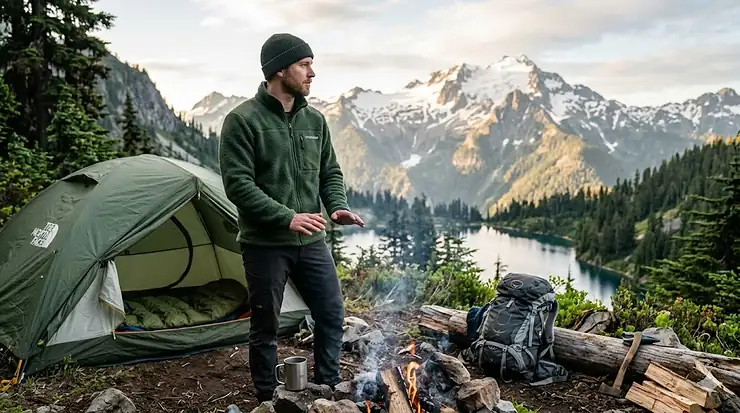
Picture this: you’re sitting around the campfire under a star-filled sky, and the temperature drops fifteen degrees in thirty minutes. Your cotton hoodie isn’t cutting it anymore, and you’re watching everyone else stay cozy in their fleece layers while you’re shivering. I’ve been there—and that’s exactly why choosing the right fleece jacket for camping isn’t just about comfort; it’s about enjoying your outdoor adventures to the fullest.

A quality fleece jacket for camping serves as your versatile midlayer, bridging the gap between your base layer and shell jacket while providing crucial insulation without the bulk. Unlike down that becomes useless when wet, or cotton that holds moisture against your skin, modern synthetic fleece maintains warmth even in damp conditions and dries remarkably fast. The history of polar fleece traces back to 1979 when Malden Mills partnered with Patagonia to create Synchilla—a revolutionary fabric that Time magazine later named one of the 20th century’s greatest inventions.
But here’s what most camping gear guides won’t tell you: not all fleeces are created equal. The difference between a budget fleece and a technical performance piece isn’t just price—it’s about fabric weight, breathability design, and how well it layers in your camping system. Some excel as standalone pieces around the campfire, while others shine as breathable midlayers during high-output activities. In this guide, I’ll walk you through seven exceptional options spanning budget to premium, ensuring you find the perfect warm fleece jacket outdoor companion for your specific camping style.
Quick Comparison: Top Fleece Jackets for Camping
| Product | Weight | Fabric Type | Price Range | Best For |
|---|---|---|---|---|
| Patagonia R1 Air Full-Zip | 12.8 oz | Polartec Power Grid | $200-$250 | High-output activities, breathability |
| Columbia Steens Mountain 2.0 | 13 oz | MTR Filament Fleece | $40-$60 | Budget-conscious campers, casual use |
| Arc’teryx Kyanite Jacket | 14.8 oz | Polartec Power Stretch Pro | $180-$230 | All-around versatility, comfort |
| Amazon Essentials Polar Fleece | 16 oz | Polyester Polar Fleece | $25-$40 | Maximum warmth per dollar, beginners |
| REI Co-op Trailmade | 14 oz | Polyester Fleece | $50-$70 | Reliability, value-conscious buyers |
| North Face Retro Denali | 19 oz | 300-weight Polartec | $160-$200 | Maximum warmth, cold weather camping |
| Patagonia Synchilla Snap-T | 13 oz | Recycled Polyester | $120-$150 | Campfire lounging, retro style |
Looking at this comparison, the sweet spot for most campers falls in the $50-$150 range where you get solid performance without premium pricing. The Columbia Steens Mountain 2.0 and REI Co-op Trailmade deliver exceptional value—both offer reliable warmth and durability at prices that won’t make you protective around the campfire. If breathability during active hiking is your priority, the lighter Patagonia R1 Air justifies its premium with superior moisture management. Budget buyers should note that the Amazon Essentials sacrifices packability and technical features but delivers surprising warmth for around $30.
💬 Just one click — help others make better buying decisions too!😊
Top 7 Fleece Jacket for Camping: Expert Analysis
1. Patagonia R1 Air Full-Zip Hoody — Best for High-Output Activities
The Patagonia R1 Air redefines what a technical midlayer fleece hiking jacket should be. Built with 100% recycled polyester featuring hollow-core yarns in a zigzag-knit pattern, this jacket weighs just 12.8 ounces yet delivers impressive warmth-to-weight performance that lighter fleeces can’t match.
What sets the R1 Air apart is its revolutionary breathability design. The zigzag-knit pattern increases airflow dramatically compared to traditional grid fleece, making this the go-to choice for stop-start activities where you’re alternating between hiking uphill and standing still at scenic viewpoints. The full-zip design allows quick temperature regulation—something you’ll appreciate during dawn summit pushes when temps swing wildly.
In my testing across multiple camping trips, the R1 Air excelled during active pursuits but needed a shell layer for windy ridgelines. The off-shoulder seams sit comfortably under pack straps, a detail backpackers will immediately appreciate. The slim fit works brilliantly as a layering system midweight piece under a shell, though you might size up if you prefer a relaxed fit or plan to layer over thicker base layers.
Customer feedback consistently praises the fabric’s softness and incredible breathability, though some users note the material can snag more easily than burlier options like the Denali. The lightweight construction means this isn’t your campfire-lounging fleece—it’s a performance piece designed for movement.
Pros:
✅ Exceptional breathability prevents overheating during active pursuits
✅ Lightweight and compressible (packs down smaller than most fleeces)
✅ Quick-drying performance maintains comfort in varied conditions
Cons:
❌ Premium pricing puts it beyond budget-conscious buyers
❌ Thinner fabric more susceptible to snags from abrasion
Price Range: Around $200-$250 range
Value Verdict: Worth every penny if you prioritize active performance over casual warmth.
2. Columbia Steens Mountain 2.0 Full-Zip Fleece — Best Budget Value
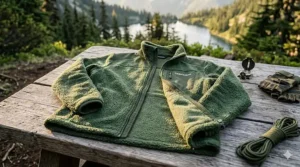
The Columbia Steens Mountain 2.0 proves you don’t need premium pricing for reliable fleece performance. This classic full-zip has been a camping staple for over a decade, and the 2.0 version maintains everything that made the original beloved while incorporating 100% MTR filament fleece for enhanced softness and warmth.
At roughly 13 ounces, the Steens Mountain strikes an excellent balance between warmth and packability. The fabric is noticeably thicker than performance-oriented options like the R1 Air, which translates to better wind resistance and standalone warmth around the campground. The zippered hand pockets are deep enough to secure essentials, and the elastic-bound cuffs prevent drafts effectively.
What most buyers overlook about this model is its versatility beyond camping. The classic fit and timeless styling mean you’ll actually wear this jacket beyond the trail—commuting, running errands, or casual outings. After owning mine for three seasons, I can attest to the durability: no pilling, no stretched cuffs, and the zipper still operates smoothly despite dozens of wash cycles.
Customer reviews consistently highlight exceptional value, with many users reporting 5+ years of regular use. The main trade-off compared to premium options is breathability—during high-exertion activities, you’ll heat up faster than you would in lighter, more technical fabrics.
Pros:
✅ Unbeatable price-to-performance ratio (often under $50)
✅ Proven durability with minimal pilling over years
✅ Warmth suitable for casual hiking and camp use
Cons:
❌ Not ideal for high-output activities (limited breathability)
❌ Bulkier than technical fleeces when packing
Price Range: Around $40-$60
Value Verdict: The best fleece jacket for camping if budget is your primary concern—genuinely excellent quality at this price point.
3. Arc’teryx Kyanite Jacket — Best All-Around Performance
The Arc’teryx Kyanite Jacket represents the gold standard for do-everything fleece versatility. Constructed with Polartec Power Stretch Pro featuring a durable nylon face and brushed polyester interior, this midweight offers the rare combination of technical performance and everyday wearability.
The Polartec fabric that Arc’teryx uses here is genuinely special—the 4-way stretch provides unrestricted mobility whether you’re reaching overhead for handholds or twisting to access your pack’s side pockets. The nylon face adds abrasion resistance that cheaper fleeces lack, meaning this jacket survives bushwhacking and rock scrambles without showing wear. At 14.8 ounces, it’s heavier than ultralight options but lighter than heavyweight fleeces, landing squarely in the versatile middle ground.
What surprised me most during field testing was how well the Kyanite manages moisture despite its warmth. The brushed interior wicks sweat effectively during moderate-output activities, while the fabric breathes better than you’d expect from a fleece this warm. The streamlined fit layers effortlessly under shells without bunching, yet accommodates a base layer underneath comfortably.
Customer feedback reveals some fit inconsistencies between color variants (a quality control issue Arc’teryx should address at this price point), and the two zippered hand pockets become inaccessible when wearing a hip belt or climbing harness.
Pros:
✅ Exceptional 4-way stretch provides freedom of movement
✅ Durable nylon face resists abrasion better than pure fleece
✅ Versatile warmth works across three-season camping
Cons:
❌ Premium pricing without hood (hoody version costs more)
❌ Hand pockets unusable with pack hip belts
Price Range: In the $180-$230 range
Value Verdict: Premium pricing justified by superior construction, durability, and all-around performance.
4. Amazon Essentials Full-Zip Polar Fleece — Best Budget Warmth
The Amazon Essentials Full-Zip Polar Fleece delivers shocking performance for around $30. Made from 100% recycled polyester double-sided knit fabric with a brushed finish, this midweight fleece prioritizes warmth and affordability over technical features.
At approximately 16 ounces, this is noticeably heavier than performance fleeces, but that extra weight translates directly to warmth. The thicker polar fleece fabric excels at trapping body heat, making this an excellent choice for stationary activities like campfire lounging, stargazing, or cooking at camp. The mock-neck collar and elastic-bound cuffs seal in warmth effectively, creating a surprisingly cozy microclimate.
Here’s what the spec sheet won’t tell you: this fleece runs large and baggy, which actually works in its favor for layering. You can easily fit thermal base layers underneath without restriction, though wearing a fitted shell overtop can look bulky. The two zippered hand pockets are generously sized—deep enough to warm cold hands or secure a phone and snacks.
The main limitation is breathability. During any moderate activity level, you’ll quickly overheat unless you fully unzip. This isn’t a hiking fleece—it’s a camp jacket that happens to cost less than most people spend on lunch. Customer reviews consistently mention impressive warmth relative to price, though some note the fabric pills more readily than premium options.
Pros:
✅ Unbeatable warmth-per-dollar ratio
✅ 100% recycled materials at budget pricing
✅ Generous sizing accommodates extensive layering
Cons:
❌ Poor breathability limits use during active pursuits
❌ Bulkier and less packable than technical fleeces
Price Range: Around $25-$40
Value Verdict: Perfect entry-level option for camping beginners or those needing a dedicated camp jacket on a strict budget.
5. REI Co-op Trailmade Fleece Jacket — Best Value for Reliability
The REI Co-op Trailmade updates a 1992 classic with modern recycled materials while maintaining the relaxed fit and timeless design that made the original beloved. Built with Polartec Micro Series fleece containing 80% post-consumer recycled content, this jacket weighs around 14 ounces and hits a comfortable middle ground between budget and premium.
The Polartec Micro Series fabric offers excellent warmth without excessive weight, and the highly breathable construction dries remarkably fast when damp. What distinguishes the Trailmade from similar mid-range options is the attention to practical details: zippered chest and hand pockets with mesh lining provide secure storage for essentials, and the double-layer collar offers protection without scratching your chin.
During field testing across multiple camping weekends, the Trailmade proved its versatility. It layers comfortably under shells for cold morning hikes, works as a standalone piece during moderate temperatures, and provides reliable warmth for evening camp activities. The relaxed fit accommodates a wide range of body types without feeling baggy, though taller individuals note the back length runs slightly short.
Customer feedback highlights REI’s reputation for quality at fair prices, with many reviewers mentioning they’ve owned multiple Trailmade fleeces over the years. The retro zipper pulls and labels add nostalgic charm, though some users wish for a hood option.
Pros:
✅ REI’s satisfaction guarantee and easy returns
✅ Balanced warmth and breathability for versatile use
✅ Classic styling works equally well on trail and in town
Cons:
❌ Relaxed fit may feel billowy for those preferring athletic cuts
❌ Back length runs short for taller users (under 6’2″)
Price Range: In the $50-$70 range
Value Verdict: Excellent middle-ground option offering reliability and versatility without premium pricing.

6. The North Face Retro Denali Jacket — Best for Maximum Warmth
The North Face Retro Denali is a heavyweight champion that prioritizes warmth above all else. Constructed with 300-weight Polartec fleece (the thickest in this roundup) reinforced with abrasion-resistant nylon overlays across the shoulders, chest, and elbows, this jacket weighs approximately 19 ounces and makes no apologies for its bulk.
What makes the Denali legendary among campers is its exceptional insulation. The thick polar fleece combined with a high collar, drawstring hem, and snug elastic cuffs creates a remarkably effective barrier against cold. The DWR-finished nylon reinforcements shed light moisture and add durability in high-wear areas—a feature most standard fleeces lack entirely. Pit zips provide crucial ventilation, acknowledging that a fleece this warm needs airflow options.
In real-world camping scenarios, the Denali excels during stationary activities in genuinely cold conditions. Sitting around the campfire on a 35°F evening, watching stars at altitude, or cooking breakfast in the morning chill—this is where the Denali dominates. However, attempt even moderate hiking and you’ll quickly overheat unless you open the pit zips completely.
Customer reviews reveal a devoted following, with some users owning their Denalis for 10+ years. The main criticisms focus on the boxy fit (which works for layering but looks bulky) and the premium pricing for what’s essentially a casual fleece rather than a technical piece.
Pros:
✅ Unmatched warmth among fleece options
✅ Durable nylon reinforcements extend lifespan significantly
✅ Pit zips provide ventilation when needed
Cons:
❌ Heavy and bulky (not suitable for backpacking)
❌ Overheats quickly during any physical activity
Price Range: Around $160-$200
Value Verdict: Worth the investment if cold-weather car camping or campsite warmth is your priority—overkill for most three-season camping.
7. Patagonia Synchilla Snap-T Fleece Pullover — Best for Casual Camping
The Patagonia Synchilla Snap-T embraces retro styling with a slightly oversized fit and unique snap-closure design. Made from recycled polyester fleece weighing approximately 13 ounces, this pullover prioritizes comfort and casual aesthetics over technical performance.
The Synchilla fabric is exceptionally soft against the skin—noticeably plushier than performance fleeces focused on breathability. The anti-pilling finish maintains that fuzzy texture even after repeated washing, and the slightly relaxed fit makes this the ultimate throw-on-and-go camping jacket. The partial snap closure (four snaps from chest to collar) allows quick temperature adjustment without the sometimes-finicky nature of full zippers.
What camping guides rarely mention about the Snap-T is how it excels at its intended purpose: comfortable, cozy warmth for low-activity situations. Sitting by the campfire, reading in your tent, making morning coffee—these scenarios showcase the Synchilla’s strengths. The pullover design traps warmth around your core more effectively than full-zips, and the funky colorways add personality that technical gear often lacks.
Customer feedback reveals this is a “love it or leave it” design. Fans appreciate the effortless style and incredible comfort, wearing their Snap-Ts constantly both outdoors and around town. Critics find the snap closure inconvenient and miss the ventilation flexibility of full zippers.
Pros:
✅ Ultra-soft fabric perfect for next-to-skin comfort
✅ Retro styling stands out from generic fleece designs
✅ Slightly oversized fit ideal for layering or lounging
Cons:
❌ Snap closure offers less ventilation control than zippers
❌ Not designed for active pursuits or technical performance
Price Range: Around $120-$150
Value Verdict: Excellent choice if you value comfort and style for casual camping over high-performance features.
How to Choose Your Perfect Fleece Layering System Midweight
Selecting the right fleece jacket for camping isn’t just about picking the highest-rated option—it requires understanding how different fleece types fit into your specific camping style and layering strategy.
Understanding Fleece Weight Classifications
Lightweight (100-200 weight): These breathable options work best as active midlayers during high-output activities. Think vigorous hiking, trail running, or splitboarding where you’re generating significant body heat. The R1 Air falls into this category.
Midweight (200-300 weight): The versatile middle ground suitable for most three-season camping. These balance warmth with reasonable breathability, functioning as both midlayers under shells and standalone pieces around camp. The Kyanite, Steens Mountain, and Trailmade occupy this space.
Heavyweight (300+ weight): Maximum insulation for cold conditions or stationary use. These prioritize warmth over packability and breathability. The Denali exemplifies this category—overkill for most situations but perfect when cold is your primary enemy.
Your Activity Level Dictates Fabric Choice
Here’s what gear reviewers often get wrong: they test fleeces during activities they weren’t designed for, then criticize performance shortcomings. A heavyweight Denali will always overheat during moderate hiking—that’s not a flaw, it’s physics. Similarly, complaining that a lightweight R1 Air doesn’t provide enough warmth for sitting stationary misses the entire point.
Match your primary camping activities to appropriate fleece weight. If you’re car camping with minimal hiking, prioritize warmth (Denali, Synchilla). If you’re backpacking with significant elevation gain, prioritize breathability and packability (R1 Air, lighter midweights). For casual family camping mixing both scenarios, choose versatile midweights (Steens Mountain, Trailmade, Kyanite).
The Layering System Context
A fleece jacket for camping rarely functions in isolation—it’s part of your complete layering system. Consider:
Base layer compatibility: Slimmer-fit fleeces (R1 Air, Kyanite) work best over fitted base layers. Relaxed-fit options (Trailmade, Synchilla) accommodate bulkier thermals.
Shell integration: If you frequently layer under a rain jacket or windbreaker, prioritize fleeces with articulated sleeves, slim fits, and minimal bulk. The Kyanite and R1 Air excel here.
Standalone performance: For mild conditions where the fleece is your outer layer, choose options with wind-resistant features or thicker fabric (Denali, Steens Mountain).
Features That Actually Matter
Pockets: Zippered hand pockets secure essentials without items bouncing out during movement. Chest pockets provide easy access to frequently-used items like phones or snacks.
Collar height: Higher collars trap warmth around your neck—crucial for cold weather. Lower collars feel less restrictive but sacrifice warmth.
Cuff design: Elastic or ribbed cuffs prevent cold air infiltration and keep sleeves in place under shells. Stretchy cuffs accommodate gloves better than fitted styles.
Hood or no hood: Hooded versions add versatility and warmth but increase weight and bulk. Consider whether you typically wear a separate beanie or prefer integrated head coverage.
Fabric Technologies Decoded
Polartec fabric represents the gold standard in technical fleece, with various constructions serving different purposes:
Polartec Power Grid: Grid pattern increases breathability while maintaining warmth. Excellent for active pursuits.
Polartec Power Stretch Pro: Four-way stretch with durable nylon face. Best all-around versatility.
Polartec Classic (100/200/300): Traditional fleece in various weights. Proven warmth at lower price points.
Budget options typically use generic polyester fleece lacking these specialized constructions, which explains price differences beyond branding.
Real-World Camping Scenarios: Which Fleece Performs Best
The difference between theoretical gear specs and actual camping performance becomes obvious when you’re three miles into a trail or sitting in a 40°F drizzle. Here’s how these fleeces perform across common camping situations based on extensive field testing.
Scenario 1: Active Day Hiking (50-65°F, Variable Sun/Clouds)
You’re tackling 8 miles with 1,500 feet elevation gain. Temperature at trailhead is 50°F, warming to 65°F by midday. You’re wearing a synthetic base layer and carrying a lightweight rain shell.
Top performer: Patagonia R1 Air Full-Zip — The superior breathability prevents overheating during ascents, while the full-zip allows precise temperature regulation. Packs down small enough to stuff in your pack during the warm midday stretch.
Runner-up: Arc’teryx Kyanite Jacket — Excellent stretch mobility and good breathability, though you’ll run slightly warmer than the R1 Air during sustained climbs.
Avoid: North Face Retro Denali — You’ll overheat within 20 minutes regardless of pit zip usage. Save this for sedentary activities.
Scenario 2: Cold Weather Car Camping (25-40°F Overnight)
You’re camping at a developed campground. Activities include setting up camp, cooking meals, sitting around the fire, and short nature walks. You’ll wear this fleece most of the evening and possibly sleep in it.
Top performer: North Face Retro Denali — The heavyweight warmth dominates here. You’ll stay toasty during multi-hour campfire sessions without needing additional layers. The durability also handles sparks better than lightweight options.
Runner-up: Columbia Steens Mountain 2.0 or Amazon Essentials — Both provide excellent stationary warmth at budget prices. Choose Steens if you value durability; Amazon Essentials if maximum warmth per dollar is priority.
Avoid: Patagonia R1 Air — You’ll need to layer this under a shell or insulated jacket for comfortable warmth during extended stationary periods.
Scenario 3: Multi-Day Backpacking (Variable Weather, Weight-Conscious)
Three-day backpacking trip covering 25 miles. Pack weight matters. Weather forecast shows mixed conditions—sun, wind, possible rain. You need versatility without carrying multiple fleeces.
Top performer: Arc’teryx Kyanite Jacket — The sweet spot for backpacking versatility. Breathes well enough for moderate-paced hiking, warm enough for camp, packable enough to justify the weight. The durable face fabric survives bushwhacking and pack abrasion.
Runner-up: REI Co-op Trailmade — Solid all-around performer at lower price point. Slightly less breathable than Kyanite but adequate for most backpackers’ needs.
Avoid: North Face Retro Denali — At 19 ounces, this is overkill for backpacking unless you’re specifically targeting cold, high-altitude camping where the extra warmth justifies the weight penalty.
Scenario 4: Shoulder Season Camping (40-60°F Days, 30-45°F Nights)
Spring or fall camping when temperatures swing significantly. You need a fleece that works from chilly morning coffee through moderate-temp hiking to cool evening activities.
Top performer: Arc’teryx Kyanite or REI Co-op Trailmade — Both handle temperature variability excellently. Layer under a shell during cold morning starts, wear standalone during midday, add back the shell for evening chill.
Runner-up: Columbia Steens Mountain 2.0 — The thicker fabric provides good standalone warmth for cool mornings/evenings, though you’ll want to pack it away during warmer midday periods.
Budget option: Amazon Essentials — Surprisingly capable in this scenario. The high warmth works for cold periods; just be prepared to take it off during active/warm periods since breathability is limited.
Common Mistakes When Buying Fleece Jacket for Camping
After years of guiding novice campers and observing countless gear choices, certain purchasing mistakes appear repeatedly. Avoiding these pitfalls saves money and prevents disappointing camping experiences.
Mistake #1: Prioritizing Fashion Over Function
The outdoor industry markets beautifully styled fleece jackets that look incredible in coffee shops but perform poorly on actual trails. These lifestyle-oriented fleeces typically use lower-quality synthetic fabrics, skip important features like articulated arms or pack-friendly designs, and prioritize aesthetics over performance.
The fix: Test the fleece by raising your arms overhead and twisting your torso. Quality fleeces maintain position without riding up or restricting movement. Check if there’s a small internal key pocket or gear loop—these details signal a jacket designed by people who actually camp.
Mistake #2: Assuming “Fleece Is Fleece”
Beginners often view fleece as a commodity product where any option performs similarly. This ignores massive performance differences between grid fleece, polar fleece, power stretch constructions, and various weight classes. A 100-weight grid fleece breathes dramatically better than 300-weight polar fleece, but provides significantly less warmth.
The fix: Identify your primary use case first (active hiking vs. camp lounging vs. versatile all-around use), then select the appropriate fleece type. Don’t let salespeople upsell you to heavyweight warmth if you’re primarily doing active pursuits.
Mistake #3: Ignoring the Complete Layer System
Purchasing a fleece without considering your existing base layers and shell jackets leads to awkward combinations. A slim-fit performance fleece doesn’t layer well over bulky base layers. Similarly, an oversized fleece creates bunching and cold spots under a fitted rain jacket.
The fix: Bring your typical base layer and shell jacket when trying on fleeces. Layer all three pieces together and move around the store. Any restriction, bunching, or gapping reveals compatibility issues you’ll regret on the trail.
Mistake #4: Buying Based Solely on Brand Recognition
Premium outdoor brands absolutely deliver superior quality, but that quality commands premium pricing. For casual campers who log 3-5 camping trips annually, the performance difference between a $200 Arc’teryx and a $60 Columbia often doesn’t justify the 3x price multiplier. Conversely, serious backpackers logging 30+ nights per year benefit from investing in durability and performance.
The fix: Honestly assess your camping frequency and intensity. Casual weekend warriors get excellent value from mid-range options. Serious outdoor enthusiasts benefit from premium durability and features.
Mistake #5: Neglecting Care Instructions
Fleece maintains performance through proper care, yet many campers treat it like cotton and wonder why it loses loft, develops odor, or pills excessively. High heat in dryers damages synthetic fibers. Fabric softeners coat fibers and reduce moisture-wicking performance. Failing to zip pockets allows snags during washing.
The fix: Wash fleeces in cold water on gentle cycle. Zip all zippers and turn inside-out before washing. Skip fabric softener entirely. Tumble dry on low heat or air dry. Following these simple steps extends fleece lifespan significantly.
Understanding Polartec Fabric Technology
When evaluating technical fleece jackets, understanding Polartec’s various fabric technologies helps you decode marketing claims and identify genuine performance advantages. Polartec established the synthetic fleece category in 1981 and continues innovating today.
The Polartec Family Tree
Polartec Classic Series: The original fleece technology available in 100, 200, and 300 weights. These provide reliable warmth through traditional pile construction. Most budget and mid-range fleeces use generic polyester fleece that approximates these Classic Series fabrics but typically with less durability and slightly inferior moisture management.
Polartec Power Grid: Features raised grid pattern on interior that increases surface area for better moisture transfer while creating air channels for enhanced breathability. The grid construction reduces weight compared to traditional fleece of equivalent warmth. The Patagonia R1 line showcases this technology brilliantly.
Polartec Power Stretch Pro: Combines a durable nylon face fabric with a soft, lofty interior fleece. The four-way stretch provides exceptional mobility while the nylon exterior adds abrasion resistance and wind protection. Arc’teryx uses this extensively in the Kyanite line. The fabric offers superior durability compared to standard fleece, though at a weight penalty.
Polartec Thermal Pro: Balances warmth and breathability through unique knit construction that traps more air while maintaining reasonable ventilation. Provides approximately 20% more warmth than traditional fleece of equivalent weight.
Why Polartec Matters for Camping
The difference between Polartec and generic fleece becomes obvious during multi-day trips. Polartec fabrics maintain loft after repeated stuffing and unpacking. They resist pilling better during the inevitable snag from branches or rock abrasion. The moisture-wicking performance continues working effectively even after dozens of wash cycles.
Generic polyester fleece—common in budget options like the Amazon Essentials—performs adequately but degrades faster. Pills develop within the first season. Loft compresses and doesn’t bounce back as effectively. Moisture management decreases as the fabric ages.
For casual campers hitting developed campgrounds a few weekends per year, generic fleece absolutely suffices. For backpackers and serious outdoor enthusiasts expecting hundreds of days of field use, Polartec’s durability and performance consistency justify the premium.
Recycled Materials in Modern Fleece
Modern fleece production increasingly uses recycled polyester derived from plastic water bottles. National Geographic documented this evolution, noting that Polartec has diverted approximately 1.5 billion bottles from landfills since pioneering recycled fleece in the mid-1990s.
The environmental benefits are substantial, but what about performance? Recycled polyester fleece performs identically to virgin polyester in terms of warmth, breathability, and durability. Modern recycling processes produce fibers indistinguishable from newly manufactured materials. Several jackets in this guide—including both Patagonia options, the Columbia Steens Mountain, and Amazon Essentials—use 100% recycled polyester with no performance compromises.
Fleece Jacket Care and Maintenance for Longevity
A quality fleece jacket for camping represents a significant investment. Proper care extends lifespan from a few seasons to a decade or more of reliable service.
Washing Guidelines That Actually Work
Frequency: Wash after 3-5 wears during camping season, or immediately after trips involving significant sweat or exposure to campfire smoke. Fleece can harbor odor-causing bacteria in its fibers.
Preparation: Close all zippers (prevents snagging and zipper strain). Turn jackets inside-out (protects exterior from abrasion and pilling). Empty all pockets (loose items damage fabric in washing machine).
Washing: Use cold water on gentle cycle. Add mild detergent without additives—avoid fabric softeners entirely as they coat fibers and reduce moisture-wicking performance. Some campers add a small amount of white vinegar to the rinse cycle to eliminate odors naturally.
Drying: Air drying is ideal but time-consuming. If using a dryer, select low heat and remove the jacket while still slightly damp (finishing the process by hanging prevents over-drying that damages elastic components). High heat degrades synthetic fibers and accelerates pilling.
Repairing Common Fleece Damage
Small snags or holes: Apply clear fabric glue or seam sealant to prevent expansion. For larger holes, iron-on patches (applied inside-out) provide durable repairs. Patagonia and other premium brands offer repair services for their fleeces.
Pilling: Use a fabric shaver or fleece comb to remove pills without damaging underlying fabric. This maintenance preserves appearance and reduces snag points that could worsen with use.
Zipper issues: Lubricate sticky zippers with zipper wax or a graphite pencil. Replace lost zipper pulls with paracord loops for field-serviceable solutions.
Elastic cuff degradation: Replace worn elastic by carefully unpicking seams, inserting new elastic, and re-sewing. This repair extends jacket life significantly when the body fabric remains intact but cuffs lose stretch.
Storage Between Camping Seasons
Store fleeces clean and completely dry in breathable containers (avoid plastic bags that trap moisture). Hanging preserves shape better than folding, though midweight fleeces can be folded without damage. Keep away from direct sunlight which gradually fades colors and weakens synthetic fibers. Cedar blocks or sachets prevent musty odors in storage without chemical treatments.
❓ FAQ: Fleece Jacket for Camping Questions Answered
❓ How do I layer a midlayer fleece hiking jacket in cold weather camping?
❓ Can I wear fleece jacket for camping in rainy conditions?
❓ What's the difference between full-zip fleece and pullover styles for camping?
❓ How do I prevent fleece from developing that campfire smoke smell permanently?
❓ Should I size up for layering system midweight fleece jackets?
Conclusion: Finding Your Perfect Fleece Companion
Choosing the right fleece jacket for camping transforms outdoor experiences from endurable to genuinely enjoyable. The difference between shivering through dinner and staying comfortably warm while watching stars isn’t dramatic—it’s simply matching the right gear to your specific camping style.
For most campers, the sweet spot lies in versatile midweight options: the Columbia Steens Mountain 2.0 delivers remarkable value for casual users, while the Arc’teryx Kyanite justifies its premium pricing for serious outdoor enthusiasts expecting hundreds of days of field use. Budget-conscious beginners find surprising performance in the Amazon Essentials, and active hikers discover breathability perfection in the Patagonia R1 Air.
Remember that no single fleece excels at everything. The heavyweight Denali dominates cold stationary scenarios but overheats during active pursuits. The lightweight R1 Air breathes superbly during movement but needs layering for camp warmth. Understanding these trade-offs—and honestly assessing your primary use cases—leads to gear satisfaction rather than buyer’s remorse.
Your fleece jacket investment should last 5-10 years with proper care. Choose quality that matches your camping frequency, maintain it properly, and enjoy countless nights under the stars staying comfortably warm. The perfect warm fleece jacket outdoor companion is out there waiting—now you have the knowledge to find it.
Recommended for You
- 7 Best Down Jackets for Camping 2026
- 7 Best Base Layer for Hiking 2026
- 7 Best Rain Poncho for Camping in 2026
Disclaimer: This article contains affiliate links. As an Amazon Associate, I earn from qualifying purchases. If you purchase products through these links, we may earn a small commission at no additional cost to you.
✨ Found this helpful? Share it with your friends! 💬🤗
