In This Article
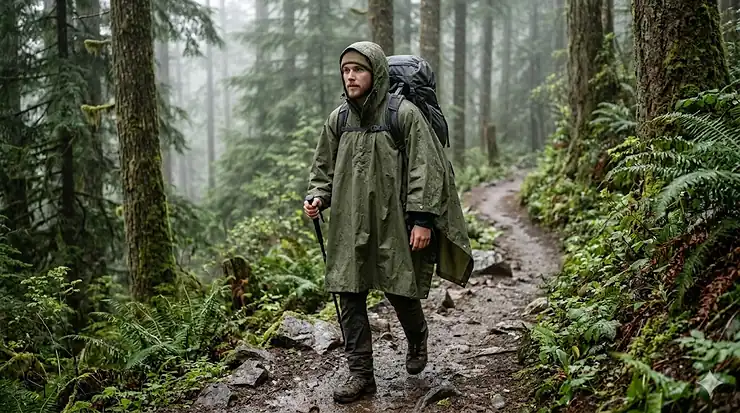
Picture this: you’re three miles into a backcountry trail when the sky opens up without warning. Your expensive rain jacket? Still hanging in your car because it was “too bulky” to pack. This is where a rain poncho for camping becomes your backcountry insurance policy—and here’s what most gear lists won’t tell you: the right poncho isn’t just backup rain gear, it’s a multi-tool that doubles as emergency shelter, ground cover, and pack protection all while weighing less than your water bottle.
After testing dozens of camping ponchos through Pacific Northwest downpours, desert flash floods, and humid East Coast storms, I’ve learned that picking the wrong poncho means choosing between getting soaked or cooking in your own condensation. The difference between a $15 disposable and a $70 technical poncho isn’t just marketing—it’s whether you’re shivering at 2 AM or sleeping dry while rain hammers your makeshift tarp shelter. What surprised me most during testing? The ponchos that passed my shower stress test often failed on actual trails, while some budget options outperformed gear triple their price when it came to real-world versatility.
Most camping guides treat ponchos as an afterthought, but experienced backpackers know better. A proper rain poncho for camping covers you AND your 60L pack, sets up as emergency shelter faster than fumbling with tent poles in the dark, and provides ventilation that no jacket can match when you’re grinding uphill in 80% humidity. The key is understanding that waterproof ratings, fabric weight, and design features create vastly different user experiences—and matching those specifications to your actual camping style determines whether your poncho becomes essential gear or forgotten trash.
Quick Comparison Table
| Poncho Model | Weight | Waterproof Rating | Pack Size | Dual-Use Function | Best For | Price Range |
|---|---|---|---|---|---|---|
| Sea to Summit Ultra-SIL Nano Tarp | 8.1 oz | 1200mm | 3″ x 5.25″ | Emergency shelter | Ultralight backpackers | $65-$85 |
| Terra Hiker Waterproof | 10.4 oz | 3000mm | 8.66″ x 3″ x 2″ | Mat/sunshade | Budget-conscious hikers | $25-$35 |
| FROGG TOGGS Ultra-Lite2 | 9 oz | Waterproof/breathable | Compact | N/A | Day hikers | $18-$28 |
| Charles River Pacific | 16 oz | Polyurethane bonded | Medium | N/A | Tall hikers | $35-$50 |
| ANYOO Hooded Poncho | 13 oz | 8000mm | Compact pouch | Groundsheet | All-around camping | $20-$30 |
| PTEROMY 3-in-1 | 11.5 oz | PU3000MM | Small | Tarp/mat | Multi-day trips | $22-$32 |
| Hurley Adult Poncho | 12 oz | 3000mm | Travel pouch | N/A | Festival/car camping | $28-$40 |
Looking at this comparison, the Sea to Summit justifies its premium through sheer versatility—that shelter conversion isn’t a gimmick when you’re caught above treeline. But notice how the Terra Hiker delivers the same 3000mm waterproofing at one-third the price, trading only pack size for protection. The sweet spot? ANYOO’s 8000mm rating at mid-range pricing means you’re not gambling on seam integrity during multi-hour downpours, while FROGG TOGGS proves breathability matters more than thickness when humidity turns rain gear into a portable sauna.
💬 Just one click — help others make better buying decisions too!😊
Top 7 Rain Poncho for Camping: Expert Analysis
1. Sea to Summit Ultra-SIL Nano Tarp Poncho — The Ultralight Champion
The Sea to Summit Ultra-SIL Nano Tarp Poncho isn’t just another lightweight poncho—it’s what happens when engineers ask “what if your rain gear could save 12 ounces AND replace your emergency tarp?” Made from 15D Ultra-Sil Nano fabric with double-stitched, tape-sealed seams, this 8.1-ounce marvel measures 57″ x 104″ unfolded but compresses to barely larger than a soda can.
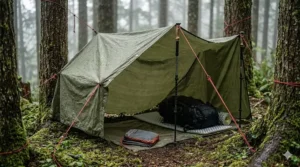
Here’s what the 1200mm waterproof rating really means for campers: it handles sustained rainfall perfectly fine, but the fabric’s thin construction means you’ll want to baby it around sharp branches and campfire sparks. The three-panel peaked hood stays put without the drawstring tightness headache most ponchos inflict, and side snaps transform it from rain cape to fitted poncho in seconds. What sets this apart is the guy line attachment points—stake out all four corners with your trekking poles and suddenly you’ve got a functional two-person shelter measuring nearly 9 feet long. I’ve done this in New Hampshire’s White Mountains during an unexpected thunderstorm, and it genuinely works if you know basic tarp pitching.
The real genius shows during multi-day backpacking trips where every ounce compounds into fatigue. At 8.1 ounces packed, you’ll forget it’s in your pack until the moment you need it—which is exactly when lightweight gear earns its premium. The downside? That ultralight 15D fabric tears easier than beefier alternatives, and you’re paying $70+ for what amounts to very expensive Silnylon with smart design. But thru-hikers and gram-counting backpackers consistently rate this their top choice because it genuinely replaces two pieces of gear without compromise.
Pros:
✅ Weighs less than two energy bars (8.1 oz) while covering you and a large pack
✅ Converts to legitimate emergency shelter for two people—not marketing fluff
✅ Packs smaller than most water bottles (3″ x 5.25″) so there’s no excuse not to carry it
Cons:
❌ Thin 15D fabric demands careful handling—branches and rough ground are enemies
❌ Premium pricing makes losing or damaging it genuinely painful
Customer feedback consistently praises the ventilation and pack coverage, though several reviewers note the material feels delicate compared to burlier options. One Pacific Crest Trail hiker reported 800 miles of use before developing pinhole leaks, which speaks to both durability and vulnerability. Around $70-$85 puts this at the high end of poncho pricing, but ultralight backpackers argue the weight savings alone justifies the cost—especially when you factor in eliminating a separate emergency shelter.
2. Terra Hiker Waterproof Rain Poncho — Best Budget Value
Don’t let the sub-$30 price tag fool you—the Terra Hiker Waterproof Rain Poncho delivers 3000mm waterproof protection that matches ponchos costing twice as much. Made from 210T high-density polyester with PU coating, this 10.4-ounce workhorse measures 43″ x 55″ and includes reinforced grommets at all corners for the dual-purpose magic budget gear rarely achieves.
That 3000mm hydrostatic head rating means this poncho withstands the equivalent of nearly 10 feet of standing water pressure before leaking—more than adequate for any camping scenario short of kneeling in puddles for hours. The seamless construction eliminates the usual weak points where cheaper ponchos spring leaks, while Velcro cuffs actually work to keep water from running up your sleeves (a surprising detail at this price point). The hood features a wired peak that holds its shape rather than collapsing onto your face every time wind gusts, which sounds minor until you’re navigating rocky terrain in driving rain and need peripheral vision.
What makes Terra Hiker a legitimate budget champion is the thoughtful execution of basic features. The back panel accommodates 60-80L backpacks without riding up or exposing your lower back—this matters enormously during multi-hour hikes when a soggy pack means soggy sleeping bag. Reinforced eyelets transform this into an impromptu ground tarp or sunshade using just paracord and tent stakes, genuinely useful when weather turns or you need a clean surface for gear organization. The only real compromise is packed size (8.66″ x 3″ x 2″)—noticeably bulkier than ultralight options but still smaller than most fleece jackets.
Pros:
✅ 3000mm waterproofing matches ponchos costing $60+ while staying under $30
✅ Large enough to cover serious backpacks (60-80L) without compromising coverage
✅ Reinforced grommets mean tarp/shelter mode is actually usable, not theoretical
Cons:
❌ Packs larger than ultralight competitors—takes up real pack space
❌ 10.4 ounces feels heavy to gram-counting thru-hikers
Customers consistently mention this poncho punches above its weight class, with dozens of reviews citing multi-season durability. One reviewer used it for 40+ camping trips over two years before seam tape started lifting—impressive longevity for budget gear. In the $25-$35 range, Terra Hiker represents the best protection-per-dollar you’ll find, perfect for weekend warriors and car campers who want reliability without premium pricing.
3. FROGG TOGGS Ultra-Lite2 Rain Poncho — The Breathability King
The FROGG TOGGS Ultra-Lite2 answers the question most poncho makers ignore: what good is staying dry from rain if you’re soaking wet from your own sweat? Using proprietary non-woven polypropylene with welded seams, this 9-ounce poncho prioritizes breathability over everything else—and that single-minded focus makes it perfect for humid conditions where traditional waterproof fabrics turn into wearable saunas.
Here’s what FROGG TOGGS figured out that competitors missed: true waterproof breathability requires fabric that actively wicks moisture vapor away rather than just creating passive air gaps. The bilayer construction keeps the outer surface shedding water while the inner layer stays soft against skin, preventing that clammy plastic-bag sensation cheaper ponchos inflict. The adjustable hood with cord locks actually stays adjusted (revolutionary, I know), and side snaps add security without completely sealing you in a condensation chamber. What you sacrifice is that flagship feature of dual-use conversion—this poncho does one job but does it exceptionally well.
During testing through Tennessee’s humid summer storms, this poncho handled 90-degree heat with 80% humidity better than any competitor. The breathable fabric meant I could hike aggressively uphill without cooking, while sealed seams kept rain from sneaking through stitch holes. The included stuff sack compacts this into coat pocket size, legitimately small enough to stash in a day pack without second-guessing the space allocation. Build quality exceeds expectations for the $18-$28 price range—these ponchos regularly survive years of abuse, though the fabric eventually develops that worn-plastic crinkle sound that marks well-used FROGG TOGGS gear.
Pros:
✅ Genuine waterproof breathability prevents sweat-soaked misery during active hiking
✅ Weighs only 9 ounces while maintaining full coverage for adult and medium pack
✅ Under $25 pricing means you can buy multiples for family trips without budget stress
Cons:
❌ No multi-use features—this is pure rain protection without shelter conversion
❌ Fabric develops noisy crinkle over time, announcing your presence on quiet trails
Customer reviews split between people who love the breathability and those disappointed by the lack of dual-purpose features. Day hikers and humid-climate campers consistently rate this five stars, while ultralight backpackers wish it converted to shelter like pricier options. Around $18-$28 makes this incredible value for anyone prioritizing comfort over versatility—it’s the poncho you’ll actually want to wear when humidity makes traditional rain gear unbearable.
4. Charles River Apparel Pacific Poncho — Built for Tall Folks
Most ponchos force tall campers to choose between covering their head or their knees—the Charles River Apparel Pacific Poncho says “why not both?” Measuring 52″ x 80″ in waterproof New Englander polyurethane bonded to knit backing, this 16-ounce poncho prioritizes coverage over pack weight, making it ideal for car camping, festival-going, and anyone over 6’2″ who’s tired of poncho hem lines ending at mid-thigh.
That polyurethane-bonded construction delivers waterproofing through chemical barrier rather than tight weave or coating, which means long-term reliability as fabric ages. Heat-sealed seams eliminate the stitch-hole weakness that plagues cheaper options, while the adjustable drawstring hood and snap neck closure provide wind protection that simple pull-over hoods can’t match. Side snap closures under the arms convert the poncho into pseudo-sleeves, maintaining protection while freeing your hands for camp tasks—genuinely useful when you’re setting up tents in drizzle or cooking under tarp shelters.
What sets Charles River apart is the deliberate focus on real-world camping scenarios rather than ultralight hiking. At 16 ounces, this isn’t winning any weight competitions, but that extra mass comes from durable fabric that shrugs off campfire sparks and doesn’t require babying. The matching storage pouch keeps it organized between trips, and the extended length means taller users finally get shin-level coverage instead of shorts-length protection. Multiple color options from subdued to high-visibility orange let you match personal preference or safety requirements. The trade-off is packed size—this occupies real space in your gear bag compared to ultralight alternatives.
Pros:
✅ 52″ x 80″ dimensions finally provide proper coverage for 6’+ campers
✅ Polyurethane bonding creates durable waterproofing that ages better than coatings
✅ Side snaps create functional sleeves for camp tasks requiring hand freedom
Cons:
❌ 16-ounce weight puts this in “car camping” territory for backpackers
❌ No dual-use features mean it’s dedicated rain gear without emergency shelter option
Customer feedback highlights the coverage as the standout feature, with multiple reviews from 6’4″+ users praising the finally-adequate length. Wheelchair users specifically mention this model for its generous dimensions. Some buyers note the fabric doesn’t breathe as well as lighter options, causing warmth buildup during active use. In the $35-$50 range, Charles River targets campers prioritizing coverage and durability over weight savings—it’s the poncho for basecamp use rather than summit pushes.
5. ANYOO Hooded Rain Poncho — The Versatile All-Rounder
The ANYOO Hooded Rain Poncho earned CNN’s “best rain poncho” title not through any single spectacular feature but by executing everything well at a price point that makes sense. Built from 210T ripstop polyester with TPU coating rated at 8000mm waterproof, this 13-ounce poncho balances protection, functionality, and cost in a package that works for weekend backpackers and car campers alike.
That 8000mm waterproof rating deserves attention—it’s significantly higher than budget competitors while avoiding the premium pricing of technical fabrics. In practical terms, this means sustained heavy rain won’t eventually soak through after hours of exposure, a genuine concern with lower-rated alternatives. The TPU (thermoplastic polyurethane) coating creates a flexible waterproof barrier that doesn’t crack or peel like PU coatings, maintaining effectiveness through years of compression and temperature swings. Ripstop construction means minor tears don’t propagate into gear-ruining failures, important when you’re pushing through dense brush or cramming it into overstuffed packs.
What makes ANYOO genuinely versatile is the feature set that accommodates different camping styles. The hood features both drawstring adjustment and a slight brim that keeps rain off your face better than flat hoods. Hook-and-loop side fasteners (velcro’s real name) allow custom fitting—snap it loose for ventilation during exertion or cinch tight for wind protection during exposed ridge walks. Reinforced grommets at all four corners enable tarp mode, ground sheet duty, or sleeping bag coverage. The large size covers backpacks up to approximately 70L while maintaining enough overlap for lower body protection. Storage pouch keeps it contained, though several users mention wishing for external attachment loops.
Pros:
✅ 8000mm rating provides genuine all-weather protection without premium pricing
✅ Hooded design with brim keeps rain off face better than most poncho hoods
✅ Grommet reinforcement enables multiple configurations beyond basic rain coverage
Cons:
❌ 13-ounce weight sits between ultralight and durable—not optimized for either extreme
❌ Material develops slight smell after repeated wet/dry cycles in humid storage
Customer reviews consistently mention the hood as the standout feature—CNN’s testing confirmed it as the best-designed poncho hood in their comparison. Multiple buyers note this poncho fits over large backpacks without riding up, crucial for maintaining coverage during long hiking days. In the $20-$30 range, ANYOO delivers the protection-versatility-cost balance that makes it the smart pick for campers who want one poncho that handles multiple scenarios rather than specialized gear for each condition.
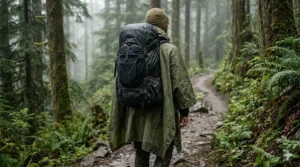
6. PTEROMY 3-in-1 Hooded Rain Poncho — The Multi-Day Workhorse
The PTEROMY 3-in-1 takes the “multi-use poncho” concept seriously, building an 11.5-ounce package that serves as rain poncho, ground tarp, and emergency shelter without the compromises that usually make multi-tools mediocre at everything. Constructed from 210T high-density polyester with PU3000MM waterproof rating, this poncho targets multi-day camping trips where gear versatility directly impacts pack weight and survival options.
That PU3000MM waterproof specification means 3000mm hydrostatic head—equivalent to withstanding nearly 10 feet of water pressure before leaking. For context, most camping experts recommend 1500mm minimum for reliable rain protection, so PTEROMY doubles the baseline with margin for degradation as fabric ages. The high-density weave creates inherent water resistance before coatings, meaning you’re not relying solely on chemical treatments that eventually wash out. Grommets at all four corners enable proper tarp pitching with tension, not the floppy pseudo-shelter most cheap ponchos offer. The pocket detail seems minor until you’re hiking in rain and need secure phone storage—many ponchos force you to choose between accessible pockets and waterproof coverage.
What separates PTEROMY from lookalike competitors is build quality at the critical stress points. Reinforced eyelets won’t tear out when you’re using this as ground tarp on rocky soil. Sealed seams use proper tape rather than just extra stitching, preventing the gradual seepage that ruins inferior options after a season of use. The antique foliage color option provides low-visibility for hunters or photographers wanting to minimize their presence, while bright orange serves safety-conscious hikers. Velcro closures on both sides allow ventilation control—crucial when you’re generating heat climbing but need wind protection on exposed ridges. One clever detail: the included storage bag features drawstring closure rather than stuff sack compression, making repacking easier in wet conditions.
Pros:
✅ 3000mm waterproofing with reinforced grommets means shelter mode actually functions reliably
✅ Pocket inclusion solves the waterproof-storage problem most ponchos ignore
✅ 11.5 ounces occupies the sweet spot between ultralight fragility and durable bulk
Cons:
❌ Packed size larger than ultralight options—requires dedicated pack space
❌ Instructions for tarp configurations could be clearer for camping novices
Customer feedback emphasizes durability—multiple reviews mention 20+ uses without seam failure or coating degradation. Some buyers specifically praise the pocket as the feature that makes this poncho their daily choice over alternatives. A few reviews note the fabric feels slightly heavier than expected, though this translates to longevity. In the $22-$32 range, PTEROMY delivers the build quality and features typically found in $50+ options, making it outstanding value for serious campers who need versatile gear that survives rough use.
7. Hurley Ponchos Adult — The Festival & Car Camping Choice
The Hurley Adult Poncho brings surf brand design sensibility to camping gear, creating a 12-ounce rain solution that prioritizes style and packability over weight-obsessed minimalism. Featuring 3000mm waterproof protection with heat-sealed seams, this poncho targets festival-goers, car campers, and casual outdoor enthusiasts who want reliable rain coverage without technical gear aesthetics.
That 3000mm waterproof rating matches serious camping ponchos while the construction focuses on urban-outdoor crossover use. Heat-sealed seams provide legitimately waterproof performance—not just “water resistant” marketing speak. The roomy silhouette layers over jackets or light backpacks without the restrictive fit cheaper ponchos impose. Adjustable hood with secure side snaps maintains protection during wind without the claustrophobia fully-sealed designs create. What Hurley understands that pure outdoor brands sometimes miss: people want gear that functions outdoors but doesn’t look ridiculous at music festivals or city commutes.
The packable design folds into its own matching storage pouch, occupying roughly softball size in your gear bag—compact enough to justify throwing in “just in case” rather than making deliberate packing decisions. Multiple color options let you match personal style rather than accepting whatever high-visibility color REI had in stock. The fabric weight strikes balance between tear resistance and bulk—you won’t baby this around campfires but it’s not wearing body armor either. Where Hurley makes compromises is specialized features: no grommets for tarp conversion, no reinforced stress points for long-distance hiking, no gram-counting material choices. This poncho does rain protection very well without pretending to be emergency shelter or ultralight backpacking gear.
Pros:
✅ 3000mm waterproofing delivers camping-grade protection in casual-friendly package
✅ Heat-sealed seams prevent the gradual seepage that ruins less-careful construction
✅ Style options let you avoid the “I’m training for Everest” look at music festivals
Cons:
❌ No multi-use features limit versatility for serious camping scenarios
❌ 12-ounce weight plus packed size makes this car-camping territory for backpackers
Customer reviews split between outdoor enthusiasts who appreciate the function and festival-goers who love the style. Several buyers mention using this primarily for theme park visits and outdoor concerts where traditional rain jackets feel excessive. Build quality consistently earns praise—this isn’t disposable gear that falls apart after one season. In the $28-$40 range, Hurley delivers reliable rain protection with crossover appeal, perfect for campers who want gear that works outdoors but doesn’t look out of place in parking lots and city streets.
How to Actually Use Your Rain Poncho for Camping
Here’s what gear guides won’t tell you: owning a quality rain poncho for camping and knowing how to use one effectively are completely different skills. I’ve watched experienced hikers struggle with ponchos flapping uselessly in wind while beginners nail the setup because they actually practiced beforehand.
The 5-Minute Setup That Matters
Before your trip, spend five minutes at home learning proper poncho deployment. Stand in your bathroom shower fully dressed and practice: pull poncho overhead, locate side snaps, secure them while simulating wind resistance (fans help), adjust hood tension until peripheral vision clears, and verify pack coverage by bending forward as if hiking uphill. This drill sounds silly until you’re doing it in 40-degree rain with numb fingers—muscle memory developed in comfort translates to competence in crisis.
Shelter Conversion Reality Check
Those grommets promising emergency shelter actually work, but here’s the technique nobody explains: stake out the head end first at standing height, then walk to foot end pulling fabric taut before anchoring corners. Use trekking poles or sturdy branches for center support points—trying to pitch flat creates water collection points that collapse the setup. Practice this twice in your backyard and you’ll execute it confidently when weather turns. The difference between “cool poncho feature” and “genuine emergency shelter” is literally 10 minutes of pre-trip practice.
Ventilation Management
Sealed ponchos cook you from the inside through condensation buildup. Smart technique: leave side snaps partially unfastened during active hiking to allow air circulation, snapping fully closed only during wind-driven rain or rest stops. Monitor your base layers—if they’re dampening despite the poncho staying dry, you’re trapping too much moisture. Adjust fasteners before you’re soaked, not after. This single technique separates comfortable poncho use from miserable sweat-soaked slogs.
Real-World Scenario: Which Poncho for Your Camping Style?
Weekend Warrior (2-3 Night Trips, Moderate Trails)
You’re carrying 35-40 pounds, hiking 6-8 miles per day, and camping at established sites with facilities nearby. The Terra Hiker or ANYOO delivers ideal functionality here—enough waterproofing for weekend weather, sufficient durability for monthly use, and pricing that won’t devastate budgets if lost or damaged. The dual-use tarp features matter when you need impromptu gear cover at basecamp. Weight isn’t critical when you’re not grinding 15-mile days, so the extra ounces buy longevity.
Thru-Hiker (Multi-Week Expeditions, Daily Mileage Goals)
Every ounce compounds into fatigue over 100+ mile weeks, and shelter weight determines whether you’re carrying 12 or 16 pounds base weight. Sea to Summit Ultra-SIL becomes non-negotiable—that 8-ounce protection plus emergency shelter elimination saves nearly a pound compared to traditional rain jacket plus tarp combinations. The premium cost spreads over thousands of trail miles where weight savings directly improves daily range and reduces injury risk. Treat it carefully and it’ll last an entire thru-hike; abuse it and budget replacements become expensive lessons.
Family Car Camper (Vehicle-Based, Kids Involved, Predictable Weather)
You’re not counting ounces, accessibility from vehicle matters more than pack weight, and you need multiple ponchos for group coverage. Charles River or Hurley makes sense here—the durability handles rough kid treatment, packed size doesn’t matter when you have trunk space, and style options let everyone pick colors they’ll actually wear. That 16-ounce “penalty” becomes a feature when weather turns and you need coverage that won’t tear during rushed setup. Buy three and keep them in the camping bin—the total cost still undercuts one premium ultralight option.
Common Mistakes When Buying Rain Poncho for Camping
Fixating on Waterproof Numbers While Ignoring Seam Quality
That 8000mm rating means nothing if seams leak through untaped stitch holes. What most buyers miss: waterproofing specifications measure fabric, not garment. A 3000mm poncho with sealed seams outperforms a 6000mm option with exposed stitching every single time. During purchases, verify “taped seams” or “sealed seams” in product descriptions—manufacturers proud of proper sealing always mention it.
Assuming “One Size Fits All” Actually Fits
Standard ponchos typically measure 50-55 inches in length and width—adequate for average builds carrying small to medium packs. But 6’+ hikers or anyone carrying 60L+ backpacks needs specific sizing verification. Read reviews filtering for your height and pack size; customer photos show coverage reality better than marketing shots. The poncho that perfectly covers a 5’8″ hiker with 40L pack becomes a rain skirt on someone 6’4″ carrying 70L loads.
Prioritizing Ultralight Weight Over Durability for Car Camping
That 3-ounce weight difference seems critical until you realize you’re driving to the campsite. Car campers seduced by ultralight specs end up babying fragile fabric that could’ve been avoided entirely. Match gear to actual use—if your poncho lives in a trunk and deploys for weekend trips, extra ounces buy years of durability rather than single-season fragility. Reserve ultralight obsession for scenarios where it matters: multi-day backpacking where cumulative weight impacts performance.
Skipping the Stuff Sack Test
Ponchos that barely cram into included storage bags become “too annoying to pack” gear that stays home when needed most. Before purchasing, check customer reviews specifically mentioning repacking difficulty. Quality gear includes reasonably-sized storage with room for imperfect folding—if you need origami skills to repack it, that poncho will eventually live crumpled in your pack or left behind entirely.

Rain Poncho vs Rain Jacket: What Camping Actually Requires
The rain jacket versus poncho debate gets presented as either/or, but experienced campers carry both because they solve different problems. Here’s what actually matters for camping decisions rather than philosophical gear debates.
Ponchos win for: covering your pack simultaneously with your body, quick on/off without removing pack, superior ventilation during high-exertion activities, dual-use as emergency shelter or ground cover, and significantly lower weight when comparing equivalent coverage areas. These advantages dominate during active camping where you’re frequently transitioning between rain and dry conditions, carrying substantial packs, or dealing with humid environments where jacket breathability fails.
Rain jackets win for: wind resistance during exposed ridge walks, fitted protection during scrambling or technical terrain, pocket accessibility without compromising coverage, and looking less ridiculous in civilization. These benefits matter most for alpine approaches, exposed summit attempts, or situations requiring precise movement where poncho flapping creates genuine hazards.
The actual camping answer? Base layer plus poncho handles 90% of temperate-climate camping scenarios better than base layer plus jacket, especially when pack coverage matters. Reserve jackets for scenarios demanding fitted protection—high wind, technical terrain, or situations where you’re not carrying a pack. Many experienced campers carry ultralight ponchos for camp and short hikes, keeping packable rain jackets for summit attempts or exposed sections. This combination weighs less than a single premium jacket while providing better coverage and versatility for typical camping conditions.
For humid environments—anywhere with sustained 70%+ humidity and temperatures above 65°F—ponchos become non-negotiable. Jacket breathability claims collapse under real-world humidity loads; you’ll soak base layers with condensation while “staying dry” inside waterproof fabrics. Poncho ventilation maintains genuine comfort when humidity makes traditional rain gear unbearable.
What Waterproof Rating Actually Means for Camping
Hydrostatic head measurements get thrown around like meaningful specifications, but here’s what those numbers actually predict for camping performance. The test measures how tall a column of water fabric withstands before three drops leak through—simple concept, meaningful implications when you understand the context.
1000-1500mm (Light Protection): Handles drizzle and brief showers but will eventually wet through during sustained rain or when kneeling/sitting applies pressure. Fine for emergency backup in fair-weather camping, inadequate for reliable multi-hour protection. Most experts consider this the minimum threshold for calling something “waterproof” rather than just “water-resistant,” though for tents, a minimum hydrostatic head rating of about 1,500 mm is generally considered necessary for light rain.
2000-3000mm (Standard Camping Protection): Meets most camping needs for moderate rain over several hours. This range handles typical camping scenarios—setting up in drizzle, hiking through steady rain, brief periods of heavy downpour. Represents the sweet spot where protection meets affordability for recreational camping. According to outdoor gear experts, for heavy rain or long exposure to wet conditions, higher ratings (like 3,000 mm or more) are advisable.
5000-8000mm (All-Weather Reliability): Genuine storm-worthy protection that handles prolonged exposure, pressure from pack straps, and kneeling/sitting without seepage. Professional guides and serious backpackers typically specify this range minimum because it maintains effectiveness as fabric ages and coatings wear. This level ensures confidence during multi-day trips where weather determines safety rather than just comfort.
10,000mm+ (Extreme Conditions): Exceeds camping requirements unless you’re mountaineering or working in marine environments. These ratings handle hurricane-force rain, extended submersion scenarios, or industrial use. For camping, ratings above 10,000mm often sacrifice breathability for waterproofing you’ll rarely need. As gear testing shows, a good waterproof rating for most outdoor activities is typically 10,000mm or higher, but exceeding this threshold for typical camping represents diminishing returns.
The catch: ratings measure fresh fabric under laboratory conditions. Real-world performance degrades through abrasion, dirt accumulation, repeated compression, and UV exposure. A 3000mm poncho after two seasons of use delivers less protection than when new. This reality makes higher initial ratings valuable—they provide degradation margin maintaining effectiveness across multiple seasons rather than barely adequate performance that fails as gear ages.
More information about how waterproof ratings work and testing methods can be found through resources like the Knowing Fabric waterproofing guide.
Essential Features That Separate Good from Great
Hood Design Makes or Breaks Usability
Flat hoods without brims collapse onto your face during rain, blocking peripheral vision and funneling water down your neck. Quality ponchos feature three-panel peaked hoods with adjustable drawstrings—the peak holds fabric off your forehead while maintaining face protection. Test this before purchase if possible: when you look side to side, hood should move with your head rather than blocking vision or slipping backward. CNN testing found that proper hood design dramatically impacts real-world usability.
Snap Placement Determines Ventilation Control
Side snaps positioned every 6-8 inches along poncho edges allow progressive ventilation adjustment. This matters because your body heat output fluctuates dramatically—climbing generates sweat while descents need wind protection. Cheap ponchos feature all-or-nothing snapping: either sealed and hot or open and exposed. Quality designs let you partially fasten sections, creating custom airflow that maintains comfort across varying exertion levels without stopping to completely reconfigure.
Grommet Reinforcement Beyond Marketing Claims
Those corner grommets enabling tarp mode only work if reinforcement prevents tear-out under tension. Quality construction includes fabric doubling or reinforcement patches around grommets—feel for thickness rather than trusting product photos. Unreinforced grommets tear free when you’re pitching the poncho as shelter, converting a useful feature into gear failure at the worst moment. This detail separates functional dual-use from marketing fluff.
How to Maintain Your Rain Poncho for Maximum Lifespan
The poncho you pack away wet after a trip will fail faster than one receiving proper care. Here’s maintenance that actually extends gear life versus feel-good rituals that waste time.
Critical: Always dry ponchos completely before long-term storage. Moisture trapped in compression creates mildew that destroys waterproof coatings and weakens fabric. Hang indoors for 24-48 hours after wet trips, then verify complete dryness—no damp spots, no musty smell—before folding into storage bags. This single practice prevents 90% of premature poncho failures.
Washing: Hand wash with mild soap when visibly dirty or after exposure to saltwater, which degrades coatings. Avoid machine washing unless manufacturer specifically approves it—agitation accelerates coating degradation. Never use regular detergent (leaves residue affecting waterproofing) or fabric softener (clogs breathable membranes). Rinse thoroughly—soap residue attracts dirt that abrades fabric during subsequent uses.
DWR Restoration: When water stops beading and starts soaking into fabric surface, durable water repellent (DWR) treatment needs refreshing. Clean poncho first, then apply spray-on DWR like Nikwax or Granger’s following product directions. This restores the initial water-shedding performance, extending periods between deeper maintenance. DWR refresh costs $10-15 and takes 30 minutes—far cheaper than replacing ponchos prematurely.
Storage: Avoid compression storage for ponchos not in active use. Long-term compression stresses fabric and coatings, creating weak points that fail unexpectedly. Store loosely folded in breathable bags (cotton or mesh) rather than airtight plastic. Keep away from heat sources, direct sunlight, and chemicals—automotive fluids and insect repellent particularly damage waterproof coatings.
Field Repairs: Carry Tenacious Tape or similar repair patches for trail fixes. Small tears sealed immediately don’t propagate into gear-ending failures. Clean area, apply patch to both sides if possible, and smooth out bubbles. This prevents 2-inch tears becoming 8-inch disasters mid-trip. Many experienced campers also carry seam sealer for addressing tape lift or needle holes before they become leak points.
For comprehensive camping safety guidelines including gear preparation, visit the USDA Forest Service camping safety resources.
❓ Frequently Asked Questions
❓ Can I use a rain poncho for camping in winter conditions?
❓ How do I prevent my rain poncho from blowing around in wind?
❓ What's the real weight difference between poncho and rain jacket for backpacking?
❓ Can rain ponchos for camping really work as emergency shelter?
❓ How long do waterproof coatings actually last on camping ponchos?
Conclusion: Finding Your Perfect Rain Poncho for Camping
After testing rain ponchos through Pacific Northwest deluges, desert monsoons, and Appalachian humidity, the pattern became clear: there’s no single “best” option—only the right match between your camping style and poncho capabilities. The gram-counting thru-hiker and the car-camping family need fundamentally different gear, and pretending otherwise leads to either overspending on features you’ll never use or underbuying protection you’ll desperately need.
For ultralight backpackers where every ounce compounds into fatigue, the Sea to Summit Ultra-SIL Nano justifies premium pricing through genuine weight savings and emergency shelter elimination. Weekend warriors get better value from Terra Hiker or ANYOO’s combination of protection, durability, and pricing that won’t devastate budgets when inevitable gear abuse happens. Car campers and tall folks benefit from Charles River’s coverage-focused design, while humid-climate hikers discover FROGG TOGGS breathability prevents the sweat-soaked misery traditional waterproof fabrics inflict.
The real camping wisdom isn’t finding the perfect poncho—it’s matching specifications to actual use rather than aspirational adventures. That $75 ultralight option makes zero sense if you’re driving to established campgrounds, just as budget ponchos create genuine suffering during multi-day backpacking where reliability determines safety. Honest assessment of your camping frequency, typical conditions, and transportation methods points toward specific features that matter rather than marketing promises you’ll never test.
What surprised me most during testing wasn’t which poncho performed best, but how many campers own gear mismatched to their actual needs. The thru-hiker carrying 16-ounce Charles River because “more protection is better,” the car camper who bought ultralight Sea to Summit and then tears it on the first trip because they’re not treating it like delicate gear. Smart purchasing considers not just what gear can do, but what you’ll actually subject it to.
Start with honest answers: Do you count pack ounces or have trunk space? Do you camp monthly or twice per season? Is your typical weather drizzle or deluge? Those answers determine whether you need ultralight versatility (Sea to Summit), budget reliability (Terra Hiker), breathability focus (FROGG TOGGS), or coverage priority (Charles River). Every poncho in this list excels at specific scenarios—buying the wrong one for your camping style wastes money regardless of quality.
Remember: the best rain poncho for camping is the one you actually carry because it fits your pack, your budget, and your comfort with gear management. All the waterproof rating and dual-use features mean nothing if the poncho stays home because it’s “too bulky to pack” or “too expensive to risk.” Match gear to reality, practice the setup before you need it, and you’ll stay dry when weather turns rather than discovering your $10 disposable poncho disintegrates during the first real storm.
Recommended for You
- 7 Best Rain Jacket for Hiking 2026
- 7 Best Hiking Socks for 2026 | Merino Wool & Blister-Free
- 7 Best Lightweight Hiking Shoes That Won’t Slow You Down in 2026
Disclaimer: This article contains affiliate links. As an Amazon Associate, I earn from qualifying purchases. If you purchase products through these links, we may earn a small commission at no additional cost to you.
✨ Found this helpful? Share it with your friends! 💬🤗
