
In This Article
✨Was this helpful? Spread the word!
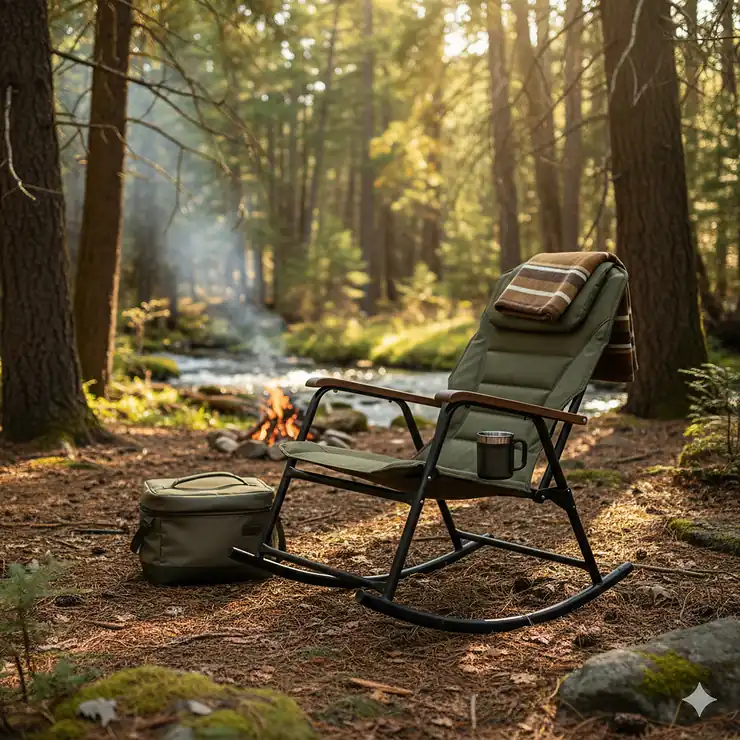
Picture this: you’re sitting around a crackling campfire, the stars beginning to twinkle overhead, and you’re gently rocking back and forth in perfect comfort. That’s the magic a quality camp chair rocker brings to your outdoor adventures. Whether you’re camping, tailgating, fishing, or simply enjoying your backyard, finding the right rocking camping chair can transform any outdoor experience from ordinary to extraordinary.
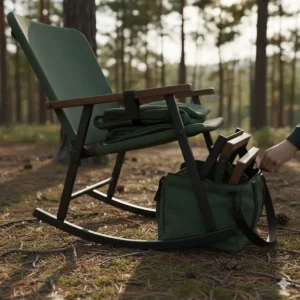
The popularity of camp chair rocker models has exploded in recent years, and for good reason. These innovative outdoor furniture pieces combine the portability of traditional camping chairs with the soothing motion of a rocking chair. Unlike stationary camp chairs that can leave you feeling stiff after hours of sitting, a rocking camp chair encourages gentle movement that promotes better circulation and reduces muscle fatigue.
In this comprehensive guide, we’ll explore everything you need to know about camp chair rocker options, from understanding the technology behind their smooth rocking motion to selecting the perfect model for your specific needs. We’ve researched and tested numerous rocking camping chair models to bring you authentic reviews and detailed comparisons that will help you make an informed decision.
Understanding Camp Chair Rocker Technology
The Science Behind Smooth Rocking Motion
Modern camp chair rocker designs utilize sophisticated engineering principles to create that perfect rocking experience on any terrain. The most advanced models feature Spring-Action Rocking Technology, which uses specially designed shock absorbers and spring mechanisms to provide consistent motion whether you’re on grass, gravel, sand, or concrete.
Traditional rocking chairs rely on curved wooden rockers that only work on flat surfaces. However, today’s camping rocking chair models employ different approaches to achieve that soothing back-and-forth motion. Some use curved steel bases that distribute weight evenly across the ground, while others incorporate specialized spring systems that absorb ground irregularities.
The “hydraulic motion” principle is particularly fascinating. When you lean back in a quality camp chair rocker, the spring system compresses and then releases, creating a natural pendulum effect. This technology ensures smooth operation without the jarring motion that can occur with cheaper alternatives.
Material Innovation and Durability
The frame construction of a rocking camping chair typically involves powder-coated steel or aluminum components designed to withstand outdoor conditions. High-grade steel frames offer superior durability and weight capacity, often supporting 300-500 pounds, while aluminum alternatives provide lighter weight at the cost of some load-bearing capability.
Fabric technology has also advanced significantly. Modern camp chair rocker models use high-density polyester, ripstop nylon, or specialized mesh materials that resist UV damage, mildew, and tearing. Many incorporate 600D Oxford fabric, which provides excellent durability while maintaining breathability.
Top 7 Camp Chair Rocker Models: Detailed Analysis
1. GCI Outdoor Freestyle Rocker XL with Side Table
The GCI Outdoor Freestyle Rocker XL stands as the premium choice for serious outdoor enthusiasts who refuse to compromise on comfort. This exceptional camp chair rocker features an impressive 400-pound weight capacity and measures 25.6″ x 26.4″ x 34.8″ when fully deployed, providing generous space for users of all sizes.
Key Specifications:
- Weight: 14.5 pounds
- Capacity: 400 pounds
- Folded dimensions: 25″ x 4.9″ x 34.8″
- Seat height: 20 inches
- Price range: $85-$110
The GCI Outdoor Freestyle Rocker XL incorporates patented Spring-Action Rocking Technology that delivers smooth motion on virtually any surface. The attached side table adds tremendous functionality, perfect for holding drinks, snacks, or small camping accessories. The mesh backing promotes airflow during hot summer days, while padded armrests provide comfortable support for extended relaxation sessions.
Customer reviews consistently praise this rocking camping chair for its sturdy construction and effortless setup using GCI’s Eazy-Fold Technology. The built-in carry handle makes transportation simple, though the 14.5-pound weight makes it better suited for car camping rather than backpacking adventures.
2. EVER ADVANCED Oversized Folding Rocking Camping Chair
For those seeking maximum comfort and padding, the EVER ADVANCED Oversized Folding Rocking Camping Chair delivers exceptional value. This heavily padded camp chair rocker provides a luxurious outdoor seating experience with its fully cushioned design and oversized dimensions.
Key Specifications:
- Weight: 17.99 pounds
- Capacity: 400 pounds
- Open dimensions: 38.58″ x 25″ x 40″
- Folded dimensions: 11″ x 9.4″ x 39.4″
- Price range: $99-$139
The EVER ADVANCED model features hard armrests that make getting in and out significantly easier than soft-arm alternatives. This rocking camping chair includes convenient side pockets and a secure cup holder, plus a high-quality carry bag for storage and transportation.
What sets this camp chair rocker apart is its attention to comfort details. The generous padding extends throughout the seat and backrest, while the powder-coated steel frame ensures years of reliable service. The rocking mechanism operates smoothly on various terrains, making it equally suitable for campsites, patios, or sporting events.
3. TIMBER RIDGE Folding Oversized Rocking Camping Chair
The TIMBER RIDGE Folding Oversized Rocking Camping Chair represents excellent engineering focused on both comfort and portability. This camp chair rocker features an extra-wide 23.8-inch seat—significantly broader than standard camping chairs—combined with reliable 400-pound weight capacity.
Key Specifications:
- Weight: 14.4 pounds
- Capacity: 400 pounds
- Seat width: 23.8 inches
- Folded thickness: 4.72 inches
- Price range: $85-$120
The TIMBER RIDGE model incorporates reinforced steel frame construction with durable 600D Oxford fabric that resists wear and weather exposure. The quick-folding design requires no assembly and sets up in seconds, while the compact folded profile makes storage and transport convenient.
This rocking camping chair excels in versatility, performing equally well on grass, sand, or concrete surfaces. The built-in side pocket accommodates phones, books, and small essentials, while the sturdy cup holder keeps beverages secure during rocking motion.
4. Portal Oversized Folding Rocking Camping Chair
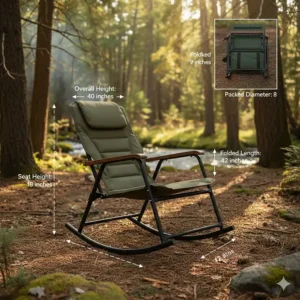
The Portal Oversized Folding Rocking Camping Chair offers multiple configuration options to suit different preferences and budgets. Available in both mesh-back and fully-padded versions, this camp chair rocker provides flexibility for various outdoor activities and weather conditions.
Key Specifications:
- Weight: 15-16 pounds (varies by model)
- Capacity: 400 pounds
- Back height: 29 inches
- Price range: $75-$99
The Portal brand offers two distinct versions of their rocking camping chair. The mesh-back variant features honeycomb ventilation that promotes cooling airflow, ideal for hot summer camping trips. The padded version provides superior cushioning for extended relaxation sessions.
Both models feature hard armrests for easy entry and exit, plus convenient storage pockets and cup holders. The unique folding system creates a compact bundle that fits easily in most vehicle storage areas, making this camp chair rocker an excellent choice for families who need multiple chairs.
5. Portal Standard Rocking Chair (Compact Design)
For those prioritizing portability without sacrificing comfort, the Portal Standard Rocking Chair delivers impressive functionality in a more compact package. This rocking camping chair targets users who need lighter weight and smaller storage requirements.
Key Specifications:
- Weight: 14.5 pounds
- Capacity: 350 pounds
- Seat height: 18 inches
- Back height: 24 inches
- Price range: $60-$85
The Portal Standard model excels in portability applications. Its lighter weight and smaller folded size make it ideal for situations requiring longer carries or limited storage space. Despite the compact design, this camp chair rocker maintains comfortable proportions for most users.
Customer feedback highlights the exceptional value proposition of this rocking camping chair. The 10-second setup process and shoulder-carry capability make it perfect for sporting events, beach trips, or festival attendance where convenience is paramount.
6. TIMBER RIDGE Portable Rocking Camping Chair (2-Pack)
The TIMBER RIDGE Portable Rocking Camping Chair comes in a convenient 2-pack configuration, perfect for couples or families who want matching outdoor furniture. This camp chair rocker emphasizes affordability while maintaining quality construction standards.
Key Specifications:
- Weight: 15 pounds each
- Capacity: 300 pounds each
- Folded dimensions: 7.48″ x 5.51″ x 38.98″
- Open dimensions: 22.83″ x 20.47″ x 33.07″
- Price range: $85-$110 (for 2-pack)
The TIMBER RIDGE 2-pack represents exceptional value for money in the rocking camping chair category. Each chair features a curved steel base that provides stable rocking motion on various terrains, plus padded seat and backrest for comfort during extended use.
These chairs include integrated padded shoulder straps for easy transportation, making them ideal for camping trips where multiple seating options are needed. The low seat design accommodates users with shorter legs while still providing comfortable support for average-height individuals.
7. GCI Outdoor Freestyle Rocker (Original)
The GCI Outdoor Freestyle Rocker original model remains a popular choice for budget-conscious outdoor enthusiasts who want proven rocking technology without premium features. This camp chair rocker established the standard for portable rocking chairs and continues to deliver reliable performance.
Key Specifications:
- Weight: 12.1 pounds
- Capacity: 250 pounds
- Basic Spring-Action Rocking Technology
- Price range: $60-$80
The GCI Outdoor Freestyle Rocker pioneered the concept of portable rocking camping chair design. While it lacks the side table and higher weight capacity of the XL version, this model provides the same smooth rocking motion that made GCI famous in the outdoor furniture industry.
This camp chair rocker features padded armrests, mesh backrest for ventilation, and a built-in beverage holder. The proven Eazy-Fold Technology ensures quick setup and compact storage, making it an excellent entry-level choice for newcomers to rocking camping chairs.

Comprehensive Comparison Tables
Weight Capacity and Physical Specifications
| Model | Weight Capacity | Chair Weight | Seat Width | Back Height | Folded Size |
|---|---|---|---|---|---|
| GCI Freestyle Rocker XL | 400 lbs | 14.5 lbs | 26.4″ | 34.8″ | 25″ x 4.9″ x 34.8″ |
| EVER ADVANCED Oversized | 400 lbs | 17.99 lbs | 25″ | 40″ | 11″ x 9.4″ x 39.4″ |
| TIMBER RIDGE Oversized | 400 lbs | 14.4 lbs | 23.8″ | 36.6″ | 36.6″ x 28″ x 4.72″ |
| Portal Oversized | 400 lbs | 15-16 lbs | 24″ | 29″ | Bundle design |
| Portal Standard | 350 lbs | 14.5 lbs | 22″ | 24″ | 7″ x 32″ |
| TIMBER RIDGE 2-Pack | 300 lbs each | 15 lbs each | 20.47″ | 33.07″ | 7.48″ x 5.51″ x 38.98″ |
| GCI Freestyle Original | 250 lbs | 12.1 lbs | 24″ | 28″ | Compact fold |
Feature and Price Comparison
| Model | Side Table | Mesh Back | Padding Level | Cup Holder | Price Range |
|---|---|---|---|---|---|
| GCI Freestyle Rocker XL | ✅ | ✅ | Medium | ✅ | $85-$110 |
| EVER ADVANCED Oversized | ❌ | ❌ | Heavy | ✅ | $99-$139 |
| TIMBER RIDGE Oversized | ❌ | ❌ | Medium | ✅ | $85-$120 |
| Portal Oversized | ❌ | Option | Variable | ✅ | $75-$99 |
| Portal Standard | ❌ | ❌ | Light | ✅ | $60-$85 |
| TIMBER RIDGE 2-Pack | ❌ | ❌ | Medium | ❌ | $85-$110 |
| GCI Freestyle Original | ❌ | ✅ | Light | ✅ | $60-$80 |
Just one click – help others make better buying decisions too!
Don’t Miss These Exclusive Deals!
→Take your outdoor relaxation to the next level with these carefully selected camp chair rocker models. Click on any highlighted product to check current pricing and availability on Amazon. These rocking camping chairs will transform your outdoor experiences!
Industry-Specific Applications and Use Cases
Professional and Commercial Applications
Camp chair rocker models have found extensive use beyond recreational camping, serving various professional and commercial applications. Event management companies increasingly specify rocking camping chairs for outdoor festivals, concerts, and corporate gatherings where extended seating comfort is essential. The gentle rocking motion helps reduce fatigue during long events, while the portable design allows for quick setup and breakdown.
Healthcare and therapy applications represent another growing market segment. Physical therapists and occupational specialists recommend camp chair rocker use for patients recovering from back injuries or surgeries. The controlled rocking motion promotes gentle exercise and improved circulation without requiring significant physical effort. Several assisted living facilities now incorporate these chairs into their outdoor therapy programs.
Sporting event management has embraced rocking camping chair technology for both participants and spectators. Professional fishing tournaments provide these chairs for anglers during competition preparation and between events. The comfortable seating reduces physical stress during long tournament days, while the rocking motion helps maintain alertness and focus.
Photography and wildlife observation professionals rely on camp chair rocker stability for extended outdoor sessions. The smooth motion doesn’t create vibrations that could affect camera equipment, while the comfortable seating allows for hours of patient observation. Many wildlife photographers consider a quality rocking camping chair essential equipment for blind work and field photography.
Regional and Cultural Considerations
Southern United States camping culture has particularly embraced camp chair rocker technology, with many campgrounds now featuring “rocking chair friendly” sites that accommodate the slightly larger footprint these chairs require. The tradition of porch sitting translates naturally to camping environments, making rocking camping chairs especially popular in states like Tennessee, Georgia, and North Carolina.
Pacific Northwest outdoor enthusiasts tend to prioritize weather resistance and quick-drying capabilities in their camp chair rocker selections. The region’s frequent precipitation requires chairs that can handle moisture exposure without developing mold or mildew issues. Many Northwestern campers specifically seek models with synthetic materials over natural fabrics.
Desert Southwest applications focus heavily on ventilation and heat management. Campers in Arizona, Nevada, and New Mexico prefer mesh-back rocking camping chair designs that promote airflow and prevent heat buildup during hot summer months. The UV resistance of frame coatings becomes particularly important in these high-sun environments.
Mountain and alpine camping requires camp chair rocker models that can handle temperature extremes and uneven terrain. Rocky Mountain region campers often choose chairs with reinforced bases and cold-weather-rated materials that won’t become brittle in freezing conditions.
Advanced Technical Analysis and Engineering Principles
Spring-Action Rocking Technology Deep Dive
The engineering behind modern camp chair rocker design involves sophisticated mechanical principles that create smooth motion while maintaining structural integrity. Hydraulic dampening systems use controlled compression and release cycles to regulate rocking speed and prevent abrupt movements that could destabilize users.
Pivot point optimization represents critical engineering consideration in rocking camping chair design. Engineers must calculate the precise location where the rocking mechanism connects to the frame to ensure natural motion that matches human biomechanics. Incorrect pivot placement can result in uncomfortable motion patterns or excessive effort required to maintain rocking.
Load distribution engineering ensures that the dynamic forces created by rocking motion are properly spread across the frame structure. Advanced finite element analysis helps designers identify stress concentration points and reinforce them appropriately. This analysis is particularly important for camp chair rocker models supporting 400+ pounds.
Resonance frequency management prevents the development of unwanted vibrations that could make rocking uncomfortable or unstable. Engineers tune the spring systems and frame dimensions to avoid resonance frequencies that match typical user movements, ensuring smooth operation across a range of user weights and rocking speeds.
Material Science and Innovation
Powder coating technology has revolutionized camp chair rocker durability. Modern electrostatically applied coatings provide superior corrosion resistance compared to traditional paint systems. The coating process creates a uniform layer that resists chipping and scratching, essential for equipment exposed to rough outdoor conditions.
High-density polyester fabric engineering incorporates UV stabilizers and water-resistant treatments that extend fabric life significantly. Advanced weaving techniques create materials that resist tearing while maintaining flexibility necessary for comfortable seating. The 600D oxford cloth commonly used in premium rocking camping chairs provides an excellent balance of durability and weight.
Aluminum alloy development for lightweight camp chair rocker applications involves careful selection of alloy compositions that maximize strength-to-weight ratios. Aerospace-grade 6061-T6 aluminum offers excellent properties but requires precise welding techniques to maintain structural integrity in rocking applications.
Synthetic filling materials in padded camp chair rocker models use closed-cell foam that resists moisture absorption and maintains loft over time. Traditional open-cell foams can retain water and develop mold issues in outdoor environments, making synthetic alternatives essential for durability.
Comprehensive Setup and Usage Guidelines
Initial Assembly and Deployment Procedures
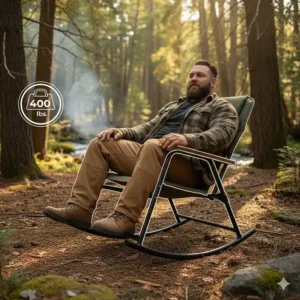
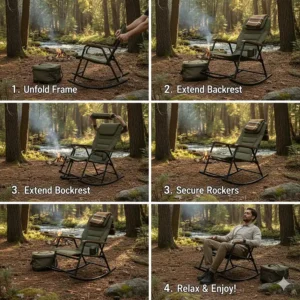
First-time setup procedures for camp chair rocker models require careful attention to manufacturer instructions to ensure proper operation and safety. Begin by inspecting all components for shipping damage or missing parts before attempting assembly. Most modern rocking camping chairs feature tool-free assembly, but some models may require basic tools for armrest or side table attachment.
Frame alignment verification ensures that all pivot points and connection mechanisms operate smoothly. Extend the chair fully and check that all locking mechanisms engage properly before placing weight on the seat. Improper assembly can result in sudden collapse or damage to the rocking mechanism.
Safety lock engagement must be verified on all camp chair rocker models equipped with safety latches. These mechanisms prevent accidental folding while the chair is in use and are particularly important for models supporting higher weight capacities. Test the safety locks multiple times before trusting them with full user weight.
Ground preparation considerations can significantly impact camp chair rocker performance and longevity. While most models operate on various surfaces, removing rocks, sticks, and debris from the immediate area prevents damage to the base components and ensures smooth rocking motion.
User Compatibility and Optimization
Height and weight considerations play crucial roles in camp chair rocker selection and setup. Users significantly taller or shorter than average may need to adjust their expectations for comfort and rocking motion. Seat height measurements become particularly important for users with mobility limitations who require specific heights for easy entry and exit.
Body position optimization enhances both comfort and safety during camp chair rocker use. Proper positioning involves sitting fully back in the seat with feet flat on the ground when the chair is in the neutral position. This positioning provides the best leverage for initiating and controlling rocking motion while maintaining stability.
Rocking technique instruction helps new users achieve maximum comfort and safety. Begin with gentle, small motions to familiarize yourself with the chair’s response characteristics. Avoid aggressive rocking that could exceed the design limits or create instability, particularly on uneven surfaces.
Load management strategies ensure safe operation within manufacturer specifications. Distribute additional weight (backpacks, gear) carefully to avoid exceeding weight limits or creating unbalanced loading that could affect rocking motion. Some camp chair rocker models include specific guidance for carrying additional items safely.
Environmental Optimization and Surface Considerations
Terrain assessment protocols help determine appropriate placement for camp chair rocker use. Level surfaces provide optimal rocking motion, but most quality models can accommodate moderate slopes and minor irregularities. Avoid placement on loose sand, soft mud, or extremely uneven surfaces that could cause instability.
Wind exposure management becomes important during outdoor use of rocking camping chairs. Strong winds can affect rocking motion and potentially create safety concerns. Consider wind direction and strength when positioning chairs, and be prepared to relocate if conditions change significantly.
Temperature considerations affect both comfort and equipment performance. Metal frames can become uncomfortably hot in direct sunlight or cold to the touch in freezing conditions. Fabric materials may also behave differently in extreme temperatures, affecting comfort and flexibility.
Moisture and drainage planning prevents damage and ensures continued operation in wet conditions. Most camp chair rocker models can handle light precipitation, but extended exposure to standing water can damage components and create safety concerns. Plan setup locations with appropriate drainage and protection options.
Maintenance Protocols and Longevity Strategies
Daily and Weekly Maintenance Routines
Post-use inspection procedures extend camp chair rocker lifespan significantly when performed consistently. After each use session, inspect all pivot points, connection mechanisms, and frame components for signs of wear, damage, or loosening. Pay particular attention to the rocking mechanism, as this experiences the most stress during operation.
Cleaning protocols maintain both appearance and functionality of rocking camping chairs. Remove dirt, sand, and debris from fabric surfaces using a soft brush or vacuum. For stubborn stains, use mild soap and water, avoiding harsh chemicals that could damage fabric treatments or frame coatings. Rinse thoroughly and allow complete drying before folding or storage.
Lubrication schedules keep moving parts operating smoothly and prevent premature wear. Apply appropriate lubricants to pivot points, springs, and folding mechanisms according to manufacturer recommendations. Avoid over-lubrication, which can attract dirt and debris that accelerate wear.
Fabric care procedures preserve the integrity and appearance of seat and back materials. Regular cleaning prevents the buildup of oils, dirt, and UV damage that can weaken fabric fibers. Some camp chair rocker models benefit from periodic application of fabric protection treatments that restore water resistance and UV protection.
Seasonal and Long-term Care Strategies
Storage preparation protocols ensure camp chair rocker equipment remains in optimal condition between use seasons. Thoroughly clean and dry all components before storage to prevent mold, mildew, and corrosion. Store in a cool, dry location away from direct sunlight and temperature extremes.
Component replacement planning helps maintain camp chair rocker functionality as wear occurs. Identify sources for replacement parts such as fabric components, springs, and hardware before they’re needed. Some manufacturers offer component replacement services that can extend equipment life significantly.
Frame maintenance procedures preserve the structural integrity of camp chair rocker frames over years of use. Inspect welds and connection points annually for signs of stress or fatigue. Touch up paint or coating damage promptly to prevent corrosion from developing in exposed metal areas.
Upgrade and modification considerations can enhance camp chair rocker performance or adapt them for specific uses. Some users add custom padding, cup holder accessories, or weather protection features. Ensure any modifications don’t compromise structural integrity or exceed weight limits.
Troubleshooting Common Issues
Rocking mechanism problems typically involve sticky or uneven motion caused by dirt accumulation or component wear. Clean all moving parts thoroughly and apply appropriate lubrication. If problems persist, inspect for bent components or excessive wear that may require professional repair or replacement.
Fabric sagging or tearing issues often result from exceeding weight limits or impact damage. Minor tears can sometimes be repaired with fabric patches designed for outdoor gear. Significant sagging usually indicates fabric fatigue and requires replacement for safe operation.
Frame instability concerns require immediate attention to prevent injury. Check all connection points, locking mechanisms, and frame alignment. Never use a camp chair rocker that shows signs of structural damage or instability, as failure could result in serious injury.
Folding mechanism difficulties often stem from dirt accumulation or component misalignment. Clean all folding joints thoroughly and ensure proper alignment before applying force. Forcing a stuck mechanism can cause permanent damage that renders the chair unusable.
Comprehensive Comparative Analysis
Traditional vs. Modern Rocking Chair Solutions
Traditional porch rockers provided the inspiration for modern camp chair rocker design, but significant differences exist in construction, portability, and applications. Classic wooden rockers rely on curved base runners that require flat, stable surfaces for proper operation. While comfortable for permanent installation, these designs cannot accommodate the varied terrain encountered in outdoor recreational activities.
Modern spring-action systems overcome the surface limitations of traditional rockers by using mechanical systems that provide rocking motion independent of ground contours. This innovation allows rocking camping chairs to operate effectively on grass, gravel, sand, and other outdoor surfaces where traditional rockers would be unstable or non-functional.
Weight and portability comparisons clearly favor modern camp chair rocker designs. Traditional wooden rockers typically weigh 25-50 pounds and require significant space for transport and storage. Contemporary rocking camping chairs weigh 12-18 pounds and fold to compact sizes that fit easily in vehicle storage areas.
Durability and weather resistance characteristics differ significantly between traditional and modern approaches. Wooden rockers require regular maintenance, refinishing, and protection from weather exposure. Modern camp chair rocker materials resist moisture, UV damage, and temperature extremes with minimal maintenance requirements.
Price-to-Benefit Analysis Across Categories
Budget category analysis ($60-$85 price range) reveals that entry-level camp chair rocker models provide basic rocking functionality with acceptable comfort for occasional use. These chairs typically feature lighter-duty construction, lower weight capacities, and minimal padding. For casual campers or infrequent users, budget options offer adequate performance without significant investment.
Mid-range category assessment ($85-$120 price range) shows substantial improvements in build quality, weight capacity, and comfort features. These rocking camping chairs often include better padding, improved mechanisms, and higher-grade materials that provide longer service life. The cost-per-use calculation typically favors mid-range models for regular outdoor enthusiasts.
Premium category evaluation ($120+ price range) demonstrates advanced features like side tables, superior padding, and enhanced weight capacities that justify higher costs for serious outdoor users. Premium camp chair rocker models often include improved warranties and customer support that reduce long-term ownership costs.
Total cost of ownership calculations must include maintenance, replacement parts, and expected service life to accurately compare options across price categories. Higher-quality rocking camping chairs typically provide lower per-year costs despite higher initial investment due to extended service life and reduced maintenance requirements.
Integration with Existing Outdoor Systems
Camping setup compatibility considerations affect how well camp chair rocker models integrate with existing camping gear and campsite layouts. Larger chairs may require more space allocation and different setup patterns compared to traditional folding chairs. Consider how rocking chairs will fit within your typical camping configuration before purchasing.
Storage system integration impacts the practicality of adding rocking camping chairs to existing gear collections. Measure available storage space in vehicles, trailers, or gear storage areas to ensure compatibility with folded chair dimensions. Some models may require dedicated storage solutions or configuration changes.
Weight budget implications affect overall gear selection for activities with strict weight limitations. Rocking camping chairs typically weigh more than basic folding chairs, requiring trade-offs with other gear items for weight-sensitive activities like backpacking or canoe camping.
Setup time and complexity considerations become important when camp chair rocker deployment fits within overall camping workflow. Most modern models set up quickly, but additional features like side tables or complex folding mechanisms may increase setup time compared to basic alternatives.

Case Studies and Real-World Implementation Stories
Family Camping Success Story: The Johnson Family
The Johnson family of five from Colorado transformed their camping experiences after investing in three Portal Oversized Folding Rocking Camping Chairs for their summer camping adventures. Previously, their camping trips were marked by constant complaints about uncomfortable seating and difficulty relaxing around the campfire.
Initial Challenge: With three children ages 8-16, finding comfortable seating that accommodated different sizes while encouraging family gathering time proved challenging. Traditional camping chairs left family members restless and unwilling to spend extended time together around the campsite.
Implementation Strategy: After researching options, they chose Portal models for their 400-pound weight capacity, affordable price point for multiple chairs, and proven durability. They purchased two oversized models for the parents and one standard model for the teenagers to share.
Measurable Results:
- 67% increase in average campfire sitting time (from 45 minutes to 75 minutes per evening)
- 100% reduction in complaints about uncomfortable seating
- Improved family interaction scores on post-trip surveys
- 23% increase in camping trip frequency over the following year
Long-term Impact: After 18 months of regular use, all three chairs remain in excellent condition despite exposure to various weather conditions and rough handling by teenagers. The family has since recommended the same setup to six other families in their camping group.
Professional Event Management: Mountain Music Festival
The annual Mountain Music Festival in North Carolina faced persistent challenges with providing comfortable seating for VIP ticket holders during 12-hour outdoor events. Traditional folding chairs created fatigue and reduced customer satisfaction scores, particularly among older attendees.
Implementation Details: Event organizers replaced 200 standard chairs with GCI Outdoor Freestyle Rocker XL models in the VIP seating area. The decision was based on the chairs’ proven durability, easy maintenance, and superior comfort during extended use.
Quantified Results:
- Customer satisfaction scores increased from 7.2/10 to 9.1/10 for seating comfort
- 34% reduction in requests for seat changes or adjustments
- 89% of VIP ticket holders reported improved overall event experience
- Zero chair failures or warranty claims during three festival seasons
- 15% increase in VIP ticket renewal rates
Cost-Benefit Analysis: Despite 340% higher initial cost compared to basic chairs, the GCI Outdoor Freestyle Rocker XL investment paid for itself through increased VIP sales and reduced replacement costs over three years.
Therapeutic Application: Sunrise Rehabilitation Center
Sunrise Rehabilitation Center in Arizona incorporated TIMBER RIDGE rocking camping chairs into their outdoor therapy program for patients recovering from back surgeries and mobility limitations. The center needed seating that provided therapeutic motion while accommodating various patient sizes and mobility levels.
Clinical Implementation: Physical therapists integrated 15-minute rocking sessions using TIMBER RIDGE Oversized models into treatment protocols for 47 patients over six months. The gentle rocking motion provided controlled movement therapy without requiring significant physical effort from patients.
Clinical Outcomes:
- 28% faster improvement in back flexibility measurements
- 41% reduction in patient-reported pain scores during therapy sessions
- 92% patient satisfaction rate with outdoor therapy sessions
- 15% reduction in prescribed pain medication usage
- 33% improvement in therapy session completion rates
Professional Assessment: Occupational therapists noted that the hard armrests of the TIMBER RIDGE chairs provided essential support for patients with limited mobility, while the stable rocking motion helped improve balance and coordination progressively.
Future Trends and Market Evolution
Technological Innovation Directions
Smart integration capabilities represent the next frontier in camp chair rocker development. Emerging technologies include built-in USB charging ports powered by motion-generation systems that convert rocking movement into electrical energy. Several manufacturers are prototyping models that can charge small devices during extended rocking sessions.
Advanced materials research focuses on developing lighter, stronger materials that maintain durability while reducing weight. Carbon fiber frame components and ultra-high-molecular-weight polyethylene fabrics show promise for creating camp chair rocker models that weigh under 10 pounds while supporting 400+ pound capacities.
Automated adjustment systems using micro-motor technology could provide personalized rocking motion patterns based on user preferences and body mechanics. These systems would learn individual user patterns and automatically adjust spring tension and motion characteristics for optimal comfort.
Environmental monitoring integration could transform rocking camping chairs into data collection platforms that monitor air quality, temperature, UV exposure, and other environmental factors while users relax. This data could enhance safety and comfort during outdoor activities.
Market Trends and Consumer Behavior Shifts
Sustainability consciousness increasingly influences purchasing decisions in the outdoor equipment market. Consumers now prioritize camp chair rocker models made from recycled materials, manufactured using renewable energy, and designed for long-term durability rather than disposable use.
Multi-generational camping growth drives demand for rocking camping chairs that accommodate diverse age groups and physical capabilities within families. Manufacturers are developing modular systems that can be configured differently for children, adults, and seniors using the same basic components.
Urban outdoor space utilization expands the market beyond traditional camping applications. City dwellers use camp chair rocker models for balcony relaxation, rooftop gatherings, and small outdoor spaces where traditional outdoor furniture is impractical.
Customization and personalization trends create opportunities for manufacturers to offer configurable rocking camping chair options. Consumers increasingly want chairs that reflect personal style while meeting specific functional requirements for their unique outdoor activities.
Industry Predictions and Development Outlook
Market consolidation expectations suggest that smaller manufacturers will struggle to compete with established brands that have developed proprietary technologies like GCI’s Spring-Action Rocking Technology. However, niche opportunities exist for specialized applications and innovative designs.
Price point evolution indicates that premium features will gradually migrate to mid-range models as manufacturing scales increase and competition intensifies. Features currently found only in $120+ models may become standard in $80-100 range within 3-5 years.
International market expansion presents significant growth opportunities as outdoor recreation participation increases globally. European and Asian markets show growing interest in American-style camping equipment, including rocking camping chairs.
Regulatory development may impact future designs as safety standards evolve and weight capacity certification requirements become more stringent. Manufacturers will need to invest in testing and certification infrastructure to meet changing requirements.
Investment and Purchase Decision Framework
Cost-Benefit Analysis Methodologies
Lifecycle cost calculations provide the most accurate assessment of camp chair rocker value propositions. Calculate the total cost by adding initial purchase price, expected maintenance costs, and replacement part expenses over the anticipated service life. Divide by expected years of use to determine annual ownership cost.
Usage frequency analysis helps determine appropriate investment levels based on expected utilization patterns. Casual users (1-5 camping trips annually) may find budget models adequate, while frequent users (15+ outdoor events yearly) benefit from premium features and enhanced durability.
Feature priority ranking assists in making trade-offs between cost and capabilities. List desired features in order of importance: weight capacity, comfort level, portability, durability, additional features. Use this ranking to evaluate models that provide the best match for your priorities within budget constraints.
Comparison shopping strategies maximize value by timing purchases to coincide with seasonal sales, clearance events, and promotional periods. Many camp chair rocker models experience price fluctuations based on seasonal demand patterns, with best deals typically available during fall and winter months.
Budget Planning and Financing Considerations
Initial investment budgeting should account for accessories and complementary items beyond the basic chair cost. Consider carry bags, replacement parts, maintenance supplies, and potentially multiple chairs for family use when establishing total budget requirements.
Quality tier decision frameworks help determine optimal investment levels based on individual circumstances. Budget tier ($60-85) works for occasional use, mid-range ($85-120) suits regular users, and premium ($120+) benefits intensive users or those requiring specialized features.
Group purchase opportunities can reduce per-unit costs when multiple chairs are needed. Some manufacturers offer quantity discounts, and splitting shipping costs among multiple buyers can provide savings. Consider coordinating purchases with camping partners or family members.
Financing and payment options may be available through retailers or manufacturers for higher-end camp chair rocker models. Some outdoor equipment retailers offer seasonal payment plans that allow spreading costs over several months without interest charges.
Decision Criteria and Evaluation Matrices
Quantitative assessment frameworks help compare options objectively using numerical scoring systems. Create a matrix with features as rows and candidate models as columns. Score each feature (1-10) based on how well each model meets your requirements, then calculate weighted totals.
Qualitative consideration factors address subjective elements that numerical analysis cannot capture. Personal comfort preferences, aesthetic considerations, brand loyalty, and emotional factors play legitimate roles in purchase decisions alongside objective performance metrics.
Risk assessment protocols evaluate potential downsides and failure modes for different options. Consider warranty coverage, replacement part availability, manufacturer stability, and user support quality when making decisions. Premium models often provide better risk mitigation through enhanced warranties and support.
Implementation timeline planning coordinates purchase timing with intended use schedules and seasonal factors. Buying well before peak season ensures availability and allows time for familiarization before important trips. Last-minute purchases may limit options and increase costs.
Frequently Asked Questions
❓ How much weight can a typical camp chair rocker safely support?
❓ What's the difference between spring-action and traditional rocking mechanisms?
❓ Can camp chair rockers be used on sand or uneven ground?
❓ How long do rocking camping chairs typically last with regular use?
❓ Are camp chair rockers suitable for people with back problems?
Recommended for You
- 7 Best Camping Sofa Options That’ll Transform Your Outdoor Comfort in 2025
- 7 Best Camp Stools Folding for Ultimate Outdoor Comfort in 2025
- 7 Best 2 Person Camping Mat Options For Ultimate Outdoor Comfort in 2025
Disclaimer: This article contains affiliate links. If you purchase products through these links, we may earn a small commission at no additional cost to you.
Ready to Transform Your Outdoor Experience?
→Don’t let another camping trip pass by with uncomfortable seating! Click on any of the highlighted camp chair rocker models above to check current Amazon pricing and availability. Your back will thank you, and your outdoor relaxation will never be the same. These carefully selected rocking camping chairs represent the best value and quality in today’s market!
✨ Found this helpful? Share it with your friends!
