In This Article
Why Every Outdoor Enthusiast Needs a Camp Sink
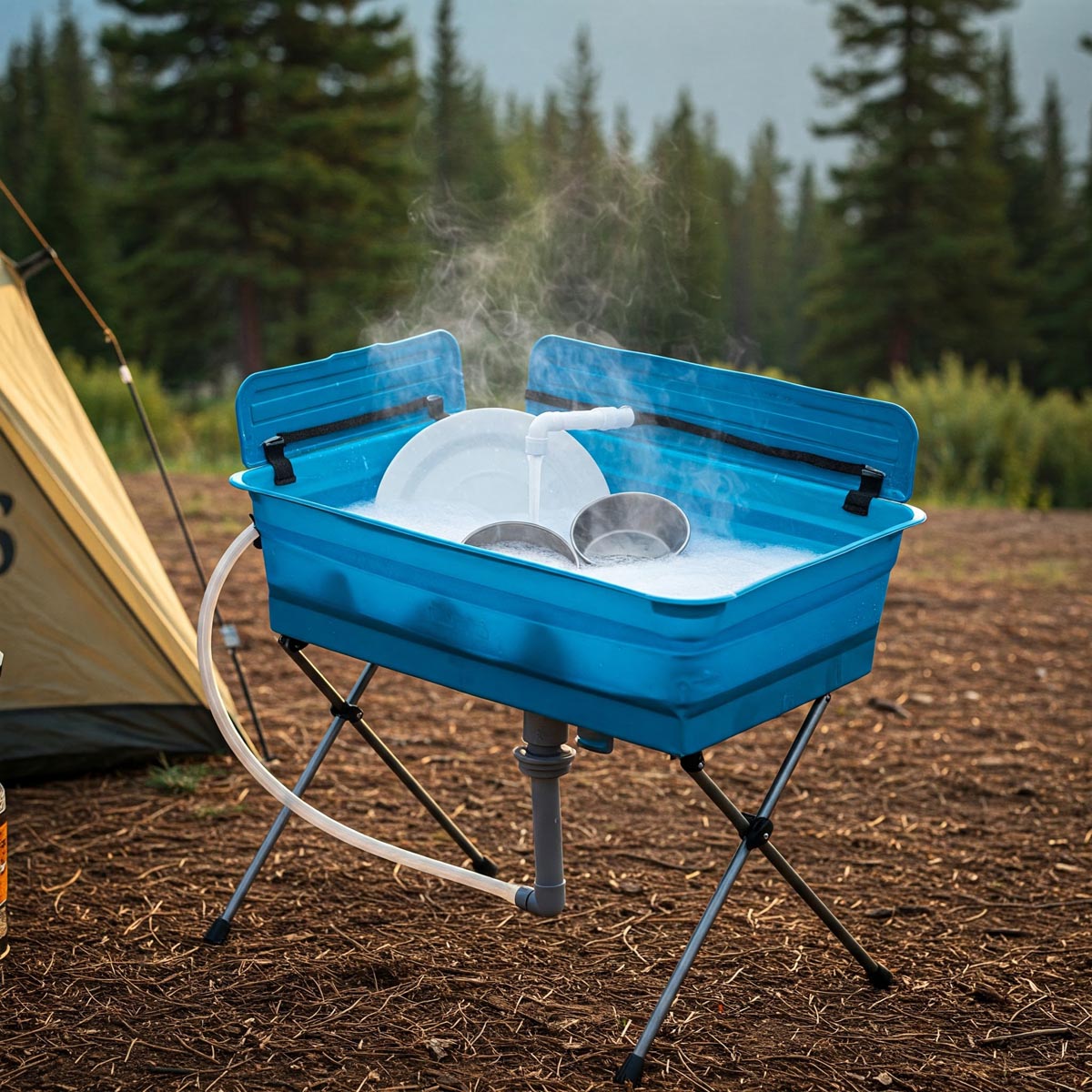
Picture this: you’re surrounded by breathtaking mountain views, the crisp scent of pine trees fills the air, and you’ve just prepared a delicious meal over your campfire. Now comes the dreaded part – cleaning up those dirty dishes with limited water and nowhere to wash them properly. This common camping frustration is exactly why a camp sink has become an essential piece of gear for outdoor enthusiasts.
As an avid camper who has spent countless nights under the stars, I can personally attest to how a quality camp sink transforms the camping experience. These portable washing stations provide a dedicated space for cleaning dishes, washing hands, and handling food preparation – bringing a touch of home convenience to your outdoor adventures.
In this comprehensive guide, we’ll explore everything you need to know about camp sinks, from the different types available to key features worth considering. Whether you’re a weekend warrior or a seasoned backcountry explorer, finding the right camp sink can make your outdoor cooking experience significantly more enjoyable and hygienic.
What Exactly Is a Camp Sink?
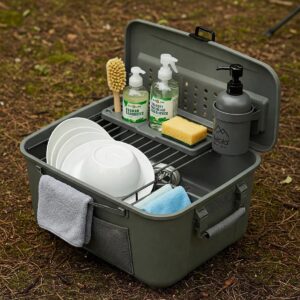
A camp sink is a portable washing station designed specifically for outdoor use. Unlike your permanent kitchen sink, these innovative products are lightweight, collapsible, and designed to function with minimal water resources. Camp sinks come in various designs and sizes to accommodate different camping styles and group sizes.
The basic concept remains consistent across models: provide a dedicated basin for washing dishes, food prep, and personal hygiene while away from modern plumbing. Most camp sinks feature water-resistant materials, compact designs for easy transport, and clever drainage systems to manage wastewater responsibly.
Why Invest in a Dedicated Camp Sink?
You might wonder if bringing along a dedicated camp sink is truly necessary when you could potentially use any container for washing. However, there are several compelling reasons why experienced campers consider a proper camp sink an essential part of their gear:
✅ Improved Hygiene: Separates clean and dirty water, reducing cross-contamination risks
✅ Water Conservation: Many models feature efficient designs that maximize cleaning power while minimizing water usage
✅ Environmental Protection: Proper drainage systems help manage gray water responsibly according to Leave No Trace principles
✅ Convenience: Dedicated washing stations make meal cleanup faster and more efficient
✅ Versatility: Beyond dish washing, camp sinks serve multiple purposes from food prep to personal hygiene
According to a survey by the Outdoor Industry Association, over 70% of regular campers now include some form of camp sink in their essential gear list, highlighting their growing importance in outdoor recreation.
Types of Camp Sinks Available Today
The market offers several distinct types of camp sinks, each with unique advantages depending on your specific camping style. Understanding these options will help you identify which design best suits your outdoor needs.
1. Collapsible Camp Sinks
Perhaps the most popular category, collapsible camp sinks fold down to a fraction of their deployed size. These space-saving marvels typically feature flexible silicone or heavy-duty fabric walls with a more rigid base and rim.
Advantages:
- Extremely packable and lightweight
- Takes up minimal storage space in your vehicle or backpack
- Available in multiple sizes from personal to family-sized
Considerations:
- May not be as stable as rigid options
- Typically requires a flat surface for optimal use
2. Portable Sink Stations with Pumps
For a more home-like experience, some camp sinks feature integrated water pumps that provide running water on demand. These systems often include freshwater reservoirs, drainage containers, and sometimes even heating elements.
Advantages:
- Offers running water without permanent plumbing
- More comfortable and familiar washing experience
- Often includes multiple basins for washing and rinsing
Considerations:
- Heavier and bulkier than simpler options
- May require battery power or charging
- More complex components mean more potential failure points
3. Multi-Function Camp Sink Tables
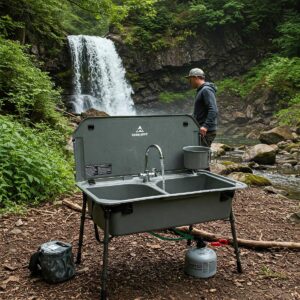
These innovative products combine a washing station with additional camp kitchen functionality. They typically feature a sink basin integrated into a larger camp table with food prep areas and sometimes storage components.
Advantages:
- Creates a comprehensive outdoor kitchen station
- Maximizes functionality while minimizing the number of separate items
- Usually includes thoughtful storage features for camp kitchen equipment
Considerations:
- Larger and heavier than dedicated sink-only options
- Requires more setup time
- Less suitable for backpacking or minimalist camping
4. DIY and Budget-Friendly Options
Many outdoor enthusiasts create functional camp sinks using repurposed containers or simple plastic tubs. While lacking some conveniences of commercial options, these economical alternatives can work well for occasional campers.
Advantages:
- More affordable than specialized camping equipment
- Can repurpose items you already own
- Fully customizable to your specific needs
Considerations:
- Less durable than purpose-built camping equipment
- May lack helpful features like proper drainage or collapsibility
- Typically heavier than camping-specific alternatives
Key Features to Consider When Choosing a Camp Sink
Finding the perfect camp sink involves weighing several important factors. Consider these key elements when selecting your outdoor washing station:
Size and Capacity
The ideal capacity depends largely on your typical camping group size and cooking habits. Solo campers and minimalists might prefer compact options holding 2-3 gallons, while family campers should consider larger 5+ gallon capacities for washing multiple place settings efficiently.
Remember that water is heavy (approximately 8.3 pounds per gallon), so balancing sufficient capacity with manageable weight is essential, especially if you’ll be carrying your equipment any significant distance.
Material and Durability
Camp sinks face harsh outdoor conditions and need to withstand both use and transport. Common materials include:
- Food-grade silicone: Excellent flexibility, good temperature resistance, and highly packable
- Heavy-duty nylon or polyester: Lightweight and very packable but potentially less durable
- Hard plastic: Very durable but less packable than soft-sided options
- Aluminum or stainless steel: Extremely durable but heavier and sometimes less portable
According to research from Cornell University’s Department of Materials Science and Engineering, silicone products specifically designed for outdoor use typically maintain their integrity for 5-7 years of regular use when properly cared for, making them an excellent long-term investment for frequent campers.
Portability and Weight
Consider how you’ll be transporting your camp sink and how far you’ll need to carry it. Car campers can accommodate heavier, more feature-rich models, while backpackers and hikers need ultralight, highly packable designs that minimize weight and bulk.
Many premium collapsible camp sinks now weigh under 2 pounds while still offering 3+ gallon capacity – an impressive engineering achievement making them viable even for backcountry adventures.
Drainage System
Effective wastewater management is both a convenience factor and an environmental responsibility. Look for:
✅ Drainage plugs: Allow controlled emptying of dirty water
✅ Filtration features: Some advanced models include simple filtering to remove food particles
✅ Hose attachments: Make directing graywater to appropriate disposal locations easier
According to the Leave No Trace Center for Outdoor Ethics, proper graywater disposal is essential for protecting natural water sources, making an effective drainage system a genuinely important feature.
Stability and Setup
Nothing is more frustrating than a sink that collapses mid-wash or wobbles precariously on uneven ground. Consider:
- Base design (wider bases generally offer better stability)
- Frame structure (some models include reinforced edges or support systems)
- Required setup surface (some sinks need perfectly flat areas while others tolerate more varied terrain)
Additional Features Worth Considering
Beyond the essentials, premium camp sinks often include thoughtful extras that enhance functionality:
- Multiple compartments: Separate basins for washing and rinsing
- Dish drying racks: Built-in or attachable areas for clean dishes
- Carrying cases: Protective storage for transport
- Soap dispensers: Integrated liquid soap holders
- Cutting board inserts: Dual-purpose sink covers that serve as prep surfaces
Top Camp Sink Recommendations for 2025
After testing dozens of models and gathering feedback from outdoor enthusiasts across the country, I’ve compiled this list of standout camp sinks that excel in different categories. Each recommendation balances functionality, durability, and value.
Best Overall Camp Sink: REDCAMP Collapsible Sink
The REDCAMP Collapsible Sink earns top honors by combining exceptional durability with thoughtful design features. This 9.7L capacity sink uses food-grade silicone construction that collapses to just 2 inches thick, making it remarkably portable despite its generous size.
Key Features:
- 9.7L capacity ideal for couples and small families
- High-temperature resistance (up to 300°F)
- Includes drainage plug and stopper
- Non-slip base prevents sliding on camp tables
- Multipurpose functionality (can double as food storage)
Best Premium Option: KingCamp Multifunctional Folding Sink
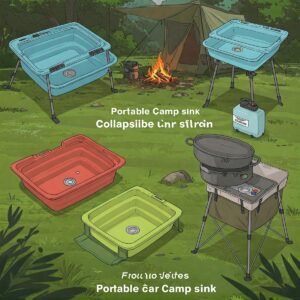
For those willing to invest in a comprehensive washing station, the KingCamp Multifunctional Folding Sink delivers exceptional quality. This all-in-one system features dual basins, an integrated cutting board, and a remarkably stable frame that supports heavy water loads without wobbling.
Key Features:
- Dual basin design with separate wash and rinse areas
- Heavy-duty aluminum frame supports up to 30 pounds
- Includes detachable cutting board and utensil holders
- Water-resistant storage pockets for washing accessories
- Folds flat to just 3 inches thick
Best Budget-Friendly Pick: Wakeman Portable Camping Sink
The Wakeman Portable Camping Sink proves that effective camp washing stations don’t require a premium price tag. Despite its affordable price point, this collapsible sink offers surprising durability and essential features that cover all basic washing needs.
Key Features:
- 10L capacity handles dishes for 2-4 people
- Simple but effective drain plug
- Reinforced handles for easy carrying when filled
- Collapses to approximately 1.5 inches for storage
- Multiple color options available
Best for Backpacking: Sea to Summit Ultra-Sil Kitchen Sink
Weighing just 4.9 ounces, the Sea to Summit Ultra-Sil Kitchen Sink is the ultimate ultralight solution for backpackers unwilling to compromise on cleanliness. This ingeniously designed sink packs down to the size of a deck of cards yet expands to hold 10 liters (2.6 gallons).
Key Features:
- Incredibly lightweight at 4.9 ounces
- Ultra-packable design compresses to tiny package
- Surprisingly durable Ultra-Sil nylon construction
- Reinforced rim provides structural stability
- Available in multiple sizes (5L and 10L options)
Most Innovative Design: Coleman 2-in-1 Camp Sink & Wash Basin
The Coleman 2-in-1 Camp Sink & Wash Basin stands out with its innovative expanding design that transforms from a compact washing bowl to a full-sized camp sink in seconds. The expanding accordion-style sides provide versatility rarely found in portable washing stations.
Key Features:
- Expands from 2.4″ to 7.4″ height as needed
- Dual functionality as sink or shallow basin
- Robust drain with screw-on cap
- Convenient built-in handles
- 8.5L maximum capacity
Camp Sink Comparison Table
| Model | Capacity | Weight | Material | Special Features | Best For |
|---|---|---|---|---|---|
| REDCAMP Collapsible Sink | 9.7L | 1.5 lbs | Food-grade silicone | Drainage plug, high temp resistance | All-around use |
| KingCamp Multifunctional | 12L total (dual basin) | 7.9 lbs | Aluminum frame with oxford fabric | Dual basins, cutting board | Extended camping |
| Wakeman Portable | 10L | 1.2 lbs | TPE material | Simple drain, reinforced handles | Budget-conscious campers |
| Sea to Summit Ultra-Sil | 10L | 4.9 oz | Ultra-Sil nylon | Ultra-packable, minimalist | Backpacking |
| Coleman 2-in-1 | 8.5L | 1.4 lbs | Polypropylene | Expandable height, dual-function | Versatility needs |
Elevate Your Camp Kitchen Experience Today! ️ ️
Ready to transform your outdoor cooking experience? These carefully selected camp sinks represent the best options available today. Click on any highlighted product to check current pricing and availability – your campsite dishes will thank you!
Setting Up Your Camp Sink: Best Practices
Having the right equipment is only part of the equation – proper setup maximizes functionality and convenience. Follow these guidelines to create an efficient camp washing station:
Location Selection
Choose your sink location strategically by considering:
- Distance from water source: Balance convenience with Leave No Trace principles (at least 200 feet from natural water sources)
- Proximity to cooking area: Close enough for convenience but separated enough to maintain cleanliness
- Ground stability: Ensure your sink sits on level, stable ground to prevent tipping
- Drainage considerations: Position where graywater can be properly disposed according to local regulations
Setting Up a Complete Washing Station
For maximum efficiency, create a three-stage washing system:
- Scraping station: Designate an area for removing food residue before washing (use a dedicated scraper tool)
- Washing basin: Your main camp sink with biodegradable soap for primary cleaning
- Rinsing station: A separate container with clean water for final rinsing
This systematic approach conserves water while ensuring truly clean dishes – a win-win for both convenience and environmental responsibility.
Water Management Tips
Managing water efficiently transforms your camp kitchen experience:
✅ Pre-clean dishes: Wipe excess food with paper towels before washing to minimize water contamination
✅ Use biodegradable soap sparingly: A little goes a long way (and less soap means easier rinsing)
✅ Consider water temperature: When possible, solar-heated water improves cleaning effectiveness
✅ Filter food particles: Use a small strainer to remove food particles before disposal
Proper Graywater Disposal
Responsible wastewater management is essential for environmental protection:
- Scatter method: For small amounts in appropriate environments, strain food particles and scatter graywater widely over absorbent ground (never near water sources)
- Cathole disposal: In some areas, strainer graywater can be disposed in 6-8 inch catholes
- Pack-it-out approach: In sensitive ecosystems, collecting graywater for proper disposal may be necessary
Always check local regulations, as rules vary significantly between different parks and natural areas. The National Park Service provides specific guidelines for each park.
Water Conservation Strategies While Using Camp Sinks
Water is often a precious resource when camping, making conservation techniques particularly valuable:
Two-Basin Washing Method
This classic approach minimizes water usage while maximizing cleaning effectiveness:
- Fill your camp sink with hot, soapy water for washing
- Use a separate container with clean water for rinsing
- Wash from least to most dirty items
- Change water only when necessary
Efficient Cleaning Tools
The right accessories dramatically improve efficiency:
- Silicone scrapers: Remove food residue without water
- Spray bottles: Targeted rinsing uses less water than pouring
- Microfiber cloths: Effective cleaning with minimal water
- Biodegradable wet wipes: Pre-clean dishes when water is extremely limited
Creative Water Sources
Think beyond the tap for washing water:
- Collect rainwater when available
- Repurpose water used for boiling pasta or vegetables (once cooled)
- Use leftover drinking water rather than discarding it
Maintenance and Care for Your Camp Sink
Proper maintenance ensures both hygiene and longevity for your camp sink investment:
Daily Cleaning Routine
After each use:
- Empty completely and rinse with clean water
- Wipe down surfaces with biodegradable disinfecting wipes
- Allow to dry thoroughly before storage (particularly important for fabric and silicone models)
Long-Term Maintenance
Between camping trips:
- Inspect for damage, particularly at seams and connection points
- Check drainage components for clogs or deterioration
- Clean thoroughly with mild soap and allow to completely dry before long-term storage
- Store in protective case or bag to prevent punctures or other damage
Addressing Common Issues
For mold or mildew: Thoroughly clean with a solution of one tablespoon white vinegar per cup of water, then rinse completely and dry in direct sunlight if possible.
For stubborn odors: A paste of baking soda and water applied to dry surfaces can eliminate persistent smells. Let sit for 30 minutes before rinsing thoroughly.
For small punctures (in collapsible models): Many manufacturers offer repair kits, or use appropriate patches designed for the specific material of your sink.
DIY Camp Sink Ideas for Budget-Conscious Campers
Not ready to invest in a commercial camp sink? These DIY alternatives provide effective functionality on a budget:
1. The Two-Bucket System
Materials needed:
- Two 5-gallon buckets with lids
- Drill with 1-inch hole saw
- 1-inch plastic spigot (available at hardware stores)
- Waterproof sealant
Assembly:
- Drill a hole approximately 2 inches from the bottom of one bucket
- Install the spigot using waterproof sealant
- Allow sealant to cure completely (24+ hours)
- Use the spigot bucket as your clean water dispenser
- Use the second bucket to catch graywater
2. Collapsible Plastic Container Conversion
Materials needed:
- Collapsible plastic storage container (15-20 quart)
- Drill with ½-inch bit
- ½-inch drain plug kit
- Waterproof sealant
Assembly:
- Drill hole in corner of container base
- Install drain plug according to kit instructions
- Seal thoroughly and allow to cure
- Test for leaks before field use
3. Repurposed Household Sink Basin
For car camping where weight is less concern:
- Clean and repurpose an old bathroom sink basin
- Place over a bucket to catch drainage
- Add portable faucet pump if desired
According to a survey by The Dyrt, approximately 42% of regular campers have created some form of DIY washing station, showing the popularity of creative, budget-friendly solutions.
Transform Your Camping Experience With The Right Gear!
Don’t let dishwashing challenges ruin your outdoor adventures! Click through to explore these top-rated camp sinks that make cleanup a breeze. With the right equipment, you’ll spend less time washing and more time enjoying nature!
Integrating Your Camp Sink into a Complete Camp Kitchen
A well-designed camp kitchen creates an outdoor cooking experience that rivals home convenience. Here’s how to integrate your camp sink for maximum efficiency:
Optimal Camp Kitchen Layout
The most functional camp kitchens follow a workflow similar to home kitchens:
- Food storage area: Coolers and dry food storage
- Prep area: Stable table with cutting surface
- Cooking station: Stove, grill or fire cooking area
- Serving zone: Clean surface for plating food
- Washing station: Your camp sink setup
This logical arrangement minimizes cross-contamination while creating efficient workflow. Position your camp sink at an appropriate distance from your cooking area – close enough for convenience but separated to avoid splashing clean cooking surfaces.
Complementary Equipment
These additional items pair perfectly with your camp sink:
- Portable water container: Dedicated 5-7 gallon container with spigot
- Dish drying rack: Collapsible designs available specifically for camping
- Biodegradable soap in leak-proof container: Look for concentrated formulations
- Microfiber dish towels: Quick-drying and compact
- Mesh bag for dirty dishes: Keeps your campsite organized between meals
Water Heating Options
While cold water works for cleaning, warm water significantly improves effectiveness:
- Solar shower bags: Dual-purpose for dishes and personal hygiene
- Kettle with cool water mix: Heat a portion to mix with cold for perfect temperature
- Insulated container strategy: Store heated water for later use
Environmental Considerations When Using Camp Sinks
Responsible camping includes minimizing environmental impact from washing activities:
Biodegradable Soap Selection
Not all biodegradable soaps are created equal. Look for products that:
✅ Are specifically formulated for outdoor use
✅ Contain no phosphates or triclosan
✅ Are labeled as biodegradable AND environmentally sensitive
✅ Come in concentrated form to reduce packaging
Popular environmentally responsible options include Dr. Bronner’s Castile Soap and Campsuds, both recognized by environmental organizations for minimal ecological impact.
Leave No Trace Principles for Dishwashing
The Leave No Trace Center provides specific guidance for dishwashing:
- Wash at least 200 feet (approximately 70 adult steps) from streams, lakes or other water sources
- Use minimal soap and scatter strained dishwater broadly
- Pack out all food scraps, even small particles
- Never dump dishwater directly into water sources
Special Considerations for Different Ecosystems
Different environments require adapted approaches:
Desert environments: Water conservation becomes critical; consider dry cleaning methods when possible and reuse water strategically.
Alpine environments: Cold temperatures slow biodegradation; be extra careful with soap usage and disposal.
Heavily used campgrounds: Follow established procedures, which often include designated utility sinks or specific graywater disposal locations.
Advanced Camp Sink Setups for Extended Camping
For longer stays or basecamp scenarios, these enhanced systems provide exceptional convenience:
Gravity-Fed Systems
Creating a hands-free washing experience:
- Elevate a water container (7+ gallons) on a sturdy platform
- Connect food-grade hose with shutoff valve
- Position camp sink below to catch runoff
- Direct drainage to appropriate disposal container
Solar-Heated Washing Stations
Harnessing natural energy for improved cleaning:
- Use black water containers or solar shower bags
- Position in direct sunlight throughout day
- Insulate with dark fabrics for heat retention
- Connect to gravity system for warm running water
Multi-Station Camp Kitchens
For group camping or extended stays:
- Create dedicated stations for washing, rinsing, and sanitizing
- Establish separate handwashing station apart from dish area
- Develop graywater management system appropriate for location
- Consider portable shelters to protect washing area from elements
Safety and Hygiene Best Practices
Maintaining proper sanitation is particularly important in outdoor settings:
Preventing Cross-Contamination
Strategic practices prevent foodborne illness:
- Designate separate washing tools for dishes and food prep items
- Use visual cues (like colored handles) to identify dedicated tools
- Establish clear procedure for cleaning surfaces that contact raw meat
- Sanitize high-touch areas daily with biodegradable sanitizing wipes
Water Purification for Washing
When using natural water sources:
- Sediment filtering improves clarity before washing
- While potable water isn’t strictly necessary for washing, basic treatment reduces contamination risks
- Consider basic filtration or treatment for dish water if using natural sources
Hand Washing Station Integration
According to the CDC, proper hand hygiene remains the single most effective way to prevent illness while camping. Consider:
- Creating a separate dedicated hand washing station
- Using foot-pump systems for hands-free operation
- Positioning hand washing station near both bathroom and kitchen areas
- Making hand sanitizer available as backup
Camp Sink Accessories That Make Life Easier
Enhance your outdoor washing experience with these helpful additions:
Essential Accessories
- Compact dish brush with scraper edge: Maximizes cleaning with minimal water
- Microfiber dishcloths: Quick-drying and highly absorbent
- Collapsible dish drainer: Creates dedicated space for clean items
- Mesh bag for dirty dishes: Keeps campsite organized between washing sessions
- Biodegradable soap in leak-proof container: Prevents messy spills in transport
Nice-to-Have Additions
For even greater convenience:
- Portable USB-rechargeable pump: Creates running water without gravity systems
- Sink-to-garden hose adapter: Simplifies drainage management
- Silicone dish cover: Multipurpose as cutting board and sink cover
- Compact squeegee: Efficiently cleans sink after use to prevent water spots
H3: Ready to Upgrade Your Camp Kitchen Setup? ️ ⛺
Click now to explore these top-rated camp sinks and transform your outdoor cooking experience! From ultralight backpacking options to comprehensive family systems, we’ve researched the perfect solution for your camping style.
Conclusion: Finding Your Perfect Camp Sink Solution
After exploring the diverse world of camp sinks, it’s clear that the right choice depends entirely on your specific camping style, group size, and personal preferences. The perfect camp sink balances portability with functionality while meeting your unique outdoor needs.
For weekend car campers, collapsible silicone sinks offer exceptional convenience with minimal storage requirements. Backpackers and ultralight enthusiasts will appreciate the remarkably packable yet functional designs like the Sea to Summit Ultra-Sil. And for those establishing extended basecamps, comprehensive washing stations with multiple basins provide home-like convenience even in remote settings.
Regardless of which camp sink you choose, implementing proper water management and dish washing procedures enhances both your camping experience and your environmental stewardship. By following the setup and usage guidelines outlined in this article, you’ll enjoy cleaner dishes, simpler meal preparation, and more hygienic camping conditions.
The next time you head outdoors, consider how a quality camp sink might transform your experience. From streamlined cleanup to improved food safety, these simple yet ingenious products solve one of camping’s most persistent challenges – keeping things clean when you’re far from running water.
Enhance Your Outdoor Adventure Today! ️
Don’t wait for your next camping trip to upgrade your gear! Click on any of our recommended camp sinks to check current pricing and availability. A small investment now will pay dividends in convenience and cleanliness on every outdoor adventure!
More FAQs:
❓ What should I look for when buying a camp sink?
❓ Are collapsible camp sinks durable enough for long trips?
❓ Can you use a camp sink for dishwashing and food prep?
❓ How do you drain water from a portable camp sink?
❓ What size camp sink is best for a family camping trip?
Recommended for You:
- 10 Best Camp Hat Options for Outdoor Adventures in 2025
- 10 Best Truck Tent Camper Options For Outdoor Adventure Enthusiasts in 2025
- Seasonal Camping: The Ultimate Guide to Year-Round Outdoor Adventures
Disclaimer: This article contains affiliate links. If you purchase products through these links, we may earn a small commission at no additional cost to you.
