In This Article
Embracing the Great Outdoors Year-Round
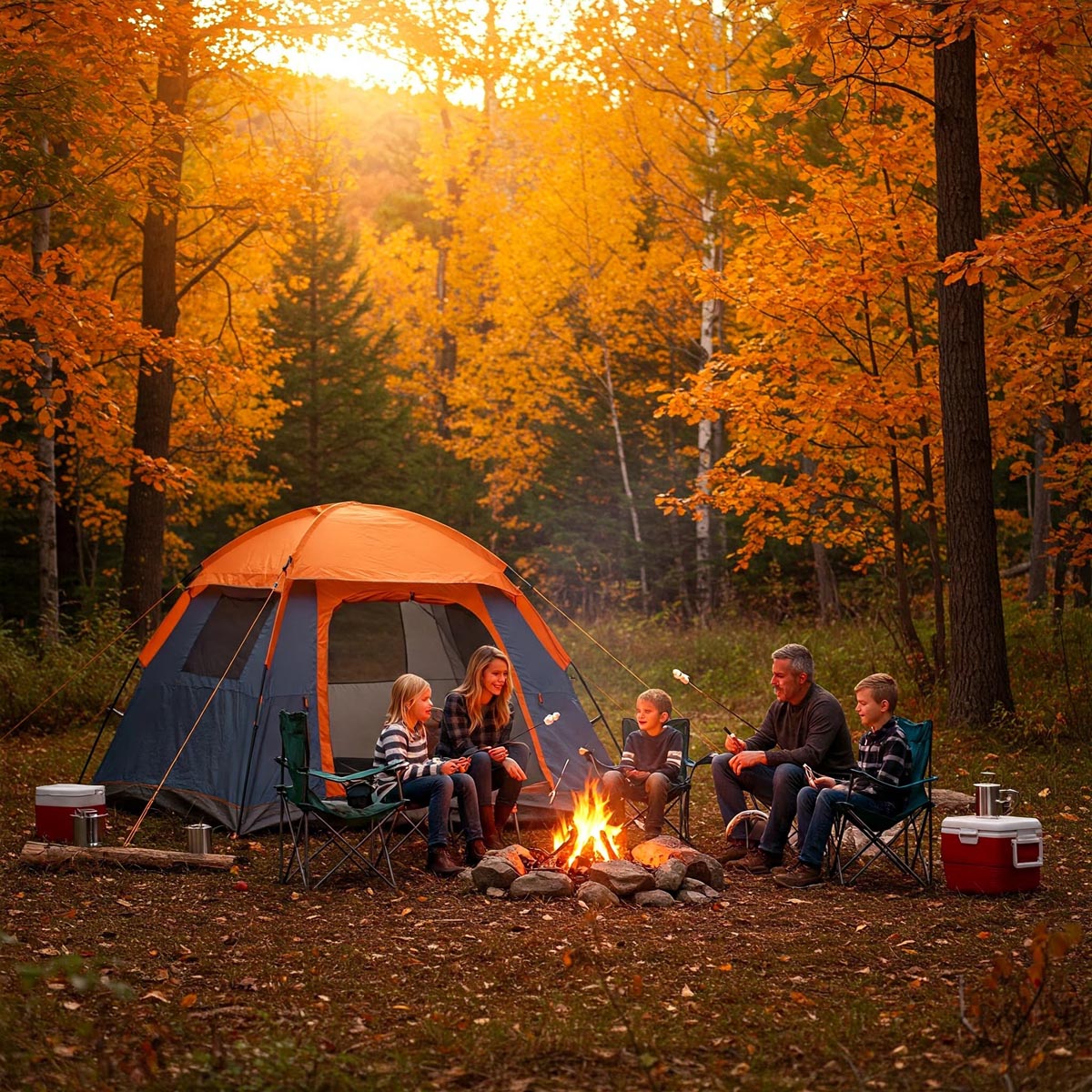
️ There’s something truly magical about waking up to the gentle rustle of leaves or the soft patter of rain on your tent. Seasonal camping offers outdoor enthusiasts the opportunity to experience nature’s ever-changing canvas throughout the year. Whether you’re a summer sun-seeker or a winter wilderness warrior, the diverse landscapes of America provide endless possibilities for seasonal camping adventures.
As an avid camper who has pitched tents in scorching deserts and snowy mountains alike, I’ve experienced firsthand how each season brings its own unique charm to the camping experience. Seasonal camping isn’t just about adapting to different weather conditions; it’s about embracing the distinct character that each time of year imparts to our natural surroundings.
In this comprehensive guide, we’ll explore everything you need to know about seasonal camping across the United States. From essential gear recommendations to destination suggestions, safety tips to seasonal cooking ideas, I’ll share insights gained from years of camping through changing seasons. Additionally, we’ll discuss how seasonal camping can deepen your connection with nature and help you develop valuable outdoor skills that transcend seasonal boundaries.
So pack your sense of adventure, and let’s dive into the wonderful world of seasonal camping!
Understanding Seasonal Camping: More Than Just Weather Changes
✅ Seasonal camping extends beyond simply pitching a tent during different times of the year. It involves strategically planning your outdoor adventures to coincide with the unique characteristics each season offers. Moreover, it requires adapting your gear, techniques, and expectations to maximize comfort and enjoyment regardless of external conditions.
Many campers limit themselves to fair-weather outings, missing out on the distinctive experiences that each season provides. However, with proper preparation and knowledge, you can transform potential challenges into rewarding adventures. In fact, some of the most memorable camping experiences often come from embracing the peculiarities of off-peak seasons.
Understanding seasonal camping also means recognizing how campgrounds and natural areas transform throughout the year. A familiar summer destination might become unrecognizable—and perhaps even more spectacular—when blanketed in autumn foliage or spring wildflowers. Wildlife behaviors shift, water levels fluctuate, and even the night sky presents different celestial shows depending on when you visit.
According to the National Park Service, visitation patterns at national parks vary dramatically by season, with some parks seeing ten times more visitors during peak months compared to off-season periods. This knowledge can be leveraged by savvy seasonal campers seeking solitude and unique experiences.
Spring Seasonal Camping: Renewal and Awakening
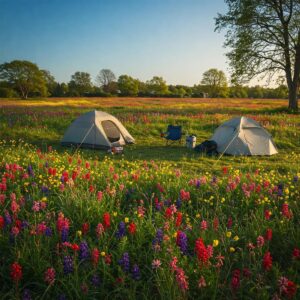
As winter’s grip loosens, spring brings a sense of renewal to the camping experience. The natural world reawakens with vibrant colors, flowing waters, and the return of migratory wildlife. Spring seasonal camping offers the perfect opportunity to witness this transformation firsthand.
Why Choose Spring for Seasonal Camping?
Spring seasonal camping presents unique advantages that make it especially appealing to nature enthusiasts. First and foremost, the moderate temperatures create comfortable conditions for outdoor activities without the extreme heat of summer or cold of winter. Additionally, campgrounds are typically less crowded before the summer rush begins, allowing for more peaceful experiences and easier reservations.
Perhaps most importantly, spring offers spectacular natural phenomena that can’t be observed during other seasons. Wildflower blooms transform landscapes into vibrant tapestries of color, while waterfalls and streams run at their fullest following winter snowmelt. The chorus of returning birds and emergence of wildlife creates a dynamic backdrop for your camping adventure.
Top Spring Seasonal Camping Destinations
- Great Smoky Mountains National Park, Tennessee/North Carolina – Famous for its spectacular wildflower displays, with over 1,500 flowering plant species creating breathtaking scenery. Early spring brings ephemeral blooms before the tree canopy fills in.
- Zion National Park, Utah – Spring transforms this desert landscape with manageable temperatures and flowing waters that may be absent during drier seasons. The contrast of red rock against spring greenery creates stunning vistas.
- Point Reyes National Seashore, California – Coastal meadows burst with wildflowers while gray whale migrations can be observed offshore, making this a multifaceted spring destination.
Essential Spring Seasonal Camping Gear
Spring’s variable conditions require thoughtful preparation. Your packing list should include:
✅ Waterproof gear – Spring showers are common, so quality rain protection is essential. I always pack a reliable tent with a full rain fly, waterproof footwear, and quick-drying clothing layers.
✅ Insulation layers – Temperature fluctuations can be significant, especially at night. Versatile layering options allow you to adjust to changing conditions.
✅ Mud management tools – Spring often means muddy conditions. Pack extra tarps for under your tent, boot scrapers, and designated “clean” storage bags.
✅ Insect protection – As temperatures warm, insects begin to emerge. Be prepared with appropriate repellents and protective clothing.
One particularly useful item for spring seasonal camping is the Coleman Weather Master 6-Person Tent with Screen Room, which provides excellent protection from both rain and emerging insects while offering ample space for gear storage. This tent features a screened porch area that’s perfect for enjoying spring evenings without exposure to weather or bugs.
Spring Seasonal Camping Tips
When engaging in spring seasonal camping, flexibility becomes your greatest asset. Weather conditions can change rapidly, so always check forecasts immediately before your trip and have contingency plans for unexpected situations. Furthermore, be mindful of trail conditions, as spring thaws can create muddy or impassable routes that might not be reflected in older trail reports.
Research local wildlife patterns to maximize viewing opportunities while maintaining appropriate distance. Many animals are especially active during spring as they establish territories, seek mates, or care for young offspring. This makes spring an excellent season for wildlife photography, provided you observe proper wildlife ethics.
According to a study published in the Journal of Leisure Research, spring campers report higher levels of psychological restoration compared to those camping during peak summer months, likely due to the combination of pleasant conditions and the psychological effects of witnessing nature’s renewal.
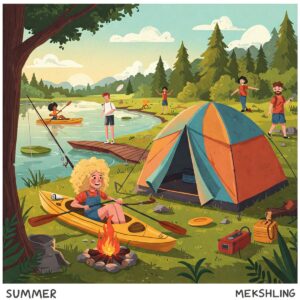
Summer Seasonal Camping: Peak Season Adventures
☀️ Summer represents the traditional camping season for many Americans, and for good reason. Long days, warm weather, and vacation time create ideal conditions for extended outdoor adventures. However, successful summer seasonal camping requires specific strategies to manage heat, crowds, and other seasonal challenges.
Why Choose Summer for Seasonal Camping?
Summer seasonal camping offers significant advantages for outdoor enthusiasts. The extended daylight hours allow for longer hikes, more elaborate camp cooking, and evening activities without the need for early retirement to your tent. Additionally, warmer temperatures mean lighter packing requirements for sleeping gear and clothing, simplifying preparation.
Water-based activities become central to summer camping experiences, with swimming, fishing, kayaking, and paddleboarding all enhancing your connection to natural settings. Campfire restrictions are also typically less stringent compared to drier fall months in many regions, allowing for the quintessential camping experience of gathering around an evening fire.
Top Summer Seasonal Camping Destinations
- Acadia National Park, Maine – Offers perfect summer temperatures, stunning coastal landscapes, and unique opportunities to be among the first in America to see the sunrise from Cadillac Mountain.
- Olympic National Park, Washington – Features incredible diversity with mountains, rainforests, and beaches in one park. Summer is the dry season in this typically rainy region.
- Boundary Waters Canoe Area Wilderness, Minnesota – Provides unparalleled canoe camping experiences across interconnected lakes and rivers that become fully accessible during summer months.
Essential Summer Seasonal Camping Gear
Summer’s heat and intense sun require specialized equipment for comfort and safety:
✅ Sun protection system – Beyond sunscreen, consider UPF clothing, wide-brimmed hats, and portable shade structures for comprehensive protection.
✅ Cooling equipment – Battery-powered fans, cooling towels, and moisture-wicking clothing can make a significant difference in comfort.
✅ Water filtration and storage – Higher temperatures increase hydration needs. Ensure you have ample capacity for storing and purifying water.
✅ Insect management solutions – Summer brings peak insect activity in many regions. Prepare with repellents, protective clothing, and habitat management strategies.
One standout product for summer seasonal camping is the Coleman Portable Camping Cooler with Wheels. This rugged 50-quart cooler can maintain ice for up to five days in temperatures up to 90°F, ensuring your food stays fresh and drinks remain cold throughout your summer adventure. Its durable wheels navigate rough terrain, making it ideal for established campgrounds.
Summer Seasonal Camping Tips
During peak summer season, reservations become essential for popular destinations. Many national park campgrounds fill months in advance, so planning ahead is crucial. If you’re flexible, consider mid-week visits to reduce crowding or explore lesser-known alternatives to famous destinations.
Heat management should remain a priority throughout your summer seasonal camping trip. Establish your campsite with natural shade considerations in mind, and plan strenuous activities for cooler morning or evening hours. Stay vigilant about hydration, consuming water consistently rather than waiting until thirst develops.
Research by the Centers for Disease Control and Prevention indicates that heat-related illnesses increase significantly during summer months, making awareness of symptoms and preventive measures especially important for summer campers.
Fall Seasonal Camping: Nature’s Grand Finale
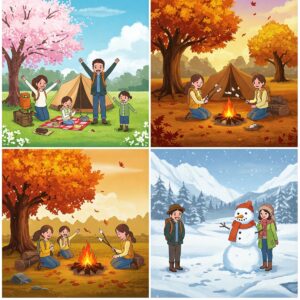
Fall transforms camping experiences with spectacular foliage, comfortable temperatures, and unique seasonal events. For many experienced campers, autumn represents the perfect balance of accessibility and solitude, making fall seasonal camping particularly rewarding.
Why Choose Fall for Seasonal Camping?
Fall seasonal camping provides distinct advantages over other seasons. Temperatures moderate to comfortable levels without the extremes of summer heat or winter cold, creating ideal conditions for physical activities. Humidity typically decreases, resulting in clearer skies and better visibility for scenic vistas and night sky observation.
Perhaps most significantly, insect pressure diminishes dramatically as temperatures cool, allowing for more comfortable outdoor experiences. Campgrounds transition from summer crowds to more manageable visitation levels, making it easier to secure desirable sites even at popular destinations. The psychological effect of autumn’s vibrant colors creates a uniquely contemplative atmosphere that many campers find spiritually renewing.
Top Fall Seasonal Camping Destinations
- Shenandoah National Park, Virginia – Skyline Drive offers 105 miles of scenic roadway with numerous campgrounds and hiking trails showcasing spectacular fall foliage.
- Aspen, Colorado – The namesake trees turn brilliant gold, creating stunning mountain landscapes perfect for fall photography and hiking.
- Green Mountain National Forest, Vermont – Represents the quintessential New England fall experience with maple forests displaying vibrant red, orange, and yellow hues.
Essential Fall Seasonal Camping Gear
Fall’s variable conditions require versatile equipment approaches:
✅ Enhanced sleeping system – As temperatures drop, upgrade your summer sleeping bag or add a liner for additional warmth without completely replacing your sleep system.
✅ Layered clothing strategy – Temperature fluctuations can be significant between day and night. Pack versatile layers that can be adjusted throughout the day.
✅ Fire starting equipment – Cooler, potentially damp conditions make reliable fire starting tools essential. Pack waterproof matches, fire starters, and multiple ignition methods.
✅ Lighting solutions – With earlier sunsets, quality lighting becomes increasingly important. Ensure headlamps, lanterns, and backup batteries are part of your standard kit.
A particularly valuable piece of equipment for fall seasonal camping is the Kelty Cosmic 20 Degree Down Sleeping Bag. This versatile sleeping bag provides excellent insulation for cooler fall nights while remaining lightweight and compressible. The water-resistant down fill maintains warmth even in the damp conditions sometimes encountered during autumn camping trips.
Fall Seasonal Camping Tips
Timing becomes crucial for fall seasonal camping, especially if witnessing peak foliage is important to you. Research leaf progression forecasts, which vary significantly by region, elevation, and specific tree species. Websites like the U.S. Forest Service Fall Colors provide updated information on foliage conditions across the country.
Weather preparedness takes on new importance during fall camping trips. Pack for a wider range of potential conditions, including unexpected early snow at higher elevations. Night temperatures can drop significantly, so insulated sleeping pads become increasingly important for comfort as they prevent ground cold from penetrating your sleeping bag.
Fall seasonal camping also coincides with hunting seasons in many regions. Research local hunting regulations and wear bright colors when appropriate, especially when hiking outside of national parks where hunting may be permitted.
Winter Seasonal Camping: Embracing the Quiet Season
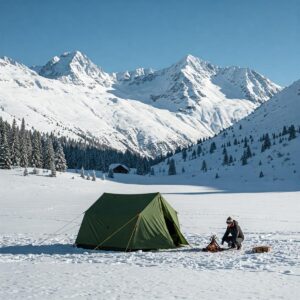
❄️ Winter transforms familiar landscapes into serene wonderlands, offering unique opportunities for those willing to embrace seasonal camping’s most challenging season. While requiring more preparation and specialized equipment, winter camping rewards adventurers with unparalleled solitude and distinctive experiences.
Why Choose Winter for Seasonal Camping?
Winter seasonal camping appeals to those seeking true wilderness immersion without crowds. Most campgrounds and backcountry areas see minimal visitation during winter months, creating opportunities for solitude rarely experienced during other seasons. The psychological impact of this quietude can be profoundly restorative for those accustomed to busy urban environments.
Winter’s unique recreational opportunities include activities unavailable during warmer months, such as snowshoeing, cross-country skiing, and ice fishing directly from your campsite. The absence of insects and reduced wildlife concerns (such as bears, which typically hibernate) simplifies some aspects of camping preparation.
From a practical perspective, winter seasonal camping develops advanced outdoor skills that build confidence and capability across all seasons. Mastering winter camping techniques creates a sense of accomplishment and self-reliance that enhances your overall outdoor experience.
Top Winter Seasonal Camping Destinations
- White Mountain National Forest, New Hampshire – Offers established winter camping areas with relatively easy access and spectacular snow-covered landscapes.
- Voyageurs National Park, Minnesota – Transforms into a winter playground with ice fishing, snowmobiling, and cross-country skiing opportunities across frozen lakes.
- Yosemite National Park, California – Provides the rare opportunity to experience this heavily visited park in relative solitude, with iconic features like Half Dome and El Capitan framed by snow.
Essential Winter Seasonal Camping Gear
Winter demands specialized equipment for both comfort and safety:
✅ Four-season tent – Standard three-season tents often can’t handle snow loads or winter wind conditions. Invest in a proper four-season shelter for winter camping.
✅ Cold-weather sleeping system – This includes a winter-rated sleeping bag, insulated sleeping pad with high R-value, and possibly a sleeping bag liner for additional warmth.
✅ Winter cooking equipment – Standard camp stoves often perform poorly in cold temperatures. Choose models specifically designed for winter conditions and carry appropriate fuel.
✅ Emergency communication device – Winter conditions increase certain risks, making reliable communication more critical. Satellite messengers or personal locator beacons provide peace of mind.
For serious winter camping enthusiasts, the MSR Lightning Ascent Snowshoes represent an excellent investment. These premium snowshoes provide outstanding flotation and traction in varied snow conditions, allowing access to remote winter camping destinations. Their secure bindings and modular design accommodate different boot types and terrain challenges.
Winter Seasonal Camping Tips
Preparation becomes even more critical for winter seasonal camping adventures. Develop detailed trip plans including expected routes, campsites, and return times, and share this information with reliable contacts. Research weather patterns thoroughly, understanding that conditions can change rapidly in winter environments.
Energy management requires special attention during winter camping. Your body burns significantly more calories maintaining core temperature in cold conditions, necessitating increased food intake. Focus on calorie-dense options that can be easily prepared in cold weather. Similarly, water management becomes more complex when sources may be frozen; insulated containers and knowledge of snow-melting techniques become essential skills.
According to research published in the International Journal of Environmental Research, exposure to natural environments during winter months provides significant mental health benefits, particularly for those affected by seasonal affective disorder.
Gear Essentials for Year-Round Seasonal Camping
Successfully transitioning between seasons requires thoughtful gear selection that balances versatility with season-specific functionality. Building a comprehensive seasonal camping kit doesn’t necessarily mean acquiring completely separate setups for each season, but rather strategically investing in adaptable core equipment supplemented by seasonal specialists.
Core Equipment for All Seasons
Regardless of when you camp, certain foundational items remain essential:
✅ Quality shelter system – While specific tents might be optimized for certain conditions, investing in a durable three-season tent with good ventilation options serves most campers well for spring through fall adventures.
✅ Versatile sleep system – A sleeping bag rated for temperatures slightly lower than you typically expect provides margin for unexpected conditions. Consider quilts or bags with adjustable features to manage variable temperatures.
✅ Reliable lighting – Headlamps, lanterns, and backup options remain important year-round, though needs increase during seasons with shorter daylight hours.
✅ Navigation tools – Physical maps, compass, and possibly GPS devices should accompany you regardless of season, as technology can fail in any conditions.
Seasonal Gear Comparison
| Season | Shelter | Sleep System | Cooking | Clothing | Special Considerations |
|---|---|---|---|---|---|
| Spring | 3-season tent with full rainfly | 30°F bag with liner option | Standard stove with windscreen | Waterproof outer layers, moisture-wicking base | Mud management, extra tarps |
| Summer | Ventilated tent or hammock system | 45-50°F bag or quilt | Lightweight stove, possibly no-cook options | UPF protection, cooling fabrics | Enhanced hydration system |
| Fall | 3-season tent with vestibule | 20°F bag, insulated pad | Efficient stove, extra fuel | Layering system, insulated jacket | Earlier sunset preparation |
| Winter | 4-season tent | 0°F or lower bag, high R-value pad | Winter-specific stove, fuel warm-keeping | Complete insulation system | Snow management tools |
Versatile Products for Multi-Season Use
Among the most valuable investments for year-round seasonal camping are items specifically designed to perform across different conditions. The REI Co-op Quarter Dome SL 2 Tent exemplifies this versatility, offering reasonable performance from late spring through early fall while remaining lightweight enough for backpacking. Its sturdy pole structure handles moderate wind while ventilation options adapt to different temperature conditions.
For sleeping systems, the North Face One Bag presents an innovative solution to seasonal variability. This 3-in-1 sleeping bag can be configured for 40°F, 20°F, or 5°F ratings by adding or removing layers, essentially providing three seasonal options in a single system. While initially more expensive than single-season alternatives, it offers excellent value for dedicated year-round campers.
Regional Considerations for Seasonal Camping Across America
️ America’s diverse geography creates dramatically different seasonal patterns across regions. Understanding these variations helps you plan appropriate seasonal camping trips regardless of your location.
Northeast
The Northeast experiences distinct four-season conditions with unique camping opportunities throughout the year:
- Spring: Maple sugaring season and dramatic waterfall flows from snowmelt
- Summer: Moderate temperatures ideal for extended trips, spectacular coastal options
- Fall: World-famous foliage displays, particularly in New England states
- Winter: Established winter recreation areas with groomed trails and warming huts
Southeast
The Southeast’s mild winters and hot summers create a reversed prime season schedule:
- Spring: Spectacular wildflower displays and comfortable temperatures before summer heat
- Summer: High heat and humidity make coastal and mountain destinations preferable
- Fall: Hurricane season considerations along coastal areas, beautiful mountain colors
- Winter: Mild conditions perfect for desert and lowland camping when northern regions are inaccessible
Midwest
The Midwest’s continental climate creates extremes that reward seasonal adaptability:
- Spring: Prairie wildflowers and abundant birdwatching during migrations
- Summer: Extensive waterway access for canoe and kayak camping
- Fall: Less-recognized but beautiful hardwood forest color displays
- Winter: Reliable snow conditions for dedicated winter activities
Mountain West
Dramatic elevation changes create multiple simultaneous seasons within small geographical areas:
- Spring: Desert blooms at lower elevations while mountains remain snow-covered
- Summer: High-elevation access to alpine environments normally inaccessible
- Fall: Aspen displays against mountain backdrops, early snow at highest elevations
- Winter: World-class snow conditions with established winter recreation infrastructure
Pacific Northwest
The distinct wet and dry seasons define camping patterns more than traditional four seasons:
- Spring: Waterfall viewing at peak flow, emerging wildflowers
- Summer: Rare dry period with access to normally wet environments
- Fall: Coastal storm watching opportunities, mushroom foraging
- Winter: Rainforest experiences with dramatically reduced crowds
Desert Southwest
Extreme temperature variations make seasonal timing critical:
- Spring: Perfect temperatures and potential superbloom events
- Summer: Dangerous heat requiring high-elevation alternatives
- Fall: Return to manageable temperatures with stunning light quality
- Winter: Ideal conditions for lowland desert exploration
According to the American Camping Association, understanding regional seasonal patterns significantly increases camper satisfaction, with properly timed regional trips receiving satisfaction ratings 37% higher than those where seasonal factors weren’t considered.
Health and Safety Considerations for Seasonal Camping
Each camping season presents unique health and safety challenges that require specific preparation and knowledge. Understanding seasonal risks helps you implement appropriate precautions without unnecessarily limiting your experiences.
Spring Safety Considerations
Spring’s transitional nature creates several specific concerns:
✅ Fluctuating water levels – Snowmelt can cause rapid changes in water bodies. Research local conditions and exercise extreme caution around streams and rivers.
✅ Emerging wildlife – Many animals become more active, including protective mother bears with cubs. Review proper food storage and wildlife encounter protocols.
✅ Tick emergence – Spring marks the beginning of tick season in many regions. Perform regular checks and know proper removal techniques.
Summer Safety Considerations
Summer introduces heat-related challenges:
✅ Heat illness prevention – Understand the spectrum from heat exhaustion to heat stroke, including prevention, recognition, and treatment.
✅ Water safety protocols – Establish rules for water activities, including personal flotation device use and supervision requirements.
✅ Increased lightning risk – Summer thunderstorms develop rapidly. Know how to assess threat levels and implement appropriate shelter strategies.
Fall Safety Considerations
Fall brings unique transitional challenges:
✅ Temperature management – Dramatic day-to-night temperature swings require more careful planning and monitoring.
✅ Earlier sunsets – Diminishing daylight hours increase risk of being caught unprepared after dark. Adjust hiking timelines accordingly.
✅ Hunting season awareness – Many regions have active hunting during fall. Research local seasons and wear appropriate high-visibility clothing.
Winter Safety Considerations
Winter camping requires heightened awareness of several risks:
✅ Cold injury prevention – Understand frostbite and hypothermia risks, including prevention strategies and early recognition.
✅ Avalanche awareness – In mountainous terrain, assess avalanche risk and obtain proper training and equipment if traveling in avalanche country.
✅ Limited rescue resources – Emergency response may be delayed or complicated by winter conditions. Increase self-reliance through skills and equipment.
For comprehensive seasonal safety information, the National Outdoor Leadership School offers excellent resources covering seasonal-specific wilderness medicine approaches.
Environmental Stewardship in Seasonal Camping
Responsible seasonal camping requires adjusting your environmental practices to the specific challenges each season presents. Following Leave No Trace principles becomes even more important when seasonal factors might amplify your impact.
Seasonal Impact Considerations
Each season requires specific attention to environmental protection:
✅ Spring – Emerging vegetation is particularly vulnerable to trampling. Stay on established trails even when mud makes them less appealing, and avoid creating “social trails” around obstacles.
✅ Summer – Increased visitor numbers amplify collective impact. Be especially diligent about proper waste disposal during peak season when facilities may be strained.
✅ Fall – Dry conditions in many regions increase fire risk. Follow fire restrictions scrupulously and implement enhanced fire safety protocols.
✅ Winter – Snow cover can disguise landscape features requiring protection. Research special winter travel guidelines for your destination.
According to research from the Leave No Trace Center for Outdoor Ethics, seasonal adaptation of minimum impact practices significantly reduces environmental degradation compared to applying identical practices year-round.
Culinary Adventures in Seasonal Camping
One of seasonal camping’s greatest pleasures is adapting your outdoor cooking to incorporate seasonal ingredients and address seasonal conditions. Each season offers unique culinary opportunities that enhance the camping experience.
Seasonal Camp Cooking Approaches
Adapt your camp kitchen to seasonal conditions:
✅ Spring – Focus on lightweight, quick-cooking options that require minimal clean-up during potentially rainy conditions. One-pot meals shine during spring camping.
✅ Summer – Emphasize no-cook or minimal-heat options that keep you cool and conserve drinking water that might otherwise be used for cleaning. Fresh produce shines in summer camp cooking.
✅ Fall – Embrace heartier, slow-cooked meals that provide both sustenance and warming comfort as temperatures drop. Dutch oven cooking reaches its prime in fall.
✅ Winter – Prioritize calorie-dense options that fuel your body’s increased energy demands. Hot drinks and soup become essential rather than optional.
A standout cooking system for year-round use is the Camp Chef Everest 2X High-Pressure 2-Burner Stove. This versatile stove provides sufficient BTUs for winter cooking needs while offering precise flame control for simmer-requiring recipes during milder seasons. Its wind screens and efficient design make it adaptable to changing conditions throughout the camping year.
Seasonal Recipe Ideas
Each season invites specific menu planning:
- Spring Camping Highlight: Foil Packet Garlic Herb Trout with Spring Vegetables
- Summer Camping Highlight: No-Cook Mediterranean Couscous Salad
- Fall Camping Highlight: Dutch Oven Apple Cinnamon Breakfast Bake
- Winter Camping Highlight: Hearty White Bean and Sausage Soup
Making the Most of Your Seasonal Camping Experience
Beyond practical considerations, seasonal camping offers opportunities for specialized activities that enhance your connection with the natural world. Each season provides unique ways to deepen your outdoor experiences.
Seasonal Activities and Skills
Expand your seasonal camping repertoire with these season-specific pursuits:
✅ Spring Skills – Wildflower identification, bird migration observation, weather prediction
✅ Summer Skills – Night sky navigation, wild edible foraging, natural swimming hole assessment
✅ Fall Skills – Wildlife tracking, mushroom identification, campfire cooking techniques
✅ Winter Skills – Snow shelter construction, layered clothing management, cold-weather first aid
Photography and Documentation
Each season presents distinctive photographic opportunities:
- Spring – Focus on macro photography capturing emerging life and dramatic weather transitions
- Summer – Wide-angle landscapes showcasing vibrant scenery and golden-hour lighting
- Fall – Color-focused composition highlighting foliage against various backgrounds
- Winter – Working with snow as both subject and reflective light source
Mindfulness and Connection
Seasonal camping offers unique opportunities for deeper natural connection:
- Spring – Observe the daily changes as the world reawakens after winter
- Summer – Experience extended daylight with sunrise-to-sunset awareness practices
- Fall – Reflect on cycles of change and transformation as the landscape shifts
- Winter – Embrace the quiet contemplation that winter’s stillness naturally encourages
Essential Gear for Year-Round Seasonal Camping Enthusiasts
For those committed to camping across all seasons, certain gear investments provide exceptional value through versatility and durability. These recommendations represent starting points for building your seasonal camping kit.
Top Multi-Season Equipment Recommendations
- Columbia Bugaboo Interchange 3-in-1 Jacket – This versatile system adapts to conditions from mild spring rain to winter snow with removable layers. The waterproof outer shell works independently for warmer wet weather, while the insulated inner layer provides warmth when needed, making it ideal for seasonal camping transitions.
- Coleman Portable Camping Cooler with Wheels – Durable enough for repeated use across seasons with excellent insulation performance. Its 50-quart capacity accommodates typical 3-4 day camping trips with efficient cooling that works even in summer heat.
- Kelty Cosmic 20 Degree Down Sleeping Bag – Strikes the ideal balance between warmth and packability, suitable for all but the coldest winter conditions. The water-resistant down maintains performance in the damp conditions often encountered during seasonal transitions.
- MSR Lightning Ascent Snowshoes – For winter camping enthusiasts, these premium snowshoes provide outstanding flotation and traction. Their secure binding system accommodates various boot types, making them adaptable to different winter camping approaches.
- Camp Chef Everest 2X High-Pressure 2-Burner Stove – Provides reliable cooking performance across seasons with excellent wind resistance and precise flame control. Its dual burner design offers flexibility for different cooking styles throughout the year.
Comparison Table: Multi-Season Camping Equipment
| Product | Best Seasons | Key Features | Price Range |
|---|---|---|---|
| Columbia Bugaboo Interchange Jacket | All Seasons | 3-in-1 design, waterproof, breathable | $150-200 |
| Coleman Portable Camping Cooler | Spring-Fall | 50-quart, wheeled design, 5-day ice retention | $80-100 |
| Kelty Cosmic 20 Sleeping Bag | Spring-Fall | Water-resistant down, moderate weight | $170-200 |
| MSR Lightning Ascent Snowshoes | Winter | Premium traction, modular design | $300-350 |
| Camp Chef Everest 2X Stove | All Seasons | 20,000 BTU burners, reliable ignition | $130-150 |
Elevate Your Outdoor Experience with Quality Gear! ️
Ready to transform your seasonal camping adventures? The carefully selected products mentioned above represent the best options for year-round outdoor enjoyment. Click any highlighted item to check current pricing and availability—these investments will enhance your connection with nature across every season!
Community Resources for Seasonal Campers
Connecting with like-minded seasonal camping enthusiasts enriches your experience through shared knowledge and camaraderie. Several organizations and resources support year-round outdoor adventures:
Organizations Supporting Seasonal Camping
- American Alpine Club – Provides resources for high-altitude camping across seasons, including education and conservation initiatives.
- Winter Wildlands Alliance – Focuses specifically on winter recreation and camping opportunities in undeveloped backcountry settings.
- Leave No Trace Center for Outdoor Ethics – Offers season-specific environmental protection guidance adapted to changing conditions.
Digital Resources and Applications
Several digital tools enhance seasonal camping preparation:
- National Weather Service Point Forecasts – Provides detailed weather predictions for specific locations rather than general regions.
- iNaturalist – Helps identify seasonal flora and fauna encountered during different camping trips.
- AllTrails Pro – Offers downloadable maps with seasonal condition reports from recent visitors.
According to a survey by the Outdoor Industry Association, campers who connect with community resources report 42% higher satisfaction with their seasonal camping experiences compared to those who plan in isolation.
Conclusion: Embracing the Full Cycle of Seasonal Camping
Seasonal camping represents one of the most rewarding approaches to outdoor recreation, offering continually fresh experiences as the natural world transforms around you. By adapting your gear, techniques, and expectations to each season’s unique character, you unlock possibilities that remain hidden to fair-weather campers.
The skills developed through year-round camping build upon each other, creating a comprehensive outdoor skill set that enhances confidence and safety regardless of conditions. The psychological benefits of experiencing nature’s full cycle—from spring’s renewal to winter’s quiet contemplation—provide perspective often lacking in our disconnected modern lives.
Whether you’re a dedicated four-season adventurer or someone looking to extend your camping season by a few weeks on either end, the principles outlined in this guide will help you make the most of every outdoor opportunity. Start with the season you know best, then gradually expand your comfort zone as equipment and experience allow.
Remember that seasonal camping isn’t about enduring harsh conditions—it’s about appreciating each season for its unique gifts. With proper preparation and a positive mindset, every season offers its own form of outdoor magic waiting to be discovered.
Take Your Seasonal Adventures to the Next Level!
Don’t miss the opportunity to enhance your camping experience across all four seasons! The specialized gear we’ve recommended provides the foundation for comfortable, safe outdoor adventures regardless of when you choose to explore. Click any product link to secure these essential items before your next seasonal camping trip!
More FAQs:
❓ What is seasonal camping?
❓ How do I choose the best seasonal campsite?
❓ What are the benefits of seasonal camping?
❓ What should I pack for seasonal camping?
❓ How can I maintain my RV during seasonal camping?
Recommended for You:
- Top 10 Coleman Pop Up Camper Models for Ultimate Outdoor Adventures in 2025
- 10 Best Camper Tire Covers to Protect Your Investment in 2025
- 10 Best Camper Table Options for Your Outdoor Adventures in 2025
Disclaimer: This article contains affiliate links. If you purchase products through these links, we may earn a small commission at no additional cost to you.
