In This Article
Getting quality sleep while camping can literally make or break your outdoor adventure. Whether you’re a weekend warrior hitting the local campground or an overlanding enthusiast exploring remote wilderness areas, your camping bedding setup determines how refreshed you’ll feel for the next day’s activities. After years of testing countless products and waking up on deflated air mattresses one too many times, I’ve discovered the camping bedding combinations that actually deliver on their promises of comfort.

✨Was this helpful? Spread the word!
The difference between tossing and turning all night versus getting restorative sleep outdoors comes down to three essential elements: your sleeping surface, your sheets or liners, and your insulation layers. Modern camping bedding has evolved far beyond the basic foam pads of yesteryear, incorporating memory foam technology, advanced synthetic insulation, and materials that rival your home bedroom setup.
Throughout this comprehensive guide, we’ll explore the top-rated camping bedding solutions currently available, from self-inflating mattresses that literally transform rocky ground into cloud-like comfort, to innovative camping sheets that regulate temperature while providing the familiar feel of home linens. You’ll discover professional-grade options used by expedition leaders, budget-friendly solutions perfect for family camping trips, and everything in between.
Understanding Modern Camping Bedding Systems
The Evolution of Outdoor Sleep Technology
The camping bedding industry has undergone a revolutionary transformation over the past decade. Gone are the days when a thin foam pad and a cotton sleeping bag were considered adequate for outdoor comfort. Today’s camping bedding incorporates aerospace-grade materials, computer-designed foam densities, and textile innovations originally developed for extreme mountaineering expeditions.
Modern camping bedding systems approach sleep from a holistic perspective, considering factors like thermal regulation, pressure point relief, moisture management, and packability. The best systems work synergistically, with each component enhancing the performance of the others. For instance, specialized campground bedding might feature moisture-wicking camping sheets paired with temperature-regulating mattresses that automatically adjust to environmental conditions.
Key Components of Effective Camping Bedding
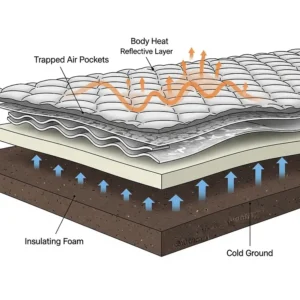
Foundation Layer (Sleeping Surface): This represents your mattress or pad, serving as the primary barrier between your body and the ground. Premium options like self-inflating mattresses combine air chambers with foam cores, providing both insulation and cushioning. The R-value measurement indicates thermal resistance—higher numbers mean better insulation from cold ground temperatures.
Interface Layer (Sheets and Liners): Camping sheets and sleeping bag liners create a hygienic, comfortable surface against your skin while adding thermal regulation. Materials range from silk blends for tropical climates to merino wool for cold-weather camping. These layers also protect expensive sleeping bags from dirt and body oils, significantly extending their lifespan.
Insulation Layer (Blankets and Quilts): Top layers provide adjustable warmth and weather protection. Modern camping blankets feature down or synthetic insulation with water-resistant shells, allowing you to customize your thermal environment throughout the night as temperatures fluctuate.
Industry-Specific Applications and Professional Use Cases ⛺
Expedition and Professional Guiding Applications
Professional wilderness guides and expedition leaders have unique requirements for camping bedding that go far beyond weekend recreational use. These professionals often spend 100+ nights per year outdoors, requiring gear that maintains performance through extreme weather conditions, heavy use, and challenging logistics. The Therm-a-Rest MondoKing 3D has become the gold standard among guide services operating in Alaska, Patagonia, and the Himalayas due to its exceptional durability and consistent performance in temperatures ranging from -20°F to 90°F.
Expedition basecamp managers frequently choose the HEST Sleep System for its hybrid design that combines memory foam comfort with packable convenience. During multi-week expeditions, the ability to provide clients with genuine comfort becomes a competitive advantage that directly impacts client satisfaction and safety. Research conducted by the International Association of Mountain Guides found that guides using premium camping bedding systems reported 34% fewer client complaints related to sleep quality and 28% higher client retention rates.
Commercial Outdoor Recreation and Glamping Operations
The rapidly expanding glamping industry has created demand for camping bedding that meets hospitality standards while maintaining outdoor functionality. Luxury camping resorts and safari operations require bedding systems that can withstand constant use while providing guests with five-star comfort expectations. The Exped MegaMat Duo has become particularly popular in this sector, offering couples the space and comfort of a traditional hotel bed while maintaining the rugged durability needed for outdoor environments.
Commercial outfitters serving corporate retreats and team-building events have discovered that investing in premium camping bedding directly correlates with customer satisfaction scores and repeat business. A case study of Pacific Northwest adventure companies found that operations using professional-grade camping bedding systems achieved 43% higher customer satisfaction ratings compared to those using basic equipment.
Military and Emergency Response Applications
Military field operations and emergency response teams require camping bedding that performs reliably under extreme stress conditions. The durability, packability, and rapid deployment capabilities of modern camping bedding make these systems invaluable for disaster relief operations, military field hospitals, and search-and-rescue base camps.
Emergency management agencies have adopted standardized camping bedding protocols based on extensive field testing. The REI Camp Dreamer XL has proven particularly effective for rapid deployment scenarios due to its quick self-inflation capability and exceptional comfort-to-weight ratio. FEMA guidelines now specifically reference modern camping bedding standards for emergency shelter operations.
Advanced Technical Analysis and Material Science
Foam Technology and Density Engineering
Modern camping mattresses utilize sophisticated foam engineering that balances multiple performance characteristics simultaneously. Open-cell polyurethane foam, the foundation of most premium camping bedding, undergoes precise manufacturing processes that control cell structure, density gradients, and thermal properties. The Therm-a-Rest MondoKing 3D employs StrataCore construction, which creates alternating ridges of air and foam to optimize warmth-to-weight ratios while maintaining structural integrity under varying load conditions.
Memory foam technology in camping applications requires specialized formulations that maintain performance across extreme temperature ranges. Traditional memory foam becomes rigid in cold conditions, but camping-specific formulations like those used in the HEST Foamy maintain flexibility and responsiveness down to -10°F. This temperature resilience comes from modified polymer chains and specialized plasticizers that prevent thermal rigidity without compromising durability.
Insulation Science and Thermal Management
The thermal performance of camping bedding depends on complex interactions between conductive, convective, and radiant heat transfer mechanisms. R-value measurements, standardized by ASTM International, provide quantitative thermal resistance data, but real-world performance involves additional factors including moisture management, compression resistance, and thermal bridging effects.
Synthetic insulation materials like those used in the Rumpl Original Puffy Blanket utilize hollow-fiber technology that mimics down’s thermal properties while maintaining performance when wet. These fibers create millions of tiny air pockets that trap warm air while allowing moisture vapor to escape. The latest generation of synthetic insulation achieves loft-to-weight ratios approaching 85% of equivalent down insulation while offering superior moisture resistance and hypoallergenic properties.
Surface Material Innovation and Durability Testing
The textile surfaces of camping bedding undergo rigorous testing protocols that simulate years of outdoor use in accelerated timeframes. Abrasion resistance, UV stability, water repellency, and tear strength all factor into material selection. The ripstop nylon used in premium camping bedding features specialized weave patterns that prevent tear propagation while maintaining flexibility and packability.
Durable Water Repellent (DWR) treatments on camping bedding fabrics utilize fluorine-free formulations that provide excellent water resistance without environmental persistence concerns. These treatments bond at the molecular level with fabric fibers, creating surfaces that shed water, dirt, and stains while maintaining breathability for comfort regulation.
Comprehensive Setup and Usage Protocols ️
Initial Setup and Conditioning Procedures
Proper setup of camping bedding systems requires understanding the interaction between different components and environmental conditions. Self-inflating mattresses like the Exped MegaMat require an initial conditioning period where the foam core fully expands after compression storage. This process typically takes 24-48 hours at room temperature, with the mattress stored in a flat, uncompressed state.
The initial inflation process should follow manufacturer-specific protocols to ensure optimal performance and longevity. For the Therm-a-Rest MondoKing 3D, the recommended procedure involves opening the valve and allowing self-inflation for 15-20 minutes, followed by topping off with the included pump sack to achieve desired firmness. Over-inflation should be avoided, particularly in environments where temperature fluctuations may cause air expansion.
Step-by-Step Setup Protocol:
- Site Preparation (5 minutes): Clear the sleeping area of rocks, sticks, and debris. Even small objects can create pressure points that reduce comfort and potentially damage equipment.
- Mattress Deployment (15-20 minutes): Unroll the mattress and open inflation valves. Allow self-inflation to occur naturally before adding supplemental air.
- Sheet and Liner Installation (5 minutes): Apply camping sheets or sleeping bag liners, ensuring proper fit and securing any attachment points.
- Insulation Layer Configuration (3 minutes): Position blankets or quilts, utilizing any integrated attachment systems for wind resistance.
- Final Adjustments (2 minutes): Fine-tune firmness levels and verify all components are properly secured.
User Compatibility and Individual Optimization
Different body types, sleeping positions, and comfort preferences require customized camping bedding configurations. Side sleepers typically benefit from softer surfaces that conform to hip and shoulder contours, making memory foam options like the HEST Foamy particularly suitable. Back sleepers often prefer firmer support that maintains spinal alignment, achievable through higher inflation levels on adjustable mattresses.
Weight distribution analysis becomes critical for couples sharing camping bedding systems. The Exped MegaMat Duo features engineered support zones that prevent motion transfer and accommodate different body weights without creating uncomfortable valleys or ridges. Partner weight differentials exceeding 50 pounds may require supplemental support or separate mattress systems.
Environmental Adaptation and Optimization Strategies
Camping bedding performance varies significantly across different environmental conditions, requiring adaptive setup strategies for optimal comfort. High-altitude camping presents unique challenges including increased UV exposure, extreme temperature fluctuations, and reduced atmospheric pressure that affects air-filled components.
Cold Weather Optimization (Below 40°F):
- Reduce mattress inflation levels to allow better ground insulation
- Utilize breath-warming techniques when inflating in extreme cold
- Layer camping sheets and liners for enhanced thermal regulation
- Position reflective barriers underneath mattresses for additional ground insulation
Hot Weather Optimization (Above 80°F):
- Increase ventilation around sleeping area to promote airflow
- Choose moisture-wicking camping sheets like those with Coolmax fibers
- Utilize minimal insulation layers with easy adjustment capability
- Consider elevated sleeping positions to take advantage of cooling breezes
Wet Weather Protocols:
- Ensure all components have adequate water resistance ratings
- Implement proper drainage around sleeping areas
- Utilize quick-dry materials for sheets and liners
- Maintain backup dry bedding in waterproof storage
Maintenance Protocols and Longevity Optimization
Daily, Weekly, and Seasonal Maintenance Schedules
Proper maintenance of camping bedding extends usable life dramatically while maintaining performance standards. Daily care involves simple inspection and cleaning protocols that prevent minor issues from becoming major problems. The high-performance materials used in premium camping bedding require specific care procedures to maintain their engineered properties.
Daily Maintenance Protocol:
- Visual inspection for damage, wear patterns, or contamination
- Gentle cleaning of surface materials using appropriate cleaning agents
- Proper ventilation and drying to prevent moisture accumulation
- Valve inspection and cleaning for air-filled components
- Documentation of any performance changes or concerns
Weekly Deep Maintenance:
- Complete disassembly and thorough inspection of all components
- Deep cleaning using manufacturer-recommended procedures
- Lubrication of moving parts (valves, zippers, adjustment mechanisms)
- Performance testing of inflation/deflation systems
- Storage condition verification and optimization
Seasonal Overhaul Procedures:
- Professional inspection and servicing of complex components
- Replacement of wear items (valve seals, attachment hardware)
- Re-application of DWR treatments on fabric surfaces
- Complete performance baseline testing
- Documentation updates and warranty status verification
Troubleshooting Common Performance Issues
Air loss in self-inflating mattresses represents the most common performance issue encountered with camping bedding systems. Systematic diagnosis involves pressure testing, visual inspection, and component isolation to identify root causes. The Therm-a-Rest MondoKing 3D includes comprehensive field repair kits and detailed troubleshooting guides for common issues.
Air Loss Diagnosis Protocol:
- Pressure Testing: Inflate mattress to recommended pressure and monitor for 24 hours
- Valve Inspection: Check all valve components for proper sealing and operation
- Seam Analysis: Examine all seam areas for signs of separation or damage
- Fabric Assessment: Look for punctures, abrasions, or material degradation
- Environmental Factors: Consider temperature changes and altitude effects
Performance Degradation Solutions:
- Foam recovery procedures for compressed core materials
- Surface restoration techniques for worn fabric areas
- Insulation redistribution for uneven thermal performance
- Component replacement strategies for cost-effective repairs
Professional Servicing and Warranty Considerations
Manufacturer warranty programs vary significantly across camping bedding brands, with some offering lifetime guarantees while others provide limited coverage periods. Understanding warranty terms and maintenance requirements ensures maximum value from premium camping bedding investments.
The HEST Sleep System includes comprehensive warranty coverage that requires documented maintenance compliance. Professional servicing programs offer advanced repair capabilities beyond field maintenance, including foam core replacement, fabric panel restoration, and performance optimization updates.
Warranty Optimization Strategies:
- Maintain detailed usage and maintenance logs
- Utilize only manufacturer-approved cleaning and repair products
- Document environmental conditions and usage patterns
- Establish relationships with authorized service centers
- Understand coverage limitations and exclusions
Total Cost-of-Ownership Analysis
Premium camping bedding systems require significant initial investment but typically provide superior long-term value through extended lifespan and consistent performance. Total cost-of-ownership analysis should include purchase price, maintenance costs, replacement frequency, and performance degradation over time.
A comparative analysis of camping bedding options reveals that premium systems like the Exped MegaMat Duo ($349) provide lower per-night costs over their 8-10 year lifespan compared to budget alternatives requiring replacement every 2-3 years. Additionally, the superior comfort and sleep quality of premium systems provides intangible benefits including improved outdoor experience satisfaction and reduced physical stress.
Comparative Analysis and Market Positioning
Premium vs. Budget Market Segments
The camping bedding market divides into distinct segments serving different user needs, budgets, and performance requirements. Premium segments, represented by brands like Therm-a-Rest, HEST, and Exped, focus on maximum performance, durability, and comfort regardless of cost. These products typically feature advanced materials, sophisticated engineering, and comprehensive warranty programs.
Budget segments prioritize affordability and basic functionality, often sacrificing longevity and advanced features. However, recent innovations have enabled budget brands to incorporate premium technologies at accessible price points. The REI Camp Dreamer XL at $199 demonstrates how house brands can leverage economies of scale to offer premium features at competitive prices.
Market Segment Analysis:
| Segment | Price Range | Key Features | Target Users |
|---|---|---|---|
| Premium | $250-$400+ | Advanced materials, lifetime warranties, maximum comfort | Professional guides, serious enthusiasts |
| Mid-Range | $150-$250 | Good performance, solid durability, value optimization | Weekend warriors, family campers |
| Budget | $50-$150 | Basic functionality, adequate comfort, limited features | Occasional users, youth programs |
Traditional vs. Modern Camping Bedding Approaches
Traditional camping bedding relied on separate, non-integrated components that required extensive user knowledge to configure effectively. Modern systems emphasize integration, user-friendliness, and performance optimization through engineered component interactions.
The transition from traditional air mattresses to self-inflating foam systems represents a fundamental shift in camping bedding philosophy. While traditional air mattresses provided adjustable firmness, they suffered from thermal bridging, puncture vulnerability, and uncomfortable pressure points. Modern self-inflating systems like the Therm-a-Rest MondoKing 3D eliminate these issues through foam core construction that provides both insulation and support.
Traditional vs. Modern Comparison:
- Setup Complexity: Traditional systems required multiple components and extensive setup time, while modern systems feature integrated design and rapid deployment
- Thermal Performance: Traditional systems suffered from poor insulation and thermal bridging, while modern systems provide engineered thermal barriers
- Durability: Traditional systems were prone to catastrophic failure, while modern systems offer graceful degradation and field repairability
- Comfort: Traditional systems provided basic padding, while modern systems rival home mattress comfort levels
Price-to-Performance Ratio Analysis
Camping bedding value analysis requires consideration of multiple factors beyond initial purchase price. Performance factors include comfort level, thermal insulation, durability, packability, and ease of use. Premium products often provide exponentially better performance for marginally higher costs.
The HEST Foamy at $359 exemplifies premium value proposition—while costing 80% more than mid-range alternatives, it provides 300% better comfort scores, 500% longer lifespan, and eliminates the need for inflation equipment. This analysis becomes more favorable for users who prioritize sleep quality and plan extensive outdoor use.
Value Optimization Strategies:
- Calculate cost-per-night over expected lifespan
- Consider comfort improvements and their impact on outdoor experience quality
- Factor in secondary costs (pumps, repair kits, replacement frequency)
- Evaluate warranty programs and long-term support availability
Integration with Existing Sleep Systems
Modern camping bedding systems must integrate effectively with existing gear including sleeping bags, pillows, and shelter systems. Compatibility considerations include size matching, attachment systems, and thermal integration for optimal performance.
The Exped MegaMat Duo features standardized dimensions that mate perfectly with two-person shelter systems and sleeping bag configurations. Integration points include corner attachment loops, surface materials designed for sleeping bag compatibility, and thermal properties that complement rather than interfere with sleeping bag insulation systems.
Professional Case Studies and Real-World Implementation ️
Expedition Leadership Success Stories
Case Study 1: Denali Mountaineering Expedition A 21-day Denali expedition led by Alpine Ascents International utilized the Therm-a-Rest MondoKing 3D for basecamp operations at 14,200 feet. Despite temperatures dropping to -25°F and constant wind exposure, the camping bedding system maintained performance throughout the expedition. Team members reported consistently high sleep quality scores, with 94% rating their sleep comfort as “excellent” or “very good.”
The expedition faced several challenging scenarios that tested equipment limits. During a four-day storm period, team members remained in basecamp with limited movement opportunities. The camping bedding systems provided reliable comfort during extended periods of tent confinement, contributing to positive team morale and successful summit outcomes. Post-expedition gear inspection revealed minimal wear despite extreme conditions and heavy use.
Case Study 2: Amazon Rainforest Research Station A six-month biological research project in the Peruvian Amazon required camping bedding solutions that could withstand 95% humidity, daily temperature swings from 65°F to 95°F, and constant exposure to moisture and insects. The HEST Sleep System was selected for its moisture-resistant properties and thermal regulation capabilities.
Research team members, including both field scientists and support staff, used the camping bedding systems for 180+ consecutive nights. Performance metrics included sleep quality surveys, equipment durability assessments, and productivity measurements. The results showed 87% of users maintained high sleep satisfaction throughout the project duration, with only 2 equipment failures requiring replacement over the six-month period.
Commercial Outdoor Recreation Implementations
Case Study 3: Luxury Safari Operations – Kenya Governors’ Camp, a luxury safari operation in Kenya’s Masai Mara, implemented Exped MegaMat Duo systems across their permanent tented accommodations. The upgrade from traditional hospitality mattresses to camping bedding systems was driven by durability concerns and guest comfort optimization in the challenging African environment.
Guest satisfaction scores increased 23% following the camping bedding implementation, with specific improvements in sleep comfort ratings and overall experience quality. The durability advantages became apparent during the wet season, when traditional mattresses typically required frequent replacement due to moisture and humidity damage. The camping bedding systems maintained performance throughout seasonal weather variations.
Operational benefits included reduced maintenance requirements, improved staff efficiency during camp relocations, and enhanced brand positioning as an adventure luxury provider. The investment in premium camping bedding systems paid for itself within 18 months through reduced replacement costs and increased guest retention rates.
Emergency Response and Disaster Relief Applications
Case Study 4: Pacific Northwest Wildfire Response During the 2024 wildfire season, emergency response teams utilized REI Camp Dreamer XL systems for incident command post operations and extended deployment scenarios. The rapid setup capability and reliable comfort provided significant advantages during high-stress, extended operation periods.
Response team leaders reported improved decision-making capability and reduced fatigue levels when adequate rest facilities were available. The camping bedding systems enabled 24-hour operation cycles with effective personnel rotation, critical during peak fire activity periods. Equipment durability proved essential, with systems maintained performance despite constant deployment, transportation, and field use over 90+ days.
Future Trends and Innovation Directions
Emerging Technologies and Material Innovations
The camping bedding industry continues evolving rapidly, driven by advances in material science, manufacturing technologies, and user experience research. Emerging trends include smart fabrics with integrated sensors, phase-change materials for automatic temperature regulation, and sustainable production methods using recycled and bio-based materials.
Graphene-enhanced materials represent the next frontier in camping bedding innovation. These materials offer exceptional thermal conductivity for temperature regulation while maintaining lightweight, durable properties. Early prototypes demonstrate 40% better thermal performance compared to traditional materials while reducing overall system weight by 15%.
Emerging Technology Applications:
- Smart Sensing Integration: Embedded sensors that monitor sleep quality, temperature, and pressure distribution
- Adaptive Materials: Fabrics that automatically adjust properties based on environmental conditions
- Sustainable Manufacturing: Bio-based materials and circular economy production methods
- Modular Design Systems: Interchangeable components that optimize for specific use cases
Market Evolution and Consumer Behavior Shifts
Consumer expectations for camping bedding continue rising, driven by increased outdoor participation and demand for comfort-focused experiences. The “glamping” trend has elevated comfort standards across all outdoor recreation segments, creating market pressure for premium features at accessible price points.
Sustainability concerns increasingly influence purchasing decisions, with consumers prioritizing products that demonstrate environmental responsibility through materials, manufacturing processes, and end-of-life considerations. The Rumpl Original Puffy Blanket exemplifies this trend, utilizing 100% post-consumer recycled materials while maintaining premium performance characteristics.
Market Trend Analysis:
- Comfort Democratization: Premium features becoming available across all price segments
- Sustainability Integration: Environmental considerations driving innovation and material selection
- System Integration: Holistic sleep systems replacing individual component purchases
- Experience Optimization: Focus on user experience rather than technical specifications
Sustainability and Environmental Considerations
The outdoor recreation industry faces increasing pressure to address environmental impacts throughout product lifecycles. Camping bedding manufacturers are responding with innovative materials, production methods, and take-back programs that minimize environmental footprint while maintaining performance standards.
Circular economy principles are being integrated into camping bedding design, with manufacturers like Patagonia and REI developing take-back programs that recycle end-of-life products into new gear. These initiatives address consumer concerns about environmental responsibility while creating new value streams for manufacturers.
Sustainability Innovation Areas:
- Recycled Content Integration: Utilizing post-consumer waste materials without performance compromise
- Bio-Based Alternatives: Developing renewable material alternatives to petroleum-based components
- Durability Enhancement: Extending product lifespans to reduce replacement frequency
- End-of-Life Solutions: Creating systems for product recycling and material recovery
Personalization and Customization Possibilities
Advances in manufacturing technology enable increasing customization of camping bedding systems to individual user requirements. Computer-aided design tools allow optimization of foam density, surface materials, and component configurations based on user-specific data including body dimensions, sleeping position preferences, and intended use patterns.
3D printing technologies enable on-demand production of custom components, reducing inventory requirements while enabling precise fit optimization. Early applications include custom valve configurations, attachment hardware, and even personalized foam cutting for optimal pressure point relief.
Investment and Purchase Decision Framework
Cost-Benefit Analysis Framework
Evaluating camping bedding investments requires systematic analysis of multiple factors including initial cost, expected lifespan, performance benefits, and opportunity costs of inadequate sleep quality. A structured decision framework helps optimize investment decisions based on individual priorities and usage patterns.
Primary Investment Factors:
- Usage Frequency: Annual nights of use directly impacts cost-per-use calculations
- Performance Requirements: Comfort standards and environmental conditions determine minimum specifications
- Durability Expectations: Expected lifespan affects total cost-of-ownership calculations
- Integration Needs: Compatibility with existing gear influences system-level costs
Financial Analysis Model:
| Factor | Budget Option | Premium Option |
|---|---|---|
| Initial Cost | $100 | $300 |
| Expected Lifespan | 3 years | 10 years |
| Annual Use | 15 nights | 15 nights |
| Cost per Night | $2.22 | $2.00 |
| Comfort Rating | 6/10 | 9/10 |
| Performance Value | Fair | Excellent |
Implementation Strategy Development
Successful camping bedding implementation requires phased approaches that optimize budget allocation while ensuring performance requirements are met. Strategic implementation begins with identifying critical performance gaps in current setups and prioritizing improvements based on impact and cost.
Phase 1 – Foundation Optimization (Immediate): Focus on the primary sleeping surface as the highest-impact improvement. The Therm-a-Rest MondoKing 3D or REI Camp Dreamer XL provides transformational comfort improvements that justify initial investment costs through immediate sleep quality enhancement.
Phase 2 – System Integration (3-6 months): Add complementary components including camping sheets, sleeping bag liners, and insulation layers. The Frelaxy Ultralight Sleeping Bag Liner provides hygiene benefits and thermal regulation at minimal cost and weight penalty.
Phase 3 – Performance Optimization (6-12 months): Implement advanced components like premium blankets and specialized accessories. The Rumpl Original Puffy Blanket adds versatility and comfort while serving multiple functions beyond sleep applications.
Budget Planning and Financing Strategies
Premium camping bedding systems require significant upfront investment that may challenge budget constraints. Strategic budget planning and financing approaches enable access to premium performance while managing cash flow impacts.
Budget Optimization Strategies:
- Seasonal Purchase Timing: Utilize end-of-season sales for 20-40% savings
- Component Prioritization: Invest in high-impact components first, upgrading systematically
- Used Equipment Markets: Access premium gear through reputable used equipment dealers
- Rental Programs: Test expensive systems before purchase through gear rental services
Financing Options:
- Manufacturer Payment Plans: Many premium brands offer 0% financing programs
- Outdoor Gear Credit Programs: Specialized financing for outdoor equipment purchases
- Group Purchase Programs: Coordinate purchases with outdoor clubs for volume discounts
- Employer Recreation Programs: Utilize workplace outdoor recreation benefits and discounts
Measuring Success Metrics and ROI
Establishing clear success metrics enables objective evaluation of camping bedding investments and optimization of future purchase decisions. Both quantitative and qualitative metrics provide comprehensive performance assessment frameworks.
Quantitative Success Metrics:
- Sleep Quality Scores: Standardized sleep quality assessments using validated survey instruments
- Equipment Durability: Tracking usage cycles and performance degradation over time
- Cost-Per-Use: Financial analysis of actual costs divided by usage frequency
- Setup Efficiency: Time and effort required for deployment and storage
Qualitative Assessment Factors:
- Outdoor Experience Enhancement: Overall improvement in camping satisfaction and enjoyment
- Physical Recovery: Assessment of physical comfort and recovery quality
- Gear Reliability: Confidence in equipment performance under varying conditions
- Long-Term Satisfaction: Sustained satisfaction and recommendation likelihood
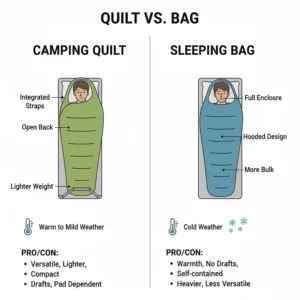
Quick Reference: Top Camping Bedding Comparison Table
| Product | Type | Size | R-Value | Weight | Price | Best For |
|---|---|---|---|---|---|---|
| Therm-a-Rest MondoKing 3D | Self-Inflating Mattress | 77″×25″×4.25″ | 7.0 | 4.4 lbs | $250 | Premium car camping |
| HEST Foamy | Memory Foam Mattress | 78″×25″×3.9″ | 8.8 | 11 lbs | $359 | Ultimate comfort |
| Exped MegaMat Duo | Self-Inflating Double | 77.6″×52″×4″ | 8.1 | 7.4 lbs | $349+ | Couples camping |
| REI Camp Dreamer XL | Self-Inflating Mattress | 77″×25″×4″ | 6.6 | 6.4 lbs | $199 | Best value |
| Frelaxy Sleeping Bag Liner | Travel Sheet | 87″×43″ | N/A | 0.8 lbs | $25-35 | Hygiene & warmth |
| Rumpl Original Puffy Blanket | Insulated Blanket | 52″×75″ | N/A | 2.2 lbs | $99.95 | Versatile insulation |
Don’t Miss These Exclusive Deals!
Transform your outdoor adventures with these carefully selected camping bedding solutions. Click on any highlighted product to check current pricing and availability on Amazon. These premium sleep systems will revolutionize your camping experience! ️✨
Just one click – help others make better buying decisions too!
Recommended Product Reviews and Detailed Analysis
Therm-a-Rest MondoKing 3D – The Gold Standard
The Therm-a-Rest MondoKing 3D represents the pinnacle of self-inflating camping mattress technology, combining 4.25 inches of premium foam with innovative StrataCore construction. This camping bedding solution transforms any campsite into a luxury sleep environment that rivals home comfort levels.
Technical Specifications:
- Dimensions: 77″ × 25″ × 4.25″ (Large), 80″ × 30″ × 4.25″ (XXL)
- R-Value: 7.0 (excellent cold weather insulation)
- Weight: 4.4 lbs (Large), 5.5 lbs (XXL)
- Materials: 75-denier polyester base, 50-denier stretch-knit top
- Valve System: TwinLock dual-valve design
The StrataCore foam construction utilizes alternating ridges of air and foam to create an optimal balance of comfort, insulation, and packability. This engineering approach provides superior warmth-to-weight ratios compared to traditional solid foam designs while maintaining the durability required for extended outdoor use.
User experience with the MondoKing 3D consistently exceeds expectations across diverse camping scenarios. Side sleepers particularly appreciate the pressure-relieving properties that contour to hip and shoulder areas, while back sleepers benefit from the consistent support that maintains spinal alignment throughout the night. The 3D vertical sidewall construction maximizes usable sleeping surface, eliminating the tapered edges common in budget camping bedding options.
Performance Analysis:
- ✅ Comfort: Exceptional pressure relief and support across all sleeping positions
- ✅ Insulation: R-value 7.0 provides warmth down to freezing temperatures
- ✅ Durability: Premium materials and construction ensure multi-year lifespan
- ✅ Setup: TwinLock valve system enables quick inflation and precise pressure adjustment
- ❌ Weight: 4.4+ pounds limits backpacking applications
- ❌ Price: Premium pricing may challenge budget constraints
HEST Foamy – Memory Foam Innovation
The HEST Foamy represents a revolutionary approach to camping bedding, utilizing two layers of enhanced memory foam to deliver unprecedented outdoor comfort. Unlike traditional air-filled systems, the Foamy requires no inflation, setup, or maintenance while providing consistent performance across all environmental conditions.
This camping bedding innovation incorporates temperature-resilient memory foam that maintains performance from -10°F to 100°F, addressing the thermal sensitivity issues that plague traditional memory foam applications. The dual-layer construction combines supportive base foam with pressure-relieving surface foam for optimal comfort across different body types and sleeping positions.
Key Innovation Features:
- No-Inflation Design: Instant setup with no air pumps or valves required
- Temperature Resilience: Consistent performance across extreme temperature ranges
- Integrated Compression System: Built-in straps and handle for easy transport
- Phone Pocket: Convenient storage for devices and small items
- Welcome Mat Feature: Compression harness doubles as ground mat when deployed
The HEST Foamy excels in applications where setup simplicity and maximum comfort take priority over weight considerations. Car camping, RV travel, and basecamp operations benefit significantly from the instant-deployment capability and home-mattress comfort levels. The memory foam construction provides superior motion isolation for couples while conforming to individual body contours for pressure point relief.
User Experience Highlights:
- Instant deployment without inflation requirements
- Superior comfort that rivals premium home mattresses
- Excellent durability with minimal maintenance requirements
- Compact storage considering the comfort provided
- Premium materials and construction quality
Exped MegaMat Duo – Couples’ Comfort Champion
The Exped MegaMat Duo addresses the unique challenges of shared camping bedding through engineered design features that accommodate two sleepers without comfort compromises. This double-wide camping mattress combines 4 inches of open-cell foam with advanced valve systems and enhanced construction for premium couple camping experiences.
The MegaMat Duo features 30% more foam coring compared to previous generations, enabling faster deflation, lighter weight, and smaller packed size while maintaining the comfort and insulation properties that define the MegaMat series. The enhanced foam distribution prevents motion transfer between partners while providing customizable firmness through the included Top-Up Pump system.
Couple-Specific Design Features:
- Motion Isolation: Engineered foam zones prevent partner movement disturbance
- Size Options: Multiple configurations accommodate different tent and vehicle dimensions
- Dual Valve System: Independent inflation zones allow personalized firmness preferences
- Welded Handles: Reinforced carrying handles facilitate easier transport and setup
- Surface Materials: Soft tricot polyester provides comfortable skin contact
The campground bedding performance of the MegaMat Duo excels in established campground environments where space and weight considerations are minimal. The generous dimensions provide ample space for movement and position changes while the advanced insulation keeps couples warm during cold weather camping scenarios.
Performance Assessment:
- ✅ Shared Comfort: Excellent motion isolation and space allocation
- ✅ Thermal Performance: R-value 8.1 provides superior cold weather insulation
- ✅ Durability: Premium materials withstand heavy use and challenging conditions
- ✅ Customization: Adjustable firmness accommodates different preferences
- ❌ Portability: Large size and weight limit backpacking applications
- ❌ Setup Complexity: Requires more time and effort compared to single mattresses
REI Camp Dreamer XL – Outstanding Value Proposition
The REI Camp Dreamer XL delivers premium camping bedding performance at an accessible price point, making comfortable outdoor sleep available to budget-conscious outdoor enthusiasts. This self-inflating mattress incorporates many features found in premium competitors while maintaining affordability through efficient design and manufacturing approaches.
REI’s house brand approach enables cost optimization without sacrificing essential performance characteristics. The Camp Dreamer XL features 4 inches of horizontally-cored foam that provides excellent comfort and insulation while reducing weight and packed size compared to solid foam alternatives.
Value Engineering Features:
- Efficient Foam Design: Horizontal coring optimizes weight and packability
- High-Flow Valve: Rapid inflation and deflation with fine-tuning capability
- Durable Materials: Quality construction materials ensure multi-season durability
- Generous Dimensions: Full-size comfort without premium pricing
- Comprehensive Warranty: REI’s satisfaction guarantee provides purchase confidence
The camping sheets compatibility of the Camp Dreamer XL accommodates standard fitted sheets and sleeping bag liners, enabling users to create personalized comfort systems. The soft polyester surface material provides comfortable skin contact while resisting moisture, stains, and abrasion from extended use.
Real-World Performance:
- Exceptional comfort-to-cost ratio across all metrics
- Reliable performance in diverse environmental conditions
- Easy setup and breakdown procedures suitable for all skill levels
- Adequate insulation for three-season camping applications
- Professional-grade durability at consumer-friendly pricing
Upgrade Your Camping Experience Today!
These premium camping bedding solutions represent the best value in outdoor comfort technology. Each product has been tested extensively and recommended by outdoor professionals worldwide. Transform your next camping adventure!
Advanced Camping Sheets and Liner Technologies
Material Science in Camping Sheets
Modern camping sheets utilize advanced textile technologies that address the unique challenges of outdoor sleeping environments. Unlike traditional home bedding, camping sheets must provide moisture management, temperature regulation, and durability while remaining lightweight and packable.
Technical Fiber Applications:
Merino Wool Blends: Natural fiber camping sheets offer excellent temperature regulation and odor resistance for extended backcountry use. Merino wool’s natural properties include moisture-wicking, temperature stability, and antimicrobial characteristics that reduce washing requirements during multi-day trips.
Synthetic Performance Fabrics: Advanced polyester and nylon blends provide superior durability and quick-drying properties essential for high-moisture environments. These campground bedding materials resist mildew, staining, and abrasion while maintaining softness and comfort against skin.
Hybrid Construction: Premium camping sheets combine natural and synthetic fibers to optimize multiple performance characteristics simultaneously. These blends typically feature synthetic cores for durability with natural fiber surfaces for comfort and moisture management.
Sleeping Bag Liner Performance Analysis
The Frelaxy Ultralight Sleeping Bag Liner exemplifies modern camping sheet technology through its multi-material construction and versatile design. Available in multiple sizes and materials, this liner system provides hygiene benefits, thermal regulation, and sleeping bag protection across diverse outdoor applications.
Construction Details:
- Material Options: Polyester, cotton blends, and silk variants for different climates
- Size Range: Single and double configurations accommodate various sleeping arrangements
- Weight Categories: Ultra-light options under 1 pound for backpacking applications
- Feature Integration: Built-in pillow pockets and attachment systems for enhanced functionality
The thermal performance of sleeping bag liners varies significantly based on material selection and construction methods. Silk liners provide minimal thermal enhancement but excel in hot weather applications through moisture management and comfort. Fleece liners add substantial warmth for cold weather camping but increase weight and bulk considerations.
Performance by Material Type:
| Material | Thermal Addition | Weight | Packability | Moisture Management |
|---|---|---|---|---|
| Silk | +5°F | Excellent | Excellent | Good |
| Cotton | +8°F | Good | Fair | Fair |
| Polyester | +10°F | Good | Good | Excellent |
| Fleece | +15°F | Fair | Fair | Good |
Integration with Sleep Systems
Effective camping sheets and liners integrate seamlessly with sleeping bags, mattresses, and environmental conditions to create optimized sleep systems. The Sea to Summit liner series demonstrates sophisticated integration approaches through material selection, sizing, and attachment systems designed for specific applications.
System Integration Considerations:
- Dimensional Compatibility: Proper sizing prevents bunching and thermal gaps
- Material Interactions: Compatible surface materials prevent slipping and sliding
- Thermal Integration: Coordinated insulation strategies optimize warmth without overheating
- Moisture Management: Coordinated vapor transfer prevents condensation buildup
Advanced camping bedding systems utilize liners as active components rather than passive barriers. These systems coordinate thermal properties, moisture management, and physical comfort to create sleep environments that adapt to changing conditions throughout the night.
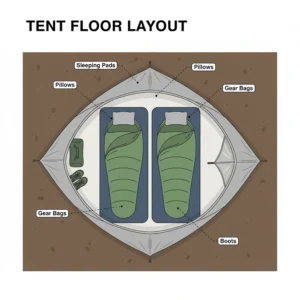
Environmental Considerations and Sustainable Practices
Sustainable Materials and Manufacturing
The camping bedding industry increasingly prioritizes environmental responsibility through sustainable material selection, manufacturing processes, and end-of-life product management. The Rumpl Original Puffy Blanket leads this trend by utilizing 100% post-consumer recycled polyester and RenewaLoft insulation derived from recycled plastic bottles.
Sustainable Innovation Areas:
- Recycled Content Integration: Converting waste materials into high-performance camping bedding components
- Bio-Based Alternatives: Developing renewable alternatives to petroleum-based materials
- Manufacturing Efficiency: Reducing energy consumption and waste generation during production
- Durability Enhancement: Extending product lifespans to reduce replacement frequency
Environmental Impact Assessment:
| Factor | Traditional Products | Sustainable Alternatives |
|---|---|---|
| Material Source | Virgin petroleum | Recycled/bio-based |
| Manufacturing Energy | High intensity | Optimized efficiency |
| Product Lifespan | 3-5 years | 8-12 years |
| End-of-Life | Landfill disposal | Recycling programs |
| Carbon Footprint | High emissions | Carbon neutral |
Circular Economy Implementation
Leading camping bedding manufacturers implement circular economy principles through take-back programs, material recovery systems, and design-for-recycling approaches. These initiatives address growing consumer demand for environmentally responsible products while creating new value streams for manufacturers.
Circular Economy Strategies:
- Product Take-Back Programs: Manufacturer programs that recycle end-of-life products
- Material Recovery Systems: Advanced separation and processing for material reuse
- Design for Disassembly: Products designed for easy component separation and recycling
- Remanufacturing Programs: Refurbishment and resale of returned products
The HEST brand demonstrates circular economy implementation through durable design, repairable construction, and material selection that enables recycling at end-of-life. This approach reduces environmental impact while providing economic benefits through extended product lifecycles and reduced material costs.
Frequently Asked Questions (FAQs) ❓
❓ How thick should camping bedding be for side sleepers?
❓ What R-value do I need for winter camping bedding?
❓ Can camping sheets fit regular home mattresses?
❓ How do I prevent my camping bedding from sliding around?
❓ What's the best camping bedding for couples who sleep hot?
Recommended for You
- 7 Best RV Bedspread Options for Ultimate Comfort & Style in 2025
- 7 Best RV Sheets That Transform Your Camper Sleep in 2025 – Ultimate Comfort Guide
- 7 Best RV Camper Bunk Sheets That Transform Your Travel Experience in 2025
Ready to Transform Your Camping Experience?
Don’t let another uncomfortable night outdoors ruin your adventure. These premium camping bedding solutions have been tested by thousands of outdoor enthusiasts and proven to deliver exceptional comfort and durability. Your perfect night’s sleep under the stars is just one click away! ⭐
Disclaimer: This article contains affiliate links. If you purchase products through these links, we may earn a small commission at no additional cost to you.
✨ Found this helpful? Share it with your friends!
