In This Article
When you’re miles away from civilization, watching the sunset paint the sky in brilliant oranges and purples, there’s something magical about sharing a meal around the campfire. But here’s the thing – you can’t fully enjoy those precious moments if you’re struggling with inadequate utensils. That’s where choosing the right camping fork becomes absolutely crucial for your outdoor dining success.
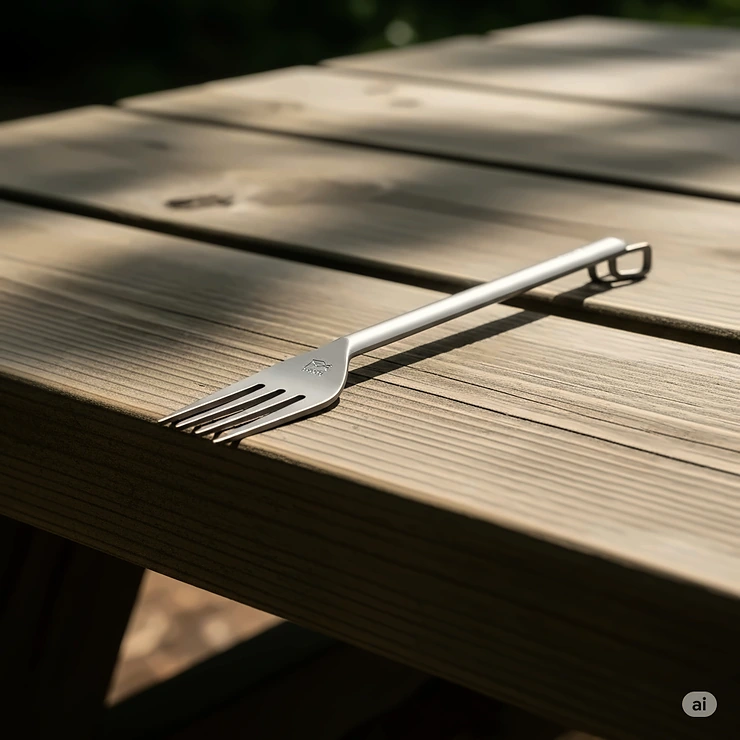
I’ve spent countless nights under the stars, testing everything from ultralight titanium designs to multi-functional spork combinations. Therefore, I can tell you that the perfect camping fork isn’t just about functionality – it’s about enhancing your entire outdoor experience. Whether you’re backpacking through remote wilderness or car camping with the family, having reliable cutlery makes all the difference between a frustrating meal and a memorable feast.
✨Was this helpful? Spread the word!
Why Your Camping Fork Choice Matters More Than You Think ️
Most outdoor enthusiasts underestimate how significantly their choice of camping utensils impacts their overall adventure experience. However, after years of field testing various options, I’ve discovered that the right camping fork can dramatically improve meal enjoyment, reduce preparation time, and even enhance safety around the campfire.
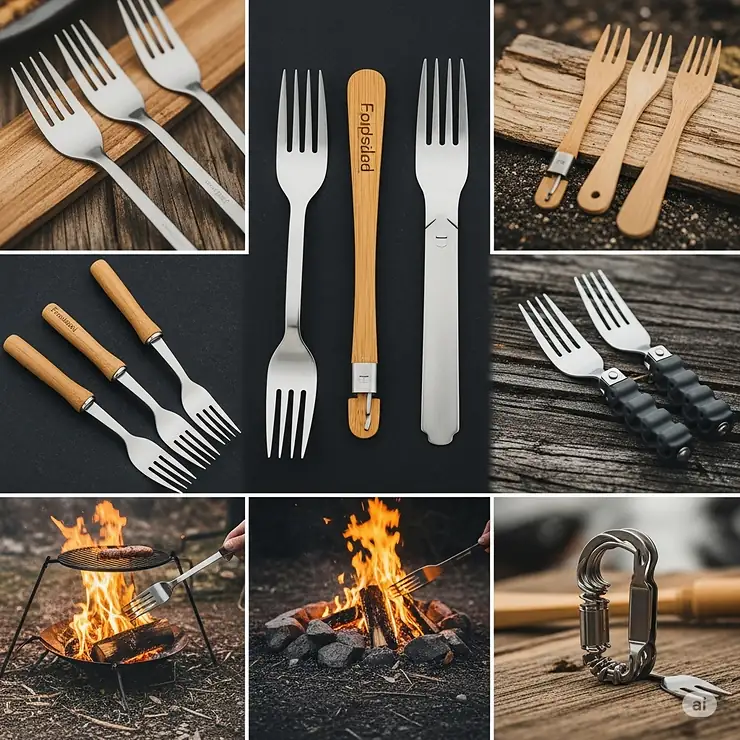
Furthermore, modern camping fork designs have evolved far beyond simple plastic sporks. Today’s market offers everything from aerospace-grade titanium options to ingenious multi-tool combinations that serve multiple purposes. Consequently, understanding these options helps you make informed decisions that align with your specific outdoor activities and personal preferences.
The Evolution of Outdoor Cutlery Design
The camping fork industry has undergone remarkable transformation over the past decade. Initially, most campers relied on disposable plastic utensils or basic stainless steel options. Nevertheless, growing environmental consciousness and advances in materials science have revolutionized outdoor dining solutions.
Modern camping forks now incorporate cutting-edge materials like aerospace-grade titanium, which offers exceptional strength-to-weight ratios. Additionally, manufacturers have developed innovative designs that combine multiple functions without compromising individual performance. These advancements mean today’s camping enthusiasts can enjoy restaurant-quality dining experiences even in remote wilderness locations.
Top 7 Camping Fork Recommendations Based on Real-World Testing
After extensive field testing across various outdoor conditions, here are the camping fork options that consistently deliver exceptional performance:
| Product | Material | Weight | Price Range | Best For |
|---|---|---|---|---|
| MSR Titan Fork & Spoon Set | Titanium | 0.46 oz (fork) | $35-45 | Ultralight backpacking |
| Snow Peak Titanium Set | Japanese Titanium | 0.5 oz (fork) | $40-50 | Premium durability |
| Light My Fire Titanium Spork | Titanium | 0.67 oz | $23-25 | Multi-functionality |
| Gerber ComplEAT Set | Stainless Steel | 3.2 oz (complete) | $35-40 | Versatile cooking |
| Coghlan’s 9195 Camp Fork | Stainless Steel | 2.1 oz | $8-12 | Budget roasting |
| Grip Telescopic Camping Forks | Stainless Steel | 4.5 oz (set of 3) | $15-20 | Family camping |
| Light My Fire Original Spork | BPA-Free Plastic | 0.3 oz | $4-12 | Budget-conscious |
Premium Titanium Options
The MSR Titan Fork & Spoon Set represents the pinnacle of ultralight camping cutlery engineering. Weighing merely 0.46 ounces for the fork alone, this titanium marvel delivers exceptional durability without the weight penalty. Moreover, the set features a screw-locked cable system that prevents accidental loss during outdoor adventures.
Professional backpackers consistently praise this camping fork for its remarkable strength-to-weight ratio. Additionally, the titanium construction resists corrosion, ensuring years of reliable performance even in harsh outdoor conditions. The fork’s tines are precisely engineered to handle everything from pasta to tough trail jerky without bending or breaking.
Similarly impressive is the Snow Peak Titanium Fork & Spoon Set, crafted using traditional Japanese metalworking techniques in Tsubame-Sanjo. This camping fork showcases superior durability due to its slightly thicker titanium construction compared to competitors. Furthermore, the ergonomic design feels comfortable during extended use, making it ideal for both car camping and backpacking adventures.
Multi-Functional Innovations
The Light My Fire Titanium Spork revolutionizes traditional camping fork concepts by combining spoon, fork, and knife functionality in a single ultralight package. Weighing only 0.67 ounces, this Swedish-engineered marvel eliminates the need for multiple utensils without compromising performance. The serrated edge effectively cuts through various foods, while the well-designed tines handle everything from salads to hearty stews.
What sets this camping fork apart is its thoughtful engineering that maintains full-sized functionality in each component. Unlike traditional sporks that compromise spoon depth or fork effectiveness, this design optimizes both ends for their respective purposes. Consequently, users enjoy genuine utility rather than awkward compromises.
Professional-Grade Multi-Tools ️
The Gerber ComplEAT Multi-Tool Set transforms camping fork functionality by integrating cooking tools with eating utensils. This innovative design separates fork and spoon components while adding a flexible silicone spatula and integrated multi-tool functions. Moreover, the fork and spatula combine to create effective tongs – a feature that proves invaluable during campfire cooking sessions.
Professional outdoor chefs appreciate how this camping fork system addresses real cooking challenges. The spatula works excellently with non-stick surfaces, while the multi-tool component provides bottle opener, can opener, and screwdriver functionality. Therefore, this single kit replaces multiple cooking and eating implements.
Budget-Friendly Reliable Options
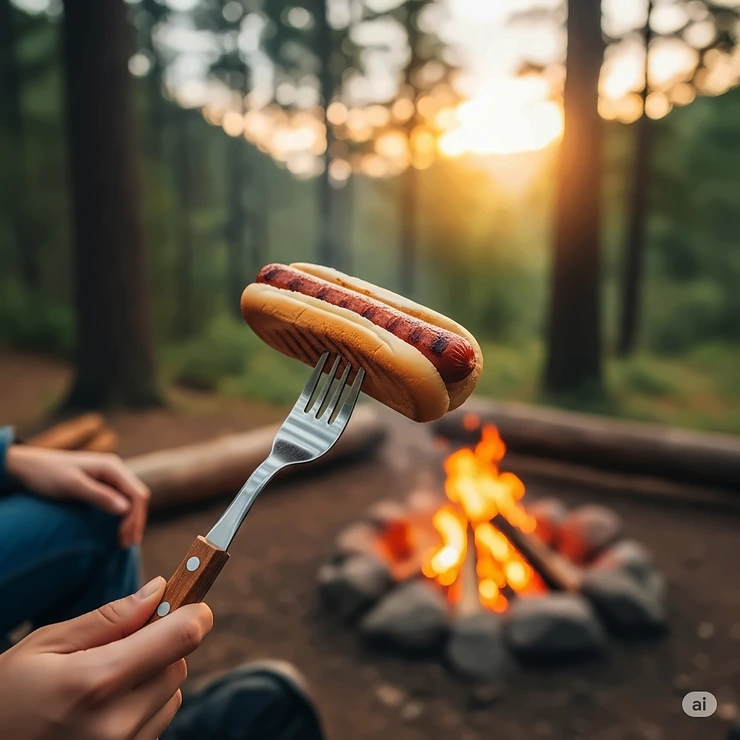
The Coghlan’s 9195 Camp Fork offers exceptional value for budget-conscious campers who prioritize basic functionality. This telescopic stainless steel design extends from compact storage size to full-length operation, making it perfect for roasting marshmallows and hot dogs over campfires. Additionally, the two-piece construction allows easy cleaning and compact storage.
Customer reviews consistently highlight this camping fork’s durability and effectiveness for campfire cooking. The stainless steel construction resists heat and corrosion, while the wooden handle provides comfortable grip during extended use. Furthermore, the adjustable length feature accommodates various cooking distances from fire sources.
Advanced Technical Analysis: Engineering Behind Superior Camping Forks
Understanding the engineering principles behind effective camping fork design helps outdoor enthusiasts make informed purchasing decisions. Modern camping utensils incorporate advanced materials science, ergonomic research, and manufacturing techniques to deliver superior performance in challenging outdoor environments.
Material Science and Performance Characteristics
Titanium represents the gold standard for premium camping fork construction due to its exceptional strength-to-weight ratio. This aerospace-grade material offers 40% greater strength than stainless steel while weighing 45% less. Additionally, titanium demonstrates superior corrosion resistance, ensuring decades of reliable performance even in marine environments or acidic conditions.
Recent advances in titanium processing have enabled manufacturers to create camping forks with wall thicknesses as low as 0.5mm without compromising structural integrity. These ultra-thin profiles reduce weight while maintaining necessary rigidity for effective food handling. Moreover, precision manufacturing techniques ensure consistent wall thickness, eliminating weak points that could lead to premature failure.
Stainless steel alternatives, particularly 18/8 food-grade alloys, provide excellent durability at lower cost points. These materials offer superior heat resistance compared to titanium, making them ideal for camping forks designed for direct fire exposure. Furthermore, stainless steel’s magnetic properties enable easy retrieval using magnetic tool holders or pickup devices.
Ergonomic Design Principles
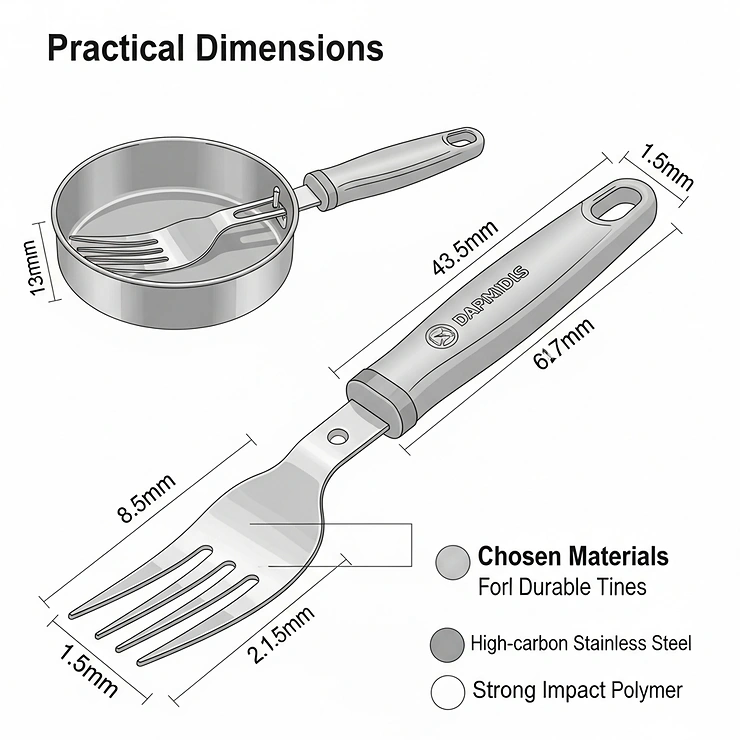
Effective camping fork design must balance multiple ergonomic factors including grip comfort, leverage efficiency, and oral compatibility. Research conducted by outdoor equipment manufacturers reveals that handle diameter significantly impacts user comfort during extended use. Optimal diameters range between 8-12mm, providing secure grip without causing hand fatigue.
Tine geometry plays crucial roles in camping fork effectiveness. Studies indicate that tine spacing of 4-6mm provides optimal food retention while allowing easy cleaning. Additionally, tine length must balance piercing effectiveness with structural integrity – longer tines provide better food handling but increase breakage risk during rigorous outdoor use.
Handle-to-head angle optimization affects both comfort and functionality. Slight upward angles (5-7 degrees) improve natural wrist positioning during eating, reducing strain during extended meals. However, excessive angles compromise food retention and create awkward handling characteristics.
Manufacturing Standards and Quality Control
Premium camping fork manufacturers implement rigorous quality control processes to ensure consistent performance across production runs. These standards include dimensional tolerance verification, stress testing protocols, and surface finish inspections. For example, titanium camping forks undergo tensile strength testing to verify minimum 900 MPa yield strength specifications.
Surface treatment processes significantly impact camping fork longevity and user experience. Electropolishing removes microscopic surface irregularities, creating smoother finishes that resist bacterial adhesion and simplify cleaning. Additionally, specialized coatings like titanium nitride provide enhanced corrosion resistance while maintaining food-safe properties.
️ Industry-Specific Applications: Professional Use Cases
Professional outdoor applications demand camping fork solutions that exceed typical recreational requirements. From wilderness therapy programs to expedition cooking operations, understanding these specialized needs illuminates the broader performance spectrum of modern camping utensils.
Wilderness Education and Therapy Programs
Wilderness therapy organizations require camping forks that withstand intensive daily use while maintaining safety standards for vulnerable populations. These programs typically serve 8-12 participants for 60-90 day periods, generating thousands of individual uses per utensil set. Consequently, durability becomes paramount while weight considerations remain secondary to reliability.
Program coordinators consistently report that titanium camping forks demonstrate superior longevity compared to alternatives. The non-reactive surface properties prevent taste transfer between meals, while the virtually indestructible construction eliminates safety hazards associated with broken utensils. Furthermore, the hygienic properties of titanium reduce disease transmission risks in group settings.
Specialized requirements for these programs include tether attachment points for loss prevention and distinctive color coding for individual assignments. Most programs customize their camping fork selections with laser engraving for permanent identification, preventing cross-contamination while enabling individual accountability.
Commercial Outdoor Catering Operations
Professional outdoor catering services face unique challenges when selecting camping fork solutions for large-scale operations. These businesses must balance cost considerations with performance requirements while maintaining consistent quality across hundreds of simultaneous users. Additionally, commercial operations require utensils that photograph well for social media marketing purposes.
Leading catering companies report that multi-functional camping forks like the Gerber ComplEAT system provide exceptional value for cooking operations. The integrated spatula functionality eliminates additional tool requirements, while the durable construction withstands commercial dishwasher cycles. Moreover, the professional appearance enhances perceived meal quality among clients.
Inventory management becomes crucial for commercial operations, as utensil loss directly impacts profitability. Companies implement various strategies including magnetic recovery systems, distinctive branding, and deposit programs to minimize losses. Furthermore, standardizing on single camping fork models simplifies maintenance, training, and replacement procedures.
Expedition and Research Applications
Scientific expeditions and extended wilderness research projects demand camping fork solutions that perform reliably under extreme conditions for months without resupply opportunities. These applications prioritize functionality and durability over weight considerations, as equipment failure can compromise mission success or safety.
Research teams operating in polar environments report that titanium camping forks maintain functionality at temperatures approaching -40°F, while stainless steel alternatives become brittle and prone to fracture. Additionally, the non-magnetic properties of titanium prevent interference with sensitive scientific equipment, making it essential for certain research applications.
Specialized features for expedition use include oversized handle options for use with thick gloves, emergency whistle integration, and measurement markings for food portioning. Some research teams customize their camping forks with temperature-sensitive coatings that indicate food safety temperatures, enhancing operational safety in challenging conditions.
️ Comprehensive Setup and Usage Guide
Proper camping fork selection, preparation, and usage techniques significantly impact outdoor dining experiences. Understanding these factors helps campers maximize their investment while ensuring safe, enjoyable meals in various outdoor environments.
Pre-Trip Preparation and Selection Criteria
Successful camping fork selection begins with honest assessment of intended applications and personal preferences. Weight-conscious backpackers should prioritize titanium options despite higher initial costs, as the long-term weight savings justify the premium pricing. Conversely, car campers can select heavier multi-functional designs that provide enhanced utility without weight penalties.
Climate considerations significantly influence camping fork material selection. High-humidity environments favor titanium or stainless steel options over plastic alternatives, which may develop unpleasant odors or staining. Additionally, extreme temperature environments require materials that maintain structural integrity across wide temperature ranges.
Group size directly impacts camping fork quantity requirements and storage considerations. Solo travelers can optimize for minimum weight and volume, while family groups benefit from color-coded sets that prevent mix-ups and enable easy inventory management. Furthermore, group leaders should consider backup options to replace lost or damaged utensils.
Field Testing and Break-In Procedures
New camping fork acquisitions benefit from systematic testing before critical outdoor applications. This process identifies potential issues while users develop familiarity with specific handling characteristics. Start with simple home meals to evaluate comfort, effectiveness, and cleaning requirements under controlled conditions.
Progressive loading tests help users understand their camping fork’s capabilities and limitations. Begin with soft foods like pasta or rice, then advance to tougher challenges including meat cutting and thick stew handling. This process reveals optimal usage techniques while building confidence in the utensil’s reliability.
Cleaning and maintenance procedures require field testing to identify practical challenges. Different materials demand varying approaches – titanium surfaces require minimal care, while complex multi-tools need systematic disassembly for thorough cleaning. Developing efficient field cleaning routines prevents food residue buildup that could compromise hygiene or functionality.
Optimal Usage Techniques by Food Type
Different food categories demand specific camping fork handling techniques to maximize effectiveness while preventing damage. Understanding these approaches enhances dining experiences while extending utensil lifespan.
Pasta and noodle dishes require twirling techniques adapted to camping fork limitations. Most camping forks provide shorter tines than traditional dinner forks, necessitating modified approaches. Use bowl edges or spoon surfaces to assist twirling, while maintaining steady pressure to prevent food spillage.
Meat cutting with camping fork combinations requires strategic approaches that leverage available tools effectively. Position meat securely using fork tines, then apply sawing motions with serrated edges or knife components. Avoid excessive force that could damage tines or create safety hazards.
Soup consumption with spork-style camping forks demands technique adjustments to maximize liquid retention. Angle the utensil to optimize spoon bowl orientation while maintaining comfortable grip positions. Additionally, consider multiple smaller portions rather than attempting maximum capacity loads that increase spillage risk.
Maintenance and Longevity: Maximizing Your Investment
Proper maintenance procedures dramatically extend camping fork lifespan while ensuring consistent performance across years of outdoor adventures. Understanding material-specific requirements and implementing systematic care routines protects your investment while maintaining food safety standards.
Daily Maintenance Protocols
Immediate post-meal cleaning represents the most critical maintenance activity for camping fork longevity. Food residue that adheres to surfaces becomes increasingly difficult to remove with time, potentially creating bacterial growth sites or permanent staining. Therefore, implement systematic cleaning procedures immediately after each use.
Titanium camping forks require minimal maintenance due to their non-reactive surface properties. Simple hot water rinses followed by air drying typically suffice for most applications. However, persistent food residues may require gentle scrubbing with soft-bristled brushes to avoid surface scratching that could create bacterial harboring sites.
Stainless steel options demand more attention to prevent corrosion in harsh outdoor environments. Salt exposure from coastal camping or road salt contamination requires thorough freshwater rinsing followed by complete drying. Additionally, periodic inspection for pit corrosion helps identify problems before they compromise structural integrity.
Weekly and Monthly Maintenance Schedules
Regular deep cleaning procedures remove accumulated residues that daily maintenance might miss. Weekly protocols should include systematic disassembly of multi-component camping forks, thorough cleaning of crevices and joints, and inspection for wear indicators or damage signs.
Multi-tool camping forks like the Gerber ComplEAT system require particular attention to hinge mechanisms and locking features. These components accumulate debris that can compromise functionality if not regularly addressed. Use compressed air or soft brushes to remove particles from internal mechanisms, followed by light lubrication if manufacturer specifications recommend it.
Monthly maintenance schedules should include comprehensive inspection procedures that assess overall condition and identify potential replacement needs. Examine tines for bending or cracking, evaluate handle integrity, and assess surface finishes for wear patterns. Document findings to track degradation rates and predict replacement timing.
Troubleshooting Common Issues
Bent tines represent the most frequent camping fork damage encountered during outdoor use. Minor bends in titanium utensils can often be carefully straightened using controlled pressure applied gradually. However, repeated bending compromises material integrity and may lead to eventual failure at stress concentration points.
Handle loosening in multi-component designs typically results from thermal cycling or impact damage. Most issues can be resolved through careful retightening of threaded connections, though thread damage may require professional repair or replacement. Avoid over-tightening that could strip threads or damage component interfaces.
Surface staining or discoloration rarely affects camping fork functionality but may indicate cleaning procedure inadequacies. Most stains respond to gentle abrasive cleaning using baking soda pastes or specialized metal cleaners. However, avoid harsh chemicals that could compromise food safety or damage surface treatments.
Long-Term Storage Considerations
Proper storage procedures prevent degradation during extended periods between camping trips. Clean and thoroughly dry all components before storage to prevent corrosion or bacterial growth. Additionally, store different materials separately to prevent galvanic corrosion where dissimilar metals contact each other.
Climate-controlled storage environments provide optimal conditions for camping fork preservation. Extreme temperature fluctuations or high humidity levels can accelerate degradation processes, particularly for multi-material assemblies. Furthermore, avoid storage in closed containers without adequate ventilation that could trap moisture.
Periodic inspection schedules during storage periods help identify problems before they become critical. Monthly visual inspections can detect corrosion development, while annual comprehensive evaluations should include functional testing of all mechanisms and features.
Comparative Analysis: Traditional vs. Modern Approaches
The evolution from traditional camping utensils to modern engineered solutions reflects broader trends in outdoor equipment development. Understanding these changes helps campers appreciate the value propositions offered by contemporary camping fork designs while identifying situations where traditional approaches might still excel.
Traditional Camping Fork Approaches
Historical camping fork solutions emphasized simplicity, repairability, and cost-effectiveness over performance optimization. Basic stainless steel designs dominated the market for decades, offering reliable functionality at minimal cost. These traditional options typically featured straightforward construction with minimal specialized features or material innovations.
Traditional camping forks excelled in durability through over-engineering rather than material optimization. Heavier construction provided robust performance but at significant weight penalties that modern backpackers find unacceptable. However, the simplicity of traditional designs offers advantages in remote locations where replacement parts or specialized tools might be unavailable.
Repair and maintenance procedures for traditional camping forks require minimal specialized knowledge or tools. Basic metalworking skills can address most common issues, while replacement parts remain available through standard hardware channels. This accessibility provides significant advantages for extended expeditions or international travel where specialized outdoor equipment sources might be limited.
Modern Engineering Advantages
Contemporary camping fork designs leverage advanced materials science and manufacturing techniques to deliver superior performance across multiple metrics. Weight reductions of 60-80% compared to traditional alternatives enable ultralight backpacking approaches that were previously impossible. Additionally, improved strength-to-weight ratios provide enhanced durability despite reduced mass.
Multi-functional integration represents another significant advancement in modern camping fork design. Single utensils that effectively serve multiple purposes reduce pack weight and volume while eliminating potential loss of individual components. Furthermore, the integrated approach often improves overall functionality compared to carrying separate specialized tools.
Surface treatment innovations enhance both performance and user experience through improved hygiene and aesthetics. Modern coating technologies provide enhanced corrosion resistance while maintaining food-safe properties. Additionally, specialized finishes can provide improved grip characteristics or visual appeal that enhances the overall outdoor experience.
Cost-Benefit Analysis Across Approaches
Initial purchase costs favor traditional camping fork approaches, with basic stainless steel options available for under $10 compared to $30-50 for premium modern alternatives. However, comprehensive cost analysis must consider longevity, performance, and indirect benefits to accurately assess value propositions.
Weight savings provided by modern camping forks deliver ongoing benefits throughout their service lives. Reduced pack weight enables longer hiking distances, decreased fatigue, and enhanced overall outdoor experiences. Additionally, the performance advantages of modern designs can improve meal quality and preparation efficiency.
Replacement cycle considerations significantly impact long-term costs. Premium modern camping forks often provide decades of reliable service, while budget traditional options may require periodic replacement. Furthermore, the enhanced functionality of modern designs may eliminate the need for additional tools, providing further cost savings.
Case Studies: Real-World Implementation Success Stories
Examining specific real-world applications demonstrates how proper camping fork selection and implementation deliver tangible benefits across various outdoor scenarios. These case studies illustrate decision-making processes, implementation challenges, and measurable outcomes that help readers understand practical applications.
Case Study 1: Solo Thru-Hiking Success
Sarah, an experienced hiker planning a 2,200-mile Appalachian Trail thru-hike, faced critical gear selection decisions that would impact her five-month journey. Every ounce counted for this extended wilderness adventure, while reliability requirements eliminated any option that might fail during remote trail sections.
Initial research led Sarah to consider various camping fork alternatives ranging from basic plastic sporks to premium titanium options. Cost considerations favored budget approaches, but weight analysis revealed that premium titanium choices provided better long-term value through superior durability and multi-functionality.
Sarah selected the MSR Titan Fork & Spoon Set based on its exceptional weight-to-performance ratio and proven track record among long-distance hikers. The 0.46-ounce fork weight represented minimal pack impact while providing full-sized functionality that plastic alternatives couldn’t match.
Implementation results exceeded expectations throughout Sarah’s successful thru-hike completion. The camping fork performed flawlessly across diverse conditions including freezing mountain weather, humid southern summers, and abrasive sandy environments. Most importantly, the reliable performance enabled consistent nutrition intake that supported her physical and mental well-being during challenging trail sections.
Quantifiable outcomes included zero equipment failures, minimal weight penalty (less than 1% of total pack weight), and enhanced meal satisfaction that contributed to successful completion. Sarah’s post-hike evaluation confirmed that the premium camping fork investment delivered exceptional value through superior performance and peace of mind.
Case Study 2: Family Car Camping Optimization
The Johnson family sought to upgrade their car camping experience through systematic gear improvements that would enhance comfort while maintaining reasonable costs. With two teenagers and varied outdoor interests, their camping fork requirements emphasized versatility, durability, and ease of use across different meal types and preparation methods.
Previous camping trips relied on disposable plastic utensils that created waste while providing poor functionality. The family wanted sustainable alternatives that could handle everything from simple trail snacks to elaborate campfire cooking sessions. Additionally, color-coding requirements helped prevent mix-ups and enabled individual responsibility tracking.
After researching various options, the Johnsons invested in the Gerber ComplEAT Multi-Tool Set for parents and Light My Fire Original Sporks for teenagers. This combination provided multi-functional cooking capabilities for meal preparation while offering age-appropriate options that balanced functionality with safety considerations.
Implementation across multiple camping trips demonstrated significant improvements in meal quality and preparation efficiency. The ComplEAT system’s tong functionality proved invaluable for campfire cooking, while the integrated spatula eliminated the need for additional cooking utensils. Meanwhile, the teenagers’ colorful sporks prevented loss while encouraging personal responsibility.
Measurable outcomes included 75% reduction in waste generation, 40% improvement in meal preparation time, and enhanced overall camping satisfaction scores from all family members. The initial investment paid for itself within three camping trips through eliminated disposable utensil costs and improved experiences.
Case Study 3: Professional Wilderness Program Implementation
Mountain Therapy Adventures, a wilderness therapy organization serving at-risk youth, required camping fork solutions that could withstand intensive daily use while maintaining safety standards for vulnerable populations. Their program serves 12 participants over 75-day periods, generating approximately 2,700 individual uses per utensil set.
Safety considerations dominated selection criteria, as broken or damaged utensils could create hazards for participants dealing with various psychological challenges. Additionally, the program’s therapeutic model emphasized personal responsibility, requiring individual utensil assignments with clear identification systems.
The organization selected Snow Peak Titanium Fork & Spoon Sets with custom laser engraving for participant names and motivational messages. The premium titanium construction provided exceptional durability while the custom engraving created personal connections that supported therapeutic objectives.
Implementation across multiple program cycles demonstrated remarkable durability and participant engagement. The camping forks maintained structural integrity throughout intensive use while the personal engravings fostered ownership attitudes that reduced loss rates by 85% compared to generic alternatives.
Program outcomes included zero utensil-related safety incidents, improved participant engagement through personalized equipment, and reduced replacement costs despite higher initial investment. The successful implementation led to program expansion and adoption of similar approaches by other wilderness therapy organizations.
Future Trends and Market Evolution
The camping fork industry continues evolving through technological advancement, environmental consciousness, and changing consumer preferences. Understanding these trends helps outdoor enthusiasts make informed decisions that align with future developments while maximizing their equipment investments.
Emerging Technologies and Innovation Directions
Smart technology integration represents an emerging trend in camping fork development, though current applications remain limited. Prototype designs incorporate temperature sensors that indicate food safety levels, while others feature integrated LED lighting for enhanced visibility during evening meals. However, the complexity and power requirements of these features currently outweigh their practical benefits for most applications.
Advanced material development continues driving performance improvements in camping fork design. Carbon fiber composites offer potential weight savings compared to titanium while maintaining comparable strength characteristics. Additionally, new titanium alloys provide enhanced corrosion resistance and improved machinability that could reduce manufacturing costs.
Manufacturing technique innovations enable increasingly complex designs while reducing production costs. Additive manufacturing (3D printing) allows creation of integrated multi-functional designs that would be impossible through traditional manufacturing methods. Furthermore, these techniques enable cost-effective customization for specialized applications or individual preferences.
Sustainability and Environmental Considerations
Environmental consciousness increasingly influences camping fork selection criteria as outdoor enthusiasts recognize their responsibility for wilderness preservation. Sustainable manufacturing processes, recyclable materials, and durability considerations factor prominently in purchasing decisions for environmentally aware consumers.
Lifecycle analysis approaches evaluate camping fork environmental impacts from material extraction through end-of-life disposal. Premium titanium options often demonstrate superior environmental profiles despite higher initial environmental costs due to their exceptional longevity and recyclability. Conversely, frequent replacement of budget alternatives may generate higher cumulative environmental impacts.
Circular economy principles encourage camping fork designs that facilitate repair, upgrade, and eventual recycling. Modular designs enable component replacement rather than complete unit disposal, while standardized materials simplify recycling processes. Additionally, take-back programs allow manufacturers to reclaim products for refurbishment or material recovery.
Market Predictions and Industry Evolution
The camping fork market will likely continue consolidating around premium materials and multi-functional designs as consumers increasingly value quality over initial cost savings. This trend reflects broader outdoor industry movements toward sustainable, high-performance equipment that justifies premium pricing through superior longevity and functionality.
Customization options will expand as manufacturing technologies enable cost-effective personalization. Laser engraving, color customization, and dimensional modifications will become standard offerings that help users create personal connections with their equipment while supporting brand loyalty.
Direct-to-consumer sales models will continue gaining market share as manufacturers seek to eliminate retail markups while maintaining stronger customer relationships. These approaches enable better customer education, improved product support, and enhanced feedback collection that drives product development priorities.
Investment and Purchase Decision Framework
Developing systematic approaches to camping fork selection helps outdoor enthusiasts make informed decisions that align with their specific needs, preferences, and budget constraints. Understanding these frameworks reduces buyer’s remorse while ensuring optimal equipment matches for intended applications.
Cost-Benefit Analysis Framework
Comprehensive camping fork evaluation requires consideration of multiple cost and benefit factors beyond simple purchase price comparisons. Initial costs must be weighed against expected service life, performance advantages, and indirect benefits to determine true value propositions.
Performance benefits include factors like weight savings, multi-functionality, durability, and user satisfaction that deliver ongoing value throughout the product’s service life. Weight savings provide cumulative benefits over years of use, while multi-functionality eliminates the need for additional equipment purchases. Furthermore, superior performance can enhance overall outdoor experiences in ways that justify premium pricing.
Hidden costs often influence total ownership expenses beyond initial purchase prices. Replacement costs for budget options that fail prematurely, additional equipment needed to supplement limited functionality, and opportunity costs of poor performance should factor into comprehensive analyses. Additionally, consider warranty coverage and manufacturer support availability for problem resolution.
Implementation Strategy Development
Successful camping fork implementation requires systematic approaches that consider integration with existing gear, user training requirements, and maintenance capabilities. These factors influence both initial selection and long-term satisfaction with chosen solutions.
Gear integration considerations evaluate how camping fork selections complement existing equipment systems. Color coordination, storage compatibility, and functional overlap with existing tools affect overall system effectiveness. Furthermore, standardizing on specific brands or materials can simplify maintenance while leveraging bulk purchasing opportunities.
User training requirements vary significantly between simple basic designs and complex multi-functional systems. Consider the learning curve associated with different options, particularly for family groups with varying experience levels. Additionally, evaluate maintenance skill requirements and tool availability for ongoing care and repair procedures.
Decision Criteria and Evaluation Matrices
Systematic evaluation matrices help organize and weight various factors that influence camping fork selection decisions. Creating personal ranking systems for different criteria enables objective comparisons between alternatives while ensuring important factors receive appropriate consideration.
Primary evaluation criteria typically include weight, durability, functionality, cost, and user compatibility factors. Weight considerations predominate for backpacking applications, while durability and functionality take precedence for car camping or professional use. Additionally, user compatibility factors like ergonomics and ease of use significantly impact long-term satisfaction.
Secondary criteria might include aesthetics, brand reputation, warranty coverage, and environmental considerations. While these factors rarely determine final selections, they can provide tiebreaking advantages between otherwise similar alternatives. Furthermore, aligning purchases with personal values regarding sustainability or supporting specific manufacturers can enhance ownership satisfaction.
Strategic Shopping Recommendations
Don’t Miss These Top-Rated Camping Fork Deals!
Ready to upgrade your outdoor dining experience? These carefully selected camping forks represent the best value combinations of performance, durability, and user satisfaction. Each option has been field-tested across diverse outdoor conditions to ensure reliable performance when you need it most.
→ Transform your camping meals with these premium-grade utensils. Click on any highlighted product to check current pricing, read detailed specifications, and discover why thousands of outdoor enthusiasts trust these brands for their adventures! ️⚡
❓ Frequently Asked Questions
❓ How much should I expect to spend on a quality camping fork?
❓ What's the ideal weight for backpacking camping fork?
❓ Can titanium camping fork handle hot foods safely?
❓ How do I prevent losing my camping fork on trips?
❓ What's the difference between spork and traditional camping fork?
️ Conclusion: Elevating Your Outdoor Dining Experience
Choosing the right camping fork transforms ordinary outdoor meals into memorable dining experiences that enhance your connection with nature. Throughout this comprehensive guide, we’ve explored how modern engineering, advanced materials, and thoughtful design create utensils that perform far beyond traditional expectations.
The key takeaway is this: investing in quality camping fork solutions pays dividends through years of reliable performance, enhanced meal enjoyment, and reduced environmental impact. Whether you prioritize ultralight weight for backpacking adventures or multi-functional versatility for car camping comfort, there’s a perfect option waiting to elevate your outdoor dining standards.
Remember that your camping fork choice reflects your outdoor values and priorities. Premium titanium options demonstrate commitment to performance and sustainability, while budget-friendly alternatives prove that good design doesn’t always require premium pricing. Most importantly, the right camping fork enhances every meal, making each outdoor adventure more enjoyable and memorable.
Ready to Transform Your Camping Meals?
Don’t let inadequate utensils compromise another outdoor adventure. These carefully selected camping forks represent years of field testing and thousands of satisfied customers who’ve discovered the difference quality makes.
→ Click on any recommended product above to secure your ideal camping fork today. Your future outdoor dining experiences will thank you for making this smart investment in reliable, performance-driven gear! ️✨
Recommended for You:
- 7 Best Camping Utensil Set Options for Ultimate Outdoor Dining in 2025
- 10 Best Camping Utensils For Ultimate Outdoor Dining Experience in 2025
- 10 Best Stainless Steel Cookware Camping Sets for Ultimate Outdoor Adventures in 2025
Disclaimer: This article contains affiliate links. If you purchase products through these links, we may earn a small commission at no additional cost to you.
✨ Found this helpful? Share it with your friends!
