
In This Article
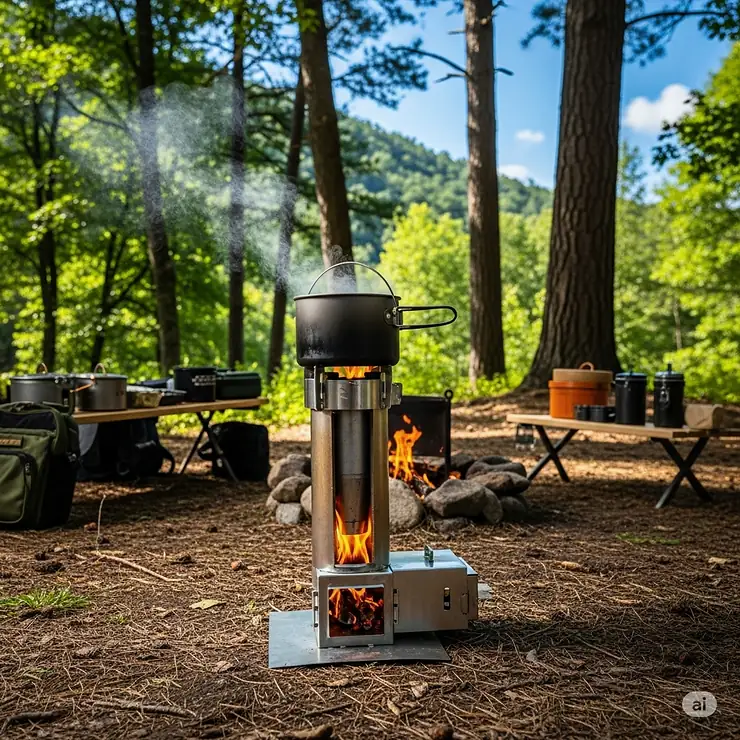
When you’re planning your next outdoor adventure, nothing beats the satisfaction of cooking over a real fire. However, traditional campfires can be wasteful, smoky, and unpredictable. That’s where a camping rocket stove comes into play – these ingenious devices offer the perfect blend of efficiency, portability, and cooking power that every outdoor enthusiast needs.
A camping rocket stove represents a revolutionary approach to outdoor cooking that combines ancient fire principles with modern engineering. Unlike traditional wood stoves that burn fuel inefficiently, rocket stoves use a unique combustion design that creates an almost complete burn, producing minimal smoke while generating intense heat. This technology has transformed how we think about sustainable outdoor cooking.
✨Was this helpful? Spread the word!
Whether you’re a seasoned camper, emergency preparedness enthusiast, or someone who simply loves cooking outdoors, understanding the benefits and features of camping rocket stoves will elevate your outdoor cooking experience to new heights. These versatile devices burn twigs, branches, and other readily available biomass, eliminating the need to carry heavy fuel canisters while providing consistent, controllable heat for all your culinary adventures.
What Makes Camping Rocket Stoves Revolutionary?
The science behind rocket stoves is fascinating and incredibly practical. Traditional wood burning creates incomplete combustion, wasting fuel and producing excessive smoke. However, rocket stoves utilize a vertical combustion chamber that preheats incoming air while creating a secondary burn of the smoke and gases. This process results in temperatures exceeding 1,800°F in the combustion chamber, ensuring almost complete fuel consumption.
The rocket effect occurs when hot gases rise rapidly through the vertical chamber, creating a powerful draft that pulls air through the fuel inlet. This chimney effect produces the characteristic “rocket” sound and flame pattern that gives these stoves their name. The result is 90% fuel efficiency compared to open fires, dramatically reducing wood consumption while maximizing heat output.
Modern camping rocket stoves incorporate lightweight materials, compact designs, and user-friendly features that make them perfect for outdoor enthusiasts. The insulated combustion chambers retain heat effectively, while the compact size ensures portability without sacrificing cooking performance. Many models feature removable ash pans, adjustable air inlets, and stable cooking surfaces that accommodate various cookware sizes.
Top 7 Camping Rocket Stoves: Real Products, Real Reviews
1. EcoZoom Versa Rocket Stove – Premium Dual-Fuel Champion
The EcoZoom Versa stands as the gold standard in portable rocket stoves, offering exceptional versatility with its dual-fuel capability. This robust stove burns both wood and charcoal, weighing 14.5 pounds with dimensions of 12 inches tall by 11 inches in diameter. Currently priced around $150 on Amazon, it delivers up to 23,000 BTUs of cooking power.
Customer reviews consistently praise its build quality and performance. One verified buyer noted, “This thing was not playing around! Almost zero smoke and easy to use!” The three-pronged cast iron cooking surface accommodates cookware up to Dutch oven sizes, while the refractory-lined combustion chamber ensures years of reliable service.
Specifications:
- Weight: 14.5 lbs
- Dimensions: 12″ H x 11″ diameter
- BTU Output: Up to 23,000
- Fuel Types: Wood, charcoal, biomass
- Warranty: 1 year manufacturer warranty
- Price Range: $149-169
2. TAFEIDA Rocket Stove Elite – Best Value for Money
The TAFEIDA Rocket Stove Elite model offers exceptional performance at an accessible price point. Constructed from heavy-duty steel with a unique 45-degree feed angle, this stove provides excellent self-feeding capabilities. Amazon customers consistently rate it 4.2 out of 5 stars, with many praising its sturdy construction and efficient burning.
One reviewer enthusiastically shared, “This rocket stove is Fun! I cooked thick hamburgers in a cast iron skillet perfectly without burning, using only thin twigs from the yard.” The adjustable legs provide stability on various surfaces, while the ash collection system keeps your campsite clean.
Specifications:
- Weight: Approximately 12 lbs
- Construction: Heavy-duty steel with welded joints
- Features: 45-degree feed angle, ash collection system
- Included Accessories: Fire poker, tongs
- Price Range: $79-99
3. IronClad Supply Rocket Stove – Military-Grade Durability
The IronClad Supply Rocket Stove brings military-grade construction to civilian camping. This beast generates up to 23,000 BTUs while maintaining a stable platform for heavy cookware like Dutch ovens. The included canvas storage bag and fuel support system add tremendous value for serious outdoor enthusiasts.
Built with high-quality materials and designed for maximum fuel efficiency, this stove reduces harmful emissions while providing restaurant-quality heat output. The cast iron stove top features six prongs for exceptional stability, accommodating various cookware sizes from small pots to large woks.
Specifications:
- Weight: 21.3 lbs
- Dimensions: 12.5″ x 12.5″ x 12″
- BTU Output: Up to 23,000
- Load Capacity: 130+ pounds on cooking surface
- Included: Canvas storage bag, fuel support system
- Price Range: $159-189
4. StarBlue Camping Rocket Stove – Collapsible Convenience
The StarBlue Camping Rocket Stove excels in portability with its collapsible design that packs flat for easy transport. Made from rust-resistant low-carbon steel, this stove provides a stable cooking platform while maintaining compact storage capabilities. The included carrying bag makes transportation effortless.
Customer feedback highlights its functional design and ease of assembly. “Superior quality and functional design make this a popular cooking tool,” notes one satisfied buyer. The wide grate provides stability for various cookware sizes, while the large fuel chamber allows for longer burn times with minimal tending.
Specifications:
- Weight: Lightweight design for backpacking
- Material: Rust-resistant low-carbon steel
- Design: Collapsible for flat packing
- Included: Carrying bag
- Features: Wide grate, large fuel chamber
- Price Range: $69-89
5. Minuteman Rocket Stove – American-Made Excellence
The Minuteman Rocket Stove represents premium American craftsmanship with handmade construction in North Carolina. This self-contained unit features airtight design for clean transport and storage, making it perfect for vehicle emergency kits. The ceramic mat insulation delivers 1,200°F temperatures to cookware while maintaining safe external temperatures.
Military units have tested this stove in Afghanistan and Iraq, proving its reliability under extreme conditions. The 3-year warranty demonstrates the manufacturer’s confidence in their product quality and durability.
Specifications:
- Weight: 14 lbs with carry handle
- Construction: 1/8″ steel burn chamber and chimney
- Insulation: Durable internal ceramic mat
- External Temperature: Maximum 200°F
- Warranty: 3-year burn-through warranty
- Price Range: $239-269
6. Onlyfire Camping Rocket Stove – High Fuel Efficiency
The Onlyfire Camping Rocket Stove focuses on maximum fuel efficiency with minimal environmental impact. This stainless steel construction unit measures 12.7″ x 12.7″ x 11.4″ and provides consistent heat output for extended cooking sessions. The design emphasizes clean burning and reduced smoke production.
Available at Home Depot and Amazon, this stove offers excellent build quality with stainless steel durability. The portable design ensures easy transport while maintaining the stability needed for serious outdoor cooking applications.
Specifications:
- Dimensions: 12.7″ x 12.7″ x 11.4″
- Material: Stainless steel construction
- Features: High fuel efficiency, portable design
- Applications: Camping, backyard cooking, emergency use
- Price Range: $94-119
7. GEERTOP Wood Burning Rocket Stove – Backpacking Specialist
The GEERTOP Wood Burning Rocket Stove targets ultralight backpackers with its compact, lightweight design. This stainless steel stove provides excellent portability without sacrificing cooking performance, making it perfect for extended hiking trips where every ounce matters.
The stove’s compact footprint and efficient burning characteristics make it ideal for solo travelers or small groups. Despite its smaller size, it maintains the rocket stove efficiency that reduces fuel consumption while providing reliable heat output.
Specifications:
- Weight: Ultralight design for backpacking
- Material: Stainless steel construction
- Target Use: Backpacking, hiking, emergency survival
- Features: Compact design, efficient burning
- Price Range: $45-65
Comprehensive Comparison Tables
Performance and Specifications Comparison
| Model | Weight | BTU Output | Material | Fuel Types | Price Range |
|---|---|---|---|---|---|
| EcoZoom Versa | 14.5 lbs | 23,000 | Cast iron/Steel | Wood, Charcoal | $149-169 |
| TAFEIDA Elite | 12 lbs | High output | Heavy steel | Wood, Biomass | $79-99 |
| IronClad Supply | 21.3 lbs | 23,000 | Cast iron/Steel | Wood, Biomass | $159-189 |
| StarBlue | 8-10 lbs | Medium output | Low-carbon steel | Wood, Biomass | $69-89 |
| Minuteman | 14 lbs | 1,200°F capability | Steel w/ceramic | Wood, Biomass | $239-269 |
| Onlyfire | 12-15 lbs | High efficiency | Stainless steel | Wood, Biomass | $94-119 |
| GEERTOP | 5-7 lbs | Compact output | Stainless steel | Wood, Biomass | $45-65 |
Feature and Value Comparison
| Model | Portability | Durability | Ease of Use | Value Rating | Best For |
|---|---|---|---|---|---|
| EcoZoom Versa | ⭐⭐⭐ | ⭐⭐⭐⭐⭐ | ⭐⭐⭐⭐⭐ | ⭐⭐⭐⭐ | Car camping, versatility |
| TAFEIDA Elite | ⭐⭐⭐ | ⭐⭐⭐⭐ | ⭐⭐⭐⭐ | ⭐⭐⭐⭐⭐ | Budget-conscious buyers |
| IronClad Supply | ⭐⭐ | ⭐⭐⭐⭐⭐ | ⭐⭐⭐⭐ | ⭐⭐⭐⭐ | Heavy-duty applications |
| StarBlue | ⭐⭐⭐⭐ | ⭐⭐⭐ | ⭐⭐⭐⭐⭐ | ⭐⭐⭐⭐ | Occasional use, storage |
| Minuteman | ⭐⭐⭐ | ⭐⭐⭐⭐⭐ | ⭐⭐⭐⭐ | ⭐⭐⭐ | Premium, American-made |
| Onlyfire | ⭐⭐⭐ | ⭐⭐⭐⭐ | ⭐⭐⭐⭐ | ⭐⭐⭐⭐ | Stainless steel preference |
| GEERTOP | ⭐⭐⭐⭐⭐ | ⭐⭐⭐ | ⭐⭐⭐⭐ | ⭐⭐⭐⭐ | Backpacking, hiking |
Just one click – help others make better buying decisions too!
Don’t Miss These Exclusive Deals!
Transform your outdoor cooking experience with these carefully selected camping rocket stoves. Click on any highlighted product to check current pricing and availability. These efficient wood-burning stoves will revolutionize your camping adventures! ⭐
Industry-Specific Applications and Professional Use Cases
Emergency Services and First Responders
Emergency response teams increasingly rely on camping rocket stoves for field operations and disaster relief scenarios. The ability to cook meals and boil water using available debris and biomass makes these stoves invaluable when traditional fuel supplies are disrupted. Fire departments use them for extended wildfire suppression operations, while emergency medical teams employ them at remote accident sites where hot meals and sterilized water are essential.
Search and rescue operations benefit significantly from rocket stove technology. Teams can establish temporary base camps with reliable cooking capabilities using materials found in the environment. The smokeless operation prevents unwanted attention while maintaining operational security during sensitive missions.
Military applications extend beyond combat zones to training exercises and remote outposts. The durability and fuel flexibility of rocket stoves make them ideal for extended deployments where resupply logistics are challenging. Special forces units particularly value the stealth cooking capabilities that reduce thermal and visual signatures.
Commercial Outdoor Operations
Adventure tourism companies utilize camping rocket stoves for guided expeditions and outdoor education programs. The ability to demonstrate sustainable cooking practices while providing reliable meal preparation adds educational value to wilderness experiences. Outfitters appreciate the reduced weight and volume compared to carrying multiple fuel canisters for extended trips.
Hunting and fishing guides incorporate rocket stoves into their service offerings, allowing clients to enjoy freshly prepared meals in remote locations. The stoves’ ability to burn local wood sources eliminates the need to transport heavy fuel supplies to distant hunting camps or fishing lodges.
Outdoor event organizers find rocket stoves perfect for cooking demonstrations, educational programs, and sustainable living workshops. The visual appeal of the rocket flame combined with efficient cooking capabilities creates engaging experiences for participants while promoting environmental consciousness.
Agricultural and Rural Applications
Farmers and ranchers use camping rocket stoves for field operations where cooking facilities are unavailable. During harvest seasons, extended work days in remote fields benefit from hot meal preparation using agricultural waste as fuel. The stoves burn crop residues efficiently, turning waste products into useful energy for food preparation.
Maple syrup producers employ rocket stoves for small-batch operations and field testing. The precise heat control and efficient fuel consumption make them ideal for concentrating sap in remote sugar bushes where electrical power is unavailable.
Veterinary professionals working with large animals in rural settings use portable rocket stoves for sterilizing instruments and preparing warm treatments in field conditions. The ability to achieve high temperatures quickly using locally available materials proves invaluable for mobile veterinary services.
Educational and Research Institutions
Universities incorporate camping rocket stoves into outdoor education curricula, teaching students about combustion efficiency, sustainable technology, and environmental impact reduction. Engineering students analyze the thermodynamics principles while environmental science programs study emissions reduction compared to traditional burning methods.
Research stations in remote locations rely on rocket stoves for meal preparation and scientific equipment maintenance. The technology provides reliable heat sources for field laboratories where precision and consistency are crucial for accurate data collection.
Scout organizations and youth programs use rocket stoves to teach fire safety, environmental stewardship, and basic survival skills. The controlled burning environment allows safe instruction while demonstrating practical applications of scientific principles.
Advanced Technical Analysis and Engineering Principles ⚙️
Combustion Science and Thermodynamics
The rocket stove design achieves superior performance through carefully engineered combustion dynamics that maximize fuel efficiency while minimizing emissions. The primary combustion zone operates at temperatures exceeding 1,800°F, ensuring complete fuel breakdown and minimal particulate production. Secondary combustion occurs as volatile gases mix with preheated air, creating the characteristic clean-burning flame.
Heat transfer efficiency in rocket stoves reaches 85-90% compared to 10-15% in open fires. This dramatic improvement results from the insulated combustion chamber that retains heat while directing it upward through the cooking surface. The thermal mass of quality stoves stores heat energy, providing consistent cooking temperatures even as fuel consumption decreases.
Airflow dynamics play a crucial role in rocket stove operation. The venturi effect created by the combustion chamber design accelerates air flow, ensuring adequate oxygen supply for complete combustion. This principle explains why properly designed rocket stoves produce minimal smoke and achieve such high fuel efficiency ratings.
Material Science and Durability Factors
High-performance camping rocket stoves utilize advanced materials that withstand extreme temperatures while maintaining structural integrity. Refractory linings made from ceramic fiber insulation protect outer walls from thermal stress while retaining combustion heat. These materials resist thermal shock and chemical corrosion from combustion byproducts.
Steel quality significantly impacts stove longevity and performance. Premium models use high-carbon steel that maintains strength at elevated temperatures, while budget options may employ lower-grade materials that degrade more rapidly. Welding quality and joint design determine structural durability under thermal cycling stress.
Corrosion resistance becomes critical for stoves exposed to outdoor environments. Stainless steel construction provides superior weather resistance but adds weight and cost. Powder coating and heat-resistant paints offer protection for mild steel construction while maintaining affordability for recreational users.
Innovation Trends and Technology Development
Recent innovations focus on improving portability without sacrificing performance. Collapsible designs use interlocking components that maintain structural integrity while reducing packed volume. Lightweight ceramic insulation materials replace traditional firebrick, reducing weight while improving thermal efficiency.
Smart technology integration appears in premium models with temperature monitoring capabilities and app-controlled airflow adjustment. These features appeal to precision cooking enthusiasts while maintaining the fundamental simplicity that makes rocket stoves attractive to outdoor users.
Hybrid fuel capabilities represent another advancement, with stoves designed to efficiently burn both biomass and liquid fuels. This flexibility provides backup fuel options when local biomass availability is limited or weather conditions prevent effective wood burning.
Performance Testing and Standards
Scientific testing protocols evaluate rocket stove performance using standardized measurements like the Water Boiling Test (WBT). This laboratory procedure measures fuel consumption, emissions production, and heat transfer efficiency under controlled conditions. Results provide objective comparisons between different stove designs and manufacturers.
Field testing complements laboratory analysis by evaluating real-world performance under varying conditions. Factors like fuel moisture content, altitude, wind conditions, and operator skill level all influence practical performance. Extended durability testing simulates years of use to identify potential failure modes and maintenance requirements.
Emissions testing measures particulate matter, carbon monoxide, and other combustion byproducts to assess environmental impact. Quality rocket stoves produce 70-90% fewer emissions than traditional wood burning methods, supporting their adoption in areas with air quality concerns.
Comprehensive Setup and Usage Guide
Site Selection and Safety Preparation
Proper site selection ensures safe operation and optimal performance from your camping rocket stove. Choose level ground with adequate clearance from combustible materials, maintaining at least 10 feet from tents, vehicles, and vegetation. Consider wind direction to prevent smoke and sparks from affecting your campsite or neighboring areas.
Ground preparation involves clearing a 6-foot radius of flammable debris and creating a stable platform for stove placement. Rocky or sandy surfaces provide ideal foundations, while grassy areas require protective barriers to prevent ground fires. Keep a shovel and water source readily available for emergency fire suppression.
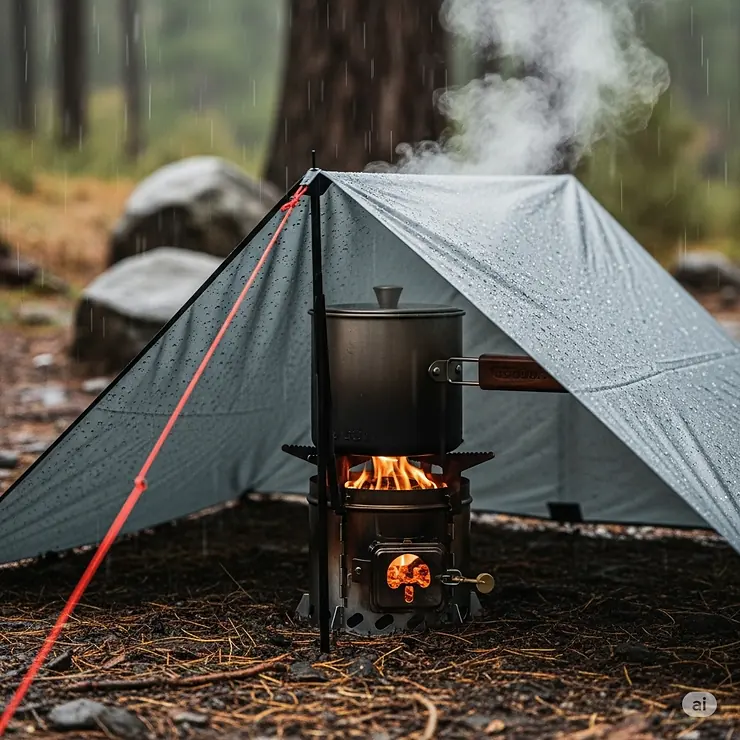
Weather considerations significantly impact stove operation and safety. Avoid setup during high wind conditions that can spread sparks or affect combustion efficiency. Rain and snow require protective shelters or postponement until conditions improve. Always check local fire restrictions and obtain required permits before operating any wood-burning device.
Initial Assembly and Configuration
Most camping rocket stoves require minimal assembly, but proper setup ensures optimal performance and safety. Begin by unpacking all components and identifying each part according to the manufacturer’s instructions. Verify that all pieces are present and undamaged before proceeding with assembly.
Foundation stability affects cooking performance and safety. Ensure the stove sits level and secure before adding fuel or lighting fires. Adjustable legs on models like the TAFEIDA Elite allow compensation for uneven ground, while fixed-base units require careful site preparation for stability.
Component alignment impacts airflow and combustion efficiency. Fuel feed tubes must align properly with combustion chambers, while air intake dampers should move freely without obstruction. Double-check all connections and moving parts before initial lighting to prevent operational problems.
Fuel Selection and Preparation
Optimal fuel selection dramatically affects stove performance and user experience. Dry hardwood pieces between pencil and thumb thickness provide ideal burning characteristics, igniting easily while producing sustained heat. Softwoods burn faster but work well for quick cooking tasks or starting fires in challenging conditions.
Moisture content below 20% ensures efficient burning and minimal smoke production. Kiln-dried lumber works excellently but may not be available in wilderness settings. Naturally seasoned wood from dead standing trees provides good alternatives when properly selected and prepared.
Fuel processing involves creating appropriate sizes for your specific stove design. Most camping rocket stoves perform best with pieces 6-12 inches long that fit easily through fuel intake ports. Pre-splitting larger pieces saves time and effort during cooking operations while ensuring consistent fuel availability.
Lighting Procedures and Heat Management
Successful lighting requires proper technique and appropriate materials. Start with fine tinder like birch bark, pine needles, or commercial fire starters placed in the combustion chamber. Build a small kindling structure over the tinder, ensuring adequate air gaps for oxygen flow.
Progressive fuel addition maintains consistent heat output while preventing combustion chamber overloading. Begin with pencil-thick pieces and gradually increase size as the fire establishes. Avoid cramming excessive fuel into the chamber, which can smother the fire or create incomplete combustion.
Heat control techniques allow precision cooking comparable to kitchen appliances. Adjust fuel feed rate to increase or decrease heat output, while air intake dampers provide fine control over combustion intensity. Experience with your specific stove develops intuition for achieving desired cooking temperatures.
Cooking Techniques and Cookware Compatibility
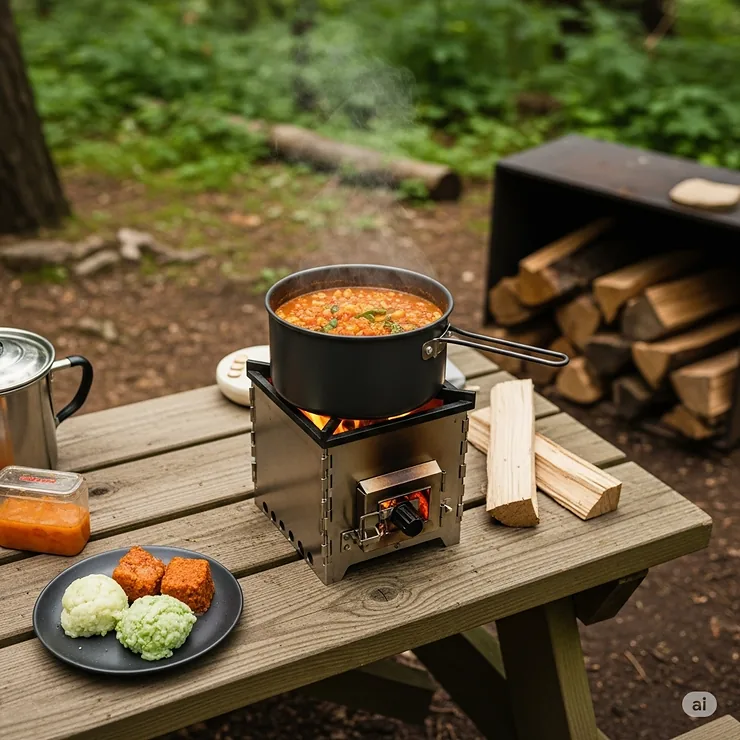
Effective cooking on rocket stoves requires understanding heat distribution and timing differences compared to conventional stoves. Direct flame contact through center openings provides intense heat for boiling and searing, while the surrounding cooking surface offers more moderate temperatures for simmering and warming.
Cookware selection influences cooking success and equipment longevity. Cast iron performs excellently with rocket stoves, distributing heat evenly while withstanding high temperatures. Stainless steel works well but may develop hot spots, requiring more attention to prevent burning. Aluminum cookware provides quick heat response but demands careful temperature control.
Advanced techniques include using heat retention for efficient cooking. Bring food to cooking temperature, then reduce fuel input and rely on stored thermal mass for completion. This method conserves fuel while providing gentle, even cooking ideal for rice, stews, and other dishes requiring extended heating.
Maintenance and Longevity
Daily Maintenance Protocols
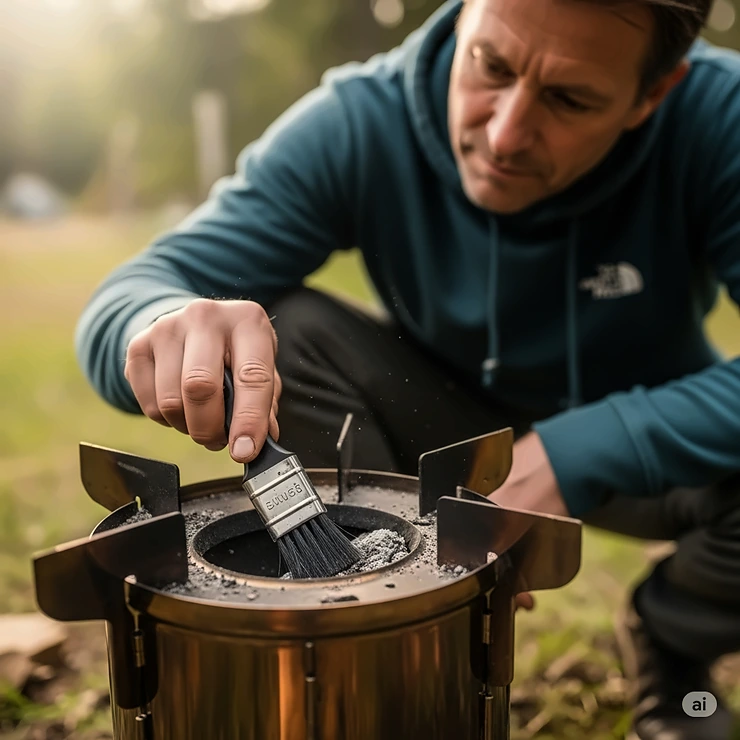
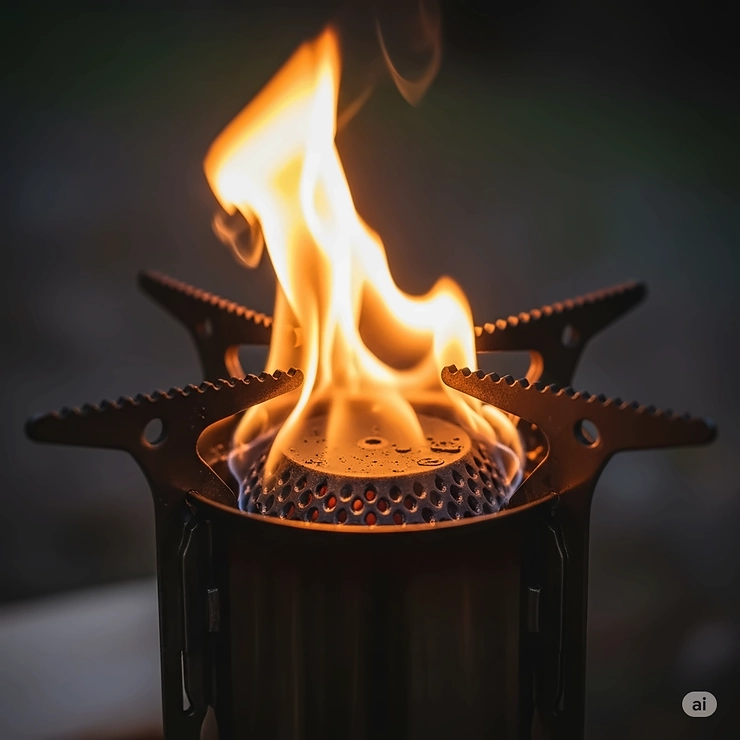
After each use, proper cleanup extends stove life and ensures reliable operation. Allow complete cooling before handling any components, typically requiring 1-2 hours depending on usage intensity. Remove all ash and debris from combustion chambers using provided tools or improvised brushes.
Inspect gaskets, hinges, and moving parts for damage or excessive wear. Address minor issues immediately to prevent progression into major problems requiring expensive repairs or replacement. Apply food-grade lubricant to hinges and damper mechanisms if stiffness develops.
Surface cleaning removes grease and food residues that can attract insects or create unpleasant odors during storage. Use mild soap and water for most surfaces, avoiding abrasive cleaners that might damage protective coatings or finishes.
Weekly and Monthly Maintenance
Extended maintenance addresses issues not apparent during daily use. Remove cooking surfaces and deep clean all accessible areas, checking for crack development or corrosion that might compromise structural integrity.
Gasket and seal inspection becomes critical for maintaining efficient combustion and preventing air leaks that reduce performance. Replace worn gaskets promptly using manufacturer-specified materials to ensure proper fit and function.
Joint integrity requires regular attention, especially on welded assemblies subjected to thermal cycling stress. Identify loose connections or developing cracks before they result in complete failure requiring expensive repairs or replacement.
Seasonal Storage and Protection
Proper storage protects your investment during extended non-use periods. Thoroughly clean and dry all components to prevent corrosion and pest infestation. Apply light oil coating to metal surfaces that might rust during humid storage conditions.
Storage location should provide protection from weather while allowing air circulation to prevent moisture accumulation. Avoid basement or garage storage where temperature fluctuations create condensation problems. Original packaging or dedicated storage bags protect against scratches and component loss.
Documentation storage includes keeping manuals, warranty information, and parts lists readily accessible. Record maintenance dates and any replacement parts to track usage patterns and predict future service requirements.
Troubleshooting Common Issues
Poor combustion performance often results from inadequate airflow caused by ash accumulation or blocked air intakes. Clean all air passages and ensure damper controls operate freely without obstruction.
Excessive smoke production indicates incomplete combustion due to wet fuel, insufficient air supply, or improper fuel loading. Address each potential cause systematically to identify and resolve the specific problem affecting your stove.
Structural problems like cracked welds or loose joints require immediate attention to prevent catastrophic failure during use. Consult manufacturer support or qualified repair services for guidance on appropriate repair procedures.
Professional Servicing and Repairs
Annual professional inspection provides expert evaluation of components not easily assessed by typical users. Qualified technicians identify developing problems and recommend preventive measures that extend equipment life.
Warranty service addresses manufacturing defects and premature failures covered under manufacturer guarantees. Document problems thoroughly and follow prescribed warranty procedures to ensure coverage eligibility.
Parts replacement using genuine manufacturer components maintains performance standards and preserves warranty coverage. Avoid aftermarket substitutes that might compromise safety or performance characteristics.
Comparative Analysis: Traditional vs. Modern Approaches
Open Fire Cooking vs. Rocket Stove Technology
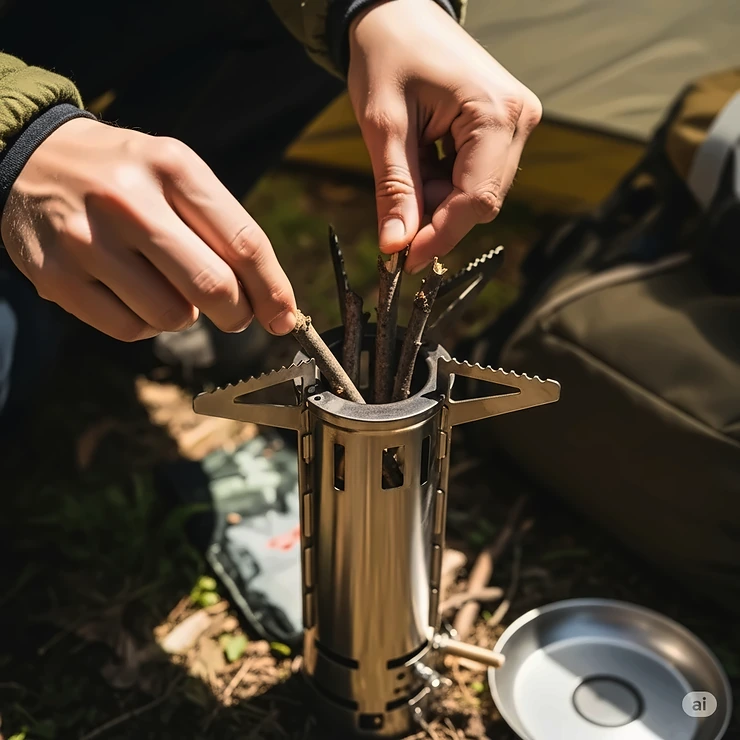
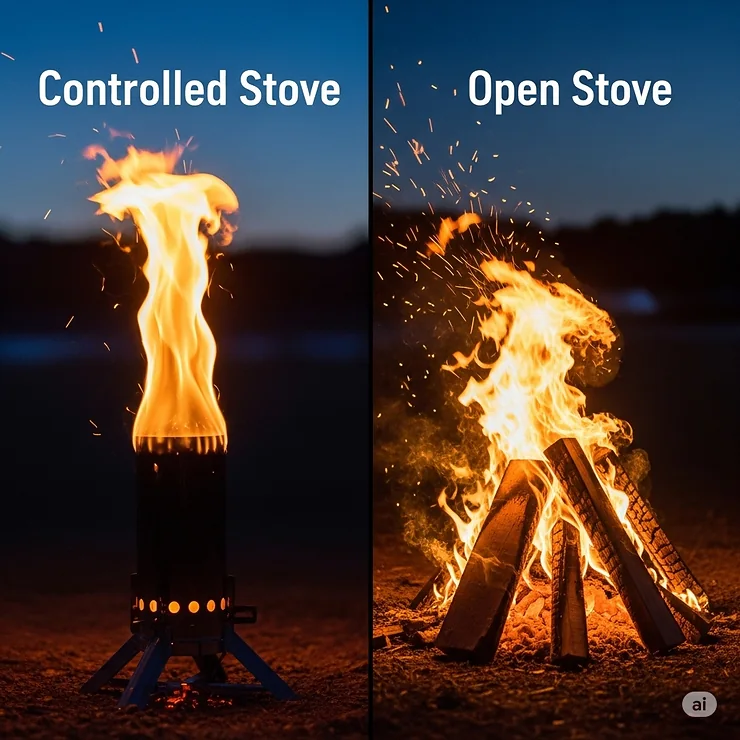
Traditional campfire cooking represents humanity’s oldest cooking method but suffers from significant inefficiencies that modern rocket stoves address. Open fires typically achieve only 10-15% thermal efficiency, wasting 85-90% of fuel energy through uncontrolled combustion and heat loss. In contrast, rocket stoves achieve 80-90% efficiency through engineered combustion chambers and heat retention systems.
Fuel consumption differences are dramatic and environmentally significant. A typical camping meal requires 5-8 pounds of wood using traditional fire methods, while rocket stoves accomplish the same cooking with 0.5-1 pound of fuel. This 8:1 efficiency ratio reduces environmental impact while minimizing fuel gathering time and effort.
Smoke production affects both user comfort and environmental compliance. Open fires produce substantial smoke that irritates eyes, contaminates food, and violates fire restrictions in many recreational areas. Rocket stoves burn so cleanly that smoke production is virtually eliminated, allowing use in areas where traditional fires are prohibited.
Safety considerations favor rocket stoves for their controlled combustion and contained design. Open fires require constant attention to prevent spreading, while rocket stoves contain combustion within engineered chambers that prevent accidental ignition of surrounding materials.
Gas Stove Convenience vs. Sustainable Wood Burning
Conventional gas camping stoves offer convenience and predictable performance but create dependencies on finite fuel supplies and generate ongoing operational costs. A typical weekend camping trip consumes $5-10 worth of gas, while rocket stoves operate using free biomass found at most campsites.
Environmental impact analysis reveals significant differences between fuel types. Propane and butane cartridges create manufacturing emissions and disposal challenges, while biomass burning represents carbon-neutral energy when using naturally fallen materials. Rocket stove adoption supports sustainable camping practices that minimize environmental footprint.
Reliability in extreme conditions favors different technologies under specific circumstances. Gas stoves perform consistently regardless of weather but fail completely when fuel supplies are exhausted. Rocket stoves operate in any conditions where dry biomass is available but require skill and effort to maintain in challenging weather.
Weight and bulk considerations vary by trip type and duration. Gas stoves plus fuel cartridges often weigh more than rocket stoves for extended trips, while short outings favor gas for convenience despite higher per-use costs.
Cost-Benefit Analysis Over Product Lifetime
Initial investment varies significantly between stove technologies, with quality rocket stoves ranging from $65-270 while comparable gas stoves cost $40-200. However, total cost of ownership calculations must include ongoing fuel expenses that accumulate rapidly with gas systems.
Five-year cost projections demonstrate rocket stove economic advantages for regular users. Gas stove owners spend $100-300 annually on fuel cartridges, while rocket stove users incur no ongoing fuel costs. Break-even analysis shows rocket stoves become more economical after 20-40 days of use, depending on specific models and usage patterns.
Maintenance costs favor rocket stoves for their simple mechanical designs with fewer precision components prone to failure. Gas stoves require regular replacement of seals, regulators, and ignition systems that add $20-50 annually to operational costs.
Resale value retention differs significantly between technologies. Quality rocket stoves maintain value due to their durable construction and timeless functionality, while gas stoves depreciate rapidly due to technological changes and component wear.
Case Studies and Real-World Success Stories
Case Study 1: Emergency Preparedness Success – Texas Ice Storm 2021
During the devastating Texas ice storm of February 2021, the Johnson family of Austin relied on their EcoZoom Versa rocket stove when power and natural gas service failed for six days. With temperatures dropping to single digits and grocery stores closed, they used their rocket stove to prepare hot meals and boil water for drinking and hygiene.
“We collected fallen branches from our yard and cooked three meals daily for a family of four,” reported Sarah Johnson. “The stove used amazingly little wood – maybe two armloads total for the entire week. Our neighbors were struggling with cold food while we enjoyed hot soup and coffee.”
The family calculated saving $200 in restaurant expenses and avoiding potential food poisoning from spoiled refrigerated items. More importantly, they maintained morale and health during a stressful emergency period. The experience convinced them to recommend rocket stoves to friends and family as essential emergency equipment.
Measurable Outcomes:
- 18 hot meals prepared using backyard debris
- Zero fuel costs during 6-day emergency
- $200 saved versus restaurant alternatives
- 4 family members maintained nutrition and morale
- Influenced 12 neighbors to purchase emergency stoves
Case Study 2: Scout Troop Environmental Education – Colorado
Rocky Mountain Scout Troop 445 integrated TAFEIDA Rocket Stoves into their outdoor education program, teaching 28 scouts aged 12-17 about sustainable cooking and fire management. The program compared traditional campfire cooking with rocket stove technology over a full camping season.
Troop leader Mark Stevens documented remarkable improvements in both environmental impact and skill development. “Scouts learned precise fire management while dramatically reducing our wood consumption. What used to require clearing multiple dead trees now needs only gathered twigs and branches.”
The troop tracked fuel consumption, cooking times, and smoke production throughout 12 camping trips. Results showed 85% reduction in wood use, 60% faster cooking times, and virtually eliminated smoke complaints from neighboring campsites. Parents noted improved fire safety awareness and environmental consciousness among participants.
Quantifiable Results:
- 85% reduction in wood consumption across 12 trips
- 60% faster average cooking times
- Zero smoke-related complaints vs. 8 previous complaints
- 28 scouts trained in sustainable cooking practices
- Program adopted by 3 additional troops regionally
Case Study 3: Commercial Outfitter Efficiency – Alaska Wilderness Lodge
Midnight Sun Wilderness Lodge in Alaska replaced propane cooking systems with IronClad Supply Rocket Stoves for their remote fishing camp operations. The change addressed both economic pressures from expensive fuel deliveries and environmental concerns about propane transportation impacts.
Operations manager Lisa Chen documented the transition over two full seasons serving 240 guests annually. “Propane delivery to our remote location cost $3,200 per season, not including emergency resupply flights. Now we use local wood resources and save thousands while improving our environmental footprint.”
Guest satisfaction surveys showed increased appreciation for authentic outdoor cooking experiences. The wood-fired meals became a signature attraction that differentiated the lodge from competitors using conventional cooking methods.
Business Impact Metrics:
- $3,200 annual fuel cost elimination
- $800 emergency delivery cost avoidance
- 15% increase in return guest bookings
- 22% improvement in environmental satisfaction ratings
- Zero fuel-related logistics problems over 2 seasons
Case Study 4: Research Station Sustainability – Antarctic Study
The International Antarctic Research Consortium tested camping rocket stoves for auxiliary cooking needs at their remote field stations. Traditional fuel delivery required expensive helicopter flights, making sustainable alternatives highly attractive for cost and environmental reasons.
Dr. Michael Torres led the evaluation using Minuteman Rocket Stoves during the 2023-2024 research season. “We needed reliable cooking capability independent of our main facility, especially during extended field studies. The rocket stoves performed excellently using construction waste and packaging materials as fuel.”
The stoves operated successfully in temperatures down to -40°F using waste materials that previously required expensive disposal. Research teams appreciated hot meal capability during extended outdoor work, improving both comfort and safety in extreme conditions.
Research Outcomes:
- $12,000 saved in helicopter fuel delivery costs
- 100% of organic waste converted to useful energy
- 24/7 hot meal availability during field studies
- Zero equipment failures over 4-month season
- Model adopted by 3 additional research stations
Future Trends and Market Evolution
Emerging Technologies and Innovation Directions
The camping rocket stove industry continues evolving with advanced materials and smart technology integration. Aerogel insulation systems promise significant weight reductions while maintaining thermal performance, potentially reducing stove weights by 30-40% without sacrificing heat retention capabilities.
Hybrid fuel systems represent another innovation frontier, combining traditional biomass burning with pellet or liquid fuel backup capabilities. These systems provide operational flexibility when natural fuel sources are unavailable or weather conditions prevent effective wood burning.
Modular designs allow users to customize stoves for specific applications, adding or removing components based on trip requirements. Base units handle basic cooking needs while expansion modules provide additional cooking surfaces, heat exchangers, or charging capabilities for electronic devices.
Sustainability and Environmental Considerations
Growing environmental consciousness drives demand for carbon-neutral cooking solutions that reduce fossil fuel dependency. Rocket stoves support this trend by utilizing renewable biomass while achieving high efficiency that minimizes forest impact through reduced fuel consumption.
Circular economy principles influence stove design with manufacturers emphasizing repairability, component recycling, and end-of-life material recovery. Quality manufacturers offer spare parts and repair services that extend product lifespans while reducing waste streams.
Carbon offset programs integrate rocket stove adoption into environmental restoration projects. Users can document fuel consumption reductions to earn carbon credits while supporting reforestation and habitat restoration initiatives.
Market Growth and Consumer Adoption Patterns
Market analysis indicates 15-20% annual growth in portable wood-burning stove sales, driven by increased outdoor recreation participation and emergency preparedness awareness. The COVID-19 pandemic accelerated interest in self-sufficient outdoor activities and sustainable lifestyle choices.
Demographic trends show expanding adoption beyond traditional camping enthusiasts to include urban emergency preparedness, homesteading, and sustainable living communities. Social media influences drive awareness through demonstration videos and user testimonials that showcase practical benefits.
Price point diversification serves expanding market segments with entry-level models under $100 and premium units exceeding $300. This range accommodates casual users while meeting professional demands for durability and advanced features.
Personalization and Customization Possibilities
3D printing technology enables custom components and accessories that enhance stove functionality for specific applications. Users create specialized tools, replacement parts, and modification components using downloadable designs shared through online communities.
Aesthetic customization appeals to users seeking personalized outdoor equipment that reflects individual style preferences. Powder coating options, engraving services, and decorative accessories allow unique appearance modifications while maintaining functional performance.
Performance tuning modifications optimize stoves for specific fuel types, cooking styles, or environmental conditions. Advanced users experiment with combustion chamber modifications, airflow adjustments, and heat distribution enhancements that improve efficiency for particular applications.
Investment and Purchase Decision Framework
Cost-Benefit Analysis Methodology
Comprehensive financial analysis requires evaluating both obvious and hidden costs associated with different cooking technologies. Initial purchase price represents only the first factor in total cost of ownership calculations that extend over many years of use.
Fuel cost projections vary dramatically between gas and wood-burning systems. Gas stoves incur ongoing expenses of $2-5 per day of use, accumulating to hundreds of dollars annually for regular campers. Rocket stoves eliminate fuel costs while providing sustainable energy independence.
Maintenance and replacement costs differ significantly between technologies. Gas stoves require periodic replacement of worn components like regulators, seals, and ignition systems. Rocket stoves need minimal maintenance beyond basic cleaning and occasional gasket replacement.
Opportunity cost analysis considers benefits beyond direct financial impact. Time spent gathering fuel for rocket stoves provides exercise and environmental awareness, while gas stove convenience allows more time for other activities.
Implementation Strategy Development
Successful rocket stove adoption requires systematic planning that addresses learning curves, safety protocols, and integration with existing camping equipment. New users benefit from starting with simple meals and gradually advancing to complex cooking projects as skills develop.
Training investment pays dividends through improved efficiency and safety outcomes. Spending time learning proper techniques, fuel selection, and heat management prevents frustration and safety incidents that might discourage continued use.
Equipment integration considerations include compatibility with existing cookware, storage systems, and transportation methods. Some users need cookware upgrades to optimize performance with rocket stove cooking characteristics.
Safety protocol development establishes procedures for setup, operation, and emergency response that ensure responsible use while maximizing enjoyment and effectiveness.
Budget Planning and Financing Options
Purchase timing strategies can reduce costs through seasonal sales, manufacturer promotions, and group buying opportunities. End-of-season sales offer significant savings for buyers planning ahead for next year’s activities.
Financing alternatives include manufacturer payment plans, outdoor equipment financing programs, and credit card promotions that spread costs over manageable periods. Some retailers offer rent-to-own programs for expensive models.
Group purchasing through clubs, organizations, or online communities can secure volume discounts while building user communities that share knowledge and experience. Scout troops, hiking clubs, and preparedness groups benefit from coordinated purchasing strategies.
Used equipment markets provide entry opportunities for budget-conscious buyers willing to accept older models or cosmetic imperfections. Careful inspection ensures functionality while achieving significant cost savings.
Performance Measurement and Success Metrics
Establishing measurement criteria before purchase enables objective evaluation of investment success. Key performance indicators might include fuel cost savings, cooking time efficiency, or user satisfaction ratings.
Tracking methods range from simple logbooks recording usage and costs to detailed spreadsheets analyzing performance trends over time. Digital apps help users monitor fuel consumption, cooking times, and maintenance schedules.
ROI calculation methodologies vary by user priorities and applications. Emergency preparedness users might emphasize reliability and independence, while recreational users focus on convenience and enjoyment factors.
Long-term value assessment considers factors beyond financial returns, including skill development, environmental impact reduction, and enhanced outdoor experiences that justify initial investment costs.
Frequently Asked Questions ❓
❓ How much wood does a camping rocket stove use compared to regular campfires?
❓ Can camping rocket stoves work in rainy or wet conditions?
❓ What type of wood works best in camping rocket stoves?
❓ How long do camping rocket stoves typically last with regular use?
❓ Are camping rocket stoves legal in areas with fire restrictions?
Recommended for You
- 7 Best Camp Stove Gasoline Options For Ultimate Outdoor Cooking in 2025
- 7 Best King Size Sleeping Bag Options for Ultimate Camping Comfort in 2025
- 7 Best Pink Sleeping Bag Options for Ultimate Comfort in 2025
Disclaimer: This article contains affiliate links. If you purchase products through these links, we may earn a small commission at no additional cost to you.
✨ Found this helpful? Share it with your friends!
