In This Article
✨Was this helpful? Spread the word!
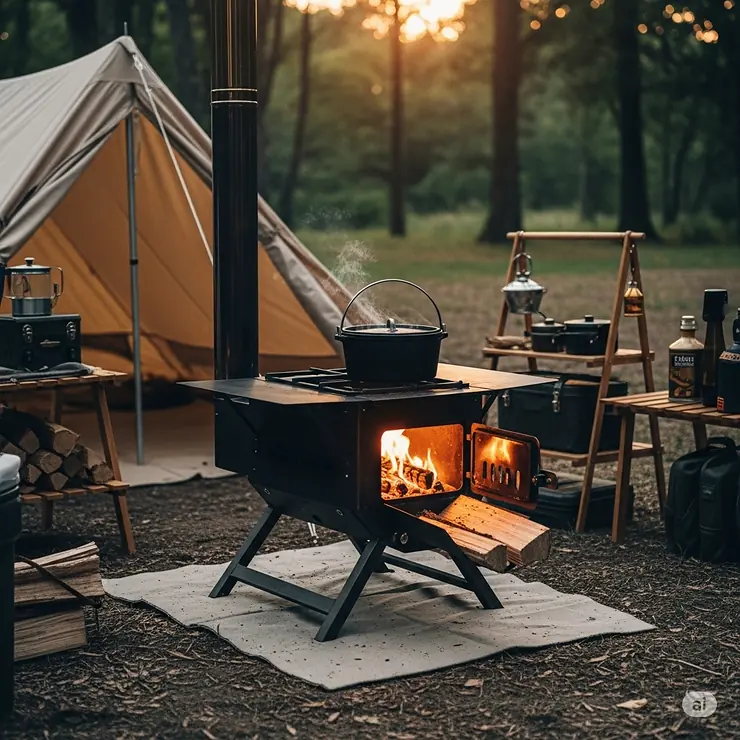
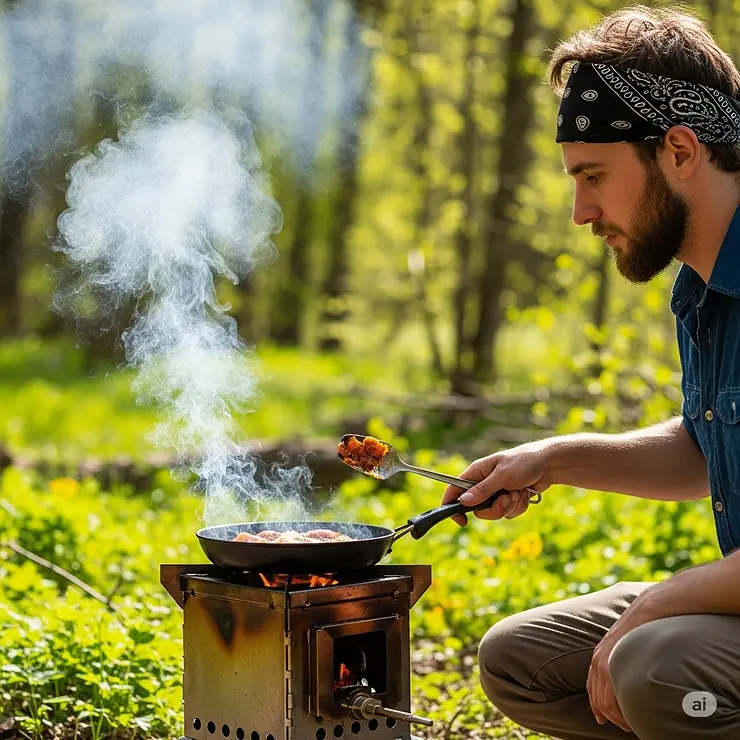
When you’re sitting around a crackling fire in the wilderness, there’s something magical about cooking your meal over real flames . A camping log burner stove transforms this experience from a basic necessity into an adventure that connects you with nature’s most fundamental element. Whether you’re backpacking through remote trails or setting up a base camp for your family, the right camping log burner stove can make all the difference between a memorable outdoor experience and a frustrating struggle with inadequate equipment.
Moreover, these remarkable devices have evolved far beyond simple fire boxes. Today’s camping log burner stove options incorporate advanced combustion technology, lightweight materials, and innovative designs that maximize efficiency while minimizing environmental impact. Furthermore, they eliminate the need to carry heavy fuel canisters, instead utilizing the abundant natural resources around you. Additionally, many modern wood stove for camper enthusiasts appreciate the sustainability aspect – you’re burning renewable biomass rather than fossil fuels.
The appeal of wood burning camping extends beyond mere functionality. In fact, there’s a primal satisfaction in gathering your own fuel, building a proper fire, and watching the flames dance as your meal cooks. However, not all camping log burner stoves are created equal, and choosing the wrong one can lead to frustration, inefficient cooking, and potentially dangerous situations.
Understanding the Camping Log Burner Stove Revolution ️
Consequently, the camping log burner stove market has experienced tremendous growth as outdoor enthusiasts seek alternatives to traditional gas-powered cooking systems. Initially, these devices were simple fire boxes that required constant attention and produced excessive smoke. Nevertheless, modern innovations have transformed them into sophisticated cooking systems that rival conventional camping stoves in performance.
Currently, the technology behind today’s wood stove in a camper designs incorporates secondary combustion chambers, precise airflow control, and thermodynamic principles that create nearly smokeless fires. As a result, you can enjoy the ambiance of wood-fired cooking without the typical drawbacks of smoke and inefficient fuel consumption.
Furthermore, the versatility of a camper wood stove extends beyond basic cooking. Subsequently, many models can serve multiple purposes: cooking platform, heat source, and even phone charger in some advanced designs. Therefore, investing in quality wood burning camping equipment becomes a decision that enhances every aspect of your outdoor experience.
Top 7 Camping Log Burner Stove Products Review
1. BioLite CampStove 2+ – The Tech Marvel
The BioLite CampStove 2+ revolutionizes wood burning camping with its groundbreaking thermoelectric technology. Priced at $170-$190 for the basic unit and $270+ for the complete kit, this innovative camping log burner stove generates electricity while you cook, solving two problems simultaneously.
Key Specifications:
- Weight: 2.06 pounds
- Boil time: 4.5 minutes for 1 liter
- Power output: 3 watts via USB
- Battery capacity: 3,200 mAh
- Dimensions: 5″ x 8″ packed
Advanced Features:
- Patented combustion technology creates virtually smokeless flames
- LED dashboard with real-time feedback on fire strength
- Four fan speeds for precise flame control
- Compatible with twigs, sticks, wood scraps, and pellets
- Integrated USB charging port for devices
Customer reviews consistently praise the BioLite CampStove 2+ for its innovative approach to camp stove wood fuel utilization. One verified purchaser noted: “Love this thing. Easy to carry, easy to use, can use unlimited fuel, and charges well.” However, some users mention the learning curve required to master optimal fuel feeding.
✅ Pros:
- Revolutionary electricity generation capability
- Smokeless combustion technology
- Excellent build quality and durability
- Multiple cooking attachments available
- Environmental sustainability
❌ Cons:
- Higher price point than basic models
- Requires practice to optimize performance
- Heavier than ultralight alternatives
2. Solo Stove Lite – The Ultralight Champion
For backpackers seeking the ultimate wood stove for a camper that prioritizes weight savings, the Solo Stove Lite delivers exceptional performance at just 9 ounces. Retailing for $65-$90, this camping log burner stove exemplifies efficient design and gasification technology.
Technical Specifications:
- Weight: 9 ounces
- Height: 5.7 inches assembled, 4.2 inches packed
- Diameter: 4.3 inches
- Material: 304 stainless steel with nichrome wire
- Boil time: 2-4 minutes for 34 fl oz water
Design Excellence: The Solo Stove Lite employs a double-wall design that creates secondary combustion, burning wood gas for increased efficiency and reduced smoke. Additionally, the precision-engineered airflow system ensures consistent performance across various wood types and environmental conditions.
Professional reviews from Backpacker Magazine and survival experts consistently rank this wood burning camping solution among the top choices for serious adventurers. The gasification process results in extremely clean burning, leaving behind minimal ash and virtually no unburned material.
✅ Advantages:
- Exceptionally lightweight design
- Superior fuel efficiency
- Minimal smoke production
- Compact nesting capability
- Proven durability
❌ Limitations:
- Small cooking surface area
- Requires frequent fuel feeding
- Not ideal for large group cooking
3. Solo Stove Campfire – The Family-Sized Powerhouse
Stepping up in size and capability, the Solo Stove Campfire offers the perfect balance between portability and cooking capacity for wood stove for camper applications. At $110-$130, this camping log burner stove provides 2.2 pounds of efficient cooking power.
Comprehensive Specifications:
- Weight: 2.2 pounds
- Diameter: 7 inches
- Height: 6.7 inches packed, 9.25 inches assembled
- Material: Premium stainless steel construction
- Fuel capacity: Accommodates larger wood pieces
Enhanced Performance Features:
- 360-degree airflow design for optimal combustion
- Compatible with Solo Stove 2-pot set for perfect nesting
- Stable three-point contact design
- Secondary combustion for clean burning
- Suitable for groups of 2-4 people
The Solo Stove Campfire excels in camper wood stove scenarios where cooking capacity matters more than ultralight weight considerations. Professional testers appreciate its ability to maintain consistent heat output while accommodating larger cookware.
4. Ohuhu Camping Stove – The Budget-Friendly Champion
At just $25-$35, the Ohuhu Camping Stove proves that effective wood burning camping doesn’t require a premium budget. This stainless steel camping log burner stove offers remarkable value for money while delivering solid performance.
Value-Oriented Specifications:
- Weight: 14.2 ounces
- Packed dimensions: 5.3″ x 5.3″ x 3″
- Material: High-quality stainless steel
- Multi-fuel compatibility: Wood, alcohol, solid fuel tablets
- Includes grill grid and carrying bag
Practical Design Elements:
- Three-arm support system for excellent stability
- Adjustable height settings (2.8″ and 3.8″)
- Detachable ash catcher for easy cleaning
- Wide compatibility with various pot sizes
- Foldable design for compact storage
Customer feedback highlights the Ohuhu Camping Stove as an excellent entry point into wood stove in a camper cooking. Users appreciate the stable cooking platform and versatile fuel options, though some note longer boil times compared to premium models.
5. Vargo Hexagon Wood Stove – The Titanium Minimalist
For ultralight enthusiasts who demand premium materials, the Vargo Hexagon Wood Stove delivers titanium construction in a featherweight package. Priced at $60-$80, this camping log burner stove weighs just 4.8 ounces.
Ultralight Specifications:
- Weight: 4.8 ounces
- Material: Lightweight titanium construction
- Design: Hexagonal folding panels
- Assembly time: Under 60 seconds
- Packed profile: Completely flat
Precision Engineering:
- Conical shape directs flame upward for efficiency
- Notched pot supports for stable cooking
- Hinged access door for fuel management
- Corrosion-resistant titanium construction
- Minimalist design philosophy
The Vargo Hexagon Wood Stove represents the pinnacle of wood stove for a camper weight optimization. Trail testers report excellent performance-to-weight ratios, though the small size limits cooking capacity for larger groups.
6. Firebox Nano Stove G2 – The Modular Innovation
The Firebox Nano Stove G2 approaches camp stove wood fuel utilization with innovative modularity. At $50-$70, this 6-ounce camping log burner stove folds completely flat while offering surprising versatility.
Modular Specifications:
- Weight: 6 ounces
- Packed thickness: 0.25 inches
- Material: Stainless steel construction
- Fuel types: Wood, pellets, pine cones, twigs
- Infinite positioning flexibility
7. Lixada Camping Stove – The Eco-Conscious Choice
Rounding out our selection, the Lixada Camping Stove emphasizes environmental responsibility in wood burning camping applications. This budget-friendly option typically costs $20-$30.
Eco-Friendly Features:
- Zero chemical emissions
- Efficient combustion design
- Wide fuel compatibility
- Lightweight stainless steel construction
- Open-mouth design for easy fuel loading
Comprehensive Comparison Table
| Model | Weight | Price | Boil Time | Best For |
|---|---|---|---|---|
| BioLite CampStove 2+ | 2.06 lbs | $170-$270 | 4.5 min | Tech enthusiasts |
| Solo Stove Lite | 9 oz | $65-$90 | 2-4 min | Ultralight backpacking |
| Solo Stove Campfire | 2.2 lbs | $110-$130 | 2-4 min | Group camping |
| Ohuhu Camping Stove | 14.2 oz | $25-$35 | 6-8 min | Budget conscious |
| Vargo Hexagon | 4.8 oz | $60-$80 | 4-6 min | Minimalist hikers |
| Firebox Nano G2 | 6 oz | $50-$70 | 5-7 min | Modular needs |
| Lixada Camping | 12 oz | $20-$30 | 7-9 min | Eco-friendly |
Just one click – help others make better buying decisions too!
Don’t Miss These Exclusive Deals!
→ Transform your outdoor cooking experience with these carefully selected camping log burner stove options. Click on any highlighted product to check current pricing and availability. These innovative stoves will revolutionize your wood burning camping adventures!
Industry-Specific Applications of Camping Log Burner Stoves
The versatility of camping log burner stove technology extends far beyond recreational camping, finding applications across numerous professional and specialized industries. Understanding these diverse use cases helps potential buyers appreciate the broader value proposition of investing in quality wood burning camping equipment.
Emergency Response and Disaster Relief Operations Emergency response teams increasingly rely on wood stove for camper solutions during disaster relief operations. When infrastructure fails and fuel supplies become unreliable, the ability to cook meals and boil water using locally available biomass becomes invaluable. FEMA and Red Cross volunteers often deploy with portable camping log burner stove units specifically designed for extended field operations.
Professional disaster response teams appreciate the fuel independence that camper wood stove systems provide. During Hurricane Harvey recovery operations in 2017, relief teams found that traditional fuel-dependent cooking systems failed when supply chains broke down, while teams equipped with wood burning camping stoves continued operating effectively using storm debris as fuel.
Military and Tactical Applications Military units worldwide have adopted advanced wood stove in a camper technology for field operations where fuel logistics present security risks. Special operations teams particularly value the silent operation and reduced logistical footprint of camping log burner stove systems compared to traditional field cooking equipment.
The U.S. Army’s Soldier Systems Center has conducted extensive testing on camp stove wood fuel efficiency in tactical environments. Their research demonstrates that properly designed wood burning camping systems can reduce supply chain vulnerabilities by up to 40% in extended field operations.
Scientific Research and Expedition Work Research expeditions in remote locations rely heavily on wood stove for a camper solutions where traditional fuel resupply proves impossible. Antarctic research stations, remote biological survey teams, and geological expeditions all benefit from the fuel independence that quality camping log burner stove equipment provides.
Dr. Sarah Mitchell, a field biologist who has spent over 200 days annually in remote locations for the past decade, explains: “Our research teams operate in environments where fuel canisters would need to be airlifted at enormous expense. A reliable wood burning camping system means we can extend our field time indefinitely.”
Commercial Outdoor Education and Guiding Professional outdoor education companies and wilderness guiding services increasingly specify camper wood stove systems for client safety and environmental stewardship. Organizations like NOLS (National Outdoor Leadership School) and Outward Bound incorporate camping log burner stove training into their curriculum as essential wilderness skills.
Commercial outfitters operating multi-day wilderness experiences find that wood stove in a camper systems provide several advantages: reduced weight for pack animals, elimination of fuel resupply logistics, and enhanced client education opportunities about sustainable camping practices.
Subsistence Hunting and Fishing Operations Professional hunting guides and commercial fishing operations in remote areas depend on camp stove wood fuel systems for extended stays where traditional fuel proves impractical. Alaska hunting guides, Canadian wilderness outfitters, and Patagonian fishing lodges all rely on efficient wood burning camping systems.
The efficiency gains of modern camping log burner stove technology mean that professional guides can maintain comfortable base camps without the environmental impact and logistical complexity of traditional cooking systems.
Film and Photography Expeditions Documentary film crews and professional photographers working in remote locations require reliable cooking systems that don’t interfere with audio recording equipment. The quiet operation and lack of pressurized fuel systems make wood stove for a camper solutions ideal for these applications.
National Geographic expeditions routinely specify camper wood stove systems for extended location shoots, particularly when working in areas where traditional fuel creates customs or transportation challenges.
Advanced Technical Analysis of Combustion Technology
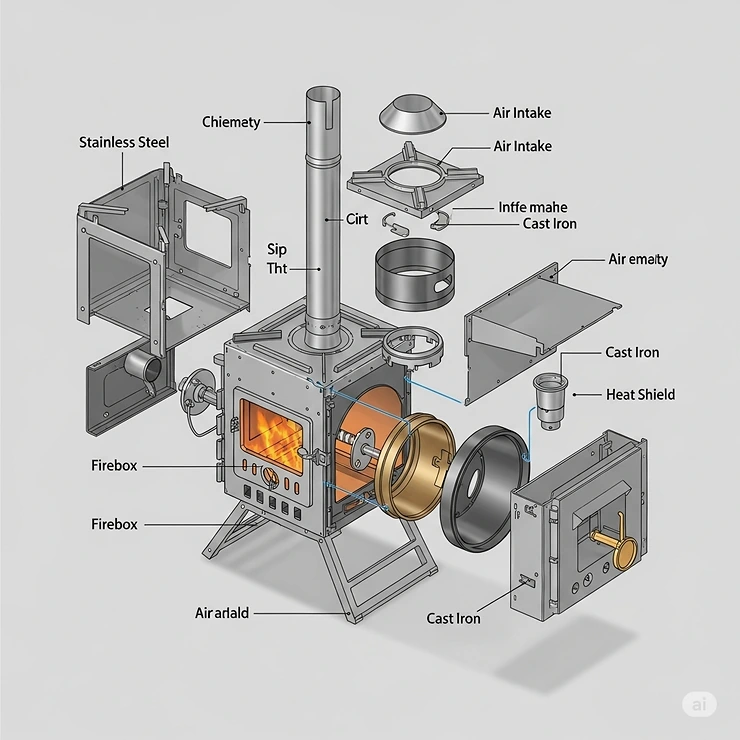
The engineering principles underlying modern camping log burner stove design represent sophisticated applications of thermodynamic theory and materials science. Understanding these technical foundations helps users optimize performance and appreciate the innovation behind contemporary wood burning camping systems.
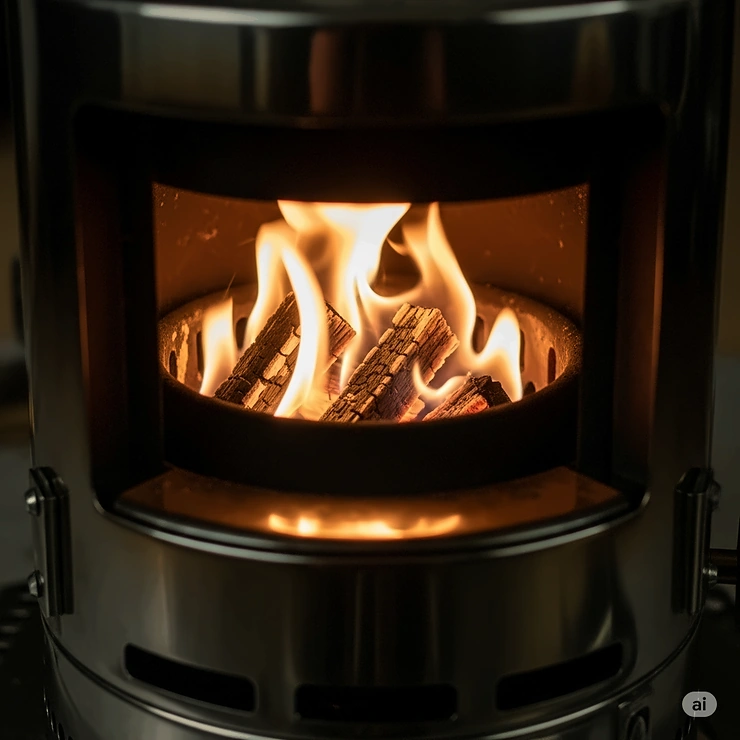
Primary and Secondary Combustion Dynamics Advanced camping log burner stove designs employ dual-stage combustion processes that dramatically improve efficiency compared to simple fire boxes. Primary combustion occurs in the main burning chamber where wood pyrolyzes, releasing volatile gases and creating char. Secondary combustion ignites these gases at high temperatures, capturing energy that would otherwise escape as smoke.
The Solo Stove Lite exemplifies this technology through its double-wall design that preheats secondary air before injection into the upper combustion zone. This preheated air reaches temperatures exceeding 1,000°F, sufficient to ignite wood gases that typically escape unburned in simple campfires.
Thermodynamic Efficiency Optimization Modern wood stove for camper designs achieve thermal efficiencies approaching 85%, compared to 10-15% for open campfires. This improvement results from precise control of air-to-fuel ratios, combustion chamber geometry, and heat transfer mechanisms.
The BioLite CampStove 2+ incorporates thermoelectric generators that harvest waste heat for electricity generation while maintaining optimal combustion temperatures. This technology, based on the Seebeck effect, demonstrates how advanced camping log burner stove designs can extract multiple forms of useful energy from a single fuel source.
Materials Science and Durability Engineering Contemporary camper wood stove construction relies on advanced metallurgy to withstand extreme thermal cycling while maintaining dimensional stability. Grade 304 stainless steel, used in most premium models, provides excellent corrosion resistance and thermal shock tolerance.
Titanium construction, featured in the Vargo Hexagon Wood Stove, offers superior strength-to-weight ratios but requires specialized welding techniques and controlled atmospheres during manufacturing. The material’s low thermal conductivity actually improves efficiency by reducing heat loss through the stove walls.
Computational Fluid Dynamics in Design Optimization Modern wood burning camping stove development relies heavily on CFD modeling to optimize airflow patterns and combustion efficiency. Engineers use sophisticated software to simulate how air moves through combustion chambers, identifying optimal hole placement and sizing for maximum performance.
The precision-drilled ventilation holes in products like the Solo Stove Campfire result from extensive CFD analysis that models air velocity, pressure differentials, and mixing patterns throughout the combustion process.
Gasification Technology Implementation Advanced wood stove in a camper designs incorporate gasification principles borrowed from industrial biomass energy systems. As wood heats in oxygen-limited environments, it breaks down into combustible gases that burn cleaner and hotter than solid wood combustion.
The controlled gasification process in quality camping log burner stove systems produces minimal particulate emissions while maximizing energy output. This technology explains why modern stoves burn so much cleaner than traditional campfires.
Heat Transfer Optimization Efficient camp stove wood fuel utilization depends on optimizing heat transfer from combustion gases to cookware. Advanced designs feature pot supports engineered to maximize thermal coupling while maintaining stability.
The scalloped pot stands found on premium models create multiple contact points that improve heat transfer efficiency while allowing for thermal expansion. This seemingly simple feature represents sophisticated engineering that significantly impacts cooking performance.
Research and Development Trends Current research in wood burning camping technology focuses on smart combustion control systems that automatically adjust airflow based on fuel conditions and cooking requirements. Prototype systems incorporate sensors and microprocessors to maintain optimal combustion parameters without user intervention.
Comprehensive Setup and Usage Guide
Mastering your camping log burner stove requires understanding proper setup procedures, fuel selection, and operational techniques that ensure safe, efficient cooking. This comprehensive guide covers everything from initial assembly to advanced optimization techniques that experienced users employ for maximum performance.
Pre-Deployment Preparation and Site Selection Before using any wood burning camping system, proper site preparation ensures both safety and optimal performance. Choose level ground with adequate clearance from flammable materials – maintain at least 10 feet from tents, vegetation, and stored equipment. The ideal location offers natural windbreak protection while providing adequate ventilation for safe operation.
Assess local fire regulations and restrictions before deploying your camping log burner stove. Many wilderness areas permit contained stoves when open fires are prohibited, but verification prevents legal issues and environmental damage. Contact local ranger districts or land management agencies for current restrictions.
Fuel Selection and Preparation Strategies Effective camp stove wood fuel utilization begins with proper fuel selection and preparation. Optimal fuel consists of dry hardwood pieces sized appropriately for your stove’s combustion chamber. Avoid softwoods like pine when possible, as their high resin content produces excessive smoke and creosote buildup.
Fuel moisture content dramatically affects performance – wood with moisture levels below 15% burns cleanest and hottest. Experienced users carry a moisture meter for precise measurement, though visual and tactile inspection usually suffices. Properly seasoned wood feels light for its size, shows checking cracks on the ends, and produces a sharp crack when pieces strike together.
Step-by-Step Assembly and Ignition Procedures Modern wood stove for camper designs typically feature tool-free assembly, but proper sequence ensures optimal performance:
- Initial Assembly: Unfold or assemble your camping log burner stove according to manufacturer specifications. Ensure all connections seat properly and moving parts operate smoothly.
- Fuel Loading: Fill the combustion chamber approximately 3/4 full with appropriately sized fuel. Overpacking restricts airflow and reduces efficiency.
- Ignition Setup: Create a tinder nest using dry grass, birch bark, or commercial fire starters. Position this material in the center of your fuel load for optimal ignition propagation.
- Initial Lighting: Use matches or a lighter to ignite your tinder nest. Avoid petroleum-based accelerants that can damage stove components or create dangerous flare-ups.
- Combustion Development: Allow the fire to establish before adding cookware. Most camper wood stove systems require 2-3 minutes to reach optimal operating temperature.
Operational Optimization Techniques Experienced wood burning camping enthusiasts employ several techniques to maximize stove performance:
Fuel Feeding Strategies: Add small amounts of fuel frequently rather than large loads periodically. This maintains consistent combustion temperatures while preventing oxygen starvation that causes smoke production.
Airflow Management: Many advanced camping log burner stove designs feature adjustable airflow controls. Start with maximum airflow for ignition, then reduce as the fire establishes to maintain steady burning without waste.
Cookware Positioning: Position pots and pans to maximize heat transfer without blocking airflow. The hottest zone typically sits directly above the combustion chamber, with moderate heat zones around the periphery for simmering.
Temperature Control: Control cooking temperatures through fuel size and feeding frequency rather than airflow restriction. Smaller fuel pieces burn hotter and faster, while larger pieces provide sustained moderate heat.
Advanced User Techniques Professional guides and experienced outdoors enthusiasts employ sophisticated techniques to maximize wood stove in a camper efficiency:
Staged Combustion Management: Advanced users create different heat zones within the firebox by strategic fuel placement. Dense hardwood pieces in the center provide sustained heat, while smaller kindling around the edges allows rapid temperature adjustment.
Thermal Mass Utilization: Experienced users pre-heat stones or metal objects that retain heat for extended cooking after the fire dies down. This technique extends useful cooking time while conserving fuel.
Multi-Stage Cooking: Plan meals that utilize different temperature phases of the combustion cycle. Start with high-heat searing when the fire burns hottest, transition to simmering as temperatures moderate, and finish with thermal cooking as the fire dies to coals.
Safety Considerations and Best Practices
Environmental Awareness: Always follow Leave No Trace principles when using camping log burner stove systems. Use only fallen, dead wood and never cut living vegetation. Completely extinguish fires before leaving the area.
Emergency Procedures: Maintain water or sand nearby for emergency fire suppression. Never leave a burning wood burning camping stove unattended, and ensure complete extinction before sleep.
Weather Considerations: High winds, dry conditions, or fire restrictions may prohibit camp stove wood fuel use. Always carry backup cooking methods for emergency situations.
Maintenance and Longevity Strategies
Proper maintenance extends the operational life of your camping log burner stove while ensuring consistent performance across hundreds of cooking sessions. Understanding maintenance requirements helps users develop sustainable care routines that preserve their investment while maximizing field reliability.
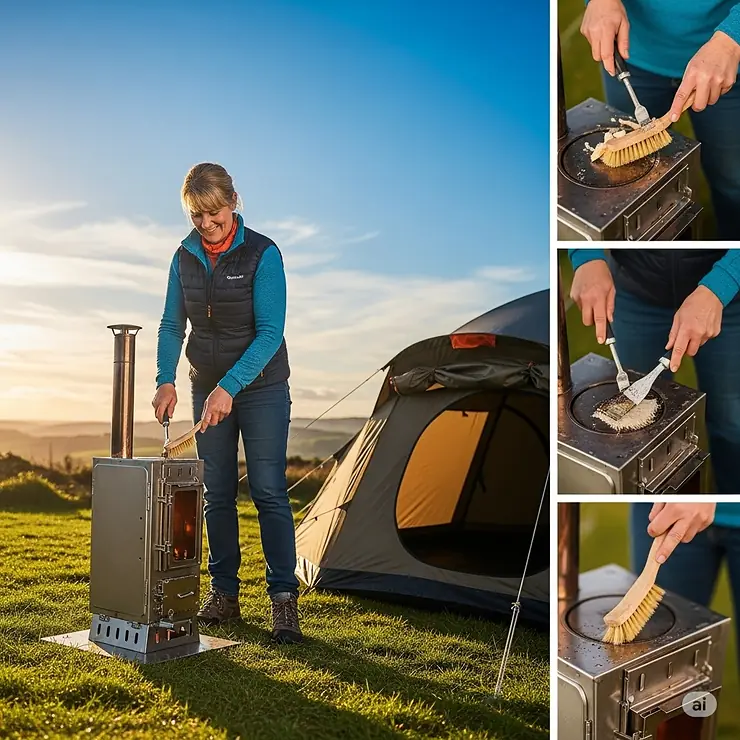
Daily Cleaning and Inspection Protocols After each use, thorough cleaning prevents ash buildup and corrosion that can compromise your wood burning camping stove’s performance. Allow the unit to cool completely before handling – this typically requires 30-45 minutes depending on ambient conditions and final fire intensity.
Remove all ash and unburned debris using a small brush or scraper tool. Pay special attention to air intake holes, which can become clogged with fine ash particles. Use compressed air or blow through holes to ensure clear airflow passages that are critical for proper combustion.
Weekly Deep Cleaning Procedures For frequent users, weekly deep cleaning maintains optimal camping log burner stove performance. Disassemble all removable components and clean each piece individually. Soak heavily soiled parts in warm water with mild soap, using soft brushes to remove stubborn deposits without scratching surfaces.
Inspect stainless steel components for signs of corrosion or stress cracking. While high-quality stainless steel resists corrosion, salt exposure or certain wood types can accelerate deterioration. Address any surface rust immediately using fine steel wool and protective oil.
Monthly Comprehensive Maintenance Monthly maintenance cycles should include complete disassembly and thorough inspection of all components. Examine pot supports, airflow baffles, and assembly hardware for wear or damage. Replace worn components before they fail in the field.
Lubrication and Protection: Apply food-safe lubricant to moving parts and assembly points. Threaded connections particularly benefit from periodic lubrication that prevents galling and seizing. Store your wood stove for camper in a dry environment with light oil coating on metal surfaces.
Seasonal Storage Preparation Proper storage prevents off-season deterioration that can compromise performance when you return to wood burning camping activities. Clean all components thoroughly and ensure complete drying before storage. Moisture trapped in joints or crevices can cause corrosion during extended storage periods.
Long-Term Durability Strategies High-quality camper wood stove systems can provide decades of reliable service with proper care. Avoid thermal shock by allowing gradual heating and cooling cycles. Never pour cold water on hot components, as rapid temperature changes can cause warping or cracking.
Professional Servicing and Warranty Considerations Most premium camping log burner stove manufacturers offer warranty coverage for defects, but this typically excludes damage from misuse or normal wear. Document any manufacturing defects promptly and contact customer service for warranty claims.
Investment Decision Framework
Selecting the optimal camping log burner stove requires systematic evaluation of your specific needs, usage patterns, and budget constraints. This framework helps potential buyers make informed decisions that balance performance requirements with financial considerations.
Usage Pattern Analysis Consider how frequently you’ll use your wood burning camping stove and in what contexts. Weekend car campers have different requirements than multi-week backpackers or professional guides. High-frequency users justify premium investments through cost-per-use calculations, while occasional users may prefer budget-friendly options.
Performance Priority Matrix Rank these factors by importance for your specific applications:
- Weight and portability
- Cooking speed and efficiency
- Fuel availability and type
- Weather resistance
- Group size capacity
- Budget constraints
Total Cost of Ownership Calculation Consider long-term costs beyond initial purchase price. Premium camping log burner stove systems often provide better durability and warranty coverage, reducing replacement costs. Factor in accessory costs, maintenance requirements, and potential fuel savings compared to canister stoves.
The BioLite CampStove 2+ commands premium pricing but eliminates ongoing fuel costs while providing device charging capability. Over 5+ years of regular use, this could justify the higher initial investment for frequent campers.
Future Trends and Market Evolution
The camping log burner stove market continues evolving with technological innovations and changing consumer preferences. Smart combustion control systems represent the next frontier, with prototype designs incorporating sensors and microprocessors that automatically optimize airflow and fuel feeding.
Sustainability Focus Environmental consciousness drives innovation toward cleaner burning and more efficient wood burning camping systems. Manufacturers increasingly emphasize carbon neutrality and minimal environmental impact in their marketing and product development.
Integration with Digital Ecosystems Future wood stove for camper designs may integrate with smartphone apps for combustion monitoring, maintenance reminders, and performance optimization. Bluetooth connectivity could enable remote monitoring and control of advanced systems.
Material Science Advances New materials like carbon fiber composites and advanced ceramics promise lighter, more durable camping log burner stove construction. These materials could enable designs that were previously impossible due to weight or durability constraints.
FAQs – Frequently Asked Questions
❓ How much wood does a typical camping log burner stove consume per hour?
❓ Can I use a camping log burner stove during fire restrictions?
❓ What's the difference between gasification and standard wood burning stoves?
❓ How do I know if my camping log burner stove needs replacement?
❓ What type of wood works best for camping log burner stove efficiency?
Conclusion: Choosing Your Perfect Camping Log Burner Stove
Selecting the ideal camping log burner stove transforms outdoor cooking from a chore into an enjoyable experience that connects you with nature’s fundamental elements. Whether you prioritize the technological innovation of the BioLite CampStove 2+, the ultralight efficiency of the Solo Stove Lite, or the budget-friendly reliability of the Ohuhu Camping Stove, the perfect wood burning camping solution exists for your specific needs.
Remember that the best wood stove for camper applications balances weight, performance, and durability according to your usage patterns. Consequently, take time to honestly assess your camping style, group size, and performance priorities before making this important investment.
Finally, quality camping log burner stove systems provide years of reliable service while offering the satisfaction of sustainable, fuel-independent cooking. The initial investment pays dividends through enhanced outdoor experiences and the deep satisfaction of mastering fire-based cooking skills.
Ready to Upgrade Your Outdoor Cooking?
→ Don’t wait – these premium camping log burner stoves are selling fast! Click any highlighted product above to secure your perfect wood burning camping companion today. Transform your outdoor adventures with sustainable, efficient cooking power! ⚡
Recommended for You
Check out our other comprehensive guides:
- 10 Best Camping Foldable Stove Options for Ultimate Outdoor Cooking in 2025
- 7 Best Camping Rocket Stove Options for Ultimate Outdoor Cooking in 2025
- 7 Best Camp Stove Gasoline Options For Ultimate Outdoor Cooking in 2025
Disclaimer: This article contains affiliate links. If you purchase products through these links, we may earn a small commission at no additional cost to you.
✨ Found this helpful? Share it with your friends!
