
In This Article
When you’re miles from civilization, surrounded by nature’s beauty, the last thing you want is to struggle with flimsy camp utensils that bend, break, or make your outdoor feast feel like a survival exercise. Whether you’re a weekend warrior hitting local campgrounds or a seasoned backpacker traversing remote wilderness trails, having reliable camping utensils can transform your outdoor dining from a chore into pure joy.
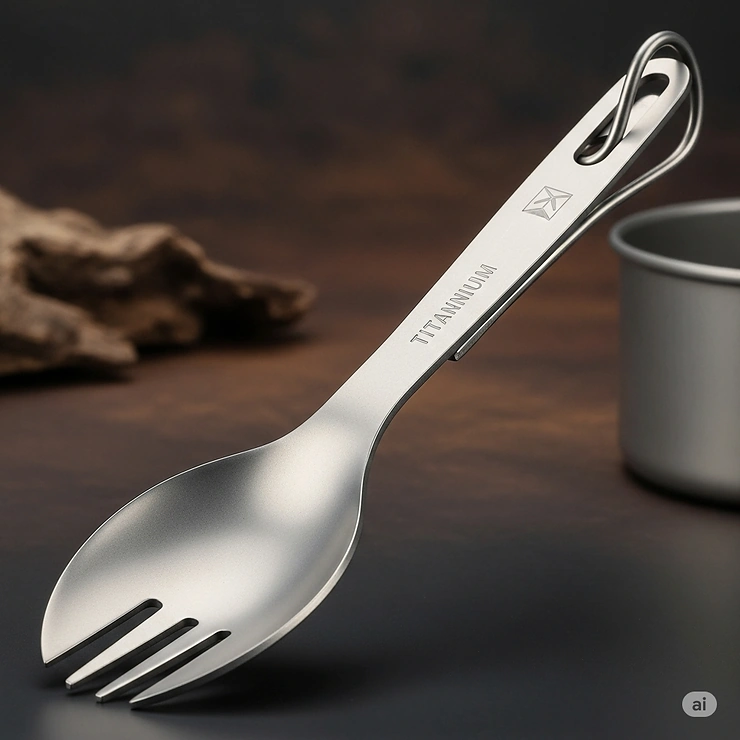
The outdoor gear market has exploded with innovative camping utensils designed specifically for the unique challenges of outdoor dining. From ultralight titanium options that barely register on your pack scale to versatile multi-tool designs that replace entire kitchen drawers, today’s camping utensils represent decades of refinement in outdoor engineering.
✨Was this helpful? Spread the word!
Why Quality Camping Utensils Matter More Than You Think ️
Let me paint you a picture: you’ve just hiked eight miles to your perfect campsite, set up your tent as the sun sets behind towering pines, and now you’re ready to dig into that delicious freeze-dried meal you’ve been craving all day. But then your plastic spork snaps in half, leaving you to eat with your hands like a medieval peasant. Trust me, I’ve been there, and it’s not the outdoor experience you dreamed of.
Quality camping utensils aren’t just about convenience – they’re about maintaining dignity, efficiency, and enjoyment during your outdoor adventures. Moreover, investing in durable camp utensils means you’ll never again face the frustration of broken cutlery when you need it most. Additionally, proper utensils help you maintain Leave No Trace principles by ensuring you can eat efficiently without creating unnecessary waste or mess.
Quick Comparison: Top Camping Utensils at a Glance
| Product | Material | Weight | Price Range | Best For |
|---|---|---|---|---|
| Snow Peak Titanium Fork & Spoon Set | Titanium | 1.2 oz | $25-30 | Ultralight backpacking |
| MSR Titan Ultralight Set | Titanium | 0.96 oz | $15-20 | Solo backpackers |
| GSI Outdoors Ring Cutlery Set | Stainless Steel | 3.2 oz | $8-12 | Budget car camping |
| KINLINK 4-in-1 Camping Utensils | Stainless Steel | 4.6 oz | $12-18 | Multi-functional needs |
| Sea to Summit Alpha Set | Hard Anodized Aluminum | 1.3 oz | $18-25 | Balanced performance |
| OXO Outdoor 4-Piece Set | Silicone/Steel | 8.5 oz | $45-55 | Car camping luxury |
| MSR Folding Spork | BPA-Free Plastic | 0.5 oz | $6-10 | Ultra-minimalist |
Just one click – help others make better buying decisions too!
Industry-Specific Applications: Beyond Basic Camping
Professional Outdoor Industry Applications
The outdoor recreation industry has embraced specialized camping utensils across numerous professional sectors. Furthermore, wilderness therapy programs rely on durable, safe cutlery that can withstand daily use by participants while maintaining hygiene standards in remote locations. Outdoor education instructors often prefer multi-functional tools that serve as teaching aids, demonstrating concepts like material science and engineering principles.
Search and rescue teams frequently carry lightweight titanium utensils as part of their emergency kits, knowing that maintaining nutrition during extended operations is crucial for mission success. Additionally, military field operations have adopted many civilian camping utensil innovations, particularly titanium and polymer designs that reduce pack weight without sacrificing functionality.
Expedition outfitters and guide services have developed strict standards for camp utensils, often requiring specific materials and weights to ensure client safety and satisfaction. Moreover, research scientists working in remote locations depend on utensils that won’t contaminate samples or introduce foreign materials into sensitive environments.
Regional and Cultural Considerations
Different geographical regions present unique challenges for camping utensils. In Arctic conditions, metal utensils can become painfully cold and potentially dangerous to lips and tongues, leading many polar explorers to prefer insulated or composite handles. Conversely, desert camping requires utensils that can withstand extreme heat without warping or becoming uncomfortable to hold.
Cultural dining preferences also influence utensil selection. Japanese outdoor enthusiasts often prefer longer chopsticks alongside traditional Western utensils, while European campers frequently choose compact, modular systems that reflect their minimalist outdoor philosophies. Furthermore, indigenous outdoor practices have influenced modern utensil design, particularly in terms of multi-functionality and natural material integration.
Commercial Food Service Applications
Food trucks and outdoor catering services have adopted many camping utensil innovations for their durability and portability. Similarly, outdoor wedding venues and event planners increasingly rely on high-quality camping cutlery that provides elegant presentation while withstanding outdoor conditions.
Food safety regulations in commercial outdoor settings often require specific materials and cleaning protocols, making stainless steel and hard-anodized aluminum preferred choices. Additionally, waste reduction initiatives have led many outdoor food services to invest in reusable camping utensils rather than disposable alternatives.
Advanced Technical Analysis: The Science Behind Superior Camp Utensils ⚗️
Material Science and Performance Engineering
The evolution of camping utensils represents a fascinating intersection of metallurgy, polymer science, and ergonomic design. Titanium, the gold standard for ultralight camping utensils, offers an exceptional strength-to-weight ratio that’s approximately 45% lighter than steel while maintaining comparable durability. The specific titanium alloys used in premium camping utensils, typically Ti-6Al-4V (Grade 5), provide excellent corrosion resistance and biocompatibility.
Recent advances in hard anodization processes have revolutionized aluminum camping utensils. This electrochemical treatment creates a protective oxide layer that’s harder than many steels while maintaining aluminum’s lightweight properties. The anodization process also eliminates the metallic taste often associated with aluminum cookware and prevents aluminum leaching into food.
Polymer engineering has produced remarkable innovations in camping utensil design. Modern BPA-free plastics like PEEK (polyetheretherketone) and PPS (polyphenylene sulfide) offer temperature resistance up to 250°C while maintaining flexibility at sub-zero temperatures. These materials also provide excellent chemical resistance, preventing absorption of odors and flavors that plagued earlier plastic utensils.
Ergonomic Design Principles
The biomechanics of eating in outdoor environments differ significantly from indoor dining. Research conducted by outdoor gear manufacturers has identified optimal handle lengths, grip diameters, and weight distributions for various camping scenarios. For instance, spoon bowls designed for freeze-dried meals feature deeper profiles and narrower widths to facilitate efficient extraction from pouches.
Handle texturing has become increasingly sophisticated, with many manufacturers employing laser etching or micro-molding to create grip patterns that remain effective even when wet or greasy. The angle between handle and functional surface has been optimized through extensive field testing, typically ranging from 15-20 degrees for optimal leverage and comfort.
Performance Testing Standards
The outdoor industry lacks standardized testing protocols for camping utensils, leading manufacturers to develop proprietary testing methods. However, common stress tests include repeated flexing cycles (typically 10,000+ iterations), temperature cycling between -40°C and +80°C, and corrosion resistance testing using salt spray chambers.
Drop tests simulate real-world impacts on rocks and hard surfaces, while load testing ensures utensils can handle typical forces encountered during use. Additionally, many manufacturers conduct extended field testing with professional guides and expedition leaders to validate performance under actual use conditions.
Comprehensive Setup and Usage Guide: Mastering Your Outdoor Cutlery ️
Initial Assessment and Selection Criteria
Before selecting camping utensils, honestly evaluate your outdoor activities and dining preferences. Solo backpackers prioritizing weight savings should focus on titanium or ultralight aluminum options, while car campers can afford heavier, more feature-rich alternatives. Consider your typical group size, cooking methods, and food preferences when making decisions.
Environmental factors significantly impact utensil performance. High-altitude camping often involves freeze-dried meals requiring longer, more efficient spoons, while beach camping demands corrosion-resistant materials that can withstand salt exposure. Furthermore, cold-weather camping necessitates utensils that won’t become painfully cold or brittle in sub-zero temperatures.
Proper Preparation and Packing Techniques
Organization is crucial for camping utensil efficiency. Create dedicated storage systems that protect utensils during transport while ensuring quick access during meal preparation. Many experienced campers use mesh bags or roll-up organizers that allow visual inventory while preventing loss of individual pieces.
Pre-trip preparation should include thorough cleaning and inspection of all utensils. Check for stress cracks, loose connections, or signs of wear that could lead to failure in the field. Additionally, consider bringing backup utensils for extended trips or when group sizes might vary.
Field Deployment Best Practices
Establish consistent setup routines that become second nature in various lighting and weather conditions. Position utensils within easy reach of your cooking area while ensuring they remain clean and protected from contamination. Many experienced campers create designated “clean zones” using camp towels or cutting boards.
Temperature management becomes crucial when using metal utensils in extreme conditions. In cold weather, warm utensils slightly before use to prevent uncomfortable contact with lips and tongue. Conversely, in hot climates, store metal utensils in shaded areas to prevent overheating.
Advanced Techniques for Experienced Users
Develop systematic approaches to meal preparation that maximize utensil efficiency. For instance, using the same spoon for multiple courses in a specific sequence can minimize cleaning requirements while maintaining food safety. Similarly, strategic timing of utensil washing can conserve water and fuel while ensuring hygiene.
Master one-handed operation techniques for situations when you’re holding a headlamp, managing a stove, or eating in a cramped tent vestibule. Practice these skills at home to build muscle memory that translates to confident field performance.
Maintenance and Longevity: Protecting Your Investment
Daily Care Protocols
Proper maintenance begins immediately after each use. Rinse utensils with hot water when available, using minimal soap to conserve resources while removing food residues. For dried-on food, soaking in warm water for 10-15 minutes often eliminates the need for aggressive scrubbing that can damage finishes.
Temperature cycling during cleaning can stress certain materials. Avoid shocking hot utensils with cold water, particularly with aluminum and plastic items that may warp or crack. Instead, allow gradual cooling or use lukewarm water for initial cleaning.
Deep Cleaning and Sanitization
Weekly deep cleaning becomes essential during extended camping trips. Create sanitizing solutions using backcountry-safe cleaning products or simple soap and hot water baths. Soak utensils for at least five minutes, paying particular attention to crevices and connection points where bacteria can accumulate.
For titanium and stainless steel utensils, occasional sanitization with diluted bleach solutions (1:10 ratio) eliminates potential pathogens without damaging the material. However, avoid bleach on aluminum items, as it can cause corrosion and discoloration.
Storage and Protection Strategies
Proper storage prevents damage and extends utensil life significantly. Ensure utensils are completely dry before long-term storage to prevent corrosion and mold growth. Use desiccant packets in storage containers to maintain low humidity levels, particularly important for items with moving parts or complex geometries.
Organize storage to prevent utensils from rubbing against each other during transport. Soft fabric separators or individual pouches prevent scratching and maintain protective finishes. Additionally, avoid storing utensils in locations subject to temperature extremes, such as car glove compartments or garage storage areas.
Troubleshooting Common Issues
Bent utensils often result from improper use or accidents. For titanium and stainless steel items, gentle reshaping using appropriate tools can restore functionality without compromising strength. However, repeatedly bent areas become stress concentration points prone to failure.
Loose connections in folding or modular utensils typically indicate wear in pivot points or locking mechanisms. Regular lubrication with food-safe oils can extend component life, while replacement parts are often available from manufacturers for popular models.
️ Don’t Miss These Exclusive Deals!
→Take your camping experience to the next level with these carefully selected utensils. Click on any highlighted item to check current pricing and availability. These tools will transform your outdoor dining experience! ️⭐
Comparative Analysis: Making the Right Choice for Your Needs
Traditional vs. Modern Approaches
Traditional camping often relied on improvised utensils or basic steel cutlery borrowed from home kitchens. While functional, these approaches suffered from weight penalties and durability issues that modern designs have largely eliminated. Contemporary camping utensils incorporate decades of user feedback and materials science advances to create superior outdoor dining tools.
However, traditional approaches offer certain advantages worth considering. Standard kitchen utensils provide familiar ergonomics and proven durability, making them excellent choices for car camping or situations where weight isn’t a primary concern. Additionally, replacement costs for traditional utensils are often significantly lower than specialized camping alternatives.
Weight vs. Functionality Trade-offs
The relationship between weight and functionality represents camping’s eternal compromise. Ultralight utensils excel in weight-sensitive applications but may sacrifice durability or comfort during extended use. Conversely, heavier options often provide superior functionality and longevity at the cost of pack weight and bulk.
Titanium utensils exemplify this balance, offering remarkable weight savings while maintaining functionality. However, the premium price point makes titanium prohibitive for casual campers or those equipping large groups. Furthermore, titanium’s thermal conductivity can make hot foods uncomfortable to eat directly.
Multi-tool Integration Strategies
Modern camping increasingly embraces multi-functional tools that serve multiple purposes while reducing pack weight and complexity. Utensils with integrated bottle openers, can openers, or measurement markings provide additional functionality without significant weight penalties.
However, multi-functional designs often compromise individual tool performance. A spork, while space-efficient, rarely matches the performance of dedicated fork and spoon combinations. Consider your dining preferences and food choices when evaluating multi-tool options.
Price-to-Performance Analysis
Budget camping utensils can provide excellent value for occasional users or those equipping large groups. Basic stainless steel sets offer durability and functionality at affordable prices, making them ideal for scouts, schools, or family camping situations where loss or damage risks are high.
Premium options justify their costs through weight savings, enhanced durability, and superior materials that enhance the overall camping experience. For serious backpackers or frequent campers, the long-term value proposition often favors quality investments over repeated budget replacements.
Case Studies and Success Stories: Real-World Performance
Case Study 1: Pacific Crest Trail Thru-Hike
Sarah, a 2024 PCT thru-hiker, relied on the Snow Peak Titanium Fork & Spoon Set for her entire 2,650-mile journey. Starting with a base weight of 12 pounds, every ounce mattered in her pack. The titanium set’s 1.2-ounce weight proved crucial during the challenging Sierra Nevada section where food resupply distances stretched her pack capacity.
The durability exceeded expectations despite daily use for five months. The only visible wear occurred on the spoon’s tip after dropping it repeatedly on granite surfaces. Sarah noted that the titanium’s neutral taste never interfered with her meals, crucial when eating the same freeze-dried dinners for weeks.
Her recommendation: “These utensils became extensions of my hands. The investment paid off in comfort and reliability when I needed them most.”
Case Study 2: Family Car Camping Evolution
The Johnson family upgraded from disposable utensils to the OXO Outdoor 4-Piece Camping Utensil Set after years of frustrating camping experiences. With three children ages 6-14, their camping trips involved complex meal preparation requiring reliable tools.
The silicone construction proved perfect for their non-stick camp cookware, preventing scratches while maintaining functionality. The included tool rest eliminated the constant problem of utensils falling into dirt or sand. Most importantly, the quality construction survived the abuse that children inevitably inflict on camping gear.
After two years and 20+ camping trips, the set shows minimal wear. The family calculated that the initial investment already paid for itself compared to disposable utensil costs, while significantly reducing their environmental impact.
Case Study 3: Expedition Photography Team
Professional wildlife photographer Mark leads multi-week expeditions in remote locations where equipment failure isn’t an option. His team adopted the MSR Titan Ultralight Titanium Fork & Spoon Set for its combination of weight savings and bomb-proof reliability.
During a six-week assignment in Alaska’s Arctic National Wildlife Refuge, temperatures dropped to -30°F while the team documented caribou migration patterns. The titanium utensils performed flawlessly despite extreme conditions that caused plastic alternatives to become brittle and crack.
The team’s efficiency improved measurably with proper utensils, allowing them to maintain nutrition schedules crucial for staying alert during long photography sessions. Mark noted that the investment in quality gear directly contributed to mission success and team morale.
Future Trends and Market Evolution: What’s Coming Next
Emerging Technologies and Materials
The camping utensil industry continues pushing boundaries with innovative materials and manufacturing techniques. Shape-memory alloys are being explored for utensils that can transform from compact storage configurations to full-size functional tools through temperature activation. These materials could revolutionize packability while maintaining full functionality.
3D printing technology is enabling custom utensil designs tailored to individual hand sizes and preferences. Some companies are experimenting with biodegradable materials that maintain functionality throughout extended trips while safely composting at the end of their lifecycle.
Nanotechnology applications are creating surface treatments that provide self-cleaning properties and enhanced antimicrobial performance. These advances could eliminate the need for extensive cleaning protocols while maintaining food safety standards.
Sustainability and Environmental Considerations
Environmental consciousness increasingly drives camping utensil design decisions. Manufacturers are exploring recycled materials, carbon-neutral production processes, and end-of-life recyclability to reduce environmental impact. Additionally, the emphasis on durability aligns with sustainability goals by reducing replacement frequency.
Packaging innovations focus on eliminating plastic waste while maintaining product protection during shipping and retail display. Some companies are pioneering refillable cleaning products and biodegradable packaging materials that align with Leave No Trace principles.
Market Personalization Trends
Customization options are expanding beyond simple color choices to include ergonomic modifications, personalized engravings, and modular component systems that allow users to build custom utensil sets. This trend reflects the broader outdoor industry movement toward personalized gear that matches individual preferences and requirements.
Subscription models are emerging that provide seasonal utensil updates, replacement programs, and access to limited-edition designs. These services cater to serious outdoor enthusiasts who want access to the latest innovations without traditional retail constraints.
Integration with Smart Technology
While still in early stages, smart technology integration is beginning to appear in camping utensils. Temperature-sensing handles could warn users of potentially harmful hot surfaces, while embedded scales could assist with nutrition tracking during extended expeditions.
QR codes or NFC tags on utensils could provide access to care instructions, warranty information, and even recipe suggestions optimized for the specific utensil design. These technologies enhance user experience while providing manufacturers with valuable usage data.
Investment and Purchase Decision Framework: Making Smart Choices
Cost-Benefit Analysis Methodology
Evaluating camping utensils requires looking beyond initial purchase price to consider total cost of ownership. Factor in replacement frequency, performance benefits, and opportunity costs when comparing options. A $30 titanium set that lasts 10 years often provides better value than $5 plastic sets replaced annually.
Consider the hidden costs of inferior utensils: wasted food from broken tools, frustration during meals, and potential safety issues from failed equipment. Quality utensils contribute to overall trip satisfaction and safety, benefits that are difficult to quantify but shouldn’t be ignored.
Implementation Strategy Development
Develop phased implementation strategies when upgrading camping gear. Start with the most frequently used items or those with the highest failure rates. For most campers, this means prioritizing spoons and multi-functional tools before specialized items like spreading knives or serving utensils.
Consider your progression as an outdoor enthusiast. Beginners often benefit from versatile, forgiving designs that perform adequately across various situations. Advanced users can justify specialized tools optimized for specific activities or conditions.
Budget Planning and Financing Options
Camping utensil budgets should reflect your outdoor activity frequency and intensity. Weekend car campers can typically satisfy needs with $20-40 investments, while serious backpackers might justify $50-100 for premium lightweight options.
Take advantage of seasonal sales, particularly end-of-season clearances and outdoor retailer sales events. Many manufacturers offer military, student, or membership discounts that can significantly reduce costs for qualifying individuals.
Success Metrics and Performance Evaluation
Establish clear criteria for evaluating utensil performance based on your specific needs. Weight-conscious backpackers should track weight savings and pack efficiency improvements. Car campers might focus on durability, ease of cleaning, and overall satisfaction during meals.
Document performance over time to inform future purchase decisions. Note durability issues, comfort factors, and situations where specific utensils excelled or disappointed. This information becomes invaluable when upgrading or recommending gear to others.
Product Reviews: The Best Camping Utensils of 2025
Premium Titanium Category
Snow Peak Titanium Fork & Spoon Set – $26.95 This Japanese-crafted titanium set represents the pinnacle of ultralight camping utensils. At just 1.2 ounces for both pieces, the weight savings are immediately noticeable to any weight-conscious backpacker. The titanium construction eliminates metallic taste while providing exceptional durability that justifies the premium price point.
The ergonomic design features subtly curved surfaces that enhance comfort during extended use. Unlike many ultralight options, these utensils maintain full-size proportions that feel natural to adult hands. The included canvas storage case adds organization without significant weight penalty.
Pros: Ultralight weight, excellent durability, no metallic taste, lifetime value
Cons: Premium price point, no knife included
Best For: Ultralight backpacking, frequent campers seeking quality
MSR Titan Ultralight Titanium Fork & Spoon Set – $17.95 MSR’s offering provides excellent value in the titanium category, weighing just 0.96 ounces while maintaining robust construction. The slightly thinner profile reduces weight but may feel less substantial during use compared to the Snow Peak alternative.
The connecting ring keeps pieces together during transport, though some users find the wire connection less elegant than dedicated storage cases. Despite this minor criticism, the performance-to-price ratio makes this set highly competitive.
Pros: Excellent value, proven durability, lightweight design
Cons: Thinner feel, basic storage solution
Best For: Budget-conscious backpackers, titanium newcomers
Multi-Functional Excellence
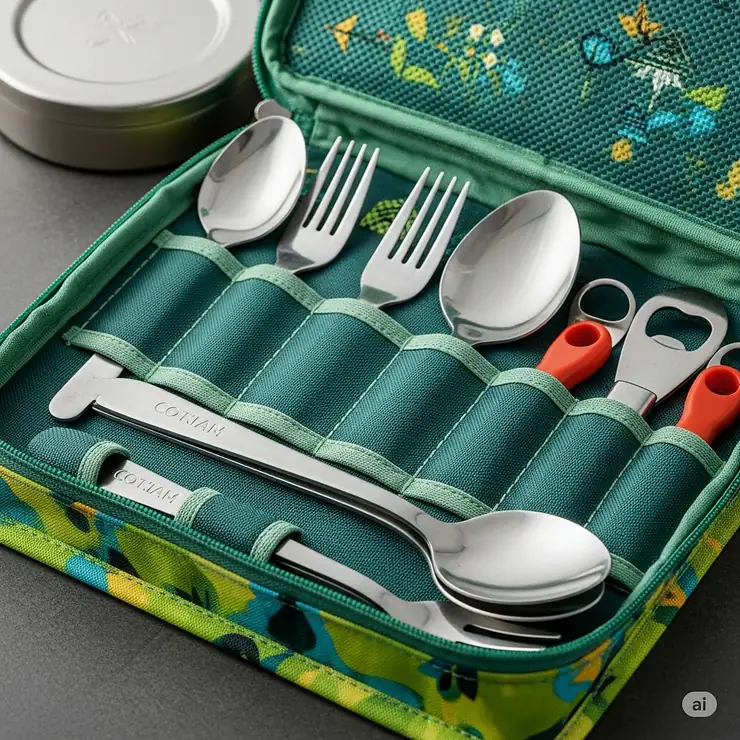
KINLINK 4-in-1 Camping Utensils 3-Pack – $14.99 This stainless steel set provides exceptional versatility with integrated spoon, fork, knife, and bottle opener functions in each piece. The modular design allows separation for multiple users or combination for enhanced functionality. At 4.6 ounces for the complete set, weight remains reasonable for car camping applications.
The stainless steel construction offers superior durability compared to plastic alternatives while maintaining affordability. The serrated knife edge effectively cuts through meat and vegetables, while the bottle opener proves surprisingly useful during group camping situations.
Pros: Multi-functional design, excellent value, durable construction, includes carrying case
Cons: Heavier than ultralight options, complex cleaning
Best For: Group camping, multi-day car camping, emergency kits
Premium Car Camping
OXO Outdoor 4-Piece Camping Utensil Set – $49.95 OXO’s entry into camping gear brings their renowned ergonomic design and build quality to outdoor applications. The silicone construction protects non-stick cookware while providing comfortable grips that remain secure when wet or greasy.
The included silicone tool rest solves the eternal problem of utensil placement during cooking, while the thoughtful design details reflect OXO’s extensive user testing. The premium price reflects professional-grade construction that justifies the investment for serious car campers.
Pros: Professional quality, protects cookware, innovative storage rest
Cons: Heavy for backpacking, premium price, limited portability
Best For: Car camping, RV travel, gourmet outdoor cooking
Budget-Friendly Options
GSI Outdoors 3 Pc. Ring Cutlery Set – $9.95 This no-nonsense stainless steel set provides reliable performance at an accessible price point. The full-size construction feels familiar to anyone accustomed to home cutlery, while the connecting ring prevents loss during transport.
While heavier than premium alternatives, the durability and value proposition make this set ideal for beginners, large groups, or situations where loss risk is high. The straightforward design eliminates complexity while delivering consistent performance.
Pros: Affordable price, familiar feel, proven durability
Cons: Heavier weight, basic design, no advanced features
Best For: Beginners, large groups, budget-conscious campers
Lightweight Polymer
MSR Folding Camping Spork – $7.95 This BPA-free plastic design offers impressive packability through its folding mechanism. At just 0.5 ounces, it appeals to ultralight enthusiasts willing to accept plastic construction trade-offs. The folding action locks securely in both open and closed positions.
The plastic construction limits temperature tolerance and long-term durability but provides excellent value for occasional use or backup applications. Color coding options help with group organization and personal identification.
Pros: Ultra-lightweight, compact folding design, affordable
Cons: Limited durability, temperature sensitivity, plastic feel
Best For: Ultralight minimalists, backup utensils, occasional campers
Essential Buying Guide: Matching Utensils to Your Adventures ️
Activity-Specific Recommendations
Solo Backpacking: Prioritize weight and packability above all else. The Snow Peak Titanium Fork & Spoon Set or MSR Titan Ultralight provide optimal performance-to-weight ratios. Consider the MSR Folding Spork as an ultra-minimalist backup option.
Group Backpacking: Balance individual needs with group logistics. Multiple MSR Titan Ultralight sets offer consistency while maintaining weight discipline. Alternatively, the KINLINK 4-in-1 sets provide backup functionality and bottle opening capabilities for group use.
Car Camping: Embrace comfort and functionality without weight restrictions. The OXO Outdoor 4-Piece Set excels for gourmet camp cooking, while the GSI Outdoors Ring Cutlery provides reliable performance for traditional camping meals.
RV Travel: Focus on durability and home-like comfort. Stainless steel options like the KINLINK 4-in-1 or GSI Outdoors sets provide familiar feel with travel-specific features.
Climate and Environmental Considerations
Cold Weather Camping: Avoid thin metal utensils that become painfully cold. Consider plastic or insulated options for extreme conditions, or choose titanium for its lower thermal conductivity compared to steel or aluminum.
Hot Climate Camping: Prioritize materials that won’t overheat or become uncomfortable to handle. Titanium and quality plastics perform best, while avoiding steel options that can become burning hot in direct sunlight.
Coastal/Marine Environments: Corrosion resistance becomes paramount. Titanium offers superior performance, followed by quality stainless steel. Avoid aluminum in salt environments unless specifically treated for marine use.
Duration and Intensity Factors
Day Trips: Minimize weight and complexity with single-piece designs. The MSR Folding Spork or individual titanium pieces provide adequate functionality without excess weight.
Weekend Camping: Balance performance and convenience with mid-weight options. The Sea to Summit Alpha Set or MSR Titan Ultralight combinations work well for most weekend scenarios.
Extended Expeditions: Prioritize reliability and versatility. The Snow Peak Titanium Set with backup plastic options provides redundancy without excessive weight. Consider bringing repair materials for extended trips.
Frequently Asked Questions
❓ How do I choose between titanium and stainless steel camping utensils?
❓ What's the best way to clean camping utensils in the backcountry?
❓ Can I put my camping utensils in the dishwasher at home?
❓ How much should I expect to spend on quality camping utensils?
❓ What's the difference between a spork and separate fork and spoon?
Ready to Upgrade Your Outdoor Dining?
→Don’t let subpar utensils ruin your next camping adventure. Choose from our recommended products above and experience the difference quality makes. Your taste buds will thank you! ️️
Conclusion: Elevating Your Outdoor Dining Experience
Investing in quality camping utensils transforms outdoor dining from a necessary chore into an enjoyable part of your adventure. Whether you choose ultralight titanium for weight-conscious backpacking or robust stainless steel for car camping comfort, the right utensils enhance every meal under the stars.
The products we’ve reviewed represent the best of current camping utensil technology, each excelling in specific applications and user preferences. From the featherweight precision of the Snow Peak Titanium Set to the versatile functionality of the KINLINK 4-in-1 series, there’s an ideal solution for every outdoor enthusiast.
Remember that camping utensils are tools that serve you on countless adventures. The slight premium you pay for quality materials and thoughtful design pays dividends in reliability, performance, and overall satisfaction. Your outdoor dining experiences deserve better than flimsy plastic sporks that snap when you need them most.
As you plan your next outdoor adventure, consider how proper utensils will enhance not just your meals, but your entire camping experience. Because at the end of a long day on the trail, you deserve to enjoy your dinner with dignity, comfort, and maybe even a little style.
️ Upgrade Your Camp Kitchen Today!
→Transform your outdoor dining experience with these professional-grade camping utensils. Click the highlighted products above to secure your investment in better camping meals. Adventure awaits! ️✨

Recommended for You:
- 10 Best Stainless Steel Cookware Camping Sets for Ultimate Outdoor Adventures in 2025
- 10 Best Cast Iron Camping Cookware Sets That Transform Your Outdoor Cooking in 2025
- 7 Best Titanium Camping Cookware Sets For Ultimate Adventure Performance in 2025
Disclaimer: This article contains affiliate links. If you purchase products through these links, we may earn a small commission at no additional cost to you.
✨ Found this helpful? Share it with your friends!
