In This Article
Anyone who has survived a Saturday on a soccer sideline knows the drill. The sun climbs, the cooler warms, and your folding chair slowly turns into a lesson in regret. A good sports tent fixes all of it. It turns a patch of grass into a shaded home base, and it does so in about the time your kid takes to find a missing shin guard.
Here’s the catch, though. “Sports tent” covers two very different animals. There are the open-sided pop up canopies, the 10×10 workhorses that shade a small crowd. Then there are the clear, enclosed pods built for one to three people who want to watch the game from a warm bubble. Pick the wrong species and you’ll cook, freeze, or spend halftime chasing a runaway frame across the parking lot.
So this guide skips the brochure talk. I compared published specs, aggregated review sentiment from retailers and independent testers, and real game-day scenarios. Nobody here claims to have pitched these tents in a hailstorm. The analysis rests on documented specifications and what reviewers consistently report. Along the way you’ll get seven real options, honest trade-offs, setup tricks the product pages skip, and a safety section every sports tent owner should read.
What Is a Sports Tent?
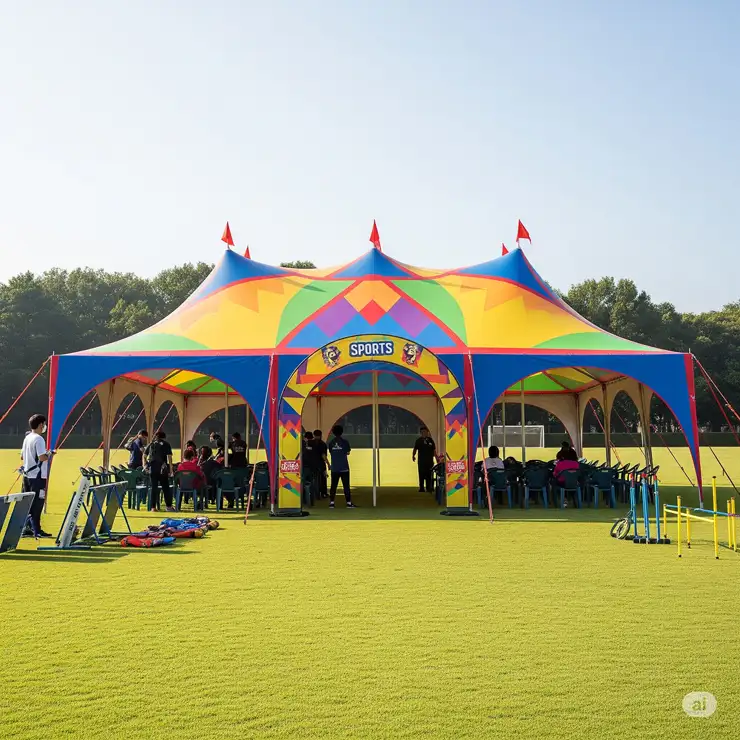
A sports tent is a portable shelter used at games, meets, and tournaments to shield players and spectators from sun, rain, wind, or cold. It comes in two main forms: open pop up canopies, typically 10×10 feet, that shade groups, and enclosed clear pods that seat one to three people. Both set up in minutes without tools.
Why bother? Because shade is genuine health gear, not a luxury. The Skin Cancer Foundation’s prevention guidelines recommend seeking shade, especially between 10 AM and 4 PM, which is precisely when most youth tournaments run. The same guidelines note that UV rays bounce off surfaces like sand and water. So shade reduces your exposure but doesn’t replace sunscreen and a hat. Think of a sports tent as one layer in a system, not a force field.
For spectators, a tent also solves the logistics problem. It gives you a fixed spot for chairs, a cooler, and a bag of orange slices that somehow multiplies every season. For coaches and teams, it becomes a bench, a first-aid corner, and a rain shelter in one.
Quick Comparison: The 7 Best Sports Tent Options at a Glance
| Product | Type | Coverage | Standout Trait | Approx. Price Range | Best For |
|---|---|---|---|---|---|
| OLIXIS 10×10 Pop Up Canopy | One-push canopy | 100 sq ft | Rolling bag, sandbags included | $60-$100 | Tight budgets |
| Quik Shade Expedition EX100 | Straight-leg canopy | 100 sq ft | 99% UV top, 3 heights | $90-$160 | Casual weekend games |
| Crown Shades 10×10 Pop Up Canopy | Centerlok canopy | 100 sq ft | UPF 50+, silver-coated top | $110-$160 | Parents setting up solo |
| Coleman OASIS 10×10 Canopy | One-push canopy | 100 sq ft | Vented roof, guy lines | $100-$200 | All-round family use |
| E-Z UP Pyramid 10×10 | Cathedral canopy | 100 sq ft | Oversized-wheel roller bag | $230-$350 | Frequent haulers |
| Eurmax USA 10×10 Standard | Heavy-duty canopy | 100 sq ft | 500D fabric, 11 ft peak | $180-$300 | Teams and coaches |
| East Oak Weather Sports Tent | Clear pod | 2-3 people | 360° visibility, floor mat | $150-$280 | Cold or rainy sidelines |
Ranges are approximate and reflect what retail listings and deal trackers showed at the time of research, so check current prices before buying.
Looking at the table, the OLIXIS 10×10 Pop Up Canopy wins on raw affordability, but the Eurmax USA 10×10 Standard justifies its higher range if your tent lives in a trunk and goes out every weekend. The East Oak Weather Sports Tent is the odd one out on purpose: it trades group shade for personal weather protection. If you coach a team or host a crowd, canopies are your lane. If you’re a solo parent watching a late-October game, the pod earns its spot.
💬 Just one click — help others make better buying decisions too!😊
Top 7 Sports Tent Picks: Expert Analysis
Every pick below was chosen across budget, mid-range, and premium tiers. Each analysis ties specs to real-world meaning and sums up aggregated review sentiment from published sources, not invented testimonials.
1. OLIXIS 10×10 Pop Up Canopy — best budget one-push setup
The headline feature is the central push button that expands the frame, which spares your fingers the classic pinch-and-swear routine. It offers 100 square feet of straight-leg shade, three height settings, a powder-coated steel frame, and a flame-retardant polyester top. A rolling carry bag, eight ground stakes, four ropes, and four sandbags come in the box.
What does that mean at the field? You can often raise it solo, and the included weights save you a separate purchase. Based on the spec sheet, this is a sensible first sports tent for families who attend games a few times a month rather than every day.
Reviewers consistently praise how easy setup and takedown feel, with one shopper noting it was the first canopy they could handle alone. Be a little skeptical, though. A deal-forum commenter wondered how securely the cover attaches to the frame, and another noted that many early reviews came through Amazon’s Vine program.
Pros:
- ✅ One-push frame expansion without pinched fingers
- ✅ Stakes, ropes, and sandbags included
- ✅ Wheeled bag simplifies parking-lot hauls
Cons:
- ❌ Long-term durability still unproven
- ❌ Early reviews skew toward promotional programs
Price: roughly $60-$100 depending on promotions. Value verdict: strong for light use, but not the one I’d trust for hard weekly duty.
2. Quik Shade Expedition EX100 — the dependable 10×10 for casual weekends
The standout is its balance of shade quality and simplicity. The top uses 150D polyester with an Aluminex backing rated for 99% UV protection, and the frame is powder-coated steel with patented latch sliders and push-pin leg extenders. It has three heights, a peak around 9 feet 3 inches, and about 6 feet 6 inches of eave clearance. It ships with four stakes and a one-year warranty.
Listed weights vary by source, roughly 26 to 33 pounds, so verify before you buy. That’s light enough for most adults to carry solo. The aluminized backing matters because it reflects heat, so the shade under it feels cooler than plain polyester.
One crucial buyer note: the straight-leg version delivers a full 100 square feet, while slant-leg versions of similar canopies deliver far less top coverage. Retail copy for a slant-leg Quik Shade model lists just 64 square feet of shade under a “10×10” footprint. Read the listing closely.
Forum users also warn that any canopy can fold in a gust if it isn’t roped to the frame, and this model is no exception. Aggregated reviews describe it as decent for casual tournaments, not for stormy weekends.
Pros:
- ✅ 99% UV top with heat-reflecting backing
- ✅ Lightweight for a full-size canopy
- ✅ Three height positions for sun and wind
Cons:
- ❌ Only four stakes and no weight bags
- ❌ Not built for sustained gusty weather
Price: roughly $90-$160 depending on retailer. Value verdict: solid mid-budget shade.
3. Crown Shades 10×10 Pop Up Canopy — easiest setup for parents flying solo
This one is built around a patented Centerlok mechanism. Push the center hub and the frame expands, then you lock the legs at one of three heights with pinch-free buttons. The 150D fabric has a silver-coated interior rated UPF 50+, a top vent, and a steel truss frame. Retail listings give an interior height above 9 feet and a weight near 36 to 37 pounds.
In practice, the silver coating keeps the shaded area noticeably cooler than bare white fabric would. Reviewers also like the corner-to-corner cross ribs, calling them better reinforced than those on past canopies. The listing leans on strong averages, around 4.4 stars across more than 600 ratings at one major retailer.
Independent coverage is more measured. GearJunkie’s profile praises the easy setup, professional look, and reasonable cost. It also flags a not-so-sturdy feel and says it wouldn’t recommend the canopy in high winds. That tension is useful: seller claims about extreme wind tolerance should be treated carefully, and you should stake it down properly.
Pros:
- ✅ One-push Centerlok setup, quick takedown
- ✅ UPF 50+ silver-coated top
- ✅ Many color and pattern options
Cons:
- ❌ Frame feels lighter than premium rivals
- ❌ Not recommended for high-wind conditions
Price: roughly $110-$160 depending on bundle. Value verdict: a smart middle-ground choice for typical sideline duty.
4. Coleman OASIS 10×10 Canopy — most balanced all-rounder
Coleman’s OASIS pairs its OnePeak one-push hub with pinch-free Comfort Grip buttons and a steel frame. The maker says the frame withstands winds up to 35 mph when fully staked with guy lines. The vented roof releases trapped heat, and the center height is about 8 feet 8 inches.
The vented roof is quietly important. Hot air pooling under a flat top can make a sports tent feel like a greenhouse by midday, and venting lets it escape. The 35 mph figure is the maker’s claim, and it only applies with proper staking, so treat it as a ceiling rather than a promise.
At REI, the canopy carries more than 140 reviews averaging 4.6 out of 5. Reviewers describe two-person setup in about five minutes, solo setup as possible with extra effort, and takedown as pinch-free.
One honest caution: Coleman’s older Coleman Instant 13×13 Sun Shelter holds only a 2.6 average on Coleman’s own site, so quality varies by model line. Make sure you’re buying the OASIS.
Pros:
- ✅ Vented roof keeps shade cooler
- ✅ Pull-strap takedown speeds up packing
- ✅ Strong review average at a major retailer
Cons:
- ❌ Lower center height than some rivals
- ❌ Wind rating requires full staking
Price: roughly $100-$200 depending on retailer and size. Value verdict: great for families who want fewer surprises.
5. E-Z UP Pyramid 10×10 — best for hauling over rough ground
The standout is the roller bag. OutdoorGearLab’s testers called it the canopy’s greatest feature and noted the largest wheels they’d seen, which let it plow through uneven terrain. The canopy offers 100 square feet of shade under a cathedral ceiling, weighs around 48 pounds, and has a toggle leg adjustment system. The underside is reflective, which helps keep the shade a bit cooler.
Weight is the trade-off. The same testers said it’s too heavy for most people to carry comfortably, and that the roller bag solves the problem rather than the heft itself. They also found four people could raise it in under a minute.
Retailer reviewers describe it as a clear two-person setup, with a thicker canvas and sturdier frame than other pop-ups they’d owned. Several said it lasted beyond the one-or-two-season lifespan of their previous canopies. If you push gear across fields every weekend, that’s a feature you’ll feel.
Pros:
- ✅ Roller bag with oversized wheels
- ✅ Reflective underside keeps shade cooler
- ✅ Heavier canvas than budget alternatives
Cons:
- ❌ Heavy for one person to lift
- ❌ Costs noticeably more than budget picks
Price: premium tier, so check current price. Value verdict: worth it if you’ll use it 30+ times a season.
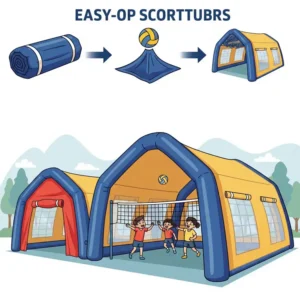
6. Eurmax USA 10×10 Standard — the heavy-duty team workhorse
This is the tough one. It uses 500D polyester, a powder-coated steel frame, double-stitched seams, and an 11-foot peak. OutdoorGearLab named it its Best Overall Canopy Tent in a roundup of 11 tested models, praising the textiles, quick-release tabs, and reinforced trusses.
Those details translate into stability. Testers reported the canopy stayed firmly planted in moderate sustained wind, and the taller peak gives real headroom for standing coaches. The roller bag makes it surprisingly easy to move despite the size.
The drawbacks are size and weight, which testers flagged directly. They also noted the newest version feels thinner in canopy fabric than an older one they’d tested, which left them with some questions. Treat that as a reminder that manufacturers revise products quietly. Tailgating roundups cite thousands of retail reviews averaging around 4.4 stars.
Pros:
- ✅ Thick 500D fabric with double stitching
- ✅ Strong wind performance in moderate gusts
- ✅ Tall peak with generous headroom
Cons:
- ❌ Bulky and heavy to transport
- ❌ Fabric on newer versions feels thinner
Price: roughly $180-$300 depending on version and retailer. Value verdict: the best long-term bet for teams and daily haulers.
7. East Oak Weather Sports Tent — best clear pod for cold or wet sidelines
The standout is visibility. A clear TPU body gives you a panoramic view while the shell keeps wind and drizzle out. Retail details describe seating for two to three people, interior height from about 69 to 87 inches, galvanized steel poles, and a waterproof floor mat. A detachable top cover handles sun and rain, and one roundup lists UPF 50+ protection.
Here’s the practical translation: this is the answer to the “my fall football game is 40 degrees and drizzling” problem. A shared enclosure also traps body heat. An open canopy simply can’t do that.
Reviewers describe setup as easy, even solo, and like the ventilation windows. Their complaints are consistent, though. Folding it back up is difficult, especially when it’s wet. The interior feels smaller than the photos suggest. And it isn’t suited to heavy rain combined with strong wind. A lighter alternative worth a look is the CoverU Sports Tent Pod, listed with a roughly 60-second setup for two people and clear windows.
Pros:
- ✅ Clear panels give a wide field of view
- ✅ Waterproof floor and weather-ready top cover
- ✅ Easy solo setup in most conditions
Cons:
- ❌ Folding the tent back up takes practice
- ❌ Smaller interior than product photos suggest
Price: roughly $150-$280 depending on size and seller. Value verdict: excellent for cold-weather spectators, not for shading crowds.
✨ Ready to Claim Your Sideline Spot?
🔍 Take your game days to the next level with these carefully selected shelters. Click any highlighted product name to check current pricing and availability. A well-chosen tent means more time cheering and less time squinting!
How to Set Up and Anchor a Sports Tent Like a Pro
Most tent failures are anchoring failures. Follow this sequence and you’ll avoid the classics.
- Pick the spot first. Choose flat ground away from fences, goalposts, and the path players use. Check league rules about where tents may stand.
- Open the frame fully before lifting. Expand it to its widest footprint on the ground, then raise the center or truss until every slider clicks. Two people make it easier, even on one-push models.
- Set a low height in wind. The lowest leg setting reduces the sail effect. Raise it only when the air is calm.
- Anchor to the frame, not the fabric. A forum veteran recommends tying ropes to the tent’s framework instead of the small fabric loops, with stakes at corners and long pegs through the feet. Weights alone, he notes, can slide in strong gusts.
- Add weight on hard surfaces. Weight bags rated up to roughly 37 pounds each are sold for exactly this purpose.
For the first 30 days, avoid three mistakes: packing it wet, forcing a stuck slider, and skipping a check of the leg pins. Wipe the top dry, store it loosely rather than crushed, and inspect bolts and pins monthly. If a slider gets stiff, clean grit from the track before it becomes damage. These habits cost nothing and can double a tent’s lifespan.
Real-World Scenarios: Which Sports Tent Fits Which Family?
Scenario 1: The tournament-weekend family. Five people, a cooler, and two fields. Budget is moderate, use is four to six times a month in summer sun. The Crown Shades 10×10 Pop Up Canopy fits because solo setup and UPF 50+ fabric matter more than premium durability. The Coleman OASIS 10×10 Canopy is a close alternative if the vented roof appeals, since heat management is the real enemy in July.
Scenario 2: The late-season football parent. One adult, one chair, a thermos, and a cold drizzle at an evening game. The East Oak Weather Sports Tent is the logical call. Enclosed pods trap warmth and block wind, while clear panels let you follow the action.
Scenario 3: The volunteer coach. Twenty kids, a bench, a first-aid bag, and a different park each Saturday. The Eurmax USA 10×10 Standard or the E-Z UP Pyramid 10×10 makes sense. Both have roller bags and heavier build quality, and weekly abuse punishes cheap frames.
Scenario 4: The occasional-sidelines parent. Maybe a dozen games a season. The OLIXIS 10×10 Pop Up Canopy or Quik Shade Expedition EX100 covers the need without overspending. Expect to replace it sooner, and plan accordingly.
Problem → Solution: Fixing the Most Common Sports Tent Headaches
Problem: The tent lifts or tumbles in the wind. Lower the legs, stake all four corners, tie guy lines to the frame, and add weight bags on hard ground. If gusts keep building, take it down. A canopy in a gust becomes a hazard for people nearby.
Problem: It’s still hot under there. Choose a model with a reflective underside or vented top, like the Coleman OASIS 10×10 Canopy or Crown Shades 10×10 Pop Up Canopy. Orient the open side away from afternoon sun and chase shade as it moves.
Problem: Rain pools on the roof. Forum users have seen water-heavy tops collapse a frame. Push up from beneath to shed water, and lower one corner so the roof tilts.
Problem: It’s too heavy to carry. Choose a roller bag, like the E-Z UP Pyramid 10×10, or a lighter frame, like the Quik Shade Expedition EX100. A folding wagon works too.
Problem: The pod won’t fold back down. Dry it completely, then practice the fold at home on a clear day. The East Oak Weather Sports Tent is reported as tricky when wet, so a small towel in the bag helps.
How to Choose a Sports Tent
Pick your tent by working through these seven steps in order. Each one narrows the field.
- Decide canopy or pod. Canopies shade groups, while pods protect one to three people from cold and wet weather. Start here because everything else depends on it.
- Match size to headcount. A 10×10 offers 100 square feet, which retailers say suits 8 to 12 people. In reality, a chair-filled sideline fits fewer, so size up for big families.
- Check weight and carry. Models range from the high 20s to nearly 50 pounds. If you’ll lift it solo, stay on the lighter end or pick a roller bag.
- Inspect frame and fabric. Steel trusses with through-bolts beat flimsy frames. A 150D top suits casual use, while 500D adds durability.
- Confirm UPF 50+. It’s the benchmark for fabric sun protection.
- Plan your anchoring. Look for stakes, ropes, and weight bags in the box, or budget for them.
- Respect league rules and budget. Some venues restrict tent size or placement, so check first, then pick the best tier you’ll use often enough to justify.
Sports Tent vs Alternatives: Canopies, Pods, and Umbrellas
| Option | Shade | Weather Protection | Setup | Best For |
|---|---|---|---|---|
| 10×10 canopy, such as Crown Shades 10×10 Pop Up Canopy | Group-sized | Sun, light rain | 1-2 people, minutes | Teams and families |
| Clear pod, such as East Oak Weather Sports Tent | 2-3 people | Wind, rain, cold | Solo, seconds | Cold-weather spectators |
| Sports umbrella | One person | Sun, light rain | Instant | Minimal gear |
The table shows a basic split. Canopies win for shared space, pods win for comfort in bad weather, and umbrellas win for convenience but offer little protection when wind picks up. If you need the group-shade version, go canopy. If you’re a lone spectator in the cold, pods make the most sense. And if the forecast is unpredictable, a canopy plus a few clip-on sidewalls offers flexibility that pods can’t.
Features That Actually Matter (And Those That Don’t)
What matters:
- UPF rating. UPF 50 fabric blocks about 98% of UV rays and lets roughly one-fiftieth through, according to the Skin Cancer Foundation’s photobiology committee chair, as reported in Textile World’s overview of UPF requirements. Anything labeled UPF 50+ is an easy checkbox.
- Frame construction. Through-bolts and reinforced trusses matter more than the color options.
- Height adjustment. Three or more positions help in wind and chasing shade.
- Carry bag quality. A wheeled bag changes how often you’ll actually use the tent.
What doesn’t matter as much:
- Fancy colors and patterns. Pretty, but irrelevant to performance.
- Extreme wind claims. Seller numbers rarely account for how it’s staked.
- “Waterproof” in giant letters. Water resistance helps in light rain, but it won’t save a poorly anchored frame.
- Extra pockets and accessories. Nice, but secondary to the frame.
Common Mistakes When Buying a Sports Tent
- Trusting the footprint number. A “10×10” slant-leg model can offer only about 64 square feet of real shade. Check the top dimensions.
- Ignoring weight. A heavy tent you dread carrying stays in the garage.
- Skipping anchors. Many canopies ship with minimal stakes. Budget for weight bags and extra ropes.
- Buying a pod for hot days. Pods trap heat, which is perfect in autumn and miserable in July.
- Assuming a tent is safe in a storm. It isn’t, and the next section explains why.
- Overbuying for casual use. A premium canopy used six times a year is wasted money, while a budget canopy used every weekend is a recurring replacement.
Sports Tent Safety: Wind, Lightning, and Sun
Wind is the everyday threat. Stake every corner, tie to the frame, and take the tent down before a storm front arrives. A flying canopy injures people.
Lightning is the serious one. The National Weather Service’s lightning safety guidance states plainly that tents, sheds, and picnic shelters do not protect you from lightning, and that stadiums and outdoor venues should keep a safety plan. The usual rule is to get inside a building or a closed-door vehicle when thunder is audible. Safety guidance also suggests waiting around 30 minutes after the last thunder before returning. Metal poles don’t make a tent safer. They make no difference at all.
Sun safety is simpler. Combine shade with sunscreen, hats, and sunglasses, as the Skin Cancer Foundation recommends. A tent lowers exposure, and reflected UV can still reach you.
Long-Term Cost & Maintenance: What a Sports Tent Really Costs Per Game
| Tier | Example | Approx. Price Range | Realistic Use | Value Verdict |
|---|---|---|---|---|
| Budget | OLIXIS 10×10 Pop Up Canopy | $60-$100 | Casual, 10-20 games a year | Great entry point |
| Mid-range | Crown Shades 10×10 Pop Up Canopy | $110-$160 | Regular weekends | Best balance |
| Premium | Eurmax USA 10×10 Standard | $180-$300 | Weekly team duty | Best for heavy use |
Cost per use is the honest metric. A tent in the $110-$160 range used 30 times a season for two seasons works out to roughly $2-$3 per game. A budget model that lasts a single season on the same schedule costs about the same, so the cheaper sticker isn’t automatically cheaper. A premium tent that survives five seasons pulls ahead.
Maintenance is cheap. Dry the top before storage, rinse off dirt, and tighten bolts occasionally. Replace worn stakes and torn sandbags rather than ignoring them. Most failures come from neglect, not defects.
FAQ
❓ How much does a good sports tent cost?
❓ How many people fit under a 10x10 sports tent?
❓ Are sports tents allowed at youth games?
❓ Can a sports tent protect you from lightning?
❓ Is a clear pod better than a canopy for cold weather?
Conclusion
The best sports tent is the one you’ll actually carry, set up, and anchor correctly. For most families, that means a 10×10 canopy: the Crown Shades 10×10 Pop Up Canopy and Coleman OASIS 10×10 Canopy deliver the strongest balance of easy setup and sensible pricing. If your budget is tight, the OLIXIS 10×10 Pop Up Canopy and Quik Shade Expedition EX100 get you shade without drama. If you’re hauling gear across fields every weekend, the E-Z UP Pyramid 10×10 and Eurmax USA 10×10 Standard repay their higher cost over time. And when the forecast turns cold, the East Oak Weather Sports Tent gives solo spectators a warm, clear front-row seat.
Whichever you choose, remember three rules. Anchor it to the frame, not the fabric. Treat wind claims skeptically. And never count on any tent during a thunderstorm. Do those and your sideline stays comfortable, whatever the season throws at it.
✨ Ready to upgrade your game days? 🔍 Click any highlighted product name above to check current pricing and availability, and give your next sideline the shade it deserves!
Recommended for You
- 7 Best Heavy Duty Canopy 10×10 Options That Survive ANY Weather in 2025
- 15 Best Base Camp Tents That Will Transform Your Outdoor Adventures in 2025
- 12 Best Smart Tent Options That Will Revolutionize Your Camping Experience in 2025
Disclaimer: This article contains affiliate links. As an Amazon Associate, I earn from qualifying purchases. If you purchase products through these links, we may earn a small commission at no additional cost to you.
✨ Found this helpful? Share it with your friends! 💬🤗
