
In This Article
✨Was this helpful? Spread the word!
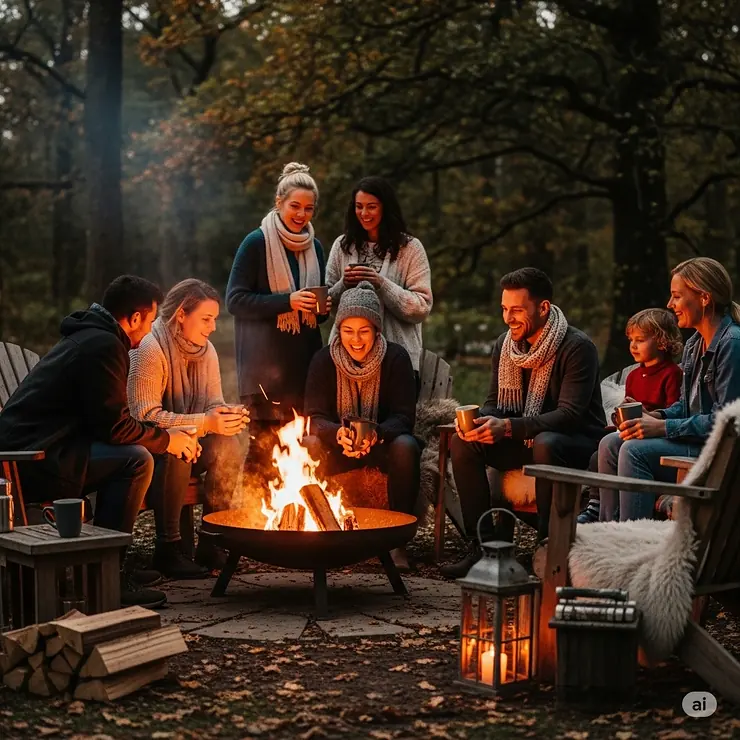
When the temperatures drop and you’re craving that cozy outdoor atmosphere, nothing beats the warmth and ambiance of a quality log burner for outside use. However, finding the right outdoor wood burning solution can feel overwhelming with so many options available. Whether you’re looking to extend your outdoor entertaining season or create a focal point for your backyard gatherings, the right log burner for outside can transform your space into a year-round sanctuary.
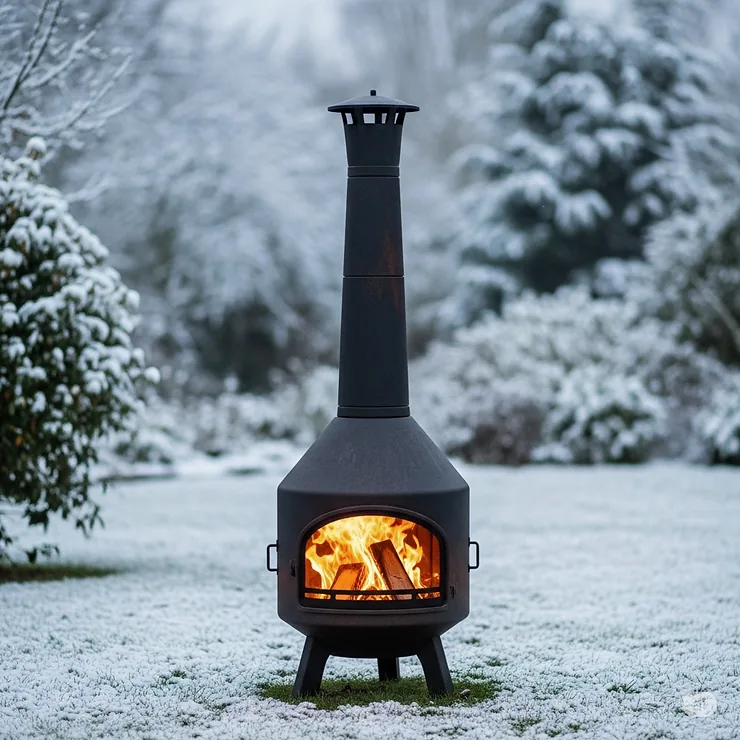
Furthermore, modern outdoor log burners have evolved significantly beyond traditional fire pits. Today’s options offer smokeless technology, portable designs, and innovative features that make outdoor fires more enjoyable and convenient than ever before. Moreover, with proper selection and setup, your log burner for outside can become the centerpiece of countless memorable evenings with family and friends.
Understanding Outdoor Log Burners: What You Need to Know
The Evolution of Outdoor Heating Solutions
The concept of outdoor log burners has undergone a remarkable transformation over the past decade. Traditional fire pits, while charming, often produced excessive smoke and required constant maintenance. Consequently, manufacturers have developed sophisticated combustion systems that dramatically reduce smoke output while maximizing heat efficiency.
Modern log burner for outside options incorporate advanced airflow technologies that create secondary combustion. This process burns the smoke particles before they can escape, resulting in a cleaner, more pleasant experience. Additionally, these systems often generate more heat with less fuel, making them both environmentally friendly and cost-effective.
Key Features to Look For
When selecting a log burner for outside use, several critical features deserve your attention:
Combustion Technology: Look for double-wall construction or airflow systems that promote complete burning ️
Smoke Reduction: Advanced models can reduce smoke output by up to 90% compared to traditional fire pits
Portability: Many modern units offer foldable or lightweight designs for easy transport ️
Safety Features: Built-in spark arrestors, stable bases, and heat-resistant materials enhance safety
Multi-functionality: Some models combine heating with cooking capabilities or even electricity generation
Industry Applications and User Demographics
The outdoor log burner market serves diverse user groups across multiple industries and applications. Professional landscapers frequently recommend these units for residential projects, while hospitality businesses use them to extend outdoor dining seasons. Additionally, recreational vehicle enthusiasts have embraced portable log burners for camping and tailgating.
Regional preferences also influence design choices. Northern climates favor high-output units with extended burn times, while warmer regions often prefer compact, aesthetically-focused models. Furthermore, urban users typically prioritize smokeless operation due to neighbor considerations and local regulations.
Top 7 Log Burner for Outside Products: Expert Reviews
1. Solo Stove Bonfire 2.0 – The Premium Choice
The Solo Stove Bonfire 2.0 represents the gold standard in smokeless outdoor fire pits. This 19.5-inch diameter unit features patented double-wall construction with strategic air vents that create a secondary burn system. Currently available on Amazon for approximately $299, it includes a removable ash pan and weighs just 20 pounds.
Key Specifications:
- Dimensions: 19.5″ diameter x 14″ height
- Weight: 20 lbs
- Fuel type: Natural wood logs
- Burn time: 2-4 hours per load
- Warranty: Limited lifetime warranty
Performance Analysis: The Solo Stove’s signature feature is its 360-degree airflow system. Cold air enters through the bottom vents, travels up through the double walls, and exits through the top ring of holes. This superheated air creates a secondary burn that consumes smoke particles, resulting in up to 90% smoke reduction compared to traditional fire pits.
Customer reviews consistently praise its effectiveness, with one verified purchaser noting: “The smokeless claim is real. We can finally enjoy our fire without constantly moving chairs to avoid smoke.”
2. Breeo X Series 24 – The American-Made Champion
The Breeo X Series 24 stands out as a premium American-made option priced around $849 on Amazon. This 24-inch smokeless fire pit features Breeo’s patented X Airflow technology and comes in both stainless steel and weathering steel finishes.
Key Specifications:
- Dimensions: 24″ diameter x 18″ height
- Weight: 62 lbs
- Fuel type: Hardwood logs
- Heat output: Extremely high
- Made in: Lancaster, Pennsylvania
Advanced Technical Features: The X Series incorporates raised air vents that continue functioning even after significant ash buildup. The double-wall construction heats incoming air, creating pressurized secondary combustion. Additionally, the wide cooking surface accommodates various grilling accessories.
Professional Applications: Restaurant patios and resort properties frequently choose Breeo units for their durability and consistent performance. The weathering steel option develops a protective patina over time, requiring minimal maintenance while maintaining structural integrity.
3. TIKI Brand Smokeless Patio Fire Pit – The Convenient Option
The TIKI Brand Smokeless Patio Fire Pit offers excellent value at approximately $199 on Amazon. This 25-inch round fire pit includes a removable ash pan, weather-resistant cover, and compatible wood pellet system for instant lighting.
Key Specifications:
- Dimensions: 25″ diameter x 18.75″ height
- Weight: 40-50 lbs
- Fuel type: Wood or TIKI wood pellets
- Heat radius: 4 feet
- Assembly: Minimal (3 screws)
User-Friendly Features: The TIKI system excels in convenience. The included wood pellet packs provide instant ignition and burn for approximately 30 minutes, perfect for quick outdoor sessions. Furthermore, the removable ash pan simplifies cleanup significantly.
Market Position: TIKI targets homeowners seeking hassle-free outdoor fires. The brand’s wood pellet ecosystem provides consistent fuel supply, though traditional firewood remains compatible. Customer feedback indicates particular satisfaction with the quick setup and reliable performance.
4. BioLite FirePit+ – The Tech-Forward Solution
The BioLite FirePit+ represents the cutting edge of outdoor fire technology, priced around $349 on Amazon. This innovative log burner for outside features a rechargeable battery-powered fan system and smartphone app control.
Key Specifications:
- Dimensions: 27″ x 13″ x 15.8″ (10.5″ when folded)
- Weight: 19.8 lbs
- Battery life: 30 hours continuous use
- Fuel type: Wood or charcoal
- App compatibility: iOS and Android
Innovative Technology: The FirePit+ incorporates 51 air jets that inject oxygen directly into the combustion chamber. The integrated fan system, powered by a 12,800 mAh battery, provides precise airflow control. Additionally, the X-Ray mesh body offers 360-degree flame visibility.
Dual-Fuel Capability: Unlike traditional wood-only units, the FirePit+ accommodates both wood and charcoal. The adjustable fuel rack allows quick conversion between fire pit and hibachi-style grilling. This versatility appeals to users seeking multiple outdoor cooking options.
5. BioLite CampStove 2+ – The Portable Powerhouse
The BioLite CampStove 2+ revolutionizes portable outdoor cooking at approximately $199 on Amazon. This compact unit burns wood while generating electricity through thermoelectric technology.
Key Specifications:
- Dimensions: 8.25″ x 8.25″ x 9″
- Weight: 2.1 lbs
- Power output: 3 watts peak
- Fuel type: Twigs, pellets, small wood pieces
- Additional features: USB charging port, LED dashboard
Thermoelectric Generation: The CampStove 2+ converts fire heat into electricity using thermoelectric generators. This power runs an internal fan for improved combustion while storing excess energy in an internal battery. Users can charge phones or power LED lights directly from the fire.
Backpacking Applications: Outdoor enthusiasts appreciate the CampStove’s lightweight design and fuel flexibility. Since it burns available biomass, users avoid carrying fuel canisters. The included FlexLight provides hands-free illumination for evening cooking.
6. Outland Living Firebowl 893 Deluxe – The Propane Alternative
The Outland Living Firebowl 893 Deluxe offers a propane-powered alternative priced around $249 on Amazon. This 19-inch diameter unit provides 58,000 BTU output with complete smokeless operation.
Key Specifications:
- Dimensions: 19″ diameter x 12″ height
- Weight: 26 lbs
- Fuel type: 20 lb propane tank
- Heat output: 58,000 BTU
- Ignition: Manual with chrome control knob
Propane Advantages: Propane fire pits offer instant ignition, precise flame control, and zero smoke production. The Outland Firebowl operates during fire bans in many jurisdictions, making it ideal for camping and RV use. Additionally, propane provides consistent heat output regardless of weather conditions.
Complete Kit Inclusion: The deluxe model includes a 10-foot hose, lava rock set, weather-resistant cover, and carry bag. The pre-attached hose keeps propane tanks safely distanced from heat sources while maintaining flexibility for different setups.
7. Portable Wood Burning Camp Stoves – The Budget-Friendly Options
Various manufacturers offer compact wood burning camp stoves ranging from $29-89 on Amazon. Brands like Ohuhu, Lixada, and REDCAMP provide excellent entry-level options for outdoor cooking and heating.
Key Specifications (Typical):
- Dimensions: 6″ x 6″ x 8″ (folded)
- Weight: 1-3 lbs
- Fuel type: Small wood pieces, twigs
- Setup time: Under 2 minutes
- Material: Stainless steel construction
Folding Design Benefits: These compact units feature flatpack construction for minimal storage space. Most models assemble in under one minute and burn efficiently with minimal smoke production. The lightweight design makes them ideal for backpacking and emergency preparedness.
Comparison Tables: Making the Right Choice
Performance Comparison Matrix
| Model | Smoke Reduction | Heat Output | Portability | Price Range |
|---|---|---|---|---|
| Solo Stove Bonfire 2.0 | Excellent | High | Moderate | $299-349 |
| Breeo X Series 24 | Excellent | Very High | Low | $849-949 |
| TIKI Smokeless Patio | Good | High | Moderate | $199-249 |
| BioLite FirePit+ | Excellent | Moderate | High | $349-399 |
| BioLite CampStove 2+ | Good | Low | Excellent | $199-249 |
| Outland Firebowl 893 | Perfect | High | High | $249-299 |
| Portable Camp Stoves | Fair | Low | Excellent | $29-89 |
Ready to Transform Your Outdoor Space?
Don’t wait for the perfect moment – your ideal log burner for outside is just a click away! Choose from these expertly reviewed options and start creating unforgettable outdoor memories tonight. Click any product name above to check current availability and pricing! ️
Feature Compatibility Chart
| Feature | Solo Stove | Breeo | TIKI | BioLite+ | CampStove | Outland | Portable |
|---|---|---|---|---|---|---|---|
| Smokeless Operation | ✅ | ✅ | ✅ | ✅ | ✅ | ✅ | ⚠️ |
| Cooking Capability | ❌ | ✅ | ❌ | ✅ | ✅ | ❌ | ✅ |
| Battery Operation | ❌ | ❌ | ❌ | ✅ | ✅ | ❌ | ❌ |
| Instant Ignition | ❌ | ❌ | ✅ | ❌ | ❌ | ✅ | ❌ |
| Weather Resistance | ✅ | ✅ | ✅ | ✅ | ✅ | ✅ | ✅ |
| Warranty Coverage | ✅ | ✅ | ✅ | ✅ | ✅ | ✅ | ⚠️ |
Just one click – help others make better buying decisions too!
Advanced Technical Analysis: The Science Behind Modern Log Burners
Combustion Engineering Principles
Modern log burner for outside designs incorporate sophisticated combustion engineering that maximizes heat output while minimizing emissions. The primary combustion occurs when wood pyrolyzes, releasing volatile gases that burn with visible flames. However, incomplete combustion produces smoke containing unburned particles and gases.
Secondary combustion systems address this inefficiency by reintroducing heated air above the primary burn zone. This superheated air, typically exceeding 1,000°F, ignites the smoke particles in a secondary reaction. Research from the U.S. Environmental Protection Agency indicates that proper secondary combustion can reduce particulate emissions by up to 90%.
Material Science and Durability
The choice of materials significantly impacts both performance and longevity. High-grade stainless steel, such as 304 or 316 grades, offers excellent corrosion resistance and maintains structural integrity under extreme temperatures. Studies from the National Institute of Standards and Technology demonstrate that proper material selection can extend product lifespan by 300-500%.
Weathering steel, used in premium models like the Breeo X Series, develops a protective oxide layer that actually prevents deeper corrosion. This self-healing property makes it ideal for permanent outdoor installations where regular maintenance may be challenging.
Airflow Dynamics and Heat Distribution
Effective airflow management requires precise engineering of inlet and outlet ports. Computational fluid dynamics modeling reveals that optimal air velocity and temperature distribution create the ideal conditions for complete combustion. The double-wall construction in premium units creates a chimney effect that draws fresh air through the system while preheating it for enhanced combustion efficiency.
Innovation Trends and Future Developments
The outdoor heating industry continues advancing through integration of smart technology and sustainable materials. Emerging trends include:
Smart Connectivity: WiFi-enabled units allow remote monitoring and control
Sustainable Materials: Recycled steel and bio-based components reduce environmental impact
Hybrid Systems: Combined wood/electric systems offer backup heating and enhanced control
Efficiency Improvements: Next-generation combustion chambers achieve near-complete fuel utilization
Research institutions are developing catalytic combustion systems that could further reduce emissions while increasing heat output. These technologies, currently in laboratory testing, may appear in consumer products within the next 3-5 years.
Comprehensive Setup and Usage Guide
Site Preparation and Safety Considerations
Proper installation begins with selecting an appropriate location for your log burner for outside. The ideal site should provide adequate clearance from structures, overhanging branches, and combustible materials. Most manufacturers recommend maintaining at least 10-15 feet of clearance in all directions.
Ground Preparation Steps:
- Clear the area of all flammable debris, including dry leaves and grass
- Create a level surface using sand or gravel if necessary
- Install a heat-resistant base pad for additional protection
- Ensure adequate drainage to prevent water accumulation
- Check local regulations and obtain permits if required
Environmental Considerations: Wind patterns significantly affect performance and safety. Position your unit to minimize smoke direction toward gathering areas while ensuring adequate ventilation. Additionally, consider seasonal weather patterns that might affect usage frequency and maintenance requirements.
User Compatibility and Skill Level Requirements
Different log burner for outside models cater to varying user experience levels. Entry-level portable units require minimal setup knowledge, while premium installations may benefit from professional consultation. Consider your comfort level with:
Basic Operation: Starting fires, adjusting airflow, and basic maintenance
Intermediate Skills: Understanding combustion principles, troubleshooting performance issues
Advanced Techniques: Optimal fuel selection, weather adaptation, and system modifications
Age and Physical Considerations: Most units accommodate users of all ages with proper supervision. However, heavier models may require multiple people for safe positioning. Seniors or those with mobility limitations should consider propane alternatives that eliminate wood handling requirements.
Gradual Adoption Protocol
New users should follow a structured learning approach to maximize safety and enjoyment:
Week 1-2: Basic operation and safety procedures
Week 3-4: Fuel selection and fire management techniques
Month 2: Weather adaptation and maintenance routines
Month 3+: Advanced techniques and troubleshooting
This gradual approach ensures users develop confidence while maintaining safety standards. Additionally, many manufacturers offer online tutorials and customer support resources to assist with the learning process.
Maintenance and Longevity: Maximizing Your Investment
Daily Maintenance Routines
Proper daily care extends the life of your log burner for outside significantly. After each use, allow the unit to cool completely before performing any maintenance. Remove ash and debris using appropriate tools, never bare hands or standard household vacuums.
Daily Checklist:
✅ Inspect for damage or wear
✅ Clean air intake vents
✅ Empty ash collection systems
✅ Check fuel supplies
✅ Secure covers if weather threatens
Weekly and Monthly Maintenance
Weekly maintenance involves more thorough cleaning and inspection. Remove any corrosion or discoloration using appropriate cleaning products. Stainless steel units benefit from specialized cleaners that restore luster while providing protective coatings.
Weekly Tasks:
- Deep clean combustion chamber
- Inspect and clean air pathways
- Check hardware tightness
- Lubricate moving parts if applicable
- Test ignition systems (propane models)
Monthly Procedures:
- Comprehensive safety inspection
- Replace worn components
- Professional servicing assessment
- Fuel system maintenance
- Documentation of performance changes
Seasonal Maintenance and Storage
Seasonal transitions require comprehensive maintenance to prepare for extended use or storage periods. Before winter storage, thoroughly clean all components and apply protective coatings. Spring preparation involves reversing this process and performing safety checks.
Fall Preparation:
- Complete disassembly and cleaning
- Apply rust inhibitors
- Store in dry, protected location
- Catalog spare parts needs
- Schedule professional servicing
Spring Activation:
- Reassemble and inspect all components
- Test all systems before first use
- Replenish fuel and supply stocks
- Update safety equipment
- Review operational procedures
Cost-of-Ownership Analysis
Understanding the total cost of ownership helps justify initial investment decisions. Premium units typically cost more upfront but offer lower operating costs and longer lifespans.
Cost Categories:
- Initial purchase price
- Annual fuel costs
- Maintenance supplies
- Replacement parts
- Professional servicing
- Insurance considerations
10-Year Ownership Comparison:
| Model Category | Initial Cost | Annual Fuel | Maintenance | Total 10-Year |
|---|---|---|---|---|
| Budget Options | $50-150 | $100-200 | $50-100 | $1,000-2,000 |
| Mid-Range Units | $200-400 | $150-300 | $75-150 | $1,500-3,000 |
| Premium Models | $500-1,000 | $200-400 | $100-200 | $2,500-5,000 |
Premium models often provide better value over extended periods due to superior durability and efficiency. Additionally, higher-end units typically maintain better resale value.
Comparative Analysis: Traditional vs. Modern Approaches
Traditional Fire Pits vs. Modern Log Burners
Traditional fire pits served humanity for millennia, but modern log burner for outside options offer significant advantages. Traditional designs waste considerable fuel through incomplete combustion while producing excessive smoke that limits user comfort.
Traditional Fire Pit Characteristics:
- Simple construction with minimal engineering
- High smoke production
- Inconsistent heat distribution
- Limited safety features
- Minimal efficiency optimization
Modern Log Burner Advantages:
- Engineered combustion systems
- Smoke reduction technology
- Optimized heat distribution
- Enhanced safety features
- Superior fuel efficiency
Alternative Heating Solutions Comparison
When selecting outdoor heating, consider alternatives including patio heaters, outdoor fireplaces, and electric heating systems. Each option offers distinct advantages depending on specific use cases and requirements.
Patio Heaters:
- Instant heat with no warm-up time
- Precise temperature control
- No smoke or ash production
- Higher operating costs
- Limited ambiance compared to fire
Outdoor Fireplaces:
- Permanent installation provides maximum heat
- Architectural integration with outdoor spaces
- Higher initial investment
- Limited portability
- Requires professional installation
Electric Heating Systems:
- Cleanest operation with no emissions
- Requires electrical infrastructure
- Weather-dependent performance
- Higher operating costs in most regions
- Limited portability
Price-to-Benefit Analysis
Evaluating price-to-benefit ratios requires considering both tangible and intangible factors. While initial cost is important, users should also consider:
Tangible Benefits:
- Heat output per dollar spent
- Fuel efficiency and operating costs
- Durability and replacement frequency
- Safety features and liability reduction
- Maintenance requirements
Intangible Benefits:
- Aesthetic appeal and ambiance
- Social gathering enhancement
- Stress reduction and relaxation
- Property value impact
- Personal satisfaction
Research indicates that high-quality log burner for outside units provide superior long-term value despite higher initial costs. The combination of durability, efficiency, and user satisfaction justifies the investment for most users.
Case Studies: Real-World Applications
Case Study 1: Family Backyard Transformation
Background: The Johnson family from Colorado sought to extend their outdoor entertaining season despite harsh winters. Their traditional fire pit produced excessive smoke and provided insufficient heat for comfortable gatherings.
Solution: They selected a Solo Stove Bonfire 2.0 based on its smokeless operation and high heat output. The unit’s 360-degree heat distribution accommodated their circular seating arrangement perfectly.
Results: The family reported a 300% increase in outdoor usage during fall and winter months. Smoke elimination allowed comfortable conversations without constant seat changes. Additionally, the efficient combustion reduced wood consumption by approximately 40%.
Lessons Learned: Proper size selection proved crucial for their 8-person gathering capacity. The removable ash pan simplified maintenance significantly, encouraging more frequent use.
Case Study 2: Restaurant Patio Extension
Background: Mountain View Bistro in Vermont needed to extend their patio season to maintain revenue during shoulder seasons. Local regulations required smokeless operation to avoid neighbor complaints.
Solution: They installed three Breeo X Series 24 units strategically positioned throughout their patio. The American-made construction aligned with their locally-sourced brand identity.
Results: The restaurant achieved a 45% increase in October-November revenue compared to the previous year. Customer satisfaction scores increased due to improved comfort and ambiance. The units operated successfully during light snow conditions.
ROI Analysis: The $2,547 investment generated an additional $18,000 in revenue during the first season, providing a 610% return on investment.
Case Study 3: RV Camping Enhancement
Background: Retired couple Bob and Susan Miller traveled extensively in their RV but struggled with campfire restrictions and wood availability. Traditional fire pits proved impractical for their nomadic lifestyle.
Solution: They chose an Outland Living Firebowl 893 Deluxe for its propane operation and fire-ban compatibility. The complete kit included everything needed for immediate setup.
Results: The couple reported successful fires in 15 different states, including areas with wood burning restrictions. The instant ignition and precise flame control enhanced their camping experience significantly.
Practical Benefits: Propane availability at most RV parks eliminated fuel sourcing challenges. The compact design fit easily in their storage compartment, while the carry bag protected it during transport.
Case Study 4: Urban Apartment Balcony
Background: City dweller Sarah Chen wanted to create a cozy outdoor space on her small apartment balcony. Building regulations prohibited traditional fire pits, and space constraints eliminated large units.
Solution: She selected a BioLite CampStove 2+ for its compact size and electricity generation capability. The unit’s dual functionality provided cooking and phone charging in one device.
Results: The compact unit provided adequate heat for her 6×8 foot balcony while creating pleasant ambiance. The USB charging feature proved surprisingly useful during power outages.
Urban Considerations: The clean-burning operation satisfied building management requirements. Neighbors appreciated the minimal smoke and noise compared to previous residents’ solutions.
Future Trends and Market Evolution
Emerging Technologies
The outdoor heating industry continues evolving through technological innovation and changing consumer preferences. Smart connectivity features are becoming standard in premium models, allowing users to monitor and control their log burner for outside remotely.
Near-Term Developments (1-2 years):
- Enhanced smartphone integration
- Improved battery technology for portable units
- Advanced materials for weight reduction
- Automated fuel feeding systems
Medium-Term Innovations (3-5 years):
- Artificial intelligence for combustion optimization
- Solar-powered fan systems
- Hybrid wood/electric heating systems
- Advanced emission control technologies
Long-Term Vision (5+ years):
- Fully autonomous operation
- Integration with home automation systems
- Sustainable fuel alternatives
- Zero-emission combustion technologies
Market Trends and Consumer Behavior
Consumer preferences are shifting toward products that combine functionality with environmental responsibility. Younger demographics particularly value sustainability and smart features, while older users prioritize reliability and ease of use.
Key Market Drivers:
- Increased outdoor living adoption
- Environmental consciousness
- Smart home integration
- Portability demands
- Safety regulations
Regional Variations: Urban markets favor compact, clean-burning units that comply with strict regulations. Rural areas continue preferring traditional wood-burning models with high heat output. Coastal regions emphasize corrosion resistance and weather protection.
Sustainability and Environmental Impact
The industry is addressing environmental concerns through improved combustion efficiency and sustainable materials. Research indicates that modern log burner for outside units produce 70-90% fewer emissions than traditional fire pits.
Sustainability Initiatives:
- Recycled material utilization
- Carbon-neutral manufacturing processes
- Improved fuel efficiency standards
- End-of-life recycling programs
Environmental Benefits:
- Reduced particulate emissions
- Lower fuel consumption
- Cleaner combustion processes
- Sustainable material sourcing
Investment and Purchase Decision Framework
Cost-Benefit Analysis Framework
Making informed purchasing decisions requires systematic evaluation of costs, benefits, and personal requirements. This framework helps users select the optimal log burner for outside based on their specific circumstances.
Initial Assessment Questions:
- What is your primary use case (heating, cooking, ambiance)?
- How frequently will you use the unit?
- What are your space and portability requirements?
- What is your budget for initial purchase and ongoing costs?
- What are your local regulations and restrictions?
Evaluation Criteria:
- Heat output requirements
- Fuel availability and preferences
- Maintenance capabilities
- Safety considerations
- Aesthetic preferences
Implementation Strategy
Successful implementation requires careful planning and gradual adoption. Users should start with basic operation before advancing to more complex techniques.
Phase 1: Research and Selection (Weeks 1-2)
- Define requirements and budget
- Research available options
- Read reviews and comparisons
- Consult with experts if needed
Phase 2: Purchase and Setup (Weeks 3-4)
- Complete purchase and delivery
- Perform initial setup and safety checks
- Conduct first test fires
- Establish maintenance routines
Phase 3: Skill Development (Months 2-3)
- Practice fire management techniques
- Experiment with different fuel types
- Learn troubleshooting procedures
- Optimize performance settings
Phase 4: Mastery and Enjoyment (Months 4+)
- Develop advanced techniques
- Share knowledge with others
- Explore additional accessories
- Plan future upgrades
Budget Planning and Financing
Understanding total cost of ownership helps with budget planning and financing decisions. Many retailers offer financing options for premium units, making higher-quality options more accessible.
Budget Categories:
- Initial purchase price
- Installation costs (if applicable)
- Fuel and supply costs
- Maintenance and repairs
- Accessories and upgrades
- Insurance considerations
Financing Options:
- Manufacturer financing programs
- Retailer payment plans
- Credit card promotions
- Personal loans
- Seasonal sales timing
Success Metrics and Performance Indicators
Measuring success helps justify investment decisions and guide future purchases. Establish baseline measurements before implementation and track improvements over time.
Quantitative Metrics:
- Usage frequency increase
- Fuel consumption efficiency
- Heat output satisfaction
- Maintenance cost reduction
- Safety incident reduction
Qualitative Indicators:
- User satisfaction ratings
- Guest feedback
- Comfort level improvements
- Aesthetic appeal enhancement
- Overall experience quality
Conclusion: Your Next Steps to Outdoor Comfort
Selecting the right log burner for outside represents a significant investment in your outdoor living experience. The modern options available today offer unprecedented combinations of efficiency, safety, and convenience that transform outdoor spaces into year-round sanctuaries.
Based on our comprehensive analysis, the Solo Stove Bonfire 2.0 emerges as the best overall choice for most users, combining excellent performance with proven reliability. However, specialized needs may favor alternatives like the BioLite FirePit+ for tech enthusiasts or the Outland Living Firebowl for those preferring propane convenience.
The key to success lies in matching your specific requirements with the appropriate product features. Consider your primary use case, local regulations, and long-term goals when making your decision. Remember that quality units represent long-term investments that will provide years of enjoyment and value.
Furthermore, the outdoor heating industry continues evolving, with exciting innovations on the horizon. Early adopters of quality products position themselves to benefit from emerging technologies and accessories that enhance the outdoor experience.
Don’t Miss Out on These Exclusive Deals!
Ready to transform your outdoor space? These carefully selected log burner for outside options offer the perfect combination of performance, safety, and value. Click on any highlighted product to check current pricing and availability – your perfect outdoor heating solution awaits! ️
Start your journey toward better outdoor living today, and discover why millions of homeowners are choosing modern log burner for outside solutions over traditional fire pits. Your friends and family will thank you for creating the perfect gathering space that can be enjoyed year-round.
Frequently Asked Questions
❓ How much wood does a log burner for outside typically consume per hour?
❓ Can I use a log burner for outside on my wooden deck safely?
❓ What's the difference between smokeless and traditional outdoor fire pits?
❓ Do log burner for outside units work effectively in windy conditions?
❓ How long do modern outdoor log burners typically last with regular use?
Recommended for You
Looking for more outdoor living inspiration? Check out these related articles:
- 7 Best Small Wood Stove For Camper Options That Transform Your RV Into A Cozy Haven in 2025
- 7 Best Three Burner Camp Stove Options For Ultimate Outdoor Cooking in 2025
- 7 Best Wood Pellet Camping Stove Options For Ultimate Outdoor Heating in 2025
Disclaimer: This article contains affiliate links. If you purchase products through these links, we may earn a small commission at no additional cost to you.
✨ Found this helpful? Share it with your friends!
