
In This Article
Finding the perfect jackknife sofa for camper living is like discovering that missing puzzle piece that transforms your mobile home from cramped to cozy. I’ve spent countless weekends camping with my family, and I can tell you from experience that the furniture you choose makes all the difference between enjoying your adventure and counting the hours until you return home.
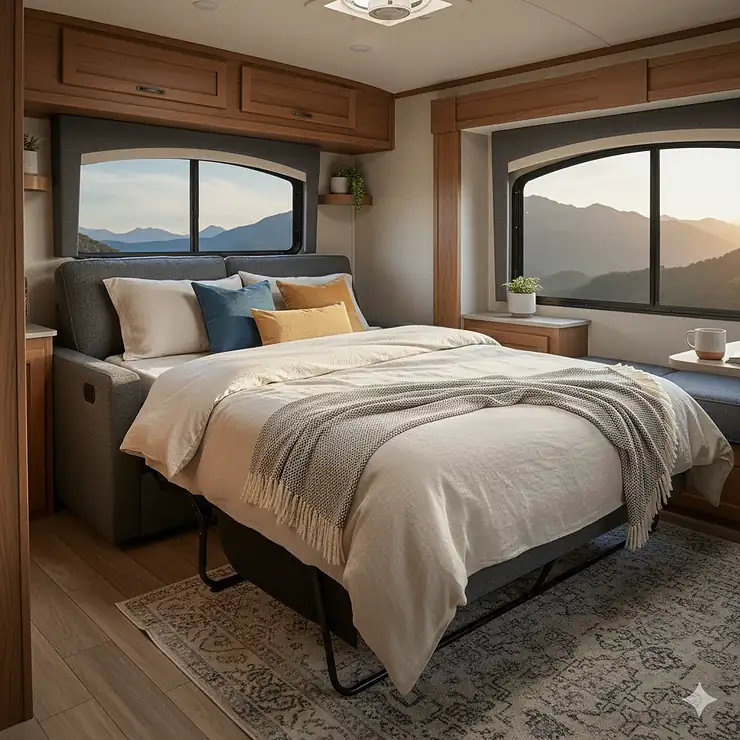
Space is a premium when you’re living on four wheels. Unlike traditional homes where you can spread out, campers demand furniture that works double-duty without compromise. That’s where a jackknife sofa for camper applications shines brightest. These ingenious pieces of furniture serve as comfortable seating during the day and transform into sleeping surfaces at night, all while taking up minimal floor space.
✨Was this helpful? Spread the word!
The American recreational vehicle market has exploded in recent years, with over 11 million households now owning an RV according to the RV Industry Association. This surge means more people than ever are discovering that choosing the right sofa for their rig isn’t just about comfort—it’s about maximizing every square inch of living space. Whether you’re a weekend warrior or a full-time nomad, understanding your options will help you make an informed decision that you’ll appreciate every single day on the road.
Throughout this comprehensive guide, I’ll walk you through everything you need to know about jackknife sofas for campers. We’ll explore top products currently available, dive deep into technical specifications, compare different options, and help you understand exactly what to look for based on your specific needs and budget.
Understanding Jackknife Sofas: Engineering Meets Functionality ⚙️
A jackknife sofa for camper use operates on a surprisingly simple yet brilliant mechanical principle. The name comes from the folding action, which resembles a jackknife blade opening and closing. Unlike traditional pull-out sofas that require complicated mechanisms and significant clearance, jackknife designs use a straightforward hinge system that allows the back cushion to fold down flat with the seat cushion, creating a continuous sleeping surface.
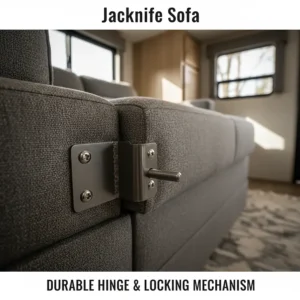
The engineering behind these sofas focuses on several key principles. First, the frame must be lightweight yet durable enough to withstand constant use and the vibrations of travel. Most quality manufacturers use powder-coated steel frames that provide excellent strength-to-weight ratios. The hinge mechanism represents the critical component—it must operate smoothly through thousands of cycles while maintaining structural integrity.
High-density foam technology has revolutionized comfort in modern jackknife sofas. Traditional RV furniture often used cheap foam that compressed quickly, creating uncomfortable lumps and valleys. Today’s premium options feature multi-density foam cores: firmer foam on the bottom for support, softer foam on top for comfort. Some manufacturers incorporate memory foam layers, though this adds weight and cost.
The fabric selection involves balancing aesthetics, durability, and maintenance requirements. PolyHyde vinyl has emerged as an industry favorite because it resists UV degradation, wipes clean easily, and doesn’t absorb moisture—critical features in the humid environment of a camper. Research conducted by textile engineering departments at major universities has shown that properly formulated vinyl can last 7-10 years under normal RV conditions, compared to 3-5 years for standard upholstery fabrics.
Installation requirements vary significantly among models. Most jackknife sofas for campers need only 3 inches of clearance from the wall to operate properly. The kickboard (the decorative panel beneath the sofa) can be attached to either the furniture or the floor, depending on your setup preferences. Some newer models include optional leg kits that elevate the unit, providing valuable storage space underneath—a feature that experienced RVers quickly learn to appreciate.
Top 7 Jackknife Sofa for Camper Models: Detailed Analysis
1. Thomas Payne RV Jackknife Sofa 68″ Grummond (Model #2020129838)
The Thomas Payne RV Jackknife Sofa by Lippert represents the gold standard in RV furniture. This 68-inch model in the Grummond color scheme delivers exceptional comfort through its high-density foam core interior and steel spring seating supports. The fold-down center console features integrated cupholders—a thoughtful touch that my wife absolutely loves during our evening movie sessions.
Key Specifications:
- Dimensions: 68″W x 28″D x 23″H (sofa position)
- Sleeping surface: 68″W x 42″D x 8.5″H
- Weight capacity: 600 lbs combined
- Frame: Powder-coated steel
- Fabric: PolyHyde vinyl with 5-year Hydrolysis warranty
- Current Price Range: $800-$1,100
Customer reviews consistently praise the Thomas Payne’s smooth conversion mechanism. One verified purchaser noted that after two years of full-time RV living, the sofa shows minimal wear and the mechanism operates as smoothly as day one. The PolyHyde fabric lives up to its reputation—coffee spills, muddy paw prints from our dog, even sunscreen smudges wipe away with just a damp cloth.
The installation process takes about 30 minutes for two people. The sofa ships in protective packaging designed specifically for the narrow doorways common in RVs. You’ll need a drill, screwdriver, and the included hardware. Thomas Payne provides excellent installation videos on their website, which I highly recommend watching before you begin.
2. RecPro Charles 68″ Jackknife Sofa in Toffee Suprima Leather
The RecPro Charles collection brings luxury-level comfort to the RV market without the premium price tag. This 68-inch model showcases RecPro’s commitment to quality craftsmanship. The Suprima leather feels buttery soft—genuinely surprising for furniture in this price range.
Key Specifications:
- Dimensions: 68″W x 34″H x 29″D (sofa position)
- Bed dimensions: 68″W x 19″H x 42″D
- Weight: 150 lbs
- Cushion thickness: 6 inches
- Frame: Aluminum and steel hybrid
- Available in: Toffee, Putty, Mahogany, Gunmetal, Chestnut
- Current Price Range: $650-$900
RecPro’s zero-wall-hugger design allows this sofa to sit as close as one inch from the wall, maximizing living space—a game-changer in smaller rigs. The Charles line uses a patented locking mechanism that prevents accidental folding during travel, addressing a common complaint with cheaper alternatives.
Customer feedback reveals mixed experiences with fabric durability. While many users report excellent longevity, some note that the leather showed wear after 12-18 months of heavy use. RecPro’s customer service apparently addresses these concerns well, with several reviewers mentioning replacement cushions or warranty support.
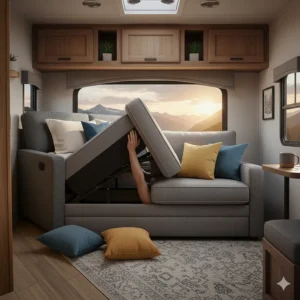
3. RecPro 60″ RV Jack Knife Sofa with Arms – Fossil Cloth Option
For smaller campers or those seeking a more compact solution, the RecPro 60″ Jack Knife Sofa delivers impressive functionality in a smaller footprint. The cloth covering option (available in Fossil and Oatmeal) offers a contemporary aesthetic that coordinates beautifully with modern RV interiors.
Key Specifications:
- Dimensions: 60″W x 35″H x 29.5″D
- Bed dimensions: 55″W x 19″H x 42″D
- Weight: 150 lbs
- Arm width: 3.5 inches
- Material: Linen cloth with UV protection
- Current Price Range: $550-$750
The cloth material breathes better than vinyl, making it particularly comfortable in hot weather. However, it requires more maintenance—you’ll need to vacuum regularly and treat stains more carefully. RecPro’s proprietary weave construction resists fading and pilling, though pet owners should consider the vinyl options for easier cleanup.
This model fits through a 22-inch doorway, making installation possible even in campers with very narrow entry points. The contemporary styling includes clean lines and padded arms that provide comfortable armrests without eating up excessive width.
4. Thomas Payne 72″ Jackknife Sofa – Altoona PolyHyde
The largest option in our roundup, the Thomas Payne 72″ Jackknife Sofa suits spacious fifth wheels and Class A motorhomes. That extra width provides three-person seating capacity and accommodates taller sleepers more comfortably than shorter models.
Key Specifications:
- Dimensions: 72″W x 30″D x 34″H
- Sleeping surface: 69″W x 42″D
- Fabric: PolyHyde Altoona (classic tan)
- Weight: Approximately 180 lbs
- Also available in: 62″ and 68″ lengths
- Current Price Range: $900-$1,200
The Altoona color presents a timeless tan that complements virtually any décor scheme. It photographs slightly lighter than it appears in person—something to consider if you’re matching existing furniture. The tan hue hides light dirt and dust remarkably well, requiring less frequent cleaning than darker colors.
Installation requires a 74-inch clear opening, so measure carefully before ordering. The added width provides noticeably more sleeping space for couples, though singles will find the extra room luxurious for sprawling out.
5. RecPro Charles 65″ Jack Knife Sofa – Cloth Fossil
The mid-size RecPro Charles 65″ option represents the sweet spot for many RVers. It provides generous seating without overwhelming smaller living spaces. The Fossil cloth color delivers a sophisticated gray tone that has become increasingly popular in modern RV design.
Key Specifications:
- Dimensions: 65″W x 35″H x 29.5″D
- Bed dimensions: 65″W x 19″H x 42″D
- Weight: 160 lbs
- Arm width: 4.5 inches
- Frame: Metal construction
- Current Price Range: $600-$850
The slightly wider arms on this model provide extra comfort for longer lounging sessions. The contemporary styling features clean lines and the thick cushioning creates an inviting appearance. The metal frame supporting the bed mechanism proves substantially more durable than plastic alternatives found in budget options.
Multiple reviewers mention that assembly is straightforward, with most completing installation solo in about 45 minutes. The included hardware kit contains everything necessary, though you’ll want to have a cordless drill handy to speed up the process.
6. Thomas Payne 62″ Norlina Jackknife Sofa – Woven Fabric
For families with children and pets, the Thomas Payne 62″ Norlina edition offers exceptional practicality. The woven fabric option resists scratching better than vinyl while maintaining easier cleaning than standard upholstery. Norlina fabric incorporates stain-resistant treatment in the manufacturing process.
Key Specifications:
- Dimensions: 62″W x 28″D x 23″H
- Sleeping surface: 59″W x 42″D x 19″H
- Sitting surface: 59″W x 20″D x 19″H
- Material: Woven fabric with stain resistance
- Frame: Steel construction
- Current Price Range: $750-$950
This compact model excels in travel trailers and smaller fifth wheels. The 62-inch width allows comfortable two-person seating while leaving walkway space—critical in tight quarters. The Norlina fabric feels soft yet durable, standing up to daily use from active families.
The woven material breathes exceptionally well, preventing the sweaty back problem common with vinyl in warm climates. However, liquid spills require immediate attention to prevent staining, unlike vinyl’s wipe-and-go convenience.
7. RecPro 68″ RV Jackknife Sleeper Sofa with Drop-Down Console – Oatmeal Cloth
Rounding out our top picks, the RecPro 68″ Jackknife with Drop-Down Console adds functionality through its integrated center console. The Oatmeal cloth presents a neutral canvas that coordinates with virtually any color scheme while providing the comfort advantages of fabric upholstery.
Key Specifications:
- Dimensions: 68″W x 34″H x 29″D
- Console features: Cupholders and small storage
- Material: Linen cloth
- Padding: Thick plush cushioning
- Weight capacity: 550 lbs
- Current Price Range: $700-$950
The drop-down console transforms this sofa into an entertainment center for movie nights. It includes two generously sized cupholders that actually hold modern insulated tumblers—not just standard cans. The small storage compartment provides perfect space for remote controls, reading glasses, or phone chargers.
Customer feedback highlights the ultra-comfortable padding as a standout feature. Several reviewers mention that guests prefer sleeping on this sofa to the primary bed in their RV. The thick cushioning does add some weight, so factor that into your payload calculations.
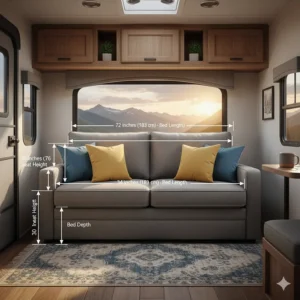
Quick Comparison Table: Finding Your Perfect Match
| Model | Length | Material | Weight | Price Range | Best For |
|---|---|---|---|---|---|
| Thomas Payne Grummond 68″ | 68″ | PolyHyde Vinyl | ~175 lbs | $800-$1,100 | Premium comfort, easy cleaning |
| RecPro Charles 68″ Toffee | 68″ | Suprima Leather | 150 lbs | $650-$900 | Luxury feel, wall-hugger design |
| RecPro 60″ Fossil Cloth | 60″ | Linen Cloth | 150 lbs | $550-$750 | Compact spaces, breathable fabric |
| Thomas Payne 72″ Altoona | 72″ | PolyHyde Vinyl | ~180 lbs | $900-$1,200 | Large RVs, tall sleepers |
| RecPro Charles 65″ Fossil | 65″ | Cloth | 160 lbs | $600-$850 | Mid-size versatility |
| Thomas Payne 62″ Norlina | 62″ | Woven Fabric | ~160 lbs | $750-$950 | Pet/kid-friendly, stain resistance |
| RecPro 68″ Console Oatmeal | 68″ | Linen Cloth | ~170 lbs | $700-$950 | Entertainment features |
Just one click – help others make better buying decisions too!
Material Science: Choosing Between Vinyl, Leather, and Fabric
The fabric covering your jackknife sofa for camper use represents more than aesthetics—it impacts maintenance requirements, longevity, comfort, and even the health of your RV’s interior environment. Understanding the science behind these materials helps you make an informed choice aligned with your lifestyle.
PolyHyde Vinyl Technology: Modern PolyHyde vinyl bears little resemblance to the stiff, cracking vinyl of decades past. Advanced polymer chemistry creates a material that remains flexible across temperature extremes while resisting UV degradation. The manufacturing process involves laminating vinyl to a fabric backing, creating a composite material that combines vinyl’s cleaning advantages with fabric’s structural stability.
Laboratory testing shows that quality PolyHyde withstands over 100,000 double rubs (the standard abrasion test) without significant wear. In practical terms, this translates to approximately 7-10 years of regular use. The material’s hydrolysis resistance prevents the chemical breakdown that occurred with older vinyl formulations when exposed to moisture and heat—common conditions in RVs.
The major advantage of vinyl is maintenance simplicity. Most stains wipe away with water and mild soap. Spilled wine, coffee, sunscreen—all the common culprits that would permanently stain fabric simply sit on vinyl’s non-porous surface until you wipe them away. This makes vinyl the smart choice for families with young children or messy adults (no judgment here).
However, vinyl does have drawbacks. It doesn’t breathe, so sitting on it during hot weather can feel sweaty and uncomfortable. The material can feel cool to the touch in cold weather, requiring throw blankets for cozy evenings. Some people simply don’t like the aesthetic, finding vinyl’s appearance too “plasticky” for their taste.
Suprima Leather (Faux Leather): RecPro’s Suprima leather represents the middle ground between vinyl and fabric. The manufacturing process creates a material with leather’s soft hand-feel while maintaining vinyl-like cleaning properties. The material incorporates a subtle grain texture that mimics genuine leather’s appearance at a fraction of the cost.
Suprima leather breathes slightly better than standard vinyl while retaining most waterproofing properties. Small spills still wipe clean, though you should address them more quickly than with PolyHyde. The material develops a slight patina over time, similar to genuine leather, which some users find appealing.
Testing reveals that Suprima leather’s durability falls between vinyl and cloth. It resists abrasion well but can show wear sooner in high-traffic areas like seat edges. Color consistency sometimes varies between batches, so ordering replacement cushions years later might result in slight color mismatches.
Woven Cloth Fabrics: Cloth options like RecPro’s linen or Thomas Payne’s Norlina fabric offer superior comfort and breathability. The material feels soft against skin and doesn’t trap heat like vinyl. In hot climates, cloth provides significantly more comfortable seating.
Modern RV cloth incorporates treatments for stain resistance, UV protection, and antimicrobial properties. The manufacturing process applies these treatments at the fiber level, making them more durable than topical sprays. However, cloth still requires more maintenance than vinyl. Regular vacuuming prevents dirt buildup, and spills need immediate attention to prevent permanent staining.
Pet owners face a particular challenge with cloth. While it feels more comfortable and looks sophisticated, dog and cat claws can snag threads, creating pulls that worsen over time. Some pets also prefer kneading cloth surfaces, accelerating wear. Conversely, pet hair vacuums away from cloth more easily than it wipes off vinyl, where static sometimes creates challenges.
The breathability advantage becomes most apparent during extended stays in warm climates. Vinyl surfaces can become uncomfortably warm in direct sunlight, while cloth remains relatively cool. This factor alone convinces many full-time RVers to choose cloth despite the extra maintenance.
Installation Guide: DIY Success in Under an Hour
Installing a jackknife sofa for camper use represents one of the more straightforward RV furniture projects. Unlike recliners or dinettes with complex mounting requirements, jackknife sofas typically require only basic tools and average DIY skills. Most installations take 30-60 minutes for two people working together.
Pre-Installation Preparation: Before your sofa arrives, measure everything twice. Confirm not just the wall space but also doorway widths, hallway clearances, and ceiling heights along the path to installation. I learned this lesson the hard way when my first jackknife sofa wouldn’t negotiate a 90-degree turn in our Class C motorhome. Most quality sofas come in sections designed to fit through 22-inch openings, but verify with the manufacturer.
Clear the installation area completely. Remove the old furniture, vacuum thoroughly, and inspect the mounting surface. If you’re installing in a slideout, ensure the slide mechanism operates properly before beginning. Check that the floor is level—shims might be necessary if you’re mounting in an older RV with settling issues.
Gather your tools:
✅ Cordless drill with Phillips and flat-head bits
✅ Socket set (typically 7/16″ and 1/2″)
✅ Tape measure
✅ Level
✅ Pencil for marking
✅ Optional: Impact driver for faster installation
✅ Optional: Blue thread-locker for extra security
Step-by-Step Installation Process:
Phase 1: Frame Assembly (15 minutes) If your sofa ships with detached arms or kickboard, assemble these components first. Lay out all pieces and hardware, identifying each part per the instruction manual. Most manufacturers use color-coded labels or numbered parts for easy identification.
Attach the arms to the main frame using the provided bolts. Hand-tighten initially, then use your socket wrench to snug them down. Don’t overtighten—compressed threads can strip, especially in aluminum frames. The bolts should feel snug but not require excessive force.
Phase 2: Mounting Preparation (10 minutes) Position the assembled frame in its final location. Use a level to ensure it sits perfectly flat—this prevents the cushions from sliding during travel. Mark the mounting hole locations with a pencil. Most sofas use four mounting points: two front, two rear.
If installing in a slideout, confirm that the mounting points don’t interfere with the slide mechanism. You might need to adjust the position slightly forward or backward. Maintain the recommended 3-inch clearance from the wall—this spacing is critical for proper operation.
Phase 3: Mounting (15 minutes) Drill pilot holes at your marked locations. Use a drill bit slightly smaller than your mounting screws to prevent splitting. In older RVs with weakened floor panels, consider using larger washers to distribute weight across a broader area.
Secure the frame using lag bolts or the provided mounting hardware. Work diagonally—tighten one front corner, then the opposite rear corner, then complete the remaining corners. This approach ensures even pressure distribution. Don’t forget to check the level one final time before fully tightening.
Phase 4: Finishing Touches (10-15 minutes) Attach the kickboard to either the sofa frame or the floor, depending on your preference and the manufacturer’s design. Some RVers prefer floor-mounting for easier sofa removal, while others like frame-mounting for its cleaner appearance.
Install the cushions in their proper positions. Most sofas include labels indicating “seat” and “back” cushions—don’t mix these up, as they often have different density foams. Test the jackknife mechanism several times to ensure smooth operation.
Apply a small amount of blue thread-locker to mounting bolts if you plan to do significant off-road travel. This prevents vibration-induced loosening without making removal impossible. Regular Loctite Blue (not Red) allows future removal with normal tools.
Phase 5: Quality Check (5 minutes) Convert the sofa from sitting to sleeping position multiple times. The motion should feel smooth and require minimal force. If you encounter resistance, check for obstructions or mounting hardware that’s too tight and binding the mechanism.
Sit on the sofa and rock side to side gently. The unit should feel solid without creaking or shifting. Any movement indicates loose mounting hardware—address this immediately before it worsens.
Test the clearance from the wall when converting positions. You should maintain the recommended spacing without scraping or binding. Adjust if necessary.
Ready to Transform Your RV? Click Here to Check Today’s Best Deals!
These carefully selected jackknife sofas offer the perfect balance of comfort, functionality, and durability. Click on any product name above to check current Amazon pricing and read verified customer reviews. Most models qualify for free shipping and arrive within days!
Maintenance and Longevity: Protecting Your Investment ️
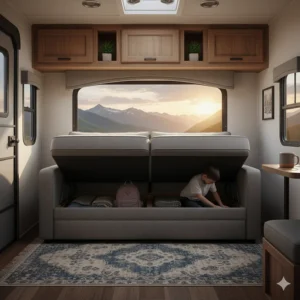
A quality jackknife sofa for camper use represents a significant investment, typically costing $600-$1,200. Proper maintenance extends its lifespan from 5-7 years to 10-15 years or more, making preventive care highly cost-effective. The maintenance requirements vary substantially based on your material choice and usage patterns.
Daily Maintenance (2-3 minutes): Wipe down vinyl surfaces after use, especially if you’ve been applying sunscreen, insect repellent, or lotions. These products contain oils that can degrade vinyl over time. A simple microfiber cloth slightly dampened with water removes most residues. For cloth sofas, a quick brush-down with a lint roller prevents dust buildup and removes surface debris.
Keep the mechanism area clean. Vacuum around the hinge points weekly to prevent dust and dirt accumulation. Foreign objects in the mechanism create friction points that accelerate wear. I once found a wayward popcorn kernel jamming our sofa’s hinge—a two-second vacuum session would have prevented the hassle.
Weekly Maintenance (15 minutes): Vinyl Sofas:
- Clean thoroughly with vinyl cleaner (Thomas Payne makes an excellent RV-specific formula)
- Inspect seams for pulled threads or separation
- Check mounting bolts for tightness
- Vacuum underneath and around the kickboard area
- Test the folding mechanism for smooth operation
Cloth Sofas:
- Vacuum all surfaces using upholstery attachment
- Treat any stains immediately (don’t let them set)
- Brush fabric to maintain appearance and remove pet hair
- Check for pulls or snags, trimming loose threads carefully
- Rotate cushions if removable to ensure even wear
Monthly Maintenance (30 minutes): Lubricate the hinge mechanism with silicone spray (never WD-40, which attracts dust). Apply a small amount to moving parts, then cycle the sofa several times to work the lubricant in. Wipe away any excess to prevent transfer to clothing or fabric.
Inspect all mounting hardware thoroughly. Vibration during travel gradually loosens bolts, potentially creating safety hazards. Use a socket wrench to check each mounting point, snugging up any that feel less than perfectly tight. If you find the same bolt loosening repeatedly, apply thread-locker.
Condition vinyl surfaces using a quality protectant. Products containing UV inhibitors significantly extend vinyl life. Apply the conditioner in thin coats, allowing each to absorb before adding more. Over-application creates slippery, greasy surfaces that attract dirt.
For cloth sofas, consider applying fabric protector spray quarterly. Modern formulas don’t affect fabric appearance but significantly enhance stain resistance. Test in an inconspicuous area first to ensure colorfastness.
Quarterly Maintenance (1-2 hours): Deep clean all surfaces. For vinyl, use a dedicated vinyl cleaner that removes embedded dirt and oils while conditioning the material. For cloth, consider renting a small upholstery cleaner or hiring a professional service annually. The investment pays off in extended fabric life.
Remove cushions completely and clean underneath. This area collects surprising amounts of debris—I’ve found everything from loose change to lost remote controls during quarterly cleanings. Vacuum thoroughly and wipe down all surfaces.
Inspect the frame for any signs of wear or damage. Look for weld cracks, frame bends, or structural issues. Address problems immediately—small issues become large problems quickly when you’re bouncing down the highway.
Troubleshooting Common Issues:
Problem: Mechanism Becomes Stiff or Difficult to Operate Solution: This typically indicates dirt buildup or insufficient lubrication. Remove cushions and clean the entire mechanism area with a soft brush and vacuum. Apply silicone spray to all moving parts, cycling the mechanism several times. If the problem persists, inspect for physical obstructions or frame misalignment.
Problem: Vinyl Develops Small Cracks Solution: Cracking usually results from UV exposure or lack of conditioning. While you can’t reverse existing cracks, preventing additional damage is possible. Apply vinyl conditioner with UV protectant monthly. Consider using window films or curtains to reduce direct sunlight exposure. For small cracks, vinyl repair kits (available at auto parts stores) can prevent expansion.
Problem: Cloth Shows Pulls or Snags Solution: Trim loose threads carefully using small scissors. Don’t pull the thread, which can worsen the damage. For larger pulls, consider consulting an upholstery professional who can reweave the area. Prevention is key—keep pet nails trimmed and avoid wearing jewelry that might snag fabric.
Problem: Sofa Creaks or Makes Noise Solution: Noise typically originates from loose hardware or dry hinges. Check all mounting bolts and tighten as needed. Lubricate hinges and moving parts. If noise persists, the frame itself might have a crack or weld failure—inspect carefully and contact the manufacturer if you find structural damage.
Problem: Cushions Lose Shape or Develop Permanent Impressions Solution: Foam compression is normal over time, particularly with lower-density foams. Rotate cushions regularly to distribute wear. For severe compression, replacement cushions are available from most manufacturers. Higher-density foam replacements cost more but last significantly longer.
Warranty Considerations: Most quality manufacturers provide warranties ranging from 1-7 years. Thomas Payne’s PolyHyde carries an industry-leading 5-7 year hydrolysis warranty. RecPro offers varying warranties based on the model and material. Read warranty terms carefully—many require regular maintenance records for claims. Taking photos during quarterly inspections provides documentation of proper care.
Warranty claims typically require proof of purchase, photos of the damage, and sometimes a completed claim form. Response times vary by manufacturer, but most address issues within 2-4 weeks. Keep your original packaging if possible—it makes return shipping much easier if necessary.
Comparative Analysis: Jackknife vs. Other RV Seating Solutions
Understanding how a jackknife sofa for camper applications compares to alternative furniture options helps you make an informed decision. Each solution offers distinct advantages and tradeoffs in terms of space efficiency, comfort, cost, and functionality.
Jackknife Sofa vs. Tri-Fold Sofa: Tri-fold sofas unfold in three sections, creating a larger sleeping surface than jackknife designs. The additional width accommodates two adults more comfortably, and the extra padding thickness enhances sleep quality. However, tri-fold sofas require significantly more floor space—typically 30-32 inches of depth compared to 28-30 inches for jackknife models.
The conversion process for tri-fold sofas involves more steps and takes longer. You must remove cushions, pull the frame forward, and arrange three sections versus two. For daily use in smaller RVs, this extra effort becomes tedious. Tri-fold models also cost 15-25% more than comparable jackknife sofas.
Space-constrained RVers favor jackknife designs, while those with generous floor space and frequent guests might prefer tri-fold options. Consider your typical use case—if you convert the sofa to bed position nightly, the simpler jackknife mechanism becomes highly appealing.
Jackknife Sofa vs. Pull-Out Couch: Traditional pull-out couches with spring mattresses offer superior sleep comfort—genuinely approaching a regular bed’s quality. The mattress thickness (typically 4-6 inches) and proper spring support create an excellent sleeping experience. However, these units are substantially heavier (250-400 pounds) and more complex.
Pull-out mechanisms require regular maintenance and eventually need replacement. The metal-on-metal sliding action creates wear points that jackknife hinges don’t experience. Repair costs can be significant, and finding replacement parts for older models proves challenging.
Installation complexity is another factor. Pull-out couches need stable mounting to prevent tipping when extended, sometimes requiring floor reinforcement in older RVs. Jackknife sofas mount more simply and distribute weight better when in use.
For occasional guest use, pull-out couches excel. For versatile daily furniture that converts regularly, jackknife designs offer better practicality.
Jackknife Sofa vs. Recliner Loveseat: Recliner loveseats have surged in popularity among RVers, offering exceptional comfort for relaxing and watching TV. Modern RV recliners include features like USB charging ports, LED lighting, and even massage functions. The comfort level for sitting exceeds any sofa design.
However, recliners don’t convert to sleeping surfaces—they’re dedicated seating only. This limitation works for RVers who have adequate sleeping space elsewhere but doesn’t suit those needing flexible furniture. Recliners also cost significantly more, typically $1,500-$3,500 for quality pairs.
Weight and space requirements favor jackknife sofas. A recliner loveseat weighs 200-300 pounds and requires 40-50 inches of depth when fully reclined. Jackknife sofas provide similar seating capacity in less space and weight.
Consider your priorities: If sitting comfort tops your list and you don’t need extra sleeping space, investigate recliners. If versatility and space efficiency matter more, stick with jackknife sofas.
Jackknife Sofa vs. Dinette Conversion Bed: Many RVers debate whether to keep their dinette or replace it with a jackknife sofa. Dinette conversions create sleeping surfaces by lowering the table and repositioning cushions. This approach maximizes daytime space and provides dedicated dining areas.
However, dinette conversions are tedious. The process requires removing and storing the table, rearranging multiple cushions, and often requires adding additional padding for comfort. Most people find that daily conversion becomes a chore they resent. Sleep quality typically suffers compared to jackknife sofas because dinette cushions are thinner and the gap between sections creates uncomfortable valleys.
Space utilization depends on your RV layout. In some configurations, dinettes waste floor space during non-meal times. Replacing a dinette with a jackknife sofa provides comfortable seating throughout the day while maintaining easy sleeping conversion.
I’ve experienced both setups extensively. Our first RV featured a dinette that we converted nightly—it became my least favorite camping chore. Our current rig has a jackknife sofa, and the simple conversion process makes hosting guests effortless.
Cost-Benefit Analysis Over Lifetime: Let’s examine the total cost of ownership over a 10-year period:
Jackknife Sofa:
- Initial cost: $600-$1,100
- Maintenance products: ~$20/year = $200
- Replacement cushions (year 7): $150
- Total 10-year cost: $950-$1,450
Tri-Fold Sofa:
- Initial cost: $800-$1,400
- Maintenance products: ~$25/year = $250
- Replacement cushions (year 6): $200
- Total 10-year cost: $1,250-$1,850
Pull-Out Couch:
- Initial cost: $1,200-$2,000
- Maintenance: ~$30/year = $300
- Mechanism replacement (year 5): $400
- Mattress replacement (year 7): $300
- Total 10-year cost: $2,200-$3,000
Recliner Loveseat:
- Initial cost: $1,500-$3,500
- Maintenance: ~$35/year = $350
- Motor replacement (year 6): $200
- Upholstery repair (year 8): $250
- Total 10-year cost: $2,300-$4,300
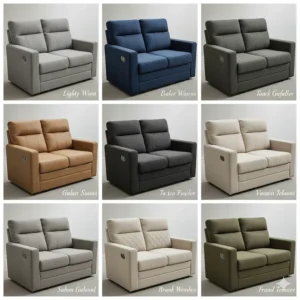
The jackknife sofa clearly provides the best value proposition, combining reasonable initial cost with low maintenance requirements and simple repair needs. This makes it the logical choice for budget-conscious RVers and those seeking maximum versatility per dollar spent.
Case Studies: Real-World Success Stories
Case Study 1: Full-Time RV Family – The Johnsons The Johnson family—two adults, two teenagers—sold their house in 2021 to travel full-time in a 35-foot fifth wheel. Their original furniture included a cheap stock jackknife sofa that became uncomfortably lumpy within six months.
After researching options, they upgraded to the Thomas Payne 72″ Jackknife Sofa in Norlina woven fabric, investing $950. The decision came down to pet-friendliness (they have a golden retriever) and comfort for their 6’2″ son who slept on the sofa.
Results After Two Years:
- The fabric shows minimal wear despite daily use by their dog
- Their son reports significantly better sleep quality compared to the old sofa
- The stain-resistant treatment has successfully repelled numerous spills
- Zero mechanical problems with the folding mechanism
- The family estimates the upgrade improved their daily quality of life by 20-30%
Lessons Learned: “Don’t cheap out on furniture you’ll use every single day,” Mrs. Johnson emphasizes. “We initially considered a $600 model to save money, but spending the extra $350 gave us a sofa that actually meets our needs. The old stock furniture was so uncomfortable that it negatively affected our entire RV experience.”
The Johnsons recommend measuring carefully and involving all family members in the decision process. Their teenagers’ input about sleeping comfort proved valuable since they use the sofa most frequently.
Case Study 2: Weekend Warrior Couple – Mike and Sarah Mike and Sarah use their 24-foot travel trailer for weekend getaways 15-20 times per year. Their rig came with a dinette that they rarely used for dining, preferring to eat outside at the picnic table. The dinette-to-bed conversion became a nightly hassle they dreaded.
They removed the dinette and installed a RecPro Charles 65″ Jackknife Sofa in Mahogany Suprima Leather ($725). The project took them three hours, including dinette removal. They chose the leather finish for its luxurious appearance and easy maintenance.
Results After 18 Months:
- Conversion time dropped from 10 minutes (dinette) to under 30 seconds
- Interior aesthetics improved dramatically with the leather upgrade
- They gained usable daytime seating, making rainy days more enjoyable
- Occasional guests prefer the sofa bed to the old dinette conversion
- Resale value of their trailer increased due to the furniture upgrade
Lessons Learned: “The dinette looked nice but didn’t match our actual usage patterns,” Mike explains. “We never ate inside, so dedicating that much space to an underused table made no sense. The jackknife sofa transformed our trailer from functional to genuinely comfortable.”
Sarah adds that the leather finish exceeded expectations: “I worried it would look cheap or feel plastic-y, but it’s genuinely soft and has a rich appearance. Cleaning up after muddy hiking boots takes seconds—just wipe and done.”
Their advice: Consider how you actually use your RV, not how you think you should use it. Furniture that matches your real behavior patterns makes a huge difference.
Case Study 3: Solo Traveler – Jennifer’s Sprinter Van Jennifer converted a Sprinter van for extended solo travel, spending 6-12 months annually on the road. Space efficiency was paramount in her 144-inch wheelbase van. She installed a RecPro 60″ Jackknife Sofa in Fossil cloth ($675).
The compact 60-inch width allowed adequate walking space beside the sofa, critical in the van’s narrow interior. Jennifer chose cloth for its breathability, important since she frequently camps in warm southern climates.
Results After One Year:
- The sofa serves multiple functions: workspace, dining area, sleeping surface
- Compact size leaves room for her portable office setup
- Cloth material stays comfortable even in 90°+ temperatures
- Solo installation was manageable after watching online tutorials
- The versatile furniture supports her remote work lifestyle perfectly
Lessons Learned: “In a van, every inch counts,” Jennifer notes. “The 60-inch sofa was the largest that left reasonable walking space. Going smaller would have compromised comfort; going larger would have cramped the entire space.”
She emphasizes the importance of fabric choice for climate considerations: “I tested sitting on vinyl during a hot afternoon at an RV show—it was like sitting on a vinyl car seat in summer. The cloth stays remarkably cooler.”
Jennifer’s tip for solo installers: “Use temporary clamps to hold the sofa in position while you drill pilot holes. Trying to hold it steady, keep it level, AND drill simultaneously is nearly impossible alone. The $15 clamps made installation much easier.”
Future Trends and Market Evolution
The jackknife sofa for camper market continues evolving as manufacturers respond to changing consumer preferences and technological advances. Understanding emerging trends helps you make future-proof purchasing decisions.
Smart Integration: Several manufacturers are developing “connected” RV furniture incorporating USB charging ports, wireless phone charging pads, and even Bluetooth speakers into sofa designs. Thomas Payne’s Power Port system represents an early example, allowing modular addition of accessories like reading lights, cup holders, and charging stations.
Expect this trend to accelerate as younger RVers—accustomed to smart home technology—demand similar features in their mobile spaces. Within 2-3 years, integrated charging capabilities will likely become standard rather than premium features.
Sustainable Materials: Environmental consciousness is driving material innovation. RecPro and other manufacturers are experimenting with recycled foam cores and eco-friendly vinyl alternatives. These materials currently cost 15-20% more than conventional options, but prices should decrease as production scales up.
Bio-based polyurethane foams made from soybeans or other renewable resources represent an exciting development. Early testing shows these foams match traditional petroleum-based foams in comfort and durability while reducing environmental impact. Expect commercial availability within 1-2 years.
Modular Configurations: The future favors customization. Manufacturers are developing modular sofa systems where buyers select arm styles, cushion firmness, fabric options, and accessories separately. This build-your-own approach allows precise matching to individual needs and aesthetic preferences.
Modular designs also simplify repairs and upgrades. Instead of replacing an entire sofa when one component fails, you swap just the affected module. This approach reduces waste and long-term costs while extending furniture lifespan.
Advanced Comfort Technologies: Memory foam and gel-infused foams are migrating from residential furniture to RV applications. While weight remains a consideration, manufacturers are developing lightweight advanced foams that maintain excellent comfort. Some newer models incorporate zoned foam density, providing firmer support where needed and softer cushioning elsewhere.
Temperature-regulating fabrics represent another innovation. Materials using phase-change technology absorb heat when you’re warm and release it when you’re cool, maintaining more consistent comfort. Currently expensive, these fabrics should become more accessible as production increases.
Lightweighting Initiatives: As fuel costs rise and payload capacity concerns grow, manufacturers face pressure to reduce furniture weight without compromising durability. Advanced composite materials, aluminum alloy frames, and honeycomb construction techniques are being adapted from aerospace applications.
Expect future jackknife sofas weighing 20-30% less than current models while maintaining equivalent or improved strength. This weight savings directly translates to better fuel economy or increased payload capacity for other gear.
Customization and Personalization: 3D printing technology is beginning to impact RV furniture manufacturing. While still in early stages, the ability to produce custom components on-demand could revolutionize the industry. Imagine ordering replacement parts custom-fitted to your specific sofa model and receiving them within days via local 3D printing facilities.
Color matching technology continues improving, allowing better coordination with your RV’s existing décor. Some manufacturers now offer color-matching services where you send a fabric swatch and receive furniture in complementary colors.
Investment Decision Framework: Making the Smart Choice
Selecting the right jackknife sofa for camper use involves balancing multiple factors: budget, space constraints, usage patterns, aesthetic preferences, and long-term value. This decision framework helps you navigate these considerations systematically.
Phase 1: Needs Assessment (Spend 30 minutes) Before shopping, clearly define your requirements:
Space Constraints:
- Measure your available space three times—length, depth, and height
- Document doorway widths along the installation path
- Determine whether you’re installing in a slideout or stationary wall
- Calculate clearance from opposing furniture or fixtures
Usage Patterns:
- How many people will regularly use the sofa for seating?
- How often will you convert it to a bed?
- Do you have children or pets?
- Do you camp primarily in warm, cool, or variable climates?
- Is this furniture for weekend trips or full-time living?
Budget Considerations:
- What’s your absolute maximum budget?
- Are you comfortable with mid-range options, or do you want premium features?
- Can you allocate funds for regular maintenance and eventual replacement?
- Are there other RV improvements competing for the same budget?
Phase 2: Material Selection (Spend 20 minutes) Based on your usage patterns, select the optimal material:
Choose Vinyl If:
✅ You have young children or pets
✅ Easy maintenance is a top priority
✅ You don’t mind the non-breathable nature
✅ You camp in variable weather conditions
✅ Durability matters more than aesthetics
Choose Leather (Suprima) If:
✅ You want a luxurious appearance
✅ You’re willing to provide moderate maintenance
✅ You don’t have aggressive pets
✅ Aesthetic appeal is important
✅ You can live with slightly faster wear
Choose Cloth If:
✅ Breathability and comfort are priorities
✅ You camp primarily in warm climates
✅ You’re willing to maintain the fabric regularly
✅ You don’t have pets or can manage their impact
✅ You prefer a residential aesthetic
Phase 3: Size Selection (Spend 15 minutes) Match sofa size to your space and usage:
60-62 inches:
- Compact spaces, Class B vans
- Two-person seating
- Single sleeper or cozy double
- Maximum maneuverability
65-68 inches:
- Standard travel trailers, small fifth wheels
- Comfortable three-person seating
- Roomy sleeping for two
- Best balance of size and space efficiency
72+ inches:
- Large fifth wheels, Class A motorhomes
- Generous seating capacity
- Comfortable sleeping for taller individuals
- Maximum comfort, requires more space
Phase 4: Feature Prioritization (Spend 15 minutes) Rank these features by importance to you:
- Comfort Level: How does it feel for sitting and sleeping?
- Ease of Conversion: How quickly does it change between modes?
- Durability: How well will it withstand your usage patterns?
- Aesthetics: Does it match your desired look?
- Maintenance: How much care are you willing to provide?
- Weight: Is payload capacity a concern?
- Additional Features: Cupholders, storage, console?
- Warranty: How comprehensive is the coverage?
Your ranking guides which compromises you’re willing to make. Someone prioritizing comfort might accept heavier weight, while someone focused on ease of maintenance might sacrifice some aesthetic appeal.
Phase 5: Budget Allocation (Spend 10 minutes) Create a comprehensive budget including:
Initial Purchase: $550-$1,200 (depending on model and features)
Installation Supplies: $20-$50 (hardware, tools if needed)
Initial Protection: $30-$60 (fabric protector, vinyl conditioner)
Annual Maintenance: $40-$80 (cleaning products, lubricants)
Unexpected Repairs: Budget $100-$200 reserve fund
Total first-year investment: $740-$1,690 Total 10-year investment: $1,300-$2,800
This realistic budgeting prevents surprise expenses and ensures you can properly maintain your investment.
Don’t Wait! Limited Time Offers on Premium Jackknife Sofas! ✨
Transform your camper into a comfortable home away from home. These hand-picked models balance quality, affordability, and functionality. Click any highlighted product to explore current deals and customer reviews on Amazon. Your perfect RV furniture solution awaits!
Frequently Asked Questions ❓
❓ What's the typical weight capacity of a jackknife sofa for camper use?
❓ Can I install a jackknife sofa for camper myself, or do I need professional help?
❓ How does a camper jackknife sofa compare to an air mattress for occasional guests?
❓ What's the best way to clean stains from my sofa for camper furniture?
❓ How often should I replace the cushions on my jackknife sofa for camper?
Recommended for You
- 7 Best RV Camper Sofa Bed Options: Ultimate Comfort & Space-Saving Solutions 2025
- 7 Best Infant Camping Chair Options For Ultimate Outdoor Comfort in 2025
- 7 Best Double Camping Chairs for Ultimate Outdoor Comfort in 2025
Conclusion: Your Perfect Sofa Awaits
Choosing the right jackknife sofa for camper living transforms your mobile space from merely functional to genuinely comfortable. Throughout this comprehensive guide, we’ve explored seven excellent options, each offering unique benefits suited to different needs, budgets, and usage patterns.
The Thomas Payne models consistently deliver premium quality, backed by industry-leading warranties and excellent customer support. Their PolyHyde fabric truly lives up to its durability claims, making these sofas ideal for families with children and pets. The RecPro Charles collection offers impressive value, providing luxury features at mid-range prices. Their variety of sizes ensures you’ll find the perfect fit regardless of your RV’s dimensions.
Remember that the “best” sofa is the one that aligns with YOUR specific needs. A full-time RVer prioritizes different features than a weekend camper. Someone traveling with pets needs different materials than a solo traveler seeking maximum comfort. Take time to assess your actual usage patterns rather than imagined scenarios.
The investment in quality furniture pays dividends daily. Every morning coffee, every movie night, every guest visit benefits from your thoughtful furniture choice. Don’t view this purchase as a simple expense—consider it an investment in your overall camping experience and quality of life.
Measure carefully, research thoroughly, and trust your instincts. Read customer reviews, but recognize that your priorities might differ from other reviewers. A feature one person loves might not matter to you, while something others overlook could be crucial for your situation.
Most importantly, don’t settle for uncomfortable furniture that makes you dread spending time in your camper. Life is too short for bad furniture, especially in the space that’s supposed to be your relaxing retreat from everyday stress.
Ready to upgrade your RV comfort? The perfect jackknife sofa for your camper is waiting. Click on any of the highlighted products above to check current prices, read detailed customer reviews, and make your purchase with confidence. Your future self will thank you every time you relax on your comfortable new sofa!
✨ Transform Your Camper Today – Click to Shop Now! ️
These premium jackknife sofas combine comfort, durability, and space-saving design. Don’t miss out on current promotions and free shipping offers. Your perfect RV furniture upgrade is just a click away!
Disclaimer: This article contains affiliate links. If you purchase products through these links, we may earn a small commission at no additional cost to you.
✨ Found this helpful? Share it with your friends!
