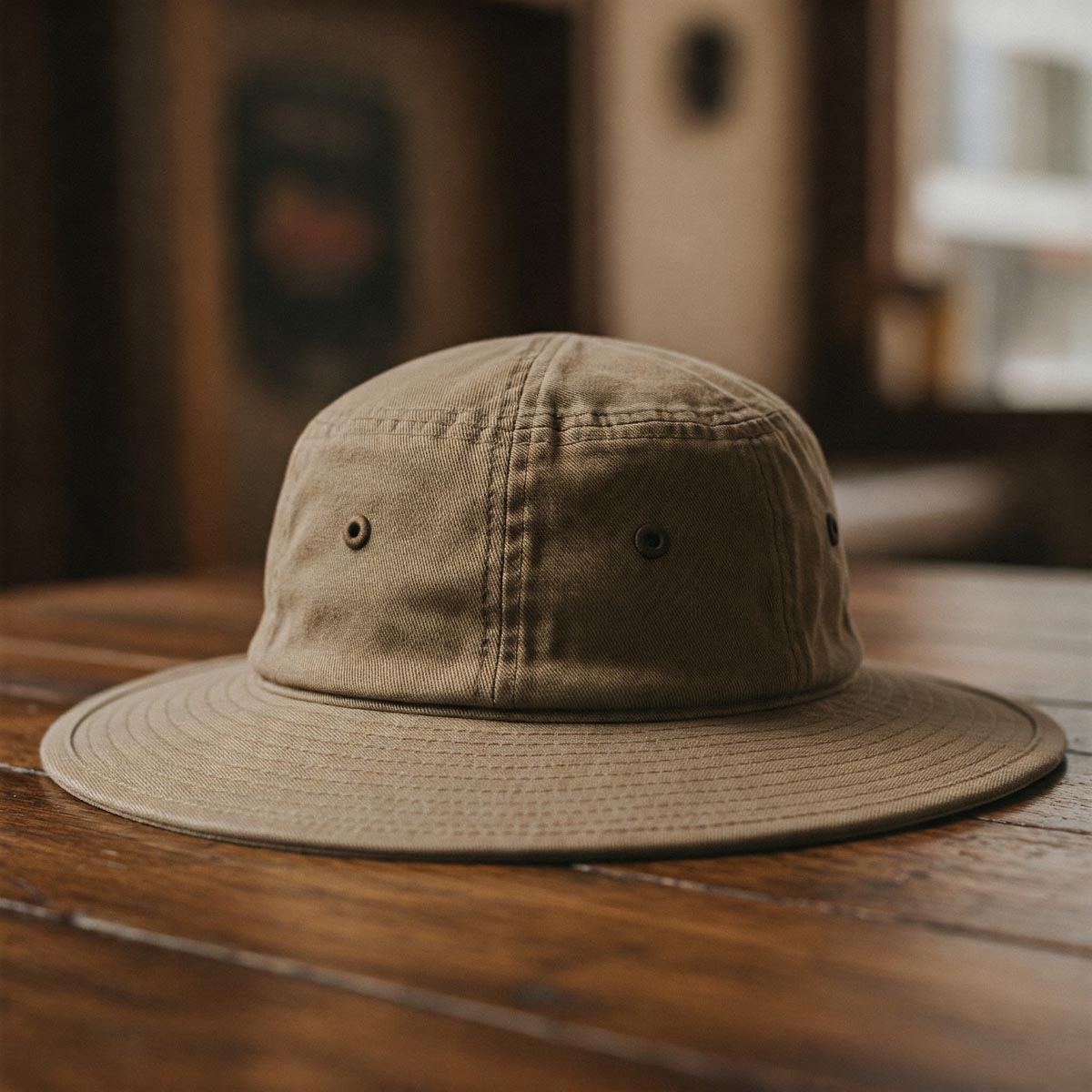
Imagine this: you’re hiking through a sun-drenched trail, the afternoon rays beating down mercilessly on your head, when suddenly you realize the importance of something so simple yet so essential – a camp hat. This seemingly modest accessory might just be the unsung hero of your outdoor adventures.
I’ve been an outdoor enthusiast for over a decade now, and if there’s one thing I’ve learned, it’s that a quality camp-hat can make or break your wilderness experience. From protecting you against harsh UV rays to keeping rain and snow at bay, a well-chosen camp-hat serves multiple purposes while adding a touch of style to your outdoor ensemble.
In this comprehensive guide, we’ll explore everything you need to know about camp-hats – their history, types, materials, benefits, and of course, our top picks for 2025. Whether you’re a seasoned camper or just getting started with outdoor activities, this article will help you make an informed decision about your next camp hat purchase.
In This Article
What Exactly Is a Camp Hat?
A camp hat, at its core, is a practical head covering designed specifically for outdoor activities. But what sets a camp hat apart from regular hats? ✅
Camp hats typically feature a flatter crown and shorter brim compared to traditional sun hats or baseball caps. They’re engineered to be lightweight, packable, and often feature functional elements like UV protection, moisture-wicking fabrics, and quick-drying capabilities.
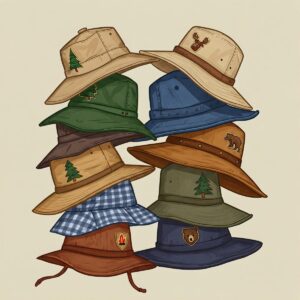
The term “camp hat” encompasses several styles, including:
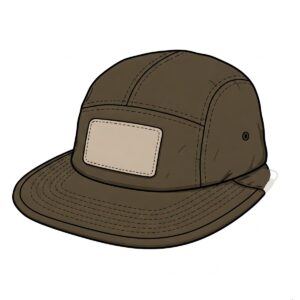
- Five-panel caps
- Bucket hats with shorter brims
- Flat-brimmed caps
- Military-inspired cadet styles
- Soft-crown utility caps
What makes them uniquely suited for camping and outdoor activities is their blend of practical features and casual aesthetics. Unlike specialized hiking or sports hats, camp-hats strike that perfect balance between function and everyday style – making them versatile enough to wear from the campsite to the coffee shop.
The Fascinating History of Camp Hats
The camp hat has an interesting evolutionary story that parallels our changing relationship with the outdoors.
Originally derived from military utility caps and workwear from the early 20th century, camp-hats found their footing in civilian life after World War II when outdoor recreation began booming in America. The post-war economic prosperity led to increased leisure time, and camping emerged as a popular family activity.
By the 1960s and 70s, camp hats had become a staple among outdoor enthusiasts, offering practical protection while reflecting the casual, laid-back attitude of the era. Interestingly, these hats gained renewed popularity during the 1990s streetwear movement, and today, they’ve experienced a significant revival, embraced by both dedicated outdoor adventurers and urban fashion enthusiasts alike.
According to research from the Outdoor Industry Association, participation in outdoor recreation has grown steadily over the past decade, contributing to the resurgence of functional outdoor apparel like camp-hats.
Why Every Outdoor Enthusiast Needs a Camp Hat
You might be wondering if a camp hat is really necessary for your outdoor adventures. In my experience, the answer is a resounding yes! Here’s why:
1. Sun Protection That Goes Beyond SPF ☀️
While sunscreen is essential, it isn’t enough on its own. A good camp hat provides physical protection from harmful UV rays. According to the Skin Cancer Foundation, wearing a hat with at least a 3-inch brim can provide an UPF (Ultraviolet Protection Factor) of 7-10 for your scalp, ears, and neck – areas particularly vulnerable to sun damage.
2. Weather Versatility in Unpredictable Conditions ️
One minute you’re enjoying sunshine, the next you’re caught in a drizzle. Camp hats are typically designed to handle variable conditions, with many models featuring water-resistant treatments or quick-drying materials. This versatility makes them indispensable for multi-day adventures where weather can change dramatically.
3. Temperature Regulation That Keeps You Comfortable ️
A quality camp hat helps manage your body temperature by providing shade that keeps your head cooler in hot weather. Conversely, in cooler conditions, many camp-hats retain heat, particularly those made with insulating materials like wool blends.
4. Practical Functionality for Active Lifestyles ♂️
From keeping sweat out of your eyes during intense hikes to protecting your camera lens from rain droplets while photographing wildlife, camp-hats serve numerous practical purposes. Many models even feature additional functionality like integrated headlamp clips or packable designs that can be stuffed into a pocket when not needed.
5. Style That Transitions from Trail to Town
Unlike purely technical outdoor gear, camp hats offer aesthetic appeal that works beyond wilderness settings. This dual functionality means you can pack lighter and still look put together whether you’re setting up camp or grabbing supplies in town.
Key Features to Look for in a Quality Camp Hat
Not all camp hats are created equal. After years of testing different options across various terrains and weather conditions, I’ve identified several critical features that separate exceptional camp-hats from mediocre ones:
Material Matters: Understanding Your Options
The material of your camp hat significantly impacts its performance and durability. Here are the most common options:
- Cotton/Canvas: Breathable and comfortable, but slower to dry and typically offers minimal UV protection unless treated.
- Nylon/Polyester: Lightweight, quick-drying, and often includes built-in UPF protection. Ideal for humid or wet conditions.
- Wool Blends: Excellent for cooler weather, naturally water-resistant, and offers good insulation.
- Recycled Materials: Eco-friendly options made from repurposed plastics or organic materials, which have improved dramatically in recent years in terms of comfort and performance.
According to a study published in the Journal of the American Academy of Dermatology, tightly woven synthetic fabrics typically offer better UV protection than natural fibers like cotton.
Breathability: The Key to Comfort
When you’re active outdoors, overheating can quickly become uncomfortable. Look for camp hats that incorporate:
- Mesh panels for ventilation
- Moisture-wicking sweatbands
- Perforated designs that allow air flow
- Lightweight materials that don’t trap heat
The best camp hats balance protection with breathability, allowing heat and moisture to escape while still shielding you from the elements.
Packability: For Adventurers On The Go
One often overlooked feature is how well a camp hat packs. The ideal camp-hat should:
- Maintain its shape after being compressed
- Be lightweight enough to not add significant weight to your pack
- Fold or roll compactly to fit in side pockets or small compartments
- Recover quickly from being packed away
This feature becomes particularly important on multi-day trips where space is at a premium.
Adjustability: One Size Rarely Fits All
Our heads come in different shapes and sizes, and the perfect camp-hat acknowledges this reality with:
- Adjustable back closures (snapbacks, straps, or drawcords)
- Secure fit that won’t blow off in wind
- Comfort even when worn for extended periods
- Options for different head sizes
Remember that a hat that doesn’t fit properly won’t be worn, no matter how technically advanced it might be.
Durability: Built to Last
Outdoor gear takes a beating, and camp hats are no exception. Quality construction details include:
- Reinforced stitching at stress points
- UV-resistant materials that won’t quickly degrade in sunlight
- Color-fast dyes that won’t fade after a few washes
- Water-resistant treatments that don’t wash out after the first rain
Camp Hat Styles: Finding Your Perfect Match
The term “camp hat” encompasses several distinct styles, each with its own advantages. Understanding these variations will help you choose the one that best suits your needs and aesthetic preferences.
5-Panel Camp Hats: Lightweight Classics
Originally popularized in cycling culture, 5-panel camp hats have crossed over into mainstream outdoor wear. These hats feature:
- A construction of five fabric panels
- A flat brim (typically shorter than traditional baseball caps)
- A shallow crown that sits closer to the head
- Often includes a snapback or adjustable strap
5-panel camp hats are excellent for activities where weight and packability are priorities, such as backpacking or multi-sport adventures.
Utility Caps: Military-Inspired Functionality
Inspired by military cadet caps, utility-style camp hats offer clean lines and practical design:
- Flat top with a short, structured bill
- Often features side buttons or small details
- Typically made from sturdy canvas or ripstop materials
- Offers a more structured look compared to other camp hat styles
These hats work particularly well for those who appreciate minimalist design with heritage influences.
Bucket Camp Hats: 360° Protection
A hybrid between traditional bucket hats and camp styles, these offer:
- All-around brim protection (though typically shorter than full sun hats)
- Casual, laid-back aesthetic
- Often feature grommets or mesh panels for ventilation
- Excellent options for fishing, gardening, or activities requiring sun protection from multiple angles
Performance Camp Hats: Technology Meets Tradition
The newest evolution in camp hats incorporates advanced technical features:
- Ultralight, synthetic materials
- Integrated UPF protection
- Moisture-wicking sweatbands and linings
- Water-resistant or quick-dry treatments
- Sometimes include extras like packable brims or hidden pockets
These modern interpretations maintain the classic camp hat silhouette while incorporating innovations that enhance performance in demanding conditions.

Top 10 Camp Hats for Every Adventure in 2025
After extensive testing and research, I’ve compiled my list of the best camp hats currently available. These selections balance quality, functionality, style, and value to suit different needs and budgets.
1. Patagonia P-6 Label Trad Cap
This classic 5-panel camp hat from Patagonia combines organic cotton canvas with recycled polyester for durability and reduced environmental impact. The iconic P-6 logo adds a touch of outdoor heritage, while the adjustable snapback ensures a comfortable fit for most head sizes.
Key Features:
- Organic cotton/recycled polyester blend
- Fair Trade Certified™ sewing
- Adjustable snapback closure
- Moisture-wicking internal sweatband
- UPF 50+ sun protection
Best For: Day hiking, casual camping, and everyday wear
Price Range: $35-40
2. The North Face Class V 5-Panel Hat
Engineered specifically for water activities, The North Face Class V offers quick-drying performance and packable convenience. Its five-panel construction keeps it lightweight, while the nylon fabric resists water and provides excellent sun protection.
Key Features:
- 100% recycled nylon ripstop material
- FlashDry™ technology wicks moisture
- UPF 50+ sun protection
- Adjustable webbing strap with buckle closure
- Packs flat for easy storage
Best For: Kayaking, fishing, beach camping
Price Range: $30-35
3. Columbia Bora Bora II Booney Hat
For those seeking maximum sun protection in a camp hat form, Columbia’s Bora Bora II offers a wider brim than typical camp hats while maintaining packability. Its Omni-Shade® UPF 50 fabric blocks UVA and UVB rays, while the Omni-Wick™ sweatband keeps perspiration at bay.
Key Features:
- Omni-Shade® UPF 50 sun protection
- Omni-Wick™ sweatband
- Adjustable drawcord and toggle at back
- Mesh vent panel for breathability
- Lightweight nylon material
Best For: Extended outdoor exposure, fishing, desert hiking
Price Range: $25-30
4. Cotopaxi Teca Cotton Camp Hat
Made from leftover fabric from other production runs, each Cotopaxi Teca camp hat features unique color blocking and pattern combinations. Beyond its eye-catching looks, this camp hat delivers solid performance with a cotton canvas construction and adjustable fit.
Key Features:
- Repurposed cotton canvas material
- Unique colorways (each hat is one-of-a-kind)
- Five-panel construction
- Adjustable snapback closure
- Embroidered logo detail
Best For: Festival camping, casual outdoor activities, sustainable lifestyle enthusiasts
Price Range: $30-35
5. REI Co-op Swiftland Running Hat
While designed with runners in mind, the REI Co-op Swiftland excels as a camp hat for high-intensity outdoor activities. Its ultralight construction and superior moisture management make it ideal for hot weather or strenuous adventures.
Key Features:
- Recycled polyester construction
- UPF 30 sun protection
- Reflective elements for visibility
- Crushable, packable design
- Lightweight mesh panels for ventilation
Best For: Trail running, summer hiking, high-output activities
Price Range: $25-30
6. Filson Logger Cap
For those who prefer heritage styling and bombproof durability, the Filson Logger Cap delivers with its oil finish Tin Cloth construction. This water-repellent, abrasion-resistant camp hat will patina beautifully over time, developing character with each adventure.
Key Features:
- Oil finish Tin Cloth (waxed cotton)
- Made in USA
- Water-repellent finish
- Five-panel construction
- Adjustable leather strap with brass buckle
Best For: Bushcraft, fishing, wet-weather camping, traditional outdoor pursuits
Price Range: $45-50
7. Mountain Hardwear Shade Lite Camp Hat
Engineered for technical pursuits, the Mountain Hardwear Shade Lite emphasizes coverage and cooling. Its lightweight nylon fabric and extended back flap offer superior sun protection for the neck, while mesh panels prevent overheating.
Key Features:
- 100% nylon ripstop fabric
- UPF 50 sun protection
- Neck cape for additional coverage
- Adjustable chin strap for windy conditions
- Packable, crushable construction
Best For: Desert expeditions, high-altitude hiking, climbing
Price Range: $35-40
8. Outdoor Research Swift Cap
The Outdoor Research Swift Cap blends traditional camp hat styling with performance features for active pursuits. Its TransAction™ headband and lightweight fabric make it comfortable even during sustained activity.
Key Features:
- Supplex® nylon construction
- TransAction™ headband wicks moisture
- UPF 30+ sun protection
- Packable design doesn’t lose shape
- Dark underbrim reduces glare
Best For: Backpacking, technical hiking, mountain biking
Price Range: $28-33
9. Prana Reversible Bucket Hat
Offering two looks in one, the Prana Reversible Bucket Hat combines style versatility with functional design. Made from organic cotton, this camp hat offers a softer feel than synthetic options while still providing good sun protection.
Key Features:
- Organic cotton construction
- Reversible design (two patterns/colors)
- Wider brim for increased sun protection
- Machine washable
- Packs flat for travel
Best For: Beach camping, gardening, casual outdoor activities
Price Range: $35-40
10. Topo Designs Nylon Camp Hat
Combining urban style with outdoor functionality, the Topo Designs Nylon Camp Hat features water-resistant nylon and a classic five-panel design. Its vibrant colorways and clean aesthetic make it a versatile choice that transitions seamlessly from trail to town.
Key Features:
- Water-resistant nylon construction
- Adjustable nylon strap
- Five-panel design
- Packable, lightweight construction
- Made in USA
Best For: Travel, day hiking, everyday wear
Price Range: $30-35
Camp Hat Comparison: Finding Your Perfect Match
To help you quickly compare the key features of our top picks, I’ve created this handy comparison table:
| Camp Hat Model | Material | UPF Rating | Best For | Price Range | Weight |
|---|---|---|---|---|---|
| Patagonia P-6 Label Trad Cap | Organic Cotton/Recycled Polyester | UPF 50+ | Day hiking, casual camping | $35-40 | 3.0 oz |
| The North Face Class V 5-Panel | 100% Recycled Nylon Ripstop | UPF 50+ | Water activities | $30-35 | 2.4 oz |
| Columbia Bora Bora II Booney | Nylon | UPF 50 | Maximum sun protection | $25-30 | 3.2 oz |
| Cotopaxi Teca Cotton Camp Hat | Repurposed Cotton Canvas | Not Rated | Sustainable lifestyle | $30-35 | 3.5 oz |
| REI Co-op Swiftland Running Hat | Recycled Polyester | UPF 30 | High-intensity activities | $25-30 | 1.8 oz |
| Filson Logger Cap | Oil Finish Tin Cloth | Not Rated | Traditional outdoor pursuits | $45-50 | 4.1 oz |
| Mountain Hardwear Shade Lite | 100% Nylon Ripstop | UPF 50 | Desert expeditions | $35-40 | 2.7 oz |
| Outdoor Research Swift Cap | Supplex® Nylon | UPF 30+ | Technical hiking | $28-33 | 2.2 oz |
| Prana Reversible Bucket Hat | Organic Cotton | Not Rated | Beach camping | $35-40 | 3.0 oz |
| Topo Designs Nylon Camp Hat | Water-resistant Nylon | Not Rated | Travel, everyday wear | $30-35 | 2.5 oz |
Elevate Your Outdoor Experience Today! ️
Ready to upgrade your outdoor gear collection with the perfect camp hat? Click on any of our recommended options above to check current pricing and availability on Amazon. A quality camp hat is an investment in both comfort and protection that will enhance your adventures for years to come!
How to Choose the Right Camp Hat for Your Needs
With so many great options available, selecting the perfect camp hat might seem overwhelming. Here’s a practical approach to narrowing down your choices based on your specific needs and preferences.
Consider Your Primary Activities ♀️
Different outdoor pursuits place different demands on your gear. Ask yourself:
- Will you primarily use your camp hat for stationary activities like fishing or camping, or high-output activities like hiking and trail running?
- Do you need maximum sun protection or is breathability your top priority?
- Will you be wearing your hat in wet conditions regularly?
For high-intensity activities, lightweight, breathable options like the REI Co-op Swiftland or Outdoor Research Swift Cap might be ideal. For fishing or extended sun exposure, wider-brimmed options like the Columbia Bora Bora II would be more appropriate.
Think About Your Local Climate
Your environment should heavily influence your choice:
- Hot, humid conditions call for breathable, moisture-wicking fabrics
- Arid, sunny environments demand maximum UV protection
- Variable weather conditions require versatile, quick-drying materials
Someone camping in the Pacific Northwest might prioritize water resistance (like the Filson Logger Cap), while a desert hiker would focus on UPF ratings and neck coverage (like the Mountain Hardwear Shade Lite).
Consider Packability for Travel ✈️
If you frequently travel or backpack, consider how your camp hat will pack:
- Does it fold flat or roll up without permanent creasing?
- Will it recover its shape after being stuffed in a bag?
- Is it lightweight enough for long-distance carrying?
Options like the Topo Designs Nylon Camp Hat or The North Face Class V excel in packability for travelers and backpackers.
Match Your Personal Style
While functionality should lead your decision, aesthetics matter too:
- Do you prefer heritage/traditional looks or modern technical styling?
- Are vibrant colors important, or do you prefer neutral tones?
- Will you wear this hat beyond outdoor activities?
For classic styling, the Patagonia P-6 or Filson Logger Cap offer timeless appeal, while the Cotopaxi Teca brings vibrant, unique colorways for those seeking to stand out.
How to Care for Your Camp Hat
To ensure your camp hat lasts through countless adventures, proper maintenance is essential. Based on material type, here are my recommended care practices:
For Cotton and Canvas Camp Hats:
- Spot clean with mild soap and cold water as needed
- For deeper cleaning, hand wash gently in cold water with mild detergent
- Reshape while damp and air dry completely (avoid direct sunlight)
- Never use a clothes dryer, as it can warp the brim and shrink the material
- For stains, try a paste of baking soda and water before washing
For Synthetic Camp Hats:
- Rinse with cold water after sweaty or salty activities
- Most synthetic hats can be machine washed on gentle cycle in cold water
- Always air dry away from direct heat sources
- Use technical wash products designed for outdoor gear for best results
- Store unfolded to maintain shape
For Wool Blend Camp Hats:
- Spot clean only when possible
- If necessary, hand wash in cold water with wool-specific detergent
- Never wring or twist – press between towels to remove excess water
- Reshape while damp and dry flat away from direct heat
- Consider wool-specific products for refreshing between washes
For Waxed Canvas Camp Hats (like the Filson Logger Cap):
- Never wash with soap or detergent
- Brush off dirt and debris with a soft brush
- Wipe with damp cloth if necessary
- Re-wax periodically using appropriate wax product
- Store at room temperature (extreme heat can melt the wax)
According to a Cornell University study, proper care can extend the life of outdoor apparel by up to 50%, making maintenance well worth the effort.
DIY Camp Hat Customization: Making It Your Own
One of the joys of camp hats is their potential for personalization. Here are some ways to make your camp hat uniquely yours:
Patch and Pin Collection ️
Many outdoor enthusiasts collect embroidered patches or enamel pins from different national parks, trails, or destinations. Adding these to your camp hat not only personalizes it but creates a visual record of your adventures.
Custom Embroidery Options
Consider adding custom embroidery such as:
- Your name or initials
- A favorite outdoor quote
- Significant coordinates (like your first summit)
- A simple design that reflects your personality
Many online services offer custom embroidery, or you can support local craftspeople in your area.
Practical Modifications
Beyond aesthetics, consider functional customizations:
- Adding a chin strap to hats that don’t include one
- Sewing a small pocket inside the crown for emergency cash or ID
- Attaching a removable neck flap for additional sun protection
- Adding reflective elements for visibility
Natural Dyeing Techniques
For cotton or canvas hats, natural dyeing offers an eco-friendly customization option:
- Coffee or tea for warm brown tones
- Turmeric for vibrant yellow
- Berries for purple and pink hues
- Onion skins for orange and copper colors
This process not only personalizes your hat but often adds interesting texture variation that commercial dyes lack.
Camp Hat Trends for 2025
While functionality remains the primary consideration for serious outdoor enthusiasts, camp hat styles continue to evolve. Here are the trends I’m observing for 2025:
Sustainable Materials Taking Center Stage
The outdoor industry continues to lead in sustainability innovations, with more camp hats featuring:
- Recycled materials from post-consumer waste
- Organic cotton with transparent supply chains
- Bio-based synthetic alternatives
- Materials that can be recycled at end-of-life
Brands like Patagonia and Cotopaxi remain at the forefront of this movement, but even traditional manufacturers are incorporating more sustainable practices.
Crossover Appeal Between Outdoor and Urban Markets
The line between “outdoor gear” and “everyday wear” continues to blur, with camp hats embodying this trend perfectly. Features like:
- Subdued technical details that don’t scream “outdoor gear”
- Heritage-inspired designs with modern performance
- Versatile styling that works across multiple contexts
- Collaborations between outdoor brands and streetwear labels
This crossover appeal makes camp hats a practical choice for those seeking versatile accessories that perform well in multiple environments.
Enhanced Technology in Traditional Silhouettes
Camp hat manufacturers are finding ways to incorporate advanced features without sacrificing the classic aesthetic:
- Integration of antimicrobial treatments
- Expanded UPF protection without bulky materials
- Enhanced breathability through innovative weaving techniques
- Lighter materials with improved durability
These advancements mean you don’t have to choose between traditional styling and modern performance.
Inclusive Sizing and Fit Options
The industry is responding to the need for more inclusive sizing with:
- Expanded size ranges beyond the traditional S-M-L
- Adjustable features that accommodate various head shapes
- Women-specific designs rather than “unisex” only options
- Transparent sizing guides with actual measurements
This trend ensures more outdoor enthusiasts can find camp hats that fit comfortably and perform as intended.
Beyond the Basics: Advanced Camp Hat Considerations
For those who’ve moved beyond entry-level outdoor experiences, these advanced considerations might influence your camp hat selection:
Layering Compatibility +
If you regularly engage in activities requiring a helmet (climbing, cycling, paddling), consider how your camp hat works within this system:
- Low-profile designs that fit under helmets
- Brim flexibility that allows wearing backward under a helmet
- Compatibility with headlamps and other head-mounted equipment
- Quick on/off capability when transitioning between activities
Photography-Friendly Features
For outdoor photographers, certain camp hat features can enhance your shooting experience:
- Brims that don’t interfere with viewfinder access
- Dark underbrim to reduce glare in the viewfinder
- Sufficient brim to shade the LCD screen in bright conditions
- Secure fit that stays in place when looking down at gear
Multi-Season Adaptability
While many camp hats are summer-focused, those seeking year-round options should consider:
- Insulated options for cold-weather activities
- Convertible designs with removable components
- Wind resistance for exposed conditions
- Material choices appropriate for varied conditions
According to a study in the International Journal of Biometeorology, proper headwear can significantly affect overall thermal comfort in both hot and cold conditions, making this consideration especially important for year-round adventurers.
FAQ: Common Questions About Camp Hats
Throughout my years of outdoor experience and gear testing, I’ve encountered these common questions about camp hats:
Q: How is a camp hat different from a regular baseball cap?
A: Camp hats typically feature a flatter crown and shorter brim compared to baseball caps. They often use outdoor-appropriate materials with functional features like UV protection, quick-drying properties, and packable construction. The five-panel design common in camp hats differs from the traditional six-panel construction of baseball caps, creating a different profile and fit.
Q: Can I wear my camp hat in water activities?
A: It depends on the material. Synthetic camp hats like The North Face Class V or Columbia Bora Bora II are designed to handle water and dry quickly. Cotton canvas options like the Cotopaxi Teca will absorb water and take longer to dry. For frequent water activities, look specifically for quick-dry materials and secure fit features like chin straps or adjustable closures.
Q: How do I know what size camp hat to buy?
A: Most camp hats feature adjustable closures (snapbacks, straps, or drawcords) that accommodate a range of sizes. To determine your hat size, measure the circumference of your head about one inch above your ears and eyebrows. Most manufacturers provide size charts that correlate these measurements to their sizing system. When in doubt, opt for adjustable styles rather than fixed sizes.
Q: Are more expensive camp hats worth the investment?
A: Higher-priced options like the Filson Logger Cap often offer superior durability and materials that improve with age. However, mid-range options like the Patagonia P-6 or Outdoor Research Swift Cap provide excellent value with only slightly less durability or fewer features. Consider how frequently you’ll use the hat and in what conditions when deciding your budget. For occasional use, budget-friendly options will likely suffice, while frequent adventurers might benefit from premium construction.
Q: How often should I replace my camp hat?
A: With proper care, a quality camp hat should last 2-5 years of regular use. Signs it’s time for replacement include:
- Fabric thinning or tearing at stress points
- Significant shape loss that doesn’t recover
- Sweatband deterioration affecting comfort
- Closure mechanisms that no longer secure properly
- Visible UV damage like severe fading or brittleness
Grab Your Perfect Camp Hat Before Your Next Adventure! ️
Don’t wait until you’re squinting in the sun on your next outdoor trip! Check out our recommended camp hats on Amazon now by clicking any of the models that caught your attention. With fast shipping options, you can have your ideal camp hat ready for your next weekend escape!
Conclusion: Finding Your Perfect Camp Hat Companion
After exploring everything from materials and styles to care techniques and trending designs, you’re now equipped to make an informed decision about the best camp hat for your needs.
Remember that the perfect camp hat balances several factors:
- Appropriate protection for your typical activities and environment
- Comfort for extended wear in various conditions
- Durability to withstand your adventures
- Style that reflects your personal aesthetic
- Functionality that enhances rather than hinders your outdoor experience
While our top picks represent some of the best options currently available, the “perfect” camp hat ultimately depends on your specific needs and preferences. Consider what activities you’ll primarily use it for, what weather conditions you typically encounter, and what features matter most to you personally.
Whether you opt for the heritage appeal of the Filson Logger Cap, the eco-conscious design of the Patagonia P-6, or the technical performance of the Mountain Hardwear Shade Lite, investing in a quality camp hat is a small decision that can significantly enhance your outdoor comfort and enjoyment.
Take Action Now: Your Adventures Await!
Your perfect camp hat is just a click away! Browse our carefully selected recommendations on Amazon and find the ideal balance of style, function, and value for your outdoor lifestyle. A quality camp hat is an investment in both comfort and protection that will serve you well on countless adventures!
More FAQs:
❓ What should I look for when buying a camp hat?
❓ Are wide-brim camp hats better than caps for sun protection?
❓ Which materials are best for a lightweight camp hat?
❓ Can I wash my camp hat in the washing machine?
❓ What’s the difference between a camp hat and a hiking hat?
Recommended for You:
- 10 Best Truck Tent Camper Options For Outdoor Adventure Enthusiasts in 2025
- Seasonal Camping: The Ultimate Guide to Year-Round Outdoor Adventures
- Top 10 Coleman Pop Up Camper Models for Ultimate Outdoor Adventures in 2025
Disclaimer: This article contains affiliate links. If you purchase products through these links, we may earn a small commission at no additional cost to you.
