In This Article
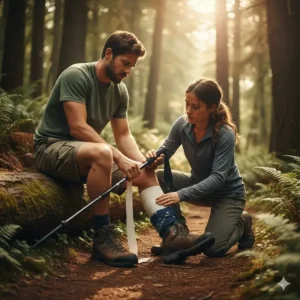
Picture this: you’re three days into a remote backcountry adventure when your hiking partner slips on loose scree, opening a nasty gash on their shin. The nearest trailhead is 15 miles away, and cell service vanished two days ago. This is exactly when you discover whether your backpacking first aid kit is truly trail-worthy—or just dead weight in your pack.
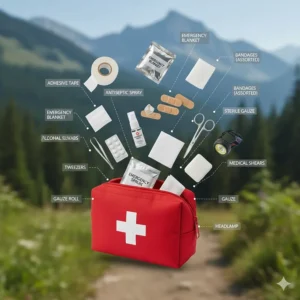
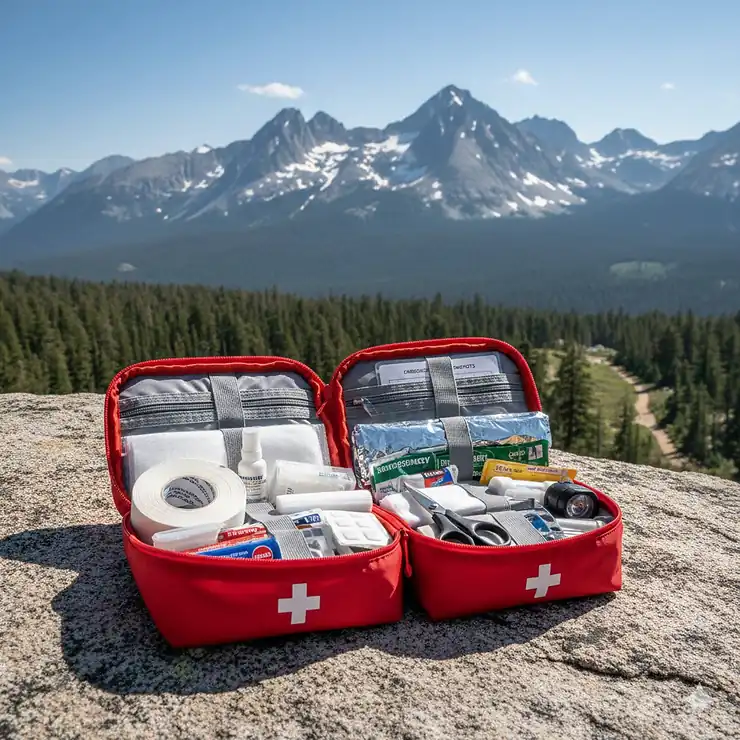
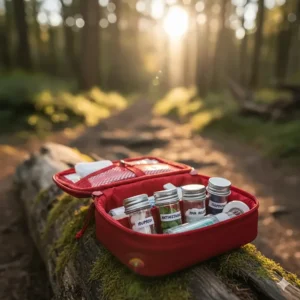
The right backpacking first aid kit can be the difference between a manageable incident and a life-threatening emergency. Unlike bulky car kits or minimal home supplies, a quality ultralight first aid kit balances comprehensive coverage with weight conscious packing. You need supplies for everything from blisters to broken bones, but every ounce counts when you’re carrying your life on your back.
After testing dozens of kits across hundreds of trail miles, I’ve learned that the best lightweight medical kit hiking companions share three essential qualities: smart organization that lets you find supplies in seconds, durable weatherproof construction, and hospital-grade components that actually work when it matters. Whether you’re planning a weekend loop or a month-long thru-hike, this guide will help you find the perfect compact first aid backpacking solution for your adventures.
Quick Comparison Table
| First Aid Kit | Weight | Coverage | Price Range | Best For |
|---|---|---|---|---|
| Adventure Medical Kits Ultralight/Watertight .7 | 5.8 oz | 1-3 people, 1-4 days | $35-40 | Ultralight enthusiasts |
| Adventure Medical Kits Mountain Series Backpacker | 15.2 oz | 2 people, 4 days | $50-60 | Multi-day trips |
| Surviveware Small First Aid Kit | <1 lb | Groups, multiple days | $30-50 | Value seekers |
| MyMedic MyFAK Mini | Varies | 2-3 people | $80-120 | Premium features |
| RHINO RESCUE Small Ultralight | 0.45 lb | Multi-sport use | $20-25 | Budget option |
| Adventure Medical Kits Mountain Series Hiker | Medium | 2 people, 2 days | $30 | Weekend warriors |
| RHINO RESCUE EVA First Aid Kit | Light | Comprehensive | $25-30 | Versatile use |
💬 Just one click – help others make better buying decisions too!😊
Top 7 Backpacking First Aid Kits: Expert Analysis
1. Adventure Medical Kits Ultralight/Watertight .7 – Best Overall for Ultralight Backpacking
When every ounce screams at you from the summit, the Adventure Medical Kits Ultralight/Watertight .7 becomes your trail companion of choice. Weighing just 5.8 ounces, this kit punches way above its weight class with 2-stage waterproofing that keeps supplies bone-dry whether you’re fording streams or caught in an afternoon deluge.
Key Specifications:
- Weight: 5.8 ounces
- Dimensions: 7″ x 5″ x 2.5″
- Coverage: 1-3 people for 1-4 days
- Waterproofing: DryFlex inner bag + water-resistant outer
The kit includes die-cut moleskin for blister treatment hiking needs, hospital-quality bandages, medications for pain and inflammation, and antiseptic supplies. What impressed me most during field testing was the organization—you can find what you need even with cold, fumbling fingers.
Customer Feedback: Users consistently praise its waterproof performance and light weight. One thru-hiker noted, “Survived three weeks on the PCT without a single supply getting wet.”
✅ Pros:
- Exceptionally lightweight at 5.8 oz
- 100% waterproof construction
- Smart, intuitive organization
❌ Cons:
- Limited quantity of each item
- No CPR mask included
Price Range: $35-40
2. Adventure Medical Kits Mountain Series Backpacker – Best for Multi-Day Expeditions
For serious backcountry trips where you need comprehensive coverage, the Adventure Medical Kits Mountain Series Backpacker delivers expedition-grade supplies in a surprisingly compact package. At 15.2 ounces, it’s heavier than ultralight options, but the trade-off is worth it for extended adventures.
Key Specifications:
- Weight: 15.2 ounces
- Coverage: 2 people for 4 days
- Includes: Trauma pad, wilderness medicine guide, EMT shears
- Organization: Easy Care system with labeled pockets
This kit stands out with its trauma pad for controlling severe bleeding, elastic bandages for sprains, and a comprehensive wilderness first aid manual written by medical professionals. The external kit map shows exactly where supplies are located—brilliant for nighttime emergencies.
Customer Feedback: Backcountry guides and wilderness educators consistently rate this as their top choice. Reviews highlight the quality of individual components and logical organization.
✅ Pros:
- Comprehensive supply selection
- Includes wilderness medicine guidebook
- Hospital-quality trauma supplies
❌ Cons:
- Heavier than ultralight alternatives
- Takes up more pack space
Price Range: $50-60
3. Surviveware Small First Aid Kit – Best Value for Money
Don’t let the budget-friendly price fool you—the Surviveware Small First Aid Kit packs serious value into its water-resistant case. With 98+ pieces of emergency essentials and supplies, this kit offers comprehensive coverage without breaking the bank.
Key Specifications:
- Weight: Under 1 pound
- Pieces: 98-238 depending on model
- Material: 600D rip-resistant polyester
- Features: MOLLE compatible, labeled compartments
The labeled compartments eliminate the frantic rummaging that plagues cheaper kits. Everything from bandages to burn relief stays organized and accessible. The water-resistant construction uses durable laminate pouches to protect individual items even in wet conditions.
Customer Feedback: Users love the bang-for-buck factor and organized interior. One reviewer shared, “Perfect for our family backpacking trips—enough supplies for everyone without the premium price tag.”
✅ Pros:
- Excellent value proposition
- Well-organized labeled compartments
- Durable, water-resistant construction
❌ Cons:
- Slightly heavier than ultralight options
- May need customization for specific needs
Price Range: $30-50
4. MyMedic MyFAK Mini – Best Premium Kit with Training
If you’re willing to invest in top-tier equipment, the MyMedic MyFAK Mini delivers professional-grade supplies with an unexpected bonus: a complimentary online training course. This isn’t just a first aid kit—it’s a complete safety system.
Key Specifications:
- Pieces: 70 life-saving items
- Coverage: 2-3 people
- Special Feature: Free MARCH training course included
- Construction: Folding page design for organization
The kit includes advanced trauma supplies like chest seals, pressure bandages, and a rapid tourniquet. The folding page design opens like a book, giving instant access to everything you need. MyMedic’s attention to detail shows in every component—these are supplies emergency responders actually trust.
Customer Feedback: EMTs and nurses consistently recommend this kit. One ER nurse wrote, “We have one in each car and our camper. Everything you could need in case of an emergency.”
✅ Pros:
- Hospital-grade trauma supplies
- Free professional training course
- Superior organization system
❌ Cons:
- Higher price point
- Heavier than ultralight competitors
Price Range: $80-120
5. RHINO RESCUE Small First Aid Kit Ultralight – Best Budget Ultralight Option
Meeting the sweet spot between price and performance, the RHINO RESCUE Small First Aid Kit Ultralight weighs just 0.45 pounds while including 79 essential medications trail supplies. At under $25, it’s proof that ultralight doesn’t have to mean expensive.
Key Specifications:
- Weight: 0.45 pounds (7.2 oz)
- Dimensions: 180mm x 100mm x 30mm
- Pieces: 79 emergency essentials
- Material: Premium lightweight nylon
RHINO RESCUE carefully curated these 79 items to balance practicality with minimal weight. You get proper blister treatment hiking supplies including moleskin, comprehensive wound care, and medications for common trail ailments. The water-resistant construction protects contents without adding bulk.
Customer Feedback: Multi-sport athletes appreciate its versatility. Users report it transitions seamlessly from backpacking to cycling to kayaking without requiring modifications.
✅ Pros:
- Exceptionally affordable
- True ultralight design
- Water-resistant construction
❌ Cons:
- Fewer pieces than comprehensive kits
- Basic organization system
Price Range: $20-25
6. Adventure Medical Kits Mountain Series Hiker – Best for Weekend Trips
Designed specifically for 2-day weekend adventures, the Adventure Medical Kits Mountain Series Hiker strips away the extras while keeping essential medications trail supplies. It’s the Goldilocks kit—not too heavy, not too minimal, just right for short trips.
Key Specifications:
- Coverage: 2 people for 2 days
- Includes: Full-size trauma shears, tick tweezers
- Medications: Aspirin, acetaminophen, antihistamines
- Organization: Labeled compartments
This kit includes quality over quantity. You get hospital-grade trauma shears (not the flimsy scissors in budget kits), proper tick removal tools, and multiple doses of essential medications for pain, inflammation, and allergic reactions.
Customer Feedback: Weekend warriors praise its perfect sizing for short trips. One reviewer noted, “Just enough for a weekend without carrying unnecessary weight.”
✅ Pros:
- Ideal size for weekend trips
- Quality individual components
- Excellent organization
❌ Cons:
- Limited for longer expeditions
- Fewer backup supplies
Price Range: $30
7. RHINO RESCUE EVA First Aid Kit – Best All-Purpose Versatility
The RHINO RESCUE EVA First Aid Kit earns its place with 130 pieces of comprehensive emergency supplies housed in a durable EVA case. This is your go-to when you need serious coverage without premium pricing.
Key Specifications:
- Pieces: 130 high-quality essentials
- Material: Water-resistant EVA surface
- Features: CPR face shield, first aid guide included
- Organization: Upgraded curved zipper design
The EVA material provides superior water resistance while remaining lightweight and durable. The upgraded curved zipper lets the case open fully flat, giving complete visibility and immediate access to all supplies—crucial when seconds count.
Customer Feedback: Users appreciate the comprehensive contents and durable case. Many use it for multiple activities beyond backpacking, including car camping and boating.
✅ Pros:
- Comprehensive 130-piece supply
- Includes CPR shield and guide
- Durable, water-resistant EVA case
❌ Cons:
- Heavier than ultralight options
- May be overkill for minimalists
Price Range: $25-30
✨ Don’t Miss These Exclusive Deals!
🔍 Take your backpacking safety to the next level with these carefully selected products. Click on any highlighted item to check current pricing and availability. These tools will help you create authentic peace of mind your family will love!
Understanding Weight Conscious Packing: Every Ounce Matters
The philosophy behind weight conscious packing goes beyond simple gram-counting. It’s about making strategic choices that maximize safety while minimizing burden. According to wilderness medicine experts at Cornell University, the average backpacker should carry no more than 20% of their body weight, making every item a careful decision.
Your backpacking first aid kit typically represents 1-3% of your total pack weight. This might seem insignificant, but over a 100-mile trek, those ounces accumulate into pounds of unnecessary strain. The key is finding the balance between comprehensive coverage and intelligent minimalism.
The Ultralight Philosophy
Ultralight first aid kit design follows three core principles:
Multi-Use Items – Choose supplies that serve multiple purposes. Medical tape can secure bandages, repair gear, and even fix a broken trekking pole in a pinch.
Right-Sizing Quantities – You don’t need 50 band-aids for a weekend trip. Calculate realistic usage based on trip length and group size.
Quality Over Quantity – One hospital-grade trauma pad beats three cheap alternatives that might fail when you need them most.
Essential Medications Trail Supplies: What Actually Matters
The medications you carry can mean the difference between a manageable situation and an emergency evacuation. Based on wilderness medical protocols, these medications should be in every backpacking first aid kit:
Pain and Inflammation Management
- Ibuprofen (200mg): Anti-inflammatory, reduces pain and swelling
- Acetaminophen (500mg): Pure pain relief without anti-inflammatory effects
- Aspirin (325mg): Pain relief plus potential for cardiac emergencies
Allergy and Antihistamine
- Diphenhydramine (25mg): Combats allergic reactions, insect stings
- Hydrocortisone cream: Reduces itching and inflammation
Gastrointestinal
- Loperamide: Controls diarrhea during critical situations
- Antacids: Manages stomach upset from trail food or altitude
Topical Antibiotics
- Triple antibiotic ointment: Prevents infection in wounds
- Antiseptic wipes: Cleans wounds before treatment
Always store medications in their original packaging with expiration dates visible. Replace anything that’s expired—compromised medications can be ineffective or even dangerous.
Blister Treatment Hiking: Prevention and Management
Blisters end more hikes than any other single ailment. Proper blister treatment hiking supplies should focus on both prevention and intervention. According to research from outdoor recreation programs, blisters develop from friction, moisture, and heat—all inevitable on long trails.
Prevention Supplies
Moleskin and Leukotape – Apply at the first sign of hot spots, not after blisters form. Die-cut moleskin shapes to fit heels, toes, and pressure points.
Foot Powder – Reduces moisture that causes friction. Reapply during breaks on long days.
Liner Socks – Creates a friction layer between skin and boot socks. Not technically first aid, but worth considering for blister-prone hikers.
Treatment Supplies
Hydrocolloid Blister Bandages – These specialized bandages cushion existing blisters while promoting faster healing. They’re expensive but worth every penny when you’re 10 miles from the trailhead.
Alcohol Wipes and Needles – For draining large, painful blisters. Only drain if absolutely necessary, and always maintain sterile technique.
Antibiotic Ointment – Prevents infection in drained or popped blisters.
The best blister treatment is prevention. Pay attention to your feet during breaks, address hot spots immediately, and don’t wait until minor discomfort becomes crippling pain.
Comparison: Ultralight vs Comprehensive Kits
| Feature | Ultralight Kits | Comprehensive Kits |
|---|---|---|
| Weight | 5-8 oz | 12-20 oz |
| Coverage | 1-2 people, 1-4 days | 2-7 people, 4-14 days |
| Trauma Supplies | Minimal | Extensive (tourniquets, splints) |
| Medications | Basic pain/allergy | Full spectrum including GI |
| Waterproofing | Essential feature | Often included |
| Price Range | $20-50 | $50-120 |
| Best For | Solo/duo short trips | Groups, extended expeditions |
| Organization | Simple pouches | Multiple compartments |
How to Choose Your Backpacking First Aid Kit
Selecting the right compact first aid backpacking kit requires honest assessment of your needs. Follow this decision framework:
1. Evaluate Your Trip Profile
Solo Ultralight Adventures – Prioritize weight savings with minimal but quality supplies. The Adventure Medical Kits Ultralight/Watertight .7 excels here.
Weekend Group Trips – Balance coverage with weight. The Mountain Series Hiker or Surviveware Small provide sufficient supplies without excessive bulk.
Extended Expeditions – Comprehensive coverage trumps weight concerns. The Mountain Series Backpacker or MyFAK Mini offer expedition-grade supplies.
2. Consider Your Medical Training
No Formal Training – Choose kits with included guides and straightforward supplies. Complex trauma equipment requires knowledge to use effectively.
WFA/WFR Certified – You can leverage more advanced supplies like irrigation syringes, splinting materials, and trauma dressings effectively.
Medical Professionals – Premium kits like MyFAK offer hospital-grade equipment you’re trained to use in austere environments.
3. Assess Environmental Factors
Desert Hiking – Extra sun protection, electrolyte supplies, heat illness management.
Alpine Environments – Cold injury treatment, altitude medications, enhanced trauma supplies for technical terrain.
Water Crossings – Absolute waterproofing becomes non-negotiable, not just water-resistant.
4. Calculate Group Size and Dynamics
A family with young children needs different supplies than experienced adult hikers. Kids require child-specific dosing for medications, extra blister supplies for new hikers, and additional comfort items.
5. Budget Considerations
Quality first aid supplies aren’t areas for extreme budget-cutting, but excellent options exist at every price point. The RHINO RESCUE Small Ultralight proves that affordable doesn’t mean inadequate.
Customizing Your Kit: Beyond the Basics
Even the best pre-packaged backpacking first aid kit benefits from personalization. Here’s how to tailor your kit to your specific needs:
Personal Medications
Add any prescription medications you require, plus extras for trip delays. Carry a copy of prescriptions for controlled substances.
Activity-Specific Additions
Rock Climbing: Extra athletic tape, finger splints, abrasion treatment
Water Sports: Stronger waterproofing, paddler-specific blister supplies
Winter Hiking: Chemical heat packs, cold injury treatment supplies
Known Personal Needs
If you’re prone to specific issues—frequent nosebleeds, known allergies, chronic conditions—stock extra supplies for those scenarios.
Training-Based Additions
If you’re wilderness first aid certified, consider adding:
- SAM splints for fracture management
- Irrigation syringes for wound cleaning
- Hemostatic gauze for severe bleeding
- CPR face shields
Price Range and Value Analysis
| Price Tier | Examples | What You Get | Best For |
|---|---|---|---|
| Budget ($20-30) | RHINO RESCUE Ultralight, RHINO EVA | Basic comprehensive coverage, minimal organization | Day hikes, emergency backup |
| Mid-Range ($30-60) | AMK Ultralight .7, Mountain Hiker, Surviveware | Quality components, smart organization, proven reliability | Most backpackers, weekend trips |
| Premium ($60-120+) | MyFAK Mini, Mountain Backpacker | Hospital-grade supplies, advanced organization, training included | Serious expeditions, professional guides |
Value isn’t about the lowest price—it’s about the best return on investment. A $25 kit that fails in a real emergency costs infinitely more than a $75 kit that performs flawlessly.
Maintaining Your First Aid Kit: Long-Term Care
A backpacking first aid kit requires regular maintenance to remain trail-ready. Follow this schedule:
After Each Trip
- Inventory used items and replace immediately
- Check for water intrusion or damage
- Wipe down exterior, let dry completely
- Note any packaging damage or expiring medications
Quarterly Reviews
- Verify all medications remain within expiration dates
- Test zippers and closures
- Ensure waterproof bags maintain integrity
- Replace any suspect items
Annual Deep Clean
- Empty entire kit
- Replace all adhesive items (tape, bandages lose stickiness)
- Update any changed medications
- Consider upgrading worn components
Store your kit in a cool, dry location away from direct sunlight. Temperature extremes can degrade medications and adhesives faster than normal use.
Lightweight Medical Kit Hiking: Real-World Success Stories
Understanding how these kits perform in actual emergencies provides invaluable context. Here are scenarios where proper preparation made the difference:
Case Study: Ankle Sprain on the Appalachian Trail
Sarah’s group was 12 miles from the nearest road when her friend rolled an ankle on rocky terrain. Their Mountain Series Backpacker kit included an elastic wrap, trauma pad, and pain medications. They stabilized the injury, managed pain, and completed a slow walk out rather than calling for expensive evacuation.
Case Study: Severe Allergic Reaction
James experienced his first-ever severe reaction to a bee sting 20 miles into a backcountry trip. His partner’s kit included diphenhydramine and a comprehensive guide. Following the instructions, they recognized early anaphylaxis symptoms, administered antihistamines, and made the critical decision to evacuate before symptoms worsened.
Case Study: Infected Blister Gone Wrong
Maria ignored a small hot spot that developed into a nasty blister, which then became infected. Lacking proper supplies, she attempted to continue hiking. The infection worsened, ultimately requiring antibiotics and ending her thru-hike attempt. Proper blister supplies and early intervention would have prevented this outcome.
These stories underscore that your backpacking first aid kit isn’t optional equipment—it’s essential safety gear that can literally save lives and trips.
Common Mistakes to Avoid
Even experienced backpackers make these first aid kit errors:
Forgetting to Check Expiration Dates – Expired medications lose potency. Replace anything past its date.
Prioritizing Quantity Over Quality – 200 cheap band-aids don’t outperform 20 quality ones. Focus on supplies that actually work.
Ignoring Training – The best kit in the world is useless if you don’t know how to use it. Take a wilderness first aid course through organizations like NOLS.
Never Customizing – Pre-made kits are starting points, not final solutions. Tailor to your specific needs.
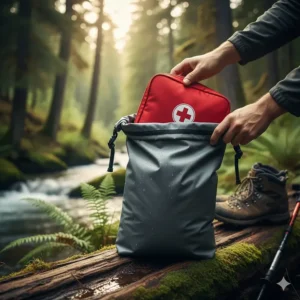
Letting Supplies Get Wet – Even “water-resistant” isn’t waterproof. Double-bag critical items.
Carrying Too Little for Group Size – One person’s supplies multiplied by group size, not just one shared kit.
Neglecting Practice – Before you need to bandage a wound in the dark with cold fingers, practice in comfortable conditions.
FAQ
❓ What is the ideal weight for a backpacking first aid kit?
❓ How often should I replace items in my first aid kit?
❓ Can I take my backpacking first aid kit on an airplane?
❓ What's the difference between ultralight and regular backpacking first aid kits?
❓ Should I take a wilderness first aid course before backpacking?
Conclusion: Your Safety Partner on Every Trail
Choosing the right backpacking first aid kit isn’t about finding the lightest or cheapest option—it’s about selecting the safety partner that matches your adventures. Whether you’re a gram-counting ultralight purist eyeing the Adventure Medical Kits Ultralight/Watertight .7, a value-conscious weekend warrior considering the Surviveware Small First Aid Kit, or an expedition leader needing the comprehensive Mountain Series Backpacker, there’s a perfect kit for your needs.
Remember that the best first aid kit is the one you’ll actually carry, know how to use, and maintain properly. Start with a quality base kit from this list, customize it for your specific adventures, and invest time in learning wilderness first aid skills. Your future self—and your hiking partners—will thank you for the preparation.
The mountains, deserts, and forests will always hold inherent risks. But with the right backpacking first aid kit and knowledge to use it, you’re not just prepared for emergencies—you’re empowered to handle them with confidence and competence.
Recommended for You
- 7 Best Wilderness First Aid Kits for Backcountry Adventures (2026)
- 7 Best First Aid Kits for Camping 2026
- 7 Best Camping Power Inverters Guide 2026: Pure Sine Wave Options
Disclaimer: This article contains affiliate links. If you purchase products through these links, we may earn a small commission at no additional cost to you.
✨ Found this helpful? Share it with your friends! 💬🤗
