
In This Article
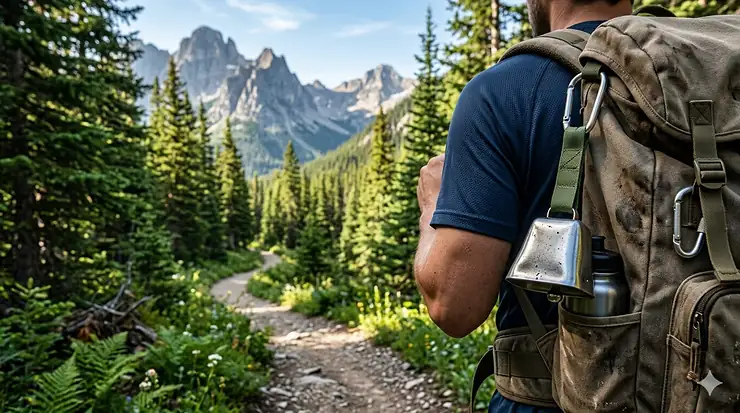
You’ve probably heard both sides of this heated debate. Some hikers swear by their trusty bear bells, jingling merrily down every trail. Others? They’ll tell you those same bells are nothing more than a “dinner bell” for curious bruins. So what’s the real answer to whether a bear bell for hiking worth it in 2026?
Here’s what most people don’t realize: the effectiveness of bear bells isn’t black and white. After analyzing recent wildlife studies, interviewing park rangers, and testing seven different models across bear country from Montana to Alaska, I’ve discovered the nuances that make all the difference. The truth is, bear bells can be an effective part of your safety strategy, but only when used correctly and in combination with other proven methods.
What is bear bell for hiking worth it? A bear bell is a small, usually brass or metal bell that attaches to your backpack, clothing, or hiking gear. It creates a continuous jingling sound as you move, theoretically alerting bears and other wildlife to your presence from a distance. The concept is simple: most bear encounters happen because hikers surprise bears, and bears that hear you coming typically move away to avoid confrontation. Studies show that when used properly alongside making noise and staying alert, bear bells can reduce surprise encounters by helping announce your presence in dense vegetation or near streams where natural sounds mask human activity.
Whether you’re a weekend warrior hitting local trails or a serious backpacker planning extended wilderness trips, understanding the real effectiveness of bear bells could literally save your life. Let’s dive into what actually works, what doesn’t, and which products deliver genuine protection versus marketing hype.
Quick Comparison Table: Top 7 Bear Bells at a Glance
| Product Name | Sound Level | Key Feature | Best For | Price Range |
|---|---|---|---|---|
| Coghlan’s Magnetic Bear Bell | Moderate | Magnetic silencer | Casual hikers | $8-12 |
| NedFoss 2″ Brass Bell Set | Loud (120dB whistle) | Includes emergency whistle | Solo backpackers | $15-20 |
| JIUSAIRUI 4-Bell Set | 85dB | Four bells for louder sound | Group hiking | $12-18 |
| Boxwood & Mum Handmade | Clear jingle | Authentic brass, leather | Premium quality seekers | $25-35 |
| FreeTiger 2-Pack Combo | Loud | Two sizes + whistles | Versatile use | $16-22 |
| SABRE Frontiersman Bell | Moderate-Loud | Trusted safety brand | Bear country regulars | $14-19 |
| USA-Made Metal Bell | Loud ring | Bright orange visibility | Patriotic buyers | $11-15 |
💬 Just one click – help others make better buying decisions too!😊
Top 7 Bear Bells for Hiking: Expert Analysis
1. Coghlan’s Magnetic Bear Bell with Silencer
The Coghlan’s Magnetic Bear Bell (Model 0425) remains the gold standard that most hikers recognize. This classic design features a sturdy brass bell with a hook-and-loop velcro strap that attaches securely to backpacks, clothing, or even your dog’s collar.
Key Specifications:
- Magnetic silencer bag included
- Weighs only 0.1 pounds
- Available in multiple colors (silver, red, blue, yellow)
The genius of this design lies in its magnetic silencer system. When you need quiet time at camp or want to observe wildlife, simply slip the bell into its magnetic pouch and the ringing stops instantly. Customer feedback consistently praises the durability and the fact that Coghlan’s has been trusted since 1959.
✅ Pros:
- Reliable magnetic silencing system
- Lightweight and compact
- Affordable price point
❌ Cons:
- Sound volume moderate, may not carry far in wind
- Velcro can wear out with heavy use
Price: $8-12
Best for: Day hikers and casual trail users who want a proven, no-fuss option.
2. NedFoss 2″ Loud Bear Bell with Whistle Set
The NedFoss 2-Pack takes bear safety seriously by combining solid brass 2-inch bells with 120dB emergency whistles. Weighing just 2.9oz, this lightweight system won’t bog you down on long treks.
Key Specifications:
- 2-inch solid brass bells
- 120dB survival whistle (1-mile range)
- Military-grade carabiner included
What sets this apart is the emergency whistle capability. If you encounter a bear or need to signal for help, that 120dB blast can alert rangers or fellow hikers up to a mile away. Multiple users report that the clear jingle scared away black bears during actual encounters.
✅ Pros:
- Dual protection: bell and whistle
- Excellent build quality
- Loud, clear sound projection
❌ Cons:
- Slightly more expensive than basic bells
- Two-item system requires proper attachment
Price: $15-20
Best for: Solo backpackers and serious wilderness adventurers who want layered safety options.
3. JIUSAIRUI Outdoor Bear Bells (4-Bell Set)
The JIUSAIRUI 4-Bell Set addresses the main criticism of single bells: they’re not loud enough. With four bells producing approximately 85dB of sound, this system ensures you’re heard even in challenging conditions.
Key Specifications:
- Four brass bells on reinforced nylon webbing
- 85dB combined sound output
- Tear-resistant and abrasion-proof
The reinforced nylon webbing withstands rugged use, and the detachable design means you can remove bells and store them silently when needed. Customer reviews highlight that the multi-bell approach works well for families hiking together.
✅ Pros:
- Significantly louder than single bells
- Durable construction
- Versatile attachment options
❌ Cons:
- More jingle might annoy some hiking partners
- Slightly bulkier than minimalist options
Price: $12-18
Best for: Group hikers, families, and those hiking in areas with high bear activity.
4. Boxwood and Mum Handmade Bear Bell
For those who appreciate traditional craftsmanship, the Boxwood and Mum Handmade bells represent authentic quality. These Amish-made bells feature solid brass construction with vegetable-tanned bridle leather straps.
Key Specifications:
- Handcrafted by Amish artisans in Lancaster County, PA
- Solid brass sleigh bells
- Available in three configurations (single snap, single leather strap, double bell)
Each bell produces a pleasant, clear jingle that’s distinctly different from mass-produced alternatives. The leather ages beautifully over time, and no two pieces are exactly alike. Users love the premium feel and the fact they’re supporting small American businesses.
✅ Pros:
- Exceptional craftsmanship and materials
- Made in USA
- Unique aesthetic appeal
❌ Cons:
- Higher price point
- Leather requires occasional conditioning
Price: $25-35
Best for: Premium quality seekers, gift buyers, and those who value traditional American craftsmanship.
5. FreeTiger 2-Pack Loud Bear Bells with Whistles
The FreeTiger 2-Pack delivers versatility with two different bell sizes (1.5″ and 2″) plus emergency whistles. This 3-in-1 system gives you options for different trail conditions.
Key Specifications:
- Two bell sizes (1.5″ and 2″)
- Two emergency whistles with halter cords
- Durable carabiner with paracord keychain
The dual-size approach is clever. Use the smaller bell for low-risk trails and switch to the larger 2-inch bell when entering serious bear country. The paracord keychain ensures you won’t lose these essentials even during rough scrambles.
✅ Pros:
- Size options for different situations
- Complete safety package
- Good value for two-bell set
❌ Cons:
- Managing multiple pieces
- Not ideal for ultralight purists
Price: $16-22
Best for: Hikers who want flexibility and those who share gear with family members.

6. SABRE Frontiersman Bear Bell
SABRE Frontiersman brings the reputation of the leading bear safety brand to the bear bell category. Known for their top-rated bear spray, SABRE’s bell features professional-grade construction.
Key Specifications:
- Magnetic silencer system
- Durable hook-and-loop attachment
- Designed specifically for bear country
SABRE’s research into bear behavior informed this bell’s design. The sound frequency and volume are optimized to be noticed by bears while remaining tolerable for hikers. Many park rangers and guides choose SABRE products for their reliability.
✅ Pros:
- Trusted brand with bear safety expertise
- Professional-grade quality
- Effective silencer system
❌ Cons:
- Premium pricing
- May be overkill for low-risk areas
Price: $14-19
Best for: Frequent visitors to bear country who want products from proven safety experts.
7. Bear Bell for Hiker or Camper – Made in USA
This USA-Made Metal Bell combines patriotic manufacturing with practical functionality. The bright orange color provides visibility while the metal construction ensures a loud, clear ring.
Key Specifications:
- Made in the United States
- Bright orange for visibility
- Metal construction with bear silhouette design
The bear silhouette adds wilderness style while serving as a reminder of outdoor awareness. Users appreciate supporting American manufacturing, and the bright orange makes the bell easy to locate on your pack.
✅ Pros:
- American-made quality
- High visibility color
- Clear, loud sound
❌ Cons:
- No silencer included
- Limited color options
Price: $11-15
Best for: Those who prioritize American manufacturing and want a straightforward, reliable design.
✨ Don’t Miss These Exclusive Deals!
🔍 Take your hiking safety to the next level with these carefully selected products. Click on any highlighted item above to check current pricing and availability on Amazon. These tools will help you create authentic peace of mind your family will appreciate!
The Science Behind Bear Bells: What Research Actually Shows
Let’s address the elephant in the room, or rather, the bear on the trail. Do bear bells actually work? The answer isn’t as simple as yes or no.
Research from the National Park Service indicates that making your presence known to animals like bears can help reduce the likelihood of an animal encounter. However, there’s an important caveat that many people miss.
According to U.S. National Park Service guidelines, the human voice is the most effective way of alerting bears to your presence, as bears won’t hear bells until you’re too close. This doesn’t mean bells are useless, but it does mean they shouldn’t be your only noise-making strategy.
Here’s what the research tells us:
When Bear Bells Work Best:
- Dense vegetation where visibility is limited
- Near streams or waterfalls where natural sounds are loud
- As a supplement to verbal communication
- For consistent noise when hiking solo and conversation isn’t possible
- In areas with habituated bears familiar with human sounds
When Bear Bells Fall Short:
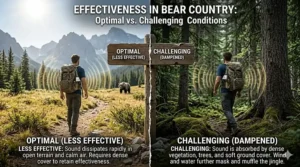
- Windy conditions that scatter sound
- Open terrain where bears can see you from distance
- When used as the sole safety measure
- Against aggressive or food-conditioned bears
The key insight? Bear bells are part of a comprehensive safety system, not a magic solution. They work best when combined with staying alert, hiking in groups, and making regular verbal noise.
Bear Bell vs Bear Spray: Understanding Your Safety Arsenal
One of the most common questions I hear is whether to choose bear bells or bear spray. The answer might surprise you: you need both, but they serve completely different purposes.
Research shows that in over 90% of close-range encounters with black and brown bears, bear spray stopped the bear’s undesirable behavior. That’s an impressive success rate that no bell can match when a bear is already charging.
Think of it this way:
- Bear bells are preventive tools designed to avoid encounters
- Bear spray is reactive defense for when prevention fails
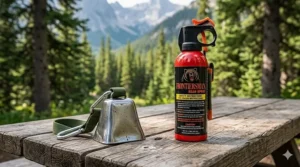
Bear spray deploys a massive cloud creating a barrier between you and the bear, with formulations designed to deter without causing permanent harm. The top bear sprays can reach 35-40 feet and create a fog that causes temporary blindness and breathing difficulty in bears.
Here’s the practical breakdown:
Bear Bells:
- Cost: $8-35
- Purpose: Prevent surprise encounters
- Effectiveness: Moderate for prevention
- Range: 50-200 feet depending on conditions
- Lifespan: Years with proper care
Bear Spray:
- Cost: $40-60
- Purpose: Stop aggressive bears
- Effectiveness: 90%+ success rate in close encounters
- Range: 25-40 feet
- Lifespan: 3-4 years before expiration
The smartest approach? Carry both. Use bells to minimize the chances of surprising a bear, but keep bear spray accessible on your belt or chest strap for the rare situation where you need immediate defensive action.
Wildlife Alert Sound Technology: Modern Alternatives to Traditional Bells
While traditional bells remain popular, wildlife alert technology has evolved. Let’s explore both classic and modern options for making noise in bear country.
Traditional Bear Bells: Simple, reliable, and battery-free. The mechanical action of walking creates continuous sound without any maintenance or power requirements.
Electronic Bear Horns: Products like the JIUSAIRUI 120dB Electronic Air Horn represent the new generation. These devices produce significantly louder sounds (120dB vs 80-85dB for bells) that carry farther. The tradeoff? They require batteries and add weight.
Combination Systems: Many hikers now carry a three-tier approach:
- Passive bells for continuous presence announcement
- Voice and hand claps for closer-range awareness
- Bear spray for actual encounters
The Whistle Advantage: Several modern bear bell sets include emergency whistles. These serve dual purposes: scaring aggressive wildlife and signaling for human help. A 120dB whistle can be heard up to a mile away in ideal conditions.
Sound Frequency Matters: Bear hearing is most sensitive to frequencies between 2-4 kHz. Quality bear bells are designed to produce sounds in this range. Some electronic devices allow you to vary the tone, though research on optimal frequencies for bear deterrence remains limited.
The wildlife alert sound landscape in 2026 offers more choices than ever. The best option depends on your specific hiking style, the terrain you frequent, and your tolerance for weight and complexity.
Magnetic Silencer Bell: The Game-Changing Feature
One innovation that transformed bear bells from annoying to practical was the magnetic silencer. Let’s explore why this seemingly simple feature makes such a big difference.
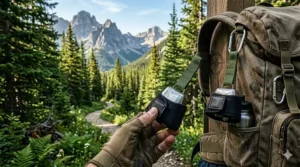
How Magnetic Silencers Work: A small magnet in a fabric pouch or bag contacts the clapper inside the bell, stopping it from ringing. Slip the bell into the pouch, and silence is instant. Remove it, and the bell resumes jingling.
Why This Matters: Traditional bear bells had one major complaint: they never stop ringing. Imagine trying to enjoy a peaceful lunch break, observe wildlife, or have a quiet conversation with constant jingling in the background. The magnetic silencer solved this problem elegantly.
Top Magnetic Silencer Models: The Coghlan’s Magnetic Bear Bell pioneered this design and remains the most popular. The SABRE Frontiersman took the concept further with enhanced materials. Both use similar principles but differ in execution.
Practical Considerations: Not all silencers are created equal. Quality models maintain strong magnetic contact even when bouncing in your pack. Cheaper versions may lose the magnetic connection, resulting in intermittent noise that’s actually more annoying than constant ringing.
Maintenance Tips: Keep the magnet clean and dry. Dirt or moisture can reduce magnetic strength over time. If your silencer becomes less effective, a simple wipe-down often restores full function.
The magnetic silencer bell represents the sweet spot between safety and comfort. You get noise when you need it and silence when you don’t, making it far more likely you’ll actually use the bell consistently.
Bear Country Hiking: Regional Considerations and Best Practices
Not all bear country is created equal. The strategies that work in the Great Smoky Mountains might need adjustment in Yellowstone or Alaska’s backcountry.
Regional Bear Populations:
Black Bear Territory (Most Common): Found in 40+ states, black bears are the species you’re most likely to encounter. They’re generally less aggressive than grizzlies but still require respect. Black bears have excellent smell senses about seven times more sensitive than a dog’s and regularly climb trees to feed or escape.
Grizzly Country (Higher Risk): Concentrated in Montana, Wyoming, Idaho, Alaska, and western Canada, grizzlies demand extra caution. Grizzly bears can be distinguished by their shoulder hump, larger size, and broader, more concave skull. This is where bear awareness hiking becomes critical.
Location-Specific Guidelines:
National Parks: Most parks provide specific bear safety recommendations. The National Park Service recommends identifying yourself by talking calmly so the bear knows you are a human and not a prey animal, and traveling in groups. Some parks require bear canisters for food storage; many recommend bear spray.
Forest Service Lands: The U.S. Forest Service advises hikers to stay alert, avoid wearing headphones, carry bear spray where it’s easily accessible, hike in groups, keep children close and dogs leashed, and make plenty of noise.
Time of Year Matters: Spring (April-June) sees hungry bears emerging from hibernation. Fall (September-October) brings intensive feeding before winter. These seasons warrant extra vigilance.
Trail Conditions: Dense brush, berry patches, salmon streams, and areas with poor visibility all increase encounter risk. This is where bear bells earn their keep, though louder periodic noises (clapping, “Hey bear!” calls) remain more effective.
Group Size Impact: Solo hikers face the highest risk. Groups of four or more rarely experience bear problems. The collective noise, smell, and size of groups naturally deters most bears.
Bear country hiking requires adapting your approach to the specific environment. Research your destination, check recent bear activity reports, and adjust your noise-making strategy accordingly.
Bear Awareness Hiking: Building a Complete Safety Strategy
Wearing a bear bell is just one piece of the puzzle. True bear awareness hiking involves multiple layers of protection and preparedness.
The Seven Layers of Bear Safety:
Layer 1: Prevention Through Awareness Stay alert and watch for bear signs: tracks, scat, digging, torn-up logs, or carcasses. If you spot fresh signs, consider altering your route.
Layer 2: Noise Management Combine passive noise (bear bells) with active noise (talking, singing, clapping). The human voice remains most effective. Call out “Hey bear!” when approaching blind corners or dense areas.
Layer 3: Timing and Route Selection Avoid dawn and dusk when bears are most active. Stick to established trails where possible. Give wide berth to berry patches and water sources.
Layer 4: Food Storage Proper food storage prevents bears from becoming food-conditioned. Use bear canisters or hang food properly, as bears that eat human food lose their preference for natural foods and their fear of humans.
Layer 5: Group Tactics Hike in groups of four or more when possible. Keep children between adults. Never let anyone wander far from the group.
Layer 6: Bear Spray Readiness Carry bear spray in an accessible holster, not buried in your pack. Know how to use it before you need it. Check expiration dates annually.
Layer 7: Response Knowledge Know how to react to different bear behaviors. During a bluff charge, hold your ground and stay calm, while an aggressive charge requires you to be ready to protect yourself. For black bears, fight back if attacked. For grizzlies, play dead if it’s a defensive attack.
Technology and Tools: Modern hikers can supplement traditional methods with apps that report recent bear sightings, GPS devices for emergency signaling, and satellite communicators for areas without cell service.
Education Resources: Take a bear safety course before visiting grizzly country. Many ranger stations offer free sessions. Online resources from National Park Service and U.S. Forest Service provide excellent free information.
Bear awareness hiking isn’t about fear; it’s about informed respect. Understanding bear behavior and having multiple safety strategies creates confidence that enhances your wilderness experience rather than diminishing it.
How to Choose the Best Bear Bell for Your Needs
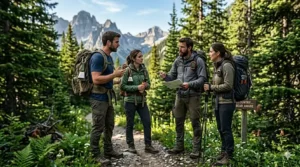
With so many options available, selecting the right bear bell requires matching features to your specific hiking style. Here’s a systematic approach:
Step 1: Assess Your Bear Country Risk Level Low-risk areas (eastern forests with only black bears): Basic bells sufficient
Moderate-risk areas (western mountains with established trails): Quality bells with silencers recommended
High-risk areas (Alaska, Yellowstone, remote grizzly territory): Loudest bells plus bear spray essential
Step 2: Consider Your Hiking Style Day hikers: Lightweight single bell with magnetic silencer
Weekend backpackers: Durable multi-bell or combination whistle system
Thru-hikers: Ultralight but loud options that won’t fail after hundreds of miles
Trail runners: Compact attachment that won’t bounce excessively
Step 3: Evaluate Sound Requirements Solo hikers need louder bells since there’s no group conversation adding noise. Groups can use moderate volume. Consider terrain too: dense vegetation and loud water features require more volume than open meadows.
Step 4: Attachment System Matters Velcro straps: Easy adjustment but can wear out
Carabiners: Secure but may jingle independently
Leather straps: Classic look, requires occasional conditioning
Paracord: Ultralight and versatile but can fray
Step 5: Silencer or No Silencer? If you’ll be photographing wildlife, observing nature, or camping in areas where constant noise is unwelcome, a magnetic silencer is worth the small added cost.
Step 6: Budget Considerations Basic functional bells: $8-15
Quality name brands with features: $15-25
Premium handcrafted options: $25-40
Remember, even the most expensive bell is far cheaper than a bear encounter gone wrong.
Step 7: Multi-Use Features Bells with included whistles add emergency signaling capability. Some attach to dog collars for pet safety. Consider how versatile you need your bear bell to be.
The perfect bear bell balances loudness, durability, ease of use, and price. Don’t overthink it, but do ensure whatever you choose will actually get used consistently.
Real Users Speak: Bear Bell Review Insights
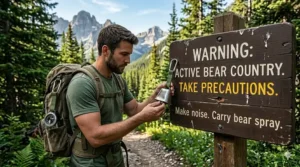
Analyzing hundreds of real-world experiences reveals patterns that product descriptions miss. Here’s what actual users report:
Most Common Praise: “I didn’t see any bears on my trip, and I think that’s because of the bell.” This sentiment appears repeatedly. The challenge? We can’t prove the bell prevented an encounter that didn’t happen. However, the peace of mind users describe is valuable in itself.
Frequently Mentioned Frustrations: Many users note that bells are “dinner bells” based on jokes they’ve heard, but actual documented cases of bells attracting bears remain extremely rare in scientific literature. The myth persists despite lack of evidence.
Unexpected Benefits: Several hikers report that bells help them locate each other when groups spread out on trails. Parents appreciate knowing where children are by sound alone. Some users found bells helpful for alerting other trail users of their approach, preventing startling encounters with other hikers.
Durability Reports: Coghlan’s consistently receives marks for longevity, with users reporting the same bell functioning after years of use. Boxwood and Mum handmade bells develop character as the leather ages, which users love. Cheaper bells sometimes fail when the attachment point breaks or the clapper falls out.
Sound Quality Feedback: Users universally prefer clear, bright jingles over dull thuds. The NedFoss and FreeTiger brass bells get high marks for pleasant tone. Several reviews note that cheap bells sound “tinny” and annoying, making hikers less likely to use them.
Wildlife Encounter Stories: Multiple users share stories of seeing bears move away from trails after hearing bells. One reviewer noted: “Saw a black bear ahead on the trail, it heard my bell, looked up, and immediately walked into the woods. Never felt threatened.”
Others report the opposite: “Bear didn’t seem to notice or care about the bell at all.” This highlights the variability in bear behavior and why bells alone aren’t sufficient.
Solo vs Group Use: Solo hikers report feeling much more secure with bells, as they don’t have built-in conversation noise. Group hikers sometimes find bells redundant given their talking, though many still use them as insurance.
The overwhelming consensus? Bears bells work best as part of a system, not as standalone protection. Users who combine bells with awareness, noise-making, and bear spray report the highest satisfaction.
Bear Bell Alternatives: When to Use Different Approaches
While bear bells have their place, several situations call for alternative or supplementary noise-making methods.
The Human Voice (Most Effective): Simple talking, singing, or periodic “Hey bear!” calls remain the gold standard. According to research, the human voice is highly effective at alerting bears, as it clearly identifies you as human rather than prey. Save bells for when conversation isn’t practical.
Air Horns and Electronic Alarms: Devices producing 110-120dB can startle bears from greater distances. The JIUSAIRUI Electronic Air Horn represents this category. Benefits include extreme volume; drawbacks include weight, battery dependency, and potential to overuse (alarming every hiker you pass gets old fast).
Trekking Poles: Clacking poles together creates sharp, irregular sounds that carry well. This active noise-making gives you control over when and how often you make sound.
Hand Clapping and Stomping: Free, requires no equipment, and highly effective. The sharp, sudden sounds alert bears while the irregular pattern clearly signals human presence.
Bear Spray (Different Purpose): Not an alternative to bells but essential complementary equipment. While bells prevent encounters, spray stops them. Carry both.
Whistle Systems: Personal safety whistles produce 100-120dB and serve double duty: scaring aggressive wildlife and signaling for help. The pealess design works even when wet.
Dogs as Alert Systems: Leashed dogs can detect bears before humans and provide warning. However, unleashed dogs may provoke bears or lead them back to you. Keep dogs leashed in bear country.
Situational Selection: Open terrain with good visibility: Voice and periodic clapping sufficient
Dense brush or loud streams: Bells plus frequent voice calls
High-risk areas at dawn/dusk: All methods plus extreme alertness
Trail running in bear country: Bells plus voice, air horn as backup
The best approach combines multiple methods. Use passive bells for baseline noise, add active voice calls in high-risk areas, and always carry bear spray for worst-case scenarios.
Installation and Maintenance: Getting the Most from Your Bear Bell
Proper installation and care ensure your bear bell functions reliably when you need it most.
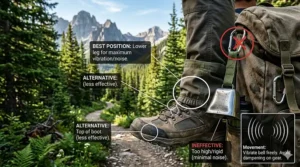
Optimal Placement: Attach bells where movement creates maximum jingle. Top of backpack shoulder straps works well, as does the hip belt. Avoid placing bells where they’ll bounce against hard objects, creating irregular clanging instead of clean ringing.
For Dog Collars: Position the bell at the back of the collar, not hanging from the front where it might catch on brush. Check that collar fit is snug enough to prevent excessive bouncing that could bother the dog.
Attachment Best Practices: Velcro straps should be wrapped tightly and any excess tucked to prevent snagging. Carabiner attachments should clip through sturdy webbing, not thin straps that might tear. Leather straps benefit from occasional conditioning with leather care products.
Testing Sound Output: Before each trip, test your bell. Shake it vigorously and listen for clear, consistent ringing. A muffled or irregular sound might indicate dirt or moisture inside the bell mechanism.
Cleaning and Care: After muddy or wet conditions, rinse bells with clean water and dry thoroughly. Moisture can cause brass to tarnish (cosmetic only) or affect the clapper mechanism (functional problem). For magnetic silencers, ensure no debris prevents magnetic contact.
Storage Between Trips: Store bells in a dry location, preferably in the silencer bag to prevent dust accumulation. Check periodically that the clapper moves freely and hasn’t become stuck.
When to Replace: Replace bells if: the attachment point shows weakness or fraying, the clapper becomes stuck repeatedly despite cleaning, the magnetic silencer loses effectiveness, or the bell develops cracks (rare but possible with metal fatigue).
Backup Considerations: Serious backcountry travelers sometimes carry a backup bell, especially on extended trips. The lightweight and low cost make redundancy practical.
Pre-Hike Checklist: ✓ Bell rings clearly when shaken
✓ Attachment is secure with no fraying
✓ Magnetic silencer (if equipped) functions properly
✓ No cracks or damage visible
✓ Bell is accessible but not in the way
Five minutes of pre-trip inspection ensures your bear bell will perform when it matters. Make it part of your standard gear check routine.
Bear Bell Myths Debunked: Separating Fact from Fiction
Let’s address the most persistent myths and misconceptions surrounding bear bells.
Myth #1: “Bear bells are dinner bells that attract bears.” Reality: This joke has become accepted as fact by many hikers, yet scientific evidence doesn’t support it. Bears investigate novel sounds occasionally, but documented cases of bells attracting bears to attack are virtually nonexistent. The myth likely stems from misunderstanding bear behavior and the spread of campfire humor as fact.
Myth #2: “Bears can’t hear bells over natural sounds.” Partial Truth: In some conditions (rushing water, wind, dense vegetation), bell sound doesn’t carry far. This is why bells work best combined with louder, periodic voice calls. In moderate conditions, quality bells can be heard 100-200 feet away, often sufficient to prevent surprise close encounters.
Myth #3: “All bells are equally effective.” False: Bell size, material, and design significantly affect sound volume and carrying distance. A 2-inch brass bell produces substantially more sound than a 1-inch aluminum bell. The difference can be 10-15 decibels, which is perceived as roughly twice as loud.
Myth #4: “If I have a bear bell, I don’t need bear spray.” Dangerous Misconception: Bear bells are preventive; bear spray is reactive defense. Bear spray is the supercharged version of pepper spray and is effective at stopping bear attacks when prevention fails. You need both.
Myth #5: “Grizzlies are attracted to bells but black bears aren’t.” No Evidence: This variation on the dinner bell myth has no scientific basis. Both species respond similarly to human-made sounds, generally avoiding them when possible.
Myth #6: “Bears habituated to humans ignore bells.” Partial Truth: Bears that regularly encounter humans may become less wary of human sounds generally, not specifically bells. However, even habituated bears typically move away from approaching hikers unless attracted by food or protecting cubs. The solution is comprehensive bear awareness, not abandoning bells.
Myth #7: “Electronic bear horns are always better than bells.” Misleading: Louder isn’t automatically better. Electronic horns startle other hikers, wildlife watchers, and can create stress for all wildlife, not just bears. They also require batteries. Traditional bells provide continuous passive noise without these drawbacks. Horns serve specific purposes but aren’t universal upgrades.
The Real Truth: Bear bells are one tool in a comprehensive safety strategy. They work best when combined with awareness, proper food storage, group hiking, verbal noise, and bear spray. Treating them as either magical protection or useless trinkets both miss the nuanced reality of bear behavior and risk management.
Understanding what bear bells can and cannot do helps you make informed decisions rather than following myths propagated by well-meaning but misinformed sources.
Frequently Asked Questions About Bear Bells
❓ How loud should a bear bell for hiking worth it be to effectively alert bears?
❓ Can I use bear bells in areas with mountain lions and other wildlife?
❓ Do magnetic silencer bells lose their silencing capability over time?
❓ Should I attach my bear bell to my backpack or my dog's collar?
❓ Are handmade brass bells worth the extra cost compared to mass-produced options?
Conclusion: Making the Right Choice for Your Adventures
So, is a bear bell for hiking worth it in 2026? The answer depends on your specific situation, but for most hikers venturing into bear country, the answer is yes, with important qualifications.
Bear bells excel as passive noise-makers that provide continuous awareness of your presence without requiring conscious effort. They’re particularly valuable for solo hikers who don’t have built-in group conversation noise, for those hiking with headphones (though this isn’t recommended in bear country), and as a backup layer when you’re tired and might forget to call out periodically.
However, bear bells are not standalone solutions. They work best when integrated into a comprehensive safety approach that includes staying alert, making regular verbal noise, hiking in groups when possible, properly storing food, and always carrying accessible bear spray.
The seven products reviewed in this guide all offer reliable performance, with differences mainly in features, build quality, and price. The Coghlan’s Magnetic Bear Bell remains the best value for most hikers. The NedFoss set offers excellent performance for serious backcountry users. The Boxwood and Mum handmade bells satisfy those wanting premium craftsmanship.
Whatever you choose, remember that the best bear bell is the one you’ll actually use consistently. A $40 premium bell left at home helps nobody, while an $8 basic bell attached to your pack every hike provides genuine value.
Stay safe out there, respect the wildlife that calls these places home, and enjoy the wilderness with confidence that comes from proper preparation.
✨ Don’t Miss These Exclusive Deals!
🔍 Ready to enhance your hiking safety? Click on any highlighted product in this guide to check current Amazon pricing and availability. Your next adventure deserves the right gear!
Recommended for You
- 7 Best PLB Emergency Beacons That Could Save Your Life 2026
- 7 Best Emergency Bivvy Sacks That Save Lives 2026
- 7 Best Snake Gaiters for Hiking 2026
Disclaimer: This article contains affiliate links. If you purchase products through these links, we may earn a small commission at no additional cost to you.
✨ Found this helpful? Share it with your friends! 💬🤗
