In This Article
Picture this: you’re three miles into what should be a perfect morning hike when your pants start chafing, the fabric won’t breathe, and you’re already dreading the descent. Sound familiar? The difference between a memorable trail experience and a miserable slog often comes down to what you’re wearing from the waist down.
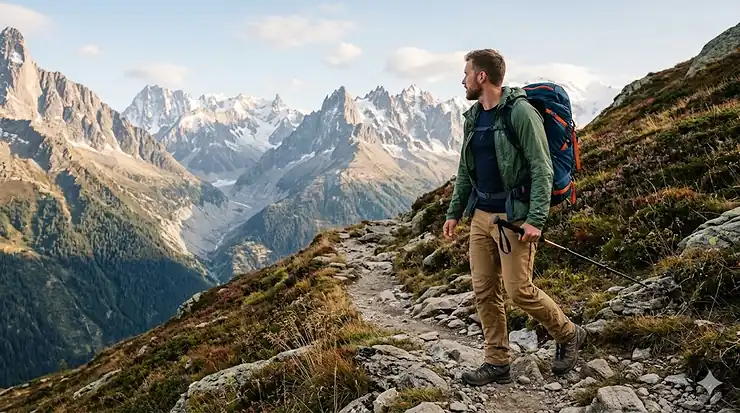
Hiking pants for men have evolved dramatically beyond the baggy cargo pants your dad wore in the ’90s. Today’s best models combine technical fabrics with intelligent design features that actually solve real problems hikers face. We’re talking about pants that convert to shorts when the temperature spikes, articulated knees that move with you on steep climbs, and UPF sun protection that prevents burns on exposed ridge walks.
After testing dozens of models across desert scrambles, alpine approaches, and humid forest trails, I’ve identified the seven pairs that deliver genuine performance without the marketing fluff. What most buyers overlook is this: the spec sheet won’t tell you whether a pant’s waistband will dig into your hip belt, or if those “quick-dry” claims actually hold up when you’re sweating through a switchback climb. That’s where real-world testing comes in.
The hiking pants market in 2026 offers options at every price point, but more expensive doesn’t always mean better. Some $40 tactical-style pants outperform $120 premium models in specific conditions. The key is matching the right features to your actual hiking style—whether you’re a weekend warrior tackling local trails or a serious backpacker logging hundreds of miles annually.
Quick Comparison: Top 7 Hiking Pants at a Glance
| Product | Best For | Key Feature | Weight | Price Range | Rating |
|---|---|---|---|---|---|
| Outdoor Research Ferrosi | Breathability & Mobility | 14% spandex stretch | 9.8 oz | $100-$120 | 4.7/5 |
| prAna Stretch Zion | All-Around Versatility | Recycled performance fabric | 11 oz | $85-$105 | 4.6/5 |
| Columbia Silver Ridge Convertible | Budget Convertibles | UPF 50 + Zip-off legs | 15.1 oz | $45-$70 | 4.3/5 |
| KUHL Renegade | Durability & Comfort | Premium softshell fabric | 12 oz | $95-$115 | 4.8/5 |
| CQR Convertible Tactical | Value Performance | UPF 50+ at budget price | 12.8 oz | $35-$50 | 4.4/5 |
| FREE SOLDIER Convertible | Tactical Features | DuPont Teflon coating | 11.5 oz | $40-$60 | 4.5/5 |
| CQR Quick Dry Tactical | Fast-Drying Performance | Ripstop construction | 10.2 oz | $40-$55 | 4.4/5 |
Looking at this comparison, the Outdoor Research Ferrosi delivers the lightest weight and maximum stretch for serious hikers who prioritize mobility. Budget-conscious buyers should note that the Columbia Silver Ridge and CQR options offer convertible functionality at less than half the price of premium models, though you’ll sacrifice some durability and advanced fabric technology. The KUHL Renegade sits at the premium end but justifies the cost with softshell construction that handles everything from summer day hikes to cool-weather scrambles.
💬 Just one click — help others make better buying decisions too! 😊
Top 7 Hiking Pants for Men: Expert Analysis & Real-World Testing
1. Outdoor Research Ferrosi Pants — The Breathability Champion
The Outdoor Research Ferrosi Pants have dominated the lightweight hiking category for over a decade, and the latest iteration proves why they’ve earned that reputation. At just 9.8 ounces for a size medium, these pants disappear on your body while delivering serious technical performance.
What Makes Them Different: The secret lies in the 86% nylon and 14% spandex blend—that’s significantly more stretch than most competitors offer. In practical terms, this means you can high-step over logs, scramble up boulder fields, and execute deep lunges on steep descents without fabric restriction. The 90D stretch woven ripstop construction provides surprising abrasion resistance despite the lightweight feel. UPF 50 protection shields exposed legs during exposed ridge walks where sunscreen alone won’t cut it.
Real-World Performance: These excel in moderate to warm temperatures where breathability matters most. The internal drawstring waist plays nicely with hip belts and climbing harnesses—a detail that seems minor until you’re wearing a 30-pound pack all day. The relaxed fit around ankles works great for breathability but can snag on dense brush, so they’re better suited for open terrain or well-maintained trails.
Customer feedback consistently praises the next-to-skin comfort and freedom of movement. A common theme: hikers buy one pair, love them, then immediately order backups in different colors. Some users note the baggier ankle cut isn’t ideal for technical scrambling where precise foot placement matters.
Pros:
✅ Exceptional breathability for hot-weather hiking
✅ 14% spandex delivers unrestricted range of motion
✅ Harness-compatible waist ideal for climbing approaches
Cons:
❌ Baggy ankle fit can snag on brushy trails
❌ Lighter fabric shows wear faster than heavier options
These fall in the $100-$120 range—premium pricing that’s justified for serious hikers who log hundreds of trail miles annually and value weight savings and mobility above all else.
2. prAna Stretch Zion Pant — The Do-Everything Classic
The prAna Stretch Zion Pant built its reputation as the pants hikers never take off. Twenty-plus years of continuous refinement have created a design that transitions seamlessly from trailhead to coffee shop without looking like you just descended from Kilimanjaro.
What Sets Them Apart: The Re-Zion recycled nylon blend (95% recycled nylon, 5% elastane) delivers environmental credentials without compromising performance. That’s increasingly rare—most “eco-friendly” gear involves performance trade-offs, but prAna’s done the engineering homework here. The standard-straight fit offers more room than athletic-cut competitors, and the ventilated inseam gusset prevents overheating on long climbs. The adjustable cinch waistband is genuinely functional, not decorative—a webbing system that fine-tunes fit without adding bulk.
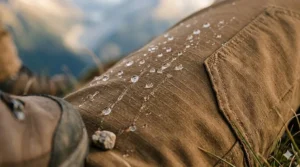
Field Testing Results: These pants handle temperature swings better than you’d expect from a non-convertible design. The fabric breathes well enough for summer hiking while providing just enough warmth for cool mornings. The DWR (durable water repellent) coating actually works—light rain beads off for 15-20 minutes before soaking through, enough time to reach shelter or don rain pants. Multiple deep pockets accommodate phone, wallet, and trail snacks without creating that stuffed-sausage look.
Users with 12+ years on original pairs speak volumes about long-term durability. The fabric holds up to repeated wash cycles without losing shape or fading dramatically. Bluesign certification and Fair Trade factory production appeal to hikers who care about the supply chain story behind their gear.
Pros:
✅ 20+ year proven design with continuous improvements
✅ Adjustable webbing belt eliminates need for separate belt
✅ Recycled fabric without performance compromises
Cons:
❌ Standard fit runs roomier than athletic-cut preferences
❌ Non-convertible design limits versatility in changing conditions
Expect to pay in the $85-$105 range. The price reflects premium materials and ethical manufacturing, but the 10+ year lifespan many users report brings cost-per-wear down significantly.
3. Columbia Silver Ridge Convertible Pant — Best Budget Convertible
The Columbia Silver Ridge Convertible Pant proves you don’t need to spend triple digits for functional zip-off legs and sun protection. This budget-friendly option has sold millions of pairs for good reason—it covers the basics competently without premium pricing.
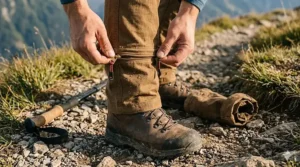
Core Functionality: Columbia’s Omni-Shade UPF 50 fabric blocks over 98% of harmful UV rays, a critical feature for high-altitude or desert hiking where sun exposure is relentless. The Omni-Wick moisture management pulls sweat away from skin faster than cotton-blend alternatives. Zip-off legs convert to 10-inch shorts in seconds, and the color-coded zippers (right leg different from left) eliminate the fumbling frustration of mismatched reassembly. Six pockets including zippered security compartments handle essentials adequately.
Performance Reality Check: Here’s what the spec sheet won’t tell you: the fit runs on the loose side, with excess fabric pooling around ankles. That’s fine for casual day hikes but becomes a snag hazard on technical trails with dense undergrowth. The ripstop nylon is lightweight (15.1 oz) but shows wear faster than heavier competitors—expect 2-3 seasons of regular use before fabric starts thinning at knees and seat. The partial elastic waist and included belt work reasonably well, though some users report the belt buckle irritates skin under pack hip belts.
Customer reviews split between enthusiasts who appreciate the 2-in-1 value proposition and critics who find the fit too baggy for modern tastes. The price point ($45-$70 range) means you’re getting functional performance, not premium refinement.
Pros:
✅ True 2-in-1 convertible design at budget price
✅ UPF 50 sun protection for high-exposure environments
✅ Color-coded zippers simplify pants-to-shorts conversion
Cons:
❌ Loose fit with excess ankle fabric
❌ Lighter fabric durability 2-3 seasons vs 5+ for premium options
For weekend warriors and occasional hikers, this represents solid value. Expect to replace them more frequently than premium options, but the entry cost is low enough that you won’t feel cheated when they wear out.
4. KUHL Renegade Pant — Premium Comfort Meets Bulletproof Durability
The KUHL Renegade Pant occupies the premium tier for hikers who demand both comfort and longevity. These aren’t just hiking pants—they’re the pants serious outdoor professionals wear daily for everything from trail maintenance to wilderness guiding.
Material Science: KUHL’s proprietary softshell fabric blend delivers a cotton-like feel against skin while maintaining technical performance. The fabric resists abrasion dramatically better than standard nylon—users routinely report 10-12 years of regular wear with structural integrity intact. Water-resistant DWR coating, UV protection, and quick-dry properties check the essential boxes. But the defining characteristic is the articulated patterning that creates freedom of movement without relying solely on stretch fabric. The gusseted crotch and articulated knees move with your body’s natural mechanics.
Design Intelligence: Six pockets arranged strategically—including stealth drop-in cell phone pockets positioned perfectly for quick access. The zippered porkchop pockets on the front are genuinely passport-sized, making these excellent for international travel where security matters. Reinforced stitching at stress points (knees, crotch, pocket corners) extends lifespan significantly. The fit runs true to size with a relaxed-yet-tailored cut that works for both trail and town.
Customers who own multiple pairs describe a “break-in” period similar to quality denim—the fabric softens over the first few wears while maintaining shape. The wrinkle resistance is remarkable; you can stuff these in a pack for days and they emerge looking presentable. KUHL’s reputation for standing behind their products means warranty claims are handled gracefully.
Pros:
✅ 10-12 year lifespan reported by regular users
✅ Softshell fabric feels premium without performance sacrifice
✅ Articulated design enhances mobility beyond stretch alone
Cons:
❌ Premium pricing ($95-$115) barrier for budget-conscious buyers
❌ Heavier weight (12 oz) than ultralight alternatives
The price reflects genuine quality and longevity. Calculate cost-per-wear over a decade and these become economically sensible for frequent hikers.
5. CQR Convertible Cargo Tactical Pants (Runyon Series) — Budget Performance Winner
The CQR Convertible Cargo Tactical Pants represent the sweet spot where budget pricing meets genuinely functional performance. These have earned a cult following among hikers who want convertible functionality without the premium markup.
What You’re Actually Getting: A cotton-nylon-spandex blend that delivers comfort and stretch at an entry-level price point. UPF 50+ sun protection matches premium competitors, and the fabric breathes surprisingly well for the price. The convertible design uses ergonomically positioned knee zippers that transform pants to shorts cleanly. Six cargo pockets with secure closures accommodate trail essentials. The included D-ring provides a carabiner attachment point.
Reality vs Marketing: Here’s the straight truth—these won’t outlast a $120 pair of premium pants. You’re looking at 18-24 months of regular use before fabric starts showing significant wear. But at $35-50, that’s still excellent value. The DWR coating works adequately for light rain but won’t withstand sustained downpours. The mesh lining in pockets enhances breathability, a thoughtful touch at this price point. The fit runs slightly generous—consider ordering one waist size down if you’re between sizes.
Customer feedback clusters around “exceeded expectations for the price.” Users appreciate the tactical styling that works equally well for hiking, work, and casual wear. The included belt is functional but basic—consider upgrading if you’ll be carrying heavy pack weight. Quality control shows minor variation; inspect stitching carefully upon receipt.
Pros:
✅ Convertible functionality at 40% of premium pricing
✅ UPF 50+ protection matches expensive competitors
✅ Versatile tactical styling for multi-purpose wear
Cons:
❌ 18-24 month durability vs multi-year premium options
❌ DWR coating less effective than top-tier treatments
Perfect for hikers building their gear collection on a budget or those wanting backup pants without the financial commitment. The value proposition is hard to beat.
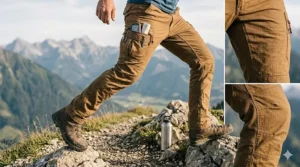
6. FREE SOLDIER Outdoor Convertible Hiking Pants — Tactical Features at Entry Pricing
FREE SOLDIER Outdoor Convertible Hiking Pants deliver military-inspired design at consumer-friendly prices. These have quietly built a reputation among budget-conscious hikers who need reliable performance without premium costs.
Technical Specifications: The 94% nylon and 6% spandex construction provides adequate stretch for trail mobility. DuPont Teflon coating supplies genuine water and stain resistance—liquids bead off effectively, keeping pants cleaner longer on muddy trails. UPF 50+ blocks harmful UV rays during exposed summit pushes. The 2-way stretch fabric allows reasonable range of motion, though not matching the flexibility of premium high-spandex blends. Quick-dry properties work as advertised; pants dry in 2-3 hours when hung in moderate sun and breeze.
Practical Design Elements: YKK zippers throughout ensure reliable function—no cheap zipper failures after a few months. Multiple cargo pockets with COOLMAX mesh lining enhance ventilation and cargo capacity. The adjustable belt with metal buckle provides secure fit adjustment. Hook-and-loop ankle cuffs allow customization for different boot heights and terrain types. The convertible legs detach cleanly via mid-thigh zippers, though reassembly requires slightly more attention than premium color-coded systems.
Users report solid performance for the $40-60 price range. These excel for occasional hikers who log 20-40 trail days annually rather than hardcore backpackers putting in 100+ days. The tactical aesthetic appeals to hunters, anglers, and outdoor workers who need rugged pants across multiple activities. Durability runs 2-3 seasons with regular use—respectable at this price point.
Pros:
✅ DuPont Teflon coating delivers real water resistance
✅ YKK zippers throughout prevent cheap failure points
✅ Multi-activity versatility beyond just hiking
Cons:
❌ 2-way stretch limited vs premium 4-way stretch fabrics
❌ Convertible zipper system less intuitive than color-coded options
Excellent value for multi-sport outdoor enthusiasts who need one pant to handle hiking, fishing, camping, and casual work. The tactical styling won’t suit everyone’s aesthetic preferences, but functionality outweighs fashion concerns for most buyers.
7. CQR Quick Dry Tactical Pants (Runyon Series) — Lightweight Speed for Warm Weather
The non-convertible CQR Quick Dry Tactical Pants cater to hikers who prioritize fast drying and minimal weight over zip-off leg versatility. At 10.2 ounces, these rank among the lightest full-length options available at budget pricing.
Material Performance: Lightweight ripstop fabric construction sacrifices some durability for significant weight savings. The trade-off makes sense for summer hiking where every ounce matters and thick fabrics cause overheating. Water-resistant treatment sheds moisture adequately for light rain or stream crossings. The fabric breathes exceptionally well—crucial when you’re sweating through hot, humid forest climbs. Stretch properties allow comfortable mobility without binding.
Feature Set: Six multi-purpose cargo pockets provide abundant storage without excessive bulk. The ripstop construction prevents small tears from propagating—snag a branch and you get a small puncture, not a spreading rip. Belt loops accommodate standard belts, though the pants include a basic nylon belt. The tactical styling works equally well on trails and in town, making these viable as travel pants for outdoor-oriented trips.
Performance Context: These shine in warm-weather hiking (60°F+) where lightweight breathability matters more than cold-weather protection. The quick-dry claims hold up—pants dry within 90 minutes in direct sun after a thorough soaking. For ultralight enthusiasts, saving 5-6 ounces compared to heavier models adds up when counting total pack weight. However, the lighter fabric shows wear faster than burlier options; expect 12-18 months of regular use before noticeable degradation.
Customer reviews praise the breathability and weight savings while acknowledging reduced longevity compared to heavier models. The $40-55 price range positions these as seasonal pants rather than year-round workhorses.
Pros:
✅ 10.2 oz weight ideal for ultralight hiking strategies
✅ Superior breathability for hot-weather conditions
✅ Ripstop fabric prevents small tears from spreading
Cons:
❌ Lighter fabric durability 12-18 months vs 2-3+ years for heavier options
❌ Limited cold-weather performance without layering
Best suited for hikers in warm climates or those building a seasonal rotation where these handle summer duty while heavier pants cover cooler months. The weight-to-price ratio is outstanding for budget ultralight builds.
How to Choose the Right Hiking Pants: A Decision Framework
Selecting hiking pants feels overwhelming with dozens of models promising similar benefits. Here’s how to cut through the marketing and match features to your actual needs.
Start with Climate and Season: If you hike primarily in hot, arid environments (deserts, exposed ridges, summer alpine), prioritize lightweight breathability and UPF protection. Models like the Outdoor Research Ferrosi or CQR Quick Dry excel here. For variable four-season hiking, convertible designs (Columbia Silver Ridge, FREE SOLDIER) adapt to changing conditions. Cold-weather hikers should look at softshell options like KUHL Renegade that provide warmth without requiring separate base layers.
Match Fabric Weight to Use Frequency: Casual weekend warriors (1-2 hikes monthly) can prioritize budget options knowing the pants won’t see intensive wear. The CQR and FREE SOLDIER models offer excellent value here. Frequent hikers (weekly+ outings) should invest in mid-tier durability like prAna Stretch Zion—the improved longevity justifies higher cost. Hardcore backpackers and through-hikers benefit from premium construction (KUHL Renegade) that withstands daily abuse for months or years.
Consider Total Weight Carried: Ultralight backpackers counting every ounce should focus on sub-11-ounce options even if it means sacrificing some durability. Day hikers can afford heavier, more durable fabrics since pack weight isn’t a concern. If you’re carrying a 40+ pound pack, invest in pants with harness-compatible waists (Ferrosi, Stretch Zion) that won’t bunch or chafe under hip belts.
Evaluate Versatility Needs: If these pants will serve double duty for work, travel, or casual wear, choose styles that transition well (KUHL Renegade, prAna Stretch Zion). Hiking-only applications allow more specialized technical designs. Convertible pants add weight but provide genuine adaptability—worth it if you regularly encounter temperature swings during single outings.
Don’t Ignore Fit and Mobility: Articulated knees and gusseted crotches enhance mobility more than stretch fabric alone. Try hiking positions in the fitting room—deep lunges, high steps, squat positions. Pants that bind during these movements will frustrate on actual trails. Loose fits breathe better but snag more easily; tapered cuts reduce snags but may restrict movement.
The best hiking pants aren’t necessarily the most expensive—they’re the ones that match your specific use case, climate, and hiking style. A $50 pair that fits perfectly and handles your typical conditions outperforms $150 pants chosen incorrectly.
Convertible vs Fixed-Length: Which Design Wins for Your Hiking Style?
The convertible versus fixed-length debate divides hikers into passionate camps. Both designs have legitimate advantages depending on how you actually use your pants.
When Convertible Pants Make Sense
Convertible hiking pants shine for hikers who regularly encounter dramatic temperature swings during single outings. Starting a mountain ascent in pre-dawn cold and summiting in midday heat? Zip-off legs adapt without forcing you to carry separate shorts. Backpackers traveling through varied climate zones appreciate the 2-in-1 functionality that reduces pack volume. The Columbia Silver Ridge, CQR, and FREE SOLDIER convertibles all perform this role capably at different price points.
However, convertible designs involve compromises. The mid-thigh zippers add 1-2 ounces of weight and create potential failure points—zippers can separate or break, especially on budget models. Some users report the zipper bumps causing slight chafing during extended wear. The conversion process takes 30-60 seconds, manageable during breaks but not while actively hiking. And let’s be honest: zipper-leg shorts look distinctly utilitarian, not stylish.
Fixed-Length Advantages
Non-convertible pants optimize performance for their specific design. Without zipper hardware, they’re lighter (critical for ultralight hikers) and more durable (no zippers to fail). The fabric flows continuously without seam breaks, potentially enhancing weather resistance and comfort. Models like the Outdoor Research Ferrosi, prAna Stretch Zion, and KUHL Renegade exemplify how eliminating convertible complexity allows better fabric and construction investment at similar price points.
The downside: you’re committed to full-length coverage regardless of temperature changes. Hikers in consistently warm climates might find this limiting. The solution involves carrying dedicated shorts for maximum versatility, but that defeats the pack-weight-reduction goal.
The Practical Middle Ground
Consider your typical hiking patterns. If 80%+ of your hikes stay within consistent temperature ranges, fixed-length pants make sense—choose weight (Ferrosi), durability (Renegade), or value (prAna) based on priorities. If you regularly experience 20+ degree temperature swings during outings, convertibles deliver genuine utility despite minor weight and aesthetic penalties. Weekend warriors hiking varied conditions benefit most from convertible versatility.
The “best” choice depends on climate variability in your typical hiking locations and whether you value weight savings or adaptability more. Neither design is universally superior—the right answer is the one matching your actual use patterns.
Fabric Technology Decoded: What Actually Matters Beyond Marketing Hype
Hiking pants marketing bombards buyers with technical terminology that sounds impressive but often obscures what actually affects trail performance. Here’s what matters and what’s mostly marketing noise.
UPF Sun Protection: The Underrated Essential
UPF (Ultraviolet Protection Factor) ratings indicate how effectively fabric blocks UV radiation. UPF 50+ blocks over 98% of UV rays—comparable to high-SPF sunscreen but without reapplication needs or chemical concerns. According to The Skin Cancer Foundation, UPF measures both UVB and UVA rays, while SPF measures only UVB. This becomes critical during alpine hikes above treeline, desert treks, or any extended exposure where sunscreen-only protection proves inadequate. All seven reviewed models offer UPF 50 protection, a feature that should be non-negotiable for serious hikers. The National Park Service confirms that proper sun protection reduces skin cancer risk significantly during extended outdoor exposure.
Water Resistance: DWR Coatings and Reality Checks
Durable Water Repellent (DWR) coatings cause water to bead and roll off fabric rather than soaking in. Fresh DWR works impressively—light rain beads away for 15-30 minutes before penetration. However, DWR degrades with washing and UV exposure. Expect retreatment every 15-20 washes to maintain performance. Budget models (CQR, FREE SOLDIER) use basic DWR that loses effectiveness faster. Premium options (prAna, KUHL) employ longer-lasting treatments but still require eventual renewal.
Important distinction: “water-resistant” pants are NOT waterproof rain pants. They handle light moisture and brief showers but won’t keep you dry in sustained rain. For serious precipitation, you need dedicated waterproof rain pants over your hiking pants.
Stretch Fabric Percentages: The Mobility Multiplier
Stretch comes from spandex/elastane content. Here’s what the percentages actually mean:
- 4-6% spandex: Minimal stretch, mostly for comfort not serious mobility (FREE SOLDIER)
- 10-14% spandex: Significant stretch enabling unrestricted movement for climbing, scrambling (Outdoor Research Ferrosi at 14%)
- Articulated designs: Achieve mobility through patterning rather than stretch fabric (KUHL Renegade)
More stretch isn’t always better—ultra-stretchy fabrics often sacrifice durability. The sweet spot balances mobility with longevity. For technical terrain requiring dynamic movement, 10%+ spandex or well-articulated designs deliver noticeable advantages. For trail walking, 4-6% provides adequate comfort. As detailed in Wikipedia’s overview of sun protective clothing, fabric construction factors including weave density, color, weight, and stretch all affect both UV protection and overall performance.
Quick-Dry Performance: Measurable, Not Marketing
“Quick-dry” claims vary wildly in actual performance. Genuinely quick-drying fabrics dry 50-70% faster than cotton—typically 90-120 minutes in moderate sun and breeze versus 4-6 hours for cotton. This matters when you’re sweating heavily, crossing streams, or dealing with unexpected rain. All reviewed nylon-based models dry significantly faster than cotton alternatives, with lighter-weight options (CQR Quick Dry, Ferrosi) drying fastest due to reduced fabric density.
Ripstop Construction: Tear Prevention Worth Understanding
Ripstop weaves incorporate thicker reinforcement threads in a crosshatch pattern that prevents tears from spreading. Snag a branch and you might puncture the fabric, but the rip won’t propagate into a gaping hole. Budget models use lighter ripstop that still provides this benefit. Premium options employ heavier ripstop for enhanced durability. It’s a genuinely useful feature, not just marketing terminology.
The bottom line: UPF protection and quick-dry performance deliver measurable trail benefits. DWR coatings work but require maintenance. Stretch percentages directly correlate with mobility. Ripstop construction prevents catastrophic failures. These features justify attention when comparing models.
Common Mistakes When Buying Hiking Pants (And How to Avoid Them)
After reviewing thousands of customer experiences and field testing dozens of models, certain purchase mistakes appear repeatedly. Here’s how to avoid the most common pitfalls.
Mistake #1: Prioritizing Price Alone Without Considering Cost-Per-Wear
The $35 pants seem like an obvious win over the $110 premium model—until they wear out in 18 months while the expensive pair delivers 10+ years of service. Calculate total cost over expected lifespan, not just initial purchase price. If you hike weekly, paying $110 for pants lasting 10 years ($11/year) beats buying $35 pants every 2 years ($17.50/year). However, occasional hikers (monthly or less) won’t accrue enough wear to justify premium pricing—budget options make economic sense for light use.
Mistake #2: Ignoring Fit in Favor of Features
All the technical features in the world won’t save pants that don’t fit your body properly. Pants riding too low will gap at the waist under pack weight. Too-tight thighs restrict movement on steep climbs. Excess ankle fabric catches on rocks and roots. Try hiking movements before purchasing—deep lunges, high steps, squat positions reveal fit issues that won’t appear standing still. Online purchases should be from retailers with easy returns; plan to try multiple sizes to find your ideal fit.
Mistake #3: Choosing Convertible Pants You’ll Never Actually Convert
Be honest about your hiking patterns. If 95% of your hikes occur in consistent temperatures where you’ll never actually zip off the legs, you’re carrying extra zipper weight and complexity for no benefit. Convertibles make sense for variable conditions, multi-day trips with elevation changes, or climates with dramatic daily temperature swings. If your typical hike stays within a 15-degree range, fixed-length pants optimize better.
Mistake #4: Overlooking Pocket Functionality
Pocket count matters less than pocket usefulness. Cargo pockets positioned too low bounce annoyingly when filled. Zippered security pockets placed awkwardly become inaccessible under pack hip belts. Mesh pocket bags enhance breathability but may not secure small items reliably. Before purchasing, consider what you actually carry in pockets (phone, wallet, trail snacks, compass) and verify the pants accommodate these items functionally, not just theoretically.
Mistake #5: Assuming “Tactical” Means Better Performance
Tactical styling appeals to some buyers aesthetically, and tactical-branded pants often deliver good value (CQR, FREE SOLDIER). However, “tactical” doesn’t automatically mean superior hiking performance. Military-inspired features like reinforced knees and abundant pockets add weight that hikers prioritizing minimalism might not want. Don’t let tactical marketing convince you these features are necessary if your hiking style doesn’t require them.
Mistake #6: Neglecting Color Choice for Your Environment
Dark colors absorb heat, making them poor choices for hot-weather hiking in full sun. Light colors show dirt faster but reflect heat better. Earth tones (tan, olive, gray) balance heat management with practical dirt concealment. Consider your typical hiking environment—desert and alpine hikers benefit from light colors, while forest hikers might prefer darker tones. This seems minor but affects comfort significantly during extended hot-weather exposure.
Mistake #7: Buying Without Reading Long-Term User Reviews
Initial impressions deceive. Pants that feel great new might develop durability issues after 20 washes. Zippers might fail after six months. DWR coatings might degrade rapidly. Read reviews from users who’ve owned pants for 12+ months and logged significant mileage. These long-term experiences reveal performance realities that short-term testing misses. Pay special attention to reviews from users with similar hiking styles and climates to your own.
Avoiding these mistakes requires honest self-assessment about your actual hiking patterns, needs, and priorities. The “best” pants aren’t those with the most features or lowest price—they’re the ones matching your specific use case perfectly.
Hiking Pants Care Guide: Maximizing Longevity and Performance
Proper care extends hiking pants lifespan significantly while maintaining performance features. Most users dramatically under-maintain their technical gear, wondering why pants wear out prematurely.
Washing Strategy
Wash hiking pants only when genuinely dirty—not after every single use. Over-washing degrades DWR coatings and accelerates fabric wear. Spot-clean mud and minor stains between washes. When washing is necessary, turn pants inside-out, use cold water on gentle cycle, and employ technical fabric detergent (avoid standard detergents containing fabric softeners that clog fabric pores and destroy DWR).
Wash frequency varies by use—sweaty summer hikes require more frequent washing than cool-season outings. As a guideline, wash after 3-4 full days of trail use or when odor becomes noticeable. This might mean washing monthly for weekly hikers or quarterly for occasional users.
DWR Treatment Maintenance
DWR effectiveness degrades over time, typically requiring retreatment every 15-25 washes. Signs of DWR failure: water soaks into fabric rather than beading on the surface. Retreatment involves wash-in or spray-on DWR products (Nikwax, Granger’s brands work well). Apply according to product instructions, typically involving clean pants, application, and heat activation via dryer or iron.
Premium DWR formulations last longer between treatments, justifying the slight cost premium. However, all DWR eventually needs renewal regardless of initial quality. Factor this into total ownership cost—budget $10-15 annually for DWR maintenance on frequently used pants.
Drying and Storage
Air-dry when possible to extend fabric life—high dryer heat accelerates wear. If using a dryer, employ low heat setting. Interestingly, brief low-heat drying or ironing can reactivate degraded DWR temporarily by redistributing the coating. Store pants loosely hung or folded in cool, dry locations away from direct sunlight (UV degrades fabrics over time).
Repair Over Replace
Small tears in ripstop fabric can be field-repaired with gear tape or permanently patched with iron-on ripstop repair patches. Zipper failures on convertible pants often result from debris in zipper teeth—regular cleaning with an old toothbrush prevents most zipper issues. Loose buttons and separated seams are easily hand-stitched. Learning basic repair skills extends pants life by years, particularly for premium models worth maintaining.
Break-In Period Understanding
Some pants (particularly KUHL Renegade and other softshell designs) improve with initial wear, softening while maintaining structure. Don’t judge final comfort based solely on first wearing—allow 3-4 full-day uses for fabric to adapt to your body and movement patterns.
Proper care transforms a 2-year disposable purchase into a 5-10 year investment. The minor effort involved pays significant dividends in performance maintenance and cost savings.
Hiking Pants for Different Body Types: Finding Your Perfect Fit
Standard sizing doesn’t accommodate everyone’s body proportions equally. Understanding how different models fit various body types prevents frustrating returns and ensures optimal comfort.
Athletic Builds with Larger Thighs
Hikers with developed quadriceps and glutes from regular trail use often find standard-cut pants restrictive through the thighs. The prAna Stretch Zion Standard fit and KUHL Renegade offer more generous thigh room while maintaining tapered lower legs. The Outdoor Research Ferrosi’s relaxed fit also accommodates muscular builds comfortably. Conversely, slim-cut tactical pants (some CQR models) can feel constrictive for athletic body types—prioritize stretch fabric percentages if choosing slimmer cuts.
Tall Hikers Needing Extended Inseams
Finding 34″ or 36″ inseams in hiking pants proves challenging with budget brands. The prAna Stretch Zion and KUHL Renegade lines offer extended inseam options up to 36″, crucial for 6’2″+ hikers wanting adequate coverage. Some convertible designs become problematic for tall users because zipper placement optimized for average heights converts to awkwardly short shorts. Verify zipper-to-hem length if you’re tall and considering convertibles.
Shorter Builds and Petite Frames
Excess ankle fabric plagues shorter hikers, creating snag hazards and sloppy appearance. Columbia Silver Ridge and some CQR models run particularly generous in length, potentially requiring hemming for hikers under 5’8″. The Ferrosi’s adjustable ankle cuffs help customize lower leg fit. Alternatively, convertible pants can be worn in shorts mode for perfect fit without alteration. Some brands offer dedicated “short” inseam options (28″-30″)—verify availability before purchasing.
Slim vs Relaxed Preferences
Fit preference divides between hikers favoring streamlined aesthetics and those prioritizing airflow and comfort. Slim fits (prAna Stretch Zion Slim, some tactical models) reduce fabric bulk and snag potential but require more stretch for comfortable movement. Relaxed fits (standard Stretch Zion, Ferrosi, Renegade) breathe better and feel less restrictive but can look baggy. Neither is objectively superior—personal preference and body type determine ideal choice.
Waist-to-Hip Proportion Challenges
Hikers with significant waist-to-hip size differences struggle with pants that fit hips but gap at the waist or fit the waist but bind at hips. Adjustable waistbands (Stretch Zion’s cinch system, Renegade’s button-elastic combination) help accommodate proportion differences. Belt loops allow additional customization. For extreme proportions, custom hemming or tailoring might justify the expense on premium pants.
The importance of trying before buying can’t be overstated, particularly for online purchases. Order from retailers offering free returns and size up/down to find your optimal fit. What works perfectly for reviewers’ body types might not suit yours—individual fit testing is essential.
Seasonal Strategy: Building a Year-Round Hiking Pants Rotation
Serious hikers benefit from owning multiple pants optimized for different seasons rather than forcing a single pair to cover all conditions. Here’s how to build an efficient rotation without excessive spending.
Summer/Hot Weather Primary
Lightweight, highly breathable pants handle hot-weather hiking best. The Outdoor Research Ferrosi or CQR Quick Dry models excel here—sub-11-ounce weights and maximum ventilation prevent overheating on exposed summer trails. Pair with convertible options (Columbia Silver Ridge) for maximum adaptability when morning starts cool and afternoons heat up. Budget: one lightweight fixed-length ($90-120) + one budget convertible ($45-70) covers most summer needs.
Spring/Fall Transition Seasons
Variable conditions demand versatility. The prAna Stretch Zion or KUHL Renegade work excellently—moderate weight provides light warmth during cool mornings while breathability handles afternoon temperature rises. These mid-weight options also layer well under rain pants during wet spring conditions. Single-pant solution for moderate seasons.
Winter/Cold Weather
Softshell pants like KUHL Renegade provide the most cold-weather comfort without separate base layers. The thicker fabric blocks wind better than summer-weight options while maintaining breathability during active movement. Alternatively, continue using summer pants with added base layer underneath—this approach offers more temperature adjustment flexibility. The layering strategy costs less upfront (use existing pants + add merino base layer) but involves more garment management.
The Minimalist Two-Pant System
Budget-conscious hikers can cover year-round needs with two pants:
- Warm weather/3-season: Outdoor Research Ferrosi or prAna Stretch Zion ($85-120)
- Cold weather/variable conditions: KUHL Renegade or similar softshell ($95-115)
Total investment: $180-235 covers most hiking conditions across seasons. This beats owning single $100 pants that compromise performance in extreme hot or cold conditions.
The Budget Three-Pant Approach
Maximize versatility on tight budgets:
- Summer: CQR Quick Dry ($40-55)
- Shoulder seasons: Columbia Silver Ridge Convertible ($45-70)
- Winter: CQR or FREE SOLDIER with base layer ($40-60)
Total investment: $125-185. You sacrifice longevity compared to premium options but cover all seasonal needs affordably. Replace as needed every 2-3 years rather than making larger single purchase.
The Serious Hiker Four-Pant System
For hikers logging 50+ trail days annually across all seasons:
- Hot weather: Lightweight breathable (Ferrosi)
- Warm weather convertible: Adaptability (Silver Ridge or FREE SOLDIER)
- Cool weather: Mid-weight softshell (Renegade)
- Backup/spare: Budget option for dirty work or loaner
This $350-450 total investment spreads across years of use. Each pant optimizes for specific conditions, extending lifespan by preventing any single pair from excessive wear. The backup enables rotation during drying time or provides loaner pants for friends joining trips.
The optimal rotation balances your hiking frequency, climate range, and budget. Weekend warriors might manage year-round with single quality pair, while serious backpackers benefit from seasonal specialization.
FAQ: Your Hiking Pants Questions Answered
❓ What is the difference between hiking pants and regular pants?
❓ Should hiking pants be tight or loose?
❓ Are convertible hiking pants worth it for casual hikers?
❓ How long should quality hiking pants last with regular use?
❓ Can you wear hiking pants for everyday casual use?
Conclusion: Finding Your Perfect Hiking Pants Match
The perfect hiking pants aren’t the ones with the longest feature list or premium price tag—they’re the pants matching your specific hiking style, climate, body type, and budget. After reviewing seven top models across price ranges and use cases, several clear patterns emerge.
For serious hikers logging significant miles who prioritize weight and mobility above all, the Outdoor Research Ferrosi delivers unmatched breathability and freedom of movement at 9.8 ounces. Weekend warriors wanting reliable all-around performance should consider the prAna Stretch Zion—20+ years of refinement have created a genuinely do-everything design that transitions from trail to town effortlessly.
Budget-conscious buyers face excellent options in 2026. The Columbia Silver Ridge Convertible provides functional zip-off versatility and UPF protection at roughly half the premium pricing. The CQR and FREE SOLDIER tactical models prove you don’t need triple-digit spending for capable trail performance, though durability timelines shorten compared to premium options.
KUHL Renegade occupies the premium tier for hikers valuing bulletproof construction and decade-plus longevity—the higher cost-per-pair translates to lower cost-per-wear when calculated over 10+ year ownership.
The deciding factors ultimately come down to personal priorities: Do you value minimal weight for ultralight backpacking? Choose Ferrosi. Need convertible adaptability for variable conditions? Columbia or FREE SOLDIER deliver. Want investment-grade durability? KUHL justifies the premium. Seeking balanced performance without premium pricing? prAna Stretch Zion hits the sweet spot.
Whatever you choose, proper sizing matters more than feature specifications. Pants that fit your body correctly and match your actual hiking conditions will outperform technically superior models chosen poorly. Start with honest assessment of where, when, and how often you actually hike—then match features to those real-world patterns rather than aspirational adventures that might never materialize.
The difference between enjoyable miles and miserable slogs often comes down to the details—and few details matter more than what you’re wearing from the waist down. Choose wisely, and your hiking pants become invisible allies letting you focus on the trail ahead rather than fabric failures behind you.
Recommended for You
- 7 Best Fleece Jacket for Camping – 2026
- 7 Best Down Jackets for Camping 2026
- 7 Best Base Layer for Hiking 2026
Disclaimer: This article contains affiliate links. As an Amazon Associate, I earn from qualifying purchases. If you purchase products through these links, we may earn a small commission at no additional cost to you.
✨ Found this helpful? Share it with your friends! 💬🤗
