In This Article
✨Was this helpful? Spread the word!
Embracing the Wilderness with Backpacking Hot Tents
For outdoor enthusiasts seeking to extend their adventures into colder seasons, a backpacking hot tent represents the perfect fusion of mobility and comfort. These specialized shelters allow wilderness explorers to venture deeper into remote landscapes during winter months without sacrificing warmth or comfort. As an avid backpacker who’s spent countless nights under canvas in sub-zero temperatures, I can attest that the right backpacking hot tent transforms frigid expeditions into cozy backcountry retreats.
Unlike standard tents, backpacking hot tents are designed with an integrated stove jack—a heat-resistant opening that accommodates a small wood-burning stove. This ingenious feature creates a portable haven where you can dry wet gear, prepare hot meals, and enjoy radiant warmth while snow blankets the world outside. The growing popularity of winter backpacking has spurred tremendous innovation in the backpacking hot tent market, with manufacturers continuously refining designs to minimize weight while maximizing heat retention and durability.
In this comprehensive guide, we’ll explore the finest backpacking hot tents available today, examine crucial features to consider when selecting your ideal shelter, and share expert tips for maximizing your winter camping experience. Whether you’re planning your first snow-season excursion or looking to upgrade existing gear, this article will equip you with everything needed to make an informed decision about the best hot tent for backpacking adventures that lie ahead.
Understanding Backpacking Hot Tents: The Perfect Winter Wilderness Companion
What Makes a Hot Tent Different?
Backpacking hot tents differ fundamentally from conventional tents in their ability to safely incorporate a heat source. While standard backpacking shelters prioritize weight savings and protection from elements, hot tents for backpacking introduce a crucial element: controlled interior heating. This specialized design typically features:
- A stove jack (heat-resistant opening) for wood-burning stove installation
- Fire-resistant materials near heat sources
- Enhanced ventilation systems to manage smoke and carbon monoxide
- Higher ceiling heights to accommodate rising heat and stovepipes
- More generous interior space for stove placement and gear drying
The beauty of a backpacking hot tent lies in its versatility. During milder conditions, you can use it without the stove as a spacious shelter. When temperatures plummet, simply set up your backpacking hot tent stove, and transform your accommodation into a warm sanctuary that defies even the harshest winter conditions.
The Evolution of Backpacking Hot Tents
Hot tent camping traces its origins to indigenous cultures across northern regions, where portable heated shelters proved essential for survival. Traditional designs like Scandinavian lavvus, Siberian chums, and North American tipis all incorporated central fires with smoke holes—principles that inform modern hot tents for backpacking.
Today’s backpacking hot tent models represent the culmination of centuries of design evolution, enhanced by modern materials and manufacturing techniques. According to a study published in the Journal of Outdoor Recreation, winter camping participation has increased by 34% over the past decade, driving demand for lightweight heated shelter solutions.
The best hot tents for backpacking now weigh significantly less than their historical counterparts while offering superior weather protection and heat retention. This renaissance in hot tent design has made winter backpacking accessible to a broader audience of outdoor enthusiasts seeking year-round adventure.
Key Considerations When Choosing the Best Backpacking Hot Tent
Weight and Packability Concerns ⚖️
For serious backcountry travelers, every ounce matters. The best hot tent for backpacking strikes an optimal balance between durability and weight efficiency. Today’s premium options typically weigh between 2-5 pounds for the tent body, with stoves adding another 2-4 pounds to your pack.
Consider these weight-saving strategies:
- Titanium stoves weigh significantly less than steel alternatives
- Silnylon and DCF (Dyneema Composite Fabric) tents outperform canvas in weight metrics
- Modular systems allow you to leave components behind when appropriate
Remember that ultralight options often come with tradeoffs in durability or interior space. As REI’s expert guidance on winter camping equipment suggests, slightly heavier gear that performs reliably in harsh conditions often proves worth the weight penalty.
Material Considerations for Durability and Performance
Your backpacking hot tent must withstand challenging conditions while safely containing heat. Material selection significantly impacts performance across several dimensions:
Tent Fabrics:
- Silnylon: Good balance of weight, water resistance, and affordability
- DCF/Cuben Fiber: Ultralight, waterproof, but expensive and less fire-resistant
- Polyester Cotton: Excellent breathability and heat retention, but heavier
- Ripstop Nylon: Durable with moderate weight and weather resistance
Stove Jack Materials:
- Fiberglass: Heat-resistant up to 1000°F, moderate durability
- Silicone-fiberglass composite: Higher heat resistance, longer lifespan
- Metal rings: Maximum durability but adds weight
According to research from the University of Montana’s Department of Wilderness Studies, condensation management remains one of the biggest challenges in hot tent design. Materials that balance waterproofing with breathability typically perform best in varied conditions.
Size and Interior Space Considerations
When selecting the best hot tent for backpacking, interior dimensions require careful consideration. Unlike standard backpacking tents where minimalism reigns supreme, hot tents must accommodate:
- Your sleeping area(s)
- A properly positioned stove with adequate clearance
- Space for gear storage and drying
- Sufficient height for heat stratification
Most backpacking hot tents offer between 50-100 square feet of floor space, with center heights ranging from 5-7 feet. For solo adventurers, a 2-person design often provides ideal space for you and your gear. Groups should add at least one “person” to their actual headcount when sizing tents to ensure adequate room for the stove and equipment.
Stove Compatibility and Heating Efficiency
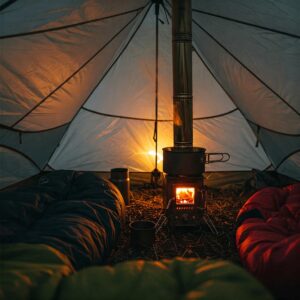
Your backpacking hot tent stove becomes the heart of your winter shelter system. Key considerations include:
- Stove jack size and position (must match your chosen stove’s pipe diameter)
- Heat output relative to tent volume
- Fuel efficiency and burn time
- Cooking capability (flat top surface)
- Weight and packability
Many manufacturers offer purpose-designed backpacking hot tent stove options specifically sized for their shelters. The best hot tent stove for backpacking typically weighs under 5 pounds while providing 3-5 hours of heat per full load of fuel.
Top Backpacking Hot Tent Options for Every Adventure
Lightweight Champions for the Weight-Conscious Backpacker
For those covering serious mileage, these ultralight options minimize pack weight without sacrificing essential functionality:
- Seek Outside Cimarron Light – This 4-person tipi-style shelter weighs just 2.5 pounds yet offers 106 square feet of floor space. Its single center pole design simplifies setup while the optional titanium stove adds minimal weight to your pack. The silnylon construction balances durability with weight savings, making it ideal for backcountry hunters and mountaineers.
- Pomoly HEX Hot Tent – At 3.2 pounds for the tent body, this hexagonal shelter provides surprising stability in high winds while accommodating 2-3 backpackers comfortably. The reinforced stove jack works with various pipe diameters, and the ripstop polyester construction offers excellent tear resistance for its weight class.
- Six Moon Designs Haven Hot – This innovative A-frame design weighs just 2 pounds and incorporates trekking poles for support, eliminating the need for dedicated tent poles. The integrated stove jack sits optimally positioned for heat distribution while maintaining headroom where most needed.
Best Value Backpacking Hot Tents
These options deliver exceptional performance without breaking the bank:
- OneTigris Iron Wall Stove Tent – This surprisingly affordable option uses durable 70D polyester construction with sealed seams throughout. The rectangular footprint maximizes usable space while the included stove jack accommodates most compact wood stoves. At $189, it represents an excellent entry point into hot tent backpacking.
- Russian-Bear Hot Tent – Despite its reasonable price point, this 4-season tent incorporates features typically found on premium models. The oxford fabric construction offers excellent durability while the reinforced stove jack withstands high temperatures without degradation. The unique dome design resists snow loading effectively.
- Preself 3-Person Hot Tent – This budget-friendly option weighs slightly more than premium alternatives but delivers comparable performance in milder winter conditions. The waterproof index of 3000mm ensures rainstorms remain outside while you stay dry inside.
Premium Options for Serious Winter Expeditions ❄️
When facing extreme conditions or extended backcountry stays, these high-end shelters provide uncompromising performance:
- Luxe Megahorn Tipi Hot Tent – This expedition-grade shelter uses proprietary TC polycotton fabric that balances breathability with weather resistance. The octagonal footprint creates exceptional stability during high winds while the reinforced stove jack accommodates pipes up to 3.5″ in diameter. Multiple ventilation options prevent condensation even during the coldest nights.
- Kifaru Sawtooth – Renowned among wilderness professionals, this durable hot tent withstands brutal conditions while maintaining internal comfort. The 4-season design incorporates storm doors, multiple ventilation points, and reinforced stress points throughout. Though heavier than ultralight options, it rewards carriers with unmatched reliability.
- Snowtrekker Expedition Hot Tent – Purpose-built for deep winter use, this canvas-based design offers exceptional heat retention and condensation management. The proprietary vapor barrier system prevents moisture buildup while the specialized stove jack accommodates larger diameter pipes for maximum heating efficiency.
Hot Tent Comparison Table: Find Your Perfect Match
| Model | Weight | Capacity | Material | Stove Jack | Price | Best For |
|---|---|---|---|---|---|---|
| Seek Outside Cimarron Light | 2.5 lbs | 4-person | Silnylon | 3″ diameter | $479 | Ultralight expeditions |
| Pomoly HEX Hot Tent | 3.2 lbs | 2-3 person | Ripstop polyester | Adjustable | $299 | Solo/duo backpackers |
| Six Moon Designs Haven Hot | 2.0 lbs | 2-person | Silpoly | 3″ diameter | $335 | Trekking pole users |
| OneTigris Iron Wall | 4.7 lbs | 2-3 person | 70D polyester | 3″ diameter | $189 | Budget backpackers |
| Russian-Bear Hot Tent | 5.6 lbs | 3-4 person | Oxford fabric | 3.5″ diameter | $249 | Value-focused campers |
| Preself 3-Person | 5.1 lbs | 3-person | 210T polyester | 3″ diameter | $159 | Entry-level hot tenting |
| Luxe Megahorn Tipi | 5.8 lbs | 4-5 person | TC polycotton | 3.5″ diameter | $539 | Four-season reliability |
| Kifaru Sawtooth | 6.3 lbs | 4-person | Proprietary nylon | 4″ diameter | $650 | Extreme conditions |
| Snowtrekker Expedition | 7.9 lbs | 3-4 person | Treated canvas | 4″ diameter | $799 | Deep winter camping |
Just one click – help others make better buying decisions too!
Specialized Hot Tents for Unique Backpacking Scenarios ️
Different wilderness pursuits demand specialized features from your backpacking hot tent:
For Alpine Adventures: The Mountain Hardwear Stronghold Hot excels above the treeline with reinforced guy-out points and a low-profile design that sheds wind efficiently. Its specialized snow flaps create an effective cold-air barrier when buried in snow, while the position of the stove jack maximizes heating efficiency.
For Ultralight Solo Trekking: The Lite Outdoors Solo Hot represents the pinnacle of minimalist design, weighing just 1.8 pounds including stakes. Its asymmetrical layout creates surprising interior volume while the titanium stove jack adds negligible weight. Perfect for weight-conscious solo adventurers on extended journeys.
For Group Expeditions: When sharing the load among multiple backpackers, the Tentsmiths Baker Hot Tent offers exceptional value. This rectangular design maximizes usable floor space while the ridge-line construction creates excellent headroom throughout. Multiple entry points prevent bottlenecks during busy mornings.
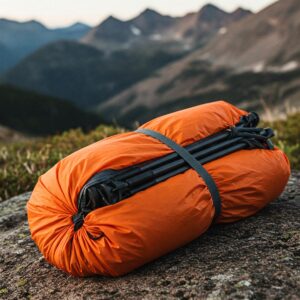
The Heart of Your Hot Tent: Choosing the Best Backpacking Hot Tent Stove
Essential Features for Efficient Heating
The best hot tent stove for backpacking balances minimal weight with maximum heating efficiency. Key features to consider include:
Fuel Efficiency: Look for stoves with adjustable air intake controls that allow precise management of burn rate. According to Testing conducted by Backpacking Light magazine, efficient stoves can extend burn times by up to 40% compared to basic models.
Heat Output: Measured in BTUs, this metric indicates how effectively a stove can warm your shelter. As a general guideline, look for approximately 5,000-8,000 BTUs per 50 square feet of tent space for adequate heating in temperatures down to 0°F.
Cooking Surface: Many backpacking hot tent stove options include a flat top surface for preparing meals. Models with larger cooking areas provide greater versatility but often weigh more.
Spark Arrestor: This critical safety feature prevents embers from escaping through the chimney and potentially damaging your tent or starting wildfires. Never compromise on this component.
Top Stove Recommendations for Various Needs
For the perfect companion to your backpacking hot tent, consider these outstanding stove options:
- Winnerwell Nomad Medium Stove – This robust titanium stove weighs just 4 pounds yet delivers exceptional heat output. The precision-engineered air control allows fine-tuning of burn rate while the flat top surface accommodates a medium pot or kettle. The nested design packs efficiently into your backpack.
- Seek Outside Titanium Stove – Purpose-designed for backpacking hot tents, this ultralight option weighs under 3 pounds including the chimney pipe. Despite its minimal weight, it provides sufficient heat for tents up to 100 square feet while the damper system enables precise control of burn time.
- Kni-Co Alaskan Jr. Stove – This steel construction offers excellent durability at a reasonable weight penalty. The generous cook surface handles larger pots easily while the large firebox accommodates longer burn times between refueling.
- Four Dog Titanium Stove – Handcrafted in the USA, this premium stove incorporates innovative features like an internal baffle system that maximizes heat transfer efficiency. Though pricier than mass-produced alternatives, its performance justifies the investment for serious winter backpackers.
Expert Setup Tips for Your Backpacking Hot Tent ⛺
Site Selection Fundamentals
The perfect hot tent experience begins with thoughtful site selection:
✅ Choose locations sheltered from prevailing winds when possible
✅ Avoid depressions where cold air pools during night
✅ Consider proximity to firewood sources for stove fuel
✅ Maintain safe distance from overhanging branches
✅ Seek natural windbreaks like rock formations or dense stands of trees
As noted in Leave No Trace principles for winter camping, proper site selection minimizes environmental impact while enhancing your safety and comfort.
Optimal Stove Placement for Maximum Efficiency
Position your backpacking hot tent stove for optimal heat distribution and safety:
✅ Center placement maximizes even heat distribution
✅ Allow minimum clearance of 12″ between stove and tent walls
✅ Position stove on heat-resistant base to protect tent floor
✅ Orient stove pipe to minimize contact with tent walls
✅ Consider prevailing wind direction when positioning chimney exit
Heat Retention Strategies for Cold Nights
Maximize the efficiency of your backpacking hot tent with these proven techniques:
✅ Dig out snow beneath tent for accessing warmer ground temperatures
✅ Use reflective emergency blankets behind stove to direct heat toward sleeping area
✅ Create a small snow wall around tent perimeter to block drafts
✅ Position sleeping areas away from doors to minimize heat loss
✅ Time your final stove loading to maximize overnight heat retention
According to thermal efficiency research published in the International Journal of Wilderness Medicine, proper heat management strategies can maintain temperatures 30-40°F above ambient outside conditions with minimal fuel consumption.
Safety Considerations for Hot Tent Backpacking
Carbon Monoxide Awareness
This odorless, colorless gas represents the most significant safety risk in hot tent camping. Protect yourself with these essential precautions:
✅ Always ensure adequate ventilation when operating your stove
✅ Consider carrying a portable carbon monoxide detector
✅ Never completely seal tent during stove operation
✅ Learn to recognize early symptoms of CO poisoning
✅ Establish ventilation protocols before sleeping
The Centers for Disease Control reports that proper ventilation virtually eliminates carbon monoxide risks in hot tent settings.
Fire Safety Protocols
Follow these fire safety guidelines to enjoy your backpacking hot tent without incident:
✅ Maintain proper clearance between stove and all tent surfaces
✅ Use appropriate heat shielding under and behind stove
✅ Inspect stove pipe and jack for damage before each use
✅ Never leave stove unattended while burning
✅ Keep fire extinguishing materials readily accessible
Weather Considerations
Winter conditions introduce unique challenges for backpacking hot tent enthusiasts:
✅ Monitor weather forecasts before and during expeditions
✅ Establish emergency protocols for extreme condition changes
✅ Carry sufficient fuel for extended periods of harsh weather
✅ Know how to secure your tent against high winds
✅ Understand snow-loading limits of your specific shelter
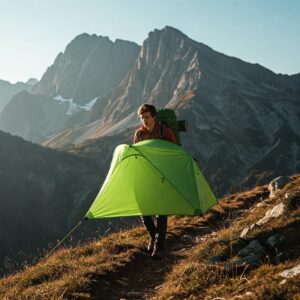
Essential Accessories for the Complete Hot Tent Experience
Specialized Tools for Efficient Operation
Enhance your backpacking hot tent experience with these purpose-designed accessories:
- Collapsible Snow Saw – Essential for processing firewood efficiently in winter conditions.
- Silicone-Fiberglass Stove Jack Repair Kit – Field repairs can save an expedition when damage occurs.
- Compact Carbon Monoxide Detector – This potentially life-saving device weighs under 2 ounces.
- Heat-Resistant Gloves – Protect hands when operating stove and handling hot components.
- Reflective Heat Shield – Directs radiant heat toward sleeping areas while protecting tent walls.
Sleep System Optimization for Hot Tent Camping
The variable temperatures in backpacking hot tents require adaptable sleep systems:
- Enlightened Equipment Revelation Quilt – This versatile down quilt adapts to changing temperatures through an innovative strap system. The 850-fill power down provides excellent warmth-to-weight ratio while the DWR treatment resists moisture effectively.
- Therm-a-Rest NeoAir XTherm – With an R-value of 6.9, this insulated sleeping pad blocks ground cold efficiently while packing down to the size of a water bottle. Its reflective barriers complement your hot tent’s heating efficiency.
- Sea to Summit Reactor Extreme Liner – This ultralight liner adds up to 25°F of warmth to your sleep system, allowing adaptation to varying hot tent temperatures as the stove burn cycles progress through the night.
Illumination Solutions for Extended Darkness
Winter’s long nights demand reliable lighting options:
- Petzl Actik Core Headlamp – This 450-lumen headlamp features a rechargeable battery option ideal for extended trips, while the red light mode preserves night vision during midnight stove reloading.
- LuminAID PackLite Nova – This solar-inflatable lantern provides diffuse area lighting perfect for evening tent activities. Its collapsible design adds negligible weight to your pack.
Real-World Experiences: Learning from Seasoned Hot Tent Backpackers
Valuable Lessons from the Field
Experienced hot tent users consistently highlight several key insights:
“The learning curve for efficient stove operation is steeper than most expect. Plan several practice setups before critical trips.” – Mike Thompson, 15-year hot tent enthusiast and guide for Northern Wilderness Expeditions
“Weight distribution becomes critical when carrying hot tent components. Divide the load logically among group members whenever possible.” – Sarah Richardson, Appalachian Trail through-hiker and winter camping instructor
“Fuel availability assessments should factor heavily into route planning. Areas with regular winter traffic often have depleted accessible wood sources.” – Field notes from the National Outdoor Leadership School’s winter program
Common Mistakes to Avoid
Learn from the missteps of others to enhance your backpacking hot tent experience:
❌ Underestimating stove fuel requirements for cold weather
❌ Insufficient practice with setup procedures beforehand
❌ Inadequate ventilation protocols during operation
❌ Improper storage of wood that leads to excessive moisture content
❌ Placing tent in areas prone to avalanche or falling tree hazards
Trip Planning Considerations for Hot Tent Excursions
Successful hot tent backpacking requires thoughtful preparation:
✅ Calculate daily fuel needs based on temperature forecasts
✅ Plan routes with appropriate emergency exit options
✅ Research area-specific regulations regarding wood collection
✅ Consider contingency shelter options for equipment failure
✅ Schedule trips to align with most favorable weather windows
The Ultimate Backpacking Hot Tent Setup: A Complete System Approach
Creating the Perfect Hot Tent Kit
The most successful winter backpackers approach their gear as an integrated system rather than individual components. Here’s my recommendation for a comprehensive setup that balances weight, functionality, and reliability:
For Solo Adventures:
- Tent: Seek Outside Cimarron Light (2.5 lbs)
- Stove: Winnerwell Nomad Medium Stove (4 lbs with pipe)
- Sleep System: Enlightened Equipment Revelation 0°F Quilt (1.9 lbs)
- Insulation: Therm-a-Rest NeoAir XTherm (1 lb)
- Tools: Silky Pocketboy Folding Saw (5.6 oz)
- Safety: Kidde Carbon Monoxide Detector (2 oz)
Total system weight: Approximately 10 pounds
For Partner Expeditions:
- Tent: Luxe Megahorn Tipi Hot Tent (5.8 lbs)
- Stove: Four Dog Titanium Stove (4.5 lbs with pipe)
- Sleep Systems: Western Mountaineering Versalite Bags (2 lbs each)
- Insulation: Exped DownMat XP 9 Pads (2 lbs each)
- Tools: Sven Saw (11 oz)
- Safety: Kidde Carbon Monoxide Detector (2 oz)
Total system weight: Approximately 18.5 pounds (9.25 pounds per person)
Breakthrough Innovations in Hot Tent Design
Recent developments continue improving the backpacking hot tent experience:
- Hybrid Material Construction – Manufacturers like Seek Outside now incorporate different fabrics in strategic locations, using more breathable materials near sleeping areas and more durable materials in high-stress zones.
- Modular Component Systems – Several companies now offer interchangeable parts that allow a single shelter to adapt from ultralight summer configuration to fully-equipped winter hot tent.
- Advanced Stove Technology – Innovations like secondary burn chambers dramatically improve fuel efficiency while reducing smoke production, resulting in cleaner operation and longer burn times.
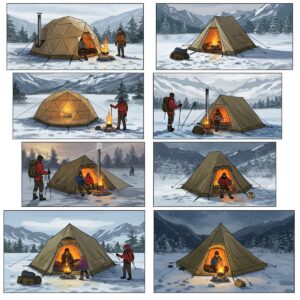
Seasonal Maintenance: Preserving Your Investment ️
Post-Trip Care for Longevity
Proper maintenance ensures your backpacking hot tent provides years of reliable service:
✅ Always dry completely before storage
✅ Clean stove pipe with wire brush to remove creosote buildup
✅ Inspect stove jack for heat damage after each use
✅ Store tent loosely rather than tightly compressed
✅ Apply seam sealer annually to maintain waterproofing
Addressing Common Maintenance Issues
Even the best hot tents for backpacking require occasional attention:
- Stove Jack Deterioration: Apply silicone-fiberglass repair tape to extend lifespan
- Zipper Failure: Clean with soft brush and apply zipper lubricant seasonally
- Pole Stress Cracks: Reinforce with fiberglass repair tape as temporary field solution
- Seam Leakage: Reapply seam sealer focusing on needle holes and stress points
- Rust Formation: Apply high-temperature paint to affected stove areas after wire brushing
Making the Smart Investment: Which Backpacking Hot Tent Is Right for You?
Budget-Conscious Options That Don’t Compromise Safety
Quality hot tent experiences needn’t break the bank:
For Entry-Level Hot Tenting: The OneTigris Iron Wall Stove Tent paired with a Winnerwell Woodlander Stove creates a complete system for under $300. While heavier than premium options, this combination provides all essential functionality at a fraction of the cost.
Expedition-Grade Systems for Serious Adventurers
For those venturing into challenging environments:
The combination of a Kifaru Sawtooth Tent with Four Dog Titanium Stove creates an uncompromising system capable of withstanding extreme conditions. Though representing a significant investment at approximately $950, this pairing delivers professional-grade performance for those whose safety and comfort depend on reliable gear.
Finding the Best Value in Backpacking Hot Tents
For many backpackers, this middle-ground option offers the optimal balance:
The Pomoly HEX Hot Tent matched with a Seek Outside Titanium Stove delivers near-premium performance at a mid-tier price point of approximately $550 combined. This pairing offers excellent weight-to-performance ratio while remaining accessible to serious recreational users.
Conclusion: Embracing Four-Season Freedom with Your Backpacking Hot Tent
The best backpacking hot tent does more than simply extend your camping season—it fundamentally transforms your relationship with winter wilderness. By creating a mobile sanctuary of warmth and comfort, these remarkable shelters invite exploration during what many consider the most beautiful and serene season in the backcountry.
Whether you choose an ultralight minimalist setup, a budget-friendly starter system, or invest in expedition-grade equipment, the key principles remain consistent: thoughtful site selection, proper stove operation, adequate ventilation, and comprehensive safety practices ensure your hot tent adventures remain memorable for all the right reasons.
As winter approaches, consider how a quality backpacking hot tent might expand your outdoor horizons. The unique stillness of snow-covered landscapes, the crystalline clarity of winter air, and the profound solitude of off-season trails await those equipped to embrace them comfortably and safely.
Don’t Miss These Hot Tent Deals!
→ Take your winter backpacking to the next level with these carefully selected products. Click on any highlighted item to check current pricing and availability. These tools and shelters will help you create unforgettable wilderness experiences in comfort and safety! ️❄️
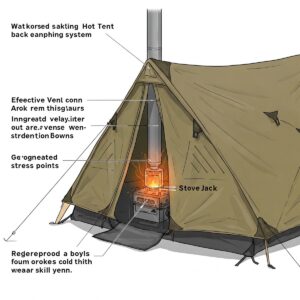
More FAQ:
❓ How much does a quality backpacking hot tent weigh?
❓ What's the average price of a backpacking hot tent?
❓ Can I use my regular backpacking stove in a hot tent?
❓ How long can a wood stove keep a hot tent warm?
❓ What temperature rating should my sleeping bag have for hot tent camping?
Recommended for You:
- Ultimate Guide to Ultralight Backpacking: Shave Pounds, Not Performance
- Winter Hiking Essentials: 15 Must-Have Items for Cold Weather Adventures
- Backcountry Cooking: Gourmet Meals with Minimal Gear
Disclaimer: This article contains affiliate links. If you purchase products through these links, we may earn a small commission at no additional cost to you.
✨ Found this helpful? Share it with your friends!
