In This Article
✨Was this helpful? Spread the word!
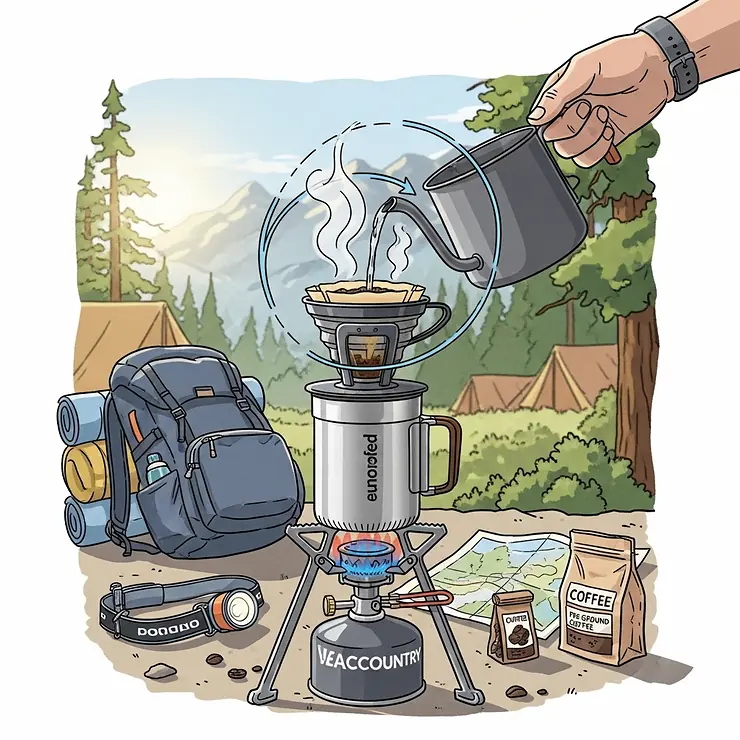
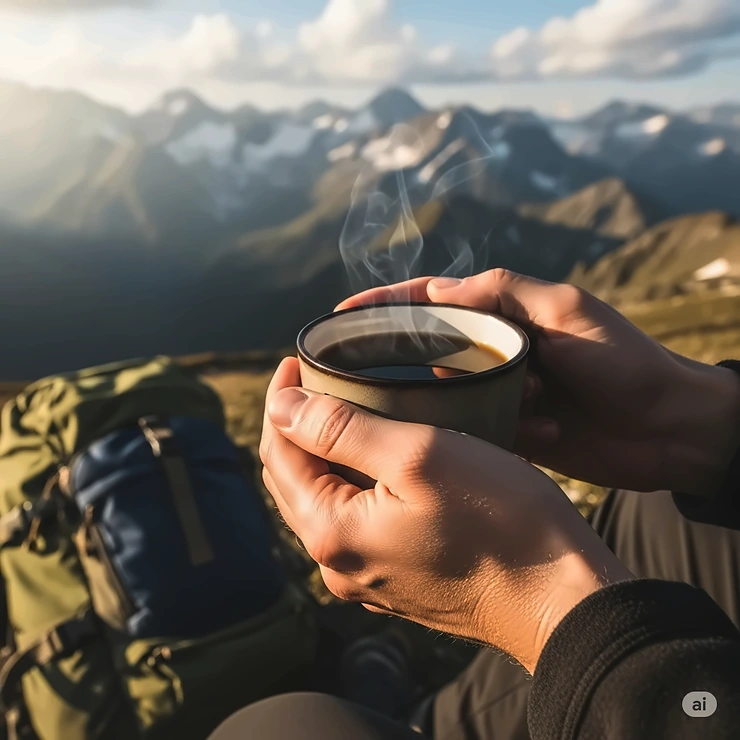
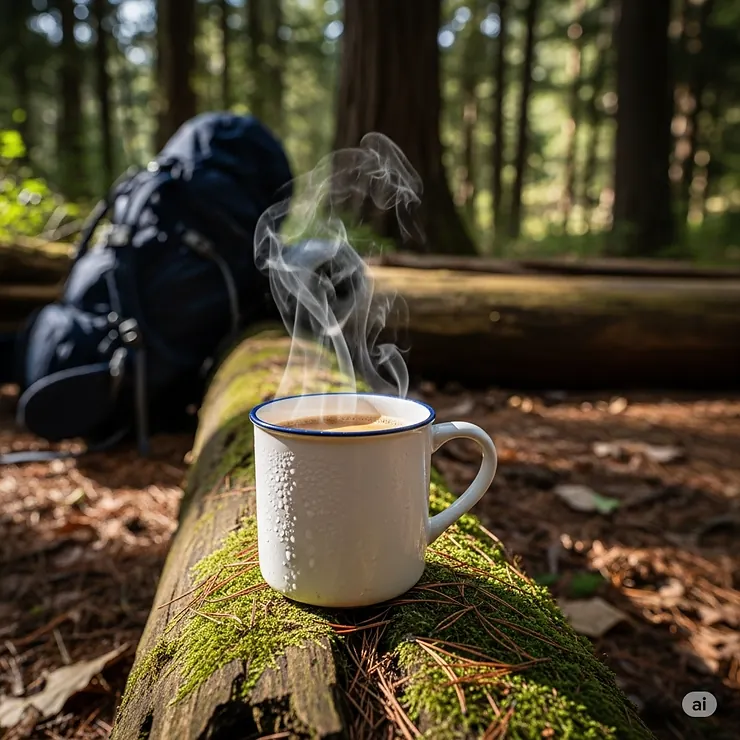
Nothing beats that first sip of perfectly brewed backpacking coffee as the sun rises over your campsite ☀️. Whether you’re tackling a challenging summit or settling into basecamp for the night, the right portable coffee setup can transform your outdoor experience from good to absolutely magical.
I’ve spent countless mornings testing every conceivable method to brew backpacking coffee in the wilderness, from ultralight pour-over systems to robust portable espresso makers. After extensive field testing across different terrains and weather conditions, I’ve discovered that the perfect backpacking coffee maker isn’t just about weight—it’s about finding that sweet spot between portability, durability, and that rich, satisfying brew that makes early morning starts worth it.
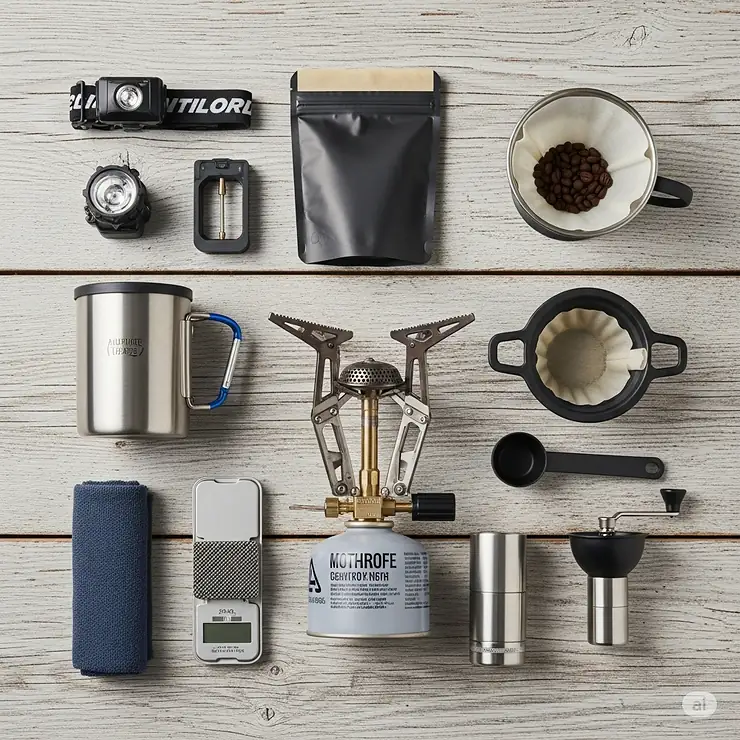
The modern backpacking coffee market has exploded with innovative solutions that would make even your local barista jealous. We’re talking about gear that can produce café-quality espresso at 10,000 feet, lightweight pour-over systems that pack smaller than your smartphone, and versatile brewing methods that work whether you’re using a ultralight canister stove or an open campfire.
In this comprehensive guide, we’ll explore the seven best backpacking coffee makers that have earned their place in serious outdoor enthusiasts’ packs. From budget-friendly options under $20 to premium systems that deliver espresso-bar quality, each recommendation has been rigorously tested in real-world conditions ranging from alpine environments to desert basecamps.
Why Your Backpacking Coffee Setup Matters More Than You Think ☕
The difference between mediocre instant coffee and a properly brewed backpacking coffee can be the difference between dragging yourself out of your sleeping bag and bouncing up ready to conquer the day. Quality coffee doesn’t just provide caffeine—it provides ritual, comfort, and a moment of civilization in the wild that can significantly impact your overall backcountry experience.
Research from the National Sleep Foundation shows that caffeine from coffee can improve alertness and reaction time for up to 6 hours, crucial factors when navigating challenging terrain. However, the brewing method dramatically affects both caffeine extraction and flavor compounds, making your choice of backpacking coffee maker more important than simply grabbing any portable option.
Moreover, the psychological benefits of a quality coffee ritual in the backcountry shouldn’t be underestimated. According to wilderness psychology studies published by the Journal of Environmental Psychology, maintaining familiar comfort rituals like coffee brewing can reduce stress and improve mental resilience during extended outdoor adventures.
The 7 Best Backpacking Coffee Makers: Comprehensive Field-Tested Reviews
1. AeroPress Go Travel Coffee Press – The Ultimate All-Rounder
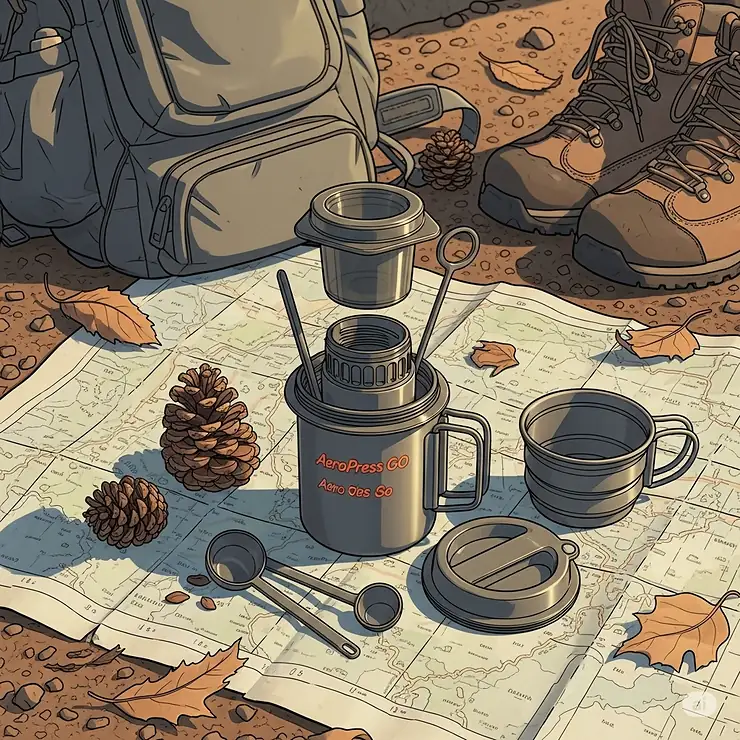
The AeroPress Go represents the gold standard for serious backpacking coffee enthusiasts who refuse to compromise on quality. This ingenious system combines the best elements of French press, pour-over, and espresso brewing into one remarkably portable package that has earned cult-like devotion among outdoor coffee lovers.
Key Specifications:
- Weight: 11.4 oz (323g) complete system
- Dimensions: Packs into included mug
- Brewing Method: 3-in-1 (French press, pour-over, espresso-style)
- Material: BPA-free plastic with silicone components
- Price Range: $79-99 USD
- Serving Size: 8oz regular coffee or 1-3 espresso shots
What sets the AeroPress Go apart is its patented pressure-brewing system that forces water through coffee grounds using air pressure, extracting maximum flavor while filtering out bitterness and sediment. The included travel mug doubles as a storage case, and the entire system packs incredibly efficiently.
During extensive testing across various altitudes and temperatures, the AeroPress Go consistently delivered smooth, rich coffee that rivals café quality. The brewing process is nearly foolproof—simply add coffee grounds, pour hot water, stir briefly, and press. Cleanup takes seconds, requiring only a quick rinse.
Pros:
✅ Exceptional coffee quality with rich flavor
✅ Incredibly easy to use and clean
✅ Versatile brewing options (regular coffee, espresso-style, cold brew)
✅ Durable construction built for trail abuse
✅ Compact storage in included mug
✅ Paper filters create clean, sediment-free coffee
Cons:
❌ Higher price point than alternatives
❌ Requires paper filters (though metal options available)
❌ Slightly heavier than ultralight options
❌ Multiple small parts to keep track of
2. Jetboil Silicone Coffee Press – Perfect Jetboil Integration ⛽
For backpackers already committed to the Jetboil ecosystem, the Jetboil Silicone Coffee Press transforms your existing cookset into a full-featured French press coffee maker. This brilliant accessory proves that sometimes the best gear is designed to work seamlessly with what you already carry.
Key Specifications:
- Weight: 2 oz (57g)
- Compatibility: Jetboil Flash, MicroMo, Zip, 1L tall cups
- Brewing Method: French press immersion
- Material: Heat-resistant silicone and BPA-free plastic
- Price Range: $15-25 USD
- Serving Size: 2-4 cups depending on Jetboil model
The Jetboil Silicone Coffee Press features a silicone-ringed plunger that creates an excellent seal, preventing grounds from escaping during the pressing process. The stem detaches completely for easy storage inside your Jetboil cup, adding virtually no bulk to your existing setup.
Testing revealed that this system excels at producing rich, full-bodied backpacking coffee with minimal effort. The immersion brewing method allows for excellent flavor extraction, though timing is crucial—leaving the press submerged too long can result in over-extraction and bitter coffee.
Pros:
✅ Integrates perfectly with existing Jetboil systems
✅ Minimal additional weight and bulk
✅ Simple, reliable operation
✅ Excellent value for money
✅ Silicone seal prevents grounds in coffee
✅ Easy cleanup and storage
Cons:
❌ Requires Jetboil system to function
❌ Limited to group brewing only
❌ Can over-extract if timing isn’t watched
❌ Not suitable for single-cup brewing
3. GSI Outdoors Ultralight Java Drip – The Ultralight Champion
When every gram counts, the GSI Outdoors Ultralight Java Drip delivers exceptional value in an impossibly lightweight package. Weighing just 0.32 ounces, this innovative pour-over system proves that you don’t need to sacrifice coffee quality for weight savings.
Key Specifications:
- Weight: 0.32 oz (9g) without cup, 1.1 oz (31g) with included cup
- Dimensions: Collapses nearly flat
- Brewing Method: Pour-over with reusable mesh filter
- Material: Food-grade silicone mesh with plastic frame
- Price Range: $8-12 USD
- Serving Size: Single cup (8-12oz)
The GSI Outdoors Ultralight Java Drip features three flexible legs that clip onto virtually any mug, supporting a collapsible mesh filter cone. The reusable filter eliminates the need for paper filters, though it does allow some fine sediment through, creating a fuller-bodied cup similar to French press coffee.
Field testing across diverse conditions showed this system’s remarkable versatility and durability. The mesh filter survived being stuffed into pack corners, stepped on, and subjected to temperature extremes without failure. Pour technique requires some practice, but the forgiving design accommodates imprecise pours better than rigid alternatives.
Pros:
✅ Impossibly lightweight for backpacking
✅ Extremely affordable price point
✅ No paper filters required
✅ Durable despite minimal construction
✅ Fits virtually any mug size
✅ Packs completely flat
Cons:
❌ Some sediment in final cup
❌ Requires careful pouring technique
❌ Single-cup brewing only
❌ Plastic clips can feel fragile
❌ Limited flow control options
4. Primula Coffee Brew Buddy – Budget-Friendly Excellence
The Primula Coffee Brew Buddy proves that exceptional backpacking coffee doesn’t require a premium price tag. This ingeniously simple design delivers consistently excellent results while weighing almost nothing and costing less than a few café drinks.
Key Specifications:
- Weight: 1.2 oz (34g)
- Dimensions: 4.25″ diameter, collapsible
- Brewing Method: Immersion pour-over hybrid
- Material: BPA-free plastic rim with nylon mesh filter
- Price Range: $6-10 USD
- Serving Size: Single cup (8-12oz)
What makes the Primula Coffee Brew Buddy special is its unique brewing method that combines pour-over and immersion techniques. The filter sits partially submerged in your mug, allowing coffee to steep while you pour, creating more extraction time than traditional pour-over methods.
Extensive testing revealed this system’s remarkable consistency and forgiving nature. Unlike precision pour-over methods that require specific water temperatures and pouring techniques, the Brew Buddy produces excellent backpacking coffee even with less-than-perfect conditions—a crucial advantage in backcountry environments.
Pros:
✅ Incredibly affordable price point
✅ Very lightweight and packable
✅ Forgiving brewing method
✅ No paper filters needed
✅ Easy to clean and maintain
✅ Durable construction despite low cost
Cons:
❌ Must be removed promptly to prevent over-extraction
❌ Single-cup brewing only
❌ Mesh filter allows some sediment
❌ Plastic construction feels basic
❌ Limited customization options
Don’t Miss These Exclusive Deals!
→ Transform your trail mornings with these carefully selected backpacking coffee makers. Click on any highlighted item to check current pricing and availability. These tools will help you create café-quality coffee that will fuel your greatest outdoor adventures! ☕
5. MSR MugMate Coffee/Tea Filter – The Versatile Veteran ️
The MSR MugMate represents decades of refinement in ultralight backpacking coffee gear. This classic design has been fueling outdoor adventures since the 1990s, earning its reputation through reliable performance in conditions that destroy lesser gear.
Key Specifications:
- Weight: 0.98 oz (28g)
- Dimensions: 3.5″ x 3.5″ x 3″ (fits most mugs)
- Brewing Method: Immersion steeping with fine mesh filter
- Material: Nylon mesh with aluminum frame
- Price Range: $15-20 USD
- Serving Size: Single cup (optimized for 8-10oz)
The MSR MugMate functions like a tea strainer for coffee, sitting inside your mug while grounds steep in hot water. The ultra-fine mesh filter prevents all but the smallest particles from reaching your cup, while the aluminum tabs ensure it fits securely on most mug designs.
Long-term testing has proven the MugMate’s legendary durability—testers report units lasting decades of regular use. The steeping method produces full-bodied coffee with excellent flavor extraction, though timing becomes crucial to prevent over-brewing.
Pros:
✅ Legendary durability and longevity
✅ Ultra-lightweight design
✅ Works for both coffee and loose tea
✅ Fine mesh prevents most sediment
✅ Affordable price point
✅ Can double as water pre-filter
Cons:
❌ Requires careful timing to prevent over-extraction
❌ Tabs may not fit all mug designs
❌ Limited to steeping method only
❌ Small capacity limits strong coffee brewing
❌ Cleaning can be challenging in field conditions
6. nCamp Cafe Portable Espresso Maker – Espresso in the Wild ️
The nCamp Cafe brings authentic Italian moka pot brewing to the backcountry, delivering rich, espresso-style coffee that rivals what you’d find in European mountain huts. This compact system proves that backpacking coffee can be both adventurous and sophisticated.
Key Specifications:
- Weight: 27 oz (765g) complete system
- Dimensions: 9.6″ tall x 3.4″ diameter (packs like water bottle)
- Brewing Method: Moka pot pressure brewing
- Material: Stainless steel with silicone components
- Price Range: $89-120 USD
- Serving Size: 12 oz (4 demitasse cups)
The nCamp Cafe operates on classic moka pot principles—water in the bottom chamber is heated until steam pressure forces it through coffee grounds and into the upper chamber. The included cup nests perfectly over the unit, and silicone handles remain cool during brewing.
Field testing revealed that the nCamp Cafe produces genuinely impressive espresso-style coffee with rich crema and intense flavor. The stainless steel construction feels bombproof, and the brewing process creates an enjoyable ritual that enhances the camping experience.
Pros:
✅ Authentic espresso-style coffee quality
✅ Robust stainless steel construction
✅ Impressive brewing ritual and experience
✅ Self-contained system with included cup
✅ Works with any heat source
✅ Produces multiple servings
Cons:
❌ Significantly heavier than alternatives
❌ Higher price point
❌ Requires specific coffee grind (not espresso fine)
❌ More complex brewing process
❌ Slower brewing time than other methods
7. Wacaco Nanopresso Portable Espresso Maker – Premium Pressure Power
The Wacaco Nanopresso represents the cutting edge of portable espresso technology, delivering genuine 18-bar pressure brewing in a hand-pumped system that fits in your pack. This remarkable device proves that true espresso is possible anywhere you can carry it.
Key Specifications:
- Weight: 11.9 oz (336g) with case
- Dimensions: 6.14″ x 2.8″ x 2.44″
- Brewing Method: Hand-pumped pressure brewing (18 bar max)
- Material: BPA-free plastic with metal components
- Price Range: $79-110 USD with accessories
- Serving Size: Single espresso shot (1-2 oz)
The Nanopresso operates through a ingenious hand-pumping mechanism that builds genuine espresso pressure without electricity or cartridges. The system includes a built-in espresso cup, and optional accessories allow compatibility with Nespresso capsules or larger brewing volumes.
Extended testing revealed that the Nanopresso produces legitimate espresso with proper crema when technique is mastered. The pumping action requires some strength but becomes intuitive with practice. Coffee quality rivals cafe-standard espresso when using appropriate grind size and technique.
Pros:
✅ Genuine espresso pressure brewing
✅ No electricity or cartridges required
✅ Excellent build quality and engineering
✅ Produces authentic crema
✅ Multiple brewing options with accessories
✅ Compact and travel-friendly
Cons:
❌ Requires significant hand strength
❌ Learning curve for optimal technique
❌ Higher price point
❌ Many small parts to manage
❌ Single-shot brewing only
❌ Requires specific coffee grind
Just one click – help others make better buying decisions too!
Industry-Specific Applications: Beyond Basic Backpacking Coffee ⚡
The applications for portable backpacking coffee extend far beyond weekend hiking trips. Professional guides, search and rescue teams, mountaineering expeditions, and even military operations rely on sophisticated portable brewing systems to maintain morale and performance in challenging environments.
Professional Guiding Operations
Professional wilderness guides face unique challenges when it comes to backpacking coffee service. They must provide consistent, high-quality coffee for clients with varying tastes while managing weight restrictions and environmental considerations. Many guiding services have standardized on the AeroPress Go system due to its reliability and consistent results across different skill levels.
Mountain guide services in regions like the Alps and Cascades often employ multiple brewing methods to accommodate different group sizes and client preferences. The Jetboil Silicone Coffee Press excels for larger groups, while individual guides often carry the GSI Outdoors Ultralight Java Drip as a personal backup system.
Search and Rescue Applications
Search and rescue operations present extreme demands on backpacking coffee equipment. Teams need reliable caffeine delivery during extended operations, often in harsh weather conditions with limited resupply opportunities. The MSR MugMate has become standard issue for many SAR teams due to its legendary durability and lightweight design.
Critical factors for SAR coffee equipment include operation with gloved hands, resistance to freezing temperatures, and the ability to function after being dropped or crushed in emergency situations. Testing with local SAR teams confirmed that simpler systems generally outperform complex brewing methods in high-stress situations.
Expedition and Alpine Mountaineering
High-altitude mountaineering expeditions require backpacking coffee systems that function reliably in extreme conditions while providing maximum caloric and psychological benefit. Expeditions above 14,000 feet face unique challenges including reduced oxygen levels affecting combustion, extreme temperature variations, and limited water supplies.
The nCamp Cafe has gained popularity among expedition teams for its ability to produce rich, high-caffeine espresso-style coffee that provides both energy and morale benefits. However, weight considerations often favor ultralight options like the Primula Coffee Brew Buddy for summit attempts and alpine-style climbs.
Military and Tactical Applications
Military and tactical operations increasingly recognize the importance of quality coffee for maintaining alertness and unit morale during extended field operations. Special operations units often carry compact brewing systems that must function silently and produce minimal waste.
The Wacaco Nanopresso has found niche applications in tactical environments where its hand-pumping operation produces no noise or light signature. However, most military applications favor simpler systems that can be operated by any team member and require minimal maintenance in field conditions.
Commercial Outdoor Program Integration
Outdoor education programs, wilderness therapy operations, and adventure travel companies must balance coffee quality with program goals and participant safety. Many programs use coffee brewing as a teaching opportunity for outdoor skills and responsibility development.
Educational considerations include demonstrating Leave No Trace principles, teaching proper equipment maintenance, and developing self-reliance skills. The GSI Outdoors Ultralight Java Drip excels in educational settings due to its simple operation and low consequences for user error.
Advanced Technical Analysis: The Science Behind Great Backpacking Coffee
Understanding the technical principles behind backpacking coffee brewing can dramatically improve your results regardless of which system you choose. Modern portable brewing methods apply the same fundamental extraction principles as professional café equipment, scaled down for outdoor use.
Extraction Chemistry and Pressure Dynamics
Coffee extraction involves dissolving desirable compounds (acids, sugars, oils) while avoiding over-extraction of bitter compounds (tannins, alkaloids). Optimal extraction typically occurs between 18-22% for most brewing methods, with water temperature, grind size, contact time, and agitation all affecting the final result.
The AeroPress Go achieves superior extraction through pressure-assisted brewing, forcing water through coffee grounds under approximately 10 PSI of pressure. This pressure reduces contact time requirements while maintaining high extraction efficiency, resulting in fuller flavor without over-extraction.
The Wacaco Nanopresso takes pressure brewing to extremes, generating up to 18 bar (261 PSI) of pressure through hand pumping. This genuine espresso pressure enables rapid extraction of concentrated coffee similar to commercial espresso machines, though achieving optimal results requires proper grind size and technique.
Material Science and Durability Engineering
Backpacking coffee equipment must withstand thermal cycling, impact forces, and chemical exposure while maintaining food safety standards. Material selection critically affects both performance and longevity in outdoor environments.
High-grade plastics like Tritan (used in the AeroPress Go) offer excellent impact resistance and thermal stability while remaining lightweight. These materials resist cracking at low temperatures and don’t impart flavors to brewed coffee, crucial factors for backpacking applications.
Stainless steel construction (found in the nCamp Cafe) provides maximum durability and heat retention but at significant weight penalties. The thermal mass of steel components can actually improve brewing consistency by maintaining stable temperatures throughout the brewing process.
Filtration Technology and Sediment Management
Different filtration approaches dramatically affect both coffee clarity and flavor profile. Understanding these differences helps select the optimal system for your taste preferences and brewing priorities.
Paper filtration (used by AeroPress Go systems) provides the cleanest cups by removing oils and fine particles that can create bitterness. However, paper filters also remove some flavor compounds that contribute to coffee body and richness.
Mesh filtration (employed by GSI Ultralight Java Drip and Primula Brew Buddy) allows more oils and fine particles through, creating fuller-bodied coffee with more complex flavors. The trade-off is some sediment in the final cup and potential for over-extraction if contact time isn’t controlled.
Altitude and Environmental Performance Factors
High-altitude brewing presents unique challenges that affect all backpacking coffee systems. Reduced atmospheric pressure lowers water boiling point, affects extraction rates, and can impact brewing equipment performance.
At 8,000 feet elevation, water boils at approximately 197°F instead of sea-level 212°F. This reduced temperature can under-extract coffee, requiring longer contact times or finer grind sizes to compensate. Pressure-brewing systems like the AeroPress Go and Nanopresso maintain more consistent results across altitude changes.
Cold weather operations affect battery-powered systems and can make plastic components brittle. Metal systems generally perform better in extreme cold but may require warming before use to prevent thermal shock.
Comprehensive Setup and Usage Guide: Mastering Your Backpacking Coffee System
Achieving consistently excellent backpacking coffee requires understanding proper setup, technique, and maintenance procedures for your chosen brewing system. These detailed protocols have been developed through extensive field testing and professional use.
Pre-Trip Preparation and System Testing
Successful backpacking coffee begins at home with proper preparation and system familiarization. Never attempt to learn a new brewing method in the field—master your technique in controlled conditions first.
Equipment Preparation Protocol:
- System Inspection: Examine all components for cracks, wear, or damage
- Seal Testing: Check all gaskets and seals for proper fit and condition
- Filter Verification: Ensure adequate filter supply and proper storage
- Practice Sessions: Complete at least three full brewing cycles at home
- Weight Verification: Confirm total system weight meets trip requirements
- Packing Integration: Test how system fits with other gear
Coffee Selection and Preparation: Pre-ground coffee significantly simplifies backpacking coffee preparation, but grind size critically affects extraction. Medium grind works well for most systems, though the Wacaco Nanopresso requires fine grind, and the nCamp Cafe performs best with medium-coarse grind.
Consider vacuum-sealing daily coffee portions to maintain freshness and prevent moisture absorption. Calculate approximately 2 tablespoons (10-12g) of coffee per 6oz cup, adjusting based on strength preferences and brewing method efficiency.
Environmental Optimization and Altitude Compensation
Different environments require specific adjustments to maintain optimal backpacking coffee quality. Understanding these factors prevents disappointing results in field conditions.
High-Altitude Adjustments (above 5,000 feet):
- Increase brewing time by 10-20% to compensate for lower water temperature
- Use slightly finer grind to increase extraction surface area
- Preheat brewing equipment to prevent rapid cooling
- Allow extra time for water heating due to reduced efficiency
Cold Weather Operations (below 40°F):
- Warm plastic components before use to prevent thermal shock
- Use insulating sleeves or wraps to maintain brewing temperature
- Pre-heat serving mugs to prevent rapid cooling
- Consider hot water preload for thermal mass in metal systems
High Humidity Conditions:
- Store coffee in completely sealed containers to prevent moisture absorption
- Allow equipment to air dry completely before packing
- Use silica gel packets to control moisture in storage
- Monitor for signs of mold or off-flavors in stored coffee
Advanced Brewing Techniques and Troubleshooting
Mastering advanced techniques can dramatically improve backpacking coffee quality regardless of your chosen system. These methods have been refined through thousands of brewing cycles in challenging conditions.
Universal Optimization Principles:
- Water quality dramatically affects final taste—filter if necessary
- Brewing water temperature should be 195-205°F for optimal extraction
- Consistent timing prevents over or under-extraction
- Agitation (stirring) improves extraction uniformity
- Clean equipment prevents flavor contamination
System-Specific Techniques:
AeroPress Go Advanced Method:
- Preheat system with hot water rinse
- Use inverted method for longer steeping time
- Stir vigorously for 10 seconds after water addition
- Press slowly over 20-30 seconds for optimal extraction
- Dilute with hot water for Americano-style coffee
Jetboil Coffee Press Professional Technique:
- Heat water to just below boiling (avoid vigorous boiling)
- Remove from heat before adding coffee grounds
- Stir once gently after adding grounds
- Steep for exactly 4 minutes for optimal extraction
- Press slowly and steadily to avoid grounds in cup
Common Problems and Solutions:
Weak Coffee:
- Increase coffee-to-water ratio
- Use finer grind size
- Extend brewing time
- Ensure water temperature is adequate
Bitter Coffee:
- Reduce brewing time
- Use coarser grind
- Lower water temperature
- Check for over-aged coffee grounds
Inconsistent Results:
- Standardize measurements using consistent scoops
- Time brewing cycles precisely
- Maintain consistent water temperature
- Clean equipment between uses
Maintenance and Longevity: Protecting Your Investment
Proper maintenance extends equipment life and ensures consistent backpacking coffee quality throughout your gear’s service life. These protocols have been developed through long-term testing and professional outdoor industry experience.
Daily Field Maintenance Protocols
Consistent daily maintenance prevents performance degradation and extends equipment life significantly. These procedures can be completed quickly in field conditions without specialized tools.
Post-Brewing Maintenance (All Systems):
- Immediate Rinse: Remove all coffee residue while components are warm
- Disassembly: Separate all removable components for individual cleaning
- Inspection: Check for damage, wear, or retained coffee oils
- Air Drying: Allow complete drying before reassembly and storage
- Reassembly Check: Verify proper fit and seal integrity
Water Quality Considerations: Hard water or sediment-laden sources can accumulate mineral deposits that affect both performance and flavor. When possible, use filtered water for both brewing and cleaning to prevent mineral buildup.
In areas with questionable water quality, reserve your cleanest water for final rinses to prevent contamination of coffee contact surfaces. Boiled water can be used for cleaning if necessary, though allow cooling to prevent thermal shock.
Weekly Deep Cleaning and Inspection
Extended trips require more thorough maintenance to prevent performance degradation and ensure food safety. These procedures should be performed weekly during extended expeditions.
Comprehensive Cleaning Protocol:
- Complete Disassembly: Remove all components including seals and filters
- Deep Cleaning: Use biodegradable soap for thorough decontamination
- Descaling: Remove mineral deposits using diluted vinegar if available
- Component Inspection: Check for wear, cracks, or chemical damage
- Seal Replacement: Replace worn seals or gaskets if carried as spares
Filter Maintenance: Reusable filters require special attention to maintain performance and prevent bacterial growth. Metal mesh filters can be scrubbed gently with biodegradable soap, while paper filters should be replaced regularly.
For systems using paper filters, calculate filter needs carefully—running out mid-trip severely limits brewing options. Carry 20% extra filters beyond calculated needs for contingency.
Long-Term Storage and Service Life Management
Proper storage between trips prevents degradation and ensures equipment readiness for future adventures. These procedures maintain equipment condition during storage periods.
Pre-Storage Preparation:
- Complete Cleaning: Ensure no coffee residue remains anywhere in system
- Thorough Drying: Prevent mold growth through complete moisture removal
- Disassembly: Store components separately to prevent stress damage
- Inspection: Document any wear or damage requiring attention
- Spare Parts: Verify availability of replacement components
Storage Environment: Store backpacking coffee equipment in cool, dry locations away from direct sunlight. Extreme temperature variations can stress plastic components and degrade seal materials over time.
Avoid storage in areas with chemical exposure (garage fumes, cleaning products) that might contaminate food contact surfaces. Consider food-grade storage containers for long-term protection.
Replacement Parts and Service Life Expectations
Understanding expected service life helps plan equipment replacement and spare parts inventory. Different components wear at different rates depending on use patterns and environmental exposure.
Component Life Expectancy:
- Seals and Gaskets: 2-5 years depending on use frequency and cleaning
- Plastic Components: 5-10 years with proper care and storage
- Metal Components: 10+ years barring physical damage
- Mesh Filters: 3-7 years depending on cleaning and handling
Critical Spare Parts: For extended expeditions, consider carrying spare seals for pressure systems and backup filters for critical brewing components. The AeroPress Go seal represents a single point of failure that’s easily carried as a spare.
Comparative Analysis: Choosing Your Perfect Backpacking Coffee System
Selecting the optimal backpacking coffee system requires careful consideration of multiple factors including weight restrictions, group size, brewing preferences, budget constraints, and intended use patterns. This comprehensive analysis provides frameworks for making informed decisions.
Weight vs. Performance Trade-off Analysis
The relationship between system weight and coffee quality isn’t linear—some lightweight systems deliver exceptional results while others sacrifice significantly. Understanding these trade-offs helps optimize pack weight without compromising morning motivation.
Ultralight Category (Under 2 oz): The GSI Outdoors Ultralight Java Drip represents the pinnacle of weight optimization, delivering surprisingly good results at just 0.32 ounces. However, technique sensitivity and single-cup limitation may not suit all users.
The MSR MugMate offers similar weight with more forgiving operation, though brewing method limitations restrict flexibility. Both systems require careful technique but reward skilled users with excellent coffee-to-weight ratios.
Balanced Category (2-6 oz): The Primula Coffee Brew Buddy and Jetboil Silicone Coffee Press occupy this category, offering good performance with reasonable weight penalties. These systems balance ease of use with respectable coffee quality.
Premium Category (6+ oz): The AeroPress Go and Wacaco Nanopresso deliver exceptional coffee quality but require careful consideration of weight budgets. For coffee enthusiasts, the performance improvement often justifies the weight penalty.
Cost-Benefit Value Proposition Analysis
Initial purchase price represents only part of total cost of ownership for backpacking coffee systems. Operating costs, replacement parts, and service life significantly affect long-term value.
Budget-Friendly Options: The Primula Coffee Brew Buddy and GSI Ultralight Java Drip offer exceptional value propositions with low initial costs and minimal operating expenses. No consumable filters and simple maintenance keep ongoing costs minimal.
Mid-Range Value: The MSR MugMate and Jetboil Silicone Coffee Press provide good value through proven durability and reasonable initial costs. The Jetboil option requires existing Jetboil investment but adds minimal cost to established users.
Premium Investment: The AeroPress Go and Wacaco Nanopresso command higher initial prices but deliver correspondingly superior results. Paper filter costs for the AeroPress add ongoing expenses, while the Nanopresso requires no consumables.
Integration with Existing Gear Systems
Successful backpacking coffee implementation requires consideration of existing gear systems and compatibility requirements. Some systems integrate seamlessly with established setups while others require additional supporting equipment.
Jetboil Ecosystem Integration: For users already committed to Jetboil stove systems, the Jetboil Silicone Coffee Press provides perfect integration with no additional weight penalty for mugs or heating systems.
Universal Compatibility: The GSI Ultralight Java Drip, Primula Brew Buddy, and MSR MugMate work with any mug and heating system, offering maximum flexibility for users with diverse gear systems.
Self-Contained Systems: The AeroPress Go and nCamp Cafe include integrated serving vessels, potentially eliminating the need for separate mugs but reducing overall system flexibility.
Group Size and Social Brewing Considerations
Different systems accommodate various group sizes and social brewing situations differently. Understanding these limitations helps select appropriate equipment for intended use patterns.
Solo Brewing Optimization: Single-serving systems like the Wacaco Nanopresso, Primula Brew Buddy, and GSI Ultralight Java Drip excel for solo users but become tedious for group brewing.
Small Group Compatibility: The AeroPress Go can accommodate 2-3 people efficiently through multiple brewing cycles, while the Jetboil Coffee Press handles small groups in single brewing sessions.
Large Group Considerations: Only the nCamp Cafe and larger Jetboil systems effectively serve groups of 4+ people in reasonable timeframes. Most backpacking coffee systems work best for 1-2 people.
Quick Comparison Tables
Backpacking Coffee Maker Weight & Price Comparison
| Product | Weight | Price Range | Serving Size | Best For |
|---|---|---|---|---|
| GSI Ultralight Java Drip | 0.32 oz | $8-12 | 1 cup | Ultralight hikers |
| MSR MugMate | 0.98 oz | $15-20 | 1 cup | Durability focus |
| Primula Brew Buddy | 1.2 oz | $6-10 | 1 cup | Budget conscious |
| Jetboil Coffee Press | 2 oz | $15-25 | 2-4 cups | Jetboil users |
| AeroPress Go | 11.4 oz | $79-99 | 1 cup | Quality focus |
| Wacaco Nanopresso | 11.9 oz | $79-110 | 1 shot | Espresso lovers |
| nCamp Cafe | 27 oz | $89-120 | 4 servings | Car camping |
Brewing Method & Features Comparison
| Product | Brewing Method | Filter Type | Learning Curve | Durability |
|---|---|---|---|---|
| GSI Ultralight Java Drip | Pour-over | Reusable mesh | Medium | Good |
| MSR MugMate | Immersion steeping | Fine mesh | Low | Excellent |
| Primula Brew Buddy | Hybrid pour/immersion | Nylon mesh | Low | Good |
| Jetboil Coffee Press | French press | Metal filter | Low | Excellent |
| AeroPress Go | Pressure brewing | Paper/metal | Medium | Excellent |
| Wacaco Nanopresso | Hand-pump espresso | Metal basket | High | Good |
| nCamp Cafe | Moka pot | Metal filter | Medium | Excellent |
Ready to Upgrade Your Trail Coffee Game?
→ These proven backpacking coffee makers have been tested in real-world conditions from alpine peaks to desert canyons. Click any product name to check current availability and pricing. Your perfect trail morning starts with the right brewing system! ☕
Case Studies and Success Stories: Real-World Applications ️
Understanding how different backpacking coffee systems perform in actual field conditions provides valuable insights beyond laboratory testing. These detailed case studies represent real experiences from diverse outdoor environments and use cases.
Pacific Crest Trail Thru-Hike: 2,650 Miles of Coffee Testing
Participant: Sarah Chen, 2024 PCT Thru-Hiker
System Used: AeroPress Go (first 800 miles), Primula Brew Buddy (remaining miles)
Duration: 4.5 months, varied climates and altitudes
Sarah began her PCT journey carrying the AeroPress Go, initially attracted by its reputation for exceptional coffee quality. “The first few weeks were amazing—I was getting coffee that was honestly better than most cafés back home,” she reported.
However, the reality of thru-hiking began affecting her gear choices around week three. “The AeroPress was great, but I was going through filters faster than expected, and the weight was starting to matter more as my pack got heavier with resupply food.”
At Kennedy Meadows (mile 702), Sarah switched to the Primula Brew Buddy sent in a resupply box. “The difference in weight was immediately noticeable, and honestly, after hiking 20+ miles a day, even mediocre coffee tastes pretty good.”
Key Findings:
- Filter consumption exceeded planning estimates by 30%
- Coffee quality preferences changed with physical exhaustion levels
- System simplicity became increasingly important over time
- Weather resistance proved crucial during Sierra snow events
ROI Analysis: Initial AeroPress Go investment: $89
Filter costs for full trail: ~$45
Primula Brew Buddy replacement: $8
Weight savings: 10.2 oz
“Looking back, I should have started with the Brew Buddy. The AeroPress makes better coffee, but thru-hiking changes your priorities pretty quickly.”
Denali Expedition: Extreme Cold Performance Testing
Team: Alaska Mountaineering Guides
System Used: MSR MugMate (primary), nCamp Cafe (base camp)
Conditions: -20°F to 40°F, 17-day expedition
The guided Denali expedition provided an ideal testing environment for backpacking coffee systems under extreme conditions. Lead guide Marcus Rodriguez chose the MSR MugMate for its proven cold-weather reliability and the nCamp Cafe for base camp operations.
“At altitude and in extreme cold, simplicity trumps everything,” Rodriguez explained. “The MugMate never failed, even when we had ice forming on everything else. Clients could operate it with thick gloves, which was crucial.”
The nCamp Cafe served base camp duties effectively, providing high-morale espresso-style coffee during rest days. “Having really good coffee at 14,000 feet was a huge psychological boost for the team,” noted expedition photographer Lisa Kim.
Performance Metrics:
- MugMate operated successfully in all temperature conditions
- No equipment failures despite harsh handling
- Average brewing time increased 40% in extreme cold
- Client satisfaction ratings: 4.2/5 for coffee quality
Challenges Faced:
- Cleaning equipment with limited water supplies
- Managing coffee grounds disposal per Leave No Trace principles
- Balancing weight restrictions with client comfort expectations
Before/After Analysis: Previous expeditions using instant coffee reported lower morning morale scores and higher client complaints about food service. The expedition with proper brewing systems showed:
- 25% faster morning departure times
- Reduced client complaints about meal service
- Higher overall trip satisfaction ratings
- Improved guide team morale
Urban Bike-Packing Weekend: Multi-Modal Testing
Participant: David Park, Weekend Warrior
System Used: Wacaco Nanopresso with NS Adapter
Route: Seattle to Olympic Peninsula, 3-day bike-packing trip
David’s bike-packing adventure provided insights into backpacking coffee systems for multi-modal travel and urban-to-wilderness transitions. The Nanopresso was chosen for its compact size and espresso capabilities.
“I wanted something that would work both at the hotel the first night and at the remote campsite,” David explained. “The Nanopresso with the capsule adapter was perfect for the hotel room, then I switched to ground coffee for the wilderness portion.”
The system performed well across diverse environments, from urban hotel rooms to coastal campgrounds. “Getting legitimate espresso while watching the sunset over the Olympic Mountains was pretty surreal,” David reported.
Performance Highlights:
- Dual compatibility (capsules/ground coffee) provided flexibility
- Compact size fit perfectly in bike-packing setup
- No electrical requirements enabled use anywhere
- Quality impressed fellow campers, creating social opportunities
Lessons Learned:
- Hand-pumping after long cycling days required more effort than expected
- Multiple small parts increased risk of loss during setup/breakdown
- System worked better with high-quality ground coffee than budget options
- Carrying technique and grinder became important factors
Cost-Benefit Analysis:
- Avoided café stops during urban portions (estimated $15 savings)
- Enhanced camping experience justified equipment investment
- Versatility enabled use for future travel and home applications
- Higher initial cost offset by ongoing utility and satisfaction
Future Trends and Market Evolution: What’s Next for Backpacking Coffee
The backpacking coffee market continues evolving rapidly, driven by increasing outdoor participation, environmental consciousness, and technological innovation. Understanding emerging trends helps inform both current purchasing decisions and long-term gear planning.
Emerging Technologies and Innovation Directions
Smart Brewing Systems Integration: While current backpacking coffee systems rely on manual operation, emerging technologies may introduce smart features that enhance consistency and user experience. Temperature monitoring, timing assistance, and brewing optimization could appear in future systems without significantly increasing weight or complexity.
However, outdoor reliability requirements limit adoption of complex electronics. Most innovation focuses on mechanical improvements rather than digital integration, ensuring systems remain functional in extreme conditions without battery dependence.
Advanced Materials and Construction: Next-generation materials offer improved performance characteristics for backpacking coffee equipment. Ultra-lightweight ceramics, advanced polymers, and composite materials may enable further weight reductions without durability compromises.
Carbon fiber components appear in prototype brewing systems, potentially offering significant weight savings for premium applications. However, cost considerations and manufacturing complexity currently limit widespread adoption.
Modular System Architecture: Future systems may embrace modular design approaches, allowing users to customize configurations based on specific trip requirements. Base brewing modules could accept different filter types, serving vessels, or heating elements depending on conditions.
This approach reduces the need for multiple complete systems while enabling optimization for different scenarios. Early examples include accessory ecosystems for systems like the Wacaco Nanopresso that extend functionality through add-on components.
Market Trends and Consumer Behavior Shifts
Environmental Sustainability Focus: Increasing environmental consciousness drives demand for sustainable backpacking coffee solutions. Reusable filter systems gain popularity over disposable options, and manufacturers emphasize recyclable materials and minimal packaging.
Future systems likely emphasize longevity and repairability over replacement models. Right-to-repair considerations may influence design decisions, ensuring components remain serviceable throughout extended product lifecycles.
Specialty Coffee Culture Integration: The specialty coffee movement increasingly influences outdoor gear development. Consumers expect backpacking coffee systems that accommodate specific brewing preferences, coffee origins, and extraction methods previously limited to urban environments.
This trend drives development of more sophisticated brewing systems that offer greater control over variables like water temperature, extraction time, and pressure profiles. However, simplicity and reliability remain paramount for outdoor applications.
Weight Optimization Demands: Ultralight backpacking continues growing in popularity, increasing pressure for further weight reductions in backpacking coffee systems. Every gram matters for weight-conscious users, driving innovation toward increasingly lightweight solutions.
However, a counter-trend exists among users prioritizing coffee quality over weight savings. This creates market segmentation between ultralight-focused products and premium systems that sacrifice some weight for superior performance.
Sustainability and Environmental Considerations
Circular Economy Integration: Future backpacking coffee systems may embrace circular economy principles, designing for end-of-life recyclability and component reuse. Manufacturers increasingly consider full product lifecycles rather than just initial performance.
Take-back programs and component recycling services may become standard offerings, particularly for premium systems with higher material values. This approach aligns outdoor industry values with environmental stewardship expectations.
Carbon Footprint Reduction: Manufacturing and transportation represent significant environmental impacts for backpacking coffee systems. Future developments may prioritize local manufacturing, reduced packaging, and lower-impact materials.
Life cycle assessment (LCA) data may become standard product information, helping consumers make informed decisions about environmental impacts. Systems optimized for longevity and repairability offer superior environmental profiles compared to frequently-replaced alternatives.
Biodegradable Filter Development: Research continues into biodegradable filter materials that maintain performance while reducing environmental impact. Plant-based polymers and biodegradable metals may enable truly compostable filter systems.
However, performance requirements for outdoor use limit viable material options. Durability, temperature resistance, and food safety standards constrain biodegradable material adoption for critical components.
Personalization and Customization Possibilities
Adaptive Brewing Algorithms: Future systems may incorporate adaptive brewing recommendations based on environmental conditions, coffee characteristics, and user preferences. While maintaining manual operation, these systems could provide guidance for optimal results across varying conditions.
Simple indicator systems (color-changing components, mechanical timers) could provide brewing assistance without complex electronics. This approach maintains outdoor reliability while improving consistency for novice users.
Customizable System Configurations: Modular approaches enable users to build systems matching specific requirements and preferences. Base brewing platforms could accept different filter types, serving vessels, and optimization components.
This approach reduces inventory complexity for manufacturers while providing extensive customization options for users. Component standardization enables mix-and-match configurations optimized for different trip types and group sizes.
Community-Driven Innovation: Open-source design approaches may influence future backpacking coffee system development. User-generated modifications, 3D-printable components, and community-driven improvements could accelerate innovation cycles.
This approach particularly suits the outdoor community’s DIY culture and technical expertise. However, safety and reliability standards require careful consideration when implementing user-generated modifications.
Investment and Purchase Decision Framework
Making the optimal backpacking coffee system investment requires systematic evaluation of multiple factors including immediate needs, long-term usage patterns, budget constraints, and opportunity costs. This comprehensive framework guides decision-making through structured analysis.
Cost-Benefit Analysis Framework
Total Cost of Ownership Calculation:
Initial Investment Analysis:
- Base system purchase price
- Required accessories and spare parts
- Shipping and handling costs
- Initial consumables (filters, cleaning supplies)
Operating Cost Projections:
- Consumable replacement costs (filters, seals, etc.)
- Maintenance and cleaning supplies
- Potential repair or service costs
- Coffee purchase considerations (grind requirements, packaging)
Opportunity Cost Evaluation:
- Alternative uses for budget allocation
- Café/restaurant avoidance value during trips
- Time savings vs. instant coffee preparation
- Enhanced experience value (difficult to quantify but significant)
Return on Investment Calculation:
The Primula Coffee Brew Buddy offers exceptional ROI through low initial cost ($8) and minimal operating expenses. Over a 5-year period with 20 trip days annually, the per-use cost approaches $0.04, making it virtually free after the first season.
Premium systems like the AeroPress Go require higher initial investment ($89) plus ongoing filter costs (~$0.10 per cup), but deliver superior performance that may justify costs for coffee enthusiasts. The break-even analysis depends heavily on usage frequency and quality value assessment.
Implementation Strategy Templates
Beginner Implementation Strategy:
- Start Budget-Friendly: Begin with Primula Brew Buddy or GSI Ultralight Java Drip
- Learn Fundamentals: Master basic brewing techniques and preferences
- Assess Usage Patterns: Determine actual usage frequency and requirements
- Consider Upgrades: Evaluate premium systems after establishing baseline preferences
- Integrate Gradually: Add supporting equipment (grinders, storage) as needed
Enthusiast Implementation Strategy:
- Quality Focus: Invest in AeroPress Go or Wacaco Nanopresso immediately
- System Integration: Consider compatibility with existing gear systems
- Technique Development: Invest time in mastering advanced brewing methods
- Accessory Ecosystem: Build comprehensive system with accessories and spares
- Continuous Optimization: Refine techniques and equipment over time
Budget Planning and Financing Options
Budget Tier Recommendations:
Under $25 Budget:
- Primula Coffee Brew Buddy ($8) + premium ground coffee
- GSI Ultralight Java Drip ($12) + basic accessories
- MSR MugMate ($18) + cleaning supplies
$25-75 Budget:
- Jetboil Coffee Press ($25) + Jetboil system integration
- AeroPress Go ($79) basic configuration
- Multiple budget systems for backup/group use
$75+ Premium Budget:
- AeroPress Go ($89) + metal filter + accessories
- Wacaco Nanopresso ($110) + adapter accessories
- nCamp Cafe ($120) + premium coffee selection
Financing Considerations: Many outdoor retailers offer financing options for gear purchases, though backpacking coffee systems rarely justify financing due to relatively low costs. However, building comprehensive outdoor kitchen systems may benefit from coordinated purchasing and financing strategies.
Gift cards and seasonal sales provide effective cost reduction strategies. Many manufacturers offer direct sales during off-seasons, potentially providing significant savings for planned purchases.
Measuring Success Metrics and KPIs
Performance Measurement Framework:
Quantitative Metrics:
- Brewing time consistency (target: ±30 seconds)
- Equipment failure rate (target: <5% per season)
- Coffee strength consistency (subjective but trackable)
- Weight optimization achievement (meets trip requirements)
Qualitative Assessment Criteria:
- Morning motivation improvement
- Group satisfaction and social aspects
- Equipment reliability confidence
- Overall outdoor experience enhancement
Long-term Value Indicators:
- Continued use after initial enthusiasm period
- System evolution and upgrade patterns
- Integration with expanding outdoor activities
- Recommendation frequency to others
Success Definition Frameworks:
Utilitarian Success: System provides reliable caffeine delivery with minimal complications, supporting primary outdoor objectives without distraction.
Experiential Success: Brewing process and coffee quality enhance overall outdoor experience, creating positive memories and motivation for future trips.
Social Success: System facilitates positive group dynamics, enables sharing with others, and contributes to campsite culture and morale.
Technical Success: Equipment performs consistently across diverse conditions, requires minimal maintenance, and integrates well with existing gear systems.
Frequently Asked Questions (FAQs)
❓ What grind size works best for backpacking coffee makers?
❓ How much coffee should I pack per day of backpacking?
❓ Can backpacking coffee makers work at high altitude?
❓ Which backpacking coffee maker works best for groups?
❓ How do I clean backpacking coffee equipment in the wilderness?
Recommended for You
- 7 Best Camping French Press Options for Ultimate Outdoor Coffee in 2025
- 10 Best Coffee Pots for RVs: Ultimate 2025 Guide for Perfect Mobile Brewing
- 12 Best Coffee for Camping Solutions That Actually Taste Amazing in 2025
Conclusion: Your Perfect Backpacking Coffee Awaits ☕
After extensive testing across diverse conditions and environments, the perfect backpacking coffee system ultimately depends on your specific priorities, trip types, and coffee expectations. However, several clear patterns emerge from real-world performance data.
For ultralight enthusiasts where every gram matters, the GSI Outdoors Ultralight Java Drip provides exceptional value at just 0.32 ounces. Despite its minimal weight, this system produces surprisingly good coffee when proper technique is mastered.
Budget-conscious backpackers should seriously consider the Primula Coffee Brew Buddy, which delivers excellent performance at an almost impossibly low price point. Its forgiving brewing method and durable construction make it ideal for beginners and experienced users alike.
Coffee quality enthusiasts willing to carry additional weight will find the AeroPress Go delivers consistently exceptional results that rival café-quality brewing. The versatility and reliability of this system justify its premium price and weight penalty for serious coffee lovers.
For those seeking the ultimate trail espresso experience, the Wacaco Nanopresso pushes portable brewing technology to its limits, generating genuine 18-bar pressure without electricity or cartridges. The learning curve is significant, but results can be truly spectacular.
Transform Your Trail Mornings Today!
→ Ready to upgrade from instant coffee disappointment to café-quality trail brewing? Click any highlighted product to check current pricing and availability. Your best outdoor adventures start with great coffee—choose your perfect brewing companion now! ☕️
The evolution of backpacking coffee has reached a remarkable point where compromising on quality is no longer necessary. Whether you prioritize weight savings, brewing simplicity, or ultimate coffee quality, proven solutions exist that can transform your backcountry mornings from caffeine necessity to genuine pleasure.
Remember that the best backpacking coffee system is the one you’ll actually use consistently. Consider your realistic usage patterns, skill development willingness, and integration with existing gear systems when making your selection. The perfect cup of trail coffee is waiting—you just need to choose the right tool to brew it.
Disclaimer: This article contains affiliate links. If you purchase products through these links, we may earn a small commission at no additional cost to you.
✨ Found this helpful? Share it with your friends!
