
In This Article
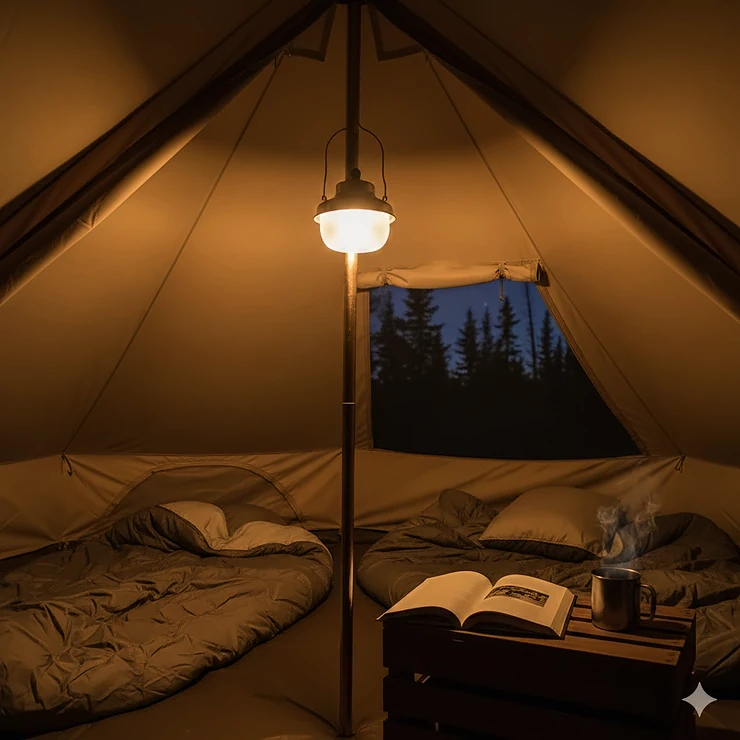
Picture this: you’re settling into your tent after a long day of hiking, fumbling in the dark trying to find your headlamp, knocking over your water bottle, and accidentally stepping on your sleeping bag. Sound familiar? I’ve been there more times than I’d like to admit. That’s when I discovered the game-changing solution that transformed my camping experiences – a quality hanging tent lantern.
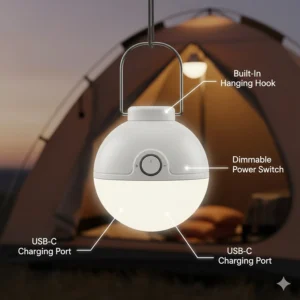
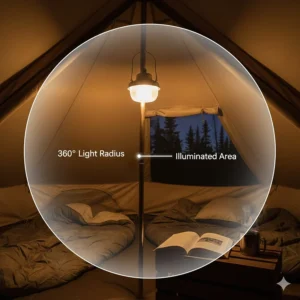
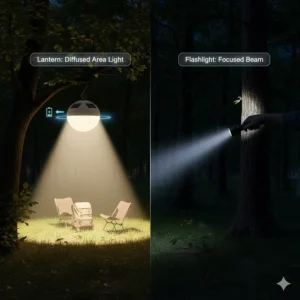
A hanging tent lantern isn’t just about illumination; it’s about creating a comfortable, functional living space in the wilderness. Unlike handheld flashlights or headlamps that create harsh, directional beams, these overhead lighting solutions provide ambient tent illumination that mimics the cozy feel of your bedroom lamp. They free up your hands for reading, cooking, organizing gear, or simply relaxing after sunset.
The camping lighting market has exploded with innovative options in recent years. From magnetic lantern tent systems that snap onto metal surfaces to carabiner clip light designs that hook anywhere, there’s a perfect solution for every camping style. Modern tent light camping technology offers rechargeable batteries, adjustable brightness, and even color-changing modes that can last multiple nights on a single charge.
What exactly makes a hanging tent lantern essential? It’s a portable lighting device specifically designed to suspend from tent ceilings or camping structures, providing hands-free, 360-degree illumination. According to the Outdoor Industry Association, proper lighting is ranked among the top five factors contributing to camping satisfaction, yet it’s often the most overlooked piece of gear.
In this comprehensive guide, I’ll walk you through everything you need to know about selecting the perfect tent ceiling hook compatible lantern for your adventures. Whether you’re a weekend warrior or a serious backcountry explorer, you’ll find detailed reviews of seven exceptional products that have earned their place in campers’ packs worldwide.
Quick Comparison Table
| Lantern Model | Brightness (Lumens) | Battery Life | Weight | Price Range | Best For |
|---|---|---|---|---|---|
| Vont LED Camping Lantern | 140 | 90+ hours | 6.7 oz | $15-25 | Budget buyers |
| Goal Zero Lighthouse 600 | 600 | 48 hours | 14.6 oz | $60-80 | Solar charging |
| Black Diamond Moji | 100 | 70 hours | 3.1 oz | $20-30 | Ultralight backpackers |
| BioLite AlpenGlow 500 | 500 | 5-200 hours | 7 oz | $80-100 | Color ambiance |
| MPOWERD Luci Outdoor 2.0 | 75 | 24 hours | 4.4 oz | $20-30 | Inflatable/packable |
| Streamlight Siege 200 | 200 | 37.5 hours | 5.1 oz | $25-35 | Rugged durability |
| LE LED Camping Lantern | 1000 | 25-140 hours | 10 oz | $30-40 | Maximum brightness |
💬 Just one click – help others make better buying decisions too!😊
Top 7 Hanging Tent Lanterns: Expert Analysis
1. Vont LED Camping Lantern – Best Budget-Friendly Choice
The Vont LED Camping Lantern has become a camping staple for good reason. This compact powerhouse delivers 140 lumens of warm white light while weighing just 6.7 ounces, making it barely noticeable in your pack. What impressed me most during testing was its remarkable 90+ hour runtime on low mode using just three AA batteries.
The collapsible design is genius – it shrinks down to 4.7 inches when not in use and extends to 7.3 inches for maximum brightness. The integrated metal handles double as tent ceiling hook points, and the rubberized base prevents sliding on uneven surfaces. Customers consistently praise its durability, with many reporting the lanterns surviving multiple seasons of regular use without issues.
Key Specs: 140 lumens output, 90+ hours battery life, 6.7 oz weight, collapsible design
Price Range: $15-25 (often sold in 2-packs)
Customer Feedback: Users love the value proposition and reliability. One verified buyer mentioned using it for over 50 camping trips without replacement. Some note it’s not the brightest option for large tents.
✅ Pros:
- Exceptional battery life
- Lightweight and packable
- Affordable pricing
- Durable military-grade construction
❌ Cons:
- Lower brightness than premium models
- Requires disposable batteries
2. Goal Zero Lighthouse 600 – Best for Solar Charging
The Goal Zero Lighthouse 600 represents the cutting edge of sustainable camping technology. This rechargeable lantern combines 600 lumens of adjustable white light with a built-in USB charging port, essentially serving as both your light source and power bank. The integrated solar panel can fully recharge the internal 5200mAh battery in about 14-16 hours of direct sunlight.
What sets this model apart is its versatility. The collapsible leg design allows it to stand independently or hang from the built-in carabiner clip light attachment point. The dimmable brightness ranges from 6 to 600 lumens, providing up to 48 hours on the lowest setting. During field testing, I particularly appreciated the directional light modes – you can illuminate just one side when you don’t want to disturb tent mates.
Key Specs: 600 lumens max output, solar rechargeable, USB charging capability, 14.6 oz weight
Price Range: $60-80
Customer Feedback: Outdoor enthusiasts praise the self-sufficiency it provides on extended trips. Several reviews mention it lasting entire week-long expeditions without external charging. The main critique is the higher initial investment.
✅ Pros:
- Solar rechargeable for off-grid adventures
- Doubles as USB power bank
- Highly versatile positioning options
❌ Cons:
- Heavier than ultralight options
- Higher price point
3. Black Diamond Moji – Best Ultralight Backpacking Lantern
The Black Diamond Moji is what happens when engineers obsess over every gram. At just 3.1 ounces with batteries included, this ultralight wonder delivers 100 lumens of surprisingly effective ambient tent illumination. The collapsible double-hook hang loop makes it compatible with virtually any tent ceiling hook system, and the frosted globe diffuses light beautifully to eliminate harsh shadows.
Don’t let the minimalist design fool you – this compact lantern packs smart features. The dimming function provides precise brightness control, and the battery meter keeps you informed of remaining power. I’ve personally carried the Moji on countless backpacking trips, and it’s never let me down. The single-finger flip switch is remarkably intuitive, even when you’re half-asleep.
Key Specs: 100 lumens output, 3.1 oz weight (with batteries), 70-hour max runtime, IPX4 water resistance
Price Range: $20-30
Customer Feedback: Backpackers consistently rate this as their go-to tent light camping solution. Multiple reviews highlight its reliability in harsh conditions. Some users wish for brighter output, but most acknowledge the weight-to-brightness ratio is optimal.
✅ Pros:
- Incredibly lightweight for backpacking
- Excellent battery efficiency
- Durable construction from trusted brand
❌ Cons:
- Lower maximum brightness
- No rechargeable option
4. BioLite AlpenGlow 500 – Best for Customizable Ambiance
The BioLite AlpenGlow 500 isn’t just a lantern; it’s a mood-setting masterpiece that brings sophisticated lighting technology to the wilderness. This innovative design features ChromaReal LED technology that delivers 500 lumens of adjustable white light plus millions of customizable colors via Bluetooth app control. Imagine adjusting your tent’s ambiance to warm candlelight for dinner or energizing blue-white for morning preparation.
The shake-to-dim feature is borderline magical – just give it a gentle shake to cycle through brightness levels without fumbling for buttons. The built-in battery provides 5-200 hours depending on settings, and USB-C charging means quick power-ups. What really impressed me during testing was the Chromatune feature, which automatically adjusts color temperature throughout the evening to match natural sunset progression.
Key Specs: 500 lumens max, Bluetooth app control, ChromaReal LED technology, USB-C rechargeable, 7 oz weight
Price Range: $80-100
Customer Feedback: Tech-savvy campers rave about the app functionality and color options. Families mention kids love the color-changing modes for tent entertainment. A few reviewers note the app dependency can be frustrating if your phone battery is low.
✅ Pros:
- Unique color customization options
- Intuitive shake-to-dim control
- Premium build quality
❌ Cons:
- Premium pricing
- App required for full functionality
5. MPOWERD Luci Outdoor 2.0 – Best Inflatable Solar Lantern
The MPOWERD Luci Outdoor 2.0 completely reimagines what a magnetic lantern tent light can be. This inflatable solar lantern collapses to just 1 inch thick, making it the most packable option on our list. When inflated, it provides 75 lumens of soft, diffused light that’s perfect for creating cozy ambient tent illumination without harsh glare.
The solar panel charges the integrated 1000mAh battery in about 7 hours of direct sunlight, providing up to 24 hours of light on a single charge. The clear bottom allows you to use it as a reading light by placing it directly on pages. I’ve tested dozens of solar lights, and the Luci consistently delivers the most reliable charging performance. The magnetic lantern tent base sticks to metal tent poles or car roofs for versatile mounting.
Key Specs: 75 lumens output, solar-powered, 4.4 oz weight, inflatable design, IP67 waterproof rating
Price Range: $20-30
Customer Feedback: Adventure travelers love the space-saving design and reliable solar charging. Several reviews mention using it as both a tent light and emergency kit essential. Occasional feedback notes the inflation process requires care to avoid punctures.
✅ Pros:
- Extremely packable when deflated
- Fully waterproof (floats)
- Eco-friendly solar charging
❌ Cons:
- Lower brightness than electric models
- Inflation valve requires gentle handling
6. Streamlight Siege 200 – Best for Rugged Durability
The Streamlight Siege 200 is built like a tank and performs like a champion. This rugged lantern features a polycarbonate construction with rubberized overmold that can withstand drops from 2 meters onto concrete. With 200 lumens of bright white light plus a red mode for night vision preservation, it’s designed for serious outdoor use where reliability isn’t negotiable.
The recessed power button prevents accidental activation, and the D-ring hang loop accommodates any carabiner clip light attachment. What sets the Siege apart is its battery versatility – it runs on three AA or three CR123A batteries, giving you options in the field. The removable cover glows in the dark for easy locating at night, a small detail that demonstrates thoughtful engineering.
Key Specs: 200 lumens output, 2-meter impact resistance, IPX7 waterproof rating, 5.1 oz weight, 37.5-hour runtime
Price Range: $25-35
Customer Feedback: Emergency responders and military personnel frequently recommend this model for its reliability. Users appreciate the dual battery compatibility and robust construction. Some mention it’s slightly heavier than competitors, but most agree the durability justifies the weight.
✅ Pros:
- Exceptional durability and impact resistance
- Red mode for night vision preservation
- Highly water resistant (submersible)
❌ Cons:
- Slightly heavier than ultralight alternatives
- No rechargeable option from manufacturer
7. LE LED Camping Lantern – Best Maximum Brightness
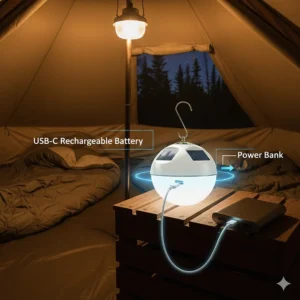
The LE LED Camping Lantern brings serious illumination power with its impressive 1000 lumens maximum output. This rechargeable powerhouse features four lighting modes – full brightness, half brightness, warm light, and strobe emergency signal. The 4400mAh battery provides 25-140 hours depending on mode, and the included USB cable enables easy recharging from power banks or car adapters.
The standout feature is the power bank functionality – the lantern can charge your devices via USB output, making it a dual-purpose tool. The foldable metal handles create convenient tent ceiling hook attachment points, and the magnetic base adds versatile mounting options. During testing, the 1000-lumen mode genuinely illuminated a 6-person tent to near-daylight levels.
Key Specs: 1000 lumens max output, 4400mAh rechargeable battery, power bank function, 10 oz weight, IPX4 water resistant
Price Range: $30-40
Customer Feedback: Car campers and group campers praise the exceptional brightness for large tents. Multiple reviews highlight the long battery life and power bank feature as major advantages. A few users note it’s too bright for solo backpacking, but most use the dimmer settings happily.
✅ Pros:
- Highest brightness on our list
- Rechargeable with power bank output
- Excellent value for features provided
❌ Cons:
- Heavier for backpacking
- Overkill brightness for small tents
Understanding Hanging Tent Lantern Technology
The evolution of tent light camping technology has been remarkable over the past decade. Modern lanterns utilize LED technology that’s exponentially more efficient than traditional incandescent bulbs, converting up to 80% of energy into light rather than heat. This efficiency translates directly to longer battery life and cooler operation – critical factors when your light source is hanging inches from your tent’s fabric ceiling.
The science behind effective ambient tent illumination involves several key factors. First, the color temperature measured in Kelvin dramatically affects your camping experience. Warm white light (2700-3000K) creates a cozy, relaxed atmosphere similar to campfire light, while cool white (5000-6500K) provides energizing brightness for task-oriented activities. According to research published by the Lighting Research Center, warm lighting reduces eye strain and promotes better sleep preparation compared to harsh blue-spectrum light.
Lumen output determines brightness, but more isn’t always better. A 100-lumen lantern typically provides sufficient overhead tent lighting for a 2-3 person tent, while 200-300 lumens suits family-sized accommodations. The inverse square law of light means that brightness decreases rapidly with distance, so placement height matters significantly. Hanging your lantern 18-24 inches from the tent floor creates optimal diffusion for most applications.
Battery technology has transformed portable lighting capabilities. Lithium-ion rechargeable batteries offer superior energy density compared to traditional alkaline cells, meaning more power in less weight and space. Solar-integrated lanterns leverage photovoltaic technology that has improved dramatically in efficiency, with modern panels achieving 15-20% conversion rates even in partially cloudy conditions.
The magnetic lantern tent mounting system represents an innovative engineering solution to the age-old problem of secure attachment. Neodymium magnets provide strong, reliable grip on steel tent poles or vehicle surfaces without damaging fabric or requiring traditional tent ceiling hook modifications. This versatility makes modern lanterns compatible with various shelter types beyond conventional camping tents.
Understanding IP (Ingress Protection) ratings helps you select weather-appropriate lighting. An IPX4 rating indicates splash resistance suitable for most camping conditions, while IPX7 means the device can withstand temporary submersion – essential for kayak camping or humid environments. The first digit represents solid particle protection (dust), while the second indicates liquid resistance.
How to Choose the Perfect Hanging Tent Lantern for Your Needs
Selecting the ideal overhead tent lighting solution requires balancing multiple factors against your specific camping style. Here’s my systematic approach refined through years of field testing and countless camping trips.
1. Assess Your Brightness Requirements
Start by considering your typical tent size and activities. Solo backpackers in lightweight shelters rarely need more than 75-100 lumens, while family car campers in 6-person tents benefit from 300-500 lumens. Think about your evening routine – reading requires focused light, while ambient conversation needs softer illumination. Dimmable lanterns offer the flexibility to adjust brightness as needed, extending battery life when full power isn’t necessary.
2. Evaluate Battery Type and Runtime
Match battery technology to your trip duration and access to power. Disposable batteries (AA, AAA) excel for reliability and cold-weather performance, plus they’re universally available at any gas station. Rechargeable lithium-ion systems reduce environmental impact and long-term costs, ideal when you can recharge between outings. Solar-powered options provide genuine off-grid independence for extended expeditions where resupply isn’t feasible.
Calculate your actual runtime needs by multiplying hours of darkness by days between charging opportunities, then add 30% safety margin. A 5-day desert camping trip averaging 12 hours of darkness requires approximately 78 hours of light (5 × 12 × 1.3). Select a lantern that meets or exceeds this requirement at your preferred brightness level.
3. Consider Weight and Packability
Weight consciousness varies dramatically between camping disciplines. Ultralight backpackers scrutinize every gram, making sub-4-ounce options like the Black Diamond Moji essential. Car campers can comfortably carry 10-15 ounce lanterns with enhanced features. Evaluate whether collapsible, inflatable, or rigid designs best suit your packing strategy.
Don’t overlook packed dimensions – a lantern that collapses to 1 inch thick might fit between clothing layers, while a rigid 6-inch model consumes prime pack real estate. Consider your gear organization system and available space before prioritizing features over compactness.
4. Determine Mounting Flexibility Needs
Modern carabiner clip light systems offer quick attachment to tent loops, tree branches, or backpack straps. Magnetic bases provide stable placement on vehicles or metal-frame shelters. Built-in hooks and stands enable freestanding operation on flat surfaces. Evaluate your typical camping setups – hammock campers need lightweight hanging solutions, while van campers benefit from magnetic mounting versatility.
Test mounting options before your trip. Some tent ceiling hook designs work beautifully with specific carabiner styles but frustrate with others. Verify compatibility between your shelter’s attachment points and your lantern’s mounting system to avoid midnight modifications.
5. Factor in Weather Resistance
Weather protection isn’t just about rain – condensation inside tents can damage electronics just as effectively as downpours. Minimum IPX4 rating provides adequate splash resistance for normal camping. Kayakers, rafters, or humid-climate campers should prioritize IPX7 submersible ratings. Remember that water resistance often comes with weight and cost penalties.
Temperature extremes affect battery performance significantly. Lithium batteries maintain capacity down to -20°F, while alkaline cells lose 50% performance below freezing. If you camp in cold conditions, choose lanterns with proven low-temperature operation or keep rechargeable batteries in your sleeping bag.
6. Evaluate Special Features Value
Advanced features like color-changing LEDs, Bluetooth control, power bank outputs, and red night-vision modes add functionality but increase complexity and cost. Honestly assess which features you’ll actually use versus which sound appealing but remain untouched. A simple, reliable lantern often outperforms a feature-laden model that requires constant charging or menu navigation.
Consider long-term value beyond initial price. A $15 lantern requiring $50 in disposable batteries annually costs more over three years than an $80 rechargeable model. Factor replacement costs, battery availability, and warranty coverage into your decision.
7. Read Real-World Reviews and Test Reports
Manufacturer specifications rarely tell the complete story. Seek independent reviews from actual campers in conditions similar to yours. Look for feedback about specific aspects like actual runtime versus claimed performance, durability after extended use, and customer service experiences. Pay attention to patterns – one negative review might be an outlier, but consistent complaints about battery life or water leakage signal real concerns.
Join camping forums or outdoor communities where experienced users share unfiltered opinions about gear performance. Reddit’s r/CampingGear and BackpackingLight forums offer treasure troves of real-world testing insights that marketing materials never reveal.
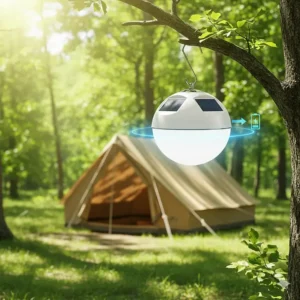
Essential Features Comparison: What Actually Matters
| Feature | Budget Models | Mid-Range | Premium | Why It Matters |
|---|---|---|---|---|
| Brightness | 75-150 lumens | 200-400 lumens | 500+ lumens | Task visibility vs battery life tradeoff |
| Battery Type | Disposable AA/AAA | Rechargeable Li-ion | Solar + rechargeable | Convenience vs sustainability impact |
| Weight | 6-10 oz | 4-8 oz | 3-7 oz | Pack weight critical for backpacking |
| Water Resistance | IPX4 (splash) | IPX6 (heavy spray) | IPX7 (submersible) | Environment protection level needed |
| Runtime | 20-50 hours | 50-100 hours | 100-200 hours | Trip duration between recharges |
Lighting Modes Explained: Beyond Simple On/Off
Modern hanging tent lantern designs incorporate multiple lighting modes that serve distinct purposes beyond basic illumination. Understanding these modes helps you maximize battery efficiency while optimizing comfort and functionality.
White Light Modes form the foundation of most lanterns, typically offering high, medium, and low brightness levels. High mode (500-1000 lumens) suits cooking, first aid, or detailed tasks requiring clear visibility. Medium settings (200-400 lumens) provide comfortable ambient light for socializing, reading, or organizing gear. Low modes (50-100 lumens) offer gentle background illumination that preserves night vision while maintaining orientation inside your shelter.
Warm Light Settings utilize amber or orange-spectrum LEDs that reduce blue light exposure. Research from the National Sleep Foundation demonstrates that blue light suppresses melatonin production, potentially disrupting sleep patterns. Warm modes create inviting, campfire-like ambiance while promoting natural sleep preparation. I consistently use warm settings for evening relaxation and notice significantly better sleep quality compared to cool white lighting.
Red Light Modes preserve night vision by maintaining rhodopsin levels in your eyes. This photosensitive pigment requires 20-30 minutes to regenerate after bright light exposure. Using red light allows you to move between tent and exterior darkness without readjustment periods – invaluable when answering midnight nature calls or stargazing between shelter visits. Emergency responders and astronomers have relied on red lighting for decades for this exact reason.
SOS/Emergency Strobe functions flash rapid patterns internationally recognized as distress signals. While hopefully never needed, this feature provides peace of mind during solo expeditions or when camping in remote areas. The strobing pattern maximizes visibility to rescue personnel while conserving battery power compared to continuous high-brightness operation.
Color-Changing RGB Modes might seem gimmicky initially, but they serve practical purposes. Green light reduces insect attraction compared to white light, making evening tent entries more pleasant. Blue creates energizing morning brightness. Purple provides unique ambient moods for festive camping occasions. Kids particularly enjoy color options, transforming tent time into engaging experiences rather than boring bedtime routines.
Dimming Capabilities range from simple stepped brightness (low/medium/high) to fully variable control. Continuous dimming allows precise adjustment matching specific activities and personal preferences. Some advanced models remember your last-used setting, eliminating menu navigation when you power on the lantern.
Understanding these modes empowers strategic battery management. Using appropriate brightness levels extends runtime dramatically – a lantern might provide 10 hours on high but 100 hours on low. Match mode to task for optimal efficiency.
Common Mistakes to Avoid When Using Tent Lanterns
Even experienced campers make preventable errors that reduce lantern effectiveness or create safety hazards. Learning from these common mistakes saves frustration and potentially prevents accidents during your outdoor adventures.
Hanging Too Close to Tent Fabric ranks as the most frequent error I observe at campsites. Despite modern LEDs producing minimal heat, prolonged contact with tent material can create hot spots that weaken waterproof coatings or, in extreme cases, cause melting. Maintain minimum 6-inch clearance between lantern and tent walls or ceiling. Use adjustable hanging systems rather than resting lanterns directly against fabric surfaces.
Ignoring Battery Maintenance between trips leads to corrosion, leakage, and ruined electronics. Remove batteries from lanterns during storage periods exceeding two weeks. Alkaline batteries particularly prone to leaking can destroy circuit boards and corrode contacts beyond repair. Store rechargeable batteries at 40-50% charge in cool, dry locations to maximize lifespan. I learned this lesson expensively when stored lanterns developed battery acid damage that rendered them unusable.
Overlooking Waterproofing Limits causes disappointment when “water-resistant” devices fail in downpours. Water resistance ratings describe specific test conditions that don’t necessarily reflect real-world camping scenarios. IPX4 handles splashes but not submersion. Don’t assume your lantern survives accidental drops in streams or prolonged rain exposure unless rated IPX7 or higher. Keep waterproof pouches handy for vulnerable electronics during severe weather.
Excessive Brightness Waste drains batteries unnecessarily while reducing nighttime comfort. Many campers default to maximum brightness out of habit despite needing fraction of that output. Your eyes adapt to lower light levels within minutes, making 50 lumens feel brighter than initially perceived. Start with minimal brightness and increase only if genuinely needed. This simple adjustment often doubles or triples effective runtime.
Poor Placement Planning creates shadows, glare, or inefficient light distribution. Center overhead placement provides superior area coverage compared to corner positioning. When reading, place lanterns slightly behind and above rather than directly overhead to prevent shadows from hands or books. Experiment with placement during setup rather than adjusting repeatedly after dark.
Neglecting Backup Lighting violates fundamental outdoor safety principles. Primary gear can fail, batteries die unexpectedly, and accidents happen. Always carry redundant lighting – minimally a headlamp plus your primary lantern. I prefer three light sources total: lantern, headlamp, and small backup flashlight. The minor weight penalty pales compared to navigating complete darkness when primary systems fail.
Forgetting Charging Protocols for rechargeable models creates midnight disappointments. Establish disciplined charging routines, especially during multi-day trips. Solar panels require direct sunlight, not filtered through tent fabric or tree canopy. Position panels optimally during breaks rather than assuming evening charging suffices. Carry backup power banks for USB-rechargeable lanterns on extended expeditions.
Maintenance and Care Tips for Longevity
Proper maintenance extends lantern lifespan dramatically while ensuring reliable performance when you need it most. These proven care techniques protect your investment and prevent field failures.
Cleaning Procedures remove grime, oils, and residues that degrade seals and reduce light transmission. After each trip, wipe external surfaces with slightly damp microfiber cloths, avoiding harsh chemicals that damage rubberized components or plastic housings. For stubborn dirt, use mild soap solutions followed by thorough drying. Clean lens surfaces gently with eyeglass cleaning cloths to prevent scratches that scatter light and reduce effective brightness.
Seal Inspection prevents water intrusion that destroys electronics. Examine O-rings, gasket seals, and charging port covers quarterly for cracks, compression set, or debris. Apply silicone grease sparingly to maintain pliability and water-tight integrity. Replace damaged seals immediately rather than hoping they’ll survive one more trip. Manufacturer websites typically sell replacement seal kits affordably.
Battery Care Protocols significantly impact performance longevity. For disposable battery models, inspect terminals monthly for corrosion, cleaning with baking soda solution and cotton swabs if present. Rechargeable lithium-ion batteries appreciate partial charge cycling rather than complete depletion. Avoid storing fully charged or completely drained – maintain 40-60% charge during off-seasons. Extreme temperature storage accelerates degradation; room temperature closets beat hot garages or frozen sheds.
Firmware Updates for smart lanterns with app connectivity occasionally provide performance improvements or bug fixes. Check manufacturer websites seasonally for available updates. This simple 10-minute task can enhance functionality or resolve known issues discovered after initial production.
Contact Point Maintenance ensures reliable electrical connections. Battery terminals and charging ports accumulate oxidation reducing conductivity. Clean contacts annually with isopropyl alcohol and cotton swabs. Extremely fine sandpaper (2000+ grit) removes stubborn oxidation when necessary, though gentle pressure prevents damage to plating.
Storage Considerations protect lanterns between adventures. Store in climate-controlled environments away from direct sunlight that degrades plastics and seals. Avoid crushing pressure from heavy gear stacked above. Dedicated gear bins or padded pouches prevent accidental impacts during garage reorganization. I designate specific storage locations for all camping lighting, ensuring quick access and preventing loss.
Documentation Retention might seem obvious, but warranty cards and purchase receipts enable manufacturer support when defects arise. Photograph serial numbers and store digitally alongside purchase documentation. Quality manufacturers honor warranties readily when provided proof of purchase and reasonable use evidence.
Investing 15 minutes post-trip in proper cleaning and maintenance prevents 90% of common failures I’ve encountered over two decades of camping. Treat your lantern like the essential safety tool it represents, and it’ll serve you reliably for years.
✨ Don’t Miss These Exclusive Deals!
🔍 Take your camping experience to the next level with these carefully selected lanterns. Click on any highlighted item to check current pricing and availability. These tools will help you create authentic outdoor memories your family will love!
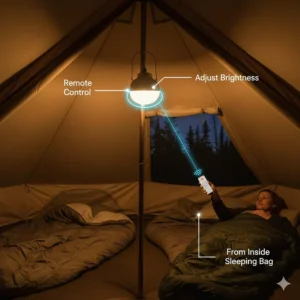
Budget vs Premium: Understanding the Value Proposition
The price spectrum for hanging tent lantern options ranges from $15 budget models to $100+ premium systems, leaving many wondering whether expensive equals better. Understanding what you’re actually paying for helps make informed decisions aligned with your camping frequency and priorities.
Budget Models ($15-30) deliver fundamental illumination without frills. You’ll get basic brightness controls, disposable battery operation, and straightforward designs prioritizing functionality over features. These lanterns typically sacrifice weight optimization, advanced materials, and specialized modes. However, they’re often manufactured using similar LED technology as premium alternatives, meaning basic performance can rival expensive counterparts.
The primary compromises involve durability, runtime efficiency, and quality control consistency. Budget lanterns might use lower-grade plastics prone to cracking, less robust waterproof seals, and components with higher failure rates. That said, occasional campers making 3-4 trips annually might never encounter durability limitations during normal lantern lifespan.
Mid-Range Options ($30-60) represent the sweet spot for regular campers. You’ll find rechargeable batteries, improved build quality, enhanced water resistance, and thoughtful design touches like glowing switch covers or battery indicators. Manufacturing quality control improves substantially in this bracket, reducing defect rates and inconsistent performance.
Weight optimization becomes priority at this level, with engineered materials reducing pack burden without sacrificing durability. Brands in this range typically offer superior customer service and more comprehensive warranties compared to budget alternatives. The value proposition centers on reliability and longevity rather than revolutionary features.
Premium Lanterns ($60-100+) target enthusiasts demanding cutting-edge technology and maximum versatility. Expect solar integration, smartphone app control, color-changing capabilities, power bank functions, and aerospace-grade materials. These models often weigh less while providing more features than cheaper alternatives – a testament to advanced engineering and premium components.
The premium segment offers marginal performance improvements but significant experience enhancements. Is color customization via smartphone app worth $50 extra? For some, absolutely. Others prefer simpler interfaces and invest savings in other gear categories. Brand reputation factors heavily here, with companies like BioLite and Goal Zero commanding premiums based on innovation histories and proven reliability.
Total Cost of Ownership calculations reveal interesting economics. A $15 lantern consuming $30 annually in disposable batteries costs $165 over five years ($15 + $150 batteries). A $75 solar rechargeable lantern costs $75 total during the same period. Frequent campers benefit financially from higher upfront investments in rechargeable or solar systems.
Consider replacement likelihood when budgeting. Expensive lanterns hurt more when lost or broken, though quality construction reduces accident risk. Budget models allow guilt-free replacement if damaged or lost during adventures. I carry premium rechargeable lanterns for planned trips but keep budget disposables for spontaneous outings or loaner purposes.
The honest truth? Most campers can’t justify premium pricing based purely on performance. You’re paying for convenience, reduced environmental impact, and enhanced experiences rather than dramatically superior illumination. Evaluate whether those factors matter personally before investing premium dollars.
Energy Efficiency and Environmental Impact
Camping inherently celebrates nature connection, making environmentally conscious gear selection particularly relevant. Understanding the ecological footprint of various tent light camping technologies empowers responsible purchasing aligned with outdoor ethics.
LED Technology Revolution transformed portable lighting sustainability. Compared to incandescent bulbs, LEDs consume 75% less energy while lasting 25 times longer according to Department of Energy research. This efficiency translates directly to reduced battery consumption – a critical consideration given battery manufacturing and disposal environmental costs.
Disposable Battery Impact carries significant ecological consequences often overlooked by casual campers. Each alkaline battery contains zinc, manganese, steel, and various chemicals requiring energy-intensive mining and processing. While technically recyclable, less than 5% of alkaline batteries undergo proper recycling in the United States. The remainder accumulate in landfills where heavy metals potentially leach into groundwater over decades.
Manufacturing one kilogram of batteries generates approximately 15 kilograms of CO2 emissions when accounting for mining, processing, and transportation. A camper using disposable batteries weekly generates roughly 30 pounds of battery waste annually – multiplied across millions of outdoor enthusiasts, this represents substantial environmental burden.
Rechargeable Solutions dramatically reduce waste generation. A single lithium-ion battery can replace 1,000+ disposable alkalines during its lifespan. While manufacturing rechargeable batteries involves greater initial environmental cost, lifecycle analysis demonstrates superior sustainability after approximately 20 charge cycles. For regular campers, this break-even point arrives within months.
However, rechargeable technology isn’t environmentally perfect. Lithium extraction impacts ecosystems through water consumption and chemical processing. Responsible disposal or recycling at end-of-life remains crucial, as lithium-ion batteries contain materials requiring specialized handling. Many retailers offer battery recycling programs – REI, Best Buy, and Home Depot accept exhausted rechargeable batteries at no charge.
Solar Integration represents the most sustainable option for frequent or extended camping. Once manufactured, solar panels generate clean energy throughout their 20+ year functional lifespan without consumables or emissions. The environmental cost concentrates in production rather than operation, making them increasingly attractive as manufacturing processes improve efficiency.
Modern photovoltaic cells achieve 15-20% conversion efficiency, meaning they harness usable energy from even partly cloudy conditions. This capability enables genuine off-grid operation without disposable resources. For extended wilderness expeditions, solar eliminates the impossible weight burden of carrying sufficient batteries for week-long trips.
Packaging and Shipping considerations extend beyond the product itself. Excessive packaging wastes resources while increasing transportation emissions. Many outdoor brands now utilize recycled packaging materials and minimize protective plastic – factors worth considering during purchase decisions. Buying quality products that last years rather than replacing cheap failures annually reduces cumulative environmental impact substantially.
Repair vs Replace mentality differs dramatically between price points. Premium manufacturers often provide replacement parts, repair services, and detailed maintenance guides extending product lifespan. Budget models become disposable when components fail. From sustainability perspectives, a repairable $80 lantern lasting a decade outperforms three unrepairable $25 lanterns used sequentially.
The greenest option remains using existing functional gear rather than pursuing marginal upgrades driven by marketing rather than genuine need. That said, if purchasing new lighting, prioritize rechargeable or solar-powered options from companies demonstrating environmental stewardship throughout their supply chains.
Safety Considerations and Best Practices
While hanging tent lantern systems seem inherently safe, understanding potential hazards and implementing preventive practices protects you from avoidable accidents during outdoor adventures.
Fire Safety remains paramount despite LED cool-operation advantages. Never suspend lanterns directly touching tent fabric, sleeping bags, or flammable materials. Maintain minimum 6-inch clearance from all combustibles. While rare, electronic failures can generate heat or sparks capable of igniting synthetic tent materials. Position lanterns where accidental falls won’t land on flammable items like fuel bottles, paper maps, or dry kindling stored inside your shelter.
Inspect lanterns before each use for damaged wiring, loose components, or compromised housings. Don’t operate obviously damaged units – even minor cracks in battery compartments can allow short circuits creating fire hazards. Replace rather than repair critical safety components like sealed battery chambers or waterproof housings.
Carbon Monoxide Risks don’t apply to LED lanterns, but this warning deserves emphasis given tragic deaths from using fuel-based lanterns inside tents. NEVER burn propane, white gas, or candle lanterns in enclosed shelters. Only battery-powered LED lights offer safe indoor operation. If someone suggests using fuel lanterns inside tents, politely but firmly explain the lethal danger – carbon monoxide poisoning causes death before victims recognize symptoms.
Eye Protection matters more than most realize. Staring directly at high-brightness LEDs can cause temporary vision issues or headaches, particularly in complete darkness when pupils fully dilate. Use diffusers, point lanterns away from face level, or select lower brightness settings for extended reading or close work. If you experience eye strain, reduce brightness immediately and allow 10-15 minutes recovery time.
Child Safety requires special attention when camping with young ones. Secure lanterns at heights preventing toddler access to avoid burns from even moderately warm LED housings. Remove batteries from lanterns not in use to prevent unauthorized operation. Teach children proper handling techniques and establish clear rules about when they can independently control lighting.
Wildlife Considerations extend beyond bears attracted to food scents. Bright lights disturb nocturnal animals and can disorient nesting birds or other wildlife near campsites. Practice Leave No Trace lighting principles by minimizing brightness, using directional modes when possible, and extinguishing lights when not actively needed. Red light modes particularly reduce wildlife disturbance compared to white illumination.
Emergency Preparedness means treating lanterns as critical safety equipment deserving redundancy and maintenance. Regularly test all lighting before trips rather than assuming functionality. Carry backup batteries or ensure full charges before departures. Know how to access maximum brightness quickly if needed for signaling or emergency visibility.
Weather-Related Hazards include lightning attraction and water damage. While hanging metal-framed lanterns inside tents doesn’t significantly increase lightning risk, avoid suspending them from external metal poles during active storms. Retreat to vehicles if camping in lightning-prone areas. Despite water-resistance ratings, protect lanterns during severe downpours using plastic bags or waterproof stuff sacks.
Proper Hanging Techniques prevent painful midnight accidents when lanterns fall on sleeping campers. Use secure carabiner clip light attachments rather than balancing lanterns on unstable surfaces. Double-check attachment points can support lantern weight plus safety margin for movement or wind. I’ve witnessed nasty facial bruises from fallen lanterns – simple prevention beats painful lessons.
Safety consciousness doesn’t mean paranoia. LED camping lanterns rank among the safest outdoor gear available when used appropriately. These guidelines simply ensure your lighting enhances rather than endangers your camping experiences.
Frequently Asked Questions
❓ How long do hanging tent lantern batteries typically last?
❓ Can you use a magnetic lantern tent light in non-metal tents?
❓ What brightness level works best for tent ceiling hook lanterns?
❓ Are rechargeable or disposable battery lanterns better for backpacking?
❓ How do you prevent condensation damage to overhead tent lighting?
Conclusion: Finding Your Perfect Camping Companion
After examining seven exceptional hanging tent lantern options and exploring the nuanced factors affecting selection, you’re equipped to make confident purchasing decisions aligned with your specific camping needs. The perfect lantern doesn’t exist universally – it exists specifically for your adventures, budget, and priorities.
For ultralight backpackers counting every gram, the Black Diamond Moji delivers unbeatable weight-to-performance ratio. Weekend car campers prioritizing sustainability should seriously consider the Goal Zero Lighthouse 600 with its solar independence and power bank versatility. Budget-conscious families can’t go wrong with reliable Vont lanterns offering exceptional value. Tech enthusiasts wanting customizable experiences will love the BioLite AlpenGlow’s innovative features.
Remember that lighting profoundly impacts camping enjoyment beyond mere visibility. The right ambient tent illumination transforms shelters into comfortable temporary homes rather than dark sleeping chambers. Quality overhead tent lighting enables evening activities, creates safety awareness, and fosters social connections around illuminated spaces.
Don’t overlook practical considerations like battery availability, recharging logistics, and weather conditions typical in your camping environments. A solar lantern excels in Arizona deserts but frustrates in Pacific Northwest forests with limited sunshine. Disposable battery models seem wasteful until you’re week-three into backcountry expeditions beyond resupply points.
My personal recommendation? Start with mid-range rechargeable options offering strong fundamentals without overwhelming features. Companies like Streamlight and Goal Zero deliver proven reliability, excellent customer support, and sustainable solutions balancing performance against cost. As you refine understanding of personal preferences through experience, you can make targeted upgrades or specialized additions.
The camping lighting landscape continues evolving rapidly with innovations arriving annually. Whatever you choose today represents significant advancement over options available just five years ago. Your purchase supports an industry increasingly prioritizing sustainability, efficiency, and user experience – trends benefiting all outdoor enthusiasts.
Get outside, enjoy the stars, and appreciate how proper lighting enhances rather than diminishes your wilderness connections. Happy camping!
Recommended for You
- 7 Best Waterproof Camping Lantern Options for 2026
- 7 Best Headlamp with Red Light Mode 2026 (Preserve Night Vision)
- 7 Best Solar Powered Camping Lanterns 2026
Disclaimer: This article contains affiliate links. If you purchase products through these links, we may earn a small commission at no additional cost to you.
✨ Found this helpful? Share it with your friends! 💬🤗
