

In This Article
✨Was this helpful? Spread the word!
Finding the perfect camper bunk bedding can transform your RV adventures from restless nights to restful retreats. Whether you’re a weekend warrior or a full-time nomad, the right bedding makes all the difference in your mobile home comfort. With the RV industry worth $35.94 billion in 2025 and growing at an 8.15% CAGR, more families are discovering the joy of RV living. However, many struggle with the unique challenges of outfitting their camper’s unconventional mattress sizes.
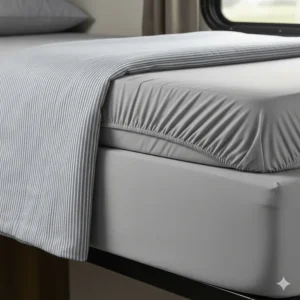
The secret lies in understanding that standard home bedding simply won’t work for most RV setups. Moreover, camper bunk bedding requires specific considerations for durability, space efficiency, and comfort during travel. Furthermore, the right rv camper bunk bed sheets need to withstand frequent washing, changing weather conditions, and constant movement while maintaining their softness and fit.
This comprehensive guide explores everything you need to know about selecting, maintaining, and maximizing comfort with your camper sheets for bunks. Additionally, we’ll cover the latest innovations in bunk bed camper sheets technology, from moisture-wicking fabrics to antimicrobial treatments that keep your sleeping space fresh throughout your adventures.
Understanding Camper Bunk Bedding Basics ️
The foundation of comfortable RV sleeping starts with understanding what makes camper bunk bedding different from traditional home bedding. Specifically, RV mattresses come in unique dimensions that don’t match standard home sizes, making bunk sheets for rv a specialized purchase. The typical RV bunk measures anywhere from 28″ x 75″ to 48″ x 80″, dimensions you’ll rarely find in conventional bedding stores.
Why Standard Bedding Doesn’t Work
Traditional bedding fails in RV environments for several critical reasons. First, standard fitted sheets lack the precise dimensions needed for RV mattresses, resulting in constant readjustment and discomfort during travel. Second, most home bedding isn’t designed for the compact storage requirements of RV living, where every cubic inch matters.
The weight factor also plays a crucial role in selecting appropriate rv bed sheets bunk options. Heavier fabrics add unnecessary weight to your RV, potentially affecting fuel efficiency and payload limits. Conversely, lightweight materials specifically designed for travel maintain comfort without compromising your vehicle’s performance capabilities.
Durability becomes paramount when your bedding endures constant folding, cramped storage, and frequent temperature fluctuations. Regular sheets often develop tears, lose elasticity, and fade quickly under these demanding conditions. Professional-grade camper bunk bedding addresses these challenges through reinforced construction and travel-optimized materials.
The Science of RV Sleeping Comfort
Research from the International Sleep Foundation indicates that proper bedding can improve sleep quality by up to 40%, a critical factor when you’re living in confined spaces. The unique challenges of RV sleeping include temperature regulation, moisture management, and maintaining cleanliness in small spaces.
Temperature regulation proves especially important in RVs, where interior temperatures can fluctuate dramatically based on weather conditions and heating/cooling system efficiency. Quality sheets for a camper bunk bed feature breathable fabrics that wick moisture away from your body while providing adequate warmth retention during cooler nights.
The psychological comfort factor shouldn’t be underestimated either. When your bed feels like home, the entire RV experience becomes more enjoyable and restful. This emotional connection to comfortable bedding translates into better sleep, improved mood, and enhanced travel experiences.
Essential Features to Look For
Material Considerations
Microfiber Excellence: Microfiber has revolutionized the camper bunk bedding industry with its superior durability and easy-care properties. These synthetic fibers resist wrinkles, dry quickly, and maintain their softness through countless wash cycles. Additionally, microfiber’s lightweight nature makes it perfect for RV storage constraints while providing excellent temperature regulation.
Cotton Classics: Traditional cotton remains popular for its natural breathability and familiar feel. However, not all cotton works well in RV environments. Egyptian and Pima cotton varieties offer superior durability and softness, though they require more care and storage space than synthetic alternatives.
Blended Solutions: Cotton-polyester blends combine the best of both worlds, offering cotton’s breathability with synthetic durability. These materials typically require less maintenance than pure cotton while providing better moisture management than traditional fabrics.
Size Specifications That Matter
Understanding exact measurements becomes crucial when ordering rv camper bunk bed sheets. Unlike home bedding where “close enough” might work, RV sheets must fit precisely to function properly during travel. Take measurements of your mattress at its widest, longest, and thickest points, including any mattress topper thickness.
Common RV Bunk Sizes:
- Narrow Twin: 28″ x 75″
- Standard Bunk: 30″ x 75″
- Wide Bunk: 34″ x 75″
- Twin Plus: 39″ x 75″
- Three-Quarter: 48″ x 75″
- Custom Dimensions: Various specialized sizes
Just one click – help others make better buying decisions too!
Top 7 Camper Bunk Bedding Products for 2025
1. KRISHNA Premium 4-Piece RV Sheet Set (39×75″)
The KRISHNA Premium 4-Piece RV Sheet Set stands out as our top recommendation for standard RV bunk applications. This comprehensive set includes one fitted sheet (39″x75″), one flat sheet (60″x96″), and two standard pillowcases (20″x30″), specifically tailored for RV environments.
Key Specifications:
- Material: Double-brushed microfiber
- Deep Pocket: Fits mattresses up to 10″ deep
- Color Options: Multiple solid colors
- Care: Machine washable, wrinkle-resistant
- Price Range: $24-29
The ultra-soft brushed microfiber construction provides exceptional comfort while maintaining durability through frequent use and washing. Furthermore, the deep pocket design ensures a secure fit that stays in place during travel, eliminating the frustration of constantly readjusting sheets.
Customer reviews consistently praise the KRISHNA Premium series for its authentic softness and reliable fit. Many RV owners report that these sheets maintain their comfort and appearance even after months of continuous use and regular washing cycles.
2. Shreem Linen Luxury 4-Piece Microfiber Set (38×75″)
The Shreem Linen Luxury 4-Piece Microfiber Set offers premium comfort at an accessible price point. This OEKO-TEX certified bedding set prioritizes safety and environmental responsibility while delivering exceptional performance in RV environments.
Key Features:
- Material: Ultra-soft brushed microfiber
- Certification: OEKO-TEX Standard 100
- Deep Pocket: Accommodates up to 10″ thick mattresses
- Colors: Wide range of solid colors
- Price Range: $19-25
The Shreem Linen Luxury set excels in moisture management, keeping you cool during summer camping and warm during cooler seasons. The fabric’s breathable construction prevents overheating while maintaining comfort throughout the night.
Professional RV reviewers consistently recommend Shreem Linen products for their consistent quality and customer service support. The brand’s commitment to customer satisfaction includes responsive support for sizing questions and care instructions.
3. SlumberWell 4-Piece Luxury Microfiber Collection (Multiple Sizes)
The SlumberWell 4-Piece Luxury Microfiber Collection provides versatility with multiple sizing options to fit various RV bunk configurations. This collection features 1800 Series microfiber construction designed specifically for recreational vehicle applications.
Available Configurations:
- Standard Twin (39″ x 75″)
- Extended Twin (42″ x 80″)
- Three-Quarter (48″ x 75″)
- Custom RV sizes
- Price Range: $22-28
SlumberWell’s innovative approach includes reinforced corner construction that prevents tearing during frequent setup and takedown. The elastic borders feature enhanced durability testing specifically for RV applications.
The silky-smooth texture rivals much more expensive bedding while maintaining the practical benefits required for mobile living. Additionally, the quick-dry properties make laundromat visits more efficient during extended travel periods.
4. Cottingon 100% Egyptian Cotton Premium Series
For RV owners who prioritize natural fibers, the Cottingon 100% Egyptian Cotton Premium Series represents the pinnacle of luxury in camper bedding. This premium collection features extra-long staple Egyptian cotton with 400-thread count construction.
Premium Specifications:
- Material: 100% Extra Long Staple Egyptian Cotton
- Thread Count: 400 TC sateen weave
- Deep Pocket: Fits up to 15″ deep mattresses
- Certifications: OEKO-TEX Standard 100
- Price Range: $39-55
The Cottingon series provides unmatched breathability and temperature regulation, crucial for RV comfort across varying climates. Natural cotton fibers excel at moisture absorption and release, maintaining optimal sleeping conditions.
While requiring more care than synthetic alternatives, the luxury and longevity of Egyptian cotton justify the investment for discerning RV owners. Proper care results in bedding that improves with age, becoming softer and more comfortable over time.
5. KRISHNA Premium 3/4 Full Bunk Series (48×75″)
The KRISHNA Premium 3/4 Full Bunk Series addresses the unique needs of larger RV bunk configurations. This size accommodates the increasingly popular three-quarter bunk dimensions found in newer RV models.
Extended Specifications:
- Dimensions: 48″ x 75″ fitted sheet
- Flat Sheet: 81″ x 96″
- Deep Pocket: 8-12″ mattress compatibility
- Material: Premium microfiber construction
- Price Range: $26-32
The larger dimensions provide additional comfort for adult sleepers or couples sharing bunk space. Moreover, the generous flat sheet sizing allows for proper tucking and coverage without compromising comfort during movement.
Installation proves simpler with the three-quarter size, as the additional width provides more working room during sheet changes in cramped RV interiors. This practical consideration significantly improves the user experience.
6. Shreem Linen Egyptian Cotton Collection (48×75″)
The Shreem Linen Egyptian Cotton Collection combines the brand’s reliability with the luxury of natural Egyptian cotton. This collection targets RV owners who refuse to compromise on comfort despite mobile living constraints.
Natural Luxury Features:
- Material: 100% Egyptian Cotton
- Construction: Sateen weave finish
- Durability: Reinforced hem construction
- Care: Machine washable with special instructions
- Price Range: $45-55
The natural cotton construction provides superior temperature regulation compared to synthetic alternatives. This advantage becomes particularly important during extended stays in varying climate conditions where HVAC efficiency varies.
Shreem Linen’s customer service excellence extends to their premium cotton line, with detailed care instructions and replacement guarantees that demonstrate confidence in product quality and customer satisfaction.
7. SlumberWell RV Twin Extended (42×80″)
The SlumberWell RV Twin Extended addresses the unique requirements of longer RV bunks found in truck sleepers and extended camper configurations. This specialized sizing solution fills a gap in the market for non-standard dimensions.
Extended Dimensions:
- Fitted Sheet: 42″ x 80″
- Flat Sheet: 70″ x 102″
- Deep Pocket: 8-12″ compatibility
- Construction: Double-brushed microfiber
- Price Range: $24-30
The extended length provides additional comfort for taller sleepers who often struggle with standard RV bedding dimensions. Furthermore, the extra length prevents feet from extending beyond the sheet coverage during restful sleep.
SlumberWell’s attention to specialized sizing demonstrates understanding of diverse RV owner needs. This product particularly benefits truck drivers and extended-travel RV enthusiasts who require maximum comfort during rest periods.
Comprehensive Buying Guide
### Take Your RV Comfort to the Next Level! ⭐
Transform your camping experience with these carefully selected bedding options. Click on any highlighted product to check current pricing and availability. These premium sheets will ensure you wake up refreshed and ready for adventure!
Material Deep Dive Analysis
Understanding fabric technology helps you make informed decisions about your camper bunk bedding investment. Each material category offers distinct advantages and considerations for RV applications.
Microfiber Technology Advances: Modern microfiber construction has evolved significantly beyond early synthetic fabrics. Today’s premium microfiber features ultra-fine fibers that are split during manufacturing, creating millions of tiny fibers that trap air for improved insulation while maintaining breathability.
The moisture-wicking properties of quality microfiber surpass many natural fibers, making it ideal for humid climates or RVs with limited ventilation. Additionally, the fabric’s quick-dry characteristics reduce mildew risks common in mobile environments.
Cotton Considerations for RV Use: While cotton provides unmatched comfort and familiarity, RV applications present unique challenges. Cotton’s absorbent nature can be advantageous for moisture management but problematic for quick drying and storage.
Percale weaves offer superior breathability for hot climates, while sateen weaves provide smoother texture and better wrinkle resistance. Understanding these differences helps optimize comfort for your specific travel patterns and climate preferences.
Blended Fabric Innovations: Modern fabric blends optimize the advantages of multiple fiber types while minimizing individual disadvantages. Cotton-polyester blends maintain natural fiber comfort while adding synthetic durability and easy-care properties.
Bamboo-blend fabrics represent emerging technology in RV bedding, offering natural antimicrobial properties and exceptional softness. These materials excel in temperature regulation while providing eco-friendly appeal for environmentally conscious RVers.
Sizing Precision Requirements
Accurate measurements form the foundation of successful camper bunk bedding purchases. Unlike home bedding where slight size variations typically work, RV applications demand precision to ensure proper fit and function.
Measurement Methodology: Begin by measuring your mattress without any bedding or toppers. Measure width at the widest point, length at the longest point, and thickness at the thickest point. Add any mattress topper thickness to your measurements for accurate fitted sheet selection.
Document these measurements for future reference, as RV mattress sizes can vary significantly even within the same manufacturer’s product line. Keeping accurate records prevents ordering mistakes and facilitates reordering when replacement becomes necessary.
Deep Pocket Considerations: Deep pocket specifications indicate the fitted sheet’s ability to accommodate thick mattresses. Standard RV mattresses range from 6-10 inches thick, while memory foam additions can increase total thickness significantly.
Selecting sheets with deep pockets exceeding your mattress thickness ensures proper fit and prevents corner pulling during sleep movement. However, excessively deep pockets may result in loose fitting that compromises comfort and appearance.
Color and Design Psychology
Color selection impacts both aesthetic appeal and practical considerations in RV environments. Light colors show dirt more readily but reflect heat better, while dark colors hide stains but may absorb more heat during sunny conditions.
Psychological Comfort Factors: Familiar colors and patterns help create a “home-like” feeling in compact RV spaces. Cool colors (blues, greens) promote relaxation and can make small spaces feel larger, while warm colors (reds, yellows) create cozy atmospheres but may feel overwhelming in confined areas.
Neutral colors offer maximum versatility and timeless appeal, working well with changing decor preferences throughout your RV ownership. Additionally, neutral bedding coordinates easily with seasonal accessories and personal items.
Practical Color Considerations: Consider your lifestyle and maintenance preferences when selecting colors. Full-time RVers who do frequent outdoor activities may prefer darker colors that hide dust and minor stains, while occasional users might prioritize aesthetic appeal.
Pattern complexity affects visual space perception. Simple patterns or solids help small spaces feel less cluttered, while busy patterns can make tight quarters feel overwhelming. Balance personal preferences with spatial psychology for optimal results.
Advanced Setup and Installation Tips
Professional Installation Techniques
Proper sheet installation in RV environments requires specific techniques that differ from home bedding setup. The confined workspace and unique mattress configurations demand strategic approaches for efficient installation.
Systematic Installation Approach: Begin installation from the head of the bed, working systematically toward the foot. This approach provides better control and reduces the likelihood of losing progress during the fitting process. Additionally, starting from the narrowest or most confined end typically proves more efficient.
Use the “tuck and roll” technique for fitted sheets, where you tuck one corner completely before moving to the adjacent corner. This prevents the first corner from popping off while you work on subsequent corners, a common frustration in tight RV quarters.
Corner Securing Methods: Deep pocket fitted sheets require proper corner engagement to function effectively. Ensure the elastic band sits below the mattress edge rather than on top, which can cause slipping during sleep movement.
For mattresses with rounded corners, work the fitted sheet fabric gently around the curve without forcing, which can damage the elastic or fabric. Quality sheets designed for RV use typically accommodate these shape variations more effectively than standard bedding.
Flat Sheet Management: Proper flat sheet placement ensures adequate coverage without excessive fabric bulk in small RV sleeping areas. Orient the sheet with the wider hem at the head for both aesthetic appeal and functional tucking at the foot of the bed.
Leave appropriate slack for movement without creating loose fabric that can tangle during sleep. The goal is smooth coverage that moves with the sleeper rather than restricting movement or becoming disheveled.
Storage Optimization Strategies
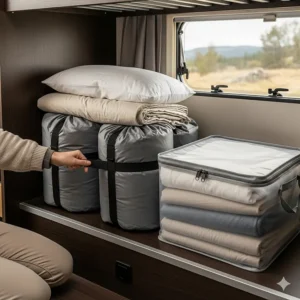
Efficient storage of camper bunk bedding requires strategic planning to maximize space utilization while maintaining fabric integrity. RV storage limitations demand creative solutions that protect your bedding investment.
Compression Techniques: Vacuum storage bags significantly reduce bedding volume for long-term storage, though frequent compression and decompression may affect fabric loft over time. Use this method for seasonal bedding changes rather than regular rotation.
Rolling storage often works better than folding for RV applications, as rolled items conform better to irregular storage spaces. Additionally, rolling reduces deep creases that can become permanent in synthetic fabrics.
Rotation Systems: Implement a rotation system if you carry multiple bedding sets, ensuring even wear and allowing for washing cycles during extended travel. Mark storage containers clearly to facilitate quick identification and selection.
Consider seasonal rotation strategies where lighter fabrics are accessible during warm months and heavier options are readily available for cooler seasons. This system maximizes comfort while optimizing storage efficiency.
Moisture Protection: RV environments present unique moisture challenges from condensation, humidity, and potential leaks. Store bedding in moisture-resistant containers with desiccant packets to prevent mildew and odor development.
Cedar blocks or lavender sachets provide natural freshening and pest deterrent properties while occupying minimal storage space. Regular airing of stored bedding prevents musty odors and maintains fabric freshness.
Maintenance and Longevity Strategies
Daily Care Routines
Establishing daily care routines significantly extends the life of your camper bunk bedding while maintaining optimal comfort and hygiene. These simple practices prevent major problems and reduce replacement frequency.
Morning Maintenance: Allow bedding to air-dry for 10-15 minutes after sleep before making the bed. This practice prevents moisture trapping that can lead to mildew development in humid RV environments.
Shake out and smooth bedding daily to prevent wrinkle setting and redistribute filling in comforters or pillows. This simple step maintains appearance and comfort while identifying any developing issues early.
Weekly Inspection Protocol: Conduct weekly inspections for wear signs, including loose threads, small tears, or elastic deterioration. Early identification allows for minor repairs before problems become major failures.
Check for stains or spots that require immediate attention. Prompt treatment prevents permanent staining and maintains the professional appearance of your RV interior.
Professional Cleaning Strategies
Professional-level cleaning extends bedding life while maintaining hygiene standards crucial for healthy RV living. Understanding proper techniques prevents damage while ensuring thorough cleaning.
Water Temperature Optimization: Use cool to warm water for most synthetic fabrics to prevent shrinkage and maintain color vibrancy. Hot water should be reserved for white cotton bedding or sanitization needs during illness.
Consider water quality at different locations, as hard water can affect fabric texture and cleaning effectiveness. Portable water softeners or appropriate detergent selection can mitigate water quality issues.
Detergent Selection Criteria: Choose detergents specifically formulated for the fabric types in your bedding collection. Enzyme-based detergents excel at removing protein-based stains, while oxygen bleaches safely brighten colors without damage.
Avoid fabric softeners on microfiber materials, as they can clog the fibers and reduce moisture-wicking capabilities. Instead, use white vinegar in the final rinse for natural softening without performance degradation.
Drying Optimization: Line drying preserves fabric integrity and saves energy, though space limitations may require laundromat facilities during travel. When machine drying, use low heat settings to prevent shrinkage and fabric damage.
Remove items promptly when dry to prevent over-drying and wrinkle setting. Slightly damp removal and immediate folding often eliminates the need for ironing, saving time and energy.
Comparative Analysis and Decision Framework
Performance Comparison Matrix
Understanding how different camper bunk bedding options compare across multiple criteria helps optimize your selection for specific needs and preferences.
| Feature | Microfiber | Cotton | Cotton Blend | Egyptian Cotton |
|---|---|---|---|---|
| Durability | Excellent | Good | Very Good | Excellent |
| Care Ease | Excellent | Fair | Good | Fair |
| Breathability | Good | Excellent | Very Good | Excellent |
| Moisture Wicking | Excellent | Fair | Good | Fair |
| Storage Efficiency | Excellent | Good | Good | Fair |
| Cost Effectiveness | Excellent | Good | Very Good | Fair |
| Luxury Feel | Good | Good | Good | Excellent |
| Quick Dry | Excellent | Fair | Good | Fair |
Investment Analysis Framework
Evaluating bedding purchases through total cost of ownership provides better decision-making criteria than initial price comparison alone.
Initial Investment Considerations: Higher-quality bedding typically requires larger upfront investment but provides superior durability and comfort over time. Calculate cost per year of expected use to determine true value proposition.
Consider bundle purchasing for complete bedroom setups, as manufacturers often offer significant discounts for multiple-item purchases. Additionally, buying complete sets ensures color and texture matching across all components.
Long-term Value Calculation: Factor replacement frequency into your decision matrix. Premium bedding lasting three years costs less annually than budget options requiring yearly replacement.
Include indirect costs such as increased washing frequency for lower-quality items that show wear and stains more readily. Energy costs for frequent replacement shopping and shipping also impact total cost of ownership.
Performance ROI Analysis: Quality sleep improvements translate into enhanced travel experiences, better mood, and improved health outcomes. While difficult to quantify monetarily, these benefits provide significant return on bedding investment.
Consider the impact of bedding quality on guest comfort if you frequently host visitors in your RV. Positive guest experiences enhance relationships and may influence future travel companionship opportunities.
Industry Trends and Future Innovations
Emerging Technologies in RV Bedding
The camper bunk bedding industry continues evolving with technological advances that address specific challenges of mobile living environments.
Smart Fabric Integration: Temperature-regulating fabrics featuring phase-change materials automatically adjust to body temperature fluctuations, maintaining optimal comfort throughout varying sleep cycles and environmental conditions.
Antimicrobial treatments using silver ion technology provide long-lasting odor and bacterial resistance without chemical treatments that may cause sensitivities. These innovations prove particularly valuable in humid RV environments.
Sustainable Material Development: Recycled fiber technologies create high-performance bedding from post-consumer plastics and textile waste, addressing environmental concerns while maintaining quality standards.
Bamboo and hemp fiber integration offers natural antimicrobial properties and exceptional durability while supporting sustainable agriculture practices. These materials represent the future of eco-conscious RV living.
Market Evolution Predictions
Industry analysis indicates several trends that will shape the camper bunk bedding market over the next decade.
Customization Advancement: 3D printing technology may eventually enable on-demand custom bedding production sized precisely for individual RV configurations, eliminating sizing concerns and reducing inventory needs.
Digital measurement tools using smartphone cameras will likely improve sizing accuracy and reduce return rates for online purchases. These tools may integrate with manufacturer databases for automatic size recommendations.
Integration with RV Technology: Smart RV systems may eventually coordinate with bedding features for automated temperature control, humidity management, and sleep quality monitoring.
Wireless charging integration in bedding fabrics could eliminate the need for bedside charging stations, improving space efficiency while maintaining device connectivity.

Regional and Seasonal Considerations
Climate-Specific Bedding Strategies
Different geographical regions and seasonal changes require adapted bedding strategies to maintain optimal comfort throughout diverse travel experiences.
Hot Climate Optimization: Desert and tropical regions demand maximum breathability and moisture-wicking capabilities to maintain comfort during warm nights. Light-colored, lightweight fabrics reflect heat while promoting air circulation.
Consider elevated thread counts in natural fibers for hot climates, as the increased fiber density improves moisture absorption without compromising airflow. Percale weaves excel in these conditions due to their naturally cooling properties.
Cold Weather Adaptations: Northern climates and high-altitude camping require bedding that provides adequate insulation while maintaining breathability to prevent condensation buildup inside RVs.
Layering systems work better than single heavy bedding items in RV environments, allowing temperature regulation adjustment as heating systems cycle and external temperatures fluctuate.
Humidity Management: Coastal and lake regions present unique humidity challenges that affect both comfort and bedding preservation. Moisture-wicking synthetic fabrics often outperform natural fibers in these environments.
Antimicrobial treatments become particularly valuable in humid conditions, preventing odor and mildew development that can compromise both health and comfort in confined RV spaces.
Seasonal Rotation Strategies
Implementing seasonal bedding rotation optimizes comfort while extending the life of your bedding collection through even usage distribution.
Spring Preparation: Transition to lighter-weight fabrics as temperatures moderate and humidity increases. This timing allows for deep cleaning and storage of winter bedding before extended travel seasons begin.
Inspect all bedding for winter storage damage and make necessary repairs or replacements before travel season demands immediate use.
Summer Adaptations: Prioritize moisture-wicking and quick-dry capabilities during peak travel season when laundry facilities may be limited and usage frequency increases.
Light colors and minimal pattern complexity help maintain cooler sleeping environments while hiding dust and minor stains common during active outdoor periods.
Autumn Transitions: Gradually introduce warmer fabrics as temperatures cool, allowing comfort adjustment without dramatic changes that might disrupt sleep quality during transition periods.
Use autumn as deep cleaning time for summer bedding before long-term storage, ensuring items remain fresh and ready for next season’s use.
Winter Preparation: Layer warm bedding options rather than relying solely on heavy items that may overwhelm limited RV storage and create difficult handling in confined spaces.
Consider backup bedding stored in readily accessible locations for emergency heating situations where primary RV heating systems may fail during cold weather camping.
Professional Installation and Setup Services
DIY vs. Professional Considerations
While most camper bunk bedding installation requires no professional assistance, certain situations benefit from expert consultation or service.
Complex Configuration Challenges: Custom RV builds or unusual mattress configurations may require professional measurement and fitting services to ensure optimal bedding selection and installation.
Multiple bunk configurations in larger RVs benefit from professional planning to optimize storage, rotation systems, and maintenance schedules across all sleeping areas.
Accessibility Considerations: RV owners with physical limitations may benefit from professional setup services that optimize bedding systems for easy maintenance and daily use without strain or difficulty.
Ergonomic considerations become particularly important in RV environments where space limitations compound accessibility challenges for individuals with mobility restrictions.
Professional Maintenance Services
Some RV parks and service centers offer professional bedding maintenance services that can extend bedding life while ensuring optimal hygiene standards.
Deep Cleaning Services: Professional ozone treatment and steam cleaning services remove embedded odors and sanitize bedding more thoroughly than typical RV washing facilities allow.
Commercial laundering services with RV-specific knowledge understand fabric requirements and optimize cleaning processes for mobile living applications.
Repair and Restoration: Professional textile repair services can extend the life of premium bedding through expert patching, elastic replacement, and seam reinforcement that exceeds home repair capabilities.
Color restoration and stain removal services may salvage expensive bedding that appears beyond home treatment options, providing cost-effective alternatives to replacement.
Environmental Impact and Sustainability
Eco-Friendly Material Choices
Environmental consciousness increasingly influences RV lifestyle choices, including bedding selection criteria that balance performance with ecological responsibility.
Sustainable Fiber Options: Organic cotton production eliminates pesticide usage while maintaining natural fiber benefits, though water usage remains a consideration for environmentally conscious consumers.
Recycled synthetic fibers divert waste from landfills while providing performance characteristics ideal for RV applications. These materials often exceed virgin synthetic performance while reducing environmental impact.
Manufacturing Process Considerations: OEKO-TEX and Global Organic Textile Standard certifications ensure manufacturing processes meet environmental and social responsibility criteria without compromising product quality.
Local manufacturing reduces transportation environmental impact while supporting domestic economies, though performance and price considerations may influence final decisions.
Lifecycle Impact Assessment
Understanding the complete environmental impact of bedding choices helps optimize ecological responsibility throughout the product lifecycle.
Production Impact: Natural fiber production typically requires more water and land resources but provides biodegradable end-of-life disposal options. Synthetic production requires petroleum resources but often results in longer-lasting products.
Consider regional manufacturing impacts, as local production may offset material environmental costs through reduced transportation requirements and local economic support.
Usage Phase Efficiency: Energy-efficient care requirements reduce environmental impact throughout the product’s useful life. Quick-dry fabrics reduce dryer usage, while durable materials require less frequent replacement.
Water usage for cleaning varies significantly between fabric types and care requirements. Factor regional water availability and treatment capabilities into your selection criteria.
End-of-Life Disposal: Plan for responsible disposal or recycling at the end of your bedding’s useful life. Some manufacturers offer take-back programs for their products, while textile recycling facilities can process most fabric types.
Consider donation possibilities for bedding that no longer meets your standards but remains serviceable for others. This approach extends product lifecycle while supporting community needs.
Case Studies and Real-World Applications
Full-Time RV Living Case Study
Background: The Johnson family transitioned to full-time RV living in a 35-foot motorhome with two bunk beds and a main bedroom, traveling continuously for 18 months across diverse climates.
Bedding Strategy: They selected a rotation system with three sets of camper bunk bedding per bed: microfiber for summer travel, cotton blend for spring/fall, and flannel-backed options for winter camping.
Results: The rotation system provided optimal comfort across temperature ranges while allowing for washing cycles during extended dry camping periods. Total bedding investment of $400 provided 18 months of quality sleep with minimal maintenance issues.
Key Learnings:
- Multiple bedding sets prove cost-effective for full-time travel
- Climate-specific materials significantly impact comfort
- Quality storage systems prevent damage and maintain freshness
- Regular maintenance schedules extend bedding life substantially
Weekend Warrior Analysis
Profile: The Martinez family uses their travel trailer 2-3 weekends monthly for seasonal camping, storing the RV between uses and maintaining a home base.
Approach: Single premium bedding set per bunk using high-quality microfiber designed for durability and easy care, with seasonal deep cleaning and professional storage techniques.
Outcomes: After three years, original bedding maintains appearance and comfort with minimal replacement needs. Lower upfront investment compared to rotation systems while maintaining satisfactory performance.
Insights:
- Quality single sets work well for occasional use
- Professional storage prevents damage during inactive periods
- Seasonal maintenance routines maintain performance standards
- Initial quality selection proves more important than quantity
Extended Travel Adventure
Scenario: Retired couple spending 6 months annually in RV travel with remaining time in permanent residence, covering 15,000+ miles per travel season across varied climates and altitudes.
Solution: Premium Egyptian cotton for luxury and comfort, with backup microfiber sets for emergency replacement and high-activity periods requiring frequent washing.
Performance: Superior comfort enhanced travel experience quality, while backup options provided flexibility for unexpected situations. Higher initial investment justified by enhanced sleep quality and reduced stress.
Takeaways:
- Luxury materials enhance extended travel experiences
- Backup systems provide peace of mind and flexibility
- Investment in premium bedding pays dividends in comfort
- Professional maintenance services prove valuable for expensive items
Regional Supplier Networks and Availability ️
North American Distribution
Understanding regional availability helps plan purchases and maintenance supplies throughout your travel routes.
Major Retail Networks: Camping World locations throughout North America stock RV-specific bedding with knowledgeable staff capable of providing sizing guidance and material recommendations based on your RV configuration.
Amazon delivery to pickup locations provides access to specialized products that may not be available in rural areas, though planning ahead becomes crucial for remote camping destinations.
Regional Specialty Stores: Local RV dealers often carry region-specific bedding designed for local climate conditions and popular travel patterns. These sources provide valuable local knowledge and support local economies.
Textile specialty stores in RV manufacturing regions may offer custom sizing and modifications not available through standard retail channels, providing solutions for unique configurations.
International Considerations
RV travel across international boundaries presents unique challenges for bedding maintenance and replacement that require advance planning.
Cross-Border Regulations: Textile import regulations vary between countries and may affect bedding transportation during international RV travel. Research requirements in advance to avoid complications at border crossings.
Customs declarations should accurately reflect bedding value and materials to prevent delays or additional fees that could complicate travel schedules.
Metric Sizing Conversions: International bedding markets use metric measurements that may not directly correlate with North American RV sizing standards. Carry precise measurements in both systems to facilitate international purchases.
Cultural preferences for bedding materials and construction may differ from North American standards, requiring adjustment of expectations and selection criteria in international markets.
Advanced Troubleshooting and Problem Resolution
Common Installation Problems
Despite careful selection and measurement, installation challenges may arise that require systematic troubleshooting approaches.
Fitted Sheet Sizing Issues: When fitted sheets appear too small despite correct measurements, verify mattress thickness including any toppers, and check for corner rounding that may require additional fabric accommodation.
Conversely, sheets that appear too large may indicate measurement errors or manufacturing variations. Contact the manufacturer for sizing verification before attempting returns or exchanges.
Elastic Deterioration: Premature elastic failure often results from over-stretching during installation or high-temperature washing/drying. Review care instructions and installation techniques to prevent future problems.
Temporary repairs using safety pins or fabric clips can provide interim solutions while awaiting replacement sheets, maintaining comfort without compromising safety.
Performance Optimization Strategies
Maximizing bedding performance requires understanding how various factors interact in RV environments.
Temperature Regulation Issues: If bedding feels too warm or cool despite appropriate material selection, consider ventilation improvements, mattress type effects, or layering adjustments that may resolve comfort issues.
Humidity control through dehumidifiers or ventilation fans may improve bedding performance more effectively than material changes in persistently humid environments.
Durability Concerns: Premature wear often indicates care procedure problems, storage issues, or material quality below expected standards. Systematic evaluation helps identify root causes and prevent repeat problems.
Warranty claims may be appropriate for quality defects, though normal wear from expected use typically isn’t covered. Understanding warranty terms prevents unrealistic expectations.
Cost-Benefit Analysis and Investment Strategy
Budget Optimization Approaches
Developing effective budgeting strategies for camper bunk bedding requires balancing initial investment with long-term value considerations.
Value Engineering Principles: Identify which features provide the most significant impact on your comfort and prioritize investment in those areas while accepting compromises in less critical aspects.
Consider phased purchases that spread investment over time while immediately addressing the most pressing comfort or functionality needs without overwhelming budgets.
Quality vs. Price Relationships: Research manufacturer reputations and customer feedback to identify brands that consistently deliver value at various price points, avoiding both overpriced products and false economy purchases.
Seasonal sales and bulk purchasing opportunities can significantly reduce costs while maintaining quality standards, particularly for items requiring regular replacement.
Return on Investment Calculations
Quantifying the value of quality bedding helps justify investment levels and optimize selection criteria.
Comfort Value Assessment: Better sleep quality translates into improved travel experiences, enhanced mood, and potentially better health outcomes that justify premium bedding investment for frequent RV users.
Guest satisfaction improvements may influence future travel companionship and relationship quality, providing intangible returns on bedding investment that extend beyond personal comfort.
Durability Economics: Calculate annual bedding costs by dividing total investment by expected useful life years, comparing this figure across different quality levels to identify optimal investment points.
Include replacement labor, shipping costs, and shopping time when evaluating total cost of ownership for different quality levels and purchase strategies.
Ready to Transform Your RV Sleep Experience? Don’t settle for restless nights on the road! These top-rated bedding options will revolutionize your camping comfort. Click any product link above to secure yours today – your future well-rested self will thank you! ✨

Frequently Asked Questions
❓ What size sheets fit most RV bunk beds?
❓ How often should you replace camper bunk bedding?
❓ Can you use regular home sheets on RV bunks?
❓ What's the best material for hot weather camping?
❓ How do you store extra bedding in an RV?
Recommended for You
- 7 Best RV Bunk Fitted Sheet Options for Ultimate Comfort in 2025
- 7 Best RV Bunk Sheets for Ultimate Comfort & Perfect Fit in 2025
- 7 Best RV King Sheets For Ultimate Comfort & Perfect Fit in 2025
Disclaimer: This article contains affiliate links. If you purchase products through these links, we may earn a small commission at no additional cost to you.
✨ Found this helpful? Share it with your friends!
