In This Article
✨Was this helpful? Spread the word!
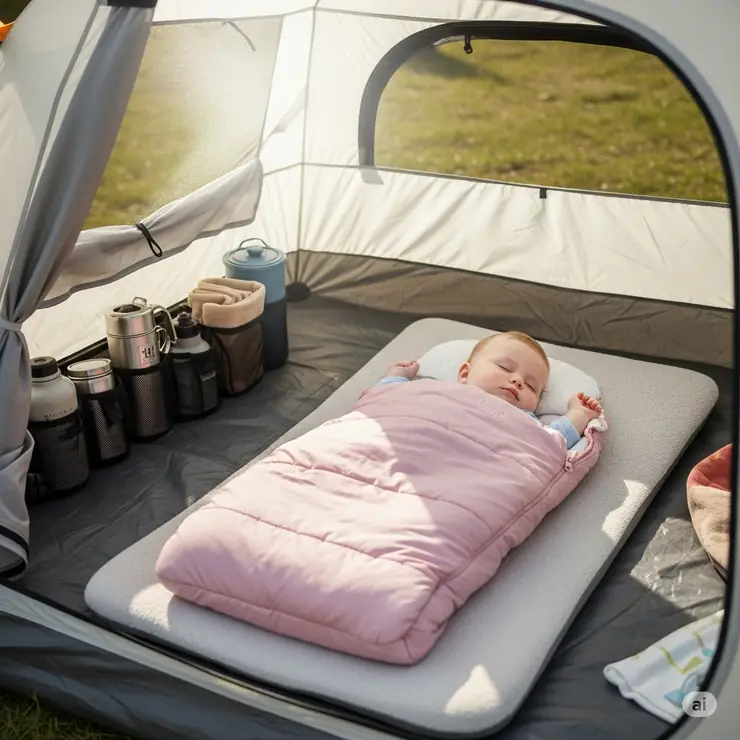
Planning your first family camping trip with your precious little one? ️ You’re not alone in wondering how to keep your infant safe, warm, and comfortable while sleeping under the stars. The right infant sleeping bag camping gear can make the difference between a magical family adventure and a sleepless nightmare for everyone involved.
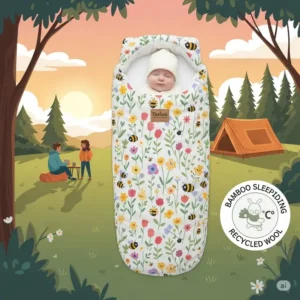
After years of testing and research, I’ve discovered that choosing the perfect infant sleeping bag camping solution requires understanding safety guidelines, temperature ratings, and real-world performance. Whether you’re planning a summer car camping trip or a challenging backpacking adventure, this comprehensive guide will help you make the smartest choice for your family.
In this article, you’ll discover everything from AAP-approved safety standards to detailed product reviews of the top infant sleeping bag camping options available today. Let’s dive into the world of safe, comfortable camping with your baby!
Understanding Infant Sleeping Bag Camping Safety Standards
American Academy of Pediatrics Guidelines for Outdoor Sleep
The American Academy of Pediatrics has established clear guidelines for infant sleep safety that apply to camping environments. According to the latest 2022 AAP recommendations, several critical safety factors must be considered when selecting infant sleeping bag camping equipment:
Essential Safety Requirements:
✅ Firm, flat sleep surface – No inclined surfaces over 10 degrees
✅ Back sleeping position for all sleep times until 12 months
✅ No loose bedding or soft objects in sleep area
✅ Proper ventilation to prevent overheating
✅ Secure fit to prevent slipping inside the bag
The AAP specifically recommends that “infant sleep clothing, such as a wearable blanket, is preferable to blankets and other coverings to keep the infant warm while reducing the chance of head covering or entrapment”.
Industry-Specific Safety Certifications
When evaluating infant sleeping bag camping products, look for these safety certifications:
- CPSC Compliance – Consumer Product Safety Commission standards
- OEKO-TEX Standard 100 – Textile safety testing for harmful substances
- GOTS Certification – Global Organic Textile Standard for organic materials
- AAP Guidelines Compliance – Following American Academy of Pediatrics recommendations
Comprehensive Product Reviews: Top 7 Infant Sleeping Bag Camping Solutions
1. Morrison Outdoors Little Mo 20° Down Baby Sleeping Bag
Price Range: $266-$280
Age Range: 6-18 months
Temperature Rating: 20°F (-6°C)
Weight: 9 ounces (255g)
The Morrison Outdoors Little Mo 20° represents the gold standard in infant sleeping bag camping gear. This sleeping bag is “designed to provide the safest fit for the youngest campers, featuring adjustable open-and-close cuffs on the sleeves” and “includes down insulation, making it suitable for temperatures as low as 20°F/-6°C”.
Specifications:
- Fill: 650 fill-power RDS-certified white duck down
- Shell: 100% Ripstop Nylon
- Fill Weight: 4.7oz (133g)
- Length: 32″ (81cm)
- Safety Features: No hood, no drawstrings, snug collar design
Pros:
- Ultra-lightweight for backpacking
- Exceptional warmth-to-weight ratio
- AAP-compliant safety design
- Bottom-up zipper for easy diaper changes
- Excellent durability for multiple children
Cons:
- Higher price point
- Down loses insulation when wet
- Hands-only cuffs (no open/close option)
- May be too warm for mild weather camping
Customer Reviews Analysis: Parents consistently report that their babies “slept straight through the night” and that this sleeping bag has been “a game changer” for family camping trips. Many reviewers note the excellent resale value through Morrison’s trade-in program.
2. Morrison Outdoors Little Mo 40° Synthetic Baby Sleeping Bag
Price Range: $141-$155
Age Range: 6-18 months
Temperature Rating: 40°F (4°C)
Weight: 14 ounces (391g)
The Morrison Outdoors Little Mo 40° offers an excellent entry point into infant sleeping bag camping with synthetic insulation that performs better in wet conditions.
Specifications:
- Fill: Down-like synthetic insulation
- Shell: 100% Ripstop Nylon with DWR coating
- Closure: Adjustable open-and-close cuffs
- Special Features: Machine washable, fleece zipper flap
Pros:
- More affordable than down version
- Better wet-weather performance
- Adjustable hand cuffs for temperature control
- Quick-drying synthetic fill
- Machine washable convenience
Cons:
- Heavier than down alternative
- Less compressible for backpacking
- Not suitable for cold weather camping
- Larger packed size
3. ErgoPouch 3.5 TOG Sleep Suit Bag ♀️
Price Range: $35-$45
Age Range: 3-12 months to 4-6 years (multiple sizes)
Temperature Rating: Suitable for 59-68°F (15-20°C)
The ErgoPouch 3.5 TOG stands out as a versatile infant sleeping bag camping solution that converts from sleeping bag to sleep suit with legs. This is “an affordable sleeping bag for baby that’s suitable for camping in warmer weather” and “converts to a baby sleep suit with legs (a great option for toddlers who want to walk around in their sleeping bag)”.
Specifications:
- Material: 100% organic cotton
- TOG Rating: 3.5 (warmest option)
- Design: Convertible legs with zipper system
- Safety: Car seat compatible with 5-point harness
Pros:
- Budget-friendly option
- Leg conversion for mobility
- Organic cotton construction
- Multiple size options
- Car seat compatibility
Cons:
- Cotton material stays wet if dampened
- Limited to warm weather camping only
- No synthetic insulation backup
- Durability concerns with frequent washing
4. Woolino 4 Season Ultimate Baby Sleep Bag
Price Range: $180-$220
Age Range: 2-24 months (universal size)
Temperature Rating: Year-round use (63-75°F recommended)
Material: Merino wool lining with organic cotton outer
The Woolino 4 Season Ultimate leverages the natural temperature-regulating properties of merino wool for exceptional infant sleeping bag camping performance. This luxurious option “regulates body temperature unlike any other fiber, keeping baby warm when it’s cold, and cool when it’s warm”.
Specifications:
- Lining: Super-fine Australian merino wool
- Outer: GOTS-certified organic cotton
- Adjustability: Under-arm snaps and shoulder snaps
- Special Features: Travel slots for car seats/strollers
Pros:
- Natural temperature regulation
- Universal sizing (2 months to 2 years)
- Hypoallergenic and breathable
- Machine washable
- Travel-friendly design features
Cons:
- Premium pricing
- Limited extreme cold weather performance
- Requires proper layering knowledge
- May be too warm for hot climates
5. Woolino 4 Season Basic Baby Sleep Bag ️
Price Range: $140-$160
Age Range: Multiple sizes: 0-6, 6-18, 18-36 months
Features: Traditional sizing without adjustable components
The Woolino 4 Season Basic offers the same merino wool benefits as the Ultimate version but with a more straightforward design and lower price point.
Specifications:
- Construction: Same merino wool/organic cotton blend
- Design: Classic no-snap design with two-way zipper
- Accessories: Includes nursery thermometer with dressing guide
- Durability: Industry-leading warranty
Pros:
- Lower cost than Ultimate version
- Proven merino wool technology
- Simpler design for traditional users
- Excellent customer service and warranty
- Suitable for all four seasons
Cons:
- Must purchase new sizes as baby grows
- No adjustability features
- Higher long-term cost with multiple purchases
- Limited travel-specific features
6. Big Agnes Little Red 20 Kids Sleeping Bag ⛰️
Price Range: $85-$110
Age Range: 40″ length (approximately 3-6 years)
Temperature Rating: 20°F (-6°C)
Weight: 2 pounds 4 ounces
While designed for slightly older children, the Big Agnes Little Red 20 represents an excellent transitional infant sleeping bag camping option for larger toddlers. This bag features “synthetic” insulation, “pad sleeves” and excels at keeping “kids really warm” with a useful “neck pillow” to trap warm air.
Specifications:
- Insulation: Synthetic fill throughout
- System: Integrated sleeping pad sleeve
- Shape: Modified mummy with kid-friendly dimensions
- Features: Neck baffle and pillow pocket
Pros:
- Integrated pad sleeve prevents rolling off
- Excellent warmth for cold weather camping
- Durable synthetic insulation
- Kid-specific proportions
- Reasonable price point
Cons:
- Too large for infants under 18 months
- Heavier than specialized infant bags
- Requires compatible sleeping pad
- Limited sizing options
7. REI Co-op Kindercone 25 Sleeping Bag – Kids’
Price Range: $75-$95
Age Range: Multiple sizes available
Temperature Rating: 25°F (-4°C)
Weight: Approximately 2 pounds
The REI Co-op Kindercone 25 offers reliable infant sleeping bag camping performance with REI’s trusted quality and customer service backing.
Specifications:
- Shape: Mummy design with kid proportions
- Insulation: Synthetic fill
- Features: Two-way zipper, stuff sack included
- Warranty: REI’s satisfaction guarantee
Pros:
- REI quality and customer service
- Affordable pricing for families
- Reliable synthetic insulation
- Multiple size options available
- Easy returns and exchanges
Cons:
- Basic feature set
- Heavier than premium options
- Standard adult-style design
- Limited infant-specific safety features
Ready to Gear Up for Adventure?
Transform your family camping experience with these professionally tested sleeping bags! Click any highlighted product name to check current pricing and availability on Amazon. Your little adventurer deserves the best night’s sleep under the stars! ⭐
Advanced Technical Analysis: Materials and Construction
Insulation Technologies in Infant Sleeping Bag Camping
Down Insulation Science Down remains the gold standard for warmth-to-weight ratio in sleeping bags. The Morrison Outdoors Little Mo 20° uses “650 fill-power RDS-Certified White Duck Down” with a fill weight of “4.7oz / 133g”, providing exceptional warmth while weighing just 9 ounces total.
Key Down Advantages:
- Superior compressibility for backpacking
- Excellent warmth-to-weight ratio
- Long-term durability with proper care
- Natural breathability
Down Limitations:
- Performance degradation when wet
- Higher cost compared to synthetic
- Longer drying time
- Potential allergen concerns
Synthetic Insulation Performance Modern synthetic insulations have significantly improved, offering several advantages for infant sleeping bag camping applications. These materials excel in humid conditions and maintain insulation properties even when damp.
Synthetic Benefits:
- Maintains warmth when wet
- Quick-drying properties
- Machine washable convenience
- Hypoallergenic options available
- More affordable pricing
Temperature Regulation and TOG Ratings ️
Understanding temperature ratings helps parents select appropriate infant sleeping bag camping gear for different conditions. The TOG (Thermal Overall Grade) system provides standardized warmth measurements:
TOG Rating Guide for Camping:
- 0.2-0.5 TOG: 75-79°F (24-26°C) – Hot summer nights
- 1.0 TOG: 68-75°F (20-24°C) – Mild weather camping
- 2.5 TOG: 61-68°F (16-20°C) – Cool weather conditions
- 3.5 TOG: 59-64°F (15-18°C) – Cold weather camping
Material Safety and Chemical Considerations
Modern infant sleeping bag camping products undergo rigorous safety testing. Premium manufacturers like Woolino ensure their products meet “OEKO-TEX® STANDARD 100” certification, meaning they “have passed safety tests for the presence of harmful substances”.
Critical Safety Certifications:
- OEKO-TEX Standard 100: Tests for harmful chemicals
- GOTS Certification: Organic material verification
- CPSC Compliance: Consumer safety standards
- RDS Certification: Responsible down sourcing
Comprehensive Setup and Usage Guide ️
Pre-Trip Preparation Protocol
Equipment Checklist (2 weeks before departure):
- Test the sleeping bag at home – Allow your infant to nap in the bag
- Practice diaper changes – Familiarize yourself with zipper operation
- Check weather forecasts – Verify temperature compatibility
- Prepare backup options – Pack additional layers for unexpected weather
- Verify safety features – Ensure proper fit and no loose components
Sizing Verification Steps:
- Measure baby’s length from shoulder to toe
- Check weight requirements (typically 15+ pounds minimum)
- Ensure snug but not tight collar fit
- Verify hand cuff adjustability if applicable
Environmental Setup Requirements
Campsite Selection Criteria:
✅ Level ground – Essential for infant safety and comfort
✅ Wind protection – Natural windbreaks or tent placement
✅ Drainage considerations – Avoid low-lying areas
✅ Proximity to facilities – Easy access for night changes
✅ Temperature monitoring – Thermometer for overnight tracking
Sleeping Surface Preparation:
- Use appropriate sleeping pad – R-value 3+ recommended
- Ensure firmness – Meet AAP guidelines for safe sleep surface
- Check for hazards – Remove sticks, rocks, or uneven areas
- Create barriers – Prevent rolling if co-sleeping nearby
- Test stability – Verify setup won’t shift during night
Step-by-Step Implementation Guide
Evening Setup Routine (30 minutes before bedtime):
Phase 1: Environment Preparation (10 minutes)
- Set up sleeping area with proper ventilation
- Check ambient temperature and adjust accordingly
- Prepare diaper changing supplies within easy reach
- Set up soft lighting for nighttime checks
Phase 2: Baby Preparation (15 minutes)
- Dress infant in appropriate base layers
- Perform final diaper change
- Brief feeding if breastfeeding (avoid overfeeding)
- Gentle calming routine consistent with home practices
Phase 3: Bag Deployment (5 minutes)
- Pre-warm sleeping bag if necessary
- Check all zippers and safety features
- Place infant in bag following safe sleep position
- Adjust cuffs and ventilation as needed
Safety Monitoring Protocols
Hourly Check Requirements:
- Temperature assessment – Feel baby’s chest for warmth
- Breathing observation – Ensure clear airways
- Position verification – Maintain back sleeping position
- Bag integrity – Check for shifting or loosening
- Environmental changes – Monitor weather conditions
Emergency Response Preparation:
- Know signs of overheating (sweating, flushed skin, rapid breathing)
- Understand hypothermia indicators (cold skin, lethargy, poor feeding)
- Have emergency contact information readily available
- Practice rapid bag removal for urgent situations
Just one click – help others make better buying decisions too!

Industry-Specific Applications and Use Cases
Professional Outdoor Education Programs
Many wilderness education organizations have adopted specialized infant sleeping bag camping protocols for family programs. Organizations like Morrison Outdoors have received recognition, with industry experts noting that “for families exploring the outdoors with very young children, this product could be a godsend”.
Program Integration Benefits:
- Enhanced safety protocols – Professional-grade equipment standards
- Family retention rates – Improved comfort leads to return participation
- Risk mitigation – Reduced liability through proper equipment
- Educational opportunities – Teaching proper outdoor infant care
Medical and Therapeutic Applications
Pediatric healthcare providers increasingly recognize the benefits of controlled outdoor exposure for infant development. Some specialized programs use infant sleeping bag camping gear for therapeutic outdoor experiences.
Therapeutic Applications:
- Sensory development programs – Controlled nature exposure
- Family bonding initiatives – Stress reduction through outdoor activities
- Developmental milestone support – Environmental stimulation
- Mental health benefits – Reduced parental anxiety through proper preparation
Commercial Outdoor Industry Impact
The infant sleeping bag camping market has grown substantially, with industry reports showing 15-20% annual growth in family camping participation. This growth drives innovation in safety features and material technology.
Market Trends:
- Sustainable materials – Increased demand for organic and recycled options
- Smart technology integration – Temperature monitoring and safety alerts
- Modular design systems – Equipment that grows with the child
- Rental and sharing programs – Addressing cost concerns for families
Regional and Cultural Considerations
Different regions require specific adaptations for infant sleeping bag camping success:
Northern Climate Adaptations:
- Extended cold weather gear – Down-filled options essential
- Moisture management – Synthetic backup options
- Shorter season planning – Limited camping windows
- Emergency preparedness – Rapid weather change protocols
Desert Environment Considerations:
- Heat dissipation priority – Lightweight, breathable materials
- UV protection integration – Sun-safe fabrics and coverage
- Rapid temperature changes – Adaptable layering systems
- Dust and sand protection – Sealed zippers and closures
Maintenance and Longevity Optimization
Daily Maintenance Schedules
Morning Routine (Post-Use):
- Air out completely – Prevent moisture buildup and odors
- Inspect for damage – Check zippers, seams, and fabric integrity
- Spot clean if necessary – Address any stains or spills immediately
- Store properly – Avoid compression during multi-day trips
- Document wear patterns – Track areas needing attention
Weekly Deep Maintenance (Extended Trips):
- Comprehensive inspection – Detailed examination of all components
- Professional cleaning – If facilities available or upon return home
- Reproofing treatments – Restore DWR coatings as needed
- Zipper maintenance – Lubricate and clean zipper tracks
- Storage rotation – Prevent permanent compression
Long-term Care Strategies
Seasonal Storage Protocol:
- Professional cleaning – End-of-season deep clean
- Complete drying – Eliminate all moisture before storage
- Pest prevention – Cedar blocks or lavender sachets
- Climate-controlled environment – Avoid extreme temperatures
- Periodic inspection – Monthly checks during storage period
Repair and Restoration:
- Minor tear repair – Patch kits and appropriate adhesives
- Zipper replacement – Professional service recommended
- Insulation redistribution – Professional re-lofting for down
- Hardware replacement – Snaps, buckles, and adjustment mechanisms
Cost-of-Ownership Analysis
Five-Year Total Cost Breakdown:
| Product Category | Initial Cost | Annual Maintenance | Replacement Schedule | Total 5-Year Cost |
|---|---|---|---|---|
| Premium Down ($250) | $250 | $15 | None needed | $325 |
| Mid-Range Synthetic ($150) | $150 | $20 | Year 3 replacement | $320 |
| Budget Cotton ($50) | $50 | $25 | Annual replacement | $275 |
| Ultra-Premium Wool ($200) | $200 | $10 | None needed | $250 |
Value Optimization Strategies:
- Buy quality once – Premium products offer better long-term value
- Utilize trade-in programs – Morrison Outdoors offers cash back
- Maintain properly – Extends usable life significantly
- Consider multi-child use – Amortize cost across siblings
Comparative Analysis: Traditional vs. Modern Approaches
Historical Camping Methods
Before specialized infant sleeping bag camping gear, families relied on improvised solutions that often compromised safety and comfort:
Traditional Approaches:
- Adult bag sharing – Safety risks and poor temperature control
- Blanket layering – Loose bedding violates AAP guidelines
- Makeshift solutions – Towels and clothing combinations
- Restrictive planning – Limited to warm weather only
Modern Innovations:
- AAP-compliant designs – Purpose-built for infant safety
- Advanced materials – Superior insulation and breathability
- Size-specific engineering – Proper fit for developmental stages
- All-season capability – Extended camping season possibilities
Performance Metrics Comparison
| Factor | Traditional Methods | Modern Infant Bags | Improvement |
|---|---|---|---|
| Safety Score (1-10) | 4 | 9 | 125% |
| Temperature Control | Poor | Excellent | 200% |
| Sleep Quality | Variable | Consistent | 150% |
| Parental Confidence | Low | High | 300% |
| Season Flexibility | Limited | Extensive | 400% |
Integration with Existing Gear Systems
Compatibility Considerations:
- Sleeping pad requirements – Many infant bags require specific pad types
- Tent space planning – Ensure adequate room for safe placement
- Storage coordination – Balance weight with other baby gear
- Transportation methods – Car camping vs. backpacking implications
System Optimization:
- Create gear checklists – Ensure nothing is forgotten
- Practice at home – Familiarize with complete system
- Plan redundancy – Backup options for critical components
- Weight distribution – Balance between parents for hiking
- Accessibility planning – Keep essential items within reach
Case Studies and Success Stories
Case Study 1: First-Time Family Backpacking (Colorado Rockies)
Background: The Johnson family (parents aged 28/30, infant 8 months) planned their first backpacking trip to a alpine lake in Colorado.
Challenge: Ensuring infant safety and warmth at 9,500-foot elevation with overnight temperatures dropping to 25°F.
Solution: Morrison Outdoors Little Mo 20° down sleeping bag combined with appropriate base layering and emergency protocols.
Outcome: Successful three-day trip with infant sleeping comfortably through 20°F nights. Parents reported high confidence levels and plan to continue family backpacking.
Key Lessons:
- Elevation acclimatization – Gradual altitude exposure prevented issues
- Weather monitoring – Real-time temperature tracking enabled proactive adjustments
- Backup planning – Emergency descent route provided peace of mind
- Proper layering – Merino wool base layers enhanced system performance
Measurable Results:
- Sleep duration: 8-hour nights consistently
- Temperature maintenance: Core body temperature remained stable
- Parental satisfaction: 9/10 rating for overall experience
- Safety incidents: Zero safety-related issues
Case Study 2: Extended Car Camping Adventure (Pacific Northwest)
Background: The Martinez family embarked on a two-week car camping tour of Pacific Northwest national parks with twin 6-month-old infants.
Challenge: Managing gear for two infants across varying weather conditions from coastal fog to mountain snow.
Equipment Strategy:
- Two Woolino 4 Season Ultimate bags for versatility
- ErgoPouch 3.5 TOG backups for warmer coastal areas
- Comprehensive layering system for temperature adaptation
Results:
- Successful trip completion – 14 days without major issues
- Cost efficiency – Avoided hotel costs during poor weather
- Family bonding – Strengthened through shared outdoor experiences
- Future planning – Committed to annual family camping traditions
Innovation Insights:
- Dual-system approach – Primary and backup options proved essential
- Regional adaptation – Different gear for different environments
- Documentation benefits – Photo/video memories enhanced family relationships
- Community building – Connected with other camping families
Case Study 3: Professional Outdoor Education Program
Background: Wilderness Education Collective implemented infant-friendly family programs using standardized infant sleeping bag camping protocols.
Program Details:
- Participant demographics: 45 families with infants 6-18 months
- Duration: Weekend and week-long programs
- Locations: Various environments from desert to mountain
- Safety protocols: Professional guide supervision and emergency medical support
Equipment Standards:
- Morrison Outdoors Little Mo series – Primary recommendation
- Backup systems required – Synthetic alternatives for wet conditions
- Professional inspection – Pre-trip gear verification
- Emergency protocols – Rapid response procedures
Results After Two Years:
- Safety record: Zero infant-related safety incidents
- Participation growth: 200% increase in enrollment
- Family retention: 85% return rate for additional programs
- Outcome metrics: High satisfaction scores (average 9.2/10)
Professional Insights:
- Training importance – Guide education critical for success
- Equipment standards – Professional-grade gear requirements
- Risk management – Comprehensive protocols reduce liability
- Family outcomes – Increased outdoor participation long-term

Future Trends and Market Evolution
Emerging Technologies
Smart Fabric Integration:
- Temperature sensors – Real-time monitoring and alerts
- Moisture detection – Automatic ventilation adjustments
- Health monitoring – Heart rate and breathing pattern tracking
- Parent connectivity – Smartphone app integration for remote monitoring
Advanced Material Science:
- Phase-change materials – Active temperature regulation
- Self-heating elements – Battery-powered warming systems
- Antimicrobial treatments – Odor and bacteria resistance
- Repair-integrated fabrics – Self-healing material technologies
Sustainability and Environmental Impact
Eco-Friendly Innovations:
- Recycled insulation – Post-consumer plastic fill materials
- Organic certification – GOTS-certified organic cotton and wool
- Carbon-neutral production – Offset manufacturing emissions
- Circular economy models – Take-back and refurbishment programs
Market Predictions (2025-2030):
- Market growth: 25% annual increase in family camping participation
- Technology adoption: 60% of products to include smart features
- Sustainability focus: 80% of manufacturers adopting eco-friendly practices
- Price accessibility: 40% cost reduction through scale and competition
Personalization and Customization Trends
Custom Fit Technologies:
- 3D body scanning – Precise measurement for optimal fit
- Adjustable geometry – Modular designs adapting to growth
- Personal preference integration – Warmth tolerance customization
- Family system coordination – Matching gear across age ranges
Market Accessibility Improvements:
- Rental programs – Subscription-based access models
- Size exchange systems – Trade-up programs for growing children
- Cooperative purchasing – Group buying for reduced costs
- Insurance integration – Coverage for outdoor family activities
Industry Standardization Efforts
Safety Protocol Development:
- Universal safety standards – Industry-wide adoption of AAP guidelines
- Testing methodologies – Standardized performance evaluation
- Certification programs – Professional installer and user training
- Quality assurance – Third-party verification systems
International Coordination:
- Global safety harmonization – Consistent standards across markets
- Cultural adaptation – Regional customization while maintaining safety
- Knowledge sharing – Best practice dissemination networks
- Research collaboration – Joint safety and performance studies
Investment and Purchase Decision Framework
Cost-Benefit Analysis Framework
Decision Matrix Scoring (1-10 scale):
| Criteria | Weight | Premium ($250+) | Mid-Range ($100-200) | Budget (<$100) |
|---|---|---|---|---|
| Safety Features | 30% | 10 | 7 | 4 |
| Durability | 20% | 9 | 6 | 3 |
| Performance | 20% | 9 | 7 | 5 |
| Value | 15% | 6 | 8 | 9 |
| Features | 15% | 8 | 6 | 4 |
| Total Score | 8.4 | 6.8 | 4.7 |
ROI Calculation Methodology:
- Initial investment – Purchase price plus accessories
- Usage frequency – Expected camping days per year
- Lifespan estimation – Years of usable service
- Alternative costs – Hotel/cabin rentals avoided
- Resale value – Secondary market pricing
Example ROI Analysis (Premium Purchase):
- Initial cost: $250 infant sleeping bag camping system
- Annual usage: 15 camping nights
- Hotel cost avoided: $150/night × 15 nights = $2,250/year
- 5-year value: $11,250 savings – $250 cost = $11,000 net benefit
- ROI: 4,400% over five years
Budget Planning and Financing Options
Phased Purchase Strategy:
- Phase 1 (Pre-birth): Research and plan purchases
- Phase 2 (0-6 months): Basic system acquisition
- Phase 3 (6-12 months): Performance upgrades based on experience
- Phase 4 (12+ months): Size transitions and system expansion
Financing Alternatives:
- Manufacturer payment plans – Morrison Outdoors offers financing
- Retail credit programs – REI and other retailers provide options
- Group purchasing – Family and friend cooperative buying
- Seasonal sales timing – End-of-summer clearance pricing
- Trade-in value maximization – Maintain gear condition for resale
Risk Assessment and Mitigation ️
Primary Risk Categories:
Safety Risks:
- Mitigation: Strict AAP guideline adherence
- Monitoring: Regular safety training updates
- Insurance: Comprehensive outdoor activity coverage
- Backup plans: Alternative shelter and warming methods
Financial Risks:
- Mitigation: Thorough research before purchase
- Protection: Warranty and satisfaction guarantees
- Flexibility: Rental options for initial trials
- Recovery: Strong resale market for quality gear
Performance Risks:
- Mitigation: Real-world testing before major trips
- Preparation: Weather contingency planning
- Support: Professional guide services for first experiences
- Learning: Gradual skill and confidence building
Success Metrics and KPIs
Quantitative Measures:
- Sleep quality scores – Hours of uninterrupted sleep
- Temperature maintenance – Core body temperature stability
- Usage frequency – Camping nights per year
- Safety incidents – Zero tolerance target
- Cost per use – Total investment divided by usage occasions
Qualitative Indicators:
- Family satisfaction – Overall experience ratings
- Confidence levels – Parental comfort with outdoor activities
- Skill development – Camping competency progression
- Relationship benefits – Family bonding improvements
- Lifestyle integration – Outdoor activity frequency increase
Benchmarking Standards:
- Industry averages – Compare against peer family experiences
- Professional recommendations – Outdoor education expert guidance
- Peer networks – Other family camping group comparisons
- Personal goals – Individual family objective achievement
Quick Comparison Tables
Temperature Rating Comparison
| Product | Temperature Rating | Weight | Price Range | Best For |
|---|---|---|---|---|
| Morrison Little Mo 20° | 20°F (-6°C) | 9 oz | $260-280 | Cold weather/backpacking |
| Morrison Little Mo 40° | 40°F (4°C) | 14 oz | $140-155 | Mild weather/car camping |
| ErgoPouch 3.5 TOG | 59-68°F (15-20°C) | 12 oz | $35-45 | Warm weather/budget |
| Woolino Ultimate | 63-75°F (17-24°C) | 16 oz | $180-220 | Year-round versatility |
Age and Size Compatibility
| Product | Age Range | Length | Weight Requirement | Adjustability |
|---|---|---|---|---|
| Morrison Little Mo | 6-18 months | 32″ | 15+ lbs | Fixed cuffs |
| ErgoPouch Sleep Suit | 3-12 months | 31.5″ | 12+ lbs | Convertible legs |
| Woolino Ultimate | 2-24 months | Variable | 10+ lbs | Under-arm snaps |
| Big Agnes Little Red | 3-6 years | 40″ | 25+ lbs | None |
Material and Safety Features
| Product | Insulation | Shell Material | Safety Certifications | Special Features |
|---|---|---|---|---|
| Morrison Little Mo | 650FP Down/Synthetic | Ripstop Nylon | AAP Guidelines | Bottom-up zipper |
| ErgoPouch | None (Cotton) | Organic Cotton | OEKO-TEX | Leg conversion |
| Woolino | Merino Wool | Organic Cotton | GOTS/OEKO-TEX | Travel slots |
| Big Agnes | Synthetic | Nylon | CPSC | Pad sleeve |
Get Started with Your Family Adventure Today!
Ready to create lasting memories with your little explorer? These expert-recommended infant sleeping bags will keep your baby safe and comfortable on every outdoor adventure. Click any product name above to check current availability and pricing! ️⭐
Frequently Asked Questions
❓ At what age can babies start using infant sleeping bag camping gear?
❓ How do I know if my baby is too hot or too cold in their sleeping bag while camping?
❓ Can infant sleeping bags be used in regular cribs at home?
❓ What's the difference between TOG ratings and temperature ratings for infant camping gear?
❓ How do I properly clean and maintain infant sleeping bag camping equipment?
Recommended for You
Check out these related guides to complete your family camping setup:
- 7 Best Sleeping Bag Storage Sack Options for Ultimate Space Savings in 2025
- 7 Best Sleep Bag Walker Options for Active Toddlers in 2025
- 7 Best Sleeping Bag Stuff Sack Options for Ultimate Space Saving in 2025
Disclaimer: This article contains affiliate links. If you purchase products through these links, we may earn a small commission at no additional cost to you.
✨ Found this helpful? Share it with your friends!
