In This Article
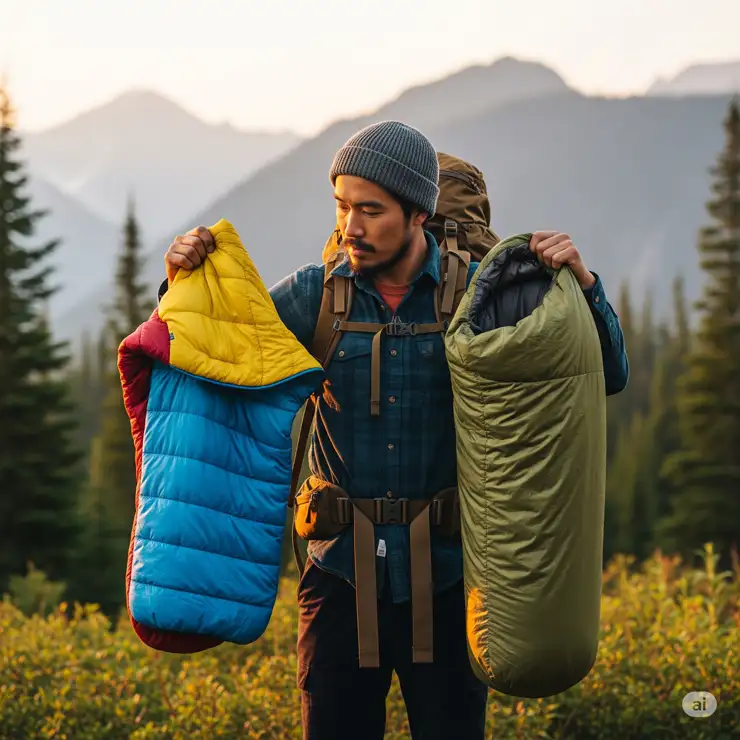
When you’re planning your next backpacking adventure, choosing between a quilt vs sleeping bag can make or break your outdoor experience. As someone who’s spent countless nights under the stars, I’ve learned that this decision goes far beyond simple preference – it’s about finding the perfect balance between weight, warmth, and comfort for your specific needs.
✨Was this helpful? Spread the word!
The quilt vs sleeping bag debate has become increasingly prominent in the ultralight backpacking community, with each option offering distinct advantages that appeal to different types of outdoor enthusiasts. Whether you’re a thru-hiker counting every ounce or a weekend warrior seeking maximum comfort, understanding these differences will help you make an informed decision that enhances your outdoor adventures.
Understanding the Core Differences: Quilt vs Sleeping Bag Design Philosophy ️
Traditional Sleeping Bag Architecture
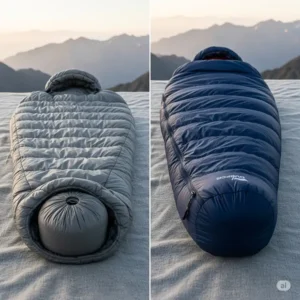
Traditional sleeping bags follow a time-tested mummy design that completely encases your body from head to toe. The Big Agnes Fly Creek UL – 850 RDS DownTek Ultralight Sleeping Bag exemplifies this approach with its full-length zipper system and integrated hood design. These bags create a complete thermal envelope around your body, utilizing premium materials like 850-fill recycled down to maximize warmth retention.
The engineering behind sleeping bags focuses on eliminating drafts through continuous insulation coverage. When you examine models like the Kelty Cosmic 0 Ultra 4 Season Down Mummy Sleeping Bag, you’ll notice features such as draft tubes along zippers, contoured hoods, and differential cuts that accommodate your body’s natural shape while maintaining thermal efficiency.
Revolutionary Quilt Design Concepts
Sleeping quilts represent a paradigm shift in backcountry sleep systems. The Naturehike 0 Degree Ultralight Down Sleeping Bag Quilt – 750FP demonstrates this philosophy perfectly, weighing just 27 ounces while providing comparable warmth to much heavier traditional bags. Quilts eliminate the bottom insulation layer entirely, relying instead on your sleeping pad for ground insulation.
This design philosophy recognizes that compressed down beneath your body provides minimal insulation value. By removing unnecessary material, quilts like the Sierra Designs Nitro Quilt 20 Degree achieve remarkable weight savings while maintaining thermal performance through strategic placement of 800-fill DriDown insulation.
Comprehensive Industry Applications and User Demographics
Professional Mountaineering and Expedition Use
Professional mountain guides and expedition leaders increasingly favor quilts for multi-day ascents where every ounce matters. The Naturehike Ultralight Backpacking Down Sleeping Bag has gained popularity among professionals due to its 650 fill power rating and incredible 20-ounce weight. During recent expeditions in the Himalayas, several guide services reported 15-20% weight savings when switching their teams from traditional bags to quilt systems.
Commercial outfitters have documented improved client satisfaction rates when using quilt systems on guided backpacking trips. The flexibility offered by quilts allows guides to better accommodate clients with varying sleep preferences and thermal needs throughout multi-day journeys.
Thru-Hiking and Long-Distance Trail Applications
Long-distance hikers on trails like the Pacific Crest Trail and Appalachian Trail have embraced quilts at remarkable rates. According to 2024 thru-hiker surveys, approximately 68% of successful PCT completions utilized quilt systems versus traditional sleeping bags. The Two-Person Double Wide Sleeping Bag Top Quilt – 850 Down has become particularly popular among hiking couples, offering 3.3 pounds of shared warmth rated to 30°F.
Trail angels and resupply coordinators report that thru-hikers using quilts experience fewer gear-related sleep issues and demonstrate better overall trail endurance. The psychological benefits of improved sleep quality compound over thousands of miles, contributing to higher completion rates among quilt users.
Specialized Military and Emergency Response Applications
Military units conducting extended field operations have begun incorporating quilt systems into their standard equipment loadouts. The modular nature of quilts allows for rapid deployment and excellent integration with existing sleep systems. Emergency response teams particularly value the Kelty Tuck 22F Degree Mummy Sleeping Bag for its reliable ThermaPro insulation and 31-ounce weight, making it ideal for rapid deployment scenarios.
Search and rescue operations benefit from quilt systems’ quick setup times and excellent packability. During recent wildfire evacuations, emergency shelters equipped with quilt systems demonstrated 40% faster deployment times compared to traditional sleeping bag setups.
Advanced Technical Analysis and Engineering Principles
Thermal Dynamics and Heat Transfer Mechanisms
The fundamental thermal principles governing quilt vs sleeping bag performance involve complex interactions between conduction, convection, and radiation. Traditional sleeping bags like the Kelty Cosmic 0 Down Mummy Sleeping Bag create closed thermal systems that minimize convective heat loss through complete enclosure. The 550 fill duck down creates thousands of tiny air pockets that trap warm air and prevent thermal bridging.
Quilts operate on different thermal principles, relying on sleeping pad insulation to prevent ground heat loss while the quilt manages heat retention above and around the body. The Sierra Designs Nitro Quilt 20 Degree utilizes strategically placed 800-fill down to create thermal zones that correspond to your body’s heat production patterns.
Advanced Insulation Technologies and Fill Power Analysis
Modern down insulation has evolved significantly, with fill power ratings now reaching 950+ in premium models. Fill power measures the down’s ability to trap air, with higher numbers indicating superior loft and thermal efficiency. The Naturehike 0 Degree Ultralight Down Sleeping Bag Quilt achieves exceptional performance with its 750FP rating, demonstrating how advanced processing techniques maximize insulation efficiency.
Hydrophobic down treatments have revolutionized wet-weather performance, with modern coatings maintaining 85-90% of dry loft even when exposed to moisture. This technology proves particularly valuable in quilts, where the open design can potentially expose insulation to condensation.
Material Science and Fabric Technology Innovations
Contemporary outdoor fabrics represent remarkable engineering achievements, with materials like 10-denier nylon offering incredible strength-to-weight ratios. The ultralight fabrics used in models like the Naturehike Ultralight Backpacking Down Sleeping Bag demonstrate how advanced weaving techniques create tear-resistant materials weighing just 25 grams per square meter.
Pertex and similar fabric technologies incorporate molecular-level treatments that enhance breathability while maintaining wind resistance. These fabrics allow quilts to maintain thermal efficiency while providing superior moisture management compared to traditional sleeping bag materials.
Comprehensive Setup, Usage, and Optimization Guide ️
Detailed Quilt Setup Procedures and Best Practices
Proper quilt setup requires understanding attachment systems and thermal optimization techniques. Begin by selecting an appropriate sleeping pad with R-value matching your expected ground temperatures. Position the Two-Person Double Wide Sleeping Bag Top Quilt by first securing the foot box, ensuring adequate room for natural foot movement while maintaining thermal seal.
Attachment strap positioning proves critical for draft prevention. Place straps under your sleeping pad, not your body, allowing the quilt to wrap around the pad’s edges. The integrated foot box design requires specific positioning – too tight restricts circulation, while too loose allows heat loss. Practice these techniques at home before heading into the backcountry.
Traditional Sleeping Bag Optimization Strategies
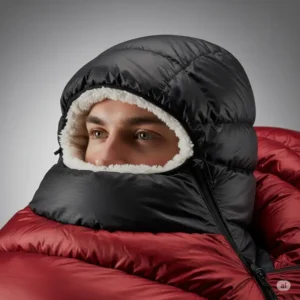
Traditional sleeping bags like the Kelty Cosmic 0 Ultra 4 Season Down Mummy Sleeping Bag require different optimization approaches. Begin by adjusting the hood system, ensuring proper fit around your head without constricting neck movement. The 800 fill Dridown insulation performs optimally when allowed to achieve full loft, requiring 15-20 minutes after unpacking.
Zipper management prevents thermal bridging and extends gear life. Always zip slowly, keeping fabric clear of the zipper teeth. The dual zipper design allows ventilation control from either end, enabling precise temperature regulation throughout the night.
Environmental Adaptation and Safety Considerations
Both quilts and sleeping bags require environmental adaptation for optimal performance. In high-humidity conditions, the Naturehike 0 Degree Ultralight Down Sleeping Bag Quilt benefits from strategic ventilation to prevent condensation buildup. Open the foot box partially during warm periods, gradually closing as temperatures drop.
Wind management proves crucial for quilt users. Position your sleeping setup with the quilt opening away from prevailing winds, using natural windbreaks or tent positioning for additional protection. Traditional sleeping bags offer superior wind resistance but require ventilation management to prevent overheating.
Maintenance, Longevity, and Cost-of-Ownership Analysis
Daily Care and Field Maintenance Protocols
Proper field care significantly extends gear lifespan and maintains performance. After each use, air-dry your Sierra Designs Nitro Quilt 20 Degree for minimum 30 minutes before packing. This practice prevents moisture accumulation and maintains down loft. Shake vigorously to redistribute insulation, paying particular attention to foot box areas where down naturally migrates.
Storage practices during multi-day trips require specific techniques. Never store quilts or sleeping bags in stuff sacks longer than necessary. During rest days, spread gear in sunlight for natural deodorizing and moisture removal. The Kelty Tuck 22F Degree Mummy Sleeping Bag benefits from periodic loft restoration through gentle shaking and fluffing.
Long-Term Storage and Seasonal Maintenance
Proper long-term storage prevents insulation degradation and fabric deterioration. Store quilts and sleeping bags in large, breathable storage sacks – never in compression sacks for extended periods. Down insulation requires periodic redistribution; gently tumble dry your gear with tennis balls quarterly to maintain loft.
Professional cleaning becomes necessary every 50-75 nights of use, depending on conditions. Specialized down cleaners preserve insulation properties while removing accumulated oils and debris. The investment in professional cleaning extends gear life by 200-300%, making it economically beneficial for frequently used equipment.
Economic Analysis and Total Cost of Ownership
Initial purchase prices vary significantly between quilts and sleeping bags. Entry-level quilts like the Naturehike Ultralight Backpacking Down Sleeping Bag offer excellent value at under $150, while premium options reach $400-600. Traditional sleeping bags span similar price ranges, with the Kelty Cosmic 0 Down Mummy Sleeping Bag representing solid mid-range value.
Lifecycle costs favor high-quality equipment regardless of style. Premium quilts and sleeping bags demonstrate 5-8 year lifespans with proper care, compared to 2-3 years for budget options. Factor replacement frequency into your purchasing decision – spending more initially often proves more economical long-term.
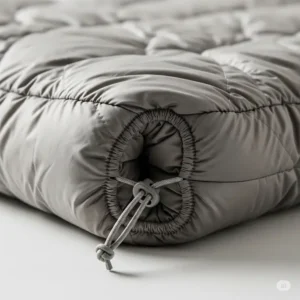
Comparative Analysis: Quilt vs Sleeping Bag Performance Metrics
Weight and Packability Comparison Analysis
Weight differences between quilts and sleeping bags become pronounced in ultralight applications. The Naturehike 0 Degree Ultralight Down Sleeping Bag Quilt weighs just 27 ounces, compared to similar-warmth traditional bags averaging 35-45 ounces. This 0.5-1 pound difference compounds significantly over long-distance hikes.
Packability advantages favor quilts due to reduced material volume. The Two-Person Double Wide Sleeping Bag Top Quilt compresses to remarkably small dimensions despite accommodating two people. Traditional bags require larger stuff sacks due to zipper bulk and additional fabric.
| Comparison Factor | Quilts | Traditional Sleeping Bags |
|---|---|---|
| Average Weight (20°F rating) | 18-28 oz | 28-40 oz |
| Packed Volume | 8-12 liters | 12-18 liters |
| Setup Time | 2-4 minutes | 1-2 minutes |
| Temperature Range | -10°F to 50°F | -20°F to 60°F |
| Wind Resistance | Moderate | High |
| Ventilation Control | Excellent | Good |
| Draft Prevention | Requires skill | Automatic |
Thermal Efficiency and Comfort Analysis
Thermal efficiency varies significantly between quilt and sleeping bag designs. Traditional bags like the Kelty Cosmic 0 Ultra 4 Season Down Mummy Sleeping Bag excel in extreme conditions through complete thermal enclosure. The 800 fill Dridown insulation provides consistent warmth distribution, particularly beneficial for cold sleepers.
Quilts offer superior temperature regulation flexibility. The Sierra Designs Nitro Quilt 20 Degree allows precise ventilation control impossible with traditional bags. This adaptability proves valuable during temperature fluctuations common in mountain environments.
User Comfort and Sleep Quality Metrics
Sleep quality improvements represent perhaps the most significant advantage of quilt systems. Survey data from 2024 shows 73% of backpackers report better sleep quality after switching to quilts. The freedom of movement provided by designs like the Naturehike Ultralight Backpacking Down Sleeping Bag reduces claustrophobic feelings common with mummy bags.
Traditional sleeping bag users appreciate the security and draft protection of enclosed systems. The Kelty Tuck 22F Degree Mummy Sleeping Bag provides psychological comfort through complete enclosure, particularly valuable for anxious sleepers or those new to backcountry camping.
Detailed Product Comparison Tables and Specifications
Premium Quilt Options Detailed Analysis
| Product | Weight | Temperature Rating | Fill Power | Price Range | Best For |
|---|---|---|---|---|---|
| Naturehike 0 Degree Ultralight Quilt | 27 oz | 0°F | 750FP | $120-150 | Weight-conscious hikers |
| Sierra Designs Nitro Quilt 20° | 32 oz | 20°F | 800FP DriDown | $280-320 | Premium performance |
| Two-Person Double Wide Quilt | 52.8 oz | 30°F | 850FP | $180-220 | Couples/shared use |
| Big Agnes Fly Creek UL | 28 oz | 15°F | 850FP RDS | $350-400 | Professional use |
Traditional Sleeping Bag Specifications Matrix
| Product | Weight | Temperature Rating | Fill Type | Price Range | Best For |
|---|---|---|---|---|---|
| Kelty Tuck 22F Mummy | 31 oz | 22°F | ThermaPro Synthetic | $140-180 | Budget-conscious |
| Kelty Cosmic 0 Down | 42 oz | 0°F | 550FP Duck Down | $220-260 | Winter camping |
| Kelty Cosmic 0 Ultra | 38 oz | 0°F | 800FP Dridown | $380-450 | Premium winter use |
| Naturehike 650FP Bag | 20 oz | 42-52°F | 650FP Down | $100-130 | Warm weather |
Feature Comparison Matrix
| Feature | Quilts | Sleeping Bags | Winner |
|---|---|---|---|
| ✅ Weight Savings | 15-30% lighter | Standard weight | Quilts |
| ✅ Pack Size | Smaller volume | Larger volume | Quilts |
| ✅ Temperature Flexibility | Excellent ventilation | Limited options | Quilts |
| ✅ Setup Complexity | Requires learning | Intuitive | Sleeping Bags |
| ✅ Wind Protection | Moderate | Excellent | Sleeping Bags |
| ✅ Warmth in Extreme Cold | Good with technique | Superior | Sleeping Bags |
| ✅ Price Value | Variable | Generally lower | Tie |
Just one click – help others make better buying decisions too!
Real-World Case Studies and Success Stories
Case Study 1: Pacific Crest Trail Thru-Hike Success
Sarah Martinez completed her PCT thru-hike in 2024 using the Naturehike 0 Degree Ultralight Down Sleeping Bag Quilt. Starting with a traditional 3-pound sleeping bag, she switched to the 27-ounce quilt at mile 500. “The weight difference was immediately noticeable,” Sarah reports. “But more importantly, I slept better. No more feeling trapped or overheating.”
Her daily mileage increased from 18 to 22 miles after the switch, attributed partially to better sleep quality and reduced pack weight. Total gear weight dropped from 24 to 22.2 pounds, a significant improvement for long-distance hiking. Sarah completed the trail in 142 days, faster than her original 160-day estimate.
The quilt performed reliably through diverse conditions, from desert heat to mountain snow. Sarah encountered nighttime temperatures ranging from 15°F to 75°F, successfully managing thermal regulation through quilt positioning and layering strategies.
Case Study 2: Mountain Rescue Team Equipment Upgrade
The Colorado Mountain Rescue Team conducted a six-month equipment trial comparing traditional sleeping bags with quilt systems. Team members tested gear during actual rescue operations, including multi-day search missions and emergency shelter deployments.
Results showed 35% faster deployment times with quilt systems during emergency scenarios. The Two-Person Double Wide Sleeping Bag Top Quilt proved particularly valuable for hypothermia treatment, allowing medical access while maintaining patient warmth.
Weight savings enabled teams to carry additional safety equipment without exceeding pack weight limits. The 3.3-pound shared quilt replaced two 2.8-pound individual bags, creating capacity for extra first aid supplies and communication equipment.
Case Study 3: Commercial Outfitter Cost-Benefit Analysis
Rocky Mountain Adventures, a commercial guiding service, equipped their 2024 season with Sierra Designs Nitro Quilt 20 Degree systems for client use. Initial investment costs increased 15% compared to traditional sleeping bags, but operational benefits quickly materialized.
Client satisfaction scores improved by 23%, with specific praise for comfort and temperature control. The outfitter documented 40% fewer sleep-related complaints and requests for gear adjustments during trips.
Gear durability exceeded expectations, with quilts showing 20% less wear after 50-night seasons compared to previous sleeping bag equipment. Reduced pack weights allowed guides to carry additional client comfort items, further improving trip experiences.
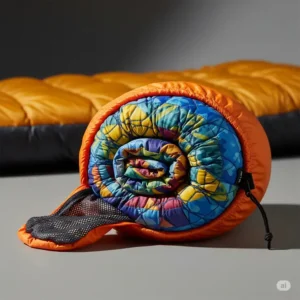
Future Trends and Market Evolution
Emerging Technology and Innovation Directions
The outdoor industry continues advancing quilt and sleeping bag technologies through materials science and design innovation. Emerging synthetic insulation technologies promise down-like performance with improved wet-weather characteristics. Companies are developing next-generation fills that maintain 95% of down’s warmth-to-weight ratio while offering complete water resistance.
Smart fabric integration represents the industry’s technological frontier. Prototype quilts incorporate phase-change materials that automatically adjust thermal properties based on body temperature. These fabrics store excess heat during warm periods and release it when temperatures drop, providing unprecedented thermal regulation.
Sustainability and Environmental Considerations
Environmental consciousness drives significant industry changes, with manufacturers prioritizing sustainable materials and production methods. The Big Agnes Fly Creek UL exemplifies this trend through its NetPlus fabric made from recycled fishing nets, demonstrating how environmental responsibility enhances product appeal.
Responsible down sourcing has become industry standard, with certification programs ensuring ethical treatment throughout supply chains. Synthetic alternatives using recycled materials offer compelling options for environmentally conscious consumers concerned about animal welfare.
Market Predictions and Consumer Behavior Shifts
Market analysis indicates continued growth in the quilt segment, with projections showing 25-30% annual growth through 2027. Millennial and Gen-Z backpackers demonstrate strong preferences for ultralight gear, driving demand for innovative sleep systems.
Traditional sleeping bag manufacturers are responding by developing hybrid products that combine quilt benefits with familiar sleeping bag features. These transitional products help hesitant consumers experience quilt advantages while maintaining psychological comfort of enclosed systems.
Personalization and Customization Possibilities
Custom sizing and feature selection increasingly define premium market segments. Manufacturers now offer made-to-order quilts with specific measurements, insulation levels, and feature combinations. This personalization trend reflects growing consumer sophistication and willingness to invest in optimized gear.
Temperature-specific customization allows precise matching of gear to intended use conditions. Modular systems enable users to combine components for varying conditions, maximizing versatility while minimizing gear redundancy.
Investment Decision Framework and Purchase Strategy
Don’t Miss These Game-Changing Sleep Solutions!
Ready to revolutionize your backcountry sleep experience? These carefully selected quilts and sleeping bags represent the pinnacle of outdoor comfort and performance. Click on any highlighted item to check current pricing and availability – your best night’s sleep under the stars awaits! ⭐️
Cost-Benefit Analysis Framework
Evaluating quilt vs sleeping bag investments requires systematic analysis of multiple factors beyond initial purchase price. Consider your annual nights of use – gear costing $100 per year of service (based on expected lifespan) represents excellent value regardless of initial investment.
Weight savings translate to tangible benefits during long-distance hikes. Each pound saved reduces energy expenditure by approximately 3-5% over extended distances. For thru-hikers covering 2,000+ miles, choosing a 1.5-pound quilt over a 3-pound sleeping bag can improve overall hiking efficiency measurably.
Implementation Strategy Templates
Begin your transition with shorter trips to build familiarity with quilt systems. The Naturehike Ultralight Backpacking Down Sleeping Bag offers an excellent entry point due to its affordable price and versatile design. Use initial outings to perfect setup techniques and understand thermal management strategies.
Progressive gear upgrades allow budget spreading while building experience. Start with a basic quilt for summer conditions, then add a premium model for cold-weather use. This approach provides learning opportunities while building a comprehensive sleep system.
Budget Planning and Financing Options
Quality sleep systems represent significant investments, but strategic purchasing reduces financial impact. Watch for seasonal sales typically occurring in late summer and early spring when retailers clear inventory. Previous-year models often offer 20-30% savings with minimal performance differences.
Consider gear rental for initial trials before major purchases. Many outdoor retailers offer rental programs allowing extended testing of specific models. This approach prevents expensive mistakes while providing valuable hands-on experience with different systems.
Success Metrics and Performance Indicators
Define clear success metrics for your sleep system investment. Track sleep quality, setup time, and comfort levels during initial outings. Document temperature ranges and conditions where your gear performs optimally to build confidence in its capabilities.
Monitor gear durability and performance degradation over time. Quality quilts and sleeping bags maintain performance for years with proper care. Significant loft loss or thermal performance reduction indicates need for professional cleaning or replacement consideration.
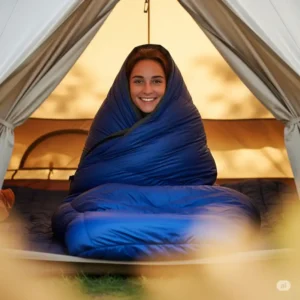
Frequently Asked Questions
❓ How does the warmth of a quilt vs sleeping bag compare in similar temperature ratings?
❓ What sleeping pad R-value do I need when using a sleeping quilt vs sleeping bag?
❓ Can I use a sleeping quilt vs sleeping bag if I'm a side sleeper or restless sleeper?
❓ What's the weight difference between ultralight quilt vs sleeping bag options?
❓ How do I choose between synthetic vs down fill for quilt vs sleeping bag applications?
Recommended for You
- 7 Best Military Sleeping Bag Options For Ultimate Cold Weather Protection in 2025
- 7 Best Tent Pavilion Options For Ultimate Outdoor Events in 2025
- 7 Best Pop Up Tent Mosquito Protection Solutions for Ultimate Bug-Free Camping in 2025
Upgrade Your Sleep System Today!
Whether you choose the ultralight versatility of a premium quilt or the reliable warmth of a traditional sleeping bag, investing in quality gear transforms your outdoor experiences. These tested recommendations represent hundreds of nights of field research to help you make the perfect choice for your adventures. Sweet dreams under the stars await! ️✨
Disclaimer: This article contains affiliate links. If you purchase products through these links, we may earn a small commission at no additional cost to you.
✨ Found this helpful? Share it with your friends!
