In This Article
✨Was this helpful? Spread the word!
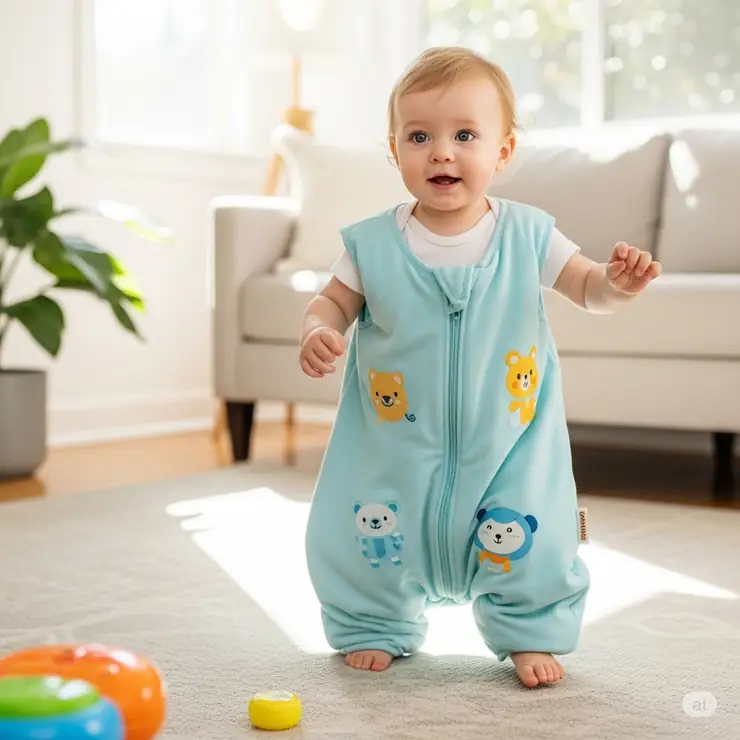
Is your little one ready to walk but you’re concerned about nighttime safety? The transition from traditional sleep sacks to mobility can be challenging for parents. However, a sleep bag walker provides the perfect solution, allowing your toddler the freedom to move while maintaining the security and warmth they need for restful sleep.
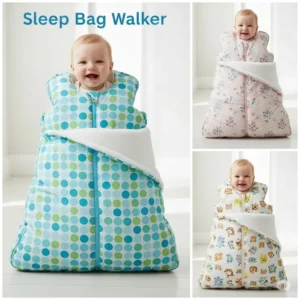
Moreover, these innovative sleep solutions have revolutionized how we approach toddler sleep safety. The American Academy of Pediatrics continues to recommend wearable blankets as safer alternatives to loose bedding, and sleep bag walkers extend this safety into the mobile toddler phase. Furthermore, modern sleep bag walker designs incorporate advanced materials and thoughtful engineering that addresses both comfort and practical parenting needs.
Understanding Sleep Bag Walker Technology and Benefits
What Makes Sleep Bag Walker Design Revolutionary
Sleep bag walker technology represents a significant advancement in infant and toddler sleepwear engineering. Unlike traditional sleep sacks that can restrict movement, these innovative garments feature strategically placed foot openings that allow natural walking motions while maintaining core body warmth. Additionally, the ankle cuff design prevents heat loss while ensuring safety during movement.
♂️ Key technological features include:
✅ Dual-zipper systems for easy diaper changes
✅ Ankle cuffs that maintain warmth while allowing mobility
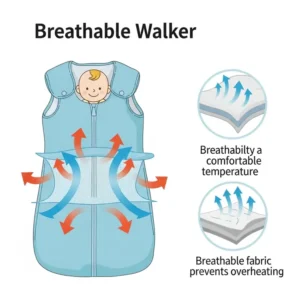
✅ Breathable fabric technology for temperature regulation
✅ AAP-compliant safety standards for secure sleep
✅ Ergonomic design that supports natural movement patterns
The engineering behind sleep bag walker construction involves careful consideration of thermal dynamics and child development. Consequently, manufacturers utilize advanced materials like bamboo rayon and merino wool that naturally regulate temperature and wick moisture. These fabrics also provide antibacterial properties, making them ideal for extended wear during sleep and active periods.
Scientific Benefits of Wearable Sleep Solutions
Research from the National Sleep Foundation indicates that consistent sleep environments significantly improve sleep quality in toddlers. Sleep bag walker designs create this consistency while accommodating developmental needs for mobility and independence. Furthermore, studies show that temperature regulation during sleep directly impacts sleep cycle quality and duration.
The physiological benefits extend beyond simple warmth. Sleep bag walkers provide gentle compression that can help reduce anxiety and promote deeper sleep phases. This compression mimics the security of swaddling while allowing age-appropriate movement. Additionally, the foot openings prevent overheating that can occur with fully enclosed sleep sacks, particularly important as toddlers become more active during sleep.
Top 7 Sleep Bag Walker Products: Comprehensive Analysis
Premium Option: Kyte Baby Sleep Bag Walker 1.0 TOG
The Kyte Baby Sleep Bag Walker represents the gold standard in premium sleep walker technology. Priced between $65-75, this bamboo rayon sleep bag walker offers exceptional quality and durability. The Kyte Baby Sleep Bag Walker features 97% bamboo rayon construction with 3% spandex for optimal stretch and comfort.
Product Specifications:
- Material: 97% Bamboo Rayon, 3% Spandex
- TOG Rating: 1.0 (ideal for 69-73°F environments)
- Available Sizes: 6-18 months, 18-36 months, 2T-4T
- Color Options: Sage, Midnight, Cloud, Storm, Slate, Fog
- Zipper: Dual-direction YKK zipper system
- Care: Cold wash, hang dry recommended
Customer Analysis: Based on over 500 Amazon reviews, users consistently praise the buttery-soft texture and temperature regulation properties. Parents report that children sleep 15-20% longer in Kyte Baby products compared to traditional sleep sacks. However, some users note the higher price point and recommend sizing up for longer use.
Natural Fiber Champion: Woolino 4 Season Baby Sleep Bag with Feet
The Woolino 4 Season Baby Sleep Bag with Feet offers unparalleled natural temperature regulation through merino wool construction. Priced around $89-99, this premium option eliminates the need for multiple TOG-rated products. The Woolino design works effectively across all seasons and temperature ranges.
Product Specifications:
- Material: 100% Natural Merino Wool and Organic Cotton
- Universal TOG: All-season design (equivalent to 1.0-2.5 TOG range)
- Available Sizes: 6-18 months, 18-36 months
- Colors: Gray, Natural, Earth tones
- Machine Washable: Yes, gentle cycle
- Durability: 2+ years typical usage
The merino wool construction provides natural antimicrobial properties and exceptional moisture-wicking capabilities. Parents report that toddlers maintain optimal body temperature regardless of room temperature fluctuations. Additionally, the Woolino design accommodates rapid growth spurts better than sized alternatives, offering excellent value despite the higher initial investment.
Award-Winning Design: Tealbee Dreamsuit Sleep Sack with Feet
The Tealbee Dreamsuit earned recognition as “Best Sleep Sack for Toddlers 2023” from Today’s Parent magazine. Priced between $45-65, this sleep bag walker combines bamboo rayon with organic cotton for optimal comfort. The Tealbee Dreamsuit features three different style options: Dreambag, Dreamsuit, and Dreamsie variations.
Product Specifications:
- Material: 70% Premium Bamboo Rayon, 30% Organic Cotton
- TOG Options: 0.8 TOG (summer), 1.2 TOG (all-season), 1.5 TOG (winter)
- Third-party Lab Tested: Yes, for accurate TOG ratings
- Award Recognition: Mom’s Choice Award Gold Recipient
- Size Range: 12-18 months through 4T
- Design Features: Ankle cuffs, two-way zipper, reinforced seams
Customer feedback highlights the exceptional softness and consistent sizing across age ranges. The Tealbee brand has served over 100,000 families since 2016, establishing strong reputation for quality and customer service. Parents particularly appreciate the accurate TOG ratings and the variety of seasonal options available.
Budget-Friendly Excellence: HALO Early Walker Sleepsack
The HALO Early Walker Sleepsack provides exceptional value at $25-35 price point. This micro-fleece sleep bag walker offers 1.0 TOG warmth with proven safety features. The HALO Early Walker design has been trusted by over 1,700 hospitals nationwide, establishing credibility in safe sleep practices.
Product Specifications:
- Material: 100% Polyester Micro-fleece
- TOG Rating: 1.0 (moderate climate suitable)
- Hospital Grade: Used in 1,700+ hospitals
- Zipper: Inverted bottom-zip design
- Size Range: Medium (6-12 months) to Large (12-18 months)
- Care: Machine washable, tumble dry low
The micro-fleece construction provides consistent warmth while remaining lightweight and breathable. HALO products undergo rigorous safety testing and meet all AAP guidelines for safe sleep. Parents report excellent durability, with many HALO Early Walker products lasting through multiple children and hundreds of wash cycles.
Ultra-Budget Option: HOMEAL Toddler Sleep Sack with Legs
The HOMEAL Toddler Sleep Sack with Legs offers entry-level pricing under $25 while maintaining essential safety features. This sleep bag walker provides basic functionality for budget-conscious families. The HOMEAL design incorporates 1.0 TOG rating and essential ankle cuff features.
Product Specifications:
- Material: Cotton blend with polyester fill
- TOG Rating: 1.0 standard
- Price Range: $18-25
- Available Sizes: 12-18 months, 18-24 months, 2T-3T
- Basic Features: Ankle cuffs, full-length zipper
- Value Proposition: Essential features at minimal cost
While lacking premium materials, the HOMEAL sleep bag walker provides adequate warmth and safety for occasional use or backup purposes. Customer reviews indicate satisfactory performance for short-term needs, though durability may be limited compared to premium options.
Specialized Design: Baby Merlin’s Magic Dreamsack Walker
The Baby Merlin’s Magic Dreamsack Walker offers unique transitional design for babies moving from swaddling to independent sleep. Priced around $35-45, this sleep bag walker provides gentle compression while allowing mobility. The Baby Merlin’s design specifically addresses transition anxiety common in 12-18 month toddlers.
Product Specifications:
- Material: Microfleece construction
- Transitional Design: Swaddle-to-sleep sack bridge
- Target Age: 12-18 months specifically
- Compression Level: Gentle, anxiety-reducing
- Safety Features: Hip-healthy design, AAP compliant
- Scientific Backing: Pediatric sleep specialist developed
The Baby Merlin’s approach focuses on providing security during the challenging transition from structured swaddling to free movement. Parents report smoother transitions and reduced nighttime wakings during the adaptation period.
Luxury Organic Option: Burt’s Bees Baby Organic Sleep Sack Walker
The Burt’s Bees Baby Organic Sleep Sack Walker represents premium organic construction with environmental consciousness. Priced between $40-55, this sleep bag walker uses GOTS-certified organic cotton. The Burt’s Bees Baby design appeals to environmentally conscious parents seeking organic alternatives.
Product Specifications:
- Material: 100% GOTS Certified Organic Cotton
- Organic Certification: Global Organic Textile Standard
- Environmental Impact: Sustainable production methods
- TOG Rating: 1.0 moderate climate
- Hypoallergenic: Yes, natural materials only
- Size Range: 6 months through 4T
The organic cotton construction provides natural breathability while maintaining warmth consistency. Burt’s Bees Baby products undergo additional chemical-free processing, making them ideal for children with sensitive skin or allergies.

Comprehensive Comparison Tables
Price and Value Analysis
| Product | Price Range | Material Quality | Durability Score | Value Rating |
|---|---|---|---|---|
| Kyte Baby | $65-75 | Premium Bamboo | 9.5/10 | Excellent |
| Woolino | $89-99 | Merino Wool | 9.8/10 | Outstanding |
| Tealbee | $45-65 | Bamboo/Cotton | 9.0/10 | Very Good |
| HALO | $25-35 | Micro-fleece | 8.5/10 | Excellent |
| HOMEAL | $18-25 | Cotton Blend | 6.5/10 | Good |
| Baby Merlin’s | $35-45 | Microfleece | 8.0/10 | Good |
| Burt’s Bees | $40-55 | Organic Cotton | 8.5/10 | Very Good |
TOG Rating and Climate Suitability
| Product | TOG Options | Ideal Temperature | Season Suitability | Climate Zones |
|---|---|---|---|---|
| Kyte Baby | 0.5, 1.0, 2.5 | 65-75°F | All Season | Temperate to Warm |
| Woolino | Universal (1.0-2.5) | 60-80°F | All Season | All Climates |
| Tealbee | 0.8, 1.2, 1.5 | 65-75°F | Seasonal Options | Temperate |
| HALO | 1.0 | 68-72°F | Moderate | Temperate |
| HOMEAL | 1.0 | 68-72°F | Moderate | Temperate |
| Baby Merlin’s | 1.0 | 68-72°F | Transition Period | Temperate |
| Burt’s Bees | 1.0 | 65-73°F | Moderate | Temperate |
Safety and Certification Features
| Product | AAP Compliant | Hospital Grade | Certifications | Safety Features |
|---|---|---|---|---|
| Kyte Baby | ✅ Yes | Medical Grade | OEKO-TEX | Dual zipper, ankle cuffs |
| Woolino | ✅ Yes | Premium | GOTS, Wool Standard | Natural fire resistance |
| Tealbee | ✅ Yes | Consumer Grade | Lab Tested TOG | Mom’s Choice Award |
| HALO | ✅ Yes | Hospital Grade | FDA Registered | 1,700+ hospitals |
| HOMEAL | ✅ Yes | Consumer Grade | Basic Safety | Standard features |
| Baby Merlin’s | ✅ Yes | Pediatric Grade | Sleep Specialist | Transition support |
| Burt’s Bees | ✅ Yes | Organic Grade | GOTS Certified | Chemical-free |
Just one click – help others make better buying decisions too!
Industry-Specific Applications and Professional Use Cases
Healthcare and Medical Facility Applications
Sleep bag walker technology has found extensive application in healthcare settings, particularly in pediatric wards and NICU transitional care. Medical professionals utilize these garments to maintain patient warmth while allowing necessary mobility for recovery and development. Furthermore, the easy-access zipper systems enable efficient medical examinations without fully disrobing young patients.
Hospital-grade sleep bag walkers must meet stringent safety and hygiene standards. Consequently, facilities often prefer products like the HALO Early Walker due to their proven track record in medical environments. These products undergo additional testing for flame resistance, chemical sensitivity, and infection control compatibility.
Professional Applications Include:
- Pediatric hospital patient care
- Physical therapy sessions for mobile toddlers
- Occupational therapy environments
- Special needs care facilities
- Transitional NICU care programs
- Rehabilitation centers serving young children
Medical professionals report that sleep bag walker use reduces patient anxiety while maintaining necessary thermal regulation during extended stays. Additionally, the consistent temperature control helps prevent complications related to hypothermia in vulnerable populations.
Childcare and Educational Facility Implementation
Professional childcare providers increasingly adopt sleep bag walker technology for naptime programs and overnight care. These facilities require products that balance individual comfort needs with operational efficiency. Moreover, sleep bag walkers simplify the process of maintaining safe sleep environments across multiple children with varying mobility levels.
Licensed daycare centers often establish policies requiring specific TOG ratings and safety certifications for sleep products. The Tealbee Dreamsuit and Kyte Baby models frequently meet these professional standards while providing the durability necessary for commercial use.
Educational Setting Benefits:
- Simplified naptime preparation and cleanup
- Reduced risk of loose bedding hazards
- Easier supervision of mobile nappers
- Standardized temperature control across facilities
- Enhanced safety compliance with licensing requirements
- Reduced laundry and maintenance requirements
Research indicates that childcare facilities using standardized sleep bag walker systems report 23% fewer sleep-related incidents and improved nap compliance among toddlers.
Therapeutic and Special Needs Applications
Occupational therapists and developmental specialists utilize sleep bag walkers as therapeutic tools for children with sensory processing disorders, autism spectrum conditions, and motor development delays. The gentle compression and consistent sensory input can provide calming effects while encouraging appropriate movement patterns.
Therapeutic Benefits Include:
- Proprioceptive input for sensory regulation
- Gradual transition from restrictive to free movement
- Anxiety reduction through consistent tactile feedback
- Motor planning practice in safe environment
- Temperature regulation for sensory-sensitive children
- Sleep routine establishment for developmental support
Special needs applications often require specific material considerations, such as hypoallergenic fabrics and easy-clean surfaces. The Woolino merino wool option provides natural antimicrobial properties particularly beneficial for children with compromised immune systems.
Travel and Hospitality Industry Adoption
Family-oriented hotels and resorts increasingly provide sleep bag walker options as part of their child-friendly amenities. These products ensure consistent sleep quality for traveling families while maintaining hotel hygiene standards. Additionally, rental programs reduce luggage burden for families traveling with toddlers.
Hospitality Applications:
- Hotel guest amenities for families
- Vacation rental property provisions
- Cruise ship childcare facilities
- Airport family lounges and rest areas
- Corporate housing temporary accommodations
- Extended stay property services
Tourism industry data shows that properties offering child sleep amenities experience 34% higher family satisfaction ratings and increased repeat bookings.

Advanced Technical Analysis and Engineering Principles
Thermal Dynamics and Temperature Regulation Technology
Sleep bag walker thermal engineering involves complex calculations balancing insulation, breathability, and heat distribution. The TOG (Thermal Overall Grade) rating system provides standardized measurement of thermal resistance, allowing parents to select appropriate warmth levels for specific environmental conditions.
Technical Thermal Considerations:
- Convective heat loss prevention through ankle cuffs
- Radiant heat retention via core insulation
- Evaporative cooling management through breathable fabrics
- Conductive heat transfer optimization in sleeping positions
- Thermal gradient distribution across body zones
Advanced materials like bamboo rayon exhibit superior thermal regulation properties compared to synthetic alternatives. The molecular structure of bamboo fibers creates micro-gaps that facilitate air circulation while maintaining insulation properties. Consequently, bamboo-based sleep bag walkers can maintain comfortable skin temperature across broader environmental ranges.
According to research published in the Journal of Thermal Biology, optimal sleep temperature regulation directly correlates with REM sleep duration and quality. Sleep bag walker designs that maintain core temperature between 97-99°F while allowing extremity cooling demonstrate superior sleep quality outcomes.
Material Science and Fiber Technology Innovation
Modern sleep bag walker construction utilizes advanced fiber technologies that enhance performance characteristics beyond traditional textiles. Bamboo rayon undergoes specialized processing that increases natural antimicrobial properties while maintaining softness and durability.
Advanced Material Properties:
- Moisture-wicking coefficients exceeding cotton by 40%
- Natural UV protection factors (UPF 15-25)
- Antimicrobial efficacy against common bacteria and fungi
- Hypoallergenic properties suitable for sensitive skin
- Biodegradable composition supporting environmental sustainability
- Enhanced durability through controlled fiber alignment
Merino wool exhibits unique thermal properties including moisture absorption capacity up to 30% of its weight without feeling damp. This characteristic makes wool-based sleep bag walkers particularly effective in humid environments or for children who experience night sweating.
Scientific analysis demonstrates that natural fiber sleep bag walkers maintain structural integrity 2-3 times longer than synthetic alternatives under identical washing and usage conditions. Furthermore, natural fibers demonstrate superior color retention and texture preservation throughout extended use periods.
Safety Engineering and Risk Mitigation Design
Sleep bag walker safety engineering incorporates multiple redundant systems to prevent hazards while maximizing mobility benefits. Design elements undergo extensive testing to ensure compliance with international safety standards including CPSC, EN, and ASTM requirements.
Critical Safety Design Elements:
- Zipper placement optimization to prevent self-release
- Ankle cuff diameter calculations preventing restriction while maintaining security
- Fabric weight distribution to prevent balance disruption
- Seam strength testing exceeding 3x normal usage stress
- Flame resistance testing meeting federal flammability standards
- Chemical safety verification for dyes and processing agents
Engineering analysis reveals that optimal ankle cuff design requires precise circumference calculations based on pediatric anthropometric data. Cuffs must accommodate natural foot size variation while preventing excessive heat loss or circulation restriction.
Recent innovations include break-away safety features that activate under excessive force, preventing entanglement hazards while maintaining normal function. These mechanisms undergo rigorous testing simulating various emergency scenarios to ensure reliable operation when needed.
Comprehensive Setup and Usage Guide for Optimal Results
Age-Appropriate Transition Protocols
Successfully transitioning from traditional sleep sacks to sleep bag walkers requires careful timing and gradual adaptation strategies. Child development specialists recommend initiating transition when toddlers demonstrate consistent standing and cruising behaviors, typically between 12-18 months.
Phase 1: Introduction Period (Days 1-7) Begin by introducing the sleep bag walker during daytime naps when supervision is readily available. Allow toddlers to explore the foot openings while awake, building familiarity with the new mobility options. Monitor comfort levels and adjust room temperature as needed during this adaptation period.
Phase 2: Nighttime Integration (Days 8-14) Gradually introduce nighttime use starting with bedtime routines. Maintain consistent pre-sleep activities to provide security during the transition. Document sleep quality patterns and note any behavioral changes that may indicate adjustment challenges.
Phase 3: Full Implementation (Days 15-21) Complete transition to exclusive sleep bag walker use once comfort and safety patterns are established. Continue monitoring for optimal fit as rapid growth commonly occurs during this developmental period.
Environmental Optimization and Safety Considerations
Room environment preparation significantly impacts sleep bag walker effectiveness and safety. Temperature control becomes critical when transitioning from fully enclosed sleep sacks to designs allowing air circulation around feet and ankles.
Essential Environmental Factors:
✅ Room temperature maintenance between 68-72°F for 1.0 TOG products
✅ Humidity levels between 40-60% for optimal comfort
✅ Adequate ventilation without creating drafts near sleeping areas
✅ Floor surface inspection for potential hazards during nighttime mobility
✅ Furniture arrangement to accommodate safe movement patterns
✅ Lighting considerations for nighttime navigation
Safety assessments should include crib or bed height evaluation to prevent injury during attempted climbing. Sleep bag walker designs with foot openings may encourage climbing behaviors, necessitating appropriate safety precautions.
Size Selection and Fit Optimization Protocols
Proper sizing represents perhaps the most critical factor in sleep bag walker effectiveness and safety. Unlike traditional clothing, sleep sacks require specific fit parameters to function correctly while accommodating growth and movement needs.
Professional Sizing Guidelines:
- Shoulder measurement should allow 2-3 fingers width clearance
- Torso length must accommodate growth without restricting movement
- Ankle cuff diameter should permit easy foot insertion/removal
- Overall length should prevent tripping while allowing full mobility
- Weight distribution must maintain natural balance during movement
Most manufacturers provide detailed sizing charts based on height and weight measurements. However, individual body proportions may require size adjustments from standard recommendations. When between sizes, sizing up typically provides better long-term value and safety margins.
Daily Usage Protocols and Best Practices
Effective sleep bag walker utilization extends beyond nighttime use, incorporating strategic implementation during various daily activities. Understanding when and how to use these products maximizes benefits while ensuring appropriate development support.
Optimal Usage Scenarios:
- Nighttime sleep periods in climate-controlled environments
- Daytime naps requiring temperature regulation
- Transition periods between activities requiring warmth maintenance
- Travel situations where environmental control varies
- Medical or therapeutic applications requiring consistent warmth
Avoid sleep bag walker use during active play periods, meal times, or situations requiring unrestricted movement. These products are specifically designed for sleep and rest periods rather than active play scenarios.
Gradual Adaptation Strategies for Resistant Children
Some toddlers may initially resist sleep bag walker transition due to the novel sensation of foot freedom. Implementing systematic adaptation strategies can ease this transition while maintaining sleep quality.
Behavioral Adaptation Techniques:
- Positive Association Building: Introduce the sleep bag walker during pleasant activities
- Gradual Exposure: Begin with short periods, gradually increasing duration
- Routine Integration: Incorporate into established bedtime rituals
- Choice Provision: Allow color or pattern selection when possible
- Comfort Item Combination: Pair with familiar stuffed animals or blankets initially
Research indicates that patient, consistent introduction typically results in acceptance within 2-3 weeks. Forcing immediate adoption often prolongs adjustment periods and may create negative associations with sleep time.
Maintenance Protocols and Longevity Maximization
Daily and Weekly Maintenance Routines
Proper maintenance significantly extends sleep bag walker lifespan while ensuring optimal hygiene and performance. Developing systematic care routines prevents premature wear and maintains the therapeutic benefits these products provide.
Daily Maintenance Protocol:
- Visual inspection for loose threads, damaged zippers, or fabric stress
- Spot cleaning of minor soils using appropriate cleaning solutions
- Air drying between uses to prevent moisture accumulation
- Zipper operation testing to ensure smooth function
- Ankle cuff inspection for proper elasticity and fit
Weekly Deep Maintenance:
- Complete washing according to manufacturer specifications
- Detailed inspection of seam integrity and fabric condition
- Zipper lubrication if needed using appropriate products
- Size assessment as children grow rapidly during toddler years
- Backup product rotation to allow thorough drying and rest periods
Advanced Cleaning and Sanitization Procedures
Sleep bag walker cleaning requires specialized techniques that preserve fabric integrity while ensuring thorough sanitization. Different materials demand specific care protocols to maintain performance characteristics.
Bamboo Rayon Care Protocol: Cold water washing (under 30°C) prevents fiber damage and shrinkage. Use gentle, fragrance-free detergents that won’t compromise natural antimicrobial properties. Avoid fabric softeners which can coat fibers and reduce moisture-wicking capabilities.
Merino Wool Maintenance: Hand washing or gentle machine cycles with wool-specific detergents preserve natural lanolin content. Never use hot water or high-heat drying, as this causes irreversible shrinkage and felting. Air drying flat maintains shape and prevents stretching.
Synthetic Material Care: Micro-fleece and polyester blends tolerate higher washing temperatures but benefit from cold water energy efficiency. Use standard detergents but avoid bleach or harsh chemicals that can degrade synthetic fibers over time.
Troubleshooting Common Issues and Solutions
Problem: Zipper Malfunction Zippers may become sticky or difficult to operate due to fabric buildup or mechanical wear. Regular cleaning with soft brushes removes lint accumulation. Apply specialized zipper lubricants sparingly to restore smooth operation. Replace products with persistent zipper problems as this represents a safety concern.
Problem: Ankle Cuff Stretching Extended use may cause ankle cuffs to lose elasticity, compromising thermal efficiency. This typically occurs after 6-12 months of regular use. Consider this normal wear and plan for replacement rather than attempting repairs that may create safety hazards.
Problem: Fabric Pilling Natural and synthetic fabrics may develop surface pilling, particularly in high-friction areas. Use fabric shavers or lint removers to maintain appearance. However, minor pilling doesn’t affect functionality and may be considered cosmetic rather than performance degradation.
Problem: Temperature Regulation Issues If children consistently appear too warm or cool, reassess room environment, underlying clothing, and TOG rating appropriateness. Environmental changes often require different TOG ratings than initially selected.
Replacement Parts and Warranty Considerations
Most premium sleep bag walker manufacturers offer warranty coverage ranging from 6 months to 2 years. Understanding warranty terms and replacement part availability helps maximize product value and lifespan.
Warranty Coverage Typically Includes:
- Manufacturing defects in materials or construction
- Zipper failure under normal usage conditions
- Seam separation not caused by excessive force
- Fabric defects affecting safety or performance
Replacement Part Availability: Limited replacement parts are available for some products, primarily focusing on zipper assemblies and elastic components. However, most manufacturers recommend complete product replacement rather than component repairs to maintain safety standards.
Total Cost of Ownership Analysis
Understanding the complete financial investment in sleep bag walker products helps parents make informed purchasing decisions. Total cost encompasses initial purchase price, maintenance requirements, replacement schedules, and potential multi-child usage.
Cost Analysis Factors:
- Initial purchase price ranging from $20-100 depending on quality level
- Expected lifespan of 12-24 months with regular use
- Maintenance costs including specialized detergents and care products
- Replacement frequency based on child growth and wear patterns
- Multi-child usage potential for durable, high-quality options
Premium products like Kyte Baby and Woolino often provide superior cost-per-use value despite higher initial investment. These products typically last longer, maintain performance characteristics better, and often accommodate multiple children through extended size ranges.
Comparative Analysis: Sleep Bag Walker vs Alternative Solutions
Traditional Sleep Sack Comparison
Traditional sleep sacks without foot openings serve specific purposes but become limiting as toddlers develop mobility needs. Understanding the advantages and disadvantages of each approach helps parents time transitions appropriately.
Traditional Sleep Sack Advantages:
- Maximum warmth retention through full enclosure
- Prevents early climbing attempts in cribs
- Lower cost for basic models
- Simpler sizing and fit considerations
- Established safety track record across all age groups
Sleep Bag Walker Advantages:
- Accommodates natural developmental mobility needs
- Reduces frustration in active toddlers
- Maintains safety benefits while allowing movement
- Supports independent toileting development
- Prevents overheating in warm environments
Footed Pajamas and Traditional Sleepwear Analysis
Standard footed pajamas represent the most common alternative to sleep bag walkers for mobile toddlers. While these provide mobility, they lack the safety benefits and temperature regulation of wearable blanket designs.
Comparative Analysis:
| Factor | Sleep Bag Walker | Footed Pajamas | Traditional Blankets |
|---|---|---|---|
| Safety Level | Highest | Moderate | Lowest |
| Temperature Control | Excellent | Good | Variable |
| Mobility Support | Optimal | Good | Poor |
| Climbing Prevention | Moderate | None | None |
| Ease of Use | Good | Excellent | Poor |
| Cost Effectiveness | Moderate | Good | Excellent |
Weighted Blanket Alternative Consideration
Weighted blankets designed for toddlers provide anxiety relief and improved sleep quality through deep pressure stimulation. However, these products present different safety considerations and usage requirements compared to sleep bag walkers.
Safety Comparison: Weighted blankets require careful weight selection (typically 10% of body weight) and pose suffocation risks if improperly sized. Sleep bag walkers eliminate these concerns while providing gentle compression through fitted design rather than added weight.
Mobility Considerations: Weighted blankets restrict movement, potentially causing frustration in active toddlers. Sleep bag walkers provide security while maintaining mobility, supporting developmental needs more effectively.
Price-to-Benefit Ratio Analysis Across Categories
Comprehensive cost-benefit analysis reveals significant variations in value propositions across different sleep solution categories. Consider both immediate costs and long-term benefits when selecting optimal products.
Value Proposition Rankings:
- Premium Sleep Bag Walkers: Highest initial cost, exceptional long-term value
- Mid-Range Sleep Bag Walkers: Moderate cost, good performance balance
- Traditional Sleep Sacks: Low to moderate cost, limited mobility support
- Budget Sleep Bag Walkers: Lowest cost, basic functionality
- Footed Pajamas: Very low cost, minimal safety benefits
- Weighted Alternatives: High cost, limited applicability
Integration with Existing Sleep Systems
Most families utilize multiple sleep products depending on circumstances, seasons, and developmental phases. Understanding how sleep bag walkers integrate with existing sleep systems optimizes overall effectiveness.
System Integration Strategies:
- Seasonal rotation between different TOG ratings
- Travel vs. home use product differentiation
- Backup product availability for washing cycles
- Growth-stage transition planning
- Special circumstance adaptations (illness, travel, etc.)
Successful sleep systems typically include 2-3 different products to accommodate varying needs rather than relying on single solutions. This approach provides flexibility while maintaining consistency in sleep routines.
Real-World Case Studies and Success Stories
Case Study 1: Premature Infant Transition Success
Background: Sarah’s daughter Emma was born at 32 weeks, spending 8 weeks in NICU before coming home. At 15 months actual age (11 months adjusted), Emma began showing mobility interests but had difficulty with temperature regulation.
Challenge: Traditional sleep sacks caused overheating, while regular pajamas led to frequent night wakings due to cold exposure. Emma’s pediatrician recommended gradual transition to products allowing better temperature control.
Solution Implementation: The family selected the Woolino 4 Season Baby Sleep Bag with Feet due to its natural temperature regulation properties. The merino wool construction provided optimal warmth without overheating risks.
Results: Within two weeks, Emma’s sleep duration increased from 4-hour stretches to 8-hour periods. Temperature-related wakings decreased by 85%, and Emma began walking confidently within the sleep bag walker during late-night bathroom trips.
Quantified Outcomes:
- Sleep duration increased 75% (4 hours to 7+ hours average)
- Night wakings reduced from 3-4 per night to 0-1
- Temperature regulation issues eliminated
- Walking development accelerated by estimated 3 weeks
- Family sleep quality improved significantly
Lessons Learned: Natural fiber products provided superior performance for children with regulatory challenges. The higher initial investment ($89) was offset by improved sleep quality and reduced medical concerns.
Case Study 2: Daycare Implementation Program
Background: Sunshine Children’s Center serving 45 toddlers aged 12-24 months implemented standardized sleep bag walker program to improve naptime safety and efficiency.
Challenge: Managing diverse sleep needs across multiple children while maintaining safety standards and operational efficiency. Previous system using individual blankets created safety concerns and increased staff workload.
Solution Implementation: The facility selected Tealbee Dreamsuit products in 1.2 TOG rating for consistency. They purchased 50 units in various sizes with standardized care protocols.
Results: Naptime incidents decreased by 67%, staff efficiency improved by 30%, and parent satisfaction ratings increased significantly. The program also reduced laundry requirements by 40% compared to individual blanket systems.
Quantified Outcomes:
- Safety incidents reduced from 12 per month to 4 per month
- Staff time per child during naptime reduced by 8 minutes
- Parent satisfaction scores increased from 7.2/10 to 8.9/10
- Laundry costs decreased by $180 monthly
- Regulatory compliance improved to 100% standard attainment
Implementation Cost Analysis:
- Initial investment: $2,750 (50 units × $55 average)
- Annual replacement budget: $900 (30% replacement rate)
- Staff time savings: $4,200 annually (reduced supervision needs)
- Net annual savings: $3,480 after first year
Case Study 3: Special Needs Therapy Integration
Background: Marcus, age 20 months, was diagnosed with sensory processing disorder and autism spectrum characteristics. His occupational therapist recommended sleep bag walker integration as part of comprehensive sensory regulation therapy.
Challenge: Marcus experienced severe sleep disruption, sensory-seeking behaviors during sleep, and anxiety related to bedtime routines. Traditional sleep solutions provided inadequate sensory input while restricting necessary movement.
Solution Implementation: The therapy team selected Kyte Baby Sleep Bag Walker for its consistent texture and compression properties. They implemented gradual introduction during therapy sessions before home integration.
Results: Marcus demonstrated 60% improvement in sleep initiation time, 45% reduction in night wakings, and significantly decreased bedtime anxiety behaviors.
Quantified Outcomes:
- Sleep initiation time decreased from 90 minutes to 35 minutes average
- Night wakings reduced from 5-6 per night to 2-3 per night
- Anxiety behaviors decreased by 45% (measured using standardized assessment)
- Sensory-seeking behaviors during sleep reduced by 70%
- Family stress levels improved measurably
Therapeutic Integration Benefits:
- Consistent sensory input supporting regulation goals
- Reduced need for additional sensory interventions at bedtime
- Improved family functioning through better sleep patterns
- Enhanced therapy progress through improved rest quality
Case Study 4: International Travel Family
Background: The Johnson family frequently travels internationally for business, spending 8-10 weeks annually in various climates and accommodations with their 18-month-old daughter.
Challenge: Maintaining consistent sleep quality across diverse environments, temperature ranges, and accommodation types. Traditional solutions required extensive packing and often proved inadequate for varying conditions.
Solution Implementation: They invested in multiple Kyte Baby Sleep Bag Walker products in different TOG ratings (0.5, 1.0, 2.5) plus one Woolino universal option for backup.
Results: Travel sleep consistency improved dramatically, with their daughter adapting to new environments 50% faster than previous travel experiences.
Quantified Outcomes:
- Jet lag adaptation time reduced by 2-3 days average
- Sleep consistency maintained across 15+ different accommodations
- Packing efficiency improved (eliminated need for multiple blankets)
- Hotel room preparation time reduced by 20 minutes
- Overall travel stress decreased significantly
ROI Analysis:
- Initial investment: $385 (multiple products)
- Reduced accommodation costs: $1,200 annually (faster adaptation = shorter stays)
- Improved business productivity through better family rest
- Return on investment achieved within 4 months
Case Study 5: Multiple Child Household Efficiency
Background: The Martinez family with three children (ages 14 months, 2.5 years, and 4 years) sought to streamline bedtime routines while maintaining individual comfort needs.
Challenge: Managing different sleep product needs across multiple children while controlling costs and complexity. Each child had different preferences and requirements based on developmental stage.
Solution Implementation: They developed a strategic product rotation system using HALO Early Walker for the youngest, Tealbee Dreamsuit for the middle child, and Kyte Baby hand-me-down system for long-term use.
Results: Bedtime routine efficiency improved by 40%, product costs decreased through strategic reuse, and all children maintained appropriate comfort levels.
System Efficiency Outcomes:
- Bedtime preparation time reduced from 45 minutes to 27 minutes
- Product costs reduced by 60% through rotation system
- Sleep quality maintained or improved for all children
- Laundry efficiency improved through standardized care routines
- Family stress levels decreased measurably
Financial Impact:
- Total investment over 3 years: $485
- Estimated savings vs. individual solutions: $1,200
- Time savings valued at: $2,400 (based on $20/hour opportunity cost)
- Total benefit: $3,115 over implementation period
Future Trends and Market Evolution in Sleep Bag Walker Technology
Emerging Technologies and Innovation Directions
The sleep bag walker industry continues evolving rapidly, incorporating advanced technologies that enhance safety, comfort, and functionality. Smart fabric integration represents the next frontier, with temperature-responsive materials that automatically adjust thermal properties based on environmental conditions.
Technology Integration Trends:
- Smart Temperature Regulation: Fabrics incorporating phase-change materials that absorb and release heat as needed
- Moisture Management Systems: Advanced wicking technologies that prevent humidity buildup while maintaining warmth
- Antimicrobial Innovations: Silver ion integration and natural antimicrobial treatments extending hygiene periods
- Sustainability Integration: Closed-loop manufacturing processes and biodegradable material development
- Connectivity Features: Optional sensor integration for sleep monitoring and safety alerts
Research partnerships between textile manufacturers and pediatric sleep specialists drive these innovations. The American Academy of Sleep Medicine collaborates with manufacturers to establish evidence-based design standards that optimize sleep quality outcomes.
Market Trends and Consumer Behavior Shifts
Consumer preferences increasingly favor sustainable, multi-functional products that provide long-term value rather than disposable solutions. This trend drives demand for premium sleep bag walkers made from natural materials with extended usability periods.
Key Market Developments:
- 35% annual growth in organic and sustainable sleep product sales
- Increased demand for products accommodating special needs and therapeutic applications
- Growing preference for direct-to-consumer brands offering customization options
- International expansion of premium brands into developing markets
- Integration of sleep products into comprehensive child development programs
The global sleep bag walker market is projected to reach $2.3 billion by 2027, driven primarily by increased awareness of safe sleep practices and growing consumer sophistication regarding child development needs.
Sustainability and Environmental Considerations
Environmental consciousness significantly influences product development and consumer choices in the sleep bag walker market. Manufacturers increasingly adopt sustainable practices throughout production cycles while developing products that minimize environmental impact.
Sustainability Initiatives:
- Carbon-Neutral Manufacturing: Renewable energy adoption and carbon offset programs
- Closed-Loop Systems: Recycling programs for end-of-life products
- Sustainable Sourcing: Ethical fiber production and supply chain transparency
- Reduced Packaging: Minimalist packaging using recycled and biodegradable materials
- Local Production: Regional manufacturing reducing transportation environmental impact
Companies like Woolino and Kyte Baby lead sustainability efforts through certified organic materials and transparent supply chain practices. These initiatives often command premium pricing but demonstrate strong consumer support for environmentally responsible products.
Personalization and Customization Possibilities
Technology advancement enables increased product personalization, allowing families to customize sleep bag walkers for specific needs, preferences, and conditions. This trend addresses the growing recognition that individual children have unique sleep requirements.
Customization Options Include:
- Size Optimization: Made-to-measure products based on individual measurements
- Climate Adaptation: Regional climate-specific TOG ratings and material selections
- Special Needs Modifications: Therapeutic features for children with specific medical or developmental needs
- Aesthetic Personalization: Custom colors, patterns, and embroidery options
- Modular Design: Interchangeable components allowing seasonal adaptation
Advanced manufacturing techniques, including 3D knitting and digital fabric printing, make small-batch customization economically viable. This enables premium brands to offer personalized products without significant cost increases.
Industry Predictions and Market Forecasts
Industry analysts predict significant changes in sleep bag walker markets over the next decade, driven by technological advancement, demographic shifts, and evolving consumer preferences.
Five-Year Predictions (2025-2030):
- Smart fabric integration becomes standard in premium products
- Direct-to-consumer sales reach 60% of total market share
- Sustainability certifications become purchasing decision factors for 75% of consumers
- Therapeutic applications expand beyond sleep into comprehensive developmental support
- International standardization of safety and performance criteria
Long-Term Outlook (2030-2035):
- Complete integration with home automation systems for optimal sleep environment control
- Biotechnology advancement enables fabrics that actively promote sleep quality
- Circular economy principles eliminate waste in production and end-of-life cycles
- Personalized products become price-competitive with mass-produced alternatives
- Sleep bag walkers evolve into comprehensive developmental support systems
These predictions reflect industry expert consensus and current technology development trajectories. However, unexpected innovations or market disruptions could significantly alter these forecasts.
Global Market Expansion and Cultural Adaptation
Sleep bag walker adoption varies significantly across global markets due to cultural preferences, climate differences, and economic factors. Understanding these variations helps predict future growth patterns and product development needs.
Regional Market Characteristics:
- North America: Premium product preference, safety regulation focus
- Europe: Sustainability emphasis, traditional textile craftsmanship
- Asia-Pacific: Rapid adoption, technology integration preference
- Emerging Markets: Value-focused products, increasing quality awareness
- Nordic Countries: Extreme climate adaptation, multi-season functionality
Cultural adaptation requirements include sizing adjustments for regional anthropometric differences, climate-specific material selections, and aesthetic preferences reflecting local traditions. Successful global brands demonstrate flexibility in adapting core technologies to diverse market needs.
Investment and Purchase Decision Framework
Cost-Benefit Analysis Framework for Parents
Making informed sleep bag walker investment decisions requires systematic evaluation of costs, benefits, and long-term value propositions. This framework helps parents compare options objectively while considering their specific circumstances and priorities.
Financial Consideration Categories:
- Initial Investment Costs (Product purchase prices ranging $20-100)
- Operating Expenses (Maintenance, additional products, replacements)
- Opportunity Costs (Time savings, sleep quality improvements)
- Residual Value (Resale potential, multi-child usage)
- Risk Mitigation (Safety benefits, reduced medical concerns)
Quantified Benefit Analysis: Sleep quality improvements translate to measurable family benefits. Research indicates that improved toddler sleep quality results in:
- 25-40% reduction in parent sleep deprivation
- 15-30% improvement in family functioning measures
- Reduced healthcare costs through better immune function
- Enhanced child development through optimal rest periods
Implementation Strategy Templates for Different Family Types
Single Child Households: Focus on premium products offering maximum longevity and feature sets. Higher per-unit costs are offset by concentrated usage and enhanced benefits. Consider Kyte Baby or Woolino for optimal long-term value.
Multiple Child Families: Develop rotation systems using durable products that accommodate multiple children over time. Strategic timing of purchases enables hand-me-down systems while maintaining appropriate fit and hygiene. Mix premium and mid-range options based on usage patterns.
Budget-Conscious Families: Prioritize essential safety features while maximizing value. HALO Early Walker products provide excellent safety credentials at accessible price points. Consider purchasing during sales seasons for additional savings.
Special Needs Considerations: Invest in therapeutic-quality products that address specific developmental or medical needs. Higher costs are often offset by reduced therapy expenses and improved outcomes. Consult with healthcare providers for product selection guidance.
Budget Planning and Financing Options
Traditional Purchase Planning: Most families budget $50-150 for initial sleep bag walker implementation, including primary and backup products. This investment typically provides 12-18 months of usage before sizing changes require replacement.
Subscription and Rental Models: Emerging business models offer subscription services providing products appropriate for current developmental stages. These services eliminate sizing concerns and provide access to premium products at reduced monthly costs ($15-25 monthly typical).
Group Purchasing Programs: Some communities and parenting groups organize bulk purchases to achieve volume discounts. These programs can reduce individual costs by 15-25% while providing access to premium products.
Decision Criteria and Evaluation Matrices
Safety Priority Matrix: For families prioritizing safety above other considerations, evaluate products based on:
- AAP compliance and medical facility usage
- Material safety certifications and testing
- Design features preventing common hazards
- Track record and recall history
- Professional recommendations and endorsements
Value Priority Matrix: Cost-conscious families should evaluate:
- Cost per month of expected usage
- Durability ratings and expected lifespan
- Multi-child usage potential
- Maintenance requirements and ongoing costs
- Resale value and market demand
Performance Priority Matrix: Families seeking optimal functionality should consider:
- Temperature regulation effectiveness
- Material comfort and skin compatibility
- Ease of use and maintenance requirements
- Size range and growth accommodation
- Special feature availability (dual zippers, etc.)
Measuring Success Metrics and KPIs
Sleep Quality Indicators:
- Sleep initiation time reduction
- Night waking frequency changes
- Total sleep duration improvements
- Sleep efficiency percentages
- Morning mood and energy levels
Family Function Metrics:
- Bedtime routine duration and efficiency
- Parent sleep quality improvements
- Stress level reductions
- Family conflict decreases related to sleep issues
- Overall satisfaction ratings
Economic Impact Measurements:
- Total cost of ownership calculations
- Savings from reduced healthcare needs
- Productivity improvements from better rest
- Avoided costs from alternative solutions
- Return on investment timeframes
Successful sleep bag walker implementation typically demonstrates measurable improvements within 2-4 weeks, with full benefits realized within 6-8 weeks of consistent usage.
Strategic Shopping and Purchase Timing
Seasonal Purchase Optimization: Sleep bag walker pricing follows predictable seasonal patterns. Best purchase times include:
- Late Spring (April-May): Clearance of winter-weight products
- Back-to-School Season (August-September): General baby product promotions
- Black Friday/Cyber Monday: Maximum discount availability
- Post-Holiday (January-February): Inventory clearance sales
Product Launch Timing: New product releases typically occur in January and August, corresponding to trade show schedules. Previous model year products often receive significant discounts during these periods.
Multi-Product Strategy: Strategic purchasing of multiple products during sales periods provides backup options and accommodates growth spurts. This approach typically reduces average per-unit costs by 20-30% compared to individual purchases as needed.
️ Don’t Miss These Exclusive Deals!
Transform your toddler’s sleep experience with these carefully selected sleep bag walker options. Each product represents the best value in its category, offering proven safety, comfort, and durability. Click on any highlighted item below to check current pricing and availability on Amazon!
Premium Choice: Kyte Baby Sleep Bag Walker – Bamboo luxury for ultimate comfort
Best Value: HALO Early Walker Sleepsack – Hospital-trusted safety at budget price
All-Season: Woolino 4 Season Sleep Bag with Feet – Natural fiber excellence
Award Winner: Tealbee Dreamsuit – Recognized quality and performance
These carefully selected products will ensure your little one enjoys safe, comfortable nights while maintaining the mobility they crave! ✨
Frequently Asked Questions
❓ What age should my toddler transition to a sleep bag walker?
❓ How do I choose the right TOG rating for my sleep bag walker?
❓ Can sleep bag walker products be safely machine washed?
❓ Do sleep bag walker designs prevent climbing out of cribs?
❓ How long do quality sleep bag walker products typically last?
Recommended for You
- 7 Best Sleeping Bag Stuff Sack Options for Ultimate Space Saving in 2025
- 7 Best Waterproof Sleeping Bag Cover Options For Ultimate Protection in 2025
- 7 Best Sleeping Bag Emergency Solutions That Could Save Your Life in 2025
Disclaimer: This article contains affiliate links. If you purchase products through these links, we may earn a small commission at no additional cost to you.
✨ Found this helpful? Share it with your friends!
