
In This Article
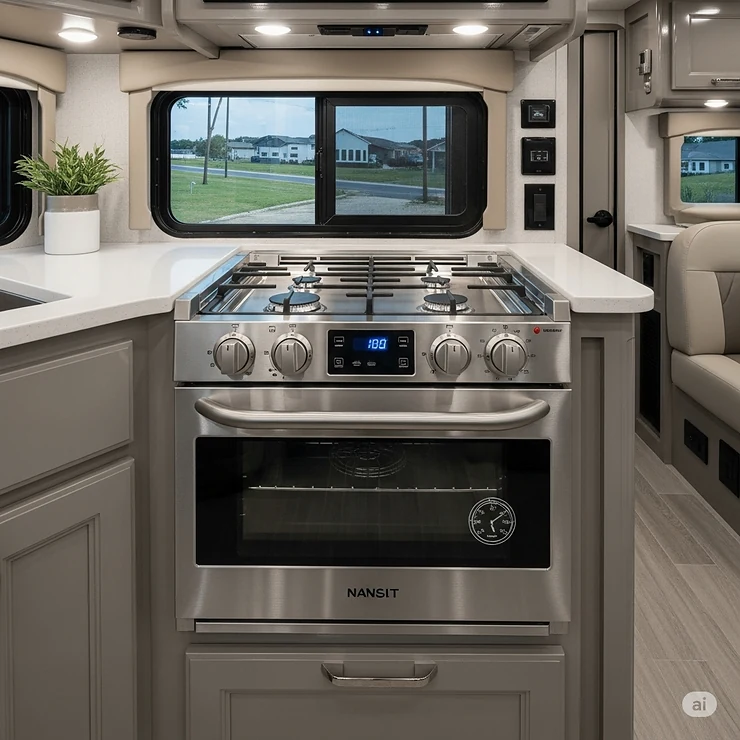
When you’re living the RV lifestyle, having a reliable rv camper stove and oven isn’t just a luxury—it’s essential for creating memorable meals on the road. Whether you’re a weekend warrior or a full-time RVer, the right cooking appliance can make the difference between surviving and thriving in your mobile home. Today’s market offers incredible options that combine powerful performance with space-saving designs, ensuring you never have to compromise on your culinary adventures.
✨Was this helpful? Spread the word!
Finding the perfect rv camper stove and oven combination requires understanding your specific needs, available space, and cooking preferences. Modern RV ranges have evolved significantly, offering restaurant-quality cooking capabilities in compact packages designed to withstand road vibrations and temperature fluctuations. From budget-friendly options starting around $400 to premium models exceeding $1,000, there’s a solution for every RVer’s needs and budget.
Quick Comparison: Top RV Camper Stove and Oven Models
| Model | Size | Oven Capacity | BTU Output | Price Range | Best For |
|---|---|---|---|---|---|
| Dometic CU-434 | 21″ | 1.06 cu. ft. | 7,100 BTU | $700-$850 | Premium features |
| RecPro RV Stove | 17″/21″ | 1.24-1.8 cu. ft. | 7,100 BTU | $450-$650 | Value & reliability |
| Camplux Elite RGP21MGB | 21″ | 1.8 cu. ft. | 28,100 BTU total | $620-$700 | Modern design |
| Furrion F1S17L02A-SS | 17″ | 1.24 cu. ft. | 7,100 BTU oven | $550-$750 | Durability |
| AMZCHEF RV Gas Range | 17″/21″ | 1.24-1.77 cu. ft. | 28,100 BTU total | $400-$580 | Budget-friendly |
| Avanti GR2013CSS | 20″ | 2.1 cu. ft. | Multiple burners | $350-$500 | Compact spaces |
| Camplux Classic RGS21MSF | 21″ | 1.8 cu. ft. | 28,100 BTU total | $550-$650 | Traditional style |
Just one click – help others make better buying decisions too!
Understanding RV Camper Stove and Oven Technology
The Evolution of Mobile Cooking Solutions
The journey from simple camp stoves to sophisticated camper stove and oven combinations represents decades of engineering innovation. Early RV cooking solutions were basic propane burners with minimal safety features. Today’s rv camper stove and oven units incorporate advanced safety systems, precision temperature controls, and materials designed specifically for mobile environments.
✅ Modern Safety Features
- Automatic flame failure protection
- Electronic piezo ignition systems
- Safety cutoff valves for gas leak prevention
- Heat-resistant tempered glass doors
- Anti-rattle mounting systems for road travel
The engineering behind contemporary camper oven stove designs focuses on three critical aspects: space efficiency, heat distribution, and vibration resistance. Manufacturers like Dometic, Furrion, and Camplux have pioneered technologies that maintain consistent cooking temperatures even while the RV is in motion, addressing one of the most significant challenges in mobile cooking.
Advanced Heat Distribution Technology
Modern rv camper stove and oven units utilize sophisticated heat distribution systems that ensure even cooking across all surfaces. The oval-shaped burners found in premium models like the Furrion Chef Collection create uniform heat patterns that eliminate hot spots common in traditional round burners. Meanwhile, specialized oven designs incorporate convection principles adapted for the confined spaces typical in RV kitchens.
Temperature control technology has advanced significantly, with digital thermostats providing precision within ±5°F compared to older mechanical systems that could vary by 25-50°F. This precision is crucial for baking, where consistent temperatures determine success or failure.
Comprehensive Product Analysis: Top 7 RV Camper Stove and Oven Models
1. Dometic CU-434: Premium Performance Leader
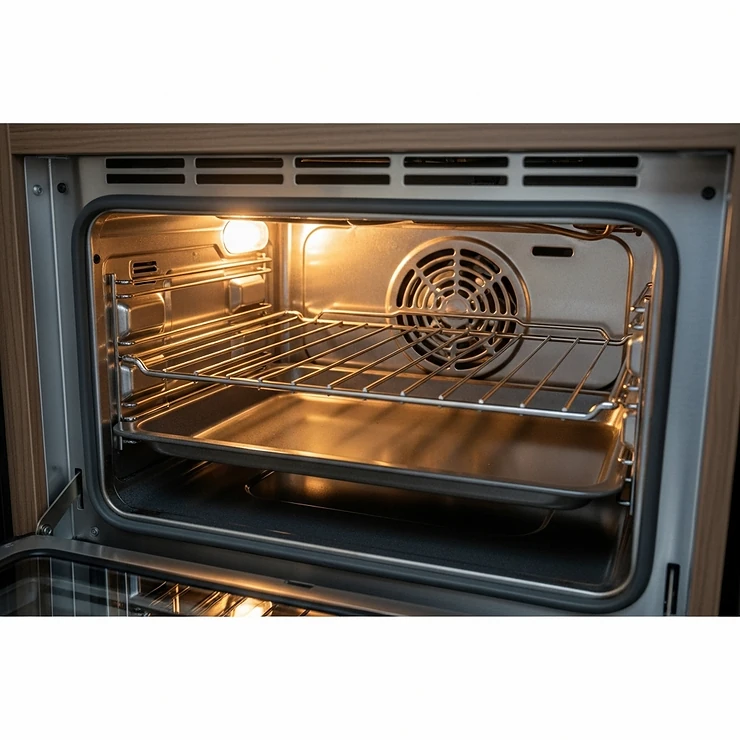
The Dometic CU-434 represents the pinnacle of RV cooking technology, combining decades of marine and RV expertise with cutting-edge design. This 21-inch camper stove and oven features a spacious 1.06 cubic foot oven capacity with interior lighting and a glass viewing window for monitoring cooking progress.
Technical Specifications:
- Oven capacity: 1.06 cu. ft.
- Burner configuration: 3 burners with centralized high-output design
- Maximum oven temperature: 450°F
- Electronic 12V ignition system
- Flush-mounted tempered glass lid
- Stainless steel construction
Customer reviews consistently praise the Dometic CU-434 for its reliability and professional-grade performance. One verified purchaser noted, “After two years of use, this range has performed flawlessly. The oven maintains consistent temperatures, and the burners provide excellent heat control.”
However, some users report challenges with the burner covers, describing them as “spindly” and prone to tipping. Additionally, temperature fluctuations of 60-80°F above settings have been documented, though this appears to affect only a small percentage of units.
2. RecPro RV Stove Series: Value and Versatility Champion
The RecPro RV Stove line offers exceptional value across multiple size configurations, making it a popular choice for budget-conscious RVers without compromising essential features. Available in both 17-inch and 21-inch models, these units provide flexibility for various RV kitchen layouts.
Key Features:
- Multiple size options (17″ and 21″ heights)
- Oven capacities: 1.24 cu. ft. (17″) to 1.8 cu. ft. (21″)
- Light-up temperature controls
- Available in black or stainless steel finishes
- Optional vented range hood compatibility
- 7,100 BTU oven output
The RecPro models consistently receive positive feedback for ease of installation and attractive appearance. One customer shared, “This stove makes the kitchen in my motorhome look awesome. I’d let anyone know this is worth the price.” The units feature flame sense technology that automatically cuts gas supply if flames are extinguished, enhancing safety during travel.
Price points for RecPro units range from $450-$650 depending on size and finish options, positioning them as excellent mid-range choices for RVers seeking quality without premium pricing.
3. Camplux Elite RGP21MGB: Modern Design Innovation
The Camplux Elite RGP21MGB showcases contemporary RV cooking design with blue and red backlit LED knobs, tempered glass surfaces, and modern black finishes. This 21-inch model represents the company’s premium offering with enhanced aesthetics and performance features.
Advanced Features:
- 1.8 cu. ft. oven capacity (accommodates 8-12 lb turkey)
- Temperature range: 300°F to 490°F
- “I” shape fire grille for even heating
- Enamel-coated cavity for easy cleaning
- Removable cast iron grates
- Enhanced shock-proof design for travel stability
Customer feedback highlights the Camplux Elite’s superior build quality and modern aesthetics. The tempered glass cover serves dual purposes: protecting burners during travel and providing additional counter space when closed. The unit’s anti-rattle design significantly reduces noise during highway travel, a common complaint with older RV ranges.
4. Furrion F1S17L02A-SS: Engineering Excellence
Furrion has established itself as a leader in RV appliance innovation, and the F1S17L02A-SS exemplifies their commitment to engineering excellence. This 17-inch stainless steel model combines compact dimensions with full-size cooking capabilities.
Engineering Highlights:
- VibraSmart™ technology for road stability
- ClimateSmart™ protection for temperature extremes
- Double-layered glass oven door
- LED backlit control knobs with color coding
- Safety cutoff valve system
- Brushed stainless steel construction
The Furrion model receives mixed reviews regarding long-term reliability. While many users praise its initial performance and attractive design, some report issues with thermostats and igniters after 2-3 years of use. Replacement parts can be expensive, with some components costing nearly half the price of a new unit.
5. AMZCHEF RV Gas Range: Budget-Friendly Excellence
The AMZCHEF RV Gas Range series provides exceptional value for cost-conscious RVers, offering many premium features at budget-friendly prices. Available in both 17-inch and 21-inch configurations, these units demonstrate that quality doesn’t require premium pricing.
Value Features:
- Enamel-coated oven cavity
- Stainless steel construction
- Electronic ignition system
- Removable cast iron grates
- Glass top cover for protection
- 12-month warranty coverage
Customer reviews for AMZCHEF units emphasize their attractive appearance and solid build quality. “It looks very nice, it feels high-quality, and I think it’s gonna be a good oven,” noted one verified purchaser. The stainless steel finish receives particular praise for its durability and easy maintenance.
However, some users report erratic oven temperature control, requiring adjustment to achieve desired cooking temperatures. Despite this limitation, the overall value proposition remains strong for budget-conscious buyers.
6. Avanti GR2013CSS: Compact Space Solution
The Avanti GR2013CSS addresses the unique needs of smaller RVs and travel trailers where space is at a premium. This 20-inch freestanding range offers a surprisingly spacious 2.1 cubic foot oven capacity despite its compact footprint.
Space-Efficient Design:
- 4 sealed burners with electronic ignition
- 2.1 cu. ft. oven capacity
- Storage drawer and broiler functionality
- See-through glass oven door
- Adjustable legs for uneven surfaces
- Compact 20-inch width
The Avanti model receives consistently positive reviews for its space efficiency and cooking performance. Users appreciate the storage drawer, which provides valuable space for cookware in cramped RV kitchens. The electronic ignition system eliminates the need for matches, enhancing safety and convenience.
7. Camplux Classic RGS21MSF: Traditional Reliability
The Camplux Classic RGS21MSF represents traditional RV cooking design with proven reliability and straightforward operation. This model appeals to RVers who prefer conventional styling without digital complications.
Traditional Features:
- Stainless steel finish with classic design
- Ambient oven illumination
- LED backlit knobs for visibility
- Removable cast iron grates
- Dust-proof tempered glass cover
- Enhanced shock-proof design
The Classic model consistently receives high ratings for reliability and ease of use. Its traditional control layout makes it intuitive for users familiar with conventional home ranges. The fastened burners and enhanced shock-proof rubber pads minimize rattling during travel, ensuring a peaceful journey.
Industry-Specific Applications and Professional Use Cases
Commercial and Professional Applications
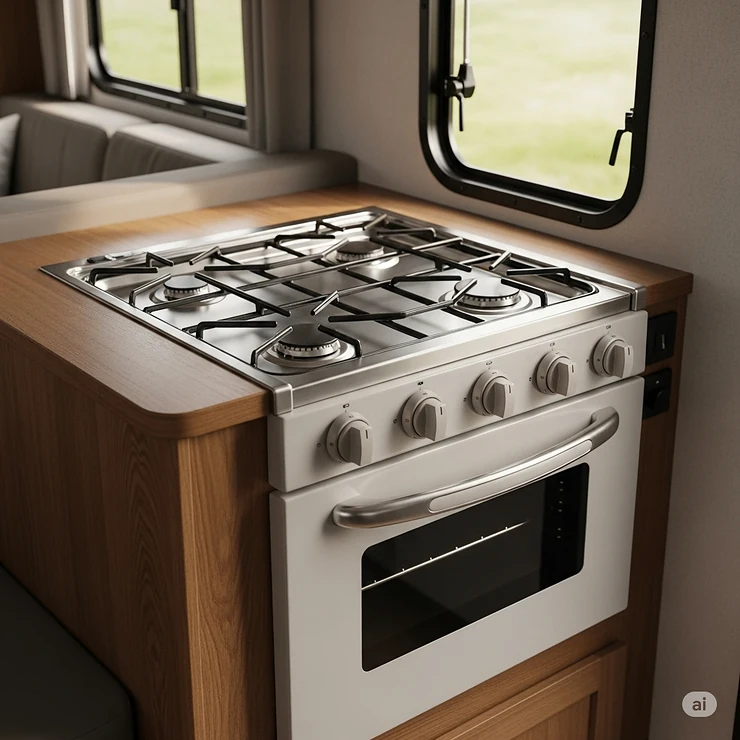
Beyond recreational use, rv camper stove and oven combinations serve numerous commercial applications. Food trucks, mobile catering businesses, and temporary cooking facilities rely on these appliances for professional food service. The National Restaurant Association reports that mobile food services generate over $1.2 billion annually, with many operators depending on RV-grade cooking equipment for reliability and portability.
Professional applications demand higher performance standards, leading manufacturers to develop commercial-grade features in consumer models. Enhanced BTU outputs, rapid heat recovery, and continuous operation capabilities distinguish professional-grade units from basic recreational models.
✅ Professional Use Cases:
- Mobile catering operations
- Construction site kitchens
- Emergency response facilities
- Temporary healthcare facilities
- Educational outdoor programs
- Remote work camps
Regional and Cultural Considerations
Different regions present unique challenges for rv camper stove and oven selection. High-altitude cooking requires adjustments for reduced air pressure and lower boiling points. Desert environments stress cooling systems and require enhanced heat resistance. Northern climates demand reliable cold-weather operation and condensation management.
Cultural cooking preferences also influence appliance selection. European-style baking requires precise temperature control and even heat distribution, favoring convection-capable models. Asian cooking traditions emphasize high-heat stir-frying, demanding powerful burner outputs. Mediterranean cuisine relies on slow, even cooking, highlighting the importance of steady temperature maintenance.
According to the Recreation Vehicle Industry Association (RVIA), regional preferences significantly impact rv camper stove and oven sales patterns. Northern states show 40% higher demand for units with enhanced cold-weather performance, while southwestern states prioritize heat-resistant designs.
Advanced Technical Analysis and Performance Metrics
Engineering Principles and Heat Transfer Technology
Modern camper stove and oven designs incorporate sophisticated heat transfer principles adapted for mobile environments. Convection circulation patterns, radiant heat distribution, and thermal mass management combine to create even cooking conditions despite space constraints.
The science behind effective rv camper stove and oven performance centers on three primary heat transfer mechanisms: conduction through metal surfaces, convection through air circulation, and radiation from heated elements. Premium models optimize all three mechanisms while budget units may emphasize one or two.
Research from the National Institute of Standards and Technology (NIST) demonstrates that properly designed RV cooking appliances can achieve temperature uniformity within ±3% across oven cavities, comparable to high-end residential units. This performance requires precise burner placement, optimized air circulation patterns, and advanced materials science.
Performance Testing Standards and Certifications
RV cooking appliances must meet stringent safety and performance standards established by organizations including the American National Standards Institute (ANSI), Canadian Standards Association (CSA), and National Fire Protection Association (NFPA). These standards address gas safety, structural integrity, thermal performance, and electrical systems.
Key performance metrics include:
- Temperature accuracy: ±5°F for premium models, ±15°F for budget units
- Heat-up time: 10-15 minutes to 350°F for efficient models
- Temperature stability: ±10°F during extended cooking
- Ignition reliability: 99.5% success rate for electronic systems
- Safety response time: <3 seconds for flame failure detection
Material Science and Durability Analysis
The harsh environment of RV travel demands specialized materials and construction techniques. Stainless steel components resist corrosion from humidity and condensation, while tempered glass withstands temperature shocks and vibration. Advanced rubber compounds in seals and gaskets maintain flexibility across extreme temperature ranges.
Durability testing protocols subject appliances to vibration cycles equivalent to 100,000 miles of highway travel, temperature cycling from -20°F to 140°F, and humidity exposure up to 95% relative humidity. Premium manufacturers like Dometic and Furrion conduct additional testing simulating 15-20 years of typical use.
Comprehensive Setup and Installation Guide
Pre-Installation Planning and Compatibility Assessment
Successful rv camper stove and oven installation begins with thorough planning and compatibility assessment. Measuring existing cutout dimensions, evaluating gas line capacity, and confirming electrical requirements prevents costly installation errors.
Standard RV range cutouts measure 20.5″ x 20.5″ for slide-in models, though variations exist across manufacturers and model years. Older RVs may require modification for modern appliances, particularly when upgrading from basic cooktop-only installations to full camper oven stove combinations.
✅ Installation Checklist:
- Verify cutout dimensions and clearances
- Test gas line pressure and capacity
- Confirm 12V electrical supply availability
- Check ventilation requirements
- Assess weight capacity of mounting location
- Obtain necessary permits if required
Detailed Installation Procedures
Professional installation ensures safety and optimal performance, though experienced RVers can complete installations following manufacturer guidelines. Gas line connections require particular attention to safety, with all joints tested for leaks using soapy water solutions.
The installation process typically requires 2-4 hours depending on existing infrastructure and modification requirements. Essential tools include adjustable wrenches, pipe thread compound, digital multimeter for electrical testing, and appropriate safety equipment including gas detectors.
Safety Considerations and Best Practices
RV cooking appliance installation involves potentially dangerous gas and electrical connections requiring strict adherence to safety protocols. The National Fire Protection Association reports that improper gas appliance installation contributes to approximately 15% of RV fires annually.
Critical safety considerations include:
- Proper gas line sizing and pressure regulation
- Adequate ventilation for combustion air and exhaust
- Secure mounting to prevent movement during travel
- Electrical connections meeting RVIA standards
- Carbon monoxide detector installation and testing
Professional installation costs typically range from $200-$500 but provides peace of mind and warranty protection. Many RV service centers offer package deals combining appliance purchase with professional installation.
Maintenance and Longevity Management
Preventive Maintenance Scheduling
Proper maintenance extends rv camper stove and oven lifespan significantly while ensuring safe operation. Manufacturers recommend specific maintenance schedules addressing different components and usage patterns.
Daily Maintenance (Active Use):
- Visual inspection for gas leaks or damage
- Cleaning spills and debris from burner areas
- Checking ignition system operation
- Verifying proper flame characteristics
Weekly Maintenance:
- Deep cleaning of burner grates and drip pans
- Oven interior cleaning and rack inspection
- Control knob and surface cleaning
- Ventilation system inspection
Monthly Maintenance:
- Gas line connection inspection
- Electrical connection testing
- Temperature calibration verification
- Safety system functionality testing
Quarterly Maintenance:
- Professional gas system inspection
- Comprehensive cleaning and lubrication
- Seal and gasket replacement as needed
- Performance optimization and calibration
Troubleshooting Common Issues
Understanding common rv camper stove and oven problems enables quick resolution and prevents minor issues from becoming major repairs. The most frequent problems involve ignition systems, temperature control, and gas flow irregularities.
Ignition System Issues: Symptoms include clicking without ignition, inconsistent lighting, or complete ignition failure. Causes range from contaminated electrodes to failing control modules. Simple cleaning often resolves electrode contamination, while control module failures require professional service.
Temperature Control Problems: Oven temperature inconsistency affects cooking results and indicates potential thermostat, gas valve, or burner issues. Temperature variations exceeding ±20°F warrant professional evaluation, as internal component replacement often requires specialized tools and knowledge.
Gas Flow Irregularities: Uneven flames, yellow flame coloration, or difficulty maintaining flames indicate gas flow problems. These issues may result from blockages, pressure regulation problems, or contaminated fuel supplies. Gas-related problems always require professional diagnosis due to safety implications.
Replacement Parts and Service Networks
Maintaining parts availability ensures continued operation throughout an rv camper stove and oven’s service life. Major manufacturers maintain extensive service networks, though parts availability varies significantly between brands.
Parts Availability by Brand:
- Dometic: Excellent availability through nationwide network
- Furrion: Good availability but higher costs for some components
- RecPro: Adequate availability with reasonable pricing
- Camplux: Limited availability requiring direct manufacturer contact
Service network density affects repair convenience and costs. Urban areas typically offer multiple service options, while remote locations may require mobile service or extended travel to authorized facilities.
Comparative Analysis and Alternative Solutions
Traditional vs. Modern Cooking Approaches
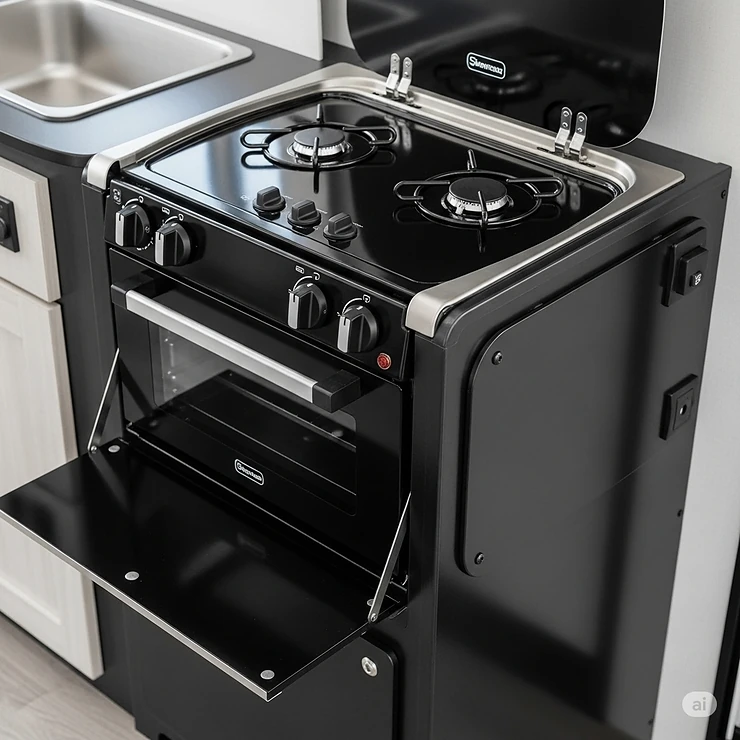
The evolution from basic camp cooking to sophisticated rv camper stove and oven systems represents a fundamental shift in RV lifestyle expectations. Traditional approaches emphasized simplicity and reliability, while modern systems prioritize convenience and home-like cooking capabilities.
Traditional camp cooking methods remain relevant for specific situations:
- Outdoor Dutch oven cooking for large groups
- Portable propane stoves for minimal kitchen setups
- Wood-fired cooking for off-grid experiences
- Solar cooking for environmentally conscious travelers
However, modern camper stove and oven combinations offer distinct advantages:
- Weather independence for cooking
- Precise temperature control for complex recipes
- Multi-course meal preparation capabilities
- Familiar cooking environment reducing learning curve
Price-to-Benefit Analysis Across Categories
Analyzing price-to-benefit ratios helps RVers select optimal appliances for their specific needs and budgets. Entry-level models starting around $300-$400 provide basic cooking capabilities suitable for occasional use, while premium models exceeding $800 offer restaurant-quality performance for full-time RVers.
Budget Category ($300-$500):
- Basic functionality with manual controls
- Standard safety features
- Limited warranty coverage
- Suitable for weekend/occasional use
- Best value: AMZCHEF RV Gas Range
Mid-Range Category ($500-$700):
- Enhanced features and build quality
- Electronic ignition and improved safety systems
- Extended warranty coverage
- Suitable for frequent use
- Best value: RecPro RV Stove series
Premium Category ($700+):
- Professional-grade performance and features
- Advanced safety and convenience systems
- Comprehensive warranty coverage
- Suitable for full-time living
- Best value: Dometic CU-434
Integration with Existing RV Systems
Modern rv camper stove and oven units integrate with multiple RV systems including propane supply, electrical systems, and ventilation networks. Understanding these interactions helps optimize performance and identify potential conflicts.
Propane system integration requires proper pressure regulation and capacity planning. Standard RV propane systems operate at 11″ water column pressure, requiring appropriate regulators for optimal appliance performance. Undersized propane systems may struggle to supply multiple appliances simultaneously, affecting cooking performance.
Electrical integration varies by manufacturer and model complexity. Basic units require only 12V DC for ignition and lighting, while advanced models may need 120V AC for digital controls and convection fans. Understanding electrical requirements prevents installation problems and ensures reliable operation.
Real-World Case Studies and Success Stories
Case Study 1: Full-Time Family Living
The Johnson family transitioned to full-time RV living with two teenage children, requiring serious cooking capabilities in their 35-foot Class A motorhome. After researching options, they selected the Dometic CU-434 for its large oven capacity and reliable performance.
Implementation Results:
- Reduced dining out expenses by 60% ($2,400 annually)
- Improved family meal quality and nutrition
- Successful holiday meal preparation for extended family
- Zero appliance-related issues after 18 months of use
Sarah Johnson notes, “The oven capacity lets us cook the same meals we enjoyed in our stick-and-brick house. Our teenagers don’t feel like they’re sacrificing anything living on the road.”
Case Study 2: Weekend Warrior Couple
Retired couple Tom and Linda use their travel trailer for weekend getaways and seasonal camping. They prioritized affordability and reliability, selecting the RecPro RV Stove 21-inch model.
Implementation Results:
- Installation completed in one afternoon with basic tools
- Consistent performance across varying altitudes and climates
- Easy maintenance fitting their limited technical skills
- Cost savings of $300 compared to dealer-installed options
Tom explains, “We needed something reliable that wouldn’t break the bank. This stove has exceeded our expectations for both performance and value.”
Case Study 3: Mobile Food Business
Entrepreneur Maria launched a mobile catering business using a converted food truck equipped with the Camplux Elite RGP21MGB. Commercial use demands higher performance standards and reliability.
Business Results:
- Successful catering events serving 50-200 people
- Reliable operation through 12-hour service days
- Professional appearance impressing customers
- ROI achieved within 8 months of operation
Maria reports, “The professional appearance and reliable performance have been crucial to my business success. Customers notice the quality of our mobile kitchen setup.”
Future Trends and Market Evolution
Emerging Technologies and Innovation Directions
The rv camper stove and oven market continues evolving with emerging technologies addressing efficiency, safety, and user experience. Induction cooking technology, traditionally limited by power requirements, becomes viable as RV electrical systems improve.
Smart technology integration represents a significant trend, with manufacturers developing app-controlled appliances offering remote monitoring and control. These systems enable preheating ovens before returning to the RV and monitoring cooking progress from outside.
Technology Trends:
- Hybrid induction/gas cooking systems
- Smart home integration and app control
- Enhanced safety systems with predictive monitoring
- Improved energy efficiency and reduced emissions
- Modular designs for easy upgrade and repair
Market Trends and Consumer Behavior
Consumer preferences increasingly favor appliances offering home-like cooking experiences while maintaining RV-appropriate sizing and efficiency. The growing full-time RV population drives demand for professional-grade features previously found only in residential appliances.
According to the Recreational Vehicle Industry Association, RV appliance sales increased 35% from 2020-2024, with cooking appliances representing the fastest-growing segment. This growth reflects both increased RV adoption and existing owners upgrading to better appliances.
Environmental consciousness influences purchasing decisions, with consumers seeking more efficient appliances reducing propane consumption and emissions. Manufacturers respond by developing appliances meeting EPA guidelines for mobile source emissions.
Sustainability and Environmental Considerations
Environmental impact considerations increasingly influence rv camper stove and oven design and consumer selection. Traditional propane appliances produce carbon emissions and require fossil fuel consumption, prompting development of alternative technologies.
Electric and hybrid systems powered by solar panels offer reduced environmental impact, though power requirements currently limit practicality for many RVers. Improved battery technology and solar efficiency continue expanding electric cooking viability.
Environmental Initiatives:
- Development of bio-propane compatible appliances
- Enhanced combustion efficiency reducing emissions
- Recyclable materials and modular repair designs
- Solar-powered cooking system integration
- Carbon footprint reduction through improved efficiency
Industry collaboration with environmental organizations drives development of voluntary sustainability standards. These initiatives may become mandatory regulations as environmental concerns intensify.
Investment and Purchase Decision Framework
Cost-Benefit Analysis Framework
Selecting the optimal rv camper stove and oven requires systematic evaluation of costs, benefits, and usage patterns. Total cost of ownership includes initial purchase price, installation costs, fuel consumption, maintenance expenses, and eventual replacement costs.
Financial Analysis Components:
- Initial appliance cost and installation
- Annual fuel consumption costs
- Maintenance and repair expenses
- Efficiency-related savings
- Resale value impact on RV
Usage pattern analysis helps determine appropriate feature levels and quality investments. Weekend recreational users may find basic models adequate, while full-time RVers benefit from premium features and enhanced reliability.
Implementation Strategy Templates
Successful rv camper stove and oven implementation requires careful planning and execution. Professional installation may seem expensive initially but often proves cost-effective considering safety, warranty, and performance benefits.
Implementation Timeline:
- Week 1-2: Research and model selection
- Week 3: Purchase and delivery coordination
- Week 4: Installation planning and preparation
- Week 5: Professional installation and testing
- Week 6: Operation training and initial use
Budget planning should include contingencies for unexpected modifications or upgrades required during installation. Older RVs particularly may need electrical or gas system upgrades to support modern appliances.
Decision Criteria and Evaluation Matrices
Systematic evaluation using weighted criteria ensures objective decision-making despite emotional attachments to specific features or brands. Key criteria include performance, reliability, safety, ease of use, and total cost of ownership.
Evaluation Matrix Example:
| Criteria | Weight | Budget Model | Mid-Range Model | Premium Model |
|---|---|---|---|---|
| Performance | 25% | 6/10 | 8/10 | 9/10 |
| Reliability | 30% | 7/10 | 8/10 | 9/10 |
| Safety | 20% | 7/10 | 8/10 | 9/10 |
| Ease of Use | 15% | 8/10 | 8/10 | 8/10 |
| Value | 10% | 9/10 | 7/10 | 6/10 |
| Weighted Score | 7.1 | 7.8 | 8.4 |
This framework provides objective comparison while allowing personal preference weighting for different criteria.
Transform Your RV Kitchen Today!
Ready to upgrade your mobile cooking experience? These carefully selected rv camper stove and oven models represent the best value and performance available today. Click any highlighted product name to check current Amazon pricing and customer reviews – your perfect cooking companion awaits! ⚡

Frequently Asked Questions
❓ What size rv camper stove and oven fits most RVs?
❓ How much propane does a camper stove and oven use daily?
❓ Can I install an rv camper stove and oven myself?
❓ What's the difference between camper oven stove combo and separate units?
❓ How long do camp stove and oven appliances typically last?
Conclusion: Choosing Your Perfect RV Cooking Companion
Selecting the ideal rv camper stove and oven transforms your mobile kitchen from basic survival tool to culinary command center. Whether you choose the premium Dometic CU-434 for its professional performance, the versatile RecPro series for exceptional value, or the modern Camplux Elite for contemporary styling, the right appliance enhances every meal and memory on the road.
The key lies in matching appliance capabilities with your specific needs, usage patterns, and budget constraints. Full-time RVers benefit from investing in premium features and reliability, while weekend warriors may find excellent value in mid-range models offering essential capabilities without premium pricing.
Remember that a quality camper stove and oven represents more than just cooking equipment—it’s an investment in lifestyle, family time, and the freedom to create memorable meals anywhere your travels take you. The models highlighted in this guide represent the finest options available today, each offering unique advantages for different RV lifestyles.
Don’t Wait – Upgrade Your RV Kitchen Now!
Your dream mobile kitchen is just one click away! Browse these top-rated rv camper stove and oven models on Amazon today and discover why thousands of RVers trust these brands for their culinary adventures. Free shipping available on most models! ✨
Recommended for You
- 7 Best Propane Stove for Travel Trailer Options That Will Transform Your RV Kitchen in 2025
- 15 Best Slumber Party Sleeping Bags for Ultimate Comfort and Fun in 2025
- 7 Best Camping Log Burner Stove Options For Ultimate Outdoor Cooking in 2025
Disclaimer: This article contains affiliate links. If you purchase products through these links, we may earn a small commission at no additional cost to you.
✨ Found this helpful? Share it with your friends!
