In This Article
Teenagers are strange to shop for. They’re too tall for kid gear, too lean for adult gear, and perfectly capable of announcing the night was “fine” at breakfast after chattering their way through 2 a.m. A sleeping bag for teens backpacking has to thread an awkward needle. It must be warm enough for a real trail and light enough that the hiker carrying it doesn’t resent you by mile three. It also has to fit a body that may grow two inches before next summer.

I’ve organized this guide around that tension. You’ll get seven real bags, from sleepover-grade to trail-serious, with the specs translated into what they mean at 3 a.m. in a tent. The advice comes from published specs, lab-style temperature standards, and aggregated review sentiment, not invented trail tales.
What Is a Sleeping Bag for Teens Backpacking?
A sleeping bag for teens backpacking is a lightweight, compressible bag sized for a growing 4’8″ to 6′ frame. It’s rated for the expected overnight temperature and light enough, usually 2 to 3.5 pounds, to carry on the trail without turning a weekend hike into a complaint festival.
The category sits between youth and adult gear. That’s why fit, packed size, and honest temperature ratings matter more here than almost anywhere else. If you want the broader history of how sleeping bags evolved into today’s insulated, zippered systems, that’s a good background read. Now, the shortlist.
Quick Comparison: Sleeping Bag for Teens Backpacking at a Glance
| Product | Best For | Rating | Fits Up To | Weight | Price Range |
|---|---|---|---|---|---|
| REI Co-op Radiant 20 (Kids’) | Serious teen trips | 20°F | Youth sizing | ~2 lb 4.5 oz | $150-$190 |
| REI Co-op Kindercone 25 | All-around value | 25°F | 5’6″ | 3 lb 4 oz | $60-$80 |
| TETON Sports Celsius Junior 20°F | Cold nights on a budget | 20°F | 66 in | 2.65 lb | $40-$60 |
| Coleman Kids 50°F Youth | Sleepovers | 50°F | ~60-in bag | Not verified | Budget tier |
| Big Agnes Wolverine 20 | Smaller teens, light packs | 20°F | 4’8″ | 2 lb 4 oz | $110-$140 |
| REI Co-op Trailmade 20 | Growing into adult gear | ISO limit 21°F | Adult regular | 3 to 3.56 lb | $80-$120 |
| Kelty Cosmic 20 | Down warmth for years | ISO limit 21°F | Short/regular/long | ~2 lb 7 oz | $150-$210 |
Looking at the table above, the TETON Sports Celsius Junior 20°F and REI Co-op Kindercone 25 deliver the most warmth per dollar for teens under about 5’6″. Taller teens should jump straight to the adult-sized REI Co-op Trailmade 20 or Kelty Cosmic 20, since youth bags run out of length fast. The REI Co-op Radiant 20 (Kids’) costs the most of the youth options, and it’s the one most clearly designed for backpacking rather than backyard campouts.
💬 Just one click — help others make better buying decisions too!😊
Top 7 Sleeping Bag for Teens Backpacking Picks: Expert Analysis
1. REI Co-op Radiant 20 (Kids’) — zoned warmth made for teen trails
REI built the REI Co-op Radiant 20 (Kids’) with zonal insulation, meaning fill is placed where a sleeping body loses heat instead of spread evenly like butter on toast. It carries a 20°F brand rating, weighs about 2 lb 4.5 oz, and pairs a down/synthetic blend with a recycled-polyester shell. In practice, that blend packs smaller than a pure synthetic bag of similar warmth. The synthetic portion also forgives a damp tent better than straight down would.
Kids’ bags like this one usually list a brand estimate rather than lab-tested ISO numbers. So plan conservatively, because the tag’s 20°F is a limit-style figure, not a promise of cozy sleep. REI describes the cut as roomy enough for toss-and-turn comfort, which should suit teens who hate mummy-bag claustrophobia.
At the time of research, the kids’ version showed no verified customer reviews on REI’s page, so I can’t honestly summarize owner sentiment. The adult Radiant line it descends from sits around 4 out of 5 from a small pool of reviews.
Pros:
- ✅ Zonal insulation puts warmth where sleepers lose it
- ✅ Light at roughly 2 lb 4.5 oz
- ✅ Roomy cut for restless sleepers
Cons:
- ❌ Priciest youth option in this lineup
- ❌ Brand-estimate rating, no verified reviews yet
Price range: $150-$190. It’s a fair spend for a teen who backpacks several times a year, and overkill for one scout weekend.
2. REI Co-op Kindercone 25 — best all-around value for teens under 5’6″
The REI Co-op Kindercone 25 is the sensible adult in the room: a synthetic, 25°F bag that fits teens up to 5’6″ and weighs 3 lb 4 oz. Synthetic fill keeps insulating when damp, which matters because teen gear gets wet in creative ways. Overnight at a 40°F campsite it’s comfortable. As a deep-fall bag, the 25°F figure is a three-season number, not a winter promise.
At over three pounds, it’s a car-camping and short-hike bag more than a long-mileage companion. Pair it with an insulated pad and a base layer to stretch its range. Based on the spec comparison, it’s the best fit for a younger teen doing scouts, family campouts, and the occasional two-night trip where weight is secondary.
Reviewed.com’s hands-on testing of kids’ bags named it Best Overall. That’s editorial testing, not customer sentiment. I couldn’t verify a large pool of customer reviews, so treat that ranking as one credible signal rather than a consensus.
Pros:
- ✅ Strong value for roughly $70
- ✅ Synthetic fill shrugs off damp nights
- ✅ Fits teens up to 5’6″
Cons:
- ❌ 3 lb 4 oz is heavy for long treks
- ❌ 25°F is not a winter rating
Price range: $60-$80. Excellent value if your teen sits comfortably under the height cap.
3. TETON Sports Celsius Junior 20°F — warmest-rated budget bag
The TETON Sports Celsius Junior 20°F is the bargain-bin hero with a surprising rating. It fits youth up to 66 inches, weighs about 2.65 lb, and uses a rectangular synthetic design with a limited lifetime warranty. That rectangular cut gives sprawl room, so teens who sleep like starfish won’t feel strapped in. The trade-off is that rectangular bags pack bulkier and leak heat around the shoulders compared with mummy shapes.
Packed size is listed around 14 × 8.5 × 8.5 inches, workable in a mid-size pack but not a slim ultralight setup. I’d call it a cold-weather car-camping bag with backpacking potential for short, low-mileage trips. I also found no lab-test listing, so the 20°F is the brand’s estimate.
Buyers on retail listings describe sturdy stitching and trouble-free zippers, with several saying the bag looks built to last years. That’s a consistent theme, though not a guarantee.
Pros:
- ✅ 20°F rating at a budget price
- ✅ Fits youth up to 66 inches
- ✅ Limited lifetime warranty included
Cons:
- ❌ Rectangular shape packs bulkier for hiking
- ❌ Brand-estimate rating, not lab-tested
Price range: $40-$60. It’s hard to beat per dollar, especially for teens who’ll outgrow it.
4. Coleman Kids 50°F Youth — the sleepover champion
Not every bag needs to climb a ridge. The Coleman Kids 50°F Youth is a warm-weather rectangular bag, roughly 26 by 60 inches, built for living rooms, basements, and backyard campouts. That 60-inch length is the catch: teens around five feet tall or more will run out of room fast. A 50°F rating means it’s a summer-night bag, so nobody should ask it to handle a frosty October.
For sleepovers, though, that simplicity is exactly the point. It’s cheap enough to survive pizza spills and floor-sleeping chaos without causing parental heartbreak. A familiar rectangular shape also feels closer to a bed than a mummy bag does.
One large retailer lists it at about 4.1 out of 5 across roughly 95 ratings, a decent but not glowing average. Buyer guides aimed at teens warn that taller kids outgrow bags in this class quickly. That matches what the dimensions suggest.
Pros:
- ✅ Cheap enough for sleepover abuse
- ✅ Familiar rectangular shape feels like home
- ✅ Simple, no-fuss construction
Cons:
- ❌ 50°F rating means warm weather only
- ❌ Short length for taller teens
Price range: budget tier, so check current price. Great value for sleepovers, wrong tool for real backpacking.
5. Big Agnes Wolverine 20 — a 20°F synthetic for smaller teens
The Big Agnes Wolverine 20 is a synthetic 20°F bag for kids and tweens up to 4’8″. It weighs 2 lb 4 oz, which is genuinely light for the warmth. For a smaller teen carrying their own gear, that weight difference over a REI Co-op Kindercone 25 is the gap between “I can do this” and “I’m done.” The synthetic fill means wet mornings are less dramatic.
Here’s the honest caveat: 4’8″ is a low ceiling. A growth spurt can end this bag’s useful life in a single season, so it’s best for smaller teens or hand-me-down families with younger siblings waiting in line. SectionHiker lists it among its recommended kids’ bags at around $130, but I couldn’t verify a meaningful pool of customer reviews. That limits what I can say about long-term durability.
Pros:
- ✅ 20°F rating at just 2 lb 4 oz
- ✅ Synthetic fill tolerates dampness
- ✅ Light enough for a smaller teen’s pack
Cons:
- ❌ Maxes out at 4’8″ tall
- ❌ Premium price for a fast-outgrown size
Price range: $110-$140. Worth it only if the fit window matches your teen’s height.

6. REI Co-op Trailmade 20 — adult-bag training wheels at a fair price
When teens outgrow youth sizing, the REI Co-op Trailmade 20 is a gentle on-ramp into adult gear. It’s a mummy-shaped synthetic bag with an ISO comfort rating of 31°F and lower limit of 21°F, and 35 ounces of recycled polyester insulation. OutdoorGearLab gave it a Best Buy award as a budget synthetic. The weight runs about 3 to 3.56 lbs depending on size, so it’s not featherweight, but it’s honest.
The ISO numbers are the useful part here. Comfort 31°F means a cold-ish sleeper stays comfortable around freezing, and lower limit 21°F is the “curled up, just not shivering” number. Reviewers put it at roughly 4.3 out of 5 across dozens of REI ratings. OutdoorGearLab noted that the coldest sleepers can feel chilly near 20°F. GearJunkie called out bulk and fiddly hood drawstrings, and another reviewer said the mummy taper felt aggressive. REI’s original listing is marked discontinued with a newer version available, so check the current model before buying.
Pros:
- ✅ Lab-tested ISO ratings for honest comparison
- ✅ Insulation-rich synthetic for the price
- ✅ Fits taller teens who’ve outgrown youth bags
Cons:
- ❌ Bulkier and heavier than down alternatives
- ❌ Aggressive taper and fiddly hood drawstrings
Price range: $80-$120. A terrific value if your teen is already 5’6″ or taller.
7. Kelty Cosmic 20 — down warmth that follows teens into adulthood
The Kelty Cosmic 20 is the down option, with 550-fill-power down, an ISO comfort rating of 31°F and lower limit of 21°F. One review source lists it around 2 lb 7 oz, with a shoulder/hip girth of 62/58 inches. Down compresses far smaller than synthetic, which matters when a teen’s 50-liter pack is already crowded with food, water, and a stubbornly oversized hoodie. It’s offered in short, regular, and long sizes, so shorter teens may find a snugger fit.
Down’s weakness is moisture, and the Cosmic has limited defenses against it, according to Better Trail’s review. The same review notes that the warmth-to-weight ratio trails pricier bags. REI shoppers rate it about 3.8 out of 5 across roughly 31 reviews. Some call it “a furnace,” while another says it’s summer-weight. That spread suggests the bag suits warm sleepers and may leave cold sleepers wanting a liner.
Pros:
- ✅ Down packs far smaller than synthetic
- ✅ Lab-tested ISO comfort and limit ratings
- ✅ Can serve a teen through adulthood
Cons:
- ❌ Limited moisture defense, so keep it dry
- ❌ Mixed reviews on real-world warmth
Price range: $150-$210. A solid long-term buy for teens who’ve stopped growing and keep backpacking.
How to Choose a Sleeping Bag for Teens Backpacking
- Measure your teen first. Height decides whether a youth bag works at all. A bag capped at 4’8″ or 5’6″ is a false economy for a teen who’s already past it.
- Match the rating to the coldest night, with a buffer. The REI temperature rating guide explains that a spec not labeled “comfort” or “lower limit” is probably a brand estimate. Choose a bag rated 10°F colder than the expected low.
- Pick insulation by climate. Synthetic forgives wet conditions and scouts. Down packs smaller but demands care.
- Check weight against trail miles. Two to three pounds suits a weekend trek. Longer routes reward lighter, pricier bags.
- Choose a shape your teen will actually sleep in. Mummy bags are warmer, rectangular bags are roomier.
- Weigh the sleeping pad as part of the system. A great bag on a thin pad still sleeps cold.
- Factor in resale or hand-me-down value. Youth bags can serve siblings, while adult bags last through college.
Youth-Sized Gear: Getting the Fit Right
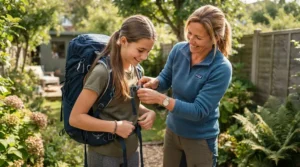
Youth-sized gear isn’t just adult gear in a smaller font. A properly sized bag has less dead air to heat, which is why kids’ bags tend to hold warmth better than oversized adult ones. Buyer guides note this repeatedly. A bag that’s too big forces a small body to heat empty space, and a bag that’s too small compresses the insulation at the feet and shoulders, creating cold spots.
Use real numbers. The Big Agnes Wolverine 20 tops out at 4’8″, the REI Co-op Kindercone 25 at 5’6″, and the TETON Sports Celsius Junior 20°F at 66 inches. Measure your teen standing in socks, then add a margin for a growth spurt. If they’re within an inch of the cap, move up a size.
Check the footbox, too. A cramped footbox crushes insulation exactly where cold toes live. Many teens end up in youth-sized gear that’s technically correct but practically cramped, so have them climb in and lie down at home before the trip. If shoulders feel pinned or feet touch the end, size up. Smart youth-sized gear shopping saves money now and avoids a cold, cranky trail night later.
Transitioning to Adult Gear: When and How
Most teens hit a tipping point around 5’6″ to 5’8″, where youth bags stop fitting and adult bags start making sense. The jump brings real advantages: lab-tested ISO ratings, better compressibility, and options that last years. It also brings a catch. Adult bags run bigger and heavier, and the taper can feel aggressive on narrow shoulders.
| Factor | Youth Bag (e.g., TETON Sports Celsius Junior 20°F) | Adult Short/Regular (e.g., REI Co-op Trailmade 20) |
|---|---|---|
| Fit | Smaller teens, up to ~66 in | Teens ~5’6″ and taller |
| Temperature Ratings | Usually brand estimates | Lab-tested ISO comfort/limit |
| Weight | ~2.65 lb | ~3 to 3.56 lb |
| Longevity | Outgrown in 1-3 years | Lasts through adulthood |
| Best For | Growing teens on a budget | Teens who’ve stopped growing |
The table shows a trade-off: youth bags win on fit and price, adult bags win on honest ratings and lifespan. If your teen is within a year of finishing a growth spurt, jumping straight to something like the Kelty Cosmic 20 can be cheaper than buying two bags. If growth is still wild, buy a cheaper stopgap like the REI Co-op Kindercone 25 and save the real purchase for later.
Kids Sleeping Bag for Sleepovers: When Cheap Is Actually Right
Here’s a rule nobody tells parents: a kids sleeping bag for sleepovers shouldn’t be your trail bag. Sleepovers involve snacks, floors, and spills, and a 50°F bag like the Coleman Kids 50°F Youth is built for exactly that chaos. The rectangular shape feels like a regular bed, which matters more than temperature when the “camping” is in a living room.
Where sleepover bags fail is the trail. A kids sleeping bag for sleepovers rarely carries a lab-tested rating, packs bulky, and sits at 50°F, so it’s fine for a heated basement but unsafe for a 35°F night outdoors. Buyer guides aimed at teens say the same thing: teens over about five feet outgrow these quickly.
My advice is to buy the cheap bag for sleepovers and don’t pressure it into backpacking duty. If your teen does both, the TETON Sports Celsius Junior 20°F is a sensible single-bag compromise, since it handles indoor sleepovers and cold-weather car camping on one budget.
Warmest Kids Sleeping Bag for Winter Camping: A Reality Check
Let’s be honest, because this is where parents get burned. The warmest kids sleeping bag for winter camping rarely exists as a true winter-rated product. Children’s bags typically carry brand-estimate ratings rather than ISO or EN numbers, as outdoor guides on child bag ratings note. Everyone’s core temperature differs, so the standards weren’t designed around kids.
In this lineup, the coldest-rated youth options are the 20°F REI Co-op Radiant 20 (Kids’), TETON Sports Celsius Junior 20°F, and Big Agnes Wolverine 20. Retail roundups also mention 15°F youth bags, such as Big Agnes’ Little Red 15, but availability and specs change, so verify before buying. For genuine winter camping, consider an adult bag like the Kelty Cosmic 20 (or a colder Cosmic variant) paired with a liner, and keep the trip close to the car.
Winter warmth is a system, not a bag. Add an insulated pad, dry base layers, a hat, and a warm meal before bed. Outdoor Life’s kids’ sleeping bag guide also advises packing extra layers when a kids’ bag looks marginal for the forecast. If the night’s low is below the bag’s rating, the right answer is a different night.
Trail-Ready Equipment: What Else Goes in the Pack
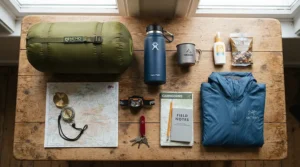
A sleeping bag is only the headline. Trail-ready equipment means the whole sleep system works together, and one weak link can ruin the night.
Sleeping pad. The ground steals heat faster than air does, so an insulated pad matters as much as the bag. For three-season trips, an insulated pad is a common recommendation. For cold nights, step up.
Liner. A thin liner adds a few degrees and keeps the bag cleaner. It’s the cheapest warmth upgrade available.
Stuff sack or compression sack. The Marmot and REI Co-op bags here ship with their own sacks, but check, because a compression sack can reclaim pack space.
Pack capacity. A bulky rectangular bag like the TETON Sports Celsius Junior 20°F can crowd a smaller pack. Test-pack at home.
Trail-ready equipment is about consistency: every piece should be rated for the same conditions. A 20°F bag on a thin summer pad is a 40°F system. Build the stack once, label it, and your teen can pack for the next trip in ten minutes.
Practical Usage Guide: Your Teen’s First 30 Days With a New Bag
Day one: unbox and loft. Take the bag out of its sack right away. Storing insulation compressed shortens its life, so store it loose in a breathable bag or hung up.
First test: a backyard night. Sleep in it once at home in a mild setting. You’ll learn zipper quirks, hood tightness, and whether your teen actually likes the fit before anyone is miles from the car.
Setup routine. Pitch the tent, lay the pad, then shake out the bag to restore loft about 30 minutes before bedtime. A lofted bag warms faster.
Layering. Sleep in dry base layers, not the clothes worn all day. Cinch the hood on cold nights, but keep the mouth outside to avoid damp breath in the insulation.
Maintenance. Air the bag out after each trip. Spot-clean first, and wash only per the care label. Practice Leave No Trace habits with the whole kit, from packing out trash to camping on durable surfaces.
Common first-30-day mistakes. Over-stuffing a compression sack for weeks, leaving the bag damp, and buying a bag a size too big. Fix these early and the bag will outlast the teen’s growth spurts.
Real-World Scenarios: Matching the Bag to the Teen
The scout, 13, 5’0″, weekend campouts. Budget is tight and the trips are 40°F car-camping affairs. The REI Co-op Kindercone 25 fits the height, handles the temperature, and costs little. The 3 lb 4 oz weight barely matters at a drive-up site.
The hiker, 15, 5’7″, fall backpacking with friends. Weight and packed size now matter. The REI Co-op Trailmade 20 gives lab-tested warmth and adult sizing at a fair price, and it won’t be outgrown. Add a liner for chilly nights.
The committed backpacker, 16, 5’10”, with a growing gear list. Long weekends, mountain nights, and a budget that tolerates real gear. The Kelty Cosmic 20 offers down compressibility and a bag that follows them to college.
The younger sibling, 11, 4’6″. The Big Agnes Wolverine 20 fits within its 4’8″ limit at 2 lb 4 oz, a manageable load for a small frame.
Notice the pattern: height and mileage decide the bag, not age. Match those two numbers first and the choice usually makes itself.
✨ Don’t Miss These Exclusive Deals!
🔍 Take your teen’s next trail night to the next level with these carefully selected bags. Click on any highlighted product to check current pricing and availability. A well-fitted bag turns “I’m cold” into “can we go again?”
Problem → Solution: Fixing the Most Common Teen Sleep-System Failures
Problem: “I’m freezing at night.” The usual culprit is a thin pad, not the bag. Add an insulated pad and a liner, wear dry base layers, and eat something before bed. If the bag is a 50°F Coleman Kids 50°F Youth, the fix is a warmer bag.
Problem: “It’s too small and my feet hit the end.” Compressed insulation means cold toes. Move up a size, or jump to an adult short such as the Kelty Cosmic 20 if your teen is above the youth height cap.
Problem: “It won’t fit in my pack.” Bulky synthetic or rectangular bags eat space. Try a compression sack, or move toward a down bag. Compare the packed sizes before buying.
Problem: “The bag is damp.” Condensation happens. Air it out at midday, and keep down bags like the Kelty Cosmic 20 away from wet ground, since its moisture defenses are limited.
Problem: “My teen outgrew it in a year.” Prevent this by buying at the top of the height range, or choosing the REI Co-op Trailmade 20 when growth is nearly done.
Long-Term Cost & Value: What You’ll Really Spend
Sticker price is only part of the story. A $60 bag outgrown in 18 months can cost more per use than a $150 bag used for years. Cost-per-night is the metric that matters.
| Tier | Products | Best For | Value Verdict |
|---|---|---|---|
| Budget ($40-$80) | TETON Sports Celsius Junior 20°F, REI Co-op Kindercone 25 | Growing teens, scouts | Excellent short-term value |
| Mid ($80-$140) | REI Co-op Trailmade 20, Big Agnes Wolverine 20 | Transition years | Strong if height fits |
| Premium ($150-$210) | REI Co-op Radiant 20 (Kids’), Kelty Cosmic 20 | Regular backpackers | Best long-term value |
The table suggests that budget bags win only while the teen stays within the height range. If your teen is still growing quickly, the cheapest sensible strategy is a budget stopgap now and a longer-lasting adult bag later. If growth is nearly done, spending toward the Kelty Cosmic 20 can actually lower the total cost over five years. Maintenance matters too: dry storage, gentle washing, and loose storage extend any bag’s useful life.
FAQ
❓ What size sleeping bag does a 14 year old need?
❓ How long does a sleeping bag for teens backpacking usually last?
❓ Can you wash a kids sleeping bag in a washing machine?
❓ Are mummy sleeping bags uncomfortable for teens?
❓ What temperature rating should I choose for fall backpacking?
Conclusion
Choosing a sleeping bag for teens backpacking comes down to three honest questions: how tall is your teen, how cold will the nights be, and how long will the bag need to last? For smaller teens, the REI Co-op Kindercone 25 and TETON Sports Celsius Junior 20°F deliver strong value. The Big Agnes Wolverine 20 suits the smallest frames, and the REI Co-op Radiant 20 (Kids’) is the pick for serious youth trips. Sleepovers, meanwhile, belong to bags like the Coleman Kids 50°F Youth. Taller teens should skip youth bags and look at the REI Co-op Trailmade 20 or Kelty Cosmic 20.
Remember the winter caveat: the warmest kids sleeping bag for winter camping is usually a system of bag, pad, liner, and layers. Fit comes first, ratings second, price third. Check current prices before you buy, since they shift often.
✨ Ready to Gear Up Your Young Hiker?
🏕️ Pick the bag that matches your teen’s height and the coldest night on your calendar. Click any highlighted product to check current pricing and availability. Warm teens make happy trails, and happy trails make repeat campers!
Recommended for You
- Sleeping Bag For Scout Camping Kids: 7 Best Picks Compared (2026)
- Sleeping Bag For Toddlers Camping: 7 Safe, Cozy Picks (2026)
- Double Sleeping Bag: 7 Best Cozy Picks For Couples (2026)
Disclaimer: This article contains affiliate links. As an Amazon Associate, I earn from qualifying purchases. If you purchase products through these links, we may earn a small commission at no additional cost to you.
✨ Found this helpful? Share it with your friends! 💬🤗
