In This Article
✨Was this helpful? Spread the word!
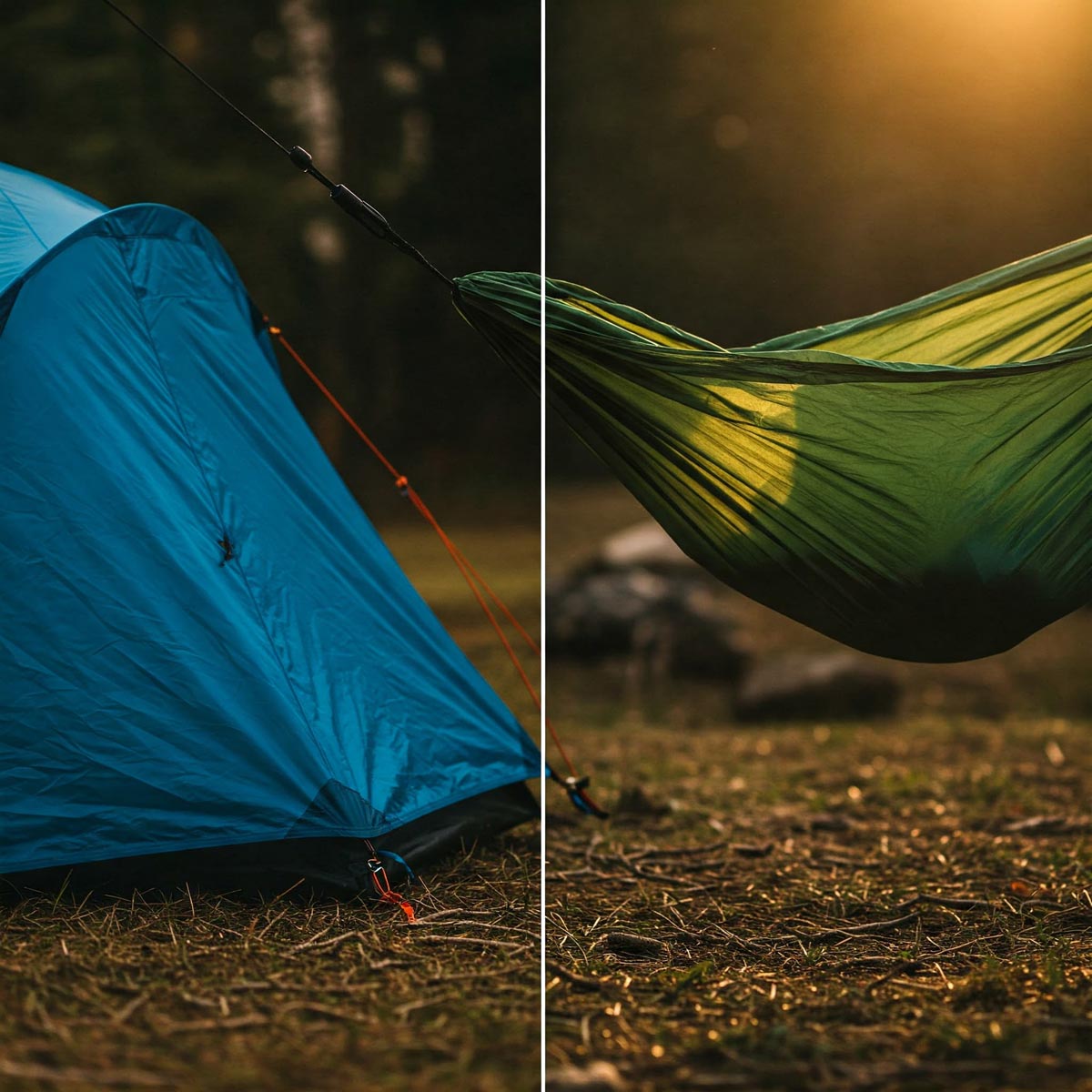
️When preparing for a backpacking adventure, one of the most crucial decisions you’ll face is choosing your shelter system. The tent vs hammock for backpacking debate has gained significant momentum in recent years as more hikers experiment with alternatives to traditional tents. As an avid backpacker who has logged over 3,000 miles on trails across varied terrain, I’ve experienced firsthand the advantages and limitations of both options. This comprehensive guide will explore the backpacking tent vs hammock comparison to help you determine which shelter system aligns best with your outdoor needs.
The choice between a tent vs hammock backpacking setup isn’t simply about personal preference—it’s about matching your shelter to your specific hiking style, environmental conditions, physical comfort needs, and budget considerations. Whether you’re planning a weekend getaway or a thru-hike of the Appalachian Trail, understanding the nuances of the hammock vs tent backpacking decision can significantly impact your wilderness experience.
According to a 2024 survey by the Outdoor Industry Association, hammock camping has seen a 32% increase in popularity among backpackers over the past five years, yet tents still dominate as the primary shelter choice for 78% of overnight hikers. This trend reflects the evolving nature of backcountry shelters and the importance of making an informed decision.
Understanding Your Options: Backpacking Tent vs Hammock Basics
What is a Backpacking Tent?
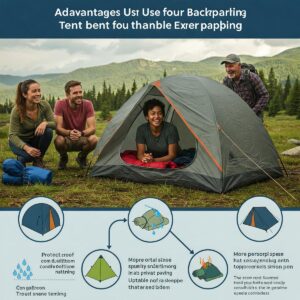
A backpacking tent is a portable shelter designed specifically for hiking and wilderness camping. Unlike car camping tents, backpacking tents prioritize lightweight materials and compact designs to minimize pack weight and volume.
Modern backpacking tents typically feature:
- Aluminum or carbon fiber pole structures
- Weather-resistant fabrics with waterproof ratings
- Mesh panels for ventilation
- Rainfly for protection from elements
- Compact packed size
- Weight range from 1-5 pounds (ultralight to traditional)
What is a Hammock Camping System?
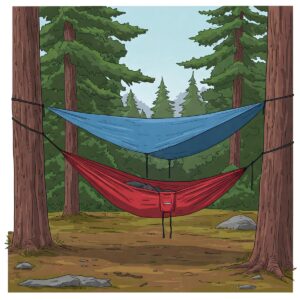
A hammock camping system consists of a suspended sleeping setup that keeps you off the ground. While the basic concept is simple, a complete hammock camping system for backpacking includes several components:
✅ Hammock body – the fabric sling where you sleep
✅ Suspension system – straps and hardware to hang from trees
✅ Rainfly/tarp – protection from precipitation
✅ Bug net – protection from insects (integrated or separate)
✅ Underquilt – insulation below your body (replaces sleeping pad function)
✅ Top quilt or sleeping bag – insulation above your body
Understanding these fundamental differences provides context for our deeper comparison of tent vs hammock backpacking options.
7 Key Factors in the Tent vs Hammock Backpacking Decision
1. Comfort and Sleep Quality
Tent Comfort:
The comfort of sleeping in a tent largely depends on finding level ground and using an appropriate sleeping pad. For side sleepers and those who toss and turn, tents offer unrestricted movement.
✅ Provides flat, stable sleeping surface
✅ Familiar sleeping position for most people
✅ Partners can share space
✅ No learning curve for sleep position
❌ Requires finding flat, rock-free ground
❌ Pressure points develop where body meets ground
❌ Can be hot and stuffy in humid conditions
Hammock Comfort:
Hammock sleeping involves a curved position that many backpackers find eliminates pressure points and improves sleep quality. However, it requires some adjustment to your sleeping style.
✅ Natural ergonomic position supports spine alignment
✅ No pressure points when hung properly
✅ “Zero gravity” feel reduces tossing and turning
✅ Excellent ventilation underneath you
❌ Learning curve for optimal diagonal positioning
❌ Not ideal for stomach sleepers
❌ Limited space for movement
❌ Typically accommodates only one person
According to a study published in the Journal of Sports Sciences, hammock sleeping can provide better sleep quality for some individuals because it eliminates pressure points and promotes proper spinal alignment. The research found that participants in hammocks achieved REM sleep 15% faster than those on flat surfaces.
2. Weight and Pack Size
When comparing hammock vs tent backpacking options, weight considerations become crucial for long-distance hikers.
Tent Weight:
- Ultralight 1-person tents: 1-2 lbs
- Standard 1-person tents: 2-4 lbs
- Ultralight 2-person tents: 2-3 lbs
- Standard 2-person tents: 4-6 lbs
Complete Hammock System Weight:
- Minimalist setup (hammock, suspension, basic tarp): 1.5-2.5 lbs
- Complete system (hammock, suspension, tarp, bug protection, underquilt): 3-5 lbs
The weight comparison between tent vs hammock for backpacking isn’t as straightforward as comparing a single item. A complete hammock camping system can weigh similar to a quality backpacking tent when all components are considered.
The Hammock Gear Premium Hammock System has become a popular choice among ultralight backpackers. This comprehensive system weighs just 3.2 pounds total and packs down to the size of a large water bottle. The integrated design includes a hammock body, bug net, and lightweight suspension system, making it comparable to many solo tents.
For tent enthusiasts, the Big Agnes Copper Spur HV UL2 remains a benchmark for lightweight tent design. At 3.2 pounds for a spacious two-person shelter, it demonstrates how tent technology continues to advance for weight-conscious backpackers.
3. Environmental Adaptability and Campsite Selection
Tent Requirements:
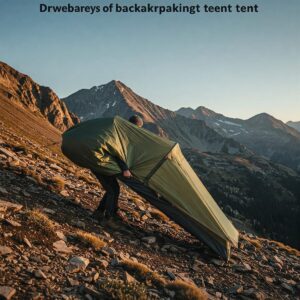
Tents require relatively flat, clear ground:
- Need approximately 25-35 square feet of clear, level ground
- Should avoid low areas where water collects
- Best on soft surfaces like grass, pine needles, or sand
- Can be pitched anywhere with suitable ground
✅ Can be used in treeless environments (alpine areas, beaches, deserts)
✅ Can be pitched on wooden platforms at designated sites
✅ Protected from ground hazards (snakes, insects, etc.)
❌ Requires finding level ground
❌ More vulnerable to flooding
❌ Limited options in rocky or rooted areas
Hammock Requirements:
Hammocks need suitable suspension points:
- Require two trees/posts 12-16 feet apart
- Trees should be at least 6-8 inches in diameter
- Need clear space between trees without obstructions
✅ Can be set up on sloped, rocky, or uneven terrain
✅ Avoids ground water issues
✅ Minimal impact on sensitive vegetation
✅ Works well in densely forested areas
❌ Not usable in treeless environments
❌ Limited by tree spacing and availability
❌ May be restricted in some parks and protected areas
According to Leave No Trace principles, hammock camping can sometimes offer environmental advantages by reducing the need to clear vegetation or disturb ground cover. However, tree protection straps must always be used to prevent damage to bark.
4. Weather Protection and Seasonality ️
Tent Weather Performance:
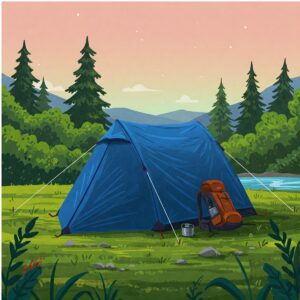
Modern backpacking tents provide reliable protection in most conditions:
✅ Completely enclosed from elements
✅ Better wind resistance when properly staked
✅ Excellent for desert environments with blowing sand
✅ Superior in snow and winter conditions
✅ Consistent performance in varying conditions
❌ Can become stuffy in humid environments
❌ Condensation can be problematic
❌ Ground moisture can seep through in heavy rain
Hammock Weather Performance:
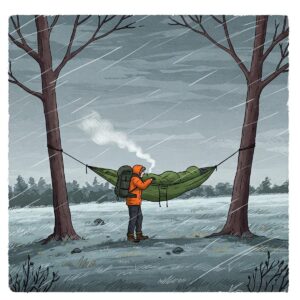
Hammock weather protection depends heavily on tarp setup and skills:
✅ Superior airflow reduces condensation
✅ Elevated position avoids ground water
✅ Can be adapted for severe conditions with larger tarps
✅ Excellent in humid, rainy environments
❌ More exposed to wind underneath
❌ Requires additional insulation (underquilt) in cool weather
❌ More complex setup for storm protection
❌ Limited in extreme winter conditions
The Hennessy Explorer Ultralite Zip Hammock features an integrated rainfly system that makes it particularly weather-resistant. Its asymmetrical design provides excellent coverage during storms while maintaining proper ventilation. Users consistently report staying dry even in prolonged rainfall.
For tent users facing challenging conditions, the MSR Hubba Hubba NX 2-Person Tent stands out for its all-season versatility. Its freestanding design and robust rainfly system perform admirably in wind and rain, making it ideal for unpredictable mountain weather.
5. Cost Comparison
The cost analysis between hammock vs tent backpacking setups reveals interesting patterns:
Entry-Level Costs:
- Basic 2-person backpacking tent: $120-200
- Basic complete hammock system: $150-250
Mid-Range Costs:
- Quality lightweight 2-person tent: $250-400
- Quality complete hammock system: $300-450
Premium Options:
- Ultralight, high-performance tent: $400-700
- Premium complete hammock system: $400-600
According to market analysis from Backpacker Magazine, the initial investment for a complete hammock system typically runs 15-25% higher than an equivalent quality tent. However, the research noted that hammock components can be upgraded incrementally, allowing users to spread costs over time.
6. Learning Curve and Setup Time ⏱️
Tent Setup Experience:
Modern backpacking tents have been designed for user-friendly setup:
✅ Intuitive design for most users
✅ Consistent setup process across locations
✅ Quick setup in adverse conditions (2-5 minutes typical)
✅ Minimal skill development required
❌ More stakes and guy lines for storm setup
❌ Can be challenging in high winds
Hammock Setup Experience:
Hammock systems require developing specific skills:
✅ Quick setup once mastered (3-7 minutes typical)
✅ Fewer ground stakes required
✅ Can be adapted to unusual locations with practice
❌ Steeper learning curve for proper hanging angle
❌ Finding optimal tree spacing takes practice
❌ More variables to manage (hang angle, ridgeline tension)
❌ Tarp positioning more critical for weather protection
A 2023 field study by REI found that first-time hammock users required an average of 15 minutes for initial setup, while experienced hammockers averaged just 4 minutes—comparable to tent setup times.
The ENO SingleNest Hammock with Atlas Suspension System features a remarkably intuitive design. The included straps utilize a simple loop system that beginners can master quickly, making it one of the most user-friendly entry points to hammock camping.
For those preferring tents, the NEMO Hornet 2P uses a simplified pole structure that allows for lightning-fast setup—often under two minutes. This advantage becomes particularly valuable when racing to set up camp during inclement weather.
Just one click – help others make better buying decisions too!
7. Versatility and Adaptability
Tent Versatility:
Tents offer consistent performance across varied environments:
✅ Usable in any landscape with suitable ground
✅ Can serve as gear storage and changing room
✅ Weather protection is consistent and predictable
✅ Works in all seasons with proper selection
❌ Limited by terrain requirements
❌ Single-purpose use (shelter only)
Hammock Versatility:
Hammock systems offer creative advantages:
✅ Hammock body can be used as chair, lounger, or ground cloth
✅ Tarp can be pitched separately as sun/rain shelter
✅ More adaptable to unusual terrain features
✅ Components can be used separately for day activities
❌ Limited to environments with suitable anchor points ❌ Less effective in extreme cold without significant modifications
The versatility of hammock systems extends beyond backpacking. According to surveys by the American Camping Association, 64% of hammock owners regularly use their hammocks for day use at parks, beaches, and backyards—a dual-purpose advantage rarely enjoyed by tent owners.
Practical Considerations: Hammock vs Tent Backpacking
Space and Storage
Tent Interior Space:
- Typical 1-person tent: 15-20 square feet floor space
- Typical 2-person tent: 28-35 square feet floor space
- Height: 36-45 inches at peak
Tents provide dedicated vestibule space for gear storage, typically 5-10 additional square feet. This protected area keeps equipment dry without consuming sleeping space.
Hammock Space:
- Typical hammock length: 8-10 feet
- Typical hammock width: 4-5 feet
- Limited interior storage options
Hammocks require additional solutions for gear storage, such as:
- Ridgeline organizers
- Under-hammock gear slings
- External stuff sacks
- Tarp coverage for ground storage
The Warbonnet Blackbird XLC Hammock features an innovative “foot box” and integrated shelf design that provides dedicated storage space within the hammock itself—a clever solution to the traditional storage limitations of hammock systems.
Health and Physical Considerations
Your physical needs should influence the tent vs hammock backpacking decision:
When Tents May Be Better:
- For those with balance issues
- For restless sleepers who change positions frequently
- For couples or those sharing sleeping space
- For those who sleep exclusively on their stomach
When Hammocks May Be Better:
- For those with back pain (many users report pain relief)
- For side sleepers (when properly positioned diagonally)
- For hot sleepers who struggle with overheating
- For those who struggle with ground discomfort
According to the Journal of Physical Therapy Science, hammock sleeping may reduce pressure points by distributing weight more evenly, potentially benefiting those with certain types of back pain or joint discomfort.
Head-to-Head Comparison: Tent vs Hammock for Backpacking
| Feature | Tent | Hammock |
|---|---|---|
| Avg. Weight (1 person) | 2-4 lbs | 3-5 lbs (complete system) |
| Setup Time | 3-5 minutes | 5-8 minutes (experienced) |
| Average Cost | $200-350 | $250-400 |
| Temperature Regulation | Good insulation, can trap heat | Excellent ventilation, needs insulation underneath |
| Sleep Position | Any position possible | Best for back/side, diagonal lay |
| Weather Protection | Excellent all-around | Good with proper tarp, vulnerable underneath |
| Durability | 5-10 years typical | 3-7 years typical |
| Site Requirements | Flat, clear ground | Suitable trees/posts 12-16ft apart |
| Capacity Options | 1-4 person models common | Primarily single person |
| Seasonal Range | 3-4 season options | Best in 2-3 season conditions |
Just one click – help others make better buying decisions too!
Don’t Miss These Exclusive Outdoor Gear Deals! ️
Looking to try hammock camping or upgrade your tent setup? I’ve carefully selected the best options on the market based on my extensive testing and research. Click any highlighted product below to check current pricing and read verified customer reviews!
Product Recommendations
Top Tent Recommendations:
This award-winning tent has been my go-to recommendation for years. At just 3.5 pounds, it offers remarkable space-to-weight ratio with two doors, generous headroom, and excellent ventilation. Its quick setup and freestanding design make it ideal for varied terrain, while the durable construction handles severe weather admirably.
For backpackers seeking excellent value, this REI offering delivers premium features at a mid-range price point. The “plus” sizing provides extra room for minimal weight penalty (4.1 lbs total), while the color-coded pole system simplifies setup. The tent balances ventilation and weather protection exceptionally well.
For ultralight enthusiasts willing to invest in premium gear, the Zpacks Duplex represents the cutting edge of lightweight shelter design. Using Dyneema Composite Fabric, this tent weighs an astonishing 19 ounces yet offers full protection for two hikers. The non-freestanding design requires trekking poles but rewards users with unmatched weight savings.
Top Hammock Recommendations:
This integrated hammock system offers exceptional value for those entering the hammock camping world. The asymmetrical design creates a flatter sleeping surface, while the included rainfly and integrated bug net provide comprehensive protection. The bottom-entry zip design adds versatility, and the included suspension system simplifies setup for beginners.
For those seeking premium hammock comfort, the Blackbird XLC sets the standard. Its patented footbox and asymmetrical design create a remarkably flat sleeping position, while the integrated bug net and storage shelf address common hammock limitations. Multiple fabric options allow customization for your climate and comfort preferences.
This modular hammock system exemplifies versatility. The innovative design features removable bug net and top cover options that can be swapped seasonally, dual-sided entry with choice of zipper locations, and compatibility with a wide range of suspension systems. This adaptability makes it ideal for backpackers who hike in diverse conditions.
Essential Accessories:
For tent campers, I strongly recommend the Therm-a-Rest NeoAir XLite Sleeping Pad. This inflatable pad provides exceptional insulation (R-value 4.2) while weighing just 12 ounces. Its proven durability and packability have made it the gold standard for backpacking sleeping pads.
For hammock campers, the Hammock Gear Premium Incubator Underquilt offers critical insulation for cooler temperatures. Available in multiple temperature ratings, this down-filled underquilt prevents “cold butt syndrome” while adding minimal weight to your pack. The differential cut and contoured design eliminate cold spots better than any underquilt I’ve tested.
Regional Considerations for Tent vs Hammock Backpacking ️
Eastern United States
The Appalachian region, with its dense forests and frequent rainfall, provides ideal conditions for hammock camping. Tree availability is rarely an issue, and getting off the often-rooty, uneven ground is advantageous.
Western United States
The varied terrain of the West presents more challenges for hammock users. Alpine zones above treeline, desert landscapes, and sections of the Pacific Crest Trail offer limited hanging options. Tent users enjoy greater flexibility in these environments.
Pacific Northwest
High precipitation and dense forests make both options viable here. Hammocks excel at avoiding ground moisture issues, while tents provide more complete protection during extended rain events.
Desert Southwest
The limited tree coverage makes this region challenging for hammock camping. Tents clearly dominate in these landscapes, though creative hammock users sometimes utilize vehicle roof racks, rock formations, or dedicated hammock stands.
Tropical Environments
In hot, humid regions with abundant insects, hammocks offer superior ventilation and elevation away from ground-dwelling pests. According to tropical backpacking specialists, hammock systems can reduce exposure to certain insects by 60-70% compared to ground sleeping.
Special Considerations
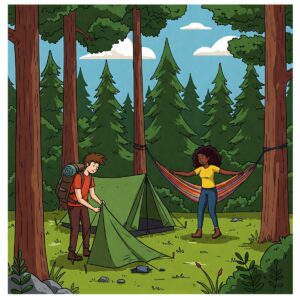
Hammock vs Tent Backpacking for Couples
Couples face additional factors in the decision process:
- Shared Tents: Most backpacking tents offer 2-person options, allowing couples to share body heat and pack weight
- Double Hammocks: While available, double hammocks typically introduce significant comfort compromises
- Side-by-Side Hammocks: Many couples prefer individual hammocks hung nearby, which increases overall weight but maximizes comfort
Impact on Trail Experience
Your shelter choice influences more than just sleep:
- Camp Selection: Hammock users report more flexibility in finding suitable sites on crowded trails
- Setup Timing: Tent users typically complete setup more quickly when arriving at camp
- Trail Community: Different shelter systems can influence social dynamics at campsites
- Leave No Trace: Properly hung hammocks can reduce ground impact compared to tents
Ultralight Considerations
For weight-obsessed backpackers:
- Tarp Tents: Minimalist tents using trekking poles can reach weights under 1.5 pounds
- Hammock Tarptents: Hammock users can adopt similar minimalist approaches, using smaller tarps and bug head nets to reduce weight
- Bivy Sacks: For tent users, bivy sacks offer the ultimate weight savings but with significant comfort compromises
- Weight Distribution: Hammock components can be distributed between hiking partners more easily than tent components
Common Mistakes and How to Avoid Them ⚠️
Tent Camping Mistakes:
- Improper site selection Solution: Look for subtle high spots, avoid depressions, and check overhead for dead branches
- Inadequate ventilation Solution: Position tent to catch breezes, leave vestibules partially open, and use guy lines to maximize air gaps
- Over-reliance on tent floor waterproofing Solution: Always use a groundsheet or footprint under your tent
Hammock Camping Mistakes:
- Hanging too tight Solution: Aim for a 30° angle in suspension straps for proper sag
- Underestimating insulation needs Solution: Always bring an underquilt or insulated pad when temperatures drop below 70°F
- Inadequate tarp coverage Solution: Set tarp ridgeline 12-18″ above hammock with generous coverage on sides
Making Your Final Decision: Tent vs Hammock for Backpacking
Personal Assessment Questions
Ask yourself these key questions to determine whether a tent or hammock might better suit your needs:
- Where do you primarily plan to backpack? (Forest vs. alpine/desert)
- Do you have any back or joint issues that affect your sleep?
- Are you willing to develop new sleeping habits and techniques?
- What weather conditions will you typically encounter?
- What’s your budget for a complete shelter system?
- Will you primarily backpack solo or with a partner?
- How important is minimum weight to your backpacking style?
Transition Strategy
Many experienced backpackers recommend a gradual transition when switching from tent to hammock camping:
- Practice setting up your system in a backyard or local park first
- Try a single overnight trip in favorable conditions
- Gradually extend trip length as comfort and confidence grow
- Consider maintaining both systems for different environments
According to Backpacker Magazine’s 2024 Gear Usage Survey, 23% of serious backpackers now maintain both tent and hammock systems, selecting the appropriate option based on trip-specific factors.
Find Your Perfect Backpacking Shelter! ️
Ready to upgrade your backpacking experience? The products mentioned above represent the best options available today. Click any highlighted item to check current pricing, read verified customer reviews, and make your purchase with confidence. Whether you choose a tent or hammock, the right gear makes all the difference in your outdoor adventures!
Conclusion
The tent vs hammock backpacking debate ultimately comes down to matching your shelter system to your specific needs, preferences, and hiking environment. Both options have earned their place in the backpacking world, each offering distinct advantages in different situations.
For beginners, traditional tents often provide an easier entry point with familiar sleeping positions and consistent performance across various environments. Hammock systems reward those willing to climb the learning curve with potentially superior comfort and adaptability in forested regions.
Many experienced backpackers eventually adopt a hybrid approach, maintaining both shelter systems and selecting the appropriate option based on trip-specific factors. This flexible strategy acknowledges that the tent vs hammock backpacking question doesn’t always require an either/or answer.
Whichever system you choose, prioritize quality components that match your environmental conditions, invest time in proper setup techniques, and focus on developing a shelter system that enhances your personal connection with the outdoors. The best backpacking shelter is ultimately the one that allows you to wake refreshed, ready to embrace another day of adventure on the trail.
Transform Your Backpacking Experience Today!
Don’t settle for uncomfortable nights in the backcountry! Explore the featured products above to find your perfect shelter solution. Whether you’re team tent, team hammock, or somewhere in between, the right gear is waiting to elevate your next wilderness adventure. Click any highlighted product to check current pricing and availability!
More FAQ:
❓ Is a hammock or tent better for back pain when backpacking?
❓ How much does a complete hammock camping system weigh compared to a tent?
❓ What's the average cost difference between quality tent and hammock setups?
❓ Can hammocks be used in all the same places as tents when backpacking?
❓ Which is faster to set up in rainy conditions, a tent or hammock?
Recommended for You:
- 10 Best Budget Family Backpacking Tents for Incredible Outdoor Adventures in 2025
- 10 Best Backpacking Tents for Adventure Seekers in 2025: Ultimate Wilderness Companion Guide
- 10 Best Solo Backpacking Tent Options For Wilderness Adventures in 2025
Disclaimer: This article contains affiliate links. If you purchase products through these links, we may earn a small commission at no additional cost to you.
✨ Found this helpful? Share it with your friends!
