
In This Article
✨Was this helpful? Spread the word!
Picture this: you’re nestled in your RV on a crisp autumn evening, and instead of shivering under five blankets or cranking up an expensive propane heater, you’re basking in the cozy warmth of crackling wood. That’s the magic of a camper wood burning stove.
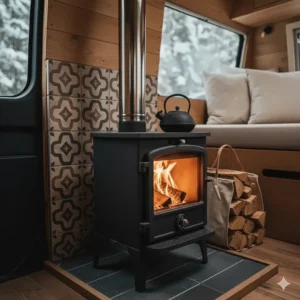
I’ve spent countless nights in vans, RVs, and tiny homes, and let me tell you—there’s nothing quite like the dry heat and ambiance these little powerhouses provide. Unlike propane heaters that create moisture and condensation (hello, mildew!), wood burning stoves keep your space warm and dry. Plus, you’re not tethered to expensive fuel tanks or electrical hookups.
A camper wood burning stove is a compact heating device designed specifically for recreational vehicles, vans, buses, and tiny mobile homes. These efficient units burn wood, charcoal, or pressed logs to generate heat while maintaining a small footprint—typically under 20 inches in any dimension. They’re engineered with safety features like secondary combustion systems and proper ventilation to operate safely in confined spaces.
Whether you’re a weekend warrior or a full-time nomad, choosing the right wood stove for your camper can transform your mobile living experience. The market’s exploded with options lately, from budget-friendly folding models to premium titanium units. Some folks even opt for a camping pellet stove as an alternative fuel source—we’ll dive into that too.
In this guide, I’ll walk you through everything you need to know: the top products available right now, how to choose the perfect size, installation tips, safety considerations, and insider tricks I’ve learned along the way. Let’s get warm!
Quick Comparison Table
| Model | Type | BTU Output | Weight | Best For | Price Range |
|---|---|---|---|---|---|
| Cubic Mini Grizzly CB-1210 | Permanent Install | 8,000-18,000 | 39 lbs | Small RVs | $319-$491 |
| Dwarf 3kW LITE | Mobile Use | 10,236 BTU | 55 lbs | Vans, Buses | $700-$850 |
| WINNERWELL Nomad Medium | Portable | Variable | 20 lbs | Canvas Tents | $250-$350 |
| GREEN STOVE Hori 5 | Pellet Stove | 5-10 hrs burn | 50.7 lbs | Multi-fuel | $399-$450 |
| REDCAMP Folding Stove | Ultralight | Variable | 1.9 lbs | Backpacking | $30-$50 |
| Dwarf 4kW Standard | Permanent Install | 13,500 BTU | 100 lbs | Larger RVs | $900-$1,100 |
| WINNERWELL Woodlander Medium | Portable | Variable | 20 lbs | Hot Tents | $270-$330 |
Just one click – help others make better buying decisions too!
✨ Ready to Transform Your Camping Experience?
The models above represent the cream of the crop in camper heating solutions. Each one has been tested by thousands of outdoor enthusiasts and RV owners. Click on any product name to check current availability and grab the best deals before winter arrives!
Top 7 Camper Wood Burning Stove Options: Expert Analysis
1. Cubic Mini Grizzly CB-1210 – Best Compact Certified Stove
The Cubic Mini Grizzly CB-1210 has become something of a legend in the tiny home community. This Canadian-made beauty measures just 13″ wide x 15″ high x 12″ deep—seriously tiny—yet it cranks out an impressive 8,000 to 18,000 BTUs.
Key Specifications:
- UL 1482-2022 (U.S.) and ULC S627-2023 (Canada) certified
- Advanced secondary combustion system for efficiency
- 3-inch flue diameter with removable top rail for cooking
Price Range: $319-$491 (varies by finish—brass or black)
Customer Feedback: Users consistently praise the Grizzly’s ability to eliminate moisture while heating. One RV owner noted, “Our previous propane system caused everything to be wet and damp. With this stove, we get dry heat—which is a must.” The most common complaint? Some folks wish they’d gone larger to reduce how often they need to stoke the fire.
Pros:
✅ Fully certified for insurance purposes
✅ Excellent build quality with cast iron door
✅ Secondary combustion reduces smoke
Cons:
❌ Requires feeding every 2 hours for continuous heat
❌ Needs professional chimney system (6-inch double wall)
Best For: RV owners who want a permanent, certified installation and don’t mind frequent fire tending.
2. Dwarf 3kW LITE – Best Budget-Friendly Option
Tiny Wood Stove created the Dwarf series specifically for mobile living, and the Dwarf 3kW LITE delivers serious value. At 55 pounds, it’s 20 pounds lighter than the standard model, making it perfect for weight-conscious van dwellers.
Key Specifications:
- Dimensions: 17″H x 10.25″W x 8.5″D
- Heat output: 10,236 BTUs (3kW)
- 4-inch flue diameter, top exit only
Price Range: $700-$850
Customer Feedback: One skoolie converter raved, “Even though it’s about the same size as my first stove, the Dwarf 3kW produces way more heat. It’s beautiful, powerful, and efficient.” Several users mention it can make spaces too hot—which beats freezing!
Pros:
✅ Lighter weight than competitors
✅ Straightforward single-lever air control
✅ Budget-friendly compared to certified models
Cons:
❌ Not certified (may affect insurance)
❌ Top exit only (no rear mounting option)
Best For: Van lifers and camper owners on a budget who prioritize portability and don’t need certification.
3. WINNERWELL Nomad Medium – Best for Versatility
The WINNERWELL Nomad Medium is a clever piece of engineering that folds completely flat. When packed, it’s just 15″ x 8″ x 8″, but when deployed, it becomes a full-featured wood burner for your tent or mobile shelter.
Key Specifications:
- 800 cubic inch firebox capacity
- 304 stainless steel construction (rust-proof)
- Includes five 2.5-inch chimney pipe sections
Price Range: $250-$350
Customer Feedback: Campers love the pack-flat design. One user shared, “Just used this for a 5-day packrafting float. Sub-freezing temps at night and we were cozy cats. At 4.5 lbs and super packable, I fit it INSIDE my packraft.” The nesting four-leg design is particularly praised for tight spaces.
Pros:
✅ Incredibly portable and packable
✅ Stainless steel won’t rust
✅ Perfect for canvas tent camping
Cons:
❌ Smaller firebox means more frequent refueling
❌ Not ideal for permanent installations
Best For: Tent campers and overlanders who need maximum portability without sacrificing heating power.
4. GREEN STOVE Hori 5 – Best Camping Pellet Stove
Here’s where things get interesting. The GREEN STOVE Hori 5 isn’t just a wood burner—it’s a multi-fuel marvel that accepts wood pellets for extended burn times of 5-10 hours. This is a game-changer for anyone who wants to sleep through the night without waking up to refuel.
Key Specifications:
- Large pellet box capacity (12-18 lbs)
- Built-in oven for cooking
- All accessories store inside stove body
Price Range: $399-$450
Customer Feedback: The camping pellet stove functionality wins rave reviews. Users appreciate that “unlike regular stoves that need frequent refueling, the large fuel tank provides 6-10 hours per fill.” The integrated oven is a bonus that lets you bake while you heat.
Pros:
✅ Extended burn time with pellets
✅ Multi-fuel capability (wood or pellets)
✅ Includes cooking oven
Cons:
❌ Pellet cage is consumable and may need replacement
❌ Heavier than wood-only stoves
Best For: Campers who want set-it-and-forget-it heating and enjoy outdoor cooking.
5. REDCAMP Folding Wood Stove – Best Ultralight Option
If you’re a minimalist backpacker or just need occasional supplemental heat, the REDCAMP Folding Wood Stove is ridiculously practical. At just 1.9 pounds and folding down to 8.3″ x 5.9″ x 1.5″, it’s basically a heating solution you can stuff in any backpack.
Key Specifications:
- 304 stainless steel construction
- Folds completely flat
- Burns twigs, leaves, and small wood
Price Range: $30-$50
Customer Feedback: Budget-conscious campers appreciate that this stove “accepts various fuels like leaves and twigs you can get easily in nature.” It’s not going to heat an RV, but for tent camping or emergency preparedness, it’s stellar.
Pros:
✅ Extremely affordable
✅ Ultra-portable at under 2 lbs
✅ No fuel to carry—burn found materials
Cons:
❌ Too small for vehicle heating
❌ Minimal heat output
Best For: Backpackers and minimalist campers who need a compact cooking and heating solution.
6. Dwarf 4kW Standard – Best for Larger Spaces
When you need more oomph, the Dwarf 4kW Standard steps up with 13,500 BTUs—perfect for spaces up to 300 square feet. This is the Goldilocks option for many RV and bus conversions.
Key Specifications:
- Dimensions: 19.5″H x 12″W x 9″D
- Heavy-duty steel construction (100 lbs)
- Can burn wood, coal, or pressed logs
Price Range: $900-$1,100
Customer Feedback: Owners of larger mobile homes love this stove. The substantial weight provides thermal mass for even heat distribution. One bus converter noted it “keeps our 12 x 14 space warm” without breaking a sweat.
Pros:
✅ Powerful output for larger spaces
✅ Robust construction for longevity
✅ Rear or top exit options
Cons:
❌ Heavy—not ideal for lightweight builds
❌ Higher price point
Best For: Bus conversions, large RVs, and stationary tiny homes needing serious heat.
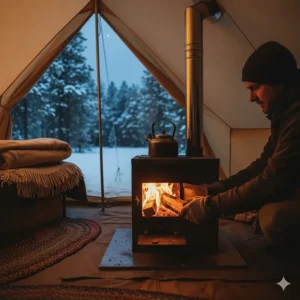
7. WINNERWELL Woodlander Medium – Best Overall Balance
The WINNERWELL Woodlander Medium strikes an excellent balance between portability and performance. With its tri-pod spring-loaded legs and 800 cubic inch firebox, it’s become a favorite among tent campers and RV owners alike.
Key Specifications:
- Total assembled height: 94.5 inches (with chimney)
- Spring-loaded legs fold flat
- Five 2.5-inch diameter chimney sections
Price Range: $270-$330
Customer Feedback: The tri-pod leg design gets consistent praise for stability. One satisfied customer said, “Best stove ever! My first was a Woodlander which always performs to perfection. Great quality and craftsmanship that will last for many years.” Users particularly appreciate the side shelves that double as carrying handles.
Pros:
✅ Perfect balance of portability and heating capacity
✅ Premium 304 stainless steel construction
✅ Easy assembly and breakdown
Cons:
❌ Not as compact when packed as the Nomad
❌ Recreational use only (not certified residential)
Best For: Serious tent campers and RV owners who want a reliable, durable stove that’s still reasonably portable.
How to Choose the Right Camper Wood Burning Stove
Step 1: Calculate Your Space Requirements
First things first—you need to match BTU output to your space. Here’s a simple formula: multiply your square footage by 30-40 BTUs per square foot for well-insulated spaces, or 40-50 for poorly insulated areas.
For example, a 100-square-foot van with decent insulation needs about 3,500 BTUs minimum. A 200-square-foot RV might need 8,000-10,000 BTUs. Don’t make the mistake of going too big—I’ve seen folks install 18,000 BTU stoves in tiny vans and literally cook themselves out.
Step 2: Consider Your Fuel Preferences
Wood is traditional and readily available, but it requires constant attention every 1-3 hours. A camping pellet stove option like the GREEN STOVE Hori 5 offers longer burn times (5-10 hours) but requires carrying pellets. Some folks love the convenience of pellets, while purists prefer scrounging firewood along the trail.
Step 3: Assess Weight Constraints
Are you building a permanent setup in a stationary tiny home, or do you need something mobile? The Cubic Mini Grizzly at 39 pounds is hefty but manageable. The Dwarf 4kW at 100 pounds? That’s a permanent installation unless you have a forklift handy.
Step 4: Check Certification Requirements
If you plan to insure your RV or tiny home, certification matters. The Cubic Mini Grizzly CB-1210 carries full UL certification, which insurance companies love. Non-certified stoves work just fine but may complicate coverage.
Step 5: Budget Realistically
Quality camper wood burning stoves range from $300-$1,100 for the unit itself. But don’t forget chimney systems ($200-$500), heat shields ($50-$200), and installation supplies. Budget $800-$2,000 total for a proper setup.
Step 6: Plan Your Installation Type
Top exit stoves work in most situations but reduce cooking space. Rear exit options give you maximum stovetop but require careful wall penetration. The WINNERWELL models excel at portability, while Dwarf and Cubic Mini models shine in permanent installations.
Step 7: Consider Long-Term Maintenance
Look for models with replaceable components like fire bricks, door gaskets, and glass. The Dwarf series offers a “Built for Life” guarantee with free replacement consumables—that’s serious value over time.
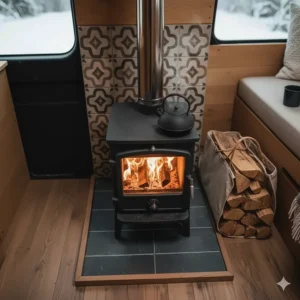
Key Features to Compare Across Models
Materials and Construction Quality
Premium stoves use 304 stainless steel (WINNERWELL) or heavy-gauge steel (Dwarf series). Budget options might use thinner steel that warps over time. Thicker steel (3/16″ to 1/4″) retains heat better and lasts decades. Cast iron doors, like on the Cubic Mini Grizzly, provide superior heat retention and that classic wood stove aesthetic.
Air Control Systems
Simple slide controls (like the Dwarf 3kW LITE) are easy to use but less precise. Multi-stage air systems with separate primary, secondary, and tertiary controls (standard Dwarf models) let you fine-tune your burn for maximum efficiency and minimal smoke.
Firebox Size and Burn Time
Bigger isn’t always better. The Cubic Mini Grizzly’s compact firebox burns for about 2 hours between loads—perfect if you’re awake and enjoy tending fire. The GREEN STOVE’s pellet system runs 5-10 hours unattended—ideal for sleeping through cold nights without waking up frozen.
Portability and Storage
Can you break it down for travel? The WINNERWELL units fold completely flat with all parts nesting inside—genius for mobile use. Permanent installations like the Cubic Mini or Dwarf models stay put but offer better long-term durability.
Safety Features
Look for secondary combustion systems that burn smoke for cleaner operation, spark arrestors to prevent tent fires, heat-resistant glass viewing windows, and stable leg designs. The WINNERWELL models include spark arrestors standard—essential for canvas tent use.
Benefits vs. Traditional Alternatives
| Feature | Wood Stove | Propane Heater | Diesel Heater | Electric Heater |
|---|---|---|---|---|
| Fuel Cost | Free/cheap wood | Expensive propane | Moderate diesel | Requires hookups |
| Moisture Control | Dry heat ✅ | Creates condensation ❌ | Moderate | Dry heat ✅ |
| Independence | Fully off-grid ✅ | Tank dependent | Tank dependent | Grid dependent ❌ |
| Ambiance | Cozy fire view ✅ | No ambiance ❌ | No ambiance ❌ | No ambiance ❌ |
| Initial Cost | $800-$2,000 | $100-$300 | $150-$500 | $50-$200 |
| Maintenance | Moderate | Low | Moderate | Very low |
| Safety Concerns | Fire/CO risk | CO risk | Fire/CO risk | Overload risk |
The biggest advantage of a camper wood burning stove? True independence. You’re never stranded without heat if you can find burnable material. Plus, that dry heat factor—it’s transformative for condensation-prone RVs and vans.
Installation Essentials for Your Camper Wood Stove
Clearance Requirements
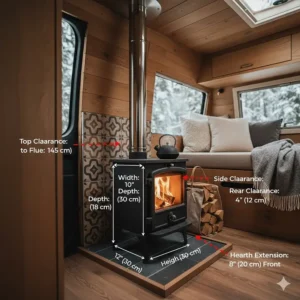
Safety first, friends. Most manufacturers specify 16-18 inches from combustible materials (walls, ceilings, furniture). You can cut this in half with proper heat shielding—fireproof boards create an air gap that protects your walls.
According to the National Fire Protection Association, proper clearances are critical for preventing fires in mobile installations. Don’t skimp here.
Chimney System Basics
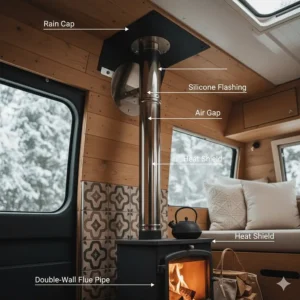
Your chimney is the engine of your wood stove—literally. Poor chimney design means smoke spillage, downdrafts, and inefficient burning. The general rule: taller is better. Most installations need 5-7 feet of vertical pipe minimum, with 2-3 feet above your roofline.
Double-wall insulated pipe is mandatory where it passes through walls or roofs. Single-wall works inside, but it gets searingly hot—remember those clearances.
Ventilation and Fresh Air
Campers and RVs are surprisingly airtight. Your stove needs combustion air, so crack a window or install a fresh air intake. Some folks run dedicated air lines to their stoves (the Dwarf Standard models support this). Without adequate air, you’ll get smoke spillage and incomplete combustion.
Heat Shielding Solutions
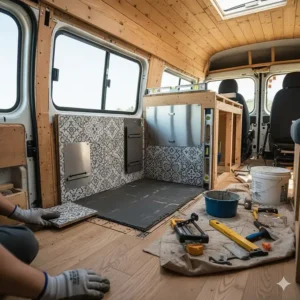
Fireproof materials include cement board, metal shielding, or ceramic fiber boards. Create an air gap behind shields (1 inch minimum) using standoffs. This air circulation keeps heat from conducting through to combustibles. Cost: $50-$200 depending on coverage area.
Professional vs. DIY Installation
I’m all for DIY, but wood stove installation isn’t the place to learn by trial and error. At minimum, consult with an experienced installer or have your work inspected. If insurance coverage matters, professional installation is often required. Budget $500-$1,500 for pro installation if you go that route.
Real User Experiences and Testimonials
From the Van Life Community
Sarah, a full-time van dweller in Colorado, installed a Dwarf 3kW LITE in her 2020 Sprinter: “I can’t believe how much heat this little thing produces. Even at 10,000 feet in January, I’m toasty warm. The only downside is waking up at 3 AM to reload when it’s really cold.”
RV Owners Weigh In
Mark converted a school bus and chose the Cubic Mini Grizzly CB-1210 for insurance purposes: “The certification was non-negotiable for our policy. It’s been rock solid for two years. My only wish? A bigger firebox so I could get 3-4 hour burns instead of 2.”
Tent Campers Love Portability
Jessica takes her WINNERWELL Nomad Medium ice fishing every winter: “Setup takes 5 minutes. It packs so small I can carry it on my ATV with all my fishing gear. We’ve had it in -20°F and stayed comfortable all day.”
Safety Considerations and Best Practices
Carbon Monoxide Prevention
Install a quality CO detector—actually, install two. One near the ceiling (CO rises) and one at sleeping level. Replace batteries religiously. Even the best stoves can malfunction, and CO kills silently. The Consumer Product Safety Commission provides excellent guidelines on detector placement.
Fire Prevention Strategies
Never leave your wood stove burning unattended, especially while sleeping. Use a fireproof mat under and around the stove. Keep a fire extinguisher rated for Class A fires within reach. Store wood and combustibles at least 3 feet from the stove. Check your chimney weekly for creosote buildup—clean it monthly during heavy use.
Child and Pet Safety
If kids or pets are around, consider a stove guard or fence panel. Stove surfaces reach 500°F+ during operation—hot enough to cause instant severe burns. The cool-touch spring handles on Dwarf models help, but the body itself stays dangerously hot for hours after the fire dies.
Proper Ventilation Protocols
Crack a window at least 1 inch whenever your stove is burning. Yes, even in winter. This ensures adequate combustion air and prevents negative pressure that can cause smoke spillage. Some folks install roof vents with automatic temperature controls—worth considering for serious installations.
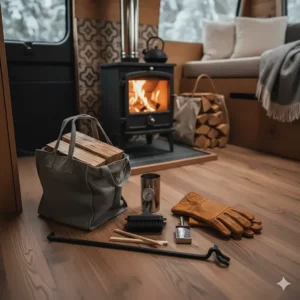
Maintenance and Troubleshooting Tips
Regular Cleaning Schedule
Daily: Empty ash pan when stove is completely cold Weekly: Inspect door gaskets and glass for damage Monthly: Clean chimney pipe and check for creosote Seasonally: Inspect fire bricks, replace if crumbling; check all gaskets and fasteners
Proper maintenance extends stove life by decades. I’ve seen 20-year-old Cubic Mini units still running strong because owners stayed on top of cleaning.
Common Issues and Solutions
Problem: Smoke spilling into space when door opens
Solution: Fire isn’t hot enough. Add kindling, open air controls wider, or check for chimney blockage
Problem: Stove won’t stay lit
Solution: Insufficient draft. Ensure chimney is tall enough (6+ feet), check for blockages, verify adequate combustion air
Problem: Glass blackening quickly
Solution: Burning wet wood or incomplete combustion. Use seasoned wood only, adjust air controls for hotter burn
Problem: Excessive creosote buildup
Solution: Stove burning too cool. Burn hotter fires, use dry hardwood, and increase air intake
Extending Stove Lifespan
Burn hot, clean fires using properly seasoned wood (20% moisture or less). Avoid overnight “smolder” burns that create creosote. Let the stove cool completely before closing air controls all the way. Apply high-temperature stove polish annually to prevent rust on steel bodies.
Cost Analysis: Initial Investment vs. Long-Term Value
Upfront Costs Breakdown
- Stove unit: $300-$1,100
- Chimney system: $200-$500
- Heat shields and hearth pad: $50-$200
- Installation labor (if hiring): $500-$1,500
- Accessories (tools, fans, etc.): $50-$150 Total: $800-$3,000 average
Ongoing Fuel Expenses
Here’s where wood stoves shine. If you’re boondocking or camping near forests, firewood is free. Even if you buy it, a cord of seasoned hardwood ($150-$300) provides weeks of heat. Compare that to:
- Propane: $3-$5 per gallon, using 1-2 gallons daily in winter = $90-$300/month
- Diesel heater: $0.25-$0.50 per hour = $180-$360/month running 24/7
- Electric: Varies hugely, but campground hookups often cost extra
A camper wood burning stove pays for itself in 1-2 winters for full-timers.
Return on Investment Timeline
Budget-conscious weekenders break even in 3-4 years. Full-timers in cold climates recover costs in one season. The intangible benefits—independence, ambiance, dry heat—are honestly priceless once you experience them.
Accessories and Upgrades Worth Considering
Essential Add-Ons
Stove Fans: Heat-powered fans (no electricity needed) distribute warm air better. Models like the Ecofan cost $80-$150 and genuinely improve comfort.
Fireproof Mats: Protect your floors from ember drops. Budget $30-$80 for quality protection.
Chimney Thermometer: Monitor flue temps to prevent over-firing and ensure efficient burns. Essential safety tool at $20-$40.
Moisture Meter: Test your firewood moisture content. Aim for under 20% moisture. $15-$30 investment prevents most burning issues.
Optional Enhancements
Cooking Accessories: Kettles, griddles, and stovetop ovens turn your stove into a camp kitchen.
Heat Shields: Decorative shields reduce clearances while adding aesthetic appeal. $100-$300.
Storage Stands: Elevate your stove and provide wood storage underneath. Available for Dwarf and Cubic Mini models at $100-$200.
Pellet Conversion Kits
Some wood stoves accept pellet conversion kits, letting you switch between fuels. The GREEN STOVE models come with this built-in, but aftermarket kits exist for $50-$150. If you’re considering a camping pellet stove setup, this flexibility rocks.
Environmental Impact and Sustainability
Responsible Wood Sourcing
Burn deadfall and fallen branches rather than cutting live trees. Many BLM and National Forest lands allow firewood gathering with permits ($5-$20). Support sustainable forestry by buying certified wood when purchasing. The U.S. Forest Service provides excellent resources on responsible firewood collection.
Emissions Considerations
Modern wood stoves with secondary combustion systems (like the Cubic Mini and Dwarf models) burn much cleaner than old-school designs. Proper operation—hot, clean fires with seasoned wood—minimizes particulate emissions. While not zero-impact, wood heat is carbon-neutral if sourced responsibly, unlike fossil fuel alternatives.
Pellet Alternatives
Camping pellet stove users often prefer pellets for environmental reasons. Pellets are made from compressed sawdust waste products—essentially recycling what would otherwise be discarded. They burn extremely clean with minimal ash and produce consistent, controllable heat.
Frequently Asked Questions (FAQ)
❓ What size camper wood burning stove do I need for a 100 square foot van?
❓ Can you run a wood stove in an RV safely?
❓ How long does a camping pellet stove burn on one tank?
❓ Do I need certification for insurance coverage?
❓ What's the difference between wood pellets and regular firewood?
Conclusion: Finding Your Perfect Heat Source
After years of mobile living and testing various heating solutions, I genuinely believe a camper wood burning stove is one of the best investments you can make for off-grid comfort. The dry heat, independence from fuel suppliers, and that indefinable cozy factor—nothing else compares.
Start by honestly assessing your needs. Weekend tent campers should lean toward portable options like the WINNERWELL units. Van lifers wanting a balance of portability and power will love the Dwarf 3kW LITE. RV owners planning permanent installations should consider the certified Cubic Mini Grizzly. And if you value convenience over tradition, a camping pellet stove like the GREEN STOVE Hori 5 delivers incredible value.
Don’t cheap out on installation. Invest in proper chimney systems, adequate heat shielding, and quality safety equipment. Your comfort and safety depend on getting this right.
Whatever you choose, welcome to the wood stove family. Once you experience crackling fire warmth in your mobile home, you’ll never go back to soulless propane or expensive hookups. Stay warm out there, friends!
Time to Upgrade Your Camping Setup!
Ready to experience the magic of wood heat in your mobile home? Each stove in this guide represents proven performance from real brands with thousands of satisfied users. Check current prices and availability by clicking any product name above—many retailers offer seasonal discounts you won’t want to miss. Your cozy winter adventures await!
Recommended for You
- 7 Best Camper Induction Cooktop Models: 2025 Expert Guide
- Camp Stove with Oven: 7 Best Picks for 2025 Outdoor Cooking
- Coleman Camping Stove with Griddle: 7 Best Picks 2025
Disclaimer: This article contains affiliate links. If you purchase products through these links, we may earn a small commission at no additional cost to you.
✨ Found this helpful? Share it with your friends!
