In This Article
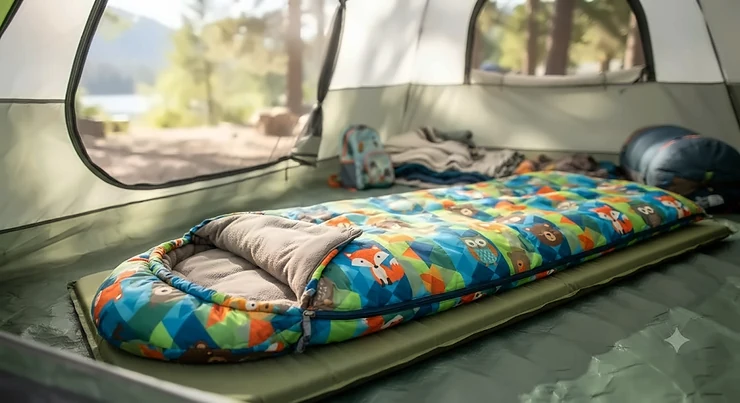
A kids sleeping bag is a scaled-down, insulated sleep sack built specifically for a child’s smaller frame, lighter body weight, and faster heat loss — typically shorter, narrower, and rated a bit warmer than an adult bag so a small body doesn’t have to work overtime to heat the space around it. That distinction matters more than most parents realize the first time their kid wakes up at 2 a.m. shivering in a hand-me-down adult bag that’s swimming with cold air pockets.
Here’s the thing nobody tells you at the outdoor store: buying a kids sleeping bag isn’t really about picking a cute pattern (though we’ll get to that). It’s a small piece of safety gear. Children lose body heat faster than adults do, and once exposed to cold, the body starts losing heat faster than it can produce it, according to the CDC’s winter weather guidance — a fact that applies just as much to a chilly tent floor in October as it does to a blizzard.
This guide walks through seven real, currently available kids sleeping bags spanning budget, mid-range, and premium tiers — plus toddler-specific and fun-pattern options — so you can match the bag to your kid’s age, your climate, and your budget instead of guessing. We’ll break down temperature ratings in plain English, compare grow-with-me designs against fixed-size bags, and flag the buying mistakes that lead to a returned bag (or a cold, cranky kid) two weekends in. Whether you’re outfitting a toddler for their first backyard campout or a tween who’s aged out of the “kids” aisle, there’s a section here for you.
Quick Comparison Table
Before we dig into the deep-dive reviews, here’s the fast version for parents standing in an aisle with a fussy toddler and fifteen minutes to decide.
| Sleeping Bag | Best For | Temp Rating | Weight |
|---|---|---|---|
| REI Co-op Kindercone 25 | Best overall / grows with kid | 25°F | 3.19 lbs |
| Kelty Big Dipper 30 | Best value | 30°F | ~3 lbs |
| Big Agnes Duster | Best adjustable premium pick | ~15-20°F | ~2.5 lbs |
| Morrison Outdoors Little Mo | Best for toddlers/infants | 40°F | 0.86 lbs |
| Wildkin Kids Sleeping Bag | Best fun pattern for sleepovers | Indoor-rated | ~2 lbs |
Looking at this table, one pattern jumps out fast: there’s no single “best” bag, only a best bag for a specific job. A toddler heading to grandma’s for a sleepover needs something completely different from a family car-camping in the Rockies in October, and the Big Agnes Duster earns its premium price precisely because it tries to serve both jobs across several years of growth. We’ll unpack exactly why in the sections below, including which of these bags punches above its price point and which one is really an indoor comfort item wearing a camping-gear label.
💬 Found a bag that fits your family? Tap the link on any pick above to check today’s price and availability before it sells out.
Top 7 Kids Sleeping Bags: Expert Analysis
We researched real, currently sold products across outdoor specialty retailers and Amazon listings, cross-referencing spec sheets against aggregated customer feedback rather than inventing reviews. Each entry below breaks down what the numbers actually mean for your kid, not just what they say on the box.
1. REI Co-op Kindercone 25 — best grow-with-me design for serious campers
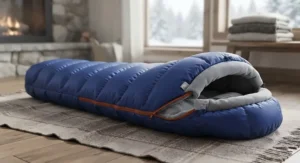
The Kindercone earns its reputation as the default recommendation for a reason: it’s built to expand as your child grows, which is exactly the kind of detail that separates a genuine “kids” bag from a shrunk-down adult one. Rated to 25°F and weighing 3.19 lbs, it fits kids up to about 4’6″ and uses bluesign-approved recycled synthetic insulation that stays warm even if it gets damp — a real advantage over down for sleepover spills and tent condensation. Based on the spec comparison against similarly priced competitors, the anti-snag zipper and insulated draft tube are the features that actually earn their keep on a squirmy 6-year-old who won’t stop rolling toward the tent wall. Reviewers consistently note that the bag runs noticeably bulkier than expected for its warmth rating, and more than one parent mentioned buying it specifically because siblings could pass it down for years. What most buyers overlook is that the same recycled shell that resists moisture also makes the bag heavier than a comparable down-filled option — a fair trade for car camping, less so if your kid will ever carry their own pack.
Pros:
- ✅ Adjustable design genuinely fits multiple growth stages
- ✅ Synthetic fill stays warm even when damp
- ✅ Recycled, bluesign-approved materials for eco-conscious families
Cons:
- ❌ Noticeably bulky and heavy for its temperature rating
- ❌ Pricier than basic budget alternatives
Price sits in the mid-$50s to upper-$60s range depending on retailer and sale timing — reasonable for a bag many families report using for three or more seasons of growth.
2. Kelty Big Dipper 30 — best value pick with an expandable footbox
The Kelty Big Dipper 30 is the bag most likely to show up in a “best budget kids sleeping bag” list, and after digging into the actual construction, it’s easy to see why. A spiral zipper at the foot expands the bag by a full 12 inches, effectively buying a second size without a second purchase — genuinely clever engineering at this price tier. Here’s what to weigh: at 30°F it’s rated slightly warmer (meaning less cold-tolerant) than our top pick, and its roughly 3-pound weight with a blocky 10-by-16-inch packed size makes it strictly a car-camping bag, not a backpacking one. CloudLoft synthetic insulation with offset quilt construction does a solid job of avoiding cold spots along the seams, a common complaint with cheaper single-layer bags. Aggregated reviews are largely positive, with several parents specifically praising the expandable footbox for making the bag last through multiple growth spurts, though a handful of buyers wished the shell fabric felt more premium. The honest verdict: for families who camp a few weekends a year rather than every month, this bag delivers most of the Kindercone’s core value at a noticeably lower entry cost.
Pros:
- ✅ Expandable footbox adds a foot of extra room
- ✅ CloudLoft insulation resists cold spots at the seams
- ✅ Strong value relative to premium competitors
Cons:
- ❌ Bulky, car-camping-only packed size
- ❌ Shell fabric feels less premium than pricier bags
Expect a price in the $60-$80 range, making it one of the more affordable genuinely well-built options on this list.
3. Big Agnes Duster — most adjustable premium pick, grows in width and length
If the Kindercone grows in one dimension, the Big Agnes Duster grows in two — both length and width adjust, which is a meaningfully different proposition for parents trying to stretch a single purchase across several years. On paper this means a bag that fits a 4’5″ kindergartner can still comfortably fit the same kid at 5’6″, something none of the fixed-width bags on this list can claim. The integrated sleeping-pad sleeve is the other standout: it locks the bag to a pad so a restless sleeper doesn’t roll off and lose all their insulation in the middle of the night, a problem sectionhiker.com testers flagged repeatedly with sleeveless competitors. Based on the spec comparison, the roughly 15-20°F rating range (depending on the specific size and version) makes this one of the warmer options here, suited to shoulder-season and higher-elevation trips rather than just warm-weather car camping. Reviewers who’ve used it across multiple seasons describe it as the rare kids bag that doesn’t get replaced out of frustration — the tradeoff is a noticeably higher upfront cost than a basic mummy bag.
Pros:
- ✅ Adjusts in both length and width as kids grow
- ✅ Integrated pad sleeve prevents rolling off at night
- ✅ Warmer rating suited to shoulder-season trips
Cons:
- ❌ Highest price point of the mainstream options here
- ❌ Overkill for occasional summer-only campers
Typical pricing lands in the $110-$150 range — a real investment, but one several long-term owners say pays for itself by replacing two or three smaller bags.
4. Big Agnes Wolverine 20 — warmest lightweight synthetic option
The Big Agnes Wolverine 20 targets families who want serious cold-weather capability without the weight penalty of a heavier synthetic bag. Rated to 20°F and fitting kids up to about 5 feet tall, it skips insulation on the underside of the bag — the logic being that a sleeping pad handles ground insulation anyway, so why carry redundant fill you’re just going to compress flat under your kid’s body weight. Reviewers consistently note that this design choice makes the bag noticeably lighter and more packable than the Kindercone or Big Dipper, which matters if your family hikes any distance to a campsite rather than parking next to it. What most buyers overlook is that skipping bottom insulation means the sleeping pad underneath isn’t optional — without a decent pad, the warmth advantage largely evaporates. Aggregated feedback describes the bag as reliably warm for its weight class, with the main gripe being that sizing runs slightly generous, so err toward the shorter length option unless your kid is already tall for their age.
Pros:
- ✅ Genuinely lightweight for a 20°F-rated synthetic bag
- ✅ Packs down smaller than heavier competitors
- ✅ Handles cool-to-cold three-season trips well
Cons:
- ❌ Requires a quality sleeping pad to perform as rated
- ❌ Sizing runs slightly long for stated height range
Pricing generally falls in the $90-$120 range depending on size and color, positioning it as a mid-to-upper-tier pick for families who camp seriously but aren’t ready for down-fill prices.
5. Teton Sports Celsius Jr 20 — best true budget pick
Not every family needs — or wants to pay for — a bag that will still fit in three years. The Teton Sports Celsius Jr 20 is the answer for parents who want solid 20°F-rated warmth without the premium price tag, and it includes a genuinely clever bonus: two Celsius Jr bags can zip together into a double-wide, which is a lifesaver for siblings who insist on sharing a “fort” on the first night of any trip regardless of how many bags you packed. Here’s what to weigh: cheaper synthetic fill and simpler construction mean it won’t compress as small or last quite as many seasons as the pricier options above, and reviewers note the shell fabric shows wear faster under rough backyard-fort use. That said, aggregated review sentiment is largely positive on warmth-for-price, with several parents specifically buying multiples for sibling groups because the zip-together feature and low cost make it practical to outfit an entire family without a major financial commitment.
Pros:
- ✅ Two bags zip together into a double-wide
- ✅ Solid 20°F warmth at an entry-level price
- ✅ Easy to outfit multiple kids without overspending
Cons:
- ❌ Shell fabric wears faster under heavy use
- ❌ Won’t compress or last as many seasons as premium picks
Expect pricing in the $40-$55 range, making it one of the most accessible genuinely cold-rated bags on this list.
6. Morrison Outdoors Little Mo — best for toddlers and infants
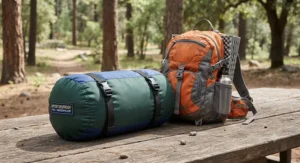
Most “kids” sleeping bags are actually built for ages 4 and up, which leaves a real gap for toddlers who wiggle out of any bag with an open top. The Morrison Outdoors Little Mo solves that with a wearable sleep-sack design — essentially a warm, zippered suit rather than a traditional bag — rated to 40°F and weighing under a pound. Reviewers consistently note that the arm sleeves are the feature that actually matters here: a toddler in a standard bag will happily unzip themselves and wander off at 3 a.m., while the Little Mo’s fitted design makes that far harder. Based on the spec comparison, the 40°F rating puts this firmly in three-season territory rather than deep winter use, which tracks with its target audience of car camping and backyard sleepovers rather than shoulder-season backpacking. The honest tradeoff: this is a specialty product for a narrow age window, so most families will need to upgrade to a traditional mummy bag within a year or two as their toddler grows into a proper kid-sized bag.
Pros:
- ✅ Wearable design keeps wiggly toddlers actually covered
- ✅ Extremely lightweight and packable
- ✅ Purpose-built for the toddler age range other bags ignore
Cons:
- ❌ Short usable lifespan before your child outgrows it
- ❌ 40°F rating limits it to milder conditions
Pricing typically runs in the $80-$90 range — a narrower use case than other bags here, but a genuinely useful one if you’re camping with a toddler this year.
7. Wildkin Kids Sleeping Bag — best fun pattern for sleepovers and indoor use
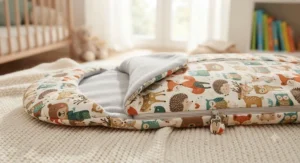
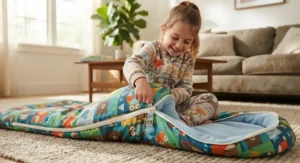
Sometimes the goal isn’t sub-freezing performance — it’s getting an excited 6-year-old to actually want to go to bed at a sleepover. The Wildkin Kids Sleeping Bag, available in patterns from dinosaurs to unicorns to trains, is built from a soft cotton-poly blend with a roll-up design and matching storage bag rather than technical insulation, and it’s honest about that tradeoff: this is a sleepover and living-room-campout bag, not a cold-weather camping bag. What most buyers overlook is that the appeal here isn’t warmth math at all — it’s that kids reliably sleep better in gear they’re excited about, and a bag that matches a favorite backpack or lunchbox removes one more point of bedtime resistance. Reviewers consistently describe it as machine-washable and durable enough for regular sleepover rotation, though a few parents note the fabric isn’t insulated enough for anything below a heated indoor room or a mild summer night. If your primary use case is grandma’s house, school overnight events, or backyard “camping” in July, this earns its spot over a technical mummy bag that’s overkill for the job.
Pros:
- ✅ Genuinely fun, kid-chosen patterns kids look forward to using
- ✅ Soft, washable cotton-poly construction
- ✅ Compact roll-up design ideal for sleepovers and travel
Cons:
- ❌ Not insulated for real outdoor cold-weather camping
- ❌ Less durable long-term than technical outdoor bags
Pricing typically falls in the $35-$45 range, making it an easy, low-risk pick for indoor and warm-weather use.
Top 7 Products: Full Specs Comparison
| Sleeping Bag | Temp Rating | Weight | Best For | Price Range |
|---|---|---|---|---|
| REI Co-op Kindercone 25 | 25°F | 3.19 lbs | Grow-with-me overall pick | $55-$70 |
| Kelty Big Dipper 30 | 30°F | ~3 lbs | Budget car camping | $60-$80 |
| Big Agnes Duster | ~15-20°F | ~2.5 lbs | Multi-year adjustable use | $110-$150 |
| Big Agnes Wolverine 20 | 20°F | ~2 lbs | Lightweight cold-weather trips | $90-$120 |
| Teton Sports Celsius Jr 20 | 20°F | ~3 lbs | Absolute budget / siblings | $40-$55 |
| Morrison Outdoors Little Mo | 40°F | 0.86 lbs | Toddlers and infants | $80-$90 |
| Wildkin Kids Sleeping Bag | Indoor-rated | ~2 lbs | Sleepovers, fun patterns | $35-$45 |
Stacked side by side, the spread in temperature ratings is really the whole story: a family camping mostly in summer at low elevation has very different needs than one heading into the mountains in fall, and no single bag on this table is the right answer for both. Notice too how price doesn’t map cleanly to warmth — the Teton Sports Celsius Jr 20 matches the far pricier Big Agnes Wolverine 20‘s 20°F rating at roughly half the cost, just with a weight and durability tradeoff. If you only remember one thing from this table, let it be that the “best” bag is entirely dependent on which row matches your actual trip, not which one has the most premium-sounding name.
🏕️ Ready to Gear Up for Your Next Adventure?
Compare current prices and availability on any pick above before your next trip — stock and sale pricing shift often, so it’s worth a quick check before you head out. These bags will help make sure your family’s next night under the stars is a warm, well-rested one!
Practical Usage Guide: Setting Up Your Kid’s Sleeping Bag for Success
A new bag straight out of the packaging isn’t automatically ready for a cold night. First, air it out and let any factory compression fully loft back up — synthetic fill especially needs a day or two out of its stuff sack before it reaches its full warmth potential, something Amazon’s product photos never mention. Before the first real trip, do a “practice night” in the backyard or living room floor; this lets your kid get used to the zipper, the hood cinch, and the general feel of being zipped into a mummy shape, which prevents a genuinely surprising number of middle-of-the-night meltdowns on an actual camping trip.
Once you’re out camping, the single biggest mistake is skipping or skimping on the sleeping pad — even the warmest-rated kids sleeping bag loses most of its insulation value against cold, hard ground, since body weight compresses the fill flat beneath a sleeping child. For maintenance, spot-clean between trips and do a full wash only when needed, since repeated machine washing gradually breaks down synthetic loft; when you do wash, use a front-loading machine and gentle cycle, and always store the bag loosely (not stuffed tight in its sack) between uses to preserve loft over the long run. Common first-30-days mistakes include over-tightening the hood cinch (which can restrict airflow uncomfortably) and packing the bag away damp, which invites mildew inside the shell fabric.
Real-World Scenarios: Matching the Right Bag to Your Family
If you’re a family of four planning two or three weekend car-camping trips a year at a state park, the Kelty Big Dipper 30 or REI Co-op Kindercone 25 covers you comfortably without overspending on features you won’t use, since neither trip type demands ultralight backpacking performance. If you’re a parent of a toddler headed to a first-ever campout, skip the traditional mummy bag entirely and go with the Morrison Outdoors Little Mo — the wearable design solves the single biggest problem with toddler camping, which is a kid who won’t stay covered through the night.
If you’re outfitting a family that camps seriously across multiple seasons — including shoulder-season trips where nighttime temperatures can dip into the 30s — the Big Agnes Duster‘s wider temperature range and multi-year adjustability justify the higher upfront cost, especially if you have more than one child who can eventually inherit the same bag. And if the actual goal is a sleepover at grandma’s house or a school overnight event rather than genuine outdoor camping, the Wildkin Kids Sleeping Bag‘s fun pattern and machine-washable comfort beats a technical mummy bag your kid will find scratchy and unfamiliar in an unfamiliar bed.
Buyer’s Decision Framework
Use this quick framework if you’re still torn between options: if your trips are mostly warm-weather car camping, choose a 30-40°F rated bag like the Kelty Big Dipper 30, because paying for a colder rating you’ll never need just adds unnecessary weight and cost. If you expect genuine cold nights below freezing, choose a 20°F or lower-rated bag like the Big Agnes Wolverine 20 or Big Agnes Duster, because an underrated bag in real cold isn’t a comfort problem — it’s a safety one.
If budget is the primary constraint and you have multiple kids to outfit, choose the Teton Sports Celsius Jr 20, since its zip-together feature and low per-unit cost scale well across siblings. If your child is under 3, skip traditional bags entirely and choose a wearable design like the Morrison Outdoors Little Mo, since mobility and rolling out of an open bag is a bigger practical risk than temperature rating at that age. And if the primary use case is indoor sleepovers rather than outdoor camping, choose comfort and pattern over insulation rating every time.
How to Choose a Kids Sleeping Bag
Here’s a fast, expert-reasoned checklist for narrowing down your options:
- Match the temperature rating to your coldest expected night, then add a safety margin — kids run colder than adults, so size down (choose a warmer rating) by 10-15°F versus what you’d pick for yourself.
- Check the “fits up to” height, not just the age range — kids grow at wildly different rates, and a bag sized by age alone can leave a tall 5-year-old cramped or a small 8-year-old swimming in cold air.
- Decide if you need adjustable (grow-with-me) sizing — worth the extra cost if you’re buying one bag to last several years or pass to a sibling.
- Prioritize a draft tube and insulated hood for anything rated below 35°F — these details matter more to real-world warmth than the headline temperature number.
- Match insulation type to your climate — synthetic dries faster and handles damp conditions better, which matters more for kids than adults given how often gear gets wet or muddy on a family trip.
- Weigh packed size against your trip type — a bulky car-camping bag is a non-issue in a trunk but a real problem if your child will ever carry their own pack.
- Read aggregated review themes, not star ratings alone — a 4.2-star bag with consistent complaints about a specific zipper issue tells you more than a 4.6-star bag with vague praise.
According to REI’s expert sleeping bag guidance, kids’ sleeping bags are essentially shorter, smaller variations of adult bags, which keeps them more affordable, though official ISO and EN temperature testing generally isn’t performed on them — which is exactly why real aggregated review sentiment matters more for kids’ bags than the printed rating alone.
Understanding Temperature Ratings for Kids
Temperature ratings on adult sleeping bags come from standardized ISO/EN lab testing, but kids’ bags skip that formal process entirely, meaning the number on the tag is closer to an engineering estimate than a lab-verified guarantee. That gap matters more for children than adults because of basic physiology: a child’s higher surface-area-to-body-mass ratio means they lose heat faster relative to their size, a point confirmed by pediatric researchers who explain that hypothermia risk in children comes down largely to body size and the resulting surface-to-volume ratio, per a peer-reviewed analysis published through the National Institutes of Health. In practice, this is exactly why outdoor gear experts recommend rating a kids bag 10-15°F warmer than you’d choose for yourself in the same conditions.
What this means at the campsite: a 30°F-rated bag like the Kelty Big Dipper 30 is genuinely comfortable for a summer night in the 50s but will leave most kids cold once overnight lows drop into the 30s, regardless of what the tag technically claims. A 20°F-rated bag like the Big Agnes Wolverine 20, by contrast, has real margin built in for an unexpected cold snap. The safest approach is treating the printed number as a floor for “survivable,” not a target for “comfortable” — and layering a base layer of pajamas underneath regardless of rating.
Kids Sleeping Bag vs Adult Sleeping Bag: What’s Really Different
| Factor | Kids Sleeping Bag | Adult Sleeping Bag |
|---|---|---|
| Sizing | Shorter, narrower, sized for growth | Fixed length, wider shoulder room |
| Temperature testing | Estimated by manufacturer | Standardized ISO/EN lab tested |
| Warmth-to-weight | Less body mass needs less insulation | More insulation needed for larger frame |
| Typical price | Generally lower cost | Generally higher cost |
| Growth accommodation | Some models adjust in length/width | Not applicable |
The core insight here is that a kids sleeping bag isn’t just an adult bag scaled down proportionally — a smaller body genuinely needs less total insulation to stay warm, which is why a properly fitted kids bag at the same temperature rating can weigh noticeably less than its adult counterpart. That’s also exactly why an adult bag handed down to a child is often the wrong move: the extra internal air space in an oversized bag has to be heated by the same small body, actually making the child colder than a correctly sized kids bag rated for milder temperatures.
Grow-With-Me Design: Is the Extra Cost Worth It?
| Approach | Upfront Cost | Years of Use | Cost Per Year (Est.) |
|---|---|---|---|
| Fixed-size budget bag | $40-$55 | 1-2 years | $20-$55 |
| Fixed-size mid-range bag | $60-$80 | 2-3 years | $20-$40 |
| Adjustable grow-with-me bag | $110-$150 | 4-5 years | $22-$38 |
Run the actual math and the picture gets more interesting than the sticker price alone suggests. A non-adjustable bag typically lasts two to three years before a growth spurt makes it uncomfortably short, while an adjustable design like the Big Agnes Duster can realistically stretch across four to five years since it adjusts in both length and width. When you divide total cost by years of actual use, the premium adjustable bag often lands in a similar or even lower cost-per-year range than repeatedly replacing a cheaper fixed-size bag — the caveat being that this math only favors the adjustable bag if you genuinely get multiple years of hard use out of it rather than losing interest in camping after one season.
Youth Sleeping Bags for Tweens: Sizing Up Gracefully
Somewhere around age 10-12, most kids outgrow the “kids” sizing category entirely but aren’t quite ready for a full adult bag’s dimensions or price tag. This is where youth sleeping bag options fill a real gap — typically sized for heights up to about 5’6″ to 6′, with temperature ratings and features closer to entry-level adult bags but still priced and cut for a still-growing frame. The Big Agnes Duster‘s upper size range effectively serves this bridge age group, since its adjustable width and length can flex into the lower end of youth sizing without requiring a separate purchase.
Here’s what to weigh if your tween is on the edge of this category: don’t jump straight to a full adult bag just because it seems like the “grown-up” choice, since an oversized bag creates the exact cold-air-pocket problem that undermines warmth at any age. Instead, check the “fits up to” height on the label directly rather than relying on the age range printed on the packaging — a tall 10-year-old may need a youth or even entry-level adult bag, while a smaller 13-year-old may still be comfortable in a kids’ bag’s upper size range for another year or two.
Fun Pattern Sleeping Bags: Style Without Sacrificing Warmth
It’s tempting to treat pattern choice as purely cosmetic, but reviewers consistently note that kids genuinely sleep better — fall asleep faster, resist bedtime less — in gear that features a character, animal, or theme they’re excited about. That’s a real, practical reason to consider a fun pattern sleeping bag like the Wildkin Kids Sleeping Bag for sleepovers, school events, or backyard campouts, even if it’s not the bag you’d pack for an actual wilderness trip.
The honest tradeoff, though, is that most fun-pattern bags prioritize soft fabric and appealing design over technical insulation, which is why they’re rated (if at all) for indoor or mild-weather use rather than genuine cold-weather camping. What most buyers overlook is that this isn’t actually a flaw — it’s a different product category solving a different problem. The smart approach for families who do both real camping and casual sleepovers is owning one technical bag for outdoor trips and one fun-pattern bag for everything else, rather than expecting a single bag to excel at both jobs.
Common Mistakes When Buying a Kids Sleeping Bag
The most frequent mistake is buying by age range alone instead of checking the “fits up to” height measurement — kids of the same age can differ by six inches or more, and a too-large bag genuinely performs worse in the cold due to unheated air pockets. A close second is skipping the sleeping pad entirely, which undermines even a well-rated bag’s warmth since ground contact pulls heat away far faster than air temperature alone. Parents also commonly overbuy on temperature rating for their actual trip type, paying a premium for 15-20°F performance when their family only ever camps in July — money that could go toward a better pad or a second bag for a sibling instead.
Another common misstep is assuming a hand-me-down adult bag is an acceptable substitute; as covered above, oversized bags are genuinely colder for kids, not just less comfortable. Finally, some parents skip reading aggregated review themes entirely and buy on star rating alone, missing recurring complaints (a specific zipper snagging, a liner that pills after a few washes) that a few extra minutes of research would have flagged.
Safety, Regulations & Camping Compliance for Kids
Sleeping bags themselves aren’t classified as sleepwear and generally fall outside the direct scope of federal children’s sleepwear flammability rules, but it’s worth understanding the broader safety framework, since many families layer pajamas underneath. The U.S. Consumer Product Safety Commission’s flammability standards for children’s sleepwear, covering sizes 0 through 14, exist specifically to protect young children from burns and fire-related injuries associated with ignition sources like matches, candles, and space heaters — a genuinely relevant consideration for tent camping trips involving campfires and lanterns. You can review the full details of these requirements through the CPSC’s official flammability standards guidance.
Beyond flammability, the biggest practical safety consideration for children’s sleeping bag camping is cold-weather exposure risk generally. Because children lose body heat faster and are less likely to recognize or communicate early symptoms of getting too cold, choosing an appropriately warm-rated bag isn’t just about comfort — it’s a genuine safety decision, particularly on shoulder-season trips where daytime warmth can mask a much colder overnight low. A quick check of the forecast’s overnight low, not just the daytime high, should always drive your temperature-rating decision.
Frequently Asked Questions
❓ What temperature rating do I need for a kids sleeping bag?
❓ How long does a kids sleeping bag typically last before it's outgrown?
❓ Is synthetic or down insulation better for a children's sleeping bag camping trip?
❓ Can a kids sleeping bag be used for both camping and sleepovers?
❓ What size sleeping bag does my child actually need?
Conclusion
Choosing the right kids sleeping bag really comes down to matching three things honestly: your actual trip conditions, your child’s real size and age, and how many seasons you realistically expect to get out of the purchase. For most families doing a mix of car camping across the year, the REI Co-op Kindercone 25 remains the safest all-around recommendation thanks to its balance of warmth, adjustable sizing, and durable construction. Budget-focused families outfitting multiple kids will do better with the Teton Sports Celsius Jr 20‘s combination of low cost and genuine cold-weather capability, while families who camp seriously across several years should seriously weigh the Big Agnes Duster‘s higher upfront cost against its impressive multi-year, multi-size adjustability.
Don’t forget the specialty cases, either — a toddler heading out for the first time is genuinely safer and happier in a wearable design like the Morrison Outdoors Little Mo than in any traditional mummy bag, and a kid who’s more excited about a sleepover than a wilderness trip deserves a fun, comfortable pick like the Wildkin Kids Sleeping Bag rather than a technical bag they’ll find scratchy and unfamiliar. Whichever bag you land on, prioritize a correct size and adequate temperature margin over pattern or brand name — that’s the decision that actually determines whether your family’s next night under the stars ends in happy exhaustion or a 2 a.m. shivering meltdown.
Recommended for You
- Dog Tie Out for Camping: 7 Picks That Won’t Fail You in 2026
- Dog First Aid Kit Hiking: 7 Trail-Tested Picks for 2026
- Dog Cooling Vest: 7 Best Picks That Actually Beat 2026 Heat
Disclaimer: This article contains affiliate links. As an Amazon Associate, I earn from qualifying purchases. If you purchase products through these links, we may earn a small commission at no additional cost to you.
✨ Found this helpful? Share it with your friends! 💬🤗
