In This Article
✨Was this helpful? Spread the word!
Staying Warm in the Wilderness
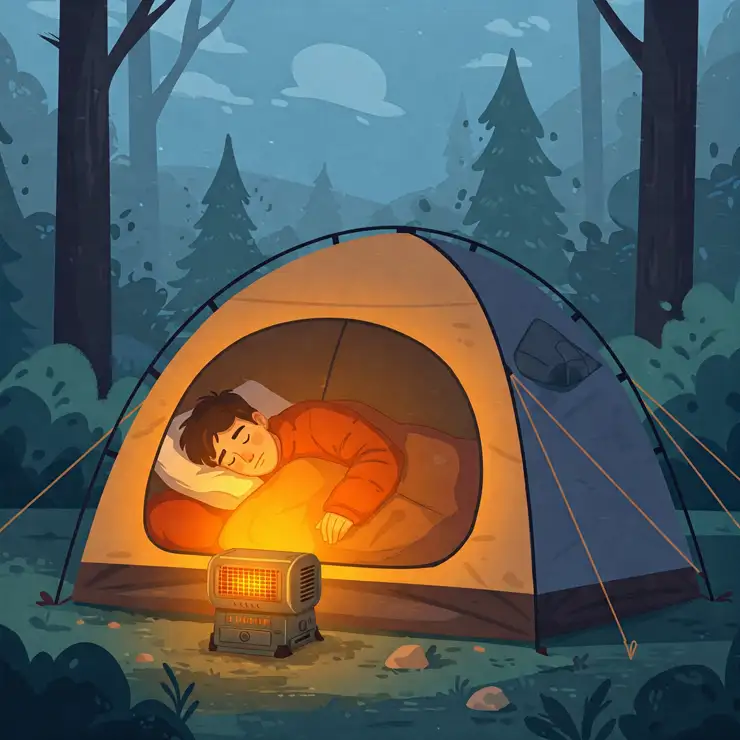
When venturing into the backcountry during colder seasons, having a reliable backpacking tent heater can transform your outdoor experience from merely enduring to thoroughly enjoying. As someone who’s spent countless nights under canvas in various conditions, I’ve learned that maintaining comfort in frigid temperatures isn’t just about luxury—it’s often about safety and extending your camping season well beyond summer months.
The challenge for backpackers has always been balancing warmth against weight. Traditional heating solutions were either too heavy, bulky, or simply impractical for those covering miles on foot. However, recent innovations have dramatically changed what’s possible, with modern backpacking tent heaters offering remarkable efficiency in increasingly lightweight packages.
In this comprehensive guide, I’ll walk you through everything you need to know about selecting and using tent heaters specifically designed for backpacking. We’ll examine various types from catalytic propane models to compact wood-burning stoves, explore crucial safety considerations, and highlight the most effective options currently available. Additionally, I’ll share insights on complementary gear like best tent stakes for backpacking that ensure your shelter remains secure while your heater keeps you toasty.
Whether you’re planning a high-altitude trek in early spring or extending your adventures into the crisp days of autumn, the right heating solution can make all the difference between a memorable journey and a miserable one. Let’s dive into the world of portable warmth for trail enthusiasts.
Understanding Backpacking Tent Heaters: Types and Technologies
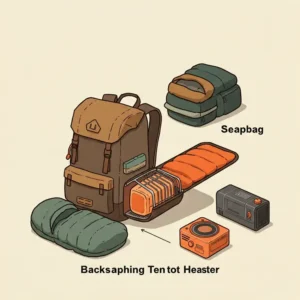
Before diving into specific recommendations, it’s essential to understand the various types of backpacking tent heaters available and how they differ in functionality, fuel requirements, and suitability for different scenarios.
Catalytic Propane Heaters
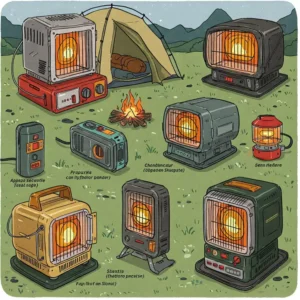
Catalytic propane heaters utilize a chemical reaction to generate flameless heat, making them relatively safer for tent use than open-flame alternatives. These heaters work by passing propane gas over a platinum-infused pad, creating a reaction that produces infrared heat without combustion.
Advantages:
- No open flame (reduced fire risk)
- Efficient heat production
- Adjustable output
- Relatively clean-burning
Considerations:
- Require proper ventilation to prevent carbon monoxide buildup
- Need to carry fuel canisters
- Heavier than some alternatives
- Not suitable for high altitudes without specific models
According to a study by the Outdoor Industry Association, catalytic heaters account for approximately 65% of portable heating solutions used by backpackers, primarily due to their balance of safety and effectiveness.
Candle Lantern Heaters
One of the most lightweight options, candle lanterns provide modest heat through the burning of specialized candles within a protective housing.
Advantages:
- Extremely lightweight
- Simple operation
- No pressurized fuel
- Often serve dual purpose as light source
Considerations:
- Limited heat output (typically raise tent temperature by only 5-10°F)
- Open flame requires vigilance
- Candles need replacement
- Not suitable as primary heat source in very cold conditions
Portable Wood-Burning Stoves
Compact wood stoves designed specifically for tent use have gained popularity among ultralight backpackers and winter campers. These typically feature collapsible designs and chimney systems that vent outside the tent.
Advantages:
- No need to carry fuel (use found wood)
- Substantial heat output
- Can double as cooking surface
- Sustainable fuel source
Considerations:
- Requires properly configured tent with stove jack
- Setup time longer than other options
- Not permitted in many no-fire zones
- Learning curve for efficient operation
- Smoke management
Chemical Heat Packs
While not technically “heaters,” exothermic chemical packs deserve mention as supplemental warming options for backpackers.
Advantages:
- Ultralight
- No flame or combustion
- Simple activation
- Can target specific areas (sleeping bag, pockets, etc.)
Considerations:
- Limited duration (typically 8-12 hours)
- One-time use (creating waste)
- Modest heat output
- Environmental concerns with disposal
Electric Battery-Powered Heaters
Recent advancements in battery technology have made portable electric heaters viable options for short backpacking trips.
Advantages:
- No combustion or ventilation concerns
- Clean operation
- Simple on/off functionality
- No fuel to carry
Considerations:
- Limited runtime
- Battery weight
- Reduced effectiveness in very cold temperatures
- Charging requirements
Safety Considerations for Tent Heating
Before discussing specific product recommendations, I must emphasize the critical importance of safety when using any heating device within the confined space of a backpacking tent.
Ventilation Requirements
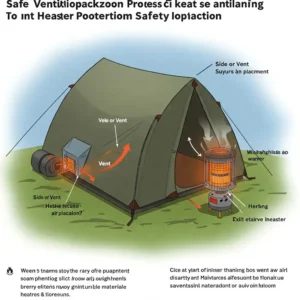
All combustion-based backpacking tent heaters consume oxygen and produce carbon monoxide—an odorless, colorless gas that can be lethal in enclosed spaces. Proper ventilation is non-negotiable.
✅ Always ensure your tent has adequate ventilation when operating any heater
✅ Consider using a battery-operated carbon monoxide detector
✅ Never sleep with a heater running unless specifically designed for overnight use
✅ Follow manufacturer guidelines for minimum ventilation requirements
According to the Centers for Disease Control and Prevention, carbon monoxide poisoning causes over 400 deaths annually in the United States, with portable heating devices being significant contributors to this statistic.
Fire Safety
Even with the safest heating technologies, fire risk remains a primary concern when combining heat sources and the flammable materials of modern tents.
✅ Maintain manufacturer-recommended clearances between heaters and tent walls
✅ Use a heat-resistant pad beneath your heater
✅ Never leave heaters unattended
✅ Keep all flammable materials (clothing, sleeping bags, etc.) away from heat sources
✅ Consider treating your tent with fire-retardant spray designed for outdoor fabrics
✅ Ensure your tent is properly secured with high-quality best tent stakes for backpacking to prevent collapse onto heating elements
High-Altitude Considerations
Many backpacking tent heaters, particularly propane models, perform differently at higher elevations due to decreased oxygen levels and atmospheric pressure changes.
✅ Check manufacturer specifications for altitude limitations
✅ Adjust expectations for heat output above 7,000 feet
✅ Consider alternative heating methods for high-altitude expeditions
✅ Some specialized high-altitude models are available but typically at premium prices
Comparison Table: Top Backpacking Tent Heaters for 2025
| Model | Weight | Heat Output | Fuel Type | Runtime | Max Altitude | Price Range | Best For |
|---|---|---|---|---|---|---|---|
| Mr. Heater Little Buddy | 5.9 lbs | 3,800 BTU | Propane | 5.5 hrs (1 lb tank) | 7,000 ft | $70-90 | General backpacking |
| Zippo Hand Warmer | 2.6 oz | 1,500 BTU | Lighter fluid | 12 hrs | Any | $15-25 | Ultralight trips |
| Seek Outside Titanium Stove | 1.9 lbs | 12,000+ BTU | Wood | Unlimited (with fuel) | Any | $300-350 | Winter expeditions |
| UCO Candlelier | 11 oz | 500 BTU | Candles | 9 hrs | Any | $30-40 | Mild weather trips |
| Ignik Gas Growler | 3.9 lbs (empty) | 4,000-10,000 BTU | Propane | 60 hrs (5 lb refillable) | 9,000 ft | $150-170 | Extended trips |
| Kovea Cupid Heater | 1.4 lbs | 1,365 BTU | Butane | 2.5 hrs (8 oz canister) | 8,000 ft | $60-80 | Minimalist backpacking |
| G2 Hotspot Tent Stove | 11 lbs | 18,000+ BTU | Wood | Unlimited (with fuel) | Any | $200-250 | Base camping |
| Ohuhu Camp Stove | 14.2 oz | 5,000+ BTU | Wood/Alcohol | Varies with fuel | Any | $25-35 | Budget option |
| EcoFlow Wave 2 Mini | 5.3 lbs | 6,000 BTU | Battery/Solar | 3-8 hrs | Any | $350-400 | Tech-savvy backpackers |
| Outbound Portable Propane Heater | 3.8 lbs | 3,000 BTU | Propane | 7 hrs (1 lb tank) | 7,500 ft | $50-65 | All-around value |
Just one click – help others make better buying decisions too!
Detailed Reviews of Top Backpacking Tent Heaters
1. Mr. Heater Little Buddy Portable Propane Heater
As a longtime favorite in the backpacking tent heater category, the Mr. Heater Little Buddy combines reliability with relative portability. While not the lightest option, its proven safety features make it a top recommendation for those new to tent heating.
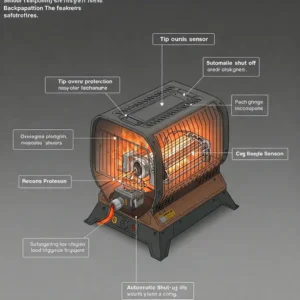
The Little Buddy features an oxygen depletion sensor (ODS) that automatically shuts off the unit if oxygen levels drop too low—a critical safety feature for tent use. Its 3,800 BTU output effectively heats spaces up to 95 square feet, making it suitable for most 1-3 person backpacking tents.
At 5.9 pounds, this isn’t an ultralight solution, but many backpackers find the weight worthwhile for cold-weather comfort. The unit connects directly to a 1-pound propane cylinder (sold separately) that provides approximately 5.5 hours of continuous heat.
Worth noting is its 7,000-foot altitude limitation—beyond this elevation, the unit may shut off due to its safety sensors. For high-altitude backpacking, consider alternative options.
2. Zippo Hand Warmer
For ultralight backpackers prioritizing weight savings, the Zippo Hand Warmer offers a creative heating solution. While primarily designed as a personal hand warmer, savvy backpackers have found these tiny heat generators effective for warming sleeping bags and small tent spaces when used properly.
Weighing just 2.6 ounces, this flameless catalytic heater runs on standard lighter fluid and produces approximately 1,500 BTU of heat for up to 12 hours on a single filling. Multiple units can be deployed strategically within your sleeping system for distributed warmth.
The obvious limitation is heat output—don’t expect to heat an entire tent with this solution. However, as part of a comprehensive cold-weather system, these compact warmers provide impressive efficiency-to-weight ratio.
3. Seek Outside Titanium Wood Stove
For serious winter backpackers willing to invest in a premium solution, the Seek Outside Titanium Stove represents the gold standard in portable wood-burning stoves. Weighing just 1.9 pounds for the basic package, this modular stove system provides substantial heat while utilizing gathered wood as fuel.
The titanium construction offers exceptional heat transfer and durability while keeping weight manageable. The collapsible design packs down surprisingly small, with the entire system (including chimney) fitting into a stuff sack roughly the size of a 1-liter water bottle.
Using this stove requires a compatible tent with a stove jack (opening for the chimney), and setting up the system takes practice. However, the unlimited heat duration and cooking capability make this an outstanding option for extended cold-weather expeditions.
4. UCO Candlelier Deluxe Candle Lantern
The UCO Candlelier provides a simple, elegant solution for mild-weather backpackers seeking modest warmth. This three-candle lantern serves the dual purpose of illumination and heating, generating approximately 500 BTU and raising the temperature in a small tent by 5-10°F.
Weighing 11 ounces, the aluminum construction provides durability while focusing candle heat efficiently. The supplied UCO candles burn for approximately 9 hours, creating a cozy atmosphere without significant weight penalty.
While not powerful enough for genuinely cold conditions, this option excels during shoulder seasons when just a touch of warmth is needed. The lack of pressurized fuel and simple operation make it particularly attractive to those concerned about more complex heating systems.
5. Ignik Gas Growler Deluxe
Addressing the environmental and practical limitations of disposable propane canisters, the Ignik Gas Growler Deluxe offers an innovative solution for extended backcountry trips. This refillable 5-pound propane tank replaces approximately five 1-pound disposable canisters, reducing waste while providing up to 60 hours of heating when paired with compatible heaters.
The system includes a flexible hose adapter that works with most propane heaters, allowing you to keep the tank outside your tent for added safety. At 3.9 pounds (empty), it’s not ultralight, but the extended runtime makes it ideal for base camping or trips where weight isn’t the primary concern.
For environmentally conscious backpackers planning extended cold-weather adventures, this system offers significant advantages despite the upfront investment.
3 Most Effective Ways to Secure Your Tent for Backpacking Tent Heater Safety
When using any backpacking tent heater, proper tent stability becomes even more critical. A collapsed tent can quickly create a dangerous fire situation if it falls onto an active heating element. Here’s why investing in the best tent stakes for backpacking matters:
1. MSR Groundhog Stakes
For all-around performance in varied terrain, MSR Groundhog Stakes consistently earn top ratings from serious backpackers. The Y-beam design provides excellent holding power while remaining lightweight at just 0.46 oz per stake.
These 7.5-inch aluminum stakes perform exceptionally well in most soil types, offering the reliability needed when your tent contains a heat source. The reflective pull loops make them easier to locate and remove, reducing the chances of lost stakes.
A set of 6 stakes weighs just 2.8 ounces total, making them an easy upgrade that dramatically improves tent stability without significant weight penalty.
2. VARGO Titanium Nail Pegs
For rocky or hard-packed ground conditions, VARGO Titanium Nail Pegs provide exceptional penetration. Weighing only 0.3 oz each, these 6-inch titanium stakes drive into challenging surfaces where wider stakes might fail.
The shepherd’s hook design allows for secure guy line attachment, while the titanium construction offers superior strength-to-weight ratio. For alpine backpackers using tent heaters at higher elevations where ground conditions are often challenging, these stakes provide crucial stability.
3. MSR Blizzard Stakes
When winter camping with a backpacking tent heater, snow presents unique anchoring challenges. MSR Blizzard Stakes are specifically designed for snow and soft ground, with a broad surface area that distributes tension to prevent pull-out in softer conditions.
At 1.2 oz each, these aluminum stakes are heavier than summer alternatives but provide essential stability in conditions where standard stakes would fail. Their 9.5-inch length and hole pattern maximize holding power in snow, crucial when your tent contains a heat source.
For winter backpackers using wood stoves or other heating solutions, these specialized stakes represent a worthwhile investment in safety and comfort.
Fuel Efficiency and Heat Duration: Maximizing Warmth
Understanding how to optimize your backpacking tent heater’s performance can dramatically improve both comfort and safety while extending fuel duration.

Temperature Goals and Expectations
When backpacking, aiming for indoor-like temperatures is both unrealistic and unnecessary. Most experienced winter campers suggest:
- 40-50°F (4-10°C) provides comfortable conditions for sleeping in an appropriate bag
- Running heaters primarily during waking hours conserves fuel
- Periodic heating (30-60 minutes) before sleep and upon waking is more efficient than continuous operation
Improving Tent Heat Retention
The most efficient heating system begins with proper insulation. Consider these approaches:
✅ Select appropriate tent size (smaller volume requires less heating)
✅ Use a tent footprint to insulate from ground cold
✅ Position your tent to minimize wind exposure
✅ Utilize snow walls in winter conditions for natural insulation
✅ Consider a four-season tent with less mesh for cold-weather trips
✅ Use reflective emergency blankets to line tent walls (with appropriate clearance from heaters)
According to research published in the Journal of Thermal Biology, proper ground insulation can reduce heat loss by up to 40% in cold-weather camping scenarios.
Fuel Calculation and Planning
Different backpacking tent heaters have varying fuel efficiencies. Understanding your specific needs helps prevent carrying excessive fuel weight or running out prematurely:
- Propane heaters: Approximately 21,500 BTU per pound of fuel
- Butane heaters: Roughly 21,000 BTU per pound
- Alcohol solutions: About 10,000 BTU per pound
- Wood stoves: Variable based on wood type and moisture content
For weekend trips, I recommend carrying 25% more fuel than your calculated requirement to accommodate unexpected conditions or emergencies.
Combining Heating Strategies for Optimal Backpacking Comfort
The most effective approach to cold-weather backpacking often involves layering heating strategies rather than relying solely on a tent heater.
Pre-Warming Techniques
Before activating your backpacking tent heater, consider these preliminary warming approaches:
- Set up camp before sunset to utilize remaining natural warmth
- Perform light exercise before entering your tent to generate body heat
- Consume warm beverages and high-calorie foods to fuel internal warmth
- Use chemical hand/foot warmers inside sleeping bags 15-20 minutes before entry
- Fill water bottles with hot water (if cooking) to place in sleeping bags
Strategic Heating Timing
Rather than continuous operation, consider this typical heating schedule for maximum efficiency:
- 30-45 minutes of heating upon tent setup
- Short burst (15-20 minutes) before sleep
- Turn off all flame/combustion heaters before sleeping
- Optional battery-operated solutions can remain active during sleep
- Morning heating session (30 minutes) to facilitate comfortable dressing
Complementary Gear Recommendations
Your backpacking tent heater works most effectively when supported by other cold-weather equipment:
- Appropriate sleeping bag rated at least 10°F below expected temperatures
- Insulated sleeping pad with R-value of 4+ for winter conditions
- Tent-compatible vapor barrier liner to reduce moisture inside sleeping systems
- Dedicated sleeping clothes that remain dry and insulated
- Proper tent stakes for backpacking that ensure stability in adverse conditions
Environmental and Conservation Considerations
As responsible backpackers, we must balance comfort against environmental impact when using heating devices in the backcountry.
Leave No Trace Principles
The Leave No Trace Center for Outdoor Ethics provides guidelines particularly relevant to tent heating:
- Plan ahead to minimize site impact from wood collection
- Travel on durable surfaces, especially important when using heavier heating equipment
- Dispose of waste properly (including spent fuel canisters)
- Leave natural areas undisturbed (avoid excessive wood harvesting)
- Minimize campfire impacts by using efficient stoves rather than open fires
- Respect wildlife by maintaining appropriate distances
- Be considerate of other visitors by minimizing generator noise when using electrical heating options
Sustainable Fuel Selection
When choosing a backpacking tent heater, consider these environmental factors:
- Refillable systems produce less waste than disposable canisters
- Wood-burning stoves should be used only where deadfall is abundant
- Solar-rechargeable options minimize resource consumption
- Recycling programs exist for some spent fuel canisters (check with manufacturers)
Reducing Carbon Footprint
According to the Environmental Protection Agency, a weekend of propane heating (2 pounds) produces approximately 5.8 pounds of CO2 emissions. Consider these approaches to offset impact:
- Carbon offset programs specific to outdoor recreation
- Combining trips to reduce overall transportation emissions
- Sharing heating resources among group members
- Choosing renewable energy alternatives when available
Winter-Specific Backpacking Tent Heater Considerations
Cold-weather backpacking presents unique challenges that require specialized approaches to tent heating.
Managing Condensation
One of the greatest challenges when using a backpacking tent heater in winter conditions is condensation management. Heat differences between interior and exterior temperatures create ideal conditions for moisture buildup.
✅ Maintain adequate ventilation even in cold conditions
✅ Consider using a tent dehumidifier for extended trips
✅ Wipe down tent walls periodically to prevent dripping
✅ Use vapor barrier techniques in sleeping systems
✅ Select heaters that produce less water vapor as byproducts
Snow Camping Adaptations
When camping on snow with a tent heater, these additional considerations apply:
- Create a packed platform for tent placement to minimize melting and destabilization
- Use specialized winter tent stakes for backpacking or snow anchors for security
- Consider heat reflector placement beneath tent to redirect ground-directed heat
- Monitor snow melt around heat sources to prevent equipment damage
- Plan for longer setup times in adverse conditions
Battery Performance in Cold Temperatures
For those using electric heating options, battery efficiency decreases dramatically in cold conditions:
- Lithium-ion batteries may lose 30-40% capacity at 32°F (0°C)
- Below 0°F (-18°C), many batteries become virtually unusable
- Keep batteries inside sleeping bags when not in use
- Consider redundant power sources for critical heating needs
Setting Up Your Backpacking Tent Heater: A Step-by-Step Guide
Proper setup and operation of your backpacking tent heater is crucial for both safety and efficiency.
Pre-Setup Assessment
Before deploying any heating solution:
- Check weather forecasts for wind conditions that might affect tent stability
- Assess tent site for level ground and appropriate drainage
- Ensure adequate distance from flammable materials (including dry vegetation)
- Verify all equipment components are present and undamaged
- Review manufacturer instructions for model-specific requirements
Safe Placement Principles
When positioning your heater within your tent:
- Center placement typically provides most even heat distribution
- Maintain minimum clearances from tent walls (typically 12-24 inches)
- Use a heat-resistant base pad beneath all heaters
- Position away from tent doors to prevent accidental contact
- Consider height placement to optimize heat rising patterns
- Secure tent thoroughly with appropriate tent stakes for backpacking to prevent structural movement
Operation Best Practices
To maximize both safety and heating effectiveness:
- Start with lowest heat setting and increase gradually
- Monitor interior temperature with a small thermometer
- Create cross-ventilation appropriate to your heater type
- Perform periodic safety checks according to schedule
- Never leave flame-based heaters unattended
- Keep fire extinguishing capabilities (water, snow) readily accessible
H3: Don’t Risk Your Comfort in the Wilderness—Choose the Right Gear Today! ️
Ready to extend your backpacking season and enjoy the solitude of cold-weather adventures? The right backpacking tent heater can transform your experience completely. Click on any of the highlighted products above to check current pricing and availability on Amazon. Remember that proper equipment isn’t just about comfort—it’s about safety and allowing you to fully enjoy nature’s beauty in all seasons!
Addressing Common Questions About Backpacking Tent Heaters
Regulatory and Permission Considerations
Before using any heating device in backcountry settings, understand the legal framework:
- National Parks typically have specific regulations regarding heating devices
- Wilderness areas often restrict certain fuel types or heating methods
- Fire bans may apply to some or all heating technologies
- International travel may involve additional restrictions on fuel transportation
According to the U.S. Forest Service, regulations vary significantly between jurisdictions. Always check with local land management agencies before planning to use heating devices in specific areas.
Adapting Commercial Heaters for Backpacking
While dedicated backpacking tent heaters are ideal, some adventurers modify commercial products for weight reduction:
- Removing non-essential housing components (maintaining all safety features)
- Replacing metal components with titanium or aluminum alternatives
- Creating custom carrying solutions for awkward dimensions
- Developing lightweight windscreens for improved efficiency
These modifications should be approached with caution and never compromise safety systems such as tip-over switches or oxygen sensors.
Emergency Heating Techniques
When primary heating systems fail, these backup approaches can provide critical warmth:
- Hot water bottles placed strategically in sleeping bags
- Chemical heat packs activated and distributed through sleeping areas
- Candle lanterns deployed with appropriate safety precautions
- Body heat conservation through proper insulation and minimal exposure
- Group sleeping arrangements (when appropriate) to share body heat
Conclusion: Embracing Cold-Weather Backpacking with Confidence
The evolution of backpacking tent heater technology has dramatically expanded the possibilities for year-round outdoor adventure. From lightweight catalytic options to innovative wood-burning systems, today’s backpackers have more choices than ever for maintaining comfort in challenging conditions.
When selecting your heating solution, remember to balance these key factors:
- Weight considerations for your specific travel style
- Environmental conditions of your typical destinations
- Safety features appropriate to your experience level
- Fuel availability and restrictions in your preferred regions
- Budget constraints balanced against long-term durability
Paired with proper techniques and complementary gear like quality tent stakes for backpacking, the right heating system can transform cold-weather camping from an endurance test into an enriching experience. The silence and solitude of winter landscapes offer unique rewards that far outweigh the challenges when you’re properly equipped.
As with all aspects of backpacking, start conservatively, build experience gradually, and continuously refine your approach. The skills and knowledge you develop will expand your outdoor horizons and create opportunities for adventure regardless of season.
H3: Elevate Your Cold-Weather Adventures With Premium Heating Solutions! ⛺❄️
Don’t let cold temperatures limit your exploration! Browse our carefully selected backpacking tent heater recommendations by clicking the product links above. These tested solutions provide reliable warmth without excessive weight penalties. Order today to ensure delivery before your next adventure!
FAQs About Backpacking Tent Heaters and Tent Stakes
❓ How much weight should I expect to add with a backpacking tent heater system?
❓ Are propane tent heaters safe to use while sleeping?
❓ What's the most fuel-efficient backpacking tent heater?
❓ How do I select the best tent stakes for securing a tent with a heater?
❓ Can I use a backpacking tent heater in any tent?

Recommended for You:
- Best Backpacking Tent for Tall Person and Dog: Ultimate 2025 Buying Guide
- Tent vs Hammock for Backpacking: 7 Critical Differences Every Hiker Should Know in 2025
- 10 Best Budget Family Backpacking Tents for Incredible Outdoor Adventures in 2025
Disclaimer: This article contains affiliate links. If you purchase products through these links, we may earn a small commission at no additional cost to you.
✨ Found this helpful? Share it with your friends!
