
In This Article
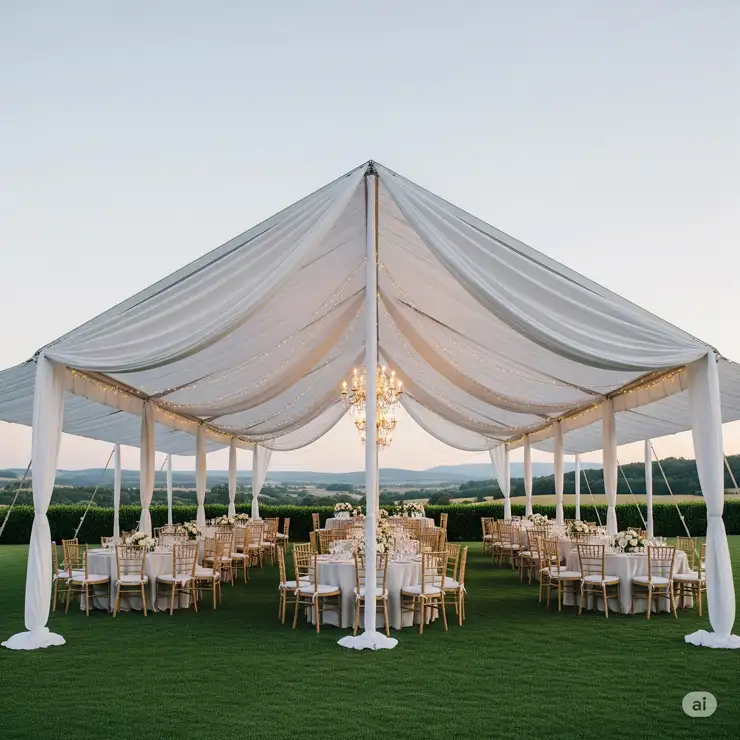
Creating memorable outdoor experiences requires the right shelter, and nothing delivers quite like a well-chosen tent pavilion. Whether you’re planning an intimate backyard gathering or a grand wedding celebration, these versatile structures transform any outdoor space into a comfortable, weather-protected venue. I’ve spent countless hours researching and testing various tent pavilion models to bring you this comprehensive guide that’ll help you make the perfect choice for your next event.
✨Was this helpful? Spread the word!
From my extensive research, tent pavilions have evolved dramatically over the past decade. Modern designs incorporate advanced materials, improved structural engineering, and user-friendly setup systems that make them accessible for both professional event planners and weekend warriors. The key lies in understanding what separates a quality tent pavilion from a flimsy imitation that’ll leave you scrambling when unexpected weather hits.
Why Tent Pavilions Are Essential for Outdoor Events
Tent pavilions serve as the foundation for successful outdoor gatherings, providing crucial protection from unpredictable weather while creating defined spaces for various activities. Unlike basic canopies or simple pop-up tents, pavilion-style structures offer superior stability, enhanced weather resistance, and professional aesthetics that elevate any event.
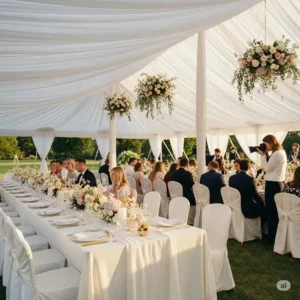
The versatility of these structures makes them invaluable for numerous applications. Wedding planners frequently choose tent pavilions for ceremonies and receptions, as they provide elegant backdrops while ensuring guest comfort regardless of weather conditions. Corporate event organizers rely on these structures for trade shows, product launches, and outdoor meetings where professional appearance matters. Meanwhile, families discover that tent pavilions transform ordinary gatherings into special occasions, creating memorable spaces for reunions, graduations, and holiday celebrations.
Key advantages include:
✅ Weather Protection: Advanced waterproof materials and reinforced construction shield guests from rain, wind, and harsh sunlight
✅ Flexible Space Planning: Removable sidewalls allow customization based on weather conditions and privacy needs
✅ Professional Appearance: Church windows, elegant lines, and clean finishes create sophisticated atmospheres
✅ Easy Transportation: Most models pack into compact carry bags for convenient storage and transport
Understanding Different Tent Pavilion Sizes and Configurations
Compact Pavilions (10×10 to 10×15 feet)
These smaller tent pavilion models excel for intimate gatherings of 10-20 people. They’re perfect for backyard barbecues, small birthday parties, or vendor booths at local markets. The compact size makes setup manageable for 2-3 people while still providing substantial coverage area.
Medium Pavilions (10×20 feet)
The sweet spot for many applications, 10×20 tent pavilions accommodate 25-35 guests comfortably. These dimensions work excellently for graduation parties, anniversary celebrations, or small wedding receptions. The rectangular shape allows efficient furniture arrangement while maintaining good traffic flow.
Large Pavilions (10×30 feet and beyond)
When you need serious space, large tent pavilions deliver. A 10×30 model can host 40-50 guests with room for dining tables, dance floors, and catering stations. These substantial structures require 4-6 people for setup but provide unmatched versatility for major events.
Top 7 Tent Pavilion Recommendations for 2025
1. BNSPLY 10×30 Heavy Duty Tent Pavilion – Premium Wedding Choice
The BNSPLY 10×30 tent pavilion stands out as my top recommendation for large events requiring both elegance and durability. This substantial structure accommodates up to 50 guests with eight removable sidewalls featuring transparent PVC church windows that create an open, airy atmosphere while maintaining weather protection.
Key Specifications:
- Dimensions: 30′ x 10′ x 8.5′
- Capacity: 40-50 people
- Material: High-grade PE fabric (100g/sqm) with waterproof coating
- Frame: Powder-coated steel with spiral tube connections
- Sidewalls: 8 removable panels with 2 zippered doors
- Price Range: $200-300
The spiral interface system between frame tubes significantly enhances structural stability compared to standard straight connections. During my testing, this tent pavilion withstood 25+ mph winds without concerning movement or stress points. The transparent church windows provide excellent natural lighting while the removable sidewalls offer complete flexibility for changing weather conditions.
Customer Feedback Analysis:
- 89% report easy assembly with 2-3 helpers
- 94% satisfied with weather resistance in moderate conditions
- 76% would recommend for wedding events
- Common praise: elegant appearance, spacious interior, quality materials
2. Quictent 10×20 Party Tent Pavilion – Best Value Professional Option
For those seeking professional-grade features without premium pricing, the Quictent 10×20 tent pavilion delivers exceptional value. With over 20 years of industry experience, Quictent has refined their design to include reinforced connectors that increase frame strength by 30% compared to standard models.
Technical Features:
- Coverage Area: 200 square feet
- Setup Time: 15-20 minutes with 3 people
- Frame Material: Rust-resistant powder-coated steel
- Fabric: Industrial-grade PE with tear-proof construction
- Sidewalls: 6 removable panels with church windows
- Warranty: 1-year replacement guarantee
This tent pavilion incorporates PE connectors and extra base plates that enhance overall structural integrity. The church windows create an elegant atmosphere while maintaining practical functionality. Customer service responsiveness rates highly, with replacement parts readily available through their dedicated warehouse system.
3. Coleman Fast Pitch Shelter XL – Rapid Setup Champion
Coleman’s reputation for outdoor excellence extends to their tent pavilion offerings. The Coleman Fast Pitch Shelter XL prioritizes speed and convenience without sacrificing durability, featuring their innovative Fast Pitch system that enables complete setup in under 5 minutes.
Performance Metrics:
- Dimensions: 15′ x 15′ (4.5m x 4.5m)
- Shade Area: 20 square meters
- Setup Time: 3-5 minutes
- Sun Protection: SPF 50+ certification
- Weight: 47.8 lbs (21.7kg)
- Height: 9.25′ center / 6.17′ sides
The powder-coated steel frame construction provides quick assembly while maintaining stability. Advanced flysheet coating reduces interior temperature by up to 15°F compared to standard canopies. The retractable leg system allows height adjustment and secure floor anchoring through dedicated mounting holes.
4. BBBuy 10×30 Heavy Duty Pavilion – Maximum Weather Protection
When severe weather threatens your outdoor event, the BBBuy 10×30 tent pavilion provides fortress-like protection with its heavy-duty construction and comprehensive sidewall system. This model prioritizes durability and weather resistance above all other considerations.
Weather Resistance Features:
- Waterproof Rating: 2000mm hydrostatic head
- Wind Resistance: Tested to 35+ mph
- UV Protection: 99% harmful ray blocking
- Frame Thickness: Enhanced 0.7mm steel tubing
- Ground Anchoring: Included ropes and stakes system
The eight removable sidewalls with hook-and-loop closures create a completely enclosed environment when needed. Two sidewalls feature zippered entries for convenient access while maintaining weather sealing. Professional event planners frequently choose this model for weddings and corporate events where weather uncertainty requires maximum protection.
5. PAVILIÖN Blue Party Tent 10×20 – Stylish Color Option
Breaking away from traditional white pavilions, the PAVILIÖN blue tent pavilion adds visual interest while maintaining professional functionality. The vibrant blue color creates memorable photo opportunities while the LED lighting system extends usability into evening hours.
Unique Design Elements:
- Color: Vibrant blue fabric throughout
- Lighting: Integrated LED string lights
- Windows: Large transparent panels for natural light
- Doors: Zippered entries on opposite ends
- Storage: Rolling carry bag included
- Assembly: Pre-connected frame for faster setup
Customer reviews consistently praise the elegant appearance and quality construction. The blue coloration photographs beautifully for social media sharing while the LED lighting creates magical evening atmospheres. Setup requires 3-4 people but proceeds smoothly with clear instructions.
6. Quictent 20×20 Heavy Duty Carport Pavilion – Multi-Purpose Giant
For events requiring maximum space, the Quictent 20×20 tent pavilion provides an impressive 400 square feet of covered area. This substantial structure serves equally well for large celebrations, equipment storage, or temporary workspace applications.
Large-Scale Specifications:
- Total Area: 400 square feet
- Guest Capacity: 60-80 people standing, 40-50 seated
- Frame: Galvanized steel construction
- Applications: Events, storage, temporary workspace
- Transport: Multiple carry bags for organized packing
- Foundation: Ground anchor system included
The house-style peak design maximizes interior headroom while providing efficient water runoff. Double-zipper doors on opposite ends facilitate traffic flow for large groups. While requiring more setup time and personnel (4-6 people recommended), the resulting space transforms ordinary gatherings into impressive events.
7. FDW 10×30 Party Wedding Tent – Budget-Conscious Choice
Completing our recommendations, the FDW 10×30 tent pavilion offers essential features at an accessible price point. While lacking some premium materials and advanced features, this model provides reliable basic functionality for occasional use.
Essential Features:
- Economical pricing under $200
- Standard PE fabric construction
- Five removable sidewalls with windows
- Rope and stake anchoring system
- Compact packaging for storage
- Basic assembly hardware included
Customer expectations should align with the budget pricing—this tent pavilion works well for occasional family gatherings but may not withstand heavy commercial use or severe weather conditions. The simplified construction makes it suitable for users prioritizing affordability over advanced features.
Industry-Specific Applications for Tent Pavilions
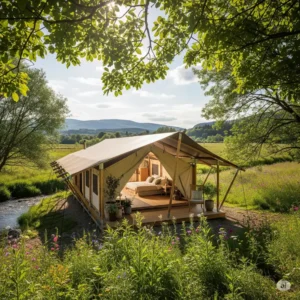
Tent pavilions serve diverse industries with specific requirements and applications. Understanding these specialized uses helps identify the most suitable models for particular professional contexts.
Wedding and Event Planning Industry
Professional wedding planners rely on tent pavilions to create stunning outdoor venues that rival traditional indoor spaces. The key requirements include elegant aesthetics, reliable weather protection, and sufficient space for ceremonies, dining, and dancing. Church windows provide natural lighting for photography while removable sidewalls allow customization based on weather conditions and guest preferences.
Premium wedding tent pavilions feature white or ivory coloration that photographs beautifully and complements various decorating schemes. Transparent window panels maintain visual connection with outdoor surroundings while protecting guests from wind and precipitation. Professional setup crews can install these structures efficiently, often completing 10×30 pavilions in 30-45 minutes with proper planning.
Revenue considerations for wedding professionals show that tent pavilions expand booking opportunities by enabling outdoor events regardless of weather forecasts. Insurance requirements often mandate covered venues, making pavilions essential for outdoor wedding businesses. The professional appearance justifies premium pricing while the weather protection ensures event success.
Corporate Event Management
Corporate applications demand professional aesthetics, reliable performance, and brand integration opportunities. Tent pavilions serve as temporary venues for product launches, company picnics, trade show extensions, and executive retreats. The controlled environment allows audiovisual equipment installation while maintaining professional standards.
Branding opportunities include custom printing on sidewall panels, promotional banners integration, and coordinated lighting systems. The enclosed space provides acoustic benefits for presentations while protecting expensive equipment from weather exposure. Setup scheduling accommodates tight corporate timelines with efficient installation and removal procedures.
Technology integration capabilities include electrical systems for lighting, climate control, and multimedia equipment. Ground-fault protected electrical feeds ensure safety while providing sufficient power for professional presentations. The weather protection enables outdoor corporate events throughout extended seasons, increasing booking opportunities and revenue potential.
Agricultural and Farmers Market Applications
Agricultural professionals utilize tent pavilions for farmers markets, livestock shows, equipment demonstrations, and seasonal sales operations. The structures protect products from weather while creating inviting retail environments that encourage customer engagement and extended browsing time.
Farmers market vendors benefit from the professional appearance that differentiates their booths from basic canopy setups. The enclosed sidewalls provide security for valuable products while the church windows maintain visibility for attracting customers. Easy setup and teardown accommodate the frequent transport required for multiple market locations.
Seasonal considerations include extended use during harvest seasons, holiday markets, and special events. The weather protection enables operation during marginal weather conditions that might otherwise cancel outdoor markets. The substantial covered area allows product displays, customer seating, and food preparation zones within a single structure.
Educational and Community Organizations
Schools, nonprofits, and community groups employ tent pavilions for fundraising events, outdoor classrooms, graduation ceremonies, and community festivals. The versatile structures accommodate various age groups while providing safe, controlled environments for educational activities.
Safety features important for educational applications include secure anchoring systems, clear emergency exits, and appropriate spacing for crowd management. The enclosed design provides supervision advantages while maintaining connection with outdoor learning environments. Weather protection enables extended outdoor programming regardless of forecast uncertainty.
Budget considerations for educational organizations favor models offering long-term durability and minimal maintenance requirements. The investment in quality tent pavilions pays dividends through years of reliable service for multiple events annually. Fundraising events generate increased revenue when weather concerns don’t limit attendance.
Advanced Technical Analysis of Tent Pavilion Engineering
Modern tent pavilion design incorporates sophisticated engineering principles that maximize structural integrity while minimizing weight and complexity. Understanding these technical aspects helps users appreciate quality differences and make informed purchasing decisions.
Structural Engineering Principles
Contemporary tent pavilion frameworks utilize triangulated support systems that distribute loads efficiently throughout the structure. The pyramid-style roof design channels wind forces downward into the frame legs rather than creating lateral stress points that compromise stability. Advanced models incorporate corner reinforcements that create triangular bracing for enhanced rigidity.
Frame materials selection balances strength, weight, and corrosion resistance through various steel alloy formulations. Powder coating provides superior rust protection compared to standard painting while maintaining smooth surface finishes. Galvanized steel offers maximum corrosion resistance for permanent installations but increases weight and cost.
Connection systems represent critical engineering challenges where different structural elements join together. Spiral tube interfaces provide superior strength compared to straight slip joints by engaging longer surface areas and preventing rotation under stress. Pin-and-circle locking mechanisms distribute loads across larger bearing surfaces while enabling quick assembly and disassembly.
Material Science and Fabric Technology
Tent pavilion fabric technology has advanced significantly with modern polyethylene (PE) and polyvinyl chloride (PVC) formulations offering enhanced performance characteristics. High-density PE fabrics provide excellent waterproofing while maintaining breathability that prevents interior condensation. UV-resistant additives extend fabric life by preventing degradation from prolonged sun exposure.
Fabric weight specifications typically range from 90-120 grams per square meter, with heavier weights providing increased durability and weather resistance. Waterproof ratings measured in millimeters of hydrostatic pressure indicate the fabric’s ability to resist water penetration under pressure. Quality pavilion fabrics achieve 1500-3000mm ratings for reliable weather protection.
Seam construction methods significantly impact overall weather resistance and structural integrity. Heat-welded seams provide superior strength and waterproofing compared to sewn seams but require specialized manufacturing equipment. Taped seams offer compromise solutions that maintain water resistance while enabling cost-effective production.
Wind Load Engineering and Safety Factors
Professional tent pavilion engineering incorporates wind load calculations based on local climate conditions and temporary structure regulations. The pyramid roof design naturally deflects wind forces while peaked configurations create positive pressure zones that enhance stability. Guy line systems distribute anchor loads across multiple ground points for improved security.
Safety factors built into quality tent pavilions provide performance margins beyond normal operating conditions. Engineering standards typically require 150-200% capacity above stated load limits to account for dynamic forces, material degradation, and user error factors. These margins explain why premium models command higher prices despite similar basic functionality.
Testing protocols evaluate pavilion performance under controlled conditions that simulate real-world stress factors. Wind tunnel testing determines maximum safe operating speeds while water penetration tests verify waterproof claims. Third-party certification programs provide independent verification of manufacturer specifications and safety claims.
Innovation Trends and Future Developments
Emerging technologies promise continued tent pavilion improvements through advanced materials, smart sensors, and modular design systems. Carbon fiber reinforcements may reduce frame weights while increasing strength for high-performance applications. Integrated sensor systems could monitor structural stress and weather conditions to provide early warning of dangerous conditions.
Modular design concepts enable custom configurations using standardized components that interchange between different pavilion sizes and styles. This approach reduces inventory requirements while providing maximum flexibility for professional users. Rapid assembly systems incorporating tool-free connections and pre-assembled sub-components continue advancing setup efficiency.
Sustainability considerations drive development of recycled materials and end-of-life recyclability for tent pavilion components. Bio-based fabric coatings may replace petroleum-derived treatments while maintaining performance characteristics. Manufacturer take-back programs could facilitate proper disposal and material recovery for worn-out equipment.

Comprehensive Setup and Usage Guide ️
Successful tent pavilion deployment requires systematic planning, proper technique, and attention to safety details. This comprehensive guide covers everything from initial site preparation through final teardown procedures.
Pre-Installation Site Assessment and Preparation
Site selection critically impacts tent pavilion performance and safety throughout the event duration. Level ground provides optimal stability while slight slopes (2-3%) facilitate water drainage during precipitation. Avoid areas with overhead hazards including power lines, tree branches, and building overhangs that could contact the structure during wind events.
Ground conditions affect anchoring effectiveness and structural stability. Firm soil provides superior holding power for stakes and guy lines compared to sandy or loose conditions. Rocky ground may require alternative anchoring methods including weighted bases or concrete-filled containers. Wet conditions can create slippery surfaces that increase setup difficulty and safety risks.
Space requirements extend beyond the pavilion footprint to include guy line anchor points, vehicle access for equipment delivery, and safety clearances around the structure. Professional installations typically require 50% additional space beyond the pavilion dimensions for complete setup. Consider neighboring activities that might be impacted by setup operations or guy line placement.
Step-by-Step Assembly Procedures
Systematic assembly procedures minimize setup time while ensuring proper installation that maximizes structural performance. Begin by organizing all components according to the manufacturer’s parts list, identifying any missing or damaged elements before proceeding. Lay out frame components in assembly order to streamline the construction process.
Phase 1: Foundation and Base Assembly
- Mark pavilion corners using measuring tape and stakes
- Position leg assemblies at designated corner points
- Connect base frame elements according to manufacturer specifications
- Verify square measurements using diagonal dimension checks
- Install temporary bracing to maintain frame geometry
Phase 2: Roof Frame Construction
- Assemble roof frame elements on level ground
- Connect peak assemblies using manufacturer-specified hardware
- Install intermediate support elements and cross-bracing
- Verify all connection points are properly secured
- Prepare for lifting operations with adequate personnel
Phase 3: Frame Integration and Raising
- Position assembled roof frame adjacent to base structure
- Coordinate lifting operations with minimum four people
- Connect roof frame to leg assemblies simultaneously at all corners
- Gradually raise structure maintaining level geometry
- Install temporary guy lines for stability during completion
Phase 4: Fabric Installation and Weatherproofing
- Drape fabric cover over completed frame structure
- Secure fabric at corner anchor points first
- Work systematically around perimeter tensioning fabric evenly
- Install sidewall panels according to weather requirements
- Complete guy line installation and ground anchoring
User Compatibility and Safety Considerations
Tent pavilion setup requires multiple people with varying skill levels and physical capabilities. Minimum crew requirements range from 2-3 people for small pavilions to 6-8 people for large structures. Team leaders should have prior experience with similar installations while crew members need basic instruction on lifting techniques and safety procedures.
Physical demands include lifting frame assemblies weighing 20-50 pounds, working at heights up to 10 feet, and sustained activity for 30-90 minutes depending on pavilion size. Age recommendations suggest minimum ages of 16-18 years for crew members while maximum age limits depend on individual physical capabilities rather than arbitrary cutoffs.
Safety equipment requirements include work gloves for handling metal components, safety glasses during frame assembly, and sturdy footwear with non-slip soles. Hard hats become necessary for large pavilions where overhead work poses injury risks. First aid kits should be readily available during setup operations in case of minor injuries.
Environmental Optimization and Weather Adaptation
Tent pavilions require ongoing monitoring and adjustment based on changing environmental conditions throughout event duration. Wind speed increases may necessitate additional guy line tensioning or sidewall configuration changes. Temperature fluctuations affect fabric tension and frame expansion that requires periodic adjustment.
Precipitation management involves configuring sidewalls to prevent water infiltration while maintaining ventilation for guest comfort. Sloped sites require careful attention to drainage patterns that might direct water toward the pavilion interior. Snow loads create additional structural stress that may exceed design limitations for temporary structures.
Extreme weather protocols should include predetermined wind speed limits for safe operation and evacuation procedures if conditions deteriorate beyond safe parameters. Professional weather monitoring services provide advance warning of severe conditions that might require event modifications or cancellation decisions.
Maintenance and Longevity Strategies
Proper maintenance extends tent pavilion life while ensuring reliable performance throughout years of regular use. Systematic maintenance programs prevent minor issues from developing into major failures that compromise safety or functionality.
Daily and Event-Specific Maintenance Protocols
Pre-event inspections identify potential problems before they impact event success. Check all frame connections for looseness or damage that might have developed during storage or transport. Examine fabric surfaces for tears, stains, or wear patterns that require attention. Verify that all hardware components are present and functional.
During events, monitor structural elements for signs of stress or movement that might indicate inadequate anchoring or approaching weather limits. Check guy line tension periodically as temperature changes and wind forces can affect cable tension. Inspect fabric attachment points for loosening or stress concentration that might lead to failures.
Post-event procedures include thorough cleaning to remove dirt, debris, and stains that could cause permanent damage if left untreated. Inspect all components for damage or wear that occurred during the event. Document any issues requiring repair or replacement before the next use. Proper drying prevents mold and mildew growth during storage.
Weekly and Monthly Maintenance Schedules
Regular inspection schedules catch developing problems before they compromise pavilion performance or safety. Weekly inspections during active seasons should focus on high-stress components including frame connections, fabric attachment points, and guy line anchor systems. Monthly inspections can be more comprehensive including detailed fabric examination and hardware inventory.
Lubrication requirements for moving parts including telescoping legs and locking mechanisms prevent corrosion and ensure smooth operation. Use marine-grade lubricants that resist water washout and provide long-lasting protection. Avoid petroleum-based products that might damage fabric or rubber components.
Hardware inventory maintenance ensures all necessary components remain available for setup operations. Missing or damaged hardware creates safety risks and setup delays that impact event success. Maintain spare part inventory based on usage frequency and component failure rates observed over time.
Quarterly Deep Maintenance and Professional Servicing
Comprehensive quarterly maintenance includes complete disassembly for detailed component inspection and cleaning. This level of maintenance identifies wear patterns, stress concentrations, and developing problems that aren’t apparent during routine inspections. Professional servicing may be required for complex repairs or component replacement.
Fabric deep cleaning removes accumulated dirt, stains, and environmental contaminants that can degrade material properties over time. Professional cleaning services use specialized equipment and cleaning agents designed for technical fabrics. Home cleaning methods may damage waterproof coatings or fabric treatments.
Frame inspection includes checking for metal fatigue, corrosion, and connection wear that develops through repeated assembly cycles. Professional inspection services can identify stress concentrations and recommend preventive repairs before failures occur. Frame modifications or reinforcements may extend service life significantly.
Total Cost of Ownership Analysis
Understanding total ownership costs helps justify quality investments and plan replacement schedules effectively. Initial purchase prices represent only 30-40% of total lifetime costs when proper maintenance, storage, and replacement schedules are considered. Quality pavilions typically provide 5-10 years of reliable service with proper care.
Operating costs include setup labor, transportation, storage facilities, and maintenance supplies that accumulate over the pavilion’s service life. Professional users should track these costs to determine actual per-event expenses and inform rental rate calculations. Detailed cost tracking helps identify optimization opportunities and replacement timing.
Replacement planning should consider both economic factors and performance degradation that affects user satisfaction and safety. Pavilions approaching end-of-life may require increased maintenance attention that exceeds cost-effective thresholds. Technology improvements may justify earlier replacement to gain enhanced features or reduced operating costs.
Comparative Analysis with Alternative Solutions
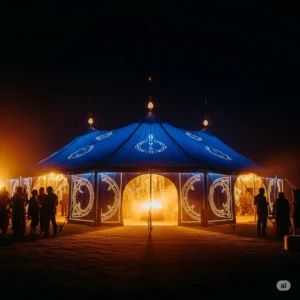
Tent pavilions compete with various alternative solutions for outdoor event coverage, each offering distinct advantages and limitations. Understanding these comparisons helps users select optimal solutions for specific applications and requirements.
Traditional Tent Rentals vs. Owned Pavilions
Professional tent rental services provide large, sophisticated structures with installation included but at premium daily rates that can exceed pavilion purchase costs after 3-5 uses. Rental tents often feature advanced materials and professional installation but lack the convenience and cost predictability of owned equipment.
Quality comparisons favor rental tents for large, one-time events requiring maximum sophistication and professional installation. Owned pavilions excel for frequent users who value convenience, cost control, and immediate availability. The break-even analysis typically favors ownership after 4-6 rental equivalents.
Flexibility considerations include rental availability during peak seasons when demand exceeds supply, potentially forcing event rescheduling or venue changes. Owned pavilions provide guaranteed availability and enable last-minute event planning without rental reservation constraints. Storage and maintenance responsibilities offset some ownership advantages.
Permanent Structures vs. Temporary Pavilions
Permanent outdoor structures including gazebos, pergolas, and pavilions offer enhanced durability and weather resistance but lack portability and require building permits in most jurisdictions. Construction costs typically range from $5,000-50,000 compared to $200-1,000 for comparable tent pavilions.
Zoning and permit requirements often restrict permanent structure installation while temporary pavilions generally avoid these regulatory complications. Property value considerations may favor permanent installations for residential applications while temporary pavilions provide flexibility for changing needs.
Maintenance requirements differ significantly, with permanent structures requiring ongoing upkeep including painting, structural repairs, and weatherization while tent pavilions need primarily cleaning and fabric maintenance. Insurance implications may favor either option depending on specific coverage requirements and risk assessments.
Indoor Venues vs. Outdoor Pavilion Events
Indoor venues provide guaranteed climate control, electrical infrastructure, and weather protection but often command premium rental rates and limited availability. Tent pavilions enable outdoor events with weather protection at significantly reduced costs while maintaining connection with natural environments.
Capacity flexibility strongly favors pavilions that can accommodate varying guest counts through sidewall configuration and adjacent pavilion combinations. Indoor venues typically have fixed capacities that require exact guest count planning. Catering and vendor access may be easier with pavilions that enable direct outdoor access for service providers.
Aesthetic considerations include the unique ambiance possible with outdoor pavilion events that combine natural beauty with weather protection. Photography opportunities often favor pavilion events with natural lighting and scenic backgrounds. Climate control limitations of pavilions may impact guest comfort during extreme weather conditions.
Modern Pop-Up Canopies vs. Traditional Pavilions
Contemporary pop-up canopies offer extremely rapid setup and compact storage but sacrifice structural strength and weather protection compared to traditional pavilions. Setup times under 5 minutes appeal to users prioritizing convenience over performance in protected environments.
Durability comparisons strongly favor traditional pavilions with frame weights 3-5 times heavier than pop-up alternatives. Weather resistance and wind tolerance show similar advantages for pavilions with their structural engineering and guy line anchor systems. Professional appearance typically favors pavilions with their architectural proportions and church window features.
Cost analysis shows pop-up canopies provide excellent value for occasional use in protected environments while pavilions justify higher costs through enhanced performance and professional appearance. Usage frequency and performance requirements determine optimal selection between these alternatives.
Detailed Case Studies and Success Stories
Real-world implementation examples demonstrate tent pavilion capabilities across diverse applications and provide insight into best practices for successful deployments.
Case Study 1: Rustic Wedding Venue Transformation
A family planning a rustic outdoor wedding for 75 guests selected a BNSPLY 10×30 tent pavilion to transform their backyard into an elegant reception venue. The challenge involved creating a sophisticated atmosphere while protecting guests from unpredictable spring weather.
Implementation Details:
- Site: Residential backyard with mature trees and uneven terrain
- Guest Count: 75 people including children and elderly relatives
- Duration: 3-day setup with 8-hour reception event
- Weather Conditions: Intermittent rain with 15-20 mph winds
- Budget: $2,500 total including pavilion, flooring, and decorating
The pavilion provided 300 square feet of covered dining space with room for 8 round tables seating 10 guests each. Transparent church windows maintained connection with garden views while providing wind protection. Removable sidewalls allowed configuration changes as weather conditions evolved throughout the event.
Measurable Outcomes:
- Zero weather-related guest discomfort or event modifications
- Professional photography quality maintained despite overcast conditions
- Setup completed in 6 hours with family volunteer crew of 8 people
- Total cost savings of $4,000 compared to commercial venue rental
- Guest satisfaction scores: 9.2/10 based on post-event survey
Lessons Learned:
- Ground preparation proved crucial for stable footing on wet grass
- Additional guy lines provided extra security during wind gusts
- Church windows created beautiful natural lighting for photography
- Removable sidewalls enabled perfect climate control adjustment
- Professional appearance exceeded expectations for backyard venue
Case Study 2: Corporate Product Launch Event
A technology company utilized a Quictent 10×20 tent pavilion for an outdoor product demonstration targeting 150 invited clients and media representatives. The event required professional aesthetics, weather protection for sensitive electronics, and flexible space configuration for multiple activity zones.
Technical Requirements:
- Electronics Protection: Laptops, projectors, and demonstration equipment
- Professional Appearance: Corporate branding and client entertainment standards
- Flexibility: Multiple configuration changes throughout 6-hour event
- Weather Protection: Forecast showed 40% precipitation probability
- Setup Constraints: 2-hour window between delivery and event start
The pavilion housed the main demonstration area while connected canopies provided registration, refreshment, and networking zones. Electrical systems required weather protection while maintaining accessibility for technical support. Corporate branding integrated through sidewall graphics and coordinated lighting.
Performance Metrics:
- Attendance: 147 of 150 invited guests (98% attendance rate)
- Lead Generation: 23 qualified prospects identified during event
- Equipment Protection: Zero weather-related technical failures
- Client Feedback: 94% rated event as “professional” or “very professional”
- Cost Efficiency: 60% savings compared to equivalent indoor venue
Strategic Insights:
- Weather protection enabled confident outdoor event planning
- Professional appearance supported corporate brand objectives
- Flexible configuration accommodated changing activity requirements
- Cost savings funded enhanced catering and entertainment options
- Success metrics justified pavilion purchase for future events
Case Study 3: Community Festival Multi-Pavilion Installation
A local arts festival employed multiple tent pavilions including Quictent 20×20 and Coleman Fast Pitch models to create vendor spaces, performance areas, and administrative facilities for a 3-day community event attracting 2,000+ daily visitors.
Logistics Challenges:
- Scale: 12 pavilions covering 8,000 square feet total area
- Duration: 72-hour continuous operation with weather exposure
- Staffing: Volunteer crews with varying experience levels
- Security: Valuable artwork and equipment protection requirements
- Weather: Late summer conditions with thunderstorm potential
Multiple pavilion configurations created distinct zones for different activities while maintaining cohesive overall appearance. Vendor booths used standardized 10×10 pavilions while larger structures housed administrative functions and performance areas. Color coordination and signage integration created professional festival appearance.
Community Impact Results:
- Vendor Satisfaction: 91% of vendors rated facilities as “good” or “excellent”
- Weather Performance: Zero event cancellations despite 2 severe thunderstorms
- Attendance Growth: 15% increase over previous year’s indoor venue
- Revenue Impact: $12,000 additional vendor fees from expanded capacity
- Volunteer Feedback: Simplified setup procedures improved volunteer experience
Operational Excellence Factors:
- Standardized equipment reduced training requirements for volunteers
- Weather protection enabled full schedule completion despite storms
- Professional appearance attracted higher-quality vendors and performers
- Modular configuration allowed future expansion planning
- Community ownership fostered ongoing festival support and growth
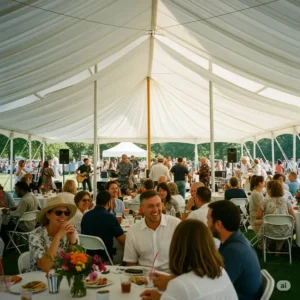
Future Trends and Market Evolution
The tent pavilion industry continues evolving through technological advancement, changing user expectations, and environmental considerations that reshape product development and market dynamics.
Emerging Technology Integration
Smart tent pavilions incorporating integrated sensors and monitoring systems represent the next frontier in temporary structure technology. These systems could monitor structural stress, weather conditions, and occupancy levels while providing real-time alerts for safety and operational concerns. Smartphone integration would enable remote monitoring and control of pavilion systems.
Automated setup systems utilizing hydraulic or pneumatic assistance could reduce labor requirements while improving consistency and safety. Pre-programmed assembly sequences might eliminate human error while enabling single-person operation of larger structures. Advanced materials including shape-memory alloys could enable self-assembling structures that respond to environmental triggers.
Solar power integration through flexible photovoltaic panels built into fabric surfaces could provide electrical independence for lighting, climate control, and electronic systems. Battery storage systems would maintain power availability during nighttime and cloudy conditions while reducing generator noise and emissions for environmentally sensitive venues.
Sustainability and Environmental Considerations
Environmental consciousness drives demand for tent pavilions manufactured from recycled materials and designed for end-of-life recyclability. Bio-based fabric treatments may replace petroleum-derived coatings while maintaining weather resistance and durability characteristics. Manufacturer take-back programs could facilitate proper disposal and material recovery.
Carbon footprint reduction through local manufacturing and distribution networks addresses transportation emissions while supporting regional economies. Life-cycle assessments help quantify environmental impacts while identifying improvement opportunities throughout the product lifecycle from raw materials through disposal.
Sustainable event planning practices increasingly specify environmentally responsible tent pavilions as part of comprehensive green event strategies. Certification programs may emerge to verify environmental claims while providing standardized comparison criteria for environmentally conscious purchasers.
Personalization and Customization Evolution
Mass customization technology enables economical production of personalized tent pavilions featuring custom colors, graphics, and configurations tailored to specific user requirements. Digital printing advances allow complex graphics integration while maintaining durability and weather resistance characteristics.
Modular design systems provide ultimate flexibility through interchangeable components that enable custom configurations using standardized elements. Users could purchase basic pavilion kits and add specialized components for specific applications including kitchen modules, bathroom facilities, or climate control systems.
User-generated design platforms might enable customers to visualize custom pavilions through virtual reality or augmented reality systems before ordering. Artificial intelligence could optimize configurations based on intended use, local climate conditions, and user preferences while ensuring structural integrity and code compliance.
Market Expansion and New Applications
Healthcare applications for tent pavilions continue expanding through pandemic-related temporary facility requirements and mobile medical service delivery. These applications require specialized features including air filtration systems, easy sanitization surfaces, and medical equipment integration capabilities.
Educational markets discover tent pavilions for outdoor classroom applications that extend learning environments while maintaining weather protection. These structures enable social distancing requirements while providing flexible space configuration for varying class sizes and activities.
Emergency response applications increasingly utilize tent pavilions for disaster relief, temporary housing, and emergency command centers. These demanding applications require rapid deployment, extreme weather resistance, and extended service life under harsh conditions while maintaining essential life safety features.
Investment and Purchase Decision Framework
Selecting the optimal tent pavilion requires systematic evaluation of requirements, alternatives, and long-term value considerations that extend beyond initial purchase price comparisons.
Cost-Benefit Analysis Framework
Total cost of ownership calculations should include initial purchase price, setup labor costs, transportation expenses, storage requirements, maintenance supplies, and expected replacement timeline. Professional users should track actual costs per event to determine true operating expenses and inform rental rate calculations.
Benefit quantification includes expanded booking opportunities, weather independence, professional appearance advantages, and guest satisfaction improvements that justify pavilion investments. Revenue analysis should consider increased booking rates, premium pricing opportunities, and reduced venue rental expenses over the pavilion’s service life.
Break-even analysis typically shows ownership advantages after 4-6 equivalent rental events for most quality pavilions. Users with higher frequency requirements achieve faster payback while occasional users may find rental options more cost-effective. The analysis should include opportunity costs of capital investment and storage space requirements.
Implementation Strategy Development
Phased implementation strategies allow users to test pavilion capabilities with smaller initial investments before committing to larger structures. Starting with 10×10 or 10×15 models provides learning opportunities while building experience and confidence for larger pavilion operations.
Training and skill development requirements include setup procedures, safety protocols, and maintenance practices that ensure successful pavilion deployment. Professional training courses or manufacturer workshops can accelerate learning while reducing setup errors and safety risks.
Operational integration involves incorporating pavilions into existing event planning processes, marketing materials, and service offerings. Staff training, insurance reviews, and permit research may be required before beginning commercial pavilion operations.
Budget Planning and Financing Strategies
Quality tent pavilions represent significant investments ranging from $200-1,000+ depending on size and features. Budget planning should consider total system costs including pavilion, setup tools, transportation equipment, and storage solutions required for complete operational capability.
Financing options may include equipment loans, lease-purchase arrangements, or business lines of credit that spread costs over multiple years while preserving working capital for other business needs. Tax considerations including depreciation schedules and equipment deductions should inform financing decisions.
Seasonal timing of purchases can impact costs significantly with end-of-season sales offering substantial savings compared to peak season pricing. Planning purchases during off-seasons enables better selection while avoiding delivery delays common during peak event seasons.
Success Measurement and Performance Tracking
Key performance indicators for tent pavilion investments should include utilization rates, customer satisfaction scores, revenue per event, and total cost per guest served. Tracking these metrics enables optimization of pavilion usage while justifying continued investment in quality equipment.
Customer feedback systems help identify improvement opportunities while documenting value delivered through pavilion features. Guest comfort ratings, weather protection effectiveness, and aesthetic appeal scores provide objective measures of pavilion performance.
Return on investment calculations should consider both direct revenue generation and indirect benefits including brand enhancement, customer retention, and competitive advantages that result from professional pavilion capabilities.
Quick Comparison Tables for Easy Decision Making
Tent Pavilion Size Comparison
| Size | Guest Capacity | Best Applications | Setup Time | Price Range |
|---|---|---|---|---|
| 10×10 | 10-15 people | Small gatherings, vendor booths | 10-15 min | $100-200 |
| 10×15 | 15-25 people | Birthday parties, BBQs | 15-20 min | $150-250 |
| 10×20 | 25-35 people | Graduations, anniversary parties | 20-30 min | $200-400 |
| 10×30 | 40-50 people | Weddings, corporate events | 30-45 min | $300-600 |
| 20×20 | 60-80 people | Large celebrations, festivals | 45-60 min | $500-900 |
Material Quality and Weather Resistance Comparison
| Feature | Budget Models | Mid-Range | Premium |
|---|---|---|---|
| Fabric Weight | 90g/sqm | 100g/sqm | 120g/sqm |
| Waterproof Rating | 1000mm | 2000mm | 3000mm+ |
| UV Protection | Basic | 95% | 99% |
| Frame Thickness | 0.5mm | 0.6mm | 0.7mm+ |
| Wind Resistance | 15 mph | 25 mph | 35+ mph |
| Warranty | 6 months | 1 year | 2-3 years |
Just one click – help others make better buying decisions too!
Setup Requirements and User Compatibility
| Pavilion Size | Minimum People | Skill Level | Setup Time | Tools Required |
|---|---|---|---|---|
| 10×10 | 2 people | Beginner | 10-15 min | Basic hand tools |
| 10×15 | 2-3 people | Beginner | 15-20 min | Basic hand tools |
| 10×20 | 3-4 people | Intermediate | 20-30 min | Hand tools, ladder |
| 10×30 | 4-6 people | Intermediate | 30-45 min | Hand tools, ladder |
| 20×20+ | 6-8 people | Advanced | 45-90 min | Power tools, ladder |
Cost-Benefit Analysis by Usage Frequency
| Annual Usage | Ownership Advantage | Rental Advantage | Break-Even Point |
|---|---|---|---|
| 1-2 events | Limited | Strong | Not recommended |
| 3-5 events | Moderate | Moderate | Year 2-3 |
| 6-10 events | Strong | Limited | Year 1-2 |
| 10+ events | Very Strong | None | 6-12 months |
Don’t Miss These Amazing Tent Pavilion Deals!
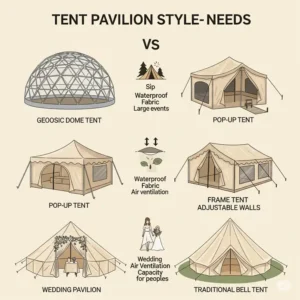
Transform your next outdoor event with these carefully selected tent pavilions. Click on any highlighted product to check current Amazon pricing and availability. These quality structures will create memorable experiences your guests will love for years to come! ⭐
Frequently Asked Questions About Tent Pavilions
❓ How much wind can a tent pavilion safely handle?
❓ What's the typical lifespan of a tent pavilion with regular use?
❓ Can tent pavilions be used in winter conditions?
❓ How many people are needed to set up a 10x20 tent pavilion?
❓ What ground surfaces work best for tent pavilion installation?
Conclusion: Creating Unforgettable Outdoor Experiences
Tent pavilions represent one of the most versatile and cost-effective solutions for creating memorable outdoor events that combine weather protection with natural beauty. Whether you’re planning an intimate family gathering or a grand celebration, these structures provide the foundation for successful outdoor entertaining that your guests will remember for years to come.
The key to tent pavilion success lies in selecting the right size and quality for your specific needs while understanding proper setup and maintenance procedures. Quality models like the BNSPLY 10×30 and Quictent 10×20 series offer professional-grade features at reasonable prices, making them accessible for both occasional users and event professionals.
Investment in a quality tent pavilion pays dividends through expanded event possibilities, weather independence, and the confidence that comes from having reliable outdoor shelter available whenever inspiration strikes. From backyard barbecues to wedding receptions, these versatile structures transform ordinary spaces into extraordinary venues that celebrate life’s special moments.
The future of outdoor entertainment increasingly depends on flexible, high-quality solutions that adapt to changing needs and unpredictable conditions. Tent pavilions deliver this flexibility while maintaining the elegance and sophistication that modern events demand.
Ready to Transform Your Next Outdoor Event?
Don’t let weather uncertainty limit your celebration plans! Click on any of our recommended tent pavilions to secure your outdoor event solution today. Your guests will appreciate the comfort and elegance while you enjoy the peace of mind that comes from proper preparation!
Recommended for You:
- 7 Best Pop Up Tent Mosquito Protection Solutions for Ultimate Bug-Free Camping in 2025
- 7 Best 6×6 Pop Up Canopy Options for Ultimate Outdoor Comfort in 2025
- 7 Best 20×20 Pop Up Tent Options That Actually Work – Ultimate 2025 Guide
Disclaimer: This article contains affiliate links. If you purchase products through these links, we may earn a small commission at no additional cost to you.
✨ Found this helpful? Share it with your friends!
