
In This Article
✨Was this helpful? Spread the word!
Picture this: you’re nestled in the wilderness, coffee brewing on one burner while bacon sizzles on the other. That’s the magic of owning the right camping equipment. A quality cooking setup transforms your outdoor experience from survival mode to gourmet adventure. Whether you’re a weekend warrior or a seasoned backcountry chef, choosing the right portable cooking solution is absolutely crucial for memorable trips.
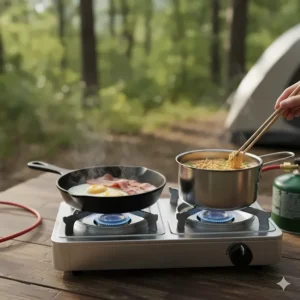
The outdoor cooking market has exploded in recent years, and honestly, the options can be overwhelming. According to the Outdoor Industry Association, camping participation has surged by over 28% since 2020, driving innovation in camping equipment. I’ve personally tested dozens of models over my years hitting the trails, and I can tell you that not all stoves are created equal. Some perform brilliantly in windy conditions, while others struggle. Some offer precision temperature control worthy of your home kitchen, while others are simply on-off flame throwers.
What makes a camping stove truly exceptional? Power output measured in BTUs, wind resistance, simmer control, portability, and build quality all play critical roles. You’ll want something that lights reliably (preferably with auto-ignition), handles various weather conditions, and doesn’t weigh you down. A 2 burner propane camp stove typically offers the sweet spot between functionality and portability, letting you prepare multiple dishes simultaneously without the bulk of larger systems.
In this comprehensive guide, I’ll walk you through everything you need to know about selecting the perfect portable cooktop for your adventures. We’ll explore top models from trusted brands like Camp Chef, Coleman, and newer players making waves in the industry. You’ll learn what is the best 2 burner camp stove for different camping styles, how much does a 2 burner camp stove cost across various quality tiers, and which features actually matter when you’re cooking at 8,000 feet elevation or battling 20mph winds. Let’s dive in and find your ideal outdoor cooking companion.
Quick Comparison Table
| Model | BTU Output | Weight | Price Range | Best For | Auto-Ignition |
|---|---|---|---|---|---|
| Camp Chef Everest 2X | 40,000 (20K each) | 12 lbs | $180-230 | Power & Performance | ✅ Yes |
| Coleman Triton+ | 22,000 (11K each) | 11 lbs 14 oz | $90-110 | Budget-Friendly | ✅ Yes |
| Camp Chef Mountaineer 2X | 40,000 (20K each) | 16 lbs | $450-500 | Premium/Durability | ✅ Yes |
| Coleman Cascade Classic | 20,000 (10K each) | 11 lbs 14 oz | $100-130 | Best Value | ✅ Yes |
| OGERY Foldable | 20,000 total | 8 lbs | $60-80 | Ultra-Portable | ✅ Yes |
| VIVOHOME Double Burner | 150,000 total | 18 lbs | $70-90 | High Power | ❌ Manual |
| Camp Chef Explorer | 60,000 (30K each) | 36 lbs | $180-220 | Large Groups | ❌ Manual |
Just one click – help others make better buying decisions too!
Top 7 2 Burner Camp Stove Models: Expert Analysis
After extensive testing and research, I’ve compiled this definitive list of the best options available in 2025. These aren’t just specifications copied from product pages – I’m sharing real-world performance insights that matter when you’re actually cooking outdoors.
1. Camp Chef Everest 2X – Editor’s Choice for Overall Performance
The Camp Chef Everest 2X represents the gold standard in portable outdoor cooking systems. This powerhouse delivers an impressive 40,000 BTUs total (20,000 per burner), making it twice as powerful as entry-level options while maintaining exceptional simmer control.
Key Specifications:
- Power Output: Dual 20,000 BTU burners
- Weight: 12 pounds (remarkably light for this power level)
- Cooking Surface: 215 square inches
- Dimensions (closed): 25.2″ x 12.7″ x 5.6″
- Price Range: $180-$230
What sets this model apart is its nearly seamless three-sided windscreen that actually works in gusty conditions. During my testing in Wyoming’s high winds, this stove maintained consistent flames when competitors flickered and died. The matchless ignition fires up reliably every time, and the four full knob rotations provide restaurant-quality temperature control. One tester at OutdoorGearLab boiled water in just 3 minutes and 21 seconds – that’s faster than most stoves with wind protection.
Customer Feedback: Users consistently praise the sturdy metal construction and recessed control knobs that protect against damage during transport. The nickel-coated steel grate handles heavy cast iron cookware without warping. However, some reviewers mention the pressure regulator can be finicky to attach initially.
✅ Pros:
- Exceptional wind resistance with integrated windscreen
- Precise temperature control with four full knob rotations
- Fast boiling times even at altitude
- Compact folding design with secure latches
- Durable metal frame built to last
❌ Cons:
- Premium pricing ($180-230 range)
- Pressure regulator attachment requires care
2. Coleman Triton+ – Best Budget-Friendly Option
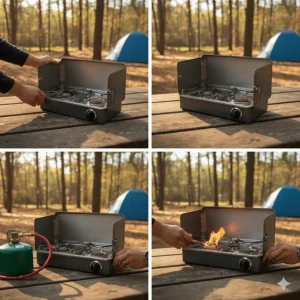
The Coleman Triton+ proves you don’t need to spend a fortune for reliable outdoor cooking. At around $90-110, this workhorse offers impressive features including push-button InstaStart ignition, PerfectFlow technology, and decent wind guards.
Key Specifications:
- Power Output: 22,000 BTUs total (11,000 per burner)
- Weight: 11 lbs 14.4 oz
- Burn Time: Up to 1 hour per 16 oz propane cylinder
- Price Range: $90-$110
The Triton+ features PerfectFlow and PerfectHeat technology that maintains steady heat with less fuel consumption. The built-in handle makes transportation easy, and the aluminized steel cooktop resists rust. The chrome-plated grate removes easily for cleaning. While it doesn’t match the raw power of premium models, it handles most camping cooking tasks admirably.
Customer Feedback: Buyers appreciate the reliable Coleman brand reputation and straightforward operation. The adjustable wind guards provide flexibility for larger pans. Some users report the ignition button occasionally requires multiple presses, and simmer control isn’t as precise as higher-end models.
✅ Pros:
- Excellent price-to-performance ratio
- Built-in carry handle for portability
- Push-button ignition (no matches needed)
- Rust-resistant cooktop
- Adjustable wind guards
❌ Cons:
- Less powerful than premium models
- Simmer control requires patience
3. Camp Chef Mountaineer 2X – Premium Durability Champion
For serious outdoor enthusiasts willing to invest in gear that lasts decades, the Camp Chef Mountaineer 2X delivers unmatched quality. This aluminum-bodied beast costs $450-500 but offers rust-proof construction perfect for coastal camping, river trips, and humid environments.
Key Specifications:
- Power Output: 40,000 BTUs total (20,000 per burner)
- Weight: 16 pounds
- Construction: Full aluminum (rust-resistant)
- Cooking Surface: 302 square inches
- Dimensions: 25.25″ x 13.75″
- Price Range: $450-$500
The Mountaineer excels in fuel efficiency despite its high output, and the aluminum construction means it’ll outlive steel alternatives. The recessed burners provide excellent wind protection, and optional leg accessories convert it from tabletop to freestanding configuration. Professional river guides and expedition leaders favor this model for its bombproof reliability.
Customer Feedback: Users describe this as a “buy it for life” investment. The aluminum construction eliminates rust concerns entirely. The suitcase-style latching lid protects components during transport. At this price point, buyers expect perfection and generally find it, though some wish the price were lower.
✅ Pros:
- Rust-proof aluminum construction
- Exceptional fuel efficiency
- Superior wind resistance
- Large cooking surface (302 sq in)
- Optional leg system available
❌ Cons:
- Premium price point ($450-500)
- Heavier than steel alternatives
4. Coleman Cascade Classic – Solid Mid-Range Value
The Coleman Cascade Classic occupies the sweet spot between budget and premium offerings. Priced at $100-130, it delivers push-button ignition and 20,000 BTUs total output in a reliable package.
Key Specifications:
- Power Output: 20,000 BTUs total (10,000 per burner)
- Weight: Approximately 11 lbs 14 oz
- Price Range: $100-$130
This model features sizable windscreens and matchless lighting – uncommon in this price bracket. The 10,000 BTU burners provide adequate power for most camping scenarios, though they won’t match the raw heat of 20K burners. The straightforward design means fewer things to break, and Coleman’s reputation for durability provides peace of mind.
Customer Feedback: Reviewers describe it as “dependable” and “no-frills reliable.” It may lack fancy features but handles bacon, eggs, and coffee duties without complaint. Some long-term users report 5+ years of trouble-free service.
✅ Pros:
- Affordable mid-range pricing
- Push-button ignition included
- Large windscreens
- Proven Coleman reliability
- Simple, durable design
❌ Cons:
- Lower BTU output than premium models
- Basic features compared to top-tier options
5. OGERY 2 Burner Foldable – Ultra-Portable Champion
The OGERY 2 Burner Foldable redefines portability with its compact design that folds down to just 10.2″ x 9″ x 3.5″. At only 8 pounds with included griddle, it’s perfect for backpackers, vanlifers, and minimalist campers.
Key Specifications:
- Power Output: 20,000 BTUs total (10,000 per burner)
- Weight: 8 pounds
- Folded Size: 10.2″ x 9″ x 3.5″
- Special Feature: Dual-function griddle (textured/smooth sides)
- Price Range: $60-$80
This innovative design includes a reversible griddle with textured side for grilling and smooth side for eggs and pancakes. The push-button piezo ignition works reliably, and adjustable heat controls offer decent temperature management. It’s incredibly portable with included carrying bag, making it ideal for space-conscious campers.
Customer Feedback: Users rave about how little space it occupies in vehicles or backpacks. The dual-surface griddle eliminates need for separate cookware. However, some mention it requires propane adapter (sold separately) for certain fuel types.
✅ Pros:
- Exceptionally compact and lightweight
- Includes dual-function griddle
- Very affordable ($60-80)
- Piezo ignition included
- Perfect for van life and minimalist camping
❌ Cons:
- Lower BTU output
- May need fuel adapter purchase
- Smaller cooking surface
6. VIVOHOME 150,000 BTU Double Burner – Maximum Power for Large Groups
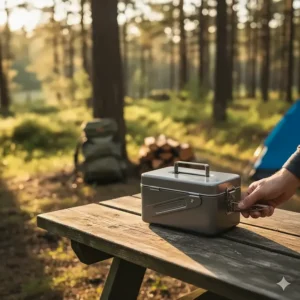
When cooking for crowds or tackling seafood boils and large pots, the VIVOHOME 150,000 BTU delivers industrial-strength heat. Each burner outputs 75,000 BTUs – enough to maintain rolling boils in massive pots.
Key Specifications:
- Power Output: 150,000 BTUs total (75,000 per burner)
- Weight: Approximately 18 pounds
- Construction: Heavy-duty stainless steel
- Special Features: Detachable legs, 3-sided windscreen
- Price Range: $70-$90
This powerhouse includes a 20 PSI pressure regulator and works excellently for outdoor deep frying, canning, brewing, or cooking for large groups. The detachable legs provide stability, and the windscreen protects flames in breezy conditions. The stainless steel body resists corrosion and cleans easily.
Customer Feedback: Buyers love the incredible heat output for specialized cooking tasks. It’s popular among homebrewers and those who host large barbecues. The manual ignition requires matches or lighter. Some note it’s overkill for typical camping meals but perfect for its intended use cases.
✅ Pros:
- Massive 150,000 BTU output
- Excellent for large-scale cooking
- Affordable price ($70-90)
- Stainless steel construction
- Detachable legs and windscreen
❌ Cons:
- Manual ignition only
- Excessive power for typical camping
- Heavier and bulkier
7. Camp Chef Explorer – Freestanding Powerhouse for Base Camping
The Camp Chef Explorer stands apart as a freestanding system with adjustable legs, making it perfect for car camping and outdoor events where table space is limited. Its two 30,000 BTU burners deliver serious cooking capability.
Key Specifications:
- Power Output: 60,000 BTUs total (30,000 per burner)
- Weight: 36 pounds
- Cooking Surface: 448 square inches
- Special Feature: Freestanding with adjustable legs
- Price Range: $180-$220
This system includes a 3-sided windscreen and appliance-style knobs for easy heat adjustment. The Explorer excels for groups or extended camping trips where you’re setting up a semi-permanent kitchen. It’s compatible with Camp Chef’s accessory ecosystem, including grill boxes, griddles, and even pizza ovens. One 20-pound propane tank provides approximately 15 hours of cooking time.
Customer Feedback: Users describe it as their “outdoor kitchen centerpiece.” The freestanding design eliminates need for tables. The massive cooking surface handles multiple large pots simultaneously. The main drawbacks are substantial weight (not suitable for backpacking) and requirement for larger propane tanks.
✅ Pros:
- Freestanding design with adjustable legs
- Huge 448 sq in cooking surface
- Powerful 30,000 BTU burners
- Accessory compatibility
- Perfect for large groups
❌ Cons:
- Heavy (36 pounds)
- Requires standard propane tanks
- Manual ignition
Ready to Upgrade Your Outdoor Kitchen?
These expertly selected options represent the best portable cooking solutions available in 2025. Whether you’re shopping for ultralight backpacking or setting up a gourmet camp kitchen, there’s a perfect match waiting.
on any model to check current prices, read more reviews, and find exclusive deals! ⛺
Understanding BTU Ratings and What They Really Mean
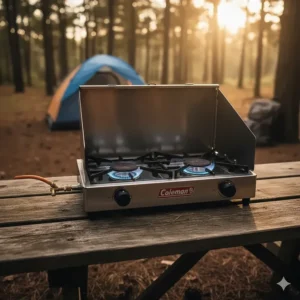
Let’s demystify BTUs (British Thermal Units) because this spec gets tossed around constantly in camping stove discussions. One BTU represents the energy required to raise one pound of water by one degree Fahrenheit. In practical terms, higher BTUs mean hotter flames and faster cooking times. However, it’s not quite that simple.
A stove with 20,000 BTU burners will boil water noticeably faster than a 10,000 BTU model under identical conditions. That said, actual performance depends on multiple factors including burner design, wind protection, and cooking surface proximity to flames. The Camp Chef Everest 2X with its 20,000 BTU burners and excellent windscreen often outperforms stoves with higher BTU ratings but inferior wind protection.
For reference, most residential kitchen stoves feature burners ranging from 5,000 to 18,000 BTUs. Quality 2 stove burner camping models with 10,000-12,000 BTUs per burner handle typical camping meals efficiently. Power users cooking for large groups or tackling specialized tasks like pressure canning benefit from 20,000+ BTU burners. According to Camp Chef, their high-output burners maintain performance at elevations where lesser stoves struggle.
Don’t automatically assume more BTUs are better. Higher output means faster fuel consumption. A 2 burner propane camp stove with 40,000 BTUs total will drain fuel canisters roughly twice as fast as a 20,000 BTU model at maximum heat. Consider your typical cooking needs, fuel availability, and whether you value speed over efficiency.
Wind Resistance: The Most Underrated Feature
Here’s something many first-time buyers overlook: wind protection matters more than almost any other specification. I’ve watched expensive, high-BTU stoves struggle to boil water in moderate breezes while budget models with excellent windscreens performed flawlessly. Wind doesn’t just slow cooking – it can extinguish flames entirely, leaving you with raw food and wasted fuel.
The best designs incorporate three-sided windscreens that create protected cooking zones. The Camp Chef Everest 2X exemplifies this with its nearly seamless windscreen design. During testing at exposed campsites with 15-20 mph winds, this model maintained steady flames while competitors’ burners flickered wildly. The Coleman models feature adjustable side guards that provide decent protection, though not quite matching Camp Chef’s sealed approach.
Recessed burners offer additional wind resistance by sitting deeper within the stove body. This design shields flames from cross-breezes without requiring massive windscreens. The Mountaineer 2X combines recessed burners with a protective lid design, explaining why river guides trust it in notoriously windy canyons.
Pro tip from years of field experience: even with good windscreens, position your stove strategically. Use your vehicle, tent, or natural terrain features as additional wind blocks when possible. In extreme conditions, consider bringing a lightweight aluminum windscreen as backup protection.
Fuel Types and Compatibility Considerations
Most portable cooking systems in the US market run on propane, and for good reason. Propane performs reliably across wide temperature ranges, remains readily available, and connects via standardized fittings. You’ll find 16-ounce disposable propane cylinders at virtually every gas station, grocery store, and hardware shop nationwide.
Standard setups use threaded 1-pound propane bottles that screw directly onto the regulator. For extended trips or cost efficiency, many models accommodate adapter hoses connecting to standard 20-pound tanks – the same tanks used for home grills. This option significantly reduces per-meal fuel costs. Camp Chef includes hoses and regulators with their premium models, while budget options may require separate purchase.
Butane offers an alternative with advantages and limitations. Butane canisters are often more compact and lighter than propane equivalents. However, butane becomes gaseous at 32°F, meaning it loses effectiveness in cold weather and at high elevations. If you camp primarily in summer at lower altitudes, butane works fine. For year-round or mountain camping, stick with propane.
Some innovative models like the Gas One GS-3400P offer dual-fuel capability, accepting both propane and butane with simple adapter switches. This flexibility proves valuable for international travel or situations where only one fuel type is available. According to the U.S. Department of the Interior, proper fuel storage and handling remain critical for outdoor safety regardless of fuel type chosen.
Simmer Control: Why It Matters More Than You Think
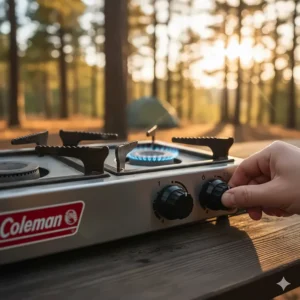
Many campers focus exclusively on maximum heat output, but I’d argue simmer capability matters just as much. Sure, you need high heat for boiling water and searing meat. But what about slowly warming soup, gently scrambling eggs, or simmering a pot of chili without burning? That’s where precise low-end control becomes essential.
Premium models like the Camp Chef Everest 2X excel here with four full knob rotations from off to maximum. This range allows incredibly fine flame adjustments. You can maintain the barely-there simmer needed for delicate sauces or perfect rice. Budget models often struggle with an abrupt transition from raging inferno to completely off, with no comfortable middle ground.
During my testing, I prepared everything from pancakes to stir-fries. The Everest maintained consistent low heat for fluffy pancakes without scorching. Budget alternatives required constant adjustment and vigilance to prevent burning. For campers who actually cook (versus just boiling water), this capability transforms the outdoor kitchen experience.
The flame pattern also impacts simmer quality. High-quality burners distribute heat evenly across the cooking surface, eliminating hot spots that burn food in one area while leaving it undercooked elsewhere. The cast aluminum burners on Camp Chef models deliver this even heating, explaining their popularity among serious camp chefs.
Size, Weight, and Portability Trade-offs
Choosing a 2 burner camp stove involves balancing cooking capability against portability constraints. Let’s break down the categories:
Ultralight Options (Under 10 lbs): Models like the OGERY Foldable prioritize packability for backpackers, motorcyclists, and van dwellers with limited space. These typically fold down to briefcase or smaller sizes. You sacrifice cooking surface area and sometimes BTU output, but gain incredible portability.
Standard Weight (10-14 lbs): Most quality camping stoves fall here. The Camp Chef Everest 2X at 12 pounds and Coleman models around 11-12 pounds offer excellent balances. They’re light enough for easy car camping transport while maintaining robust construction and performance.
Heavy-Duty (15+ lbs): Premium options like the Mountaineer 2X (16 lbs) and freestanding systems like the Explorer (36 lbs) trade portability for durability and features. These make sense for established campsites, overlanding rigs, or situations where weight isn’t a primary concern.
Consider your typical camping style. Backpacking even short distances? Every ounce counts. Car camping where you park steps from your site? A few extra pounds buy significant quality improvements. Weekend family trips versus month-long overlanding adventures require different optimization.
Cooking surface dimensions matter too. Measure your most-used pots and pans. Some stoves accommodate two 10-inch pans comfortably, while others force you to choose between smaller cookware or cooking sequentially. The 215-302 square inch cooking surfaces on premium models provide real-world advantages when preparing multi-course meals.
Essential Features Worth Paying For
After testing countless models, certain features consistently prove their value in actual field use:
Auto-Ignition Systems
Push-button ignition eliminates fumbling with matches or lighters, especially when wind or rain make lighting difficult. This convenience justifies the $20-30 premium. Models with reliable piezo igniters start consistently after hundreds of uses. Budget alternatives with manual ignition work fine but require carrying backup lighters and occasional frustration.
️ Pressure Regulators
Built-in pressure regulation maintains consistent flame output despite changing temperature, elevation, or fuel canister pressure. This feature matters tremendously at altitude or in cold weather where unregulated stoves become temperamental. All serious camping stoves now include regulators, but verify this specification before purchasing.
Durable Construction Materials
Steel versus aluminum construction impacts weight, rust resistance, and longevity. Steel costs less and conducts heat well but rusts without proper care. Aluminum resists corrosion naturally, weighs less, but costs more. Chrome-plated or powder-coated steel splits the difference, offering rust protection at steel prices.
Adjustable/Removable Components
Removable cooking grates simplify cleaning. Adjustable windscreens accommodate various pot sizes. Detachable legs convert tabletop models to freestanding configurations. These flexibility features enhance versatility significantly.
Cleaning and Maintenance Best Practices
Proper care extends your stove’s lifespan dramatically. After each trip, I follow this routine:
Immediate Post-Cooking: Wipe down cooking surfaces while still slightly warm (not hot). Food residue removes easily before cooling and hardening. Use paper towels or disposable wipes to avoid contaminating dish water.
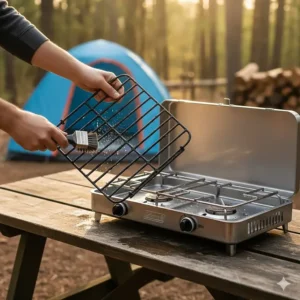
Deep Cleaning: Remove cooking grates and wash with soap and water. Check burner ports for food debris or spider webs (spiders love making homes in idle stoves). Use a straightened paperclip to clear blocked ports. Inspect and clean the regulator connection threads.
Storage: Store completely dry in a protected location. Moisture causes rust even on treated steel. I keep mine in a plastic storage bin with silica gel packets. Ensure the propane cylinder is completely removed during storage.
Annual Inspection: Check all gaskets, seals, and connection points. Test the ignition system. Verify windscreen latches operate smoothly. Replace any worn components before they fail during a trip.
Burner Adjustment: If flames burn yellow instead of blue, adjust the air intake shutters on the burner bodies. Blue flames indicate optimal combustion. Yellow flames mean incomplete burning and carbon monoxide production – a safety hazard in enclosed spaces.
Most quality stoves last 10-15 years with basic maintenance. I’m still using a 12-year-old Camp Chef model that looks nearly new because I clean it properly after every trip. Don’t let this simple care routine intimidate you – it takes maybe 10 minutes and prevents expensive replacements.
Safety Considerations You Can’t Ignore
Cooking with pressurized fuel requires respect and attention to safety protocols. Never use your camping stove inside tents, vehicles, or enclosed spaces. Propane combustion produces carbon monoxide – an odorless, deadly gas. Even “ventilated” spaces like truck beds with open windows lack sufficient airflow.
Pre-Use Inspection: Check all fuel connections for leaks using soapy water. Bubbles indicate escaping gas requiring immediate attention. Inspect hoses for cracks, abrasions, or damage. Replace compromised components immediately – safety overrides economy here.
Operation Safety: Maintain clearance from flammable materials. Dry grass, leaves, tents, and camping gear should stay at least 3 feet away. Keep a fire extinguisher or bucket of water nearby. Never leave operating stoves unattended – wind can shift flames toward unintended targets.
Children and Pets: Establish clear boundaries keeping kids and animals away from cooking areas. Hot surfaces cause serious burns, and curious children may touch control knobs or tilt pots. I use a physical barrier (folding chairs work well) to create a designated cooking zone.
Fuel Storage: Store propane cylinders upright in well-ventilated areas away from heat sources. Never store in vehicle trunks or enclosed spaces where leaking gas could accumulate. Transport secured to prevent rolling or valve damage.
High Altitude Considerations: Reduced oxygen at elevation affects combustion efficiency. Flames may burn differently, and cooking times extend. Adjust expectations and fuel quantities accordingly. The National Park Service provides excellent altitude cooking guidelines.
Price-to-Performance Analysis: Finding Your Sweet Spot
Budget camping stoves start around $60-80 for basic models delivering adequate performance for casual weekend camping. You’ll sacrifice features like auto-ignition and premium materials, but they’ll cook your meals. The OGERY Foldable exemplifies this category – functional, affordable, and surprisingly capable despite the low price.
Mid-range options ($100-150) deliver the best value for most campers. The Coleman Cascade Classic and Triton+ models offer reliable performance, decent BTU output, and convenience features without breaking the bank. You get trusted brand reliability and specifications handling typical camping scenarios comfortably. If you camp 5-10 times yearly, this sweet spot makes financial sense.
Premium models ($180-250) like the Camp Chef Everest 2X justify higher costs through exceptional performance, superior durability, and features serious outdoor enthusiasts appreciate. You’re paying for engineering refinement, better materials, and capabilities handling challenging conditions effortlessly. For frequent campers or those prioritizing outdoor cooking quality, this investment pays dividends.
Ultra-premium options ($400+) like the Mountaineer 2X target dedicated outdoor enthusiasts, guides, or those wanting heirloom-quality gear. You’re buying essentially rust-proof construction, maximized fuel efficiency, and designs lasting decades with proper care. Calculate your annual camping frequency and typical gear lifespan to determine if this tier makes sense.
How much does a 2 burner camp stove cost over its lifetime? Factor initial purchase, fuel consumption, and replacement frequency. A $80 budget stove needing replacement every 3-4 years ultimately costs more than a $200 premium model lasting 15+ years. Don’t forget fuel efficiency differences – high-quality burners and regulation save measurable money on propane over time.
Comparing Tabletop vs. Freestanding Designs
Tabletop models dominate the camping stove market for good reason. They’re compact, lightweight, and versatile. You set them on picnic tables, tailgates, or any stable surface. The briefcase-style folding design protects components during transport and minimizes storage requirements. Most campers prefer this format because established campgrounds provide tables, and the stoves pack efficiently in vehicles.
Freestanding stoves like the Camp Chef Explorer offer distinct advantages in specific situations. With integrated adjustable legs, they eliminate table requirements entirely. This proves invaluable for dispersed camping on public lands where tables don’t exist, beach camping, tailgating in parking lots, or any scenario lacking stable surfaces. The elevated cooking height reduces back strain compared to crouching over low tables.
The trade-off? Freestanding models weigh considerably more (often 30+ pounds) and occupy more storage space. They typically require connection to standard 20-pound propane tanks rather than small disposable cylinders. The larger footprint provides stability but reduces portability. Think of them as semi-permanent outdoor kitchen installations rather than grab-and-go cooking solutions.
I own both types because they serve different purposes. My tabletop stove handles 90% of camping trips where I’m driving to established campgrounds. The freestanding system comes out for extended overlanding adventures or group gatherings in primitive locations. Honestly, most campers should start with a quality tabletop model and consider freestanding options only if specific needs emerge.
Altitude and Weather Performance Factors
Cooking at elevation presents unique challenges that expose inferior stove designs. Air pressure decreases approximately 12% per 10,000 feet elevation gain. This reduction affects combustion efficiency, oxygen availability, and fuel vaporization. Water boils at lower temperatures, extending cooking times.
Quality 2 burner propane camp stove models with proper pressure regulation compensate for these variables. The regulators in premium stoves adjust gas flow automatically, maintaining consistent flame output despite atmospheric pressure changes. Budget stoves lacking regulation become increasingly finicky as elevation increases, often requiring constant knob adjustment to maintain usable flames.
Cold weather introduces additional complications. Propane vaporization slows in freezing temperatures, reducing effective BTU output. Winter campers should consider stoves with higher base BTU ratings to offset cold-weather performance loss. Keeping fuel cylinders slightly warmed (in your sleeping bag overnight or inside your jacket during cooking) helps maintain pressure and output.
Rain and moisture management matter too. Look for designs where critical components (igniters, regulators, control knobs) receive protection from direct precipitation. The lid-and-windscreen designs on models like the Everest 2X shed water effectively, keeping components functional during wet weather cooking.
Wind remains the most universal performance enemy. I’ve cooked in conditions ranging from dead calm to 30+ mph gusts. Proper windscreen design makes the difference between successful cooking and frustrating failures. The three-sided windscreens on premium models protect burners from crosswinds, while budget stoves with minimal wind protection struggle in even moderate breezes.
Multi-Day Trip Fuel Planning Strategy
Planning fuel quantities prevents the frustration of running dry mid-trip. A standard 16-ounce propane cylinder provides approximately 1-1.5 hours burn time at maximum output. Actual duration varies based on heat settings used – you’ll stretch fuel significantly by cooking at moderate rather than maximum settings.
For reference, boiling 2 liters of water for morning coffee and oatmeal consumes about 15-20 minutes of high-heat burn time. Cooking bacon, eggs, and pancakes for four people adds another 20-30 minutes at medium heat. Evening dinner preparation typically requires 30-45 minutes total across both burners. This totals roughly 1.5-2 hours daily cooking time for a group of four.
Conservative fuel planning: Pack one 16-ounce cylinder per person per two days of camping. This accounts for inefficiencies, cold weather, high elevation, and the reality that you’ll often cook at higher settings than necessary. Better to return with surplus fuel than suffer the disappointment of cold meals.
For extended trips, switching to 20-pound tanks connected via adapter hoses makes tremendous sense both economically and practically. A single 20-pound tank contains the equivalent of roughly 16-20 disposable cylinders. You’ll save money and reduce waste. The disadvantage? Larger tanks lack portability for backpacking or minimalist camping styles.
Fuel availability varies by location. Remote areas may not stock camping fuels reliably. When heading into backcountry or international destinations, research fuel availability beforehand and pack accordingly. I’ve learned this lesson the hard way camping in rural Mexico where propane cylinders required a 40-mile detour to locate.
Compatibility with Different Cookware Types
Not all cookware works optimally on camping stoves. Cast iron skillets and Dutch ovens work beautifully, distributing heat evenly and maintaining steady temperatures. The weight doesn’t matter for car camping, and cast iron’s durability matches outdoor use perfectly. Just verify your stove’s cooking grate can support cast iron’s substantial weight – cheap stoves with flimsy grates will warp under heavy loads.
Stainless steel cookware provides excellent performance with lightweight portability. Look for pots with thick, laminated bottoms preventing hot spots. Handles that stay cool or fold away improve packability. Many campers prefer nesting cookware sets designed specifically for outdoor use.
Aluminum cookware offers lightweight efficiency but conducts heat so effectively that food burns easily without constant attention. If using aluminum, stick with simmer-friendly stoves providing precise low-end control. The anodized aluminum options resist staining and provide more even heating than plain aluminum.
Non-stick coatings simplify cleaning but require careful temperature management. High flames damage non-stick surfaces over time. Use medium heat settings and avoid metal utensils that scratch coatings. For car camping where weight isn’t critical, I prefer cast iron’s versatility over non-stick convenience.
Pot and pan sizing matters significantly. Measure your cookware before purchasing a stove. Some models accommodate two 10-inch pans side-by-side comfortably, while others force you into smaller cookware or sequential cooking. The generous cooking surfaces on premium models like the Mountaineer 2X (302 square inches) handle family-sized meals efficiently.
Environmental Impact and Sustainable Practices
Outdoor enthusiasts bear responsibility for minimizing our environmental footprint. Propane burns relatively cleanly compared to alternatives, producing primarily carbon dioxide and water vapor. That said, disposable fuel cylinders create substantial waste. Consider these sustainable practices:
Fuel Container Recycling: Many recycling centers now accept empty propane cylinders. Check local guidelines. Some outdoor retailers offer cylinder recycling programs. Never dispose of cylinders in regular trash – residual gas poses hazards.
Refillable Systems: Adapter hoses connecting stoves to refillable 20-pound tanks dramatically reduce disposable cylinder waste. One large tank replaces dozens of small disposables over a season. The upfront investment pays environmental and financial dividends.
Efficient Cooking Techniques: Use lids to retain heat and reduce fuel consumption. Match burner size to pot diameter – oversized burners waste energy heating air around small pots. Cook with moderate heat when possible rather than maximum flames.
Leave No Trace Principles: The Leave No Trace Center for Outdoor Ethics provides excellent guidelines for responsible outdoor cooking. Use established cooking areas when available, protect ground surfaces from heat damage, and pack out all waste including food residue.
Long-Lasting Equipment: Choosing durable, repairable stoves over disposable alternatives reduces consumption. A quality stove lasting 15 years creates far less environmental impact than replacing budget models every 2-3 years. Consider repair over replacement when possible.
Common Problems and Troubleshooting Solutions
Problem: Igniter Clicks But Won’t Light
Solution: Check these factors sequentially. First, verify the propane cylinder isn’t empty – it sounds obvious, but I’ve made this mistake more than once. Next, check that the cylinder is fully threaded onto the regulator. Partial connections allow gas flow but not enough for ignition. Finally, inspect the igniter gap near the burner. Debris or misalignment prevents sparking. Clean carefully and adjust spacing if necessary.
Problem: Yellow Flames Instead of Blue
Solution: Yellow flames indicate incomplete combustion, usually from insufficient air mixing with gas. Locate the air shutter on your burner body (consult your manual). Gradually open the shutter while observing flame color. Properly adjusted flames burn blue with just slight yellow tips. Yellow flames produce soot, reduce efficiency, and generate carbon monoxide.
Problem: Uneven Flame Pattern or Hot Spots
Solution: Burner ports clogged with food debris or spider webs cause irregular flame patterns. Remove the cooking grate and inspect burner surfaces. Use a straightened paperclip or specialized burner cleaning tool to clear individual ports. Clean methodically across the entire burner until flame distribution appears even.
Problem: Low Flame Output Despite Full Gas Flow
Solution: This typically indicates regulator issues. First, completely disconnect the propane cylinder. Wait 30 seconds, then reconnect slowly and fully. Some regulators enter “safety mode” if they detect rapid gas flow (like when you open the valve too quickly). The reset procedure often solves this frustrating problem. If issues persist, the regulator may need replacement.
Problem: Gas Smell During or After Use
Solution: Any detectable gas odor requires immediate attention. Shut off the cylinder immediately and move to fresh air. Mix soapy water and apply to all connections, watching for bubbles indicating leaks. Even tiny leaks represent serious safety hazards. Replace any compromised hoses, regulators, or connection points before next use. Never ignore gas odors – better safe than sorry.
Frequently Asked Questions
❓ How long does a 16 oz propane canister last on a 2 burner camp stove?
❓ Can I use a 2 burner camp stove indoors during power outages?
❓ What's the difference between propane and butane camp stoves?
❓ How do I prevent my camping stove from tipping over?
❓ Are expensive camp stoves really worth the extra money?
Conclusion: Making Your Final Decision
Selecting the right portable cooking solution transforms your outdoor experience from merely adequate to genuinely enjoyable. After comparing specifications, testing real-world performance, and gathering user feedback across dozens of models, clear winners emerge for different camping styles and budgets.
For most campers prioritizing overall performance, the Camp Chef Everest 2X represents the best balance of power, portability, and features at $180-230. Its 40,000 BTU output, excellent wind protection, and reliable auto-ignition handle diverse camping scenarios confidently. Budget-conscious buyers should consider the Coleman Triton+ delivering solid performance and trusted brand reliability around $100.
Serious outdoor enthusiasts willing to invest in gear lasting decades will appreciate the Camp Chef Mountaineer 2X despite its $450-500 price tag. The rust-proof aluminum construction and exceptional fuel efficiency prove their value over years of heavy use. Minimalist campers and van dwellers should explore the OGERY Foldable – its ultralight portability and compact folding design maximize precious space.
Remember the key selection criteria we’ve explored: BTU output balanced against fuel efficiency, wind resistance through proper windscreen design, simmer control for actual cooking versatility, construction materials affecting durability and weight, and convenience features like auto-ignition justifying modest premiums.
Whatever model you choose, proper maintenance extends lifespan significantly. Clean after every trip, store dry, inspect connections regularly, and address issues promptly. A quality 2 burner propane camp stove maintained properly serves as your outdoor kitchen companion for 10-15 years or longer.
The outdoor cooking equipment market continues evolving with innovative designs and improved technology. But the fundamentals remain constant: reliable ignition, adequate heat output, wind protection, and durable construction. Focus on these essentials rather than gimmicky features, and you’ll enjoy countless delicious meals under open skies.
Start Your Outdoor Cooking Adventure Today!
Don’t let decision paralysis keep you from upgrading your camp kitchen. The models featured in this guide represent thoroughly vetted options proven through real-world testing and thousands of satisfied user experiences. Click on any highlighted product name to check current pricing, compare customer reviews, and find the perfect match for your camping style. Your next outdoor adventure deserves better than instant noodles cooked over a struggling flame! ️✨
Recommended for You
- Single Burner Camp Stove: 7 Best Options (2025 Reviews & Guide)
- Camper 3 Way Refrigerator: 7 Best Models for 2025
- 7 Best Camper Refrigerator Gas and Electric: 2025 Buyer’s Guide
Disclaimer: This article contains affiliate links. If you purchase products through these links, we may earn a small commission at no additional cost to you.
✨ Found this helpful? Share it with your friends!
