

In This Article
There’s nothing quite like the serenity of sleeping under stars, waking up to birdsong, and breathing fresh mountain air. But let me tell you what can turn your perfect camping trip into an itchy nightmare: bugs. Lots and lots of bugs.
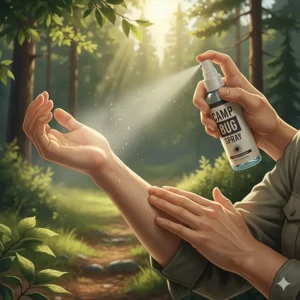
I learned this the hard way during my first solo camping adventure in the Adirondacks. Armed with nothing but optimism and a cheap bottle of “natural” repellent from a gas station, I spent three nights as an all-you-can-eat buffet for mosquitoes, black flies, and what I can only assume were miniature vampires. The experience taught me that when it comes to camp bug spray, not all products are created equal.
Whether you’re planning a weekend car camping trip or a two-week backpacking expedition, the right camp bug spray can mean the difference between blissful outdoor memories and sleepless nights spent scratching. From DEET-based powerhouses to natural alternatives, today’s market offers solutions for every camper’s needs and preferences. The key is understanding what works, when to use it, and how to choose the right formula for your specific camping environment.
Quick Comparison Table
| Product | Active Ingredient | Protection Duration | Best For | Price Range |
|---|---|---|---|---|
| Nantucket Spider Summer Camp | Organic Essential Oils | 2-4 hours | Families, Kids | $12-18 |
| OFF! Deep Woods Dry | 25% DEET | 6-8 hours | General Camping | $8-15 |
| Thermacell Radius Zone Gen 2.0 | Metofluthrin | 6.5 hours/charge | Stationary Camping | $35-45 |
| Sawyer Premium Picaridin | 20% Picaridin | 12-14 hours | Extended Trips | $9-16 |
| Repel 100 | 98% DEET | 10 hours | Extreme Conditions | $6-12 |
| Ben’s 100 Max | 100% DEET | 10 hours | Heavy Infestation | $8-14 |
| US Organic Mosquito Repellent | Certified Organic Oils | 2-3 hours | Eco-Conscious | $10-15 |
💬 Just one click – help others make better buying decisions too! 😊
Top 7 Camp Bug Spray Products: Expert Analysis
1. Nantucket Spider Summer Camp Insect Repellent (8oz)
Let me introduce you to what I call the “family-friendly champion.” Nantucket Spider Summer Camp has earned its reputation as one of the most trusted natural camp bug spray options for parents who want effective protection without harsh chemicals.
Key Specifications:
- 100% organic essential oil blend
- DEET-free, citronella-free formula
- Water-based with fine mist sprayer
Price: $16-18 for 8oz bottle
This spray combines rosemary, geranium, cedarwood, peppermint, spearmint, lemongrass, and clove oils in a carefully balanced formula. According to independent lab testing, it achieved 98-100% effectiveness against mosquitoes and biting flies. The water-based formula eliminates that greasy feeling you get with many natural repellents, and the lockable trigger sprayer prevents accidental discharge in your pack.
Parents particularly appreciate that it’s safe for kids of all ages and can be applied to hair, skin, and clothing without causing stains or damage. The light, refreshing scent is a pleasant bonus – no one wants to smell like a chemistry experiment around the campfire.
✅ Pros:
- Safe for entire family including young children
- No greasy residue or strong chemical smell
- Made from certified organic ingredients
❌ Cons:
- Requires more frequent reapplication (every 2-3 hours)
- Premium price point compared to DEET products
Customer Feedback: Campers consistently praise the pleasant smell and skin-friendly formula. One reviewer mentioned using it throughout a two-week Canadian camping trip with excellent results, though she noted needing to reapply after swimming or heavy activity.

2. OFF! Deep Woods Dry Insect Repellent (4oz Aerosol, 2-Count)
When you need reliable protection that won’t break the bank, OFF! Deep Woods has been the go-to camp bug spray for outdoor enthusiasts for decades. This isn’t a product that reinvents the wheel – it’s simply proven technology that works.
Key Specifications:
- 25% DEET formulation
- Powder-dry, non-greasy feel
- Aerosol delivery for easy application
Price: $10-13 for 2-pack
The 25% DEET concentration hits the sweet spot recommended by the CDC for most camping situations. It provides 6-8 hours of protection against mosquitoes, ticks, biting flies, gnats, and chiggers. The powder-dry formula sets this apart from standard DEET sprays – you get full protection without that sticky, oily feeling that makes you want to shower immediately.
The aerosol can allows for even application at a 6-8 inch distance, ensuring thorough coverage without waste. It’s particularly effective against mosquitoes that may carry West Nile virus, Zika, or Dengue fever, making it ideal for camping in areas with disease-carrying insects.
✅ Pros:
- Long-lasting protection (6-8 hours)
- Powder-dry formula feels comfortable on skin
- Affordable and widely available
❌ Cons:
- Contains DEET (some prefer natural alternatives)
- Aerosol cans not airline-friendly for carry-on
Customer Feedback: Hunters and fishermen swear by this formula. Multiple reviews mention using it in heavily wooded areas during peak mosquito season with zero bites. The dry feel is consistently praised by those who’ve tried greasier alternatives.
3. Thermacell Radius Zone Mosquito Repellent Gen 2.0
Here’s where things get interesting. Thermacell Radius Zone isn’t a spray at all – it’s a rechargeable device that creates a 15-foot zone of protection around your campsite. Think of it as a force field against mosquitoes.
Key Specifications:
- Rechargeable lithium-ion battery (6.5 hours per charge)
- Heat-activated metofluthrin repellent
- EPA-reviewed and independently tested
Price: $38-45
This device uses heat-activated technology to diffuse repellent into the air, creating an invisible barrier that mosquitoes won’t cross. Unlike traditional camp bug spray, you don’t apply anything to your skin. Just press the button, and within 15 minutes, you have maximum protection. The compact design (smaller than a water bottle) makes it perfect for car camping, tailgating, or establishing a bug-free zone at your picnic table.
The included 12-hour refill cartridge is scent-free and doesn’t produce smoke or flames. It’s rechargeable via USB, making it convenient for multi-day camping trips if you have a solar charger or power bank. The device is TSA-compliant, so you can bring it on flights to camping destinations.
✅ Pros:
- No spray or lotion on skin
- Covers entire camping area (15-foot radius)
- Rechargeable and reusable
❌ Cons:
- Higher upfront cost
- Requires replacement cartridges
- Less effective in windy conditions
Customer Feedback: RV campers and family campers love this device. One Florida camper mentioned it transformed their lakeside camping experience, allowing them to enjoy evenings outdoors without constant swatting. Several reviews note it’s perfect for stationary activities but less practical for hiking.
4. Sawyer Premium Picaridin Insect Repellent (3oz Pump Spray, 2-Pack)
For backpackers and long-distance hikers who need maximum protection with minimal weight, Sawyer Picaridin represents the gold standard. This is the camp bug spray that thru-hikers on the Appalachian Trail recommend to each other.
Key Specifications:
- 20% Picaridin concentration
- Up to 12-14 hours protection
- Won’t damage gear or synthetic fabrics
Price: $13-16 for 2-pack
Picaridin is a synthetic compound developed in the 1980s that rivals DEET’s effectiveness without the drawbacks. The CDC recognizes picaridin as one of the most effective repellents available, particularly for extended outdoor exposure. Unlike DEET, picaridin won’t melt plastic, damage fishing line, or harm synthetic fabrics – crucial for backpackers carrying technical gear.
The 20% concentration provides up to 14 hours of protection against mosquitoes, ticks, and biting flies. It has a mild, nearly odorless scent and doesn’t leave skin feeling sticky or greasy. The pump spray bottle gives you precise control over application, preventing waste and ensuring you carry only what you need.
✅ Pros:
- Longest protection duration (12-14 hours)
- Safe for all fabrics and gear
- Odorless and non-greasy
❌ Cons:
- Slightly more expensive than DEET options
- May need to order online (less common in stores)
Customer Feedback: Serious backpackers consistently rate this as their #1 choice. Multiple reviews mention completing entire days on the trail with a single morning application. One PCT hiker mentioned it was the only repellent that held up during 14-hour hiking days in Oregon’s mosquito-infested wilderness.
5. Repel 100 Insect Repellent (1oz Pump Spray)
When mosquitoes are so thick you can barely see through them, when you’re camping in the Amazon, the Everglades, or northern Canada during blackfly season, you need Repel 100. This is not your everyday camp bug spray – it’s emergency-level protection.
Key Specifications:
- 98.11% DEET (maximum available concentration)
- 10-hour protection in severe conditions
- Travel-size 1oz bottle
Price: $7-10
This formula contains the highest DEET concentration available to consumers. The Environmental Protection Agency has evaluated and registered it for use in extreme insect conditions where anything less simply won’t cut it. It’s designed for environments with heavy mosquito, tick, and biting fly populations where disease transmission risk is high.
The flip-top cap prevents accidental spraying, and the 1-ounce size is perfect for emergency backup in your backpack. While 98% DEET might seem like overkill for a weekend campout, if you’re heading to tropical locations, swampy areas, or anywhere with aggressive insect populations, this concentration provides peace of mind that lasts all day.
✅ Pros:
- Maximum DEET concentration for extreme conditions
- Compact size for easy packing
- 10-hour protection guarantee
❌ Cons:
- Strong chemical smell
- Can damage synthetic materials and plastics
- Not suitable for young children
Customer Feedback: Travelers to mosquito-heavy international destinations swear by this product. Reviews mention successful trips to Costa Rica, the Amazon, and Alaska where other repellents failed. One user called it “nuclear bug spray” – and meant it as high praise.

6. Ben’s 100 Max DEET Tick & Insect Repellent (1.25oz)
Made and tested in the backwoods of New Hampshire, Ben’s 100 brings rugged reliability to camp bug spray. This is the formula that adventure racers, wilderness guides, and backcountry rangers keep in their kits.
Key Specifications:
- 100% DEET maximum strength
- Up to 10 hours protection
- Ultralight 1.25oz travel size
Price: $9-12
Ben’s reputation was built in the notoriously buggy forests of New England, where tick-borne Lyme disease is a serious concern and mosquitoes can drive even experienced outdoorspeople insane. The 100% DEET formula provides the longest-lasting protection against ticks and mosquitoes that may carry Lyme disease, Zika virus, West Nile virus, and dengue fever.
What sets Ben’s apart is the water-based formula rather than alcohol-based. Water evaporates more slowly than alcohol, resulting in longer-lasting effectiveness. It also reduces the strong smell typically associated with high-DEET products. The compact size won’t weigh down your pack, and the pump spray gives you control over application.
✅ Pros:
- Maximum tick protection
- Water-based formula lasts longer
- Ultralight and packable
❌ Cons:
- Highest DEET concentration (not for sensitive skin)
- Can damage certain materials
- Requires careful application around face
Customer Feedback: Hikers in tick-heavy regions consider this essential gear. One Connecticut hiker mentioned using it religiously during peak tick season and never finding a single tick after dozens of wooded hikes. Several reviews praise the reduced smell compared to other 100% DEET products.
7. US Organic Mosquito Repellent Anti Bug Spray (4oz)
For eco-conscious campers who want certified organic protection, US Organic Mosquito Repellent delivers genuine effectiveness in a truly natural formula. This isn’t greenwashing – it’s the real deal.
Key Specifications:
- USDA Certified Organic ingredients
- Soybean oil, castor oil, and essential oil blend
- Alcohol-free, DEET-free formula
Price: $12-15
This certified organic spray combines soybean oil, castor oil, lemongrass, citronella, cedar, rosemary, peppermint, geranium, and lavender oils. The largest pest product lab in the U.S. tested it and found 98-100% repellence against yellow fever mosquitoes. The Leaping Bunny certification confirms it’s cruelty-free and never tested on animals.
The herbal scent is pleasant and refreshing rather than medicinal. The fine mist pump spray distributes evenly without leaving sticky residue. It’s safe for kids, expectant mothers, and elderly family members. The formula moisturizes skin rather than drying it out, making it comfortable for extended wear during all-day outdoor activities.
✅ Pros:
- Certified organic and cruelty-free
- Pleasant herbal scent
- Safe for sensitive skin and all ages
❌ Cons:
- Shorter protection time (2-3 hours)
- More expensive per ounce than conventional sprays
- May need multiple bottles for long trips
Customer Feedback: Families with young children consistently praise this option. One reviewer mentioned using it for her toddler during a week-long camping trip in Michigan with no bites. Several eco-conscious campers appreciate supporting a small business with genuine sustainable practices.
✨ Don’t Miss These Exclusive Deals!
🔍 Take your camping comfort to the next level with these carefully selected products. Click on any highlighted item to check current pricing and availability on Amazon. These protection solutions will help you create authentic outdoor memories your family will love!
Understanding Camp Bug Spray: What Makes It Different?
Camp bug spray isn’t just insect repellent with a catchy name. The camping environment presents unique challenges that require specific formulations and application strategies. Understanding these differences helps you choose the right product and use it effectively.
Traditional bug sprays designed for backyard barbecues might work for a couple of hours, but camping exposes you to insects for extended periods – often 12-16 hours daily. You’re not just sitting on a porch; you’re hiking through brush where ticks wait, sleeping near standing water where mosquitoes breed, and cooking food that attracts various flying pests. The intensity and duration of exposure demand more robust protection.
Temperature variations also affect camp bug spray performance. Morning dew, afternoon heat, and evening humidity all impact how long protection lasts. Sweat from physical activity, swimming in lakes or streams, and rain can wash away repellents. Quality camping formulas account for these factors with longer-lasting ingredients and water-resistant technologies.
The Bug Threat Spectrum at Campsites
Different camping locations host different insect populations. Wooded areas bring ticks and deer flies. Wetlands mean mosquitoes and no-see-ums. Mountain meadows attract horseflies. Understanding your camping environment helps you select appropriate protection levels.
According to the CDC, mosquitoes pose the greatest disease transmission risk to campers, potentially carrying West Nile virus, Zika, and several types of encephalitis. Ticks present the second-largest threat, particularly in northeastern and midwestern states where Lyme disease is endemic. Black flies and biting midges don’t typically transmit diseases but can make camping miserable with their aggressive biting behavior.
DEET vs Natural: The Great Camp Bug Spray Debate
This question divides camping communities more than debates about sleeping bag temperature ratings or whether hot dogs qualify as campfire cuisine. Let’s examine both sides objectively, because the right answer depends on your specific situation.
DEET: The Proven Powerhouse
DEET (N,N-diethyl-meta-toluamide) has protected outdoor enthusiasts for over 70 years. The U.S. military developed it in 1946 for jungle warfare, and it remains the most studied insect repellent in existence. More than 30% of Americans use DEET-based products annually.
How DEET Works: DEET doesn’t actually repel insects in the traditional sense. Instead, it interferes with neurons and receptors on mosquito antennae that detect chemicals like lactic acid and carbon dioxide that we exhale. Essentially, DEET makes you invisible to bugs by jamming their detection systems.
Concentration Matters: Higher DEET percentages don’t provide stronger protection – they provide longer duration. A 10% DEET formula protects for about 2 hours, while 30% lasts 5-6 hours, and 98-100% concentrations can protect for 10+ hours. The CDC recommends 20-30% DEET for most camping situations.
Safety Concerns: Despite decades of use by millions of people, DEET remains controversial. The EPA has concluded that DEET poses no health concerns when used as directed. Rare adverse reactions occur, usually from misuse like ingestion or applying to damaged skin. DEET can damage plastics, synthetic fabrics, and certain finishes, so keep it away from gear.
Natural Alternatives: Gentler but Shorter-Lasting
Natural repellents use plant-derived compounds that insects find unpleasant or confusing. These formulas appeal to families with young children, people with sensitive skin, and environmentally conscious campers.
Oil of Lemon Eucalyptus (OLE): The only natural ingredient that the CDC considers comparable to DEET. At 30% concentration, OLE provides 6 hours of protection. Important note: pure lemon eucalyptus essential oil is different from OLE and hasn’t been tested for effectiveness. Don’t substitute one for the other.
Picaridin: Technically synthetic but modeled after a natural compound from black pepper plants. It matches DEET’s effectiveness without the smell or material damage issues. The Environmental Working Group ranks 20% picaridin products highly for both safety and efficacy.
Essential Oil Blends: Products combining citronella, cedarwood, peppermint, and other oils can provide 2-4 hours of protection. They require more frequent reapplication but offer pleasant scents and feel comfortable on skin. Effectiveness varies significantly between brands and formulations.
How to Choose the Right Camp Bug Spray
Selecting the perfect camp bug spray feels overwhelming when facing dozens of options at the outdoor store. Here’s a systematic approach that takes the guesswork out of your decision.
Step 1: Assess Your Camping Environment
Forest and Woodland Camping: Prioritize tick protection. Look for at least 20% DEET or 20% picaridin, which the CDC confirms as effective against ticks. Spray clothing and check for ticks daily, especially around waistbands, socks, and hairlines.
Wetland and Lakeside Camping: Mosquitoes rule these environments. Both DEET and natural alternatives work well. Consider a spatial repellent device like Thermacell for stationary activities around camp, supplemented with personal spray for hiking and activities.
High-Altitude Mountain Camping: Bug pressure typically decreases above 8,000 feet, but you’ll still encounter them near water sources and in tree line areas. A lighter, natural formula often suffices. Pack something stronger just in case conditions surprise you.
Desert Camping: Fewer bugs overall, but biting flies can be brutal during certain seasons. Mid-range DEET products (15-25%) or picaridin provide adequate protection without overkill.
Step 2: Consider Your Group’s Needs
Families with Young Children: Natural formulas or low-concentration DEET (10-15%) work well. The CDC approves DEET for children over 2 months old, but many parents prefer starting with natural options. Never use DEET on infants under 2 months.
Solo Backpackers: Weight and duration matter most. Picaridin offers the best protection-to-weight ratio. A single 3-ounce bottle can last a week-long trip with proper application.
Car Campers: Weight isn’t a concern, so bring multiple options. Pack a strong DEET or picaridin spray for day hikes, a natural formula for around camp, and a spatial repellent device for stationary activities.
Step 3: Match Protection Duration to Activity Length
Short Day Trips (4-6 hours): Natural repellents or 10-15% DEET work fine. Reapplication is easy when you’re not far from your vehicle.
All-Day Adventures (8-12 hours): 20-30% DEET or 20% picaridin products provide reliable all-day protection with one or two applications.
Multi-Day Wilderness Trips: Pack maximum-strength formulas (30-98% DEET or 20% picaridin). You might not reapply as often, and long-lasting protection is crucial when you’re days from civilization.
Application Techniques for Maximum Protection
Even the best camp bug spray fails if applied incorrectly. I’ve watched campers spray a cloud around themselves and wonder why bugs still bite. Here’s how to apply repellent effectively for genuine protection.
The Proper Spray Method
For Exposed Skin:
- Hold the can 6-8 inches from skin
- Spray in a slow, sweeping motion
- Use your hands to spread the repellent evenly
- Don’t oversaturate – a light, even coating works best
- Never spray directly on face – spray hands first, then carefully apply
For Clothing:
- Spray outer surfaces before putting clothes on
- Pay special attention to pant cuffs, shirt collars, and hat brims
- Let clothing dry before wearing
- Hang treated clothes outside overnight to air out strong smells
Critical Application Zones:
- Ankles and lower legs (prime tick territory)
- Behind knees and elbows
- Back of neck and ears
- Wrists and hands (if not wearing gloves)
Timing and Reapplication Strategy
Apply camp bug spray 15-30 minutes before heading into bug territory. This gives the repellent time to bind to your skin properly. Don’t wait until you’re already getting bitten – by then, mosquitoes have found you and won’t give up easily.
Reapplication depends on the product concentration and your activity level. General guidelines:
- Natural formulas: every 2-3 hours
- 10-15% DEET: every 4-5 hours
- 20-30% DEET or picaridin: every 6-8 hours
- 98-100% DEET: once daily
Swimming, heavy sweating, or rain requires immediate reapplication. Water-resistant formulas help, but they’re not waterproof. If you start getting bites, reapply immediately even if it hasn’t been the full recommended time.
Layered Protection: Beyond Just Spray
Camp bug spray works best as part of a comprehensive protection strategy. Think of it like wilderness first aid – you don’t rely on just one supply, you build redundant systems.
Physical Barriers
Clothing as Your First Defense: Light-colored, tightly-woven fabrics make it harder for mosquitoes to penetrate and help you spot ticks. Long sleeves, long pants tucked into socks, and a wide-brimmed hat dramatically reduce exposed skin. Yes, you’ll be warmer, but you’ll also avoid dozens of bites.
Permethrin-Treated Gear: Permethrin is an insecticide that bonds to fabric and remains effective through multiple washings. The CDC strongly recommends treating camping clothes, shoes, tents, and sleeping bag shells with 0.5% permethrin. Apply it yourself or buy pre-treated gear. Never apply permethrin directly to skin.
Mosquito Netting: For car camping, a mesh canopy over your picnic table creates a bug-free dining area. Head nets work wonderfully during peak bug times on the trail. For tent camping in extreme bug pressure, look for tents with fine-mesh netting (at least 156 holes per square inch).
Environmental Management
Campsite Selection: Choose sites away from standing water where mosquitoes breed. Look for breezy locations – mosquitoes struggle to fly in winds above 10 mph. Avoid camping near marshes, ponds, or slow-moving streams at dawn and dusk when mosquitoes are most active.
Eliminate Standing Water: Empty any containers that collect water. Even bottle caps can become mosquito nurseries. Change water in pet bowls daily. If car camping with an RV, ensure proper drainage around your site.
Special Situations: Adapting Your Protection Strategy
Not all camping trips are created equal. Here’s how to adjust your camp bug spray approach for specific scenarios.
Backpacking and Thru-Hiking
Weight matters when you’re carrying everything on your back for days or weeks. Small bottles of concentrated picaridin or high-DEET formulas give you maximum protection with minimum pack weight. Treat your base layer clothing with permethrin before your trip – it’ll last several washes and reduce the amount of spray you need to carry.
Many long-distance hikers swear by the “pants and long sleeves” approach, using minimal repellent and relying primarily on permethrin-treated clothes. One PCT hiker told me he got through Oregon with just one 3-ounce bottle of picaridin by combining it with treated clothing and smart camping habits.
Family Camping with Children
Kids present unique challenges. They run, play, touch everything, and put hands in mouths without thinking. Natural repellents work well for younger children, though you’ll reapply more frequently. For children over 3, the CDC approves oil of lemon eucalyptus products. DEET is safe for children over 2 months, but keep concentrations at 30% or lower.
Apply repellent to your own hands first, then spread it on the child. Never let children apply repellent themselves. Avoid their hands (which go in mouths), around eyes, and any cuts or irritated skin. At bedtime, wash treated skin with soap and water.
Winter and Cold-Weather Camping
Surprised that bugs exist in cold weather? So was I until a November camping trip where biting midges drove me insane at dusk. Some insects remain active into late fall, and certain black fly species emerge in early spring when snow still covers the ground. Keep a small bottle of repellent handy even during shoulder seasons.
International Camping and Jungle Environments
Tropical locations often harbor disease-carrying mosquitoes that make bug protection life-or-death serious. The CDC recommends at least 20% DEET or picaridin for travel to areas with malaria, dengue, or Zika. Consider bringing maximum-strength formulas and permethrin-treated clothing. Check CDC travel advisories for your specific destination.
Camp Bug Spray and Environmental Impact
The outdoor community values environmental stewardship, yet we use chemicals to repel insects. This creates understandable tension. Let’s examine the environmental implications honestly and explore how to minimize your impact.
DEET’s Environmental Profile
DEET breaks down relatively quickly in the environment. Soil microorganisms degrade it within days to weeks, and sunlight helps break it down in water. However, DEET can accumulate in waterways near popular recreation areas. Studies have detected DEET in streams draining campgrounds at concerning levels.
Minimize Impact:
- Apply repellent away from water sources
- Wait 30 minutes after application before swimming
- Wash treated skin thoroughly at end of day
- Dispose of empty containers properly, never burn them
Natural Repellent Considerations
Natural doesn’t automatically mean environmentally benign. Essential oils require significant plant material to produce, raising sustainability questions. Some natural ingredients also affect aquatic ecosystems. The advantage is faster environmental breakdown compared to synthetic chemicals.
The Bigger Picture
Insect repellent use is a tiny fraction of the chemicals we introduce to wilderness areas. Sunscreen, soap, and food waste likely cause more environmental concern. Use what keeps you safe, but use it thoughtfully and sparingly.
Storage and Shelf Life: Getting the Most from Your Investment
Camp bug spray doesn’t last forever, and improper storage can render it useless when you need it most. Here’s how to maintain effectiveness between trips.
Proper Storage Conditions
Store repellents in cool, dry places away from direct sunlight. Heat degrades active ingredients over time. The glove compartment of your car – where many people keep camping supplies – is actually one of the worst storage locations. Summer temperatures can exceed 150°F in cars, breaking down repellent compounds.
Ideal storage temperature is 50-75°F. A basement, closet, or garage (in moderate climates) works well. Keep bottles tightly sealed – evaporation reduces concentration and effectiveness.
Shelf Life by Product Type
DEET-based products: 3-5 years if stored properly. Check for separation or changes in color or smell.
Picaridin formulas: 2-3 years typical shelf life. These often have “use by” dates printed on bottles.
Natural/essential oil repellents: 1-2 years maximum. Essential oils oxidize and lose effectiveness faster than synthetic compounds.
Permethrin treatments: Treated clothing maintains effectiveness for 6 weeks or 6 washes, whichever comes first.
When in doubt, replace it. An expired or degraded repellent provides false security that’s worse than no repellent at all.
Troubleshooting Common Camp Bug Spray Problems
Even experienced campers encounter repellent issues. Here are solutions to the most common problems.
Problem: Still Getting Bitten Despite Using Repellent
Solution: Check your application coverage. Mosquitoes are opportunistic and will find any untreated patch of skin. Pay special attention to ankles, behind ears, and back of neck. Also consider that you might have applied too lightly – a visible sheen on skin indicates proper coverage.
Problem: Repellent Smells Terrible
Solution: DEET and high-concentration formulas naturally have strong odors. Ben’s water-based formulas smell less than alcohol-based products. If scent bothers you significantly, switch to picaridin (nearly odorless) or natural formulas with essential oils you find pleasant.
Problem: Skin Feels Sticky and Greasy
Solution: Look for “dry” or “powder-dry” formulations like OFF! Deep Woods Dry. These use different delivery systems that don’t leave residue. Alternatively, apply repellent to clothing instead of skin. Let it dry completely before dressing.
Problem: Repellent Damaged Gear or Clothing
Solution: DEET dissolves certain plastics and synthetic materials. Keep it away from sunglasses, watch crystals, synthetic tent fabrics, and fishing line. Use picaridin instead – it doesn’t damage materials.
Price vs Performance: Finding Value in Camp Bug Spray
The camp bug spray market ranges from $5 drugstore bottles to $40 premium devices. Does price correlate with effectiveness? Sometimes, but not always.
Budget Options ($5-15)
Generic DEET products from major retailers provide solid protection at low cost. OFF! and Repel brand DEET sprays work as well as any fancy formula at a fraction of the price. For occasional campers making 2-3 trips per year, these represent excellent value.
Best Budget Choice: OFF! Deep Woods in multi-packs offers proven protection at under $5 per bottle.
Mid-Range Options ($15-25)
This price point includes quality picaridin products, natural formulas with certified organic ingredients, and combination protection systems. You’re paying for better smell, longer duration, or specific features like gear-safe formulas.
Best Mid-Range Choice: Sawyer Picaridin provides 12-14 hour protection without DEET’s drawbacks for about $7 per 3-ounce bottle.
Premium Options ($25-50)
Spatial repellent devices like Thermacell and premium natural formulas occupy this category. Higher prices reflect rechargeable technology, organic certification, or zone protection systems. These make sense for frequent campers who value convenience or families prioritizing natural ingredients.
Best Premium Choice: Thermacell Radius Zone transforms camping comfort for groups and families despite the higher investment.
Top 7 Camp Bug Spray Comparison: Specifications & Value
| Feature | Nantucket Spider | OFF! Deep Woods | Thermacell | Sawyer Picaridin | Repel 100 | Ben’s 100 | US Organic |
|---|---|---|---|---|---|---|---|
| Active Ingredient | Essential Oils | 25% DEET | Metofluthrin | 20% Picaridin | 98% DEET | 100% DEET | Organic Oils |
| Duration | 2-4 hrs | 6-8 hrs | 6.5 hrs | 12-14 hrs | 10 hrs | 10 hrs | 2-3 hrs |
| Kid Safe | Yes (all ages) | Yes (2+ months) | Yes | Yes (2+ months) | Not <12 | Not <12 | Yes (all ages) |
| Gear Safe | Yes | No | N/A | Yes | No | No | Yes |
| Water Resistant | Moderate | Good | N/A | Excellent | Good | Good | Light |
| Reusable | No | No | Yes | No | No | No | No |
❓ FAQ: Everything You Need to Know About Camp Bug Spray
❓ Can I use expired camp bug spray?
❓ Is 100 percent DEET camp bug spray safe for overnight camping trips?
❓ How long does picaridin camp bug spray last compared to DEET?
❓ What's the best natural camp bug spray for families with babies?
❓ Does camp bug spray work on ticks and mosquitoes equally?
Conclusion: Your Perfect Camp Bug Spray Awaits
After testing dozens of products and spending hundreds of nights outdoors, I’ve learned that the perfect camp bug spray doesn’t exist – instead, there’s a perfect spray for each camping situation. The weekend family camper needs something different from the solo backpacker tackling the Continental Divide Trail.
For most camping scenarios, I recommend keeping multiple options in your gear arsenal. A mid-range DEET or picaridin spray (like Sawyer Picaridin or OFF! Deep Woods) handles the majority of situations effectively. Add a natural alternative like Nantucket Spider for lighter bug pressure or family use. If car camping regularly, invest in a Thermacell device to create bug-free zones around camp.
The most important lesson? Don’t wait until mosquitoes are feasting on you to start researching protection options. Choose your products before trip planning begins, test them at home to ensure no skin sensitivity, and pack them where you can easily access them at the trailhead. Nothing ruins outdoor memories faster than bug bites that could have been prevented.
Remember that camp bug spray is just one component of comprehensive protection. Combine it with permethrin-treated clothing, smart campsite selection, and protective clothing for maximum effectiveness. Your comfort and safety outdoors depends on thoughtful preparation, not just spraying something and hoping for the best.
Now get out there and enjoy nature without becoming nature’s snack bar. Your next camping adventure awaits – bug-free and comfortable.
Recommended for You
- 7 Best Blinds for Camper 2025: Ultimate UV Protection Guide
- 15 Best Make Ahead Camping Meals for 2025 | Easy Pre-Made Options
- 7 Best Camper Water Tanks 2025 | Expert Reviews & Buying Guide
Disclaimer: This article contains affiliate links. If you purchase products through these links, we may earn a small commission at no additional cost to you.
✨ Found this helpful? Share it with your friends! 💬🤗
