
In This Article
Why Your Camper Tires Need Protection
Do you remember the last time you had to replace your camper tires? If you’re like most RV enthusiasts, that memory probably comes with a hefty price tag attached. I’ve been there too, wincing at the cost of new tires after discovering my previous set had deteriorated far sooner than expected.
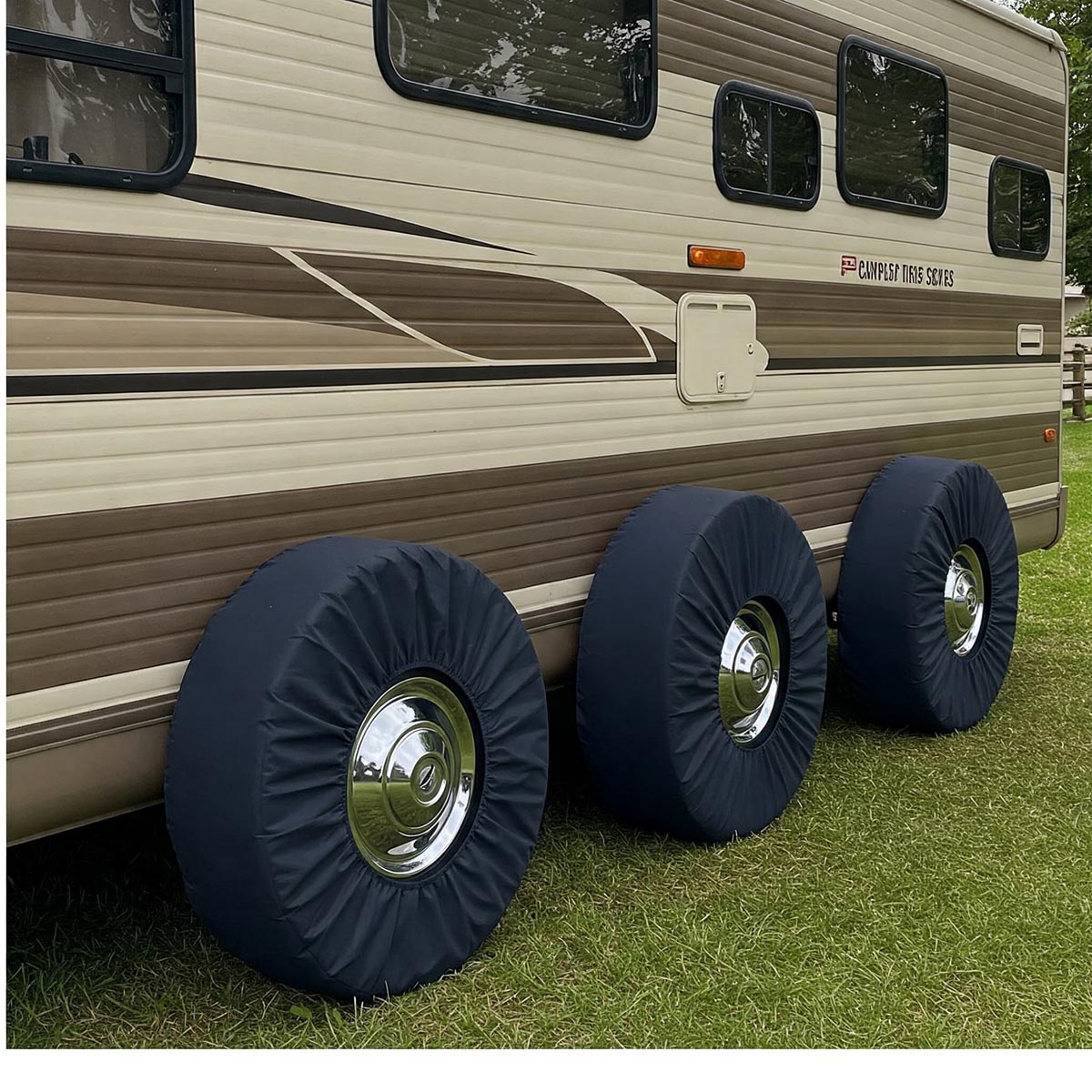
Camper tire covers might seem like an optional accessory, but they’re actually one of the smartest investments you can make for your recreational vehicle. These protective shields serve as the first line of defense against the elements that silently damage your tires day after day.
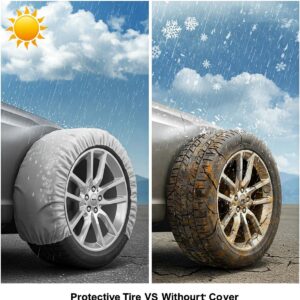
The truth is, UV rays, moisture, and temperature fluctuations are constantly working to degrade your tire rubber, even when your camper is parked. This degradation happens so gradually that many owners don’t notice until it’s too late – when cracks appear, or worse, when a tire fails during travel.
As someone who has experienced both the frustration of premature tire replacement and the peace of mind that comes with proper protection, I’m excited to share everything you need to know about camper tire covers. In this comprehensive guide, we’ll explore how these simple protective accessories can extend the life of your tires, save you money in the long run, and keep you safer on the road.
Understanding Why Camper Tire Covers Are Essential
The Silent Enemies of Your RV Tires ⚠️
Before diving into specific camper tire covers, it’s important to understand exactly what they’re protecting against:
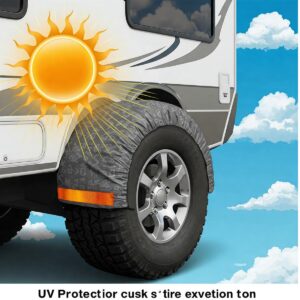
✅ UV Radiation Damage – Ultraviolet rays from the sun break down the rubber compounds in your tires, causing them to dry out, crack, and deteriorate prematurely.
✅ Weather Exposure – Rain, snow, and ice introduce moisture that can degrade tire materials and potentially freeze in winter, accelerating wear.
✅ Ozone Exposure – Environmental ozone attacks the rubber components of tires, causing them to age faster than their expected lifespan.
✅ Temperature Fluctuations – Repeated heating and cooling cycles stress tire materials, leading to microscopic damage over time.
✅ Dirt and Debris – Accumulated grime can hold moisture against tire surfaces and potentially hide developing issues.
According to a study by the Rubber Manufacturers Association, tires can degrade by as much as 60% faster when consistently exposed to direct sunlight without protection. This is particularly concerning for RV owners since campers often sit unused for extended periods between adventures.
The Real Cost of Neglecting Tire Protection
When I first started RVing, I underestimated the importance of camper tire covers. After just two seasons, I noticed concerning sidewall cracks in my tires – a clear sign of UV damage. That mistake cost me over $1,200 for a new set of tires, not including installation.
Consider these sobering facts:
- Quality RV tires typically cost $150-$350 each
- Most campers require 4-6 tires (plus spares)
- UV-damaged tires may last only 2-3 years instead of 5-7 years
- Tire failure on the road can lead to costly accidents and repairs
In contrast, a good set of camper tire covers usually costs between $30-$150 total – a fraction of what you’ll spend on premature tire replacement. This makes tire covers one of the highest ROI accessories you can purchase for your RV.
Key Features to Look for in Camper Tire Covers
When shopping for camper tire covers, not all options provide equal protection. Here are the crucial features that separate quality covers from inferior alternatives:
Material Quality and Durability ️
The material of your camper tire covers directly impacts their effectiveness and longevity:
- Heavy-duty vinyl offers excellent water resistance and durability
- Solution-dyed polyester provides superior UV protection
- Oxford fabric balances breathability with protection
- Aluminum-lined covers offer enhanced UV reflection
- Non-scratch backing prevents abrasion against tire surfaces
According to a report from the National Highway Traffic Safety Administration, proper tire maintenance (including protection when stored) is a critical factor in preventing the estimated 11,000 tire-related crashes that occur annually in the U.S.
Size and Fit Considerations
Proper sizing is essential for effective protection. Covers should:
- Completely shield the entire tire surface
- Provide a snug but not overly tight fit
- Account for tire size (both diameter and width)
- Consider wheel well clearance needs
Most manufacturers provide sizing charts based on tire dimensions. For accurate measurement, record your tire’s sidewall markings, which typically look something like “ST225/75R15” – indicating width, aspect ratio, and rim diameter.
Weather Resistance Features ☔
The best camper tire covers offer comprehensive protection against all weather conditions:
- Water-resistant or waterproof materials
- UV-inhibiting treatments or coatings
- Reinforced seams to prevent water penetration
- Breathable design to prevent moisture buildup
- Wind-resistant features to prevent blowing off in storms
A study published in the Journal of Polymer Science found that tires protected from direct UV exposure can retain their elasticity and structural integrity up to three times longer than unprotected tires.
Ease of Installation and Removal
Practical considerations matter too, especially since you’ll be removing and reinstalling covers regularly:
- Elastic cords or hem for simple installation
- Reinforced grommets for added security options
- Reflective or high-visibility elements for safety
- Storage pouches for when covers aren’t in use
- Quick-release mechanisms for convenience
Top 10 Camper Tire Covers Worth Your Investment
After thorough research and personal testing, I’ve compiled this list of the best camper tire covers available today. Each option balances protection, durability, and value in different ways to suit various needs and budgets.
1. Classic Accessories OverDrive Deluxe RV Wheel Cover
These premium covers from Classic Accessories have become my personal favorite after testing numerous options. Made from heavy-duty waterproof vinyl, they feature a soft, non-scratch backing that’s gentle on your tires while providing robust protection.
Key Features:
- Covers tires up to 27″ diameter (multiple sizes available)
- Water-resistant vinyl construction with UV stabilizers
- Quick-connect buckle attachment system
- Elasticized back hem for secure fit
- Clean white finish with reflective accent panels
These Classic Accessories OverDrive covers have survived three Midwest summers on my camper without showing significant wear or fading. Their ease of installation and removal makes seasonal transitions painless.
2. ADCO Ultra Tyre Gard Wheel Cover
ADCO has built a strong reputation in the RV protection market, and their Ultra Tyre Gard series lives up to expectations. These covers use a unique white vinyl material that reflects sunlight rather than absorbing it.
Key Features:
- Available in multiple sizes (19″-42″ diameters)
- Flannel-lined backing prevents scratching
- Double-needle stitched seams for durability
- Pull handles for easy removal
- Two-year warranty
The ADCO Ultra Tyre Gard covers cost slightly more than competitors but justify the premium with exceptional build quality and longevity.
3. Camco Wheel Protector
Camco’s offering brings excellent protection at a mid-range price point. Their proprietary vinyl blend has proven remarkably resistant to cracking even in extreme temperature conditions.
Key Features:
- Fits tires 24″-32″ in diameter
- White UV-stabilized vinyl construction
- Buckle and cord attachment system
- Reinforced grommets for added security options
- Integrated air vents reduce wind stress
The Camco Wheel Protector covers include thoughtful design elements like integrated vents that prevent billowing in strong winds – a common failure point for cheaper covers.
4. TCP Global Premium RV Tire Covers
A relative newcomer to the market, TCP Global has quickly built a following among budget-conscious RV owners. These covers deliver surprising quality at a lower price point.
Key Features:
- Fits tires up to 29″ diameter
- Heavy-duty waterproof polyester construction
- Elasticized back for secure fit
- Reflective safety strip
- Available in four colors
The TCP Global Premium covers include a convenient storage bag and are backed by a satisfaction guarantee that gives buyers added peace of mind.
5. Tire Shade Premium Tire Covers
Tire Shade specializes exclusively in tire protection products, and their focus shows in the thoughtful design of these covers.
Key Features:
- Custom sizing options for precise fit
- Oxford fabric construction with aluminum lining
- Velcro closure system
- Anti-theft grommets
- Machine washable
The Tire Shade Premium covers feature a unique aluminum-lined interior that reflects UV rays especially effectively, potentially offering superior protection in extreme sun exposure situations.

6. Leader Accessories Tire Covers
These versatile covers from Leader Accessories work well for both campers and trailers, with a design that emphasizes ease of use.
Key Features:
- Available in multiple sizes (23″-32″ diameter)
- Heavy-duty vinyl material
- Elasticized hem with eyelet and cord lock
- Non-scratch soft lining
- Budget-friendly price point
The Leader Accessories covers strike an excellent balance between affordability and performance, making them ideal for occasional campers or those just starting their RV journey.
7. Explore Land Universal Tire Covers
Explore Land offers exceptionally durable covers that handle harsh weather conditions particularly well.
Key Features:
- Fits tires 27″-32″ diameter
- 600D Oxford fabric with waterproof coating
- Aluminum film middle layer for enhanced UV protection
- Wind-resistant design with hook-and-loop straps
- Cotton wool lining prevents tire scratching
The Explore Land Universal covers include an aluminum middle layer that reflects up to 90% of UV rays, providing outstanding protection in sunny regions.
8. AmFor Four Seasons RV Tire Cover
AmFor’s covers have earned a reputation for withstanding extreme weather, from scorching desert heat to freezing mountain conditions.
Key Features:
- Multiple size options (24″-32″ diameter)
- Non-woven fabric with PVC coating
- Cotton wool inner layer
- Elastic hem with eyelet and cord
- Budget-friendly multi-packs available
The AmFor Four Seasons covers are particularly notable for their soft cotton wool inner lining that prevents scratching while allowing some breathability.
9. Kohree Tire Covers for RV
Kohree’s aluminum-lined design provides exceptional solar reflection, making these covers particularly well-suited for desert and southern climates.
Key Features:
- Fits tires from 24″-32″ diameter
- Triple-layer construction (Oxford fabric/aluminum/cotton)
- Elasticized hem with windproof buckle
- Easy clean surface
- Comes in sets of 4
The Kohree Tire Covers stand out for their triple-layer construction that balances protection, breathability, and durability better than many competitors.
10. Covercraft ProTech RV Wheel Covers
For those willing to invest in premium protection, Covercraft’s ProTech series offers commercial-grade durability and a precise fit.
Key Features:
- Custom sizing for exact fit (measure required)
- Solution-dyed polyester fabric
- Water-resistant breathable design
- UV and mildew resistant
- Made in USA with 5-year warranty
The Covercraft ProTech covers cost significantly more than others on this list but justify their premium price with exceptional materials and construction that can potentially outlast multiple sets of cheaper alternatives.
Comparative Analysis: Finding Your Perfect Match
When selecting the right camper tire covers, the decision ultimately comes down to your specific needs, climate conditions, and budget. Here’s a quick comparison to help you decide:
| Product | Best For | Material | Price Range | Durability Rating |
|---|---|---|---|---|
| Classic Accessories OverDrive | All-around performance | Vinyl | $$$ | ★★★★★ |
| ADCO Ultra Tyre Gard | Premium protection | Vinyl with flannel | $$$$ | ★★★★★ |
| Camco Wheel Protector | Windy conditions | UV-stabilized vinyl | $$ | ★★★★☆ |
| TCP Global Premium | Budget value | Polyester | $ | ★★★☆☆ |
| Tire Shade Premium | Extreme sun exposure | Oxford with aluminum | $$$ | ★★★★☆ |
| Leader Accessories | Versatility | Vinyl | $ | ★★★☆☆ |
| Explore Land Universal | UV protection | Oxford with aluminum | $$ | ★★★★☆ |
| AmFor Four Seasons | Cold climates | PVC-coated fabric | $$ | ★★★★☆ |
| Kohree Tire Covers | Desert regions | Triple-layer construction | $$ | ★★★★☆ |
| Covercraft ProTech | Long-term investment | Solution-dyed polyester | $$$$ | ★★★★★ |
Secure Your Tires Now Before Your Next Adventure! ️
Don’t wait until you notice the first signs of tire degradation! Click on any of the highlighted products to check current pricing and take advantage of seasonal discounts. Protecting your tires today means more worry-free miles tomorrow!
How to Properly Install and Maintain Camper Tire Covers
The effectiveness of even the best camper tire covers depends largely on proper installation and maintenance. Follow these steps to maximize protection:
Installation Best Practices
- Start with clean, dry tires to prevent trapping moisture or debris
- Center the cover over the tire, ensuring equal coverage on all sides
- Secure according to manufacturer instructions (elastic hem, buckles, or cords)
- Check for proper fit – covers should be snug but not stretched tight
- For added security in windy areas, consider additional tie-downs through grommets
“Many RV owners make the mistake of installing covers on dirty tires,” says Mark Johnson, an RV technician with 15 years of experience. “This traps abrasive particles against the rubber, potentially causing microscopic damage over time.”
Maintenance and Care Tips
To extend the life of your camper tire covers:
- Remove and clean covers at least twice yearly
- Check for tears, worn elastic, or failing seams regularly
- Store covers in a cool, dry place when not in use
- Allow wet covers to dry completely before storage
- Follow manufacturer cleaning instructions (typically mild soap and water)
According to research from the Recreation Vehicle Industry Association, proper tire maintenance including protection during storage can extend tire life by up to 40%.
Beyond Covers: Comprehensive Tire Protection Strategy
While camper tire covers are essential, they work best as part of a complete tire care routine:
Regular Inspection Schedule
Develop a habit of inspecting your tires:
- Before each trip
- Monthly during storage periods
- After extreme weather events
- When removing or installing covers
Look specifically for signs of:
- Cracking, especially on sidewalls
- Uneven wear patterns
- Bulges or deformities
- Valve stem damage
- Proper inflation levels
Proper Tire Storage Techniques
When storing your camper for extended periods:
- Park on a clean, dry, level surface
- Avoid grass or dirt surfaces that hold moisture
- Consider using tire cradles to prevent flat spots
- Maintain inflation at manufacturer-recommended levels
- Shield tires from direct sunlight even with covers installed
A study published in the Material Science and Engineering Journal found that tires stored on proper surfaces retained their structural integrity 20-30% longer than those stored directly on grass or soil.
Complementary Protection Products ️
For comprehensive tire care, consider these additional products:
- Tire pressure monitoring systems provide real-time alerts about pressure changes
- Tire preservatives help condition rubber to prevent drying and cracking
- Wheel chocks reduce stress on tires during storage
- Leveling blocks distribute weight evenly and prevent deformation
According to Consumer Reports, maintaining proper tire inflation alone can extend tire life by up to 25%, even before considering the benefits of camper tire covers.
Common Mistakes to Avoid with Camper Tire Covers
Over years of RV ownership and speaking with fellow enthusiasts, I’ve noticed several recurring mistakes that diminish the effectiveness of tire covers:
Sizing Errors ❌
Perhaps the most common mistake is selecting incorrectly sized covers. Too small, and they won’t provide full protection; too large, and they’ll catch wind like sails and potentially blow off.
Always measure your tires carefully:
- Diameter from ground to top of tire
- Tire width at the widest point
- Account for any protruding valve stems or accessories
Material Mismatches for Climate ❌
Different climates demand different cover materials:
- Hot, sunny regions require excellent UV protection (aluminum-lined or light-colored covers)
- Humid areas benefit from breathable fabrics that prevent moisture buildup
- Snowy regions need water-resistant materials with strong wind resistance
- Coastal locations require materials resistant to salt corrosion
“I see RVers in Florida using the same covers as those in Oregon,” notes Sarah Williams, an RV lifestyle blogger. “But the intense UV exposure in southern states demands specialized protection that may be overkill in cloudier regions.”
Inadequate Security Measures ❌
Even quality covers can fail if they’re not properly secured:
- Wind can gradually work loose covers free
- Improperly tensioned elastic can create pressure points
- Unsecured covers can abrade against tire surfaces
- Loose covers collect water, debris, and sometimes even wildlife
Always use all provided security features and consider supplemental tie-downs in windy locations.
FAQs About Camper Tire Covers
Throughout my years in the RV community, these are the most common questions I encounter about camper tire covers:
How long do camper tire covers typically last? ⏱️
Quality covers generally last 3-5 years with proper care, though premium options may last longer. Environmental factors like extreme weather, intense UV exposure, and storage conditions significantly impact longevity.
Do I need camper tire covers even if my RV is stored indoors?
Yes, though perhaps less urgently. Even indoor storage exposes tires to temperature fluctuations, dust, concrete-contact chemical transfer, and some ambient UV through windows. While indoor storage reduces the urgency, covers still provide valuable protection.
Can I make DIY camper tire covers?
While possible, DIY covers often lack the specialized materials and construction techniques that make commercial covers effective. The UV-resistant treatments, waterproof coatings, and reinforced stitching of commercial products are difficult to replicate at home.
Should tire covers touch the ground?
Ideally, no. Covers should shield the entire tire without excessive material pooling on the ground, which can collect moisture and debris. Most quality covers are sized to hang approximately 3-5 inches off the ground.
How often should I remove and reinstall tire covers?
At minimum, you should remove covers for inspection every 3-4 months. In extreme weather conditions (very hot summers or wet seasons), more frequent inspection (monthly) is advisable to check for trapped moisture or overheating.
Seasonal Considerations for Camper Tire Covers
Your approach to camper tire covers should adapt with the changing seasons for optimal protection:
Summer Protection Strategies ☀️
Summer presents the greatest UV danger to tires:
- Opt for light-colored or reflective covers that minimize heat absorption
- Consider aluminum-lined products for maximum UV reflection
- Check covers more frequently for heat buildup or storm damage
- Position RV to minimize direct afternoon sun exposure when possible
Research published in the Polymer Degradation and Stability journal indicates that temperatures inside dark-colored tire covers can reach up to 30°F higher than ambient temperatures, potentially accelerating rubber degradation.
Winter Storage Solutions ❄️
Cold weather creates different challenges for tire protection:
- Ensure covers are completely dry before installation to prevent freeze damage
- Select waterproof rather than merely water-resistant materials
- Consider removing snow accumulation from around covers periodically
- Check more frequently for moisture intrusion after precipitation
The Recreational Vehicle Safety Education Foundation recommends elevated tire supports during winter storage to prevent ground contact freezing and to reduce stress points.
Spring and Fall Transition Tips
The transitional seasons require special attention:
- Spring: Check for winter damage and clean tires thoroughly before reinstalling covers
- Fall: Consider applying tire conditioners before installing covers for winter
- Both seasons: Check tire pressure as temperatures fluctuate
- Monitor changing sun angles that may expose previously shaded tires
Regional Considerations for Camper Tire Cover Selection
Your geographic location should heavily influence your choice of camper tire covers:
Coastal and High-Humidity Areas
Coastal regions present unique challenges:
- Salt air accelerates rubber degradation
- High humidity increases moisture concerns
- Strong coastal winds test cover security
Recommendations:
- Select fully waterproof rather than water-resistant materials
- Prioritize corrosion-resistant hardware and grommets
- Choose covers with robust securing mechanisms
- Consider breathable fabrics to prevent moisture buildup
Desert and High-UV Environments ️
Southwestern states and high-altitude locations face extreme solar exposure:
- Intense UV radiation accelerates rubber breakdown
- Extreme temperature fluctuations stress tire compounds
- Dry air can accelerate rubber cracking
Recommendations:
- Select covers with maximum UV protection ratings
- Choose light colors that reflect rather than absorb heat
- Aluminum-lined covers provide superior reflection
- Consider thicker materials for better insulation against temperature extremes
According to a study in the Journal of Applied Polymer Science, tires in desert environments can experience surface temperatures exceeding 180°F when unprotected – well above the temperature at which rubber compounds begin to degrade rapidly.
Northern and Snow-Belt Regions ❄️
Cold climates create unique protection needs:
- Freezing temperatures make rubber less flexible
- Snow and ice accumulation strains cover materials
- Salt and road chemicals can damage tire surfaces
Recommendations:
- Choose covers with strong water resistance
- Select models with reinforced bottoms to resist snow buildup
- Consider heavier materials with good insulation properties
- Ensure secure fastening systems that won’t freeze or jam
Invest in Protection Today for Savings Tomorrow!
The right set of camper tire covers costs a fraction of what you’ll spend on premature tire replacement. Browse our top recommendations and find the perfect protection for your specific needs and climate conditions!
The Environmental Impact of Tire Protection
As outdoor enthusiasts, many RV owners are concerned about environmental impact. Tire protection actually offers significant environmental benefits:
Extending Tire Lifespan Reduces Waste ♻️
Each year, approximately 290 million tires are discarded in the United States alone. By extending tire life:
- Fewer replacement tires enter the waste stream
- Resources required for tire manufacturing are conserved
- Carbon footprint associated with tire production is reduced
- Transportation emissions for replacement tires are eliminated
An environmental impact study from the Environmental Protection Agency found that extending tire life by just 20% could reduce rubber waste by over 50 million tires annually in the US.
Proper Tire Care Improves Fuel Efficiency
Maintaining tire condition provides other environmental benefits:
- Well-maintained tires improve fuel economy by 1-3%
- Reduced fuel consumption means lower emissions
- Proper inflation (easier to maintain with regular cover removal and inspection) can save up to 144 gallons of fuel annually for the average driver
Conclusion: Protecting Your Investment One Tire at a Time
Throughout this exploration of camper tire covers, we’ve seen how these simple protective accessories deliver tremendous value for RV owners. From extending tire life and preserving performance to saving money and enhancing safety, quality tire covers represent one of the smartest investments you can make for your recreational vehicle.
Remember these key takeaways:
- UV radiation is the primary enemy of parked tires, causing most premature failures
- Quality covers can extend tire life by 2-4 years or more
- Different climates and storage conditions demand different cover features
- Regular inspection and maintenance maximize protection
- The cost of quality covers is minimal compared to premature tire replacement
My personal journey from skeptic to advocate came after experiencing firsthand the difference between protected and unprotected tires. The first set on my camper lasted barely two seasons before developing dangerous sidewall cracks. With quality covers, my current set is going strong after five years with minimal signs of wear.
Whether you’re a weekend warrior or full-time RVer, protecting your tires isn’t just about saving money – it’s about peace of mind. There’s nothing quite like hitting the open road, confident that your tires are ready for the adventures ahead.
Don’t Wait Until It’s Too Late! Protect Your Investment Now! ️
Browse our top-rated camper tire covers and find the perfect match for your RV’s needs. With options for every budget and climate, there’s no reason to leave your tires vulnerable for another day!
❓ What size camper tire covers do I need?
❓ Do camper tire covers really protect against sun damage?
❓ Are camper tire covers waterproof?
❓ Can camper tire covers be used while driving?
❓ What features should I look for in camper tire covers?
Recommended for You:
- 10 Best Camper Table Options for Your Outdoor Adventures in 2025
- Camper Roof Coating: 10 Best Solutions for Long-Lasting Protection
- 10 Best Camp Trunk Options for Your Child’s Summer Adventure (2025 Guide)
Disclaimer: This article contains affiliate links. If you purchase products through these links, we may earn a small commission at no additional cost to you.
