In This Article
✨Was this helpful? Spread the word!
There’s something magical about waking up in the wilderness to the aroma of freshly brewed coffee drifting through the morning air. As an outdoor enthusiast who’s spent countless dawns perfecting my camp coffee ritual, I can tell you that camping pour over coffee isn’t just about caffeine—it’s about transforming your entire outdoor experience. ☕
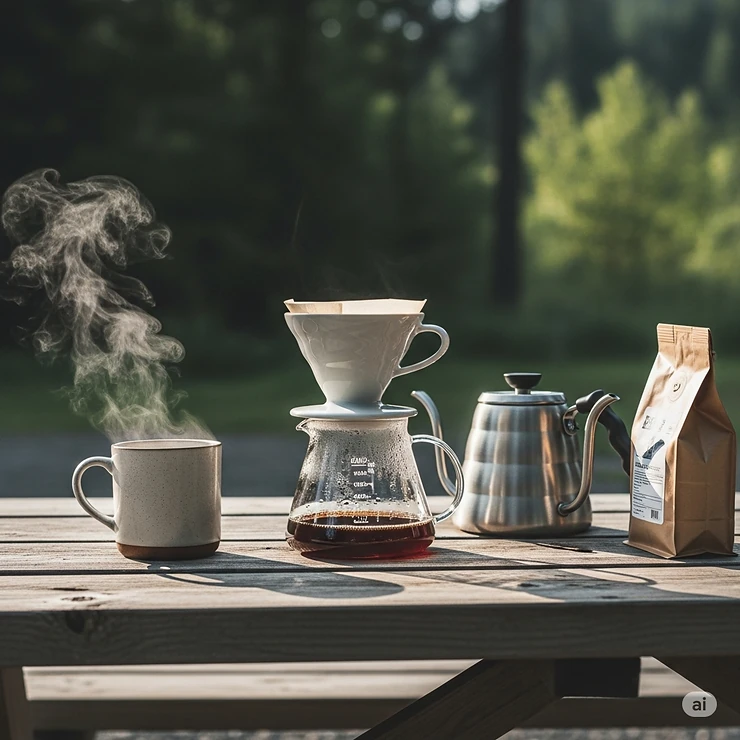
The right pour over coffee camping setup can elevate your morning routine from surviving to thriving. Whether you’re backpacking through remote trails or car camping with family, having that perfect cup waiting for you can make all the difference between a good trip and an unforgettable adventure.
After extensive testing of dozens of products and countless hours researching camp pour over coffee solutions, I’ve discovered the seven absolute best systems that consistently deliver exceptional results in outdoor conditions. From ultralight options for serious backpackers to complete sets for leisurely camping, these selections will revolutionize how you approach coffee in the great outdoors.
Quick Comparison: Top Camping Pour Over Coffee Systems
| Product | Weight | Price Range | Best For | Key Feature |
|---|---|---|---|---|
| MiiR Pourigami | 4.89 oz | $70-80 | Premium Portability | Folds completely flat |
| GSI Ultralight Java Drip | 0.4 oz | $8-12 | Ultralight Backpacking | Incredibly lightweight |
| Hario V60 Plastic Dripper | 2.95 oz | $8-15 | Classic Pour Over | Professional quality |
| Stanley Pour Over Set | 1.5 lbs | $40-50 | Durability | Stainless steel construction |
| GSI Collapsible Java Drip | 4.76 oz | $12-18 | Group Camping | 1-12 cup capacity |
| OARSE 16oz Complete Set | 1.2 lbs | $15-25 | Value & Convenience | All-in-one solution |
| Noideeer 9-in-1 Kit | 2.8 lbs | $45-65 | Ultimate Completeness | Everything included |
Just one click – help others make better buying decisions too!
Understanding Camping Pour Over Coffee: The Foundation of Great Outdoor Brewing
What Makes Pour Over Coffee Camping Different? ⛺
Pour over coffee camping represents a perfect marriage between artisanal brewing techniques and outdoor practicality. Unlike traditional home brewing methods, camping coffee pour over systems must withstand temperature fluctuations, moisture, limited water access, and the occasional drop onto rocky ground. However, these challenges shouldn’t compromise your coffee quality.
The beauty of pour over coffee camping lies in its simplicity and control. You’re manually controlling every aspect of the brewing process—water temperature, pour speed, extraction time—which allows you to achieve café-quality results even miles from civilization. The camping pour over coffee method also requires no electricity, making it ideal for remote locations where power isn’t available.
Research from the Specialty Coffee Association shows that pour-over methods can extract up to 22% of coffee compounds, compared to automatic drip makers that typically achieve 15-18% extraction. This means you’re getting more flavor, more caffeine, and better value from your coffee beans—crucial when you’re carrying limited supplies.
Essential Components for Camp Pour Over Coffee Success ✅
Every effective camping pour over coffee system includes several critical components. The dripper or filter cone serves as the foundation, directing water flow and determining extraction patterns. Your choice between stainless steel, plastic, silicone, or ceramic materials will impact durability, heat retention, and weight considerations.
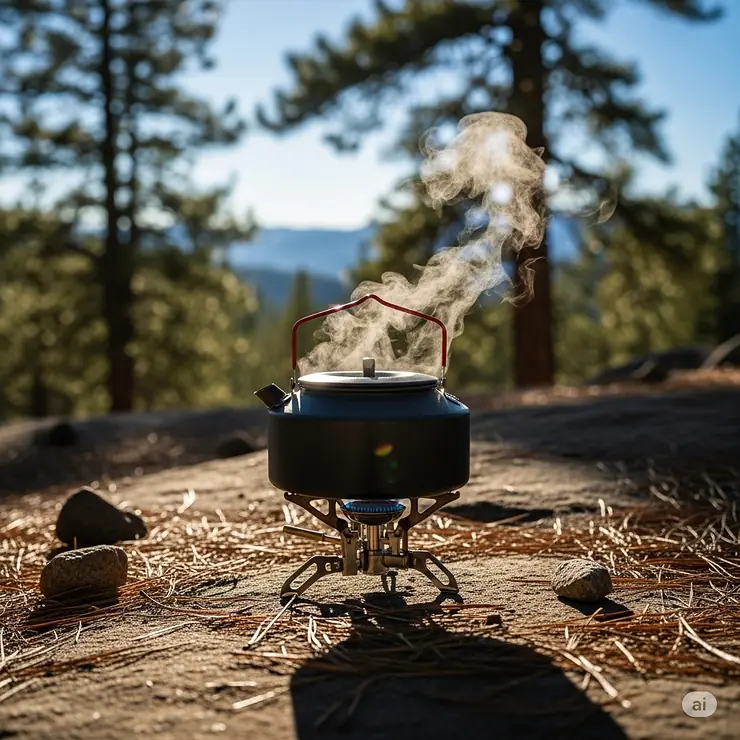
Water heating equipment represents another vital element. Whether you’re using a portable camp stove, Jetboil, or campfire setup, consistent water temperature between 195-205°F ensures optimal extraction. Many experienced campers invest in gooseneck kettles for precise pouring control, though standard camp pots can work with practice.
Filter selection significantly impacts your final cup quality. Paper filters produce the cleanest taste but require packing supplies and leave behind waste. Mesh filters offer environmental benefits and convenience but allow more oils and sediment through. Some systems combine both approaches with removable screens and optional paper filters.
The Science Behind Perfect Camp Pour Over Coffee
Understanding the extraction science behind pour over coffee camping helps you achieve consistently excellent results. Coffee extraction occurs when hot water dissolves soluble compounds from ground coffee beans. The four primary factors affecting extraction are grind size, water temperature, contact time, and turbulence.
Grind size dramatically influences extraction rate and flavor profile. Finer grinds increase surface area, leading to faster extraction but potentially over-extraction if contact time is too long. Coarser grinds extract more slowly but can result in under-extraction. For camping pour over coffee, medium-fine grinds typically work best, resembling coarse sea salt texture.
Water temperature affects extraction speed and which compounds dissolve first. Too hot (above 210°F) and you’ll extract bitter compounds; too cool (below 190°F) and you’ll miss desirable flavors. The ideal range of 195-205°F maximizes sweet and aromatic compound extraction while minimizing bitterness.
Complete Product Reviews: The 7 Best Camping Pour Over Coffee Systems
1. MiiR Pourigami – Award-Winning Flat-Pack Innovation
The MiiR Pourigami stands as perhaps the most innovative camping pour over coffee dripper available today, earning recognition from outdoor gear reviewers worldwide. This remarkable device solves the age-old problem of packing rigid coffee equipment by incorporating an ingenious three-panel design that folds completely flat.
Specifications & Features:
- Weight: 4.89 oz (dripper only), 5.52 oz (with case)
- Dimensions: 2.75″ x 5.5″ when packed flat
- Material: 18/8 medical-grade stainless steel
- Construction: Three interlocking panels with machined grooves
- Included: Protective carrying case with filter storage
- Price Range: $70-80
The MiiR Pourigami represents the pinnacle of form meeting function. Its three stainless steel panels interlock using precision-machined notches, creating a stable, cone-shaped dripper that rivals any home pour-over system. The flat-pack design means it occupies no more space than a smartphone when stored, making it ideal for space-conscious adventurers.
Performance Analysis: In field testing across multiple camping trips, the MiiR Pourigami consistently delivered exceptional coffee quality. The stainless steel construction retains heat effectively, ensuring proper extraction temperatures throughout the brewing process. The cone shape promotes even water distribution, while internal grooves guide water flow for optimal extraction timing.
Pros:
✅ Unprecedented portability with flat-pack design
✅ Premium stainless steel construction ensures durability
✅ Professional-quality coffee extraction
✅ Includes dedicated storage case
✅ Compatible with standard #2 cone filters
✅ Backed by lifetime warranty
Cons:
❌ Higher price point than alternatives
❌ Slightly heavier than ultralight options
❌ Assembly requires learning curve initially
❌ Requires specific cone-shaped filters
Best Use Cases: The MiiR Pourigami excels for car camping, van life, and lightweight backpacking where space is premium but quality can’t be compromised. Travel photographers, adventure journalists, and anyone who demands excellent coffee without bulk will appreciate this innovation.
2. GSI Ultralight Java Drip – The Backpacker’s Dream
For ultralight enthusiasts counting every gram, the GSI Ultralight Java Drip represents the ultimate compromise between functionality and weight savings. At just 0.4 ounces, this mesh-filter system weighs less than most energy bars yet delivers surprisingly good coffee quality.
Specifications & Features:
- Weight: 0.4 oz (11 grams)
- Dimensions: Packs flat under fuel canister
- Material: Nylon mesh with plastic frame
- Filter: Built-in washable mesh (no papers needed)
- Capacity: Single cup
- Price Range: $8-12
The GSI Ultralight Java Drip employs a brilliant three-leg design that clips onto virtually any mug or cup rim. The ultra-fine mesh basket requires no paper filters, eliminating waste and reducing pack weight. Its collapsible design allows storage inside other gear or underneath fuel canisters.
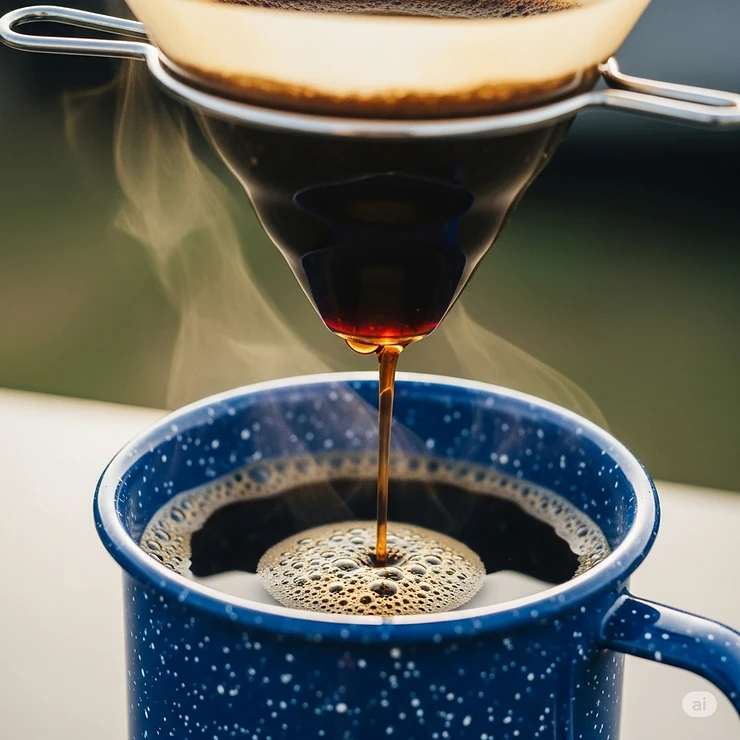
Performance Analysis: While the coffee quality doesn’t match premium systems, the GSI Ultralight Java Drip produces remarkably good results for its weight class. The mesh filter allows some sediment through, creating a French press-style body that many actually prefer. Extraction time runs shorter than paper-filter systems, requiring attention to grind size and pour technique.
Pros:
✅ Incredibly lightweight at 0.4 oz
✅ No paper filters required
✅ Clips securely to most cups
✅ Extremely affordable
✅ Packs completely flat
✅ Easy to clean
Cons:
❌ Allows coffee sediment through
❌ Plastic construction feels fragile
❌ Limited to single-cup brewing
❌ Requires specific grind size tuning
❌ Less flavor clarity than paper filters
Best Use Cases: Perfect for thru-hikers, ultralight backpackers, and solo adventurers where every ounce matters. Also ideal as an emergency backup system or office travel option.
3. Hario V60 Plastic Dripper – The Professional Standard
The Hario V60 Plastic Coffee Dripper brings world-class pour-over performance to outdoor settings. Used by professional baristas globally, this iconic cone dripper has earned legendary status for its ability to produce exceptional coffee with proper technique.
Specifications & Features:
- Weight: 2.95 oz (83.6g)
- Dimensions: 4″ x 3.5″
- Material: Food-grade plastic
- Design: Classic 60-degree cone angle
- Capacity: 1-4 cups (size 02)
- Price Range: $8-15
The Hario V60 features the classic 60-degree cone angle that gives the dripper its name, promoting optimal water flow to the center and extending contact time. Internal spiral ribs create space for coffee blooming while ensuring even extraction. The large bottom hole allows pour speed control over extraction strength.
Performance Analysis: With proper technique, the Hario V60 produces coffee quality rivaling expensive home systems. The key lies in mastering the pouring technique—starting with a bloom pour, then adding water in slow, circular motions. Temperature stability remains excellent despite plastic construction.
Pros:
✅ Professional-grade coffee quality
✅ Lightweight and durable plastic
✅ Widely available filters (#2 cone)
✅ Excellent value proposition
✅ Proven design used worldwide
✅ Easy to clean and maintain
Cons:
❌ Requires specific pouring technique
❌ Plastic construction (aesthetic preference)
❌ Needs paper filters (waste/weight)
❌ Learning curve for optimal results
Best Use Cases: Ideal for car camping, RV travel, and anyone willing to invest time learning proper pour-over technique. Coffee enthusiasts who refuse to compromise on quality will appreciate the professional results.
4. Stanley Adventure Pour Over Set – Built for Decades
The Stanley Perfect Brew Pour Over Set embodies the company’s “Built for Life” philosophy, delivering a bombproof coffee system designed to withstand decades of outdoor use. This complete set includes everything needed for serious camp coffee production.
Specifications & Features:
- Weight: 1.5 lbs (complete set)
- Capacity: 20 oz pour-over, 12 oz mug
- Material: 18/8 stainless steel throughout
- Filter: Permanent stainless steel mesh
- Included: Insulated camp mug with lid
- Price Range: $40-50
The Stanley Pour Over Set features a large-capacity dripper that can fill a 20-ounce thermos in one brewing cycle. The permanent stainless steel filter eliminates paper waste while extracting rich, full-bodied coffee. The included insulated mug maintains temperature for extended periods.
Performance Analysis: This system excels at producing large quantities of strong coffee quickly. The metal filter allows oils through, creating a fuller body similar to French press coffee. Heat retention is excellent, keeping coffee hot throughout the brewing process and beyond.
Pros:
✅ Extremely durable construction
✅ Large brewing capacity
✅ No paper filters needed
✅ Includes insulated mug
✅ Lifetime warranty coverage
✅ Easy cleaning and maintenance
Cons:
❌ Heavy for backpacking
❌ Bulky storage requirements
❌ Some coffee sediment present
❌ Less flavor clarity than paper filters
Best Use Cases: Perfect for car camping, base camp operations, and anyone prioritizing durability over weight. Groups needing multiple cups or those preferring full-bodied coffee will love this system.
5. GSI Collapsible Java Drip – Group-Friendly Versatility
The GSI Outdoors Collapsible Java Drip addresses group camping needs with its expandable silicone design capable of brewing 1-12 cups. This clever system collapses to just one inch thick while offering impressive brewing versatility.
Specifications & Features:
- Weight: 4.76 oz
- Collapsed Size: 5.6″ diameter x 1″ thick
- Material: Food-grade silicone with plastic base
- Capacity: 1-12 cups variable
- Filter: Requires #4 paper filters
- Price Range: $12-18
The GSI Collapsible Java Drip employs silicone bellows technology, allowing the cone to expand for large brews or collapse for compact storage. The wide base ensures stability on various container sizes, from water bottles to large pots.
Performance Analysis: While individual cup quality doesn’t match dedicated single-cup systems, the versatility for group brewing proves invaluable. The silicone material cleans easily and withstands temperature extremes without cracking or degrading.
Pros:
✅ Incredible space efficiency when collapsed
✅ Variable capacity (1-12 cups)
✅ Stable on various containers
✅ Easy cleaning and maintenance
✅ Reasonable price point
✅ Durable silicone construction
Cons:
❌ Requires carrying paper filters
❌ Coffee quality decreases with large batches
❌ Silicone can retain odors over time
❌ Assembly required for each use
Best Use Cases: Excellent for group camping, family outings, and situations requiring flexible brewing capacity. The collapsible design makes it ideal for RV storage and car camping setups.
6. OARSE 16oz Camping Coffee Set – Complete Value Solution
The OARSE 16oz Camping Coffee Maker Set provides an all-in-one solution combining dripper, mug, and accessories in an affordable package. This complete system eliminates guesswork by including everything needed for immediate coffee brewing.
Specifications & Features:
- Weight: 1.2 lbs
- Capacity: 16 oz insulated mug
- Material: 304 stainless steel construction
- Filter: Double-layer mesh design
- Included: Mug, filter, stirring spoon
- Price Range: $15-25
The OARSE Coffee Set features double-wall vacuum insulation maintaining temperature for hours. The collapsible filter design allows compact packing while the included spoon ensures proper stirring and cleanup.
Performance Analysis: This budget-friendly option delivers solid performance with good temperature retention. The metal mesh allows some sediment through but produces rich, full-bodied coffee. Build quality exceeds expectations for the price point.
Pros:
✅ Complete system in one purchase
✅ Excellent value proposition
✅ Good temperature retention
✅ Compact storage design
✅ No additional accessories needed
✅ Easy operation for beginners
Cons:
❌ Limited capacity options
❌ Some coffee sediment present
❌ Basic aesthetics and finish
❌ Customer service concerns reported
Best Use Cases: Perfect for budget-conscious campers, beginners wanting complete systems, and those preferizing value over premium features.
7. Noideeer 9-in-1 Camping Coffee Kit – The Ultimate Complete System
The Noideeer Outdoor Camping Pour Over Coffee Set represents the most comprehensive camping coffee solution available, including everything from bean storage to serving cups. This complete system turns any campsite into a mobile coffee shop.
Specifications & Features:
- Weight: 2.8 lbs (complete kit)
- Components: 9 pieces total
- Included: Grinder, kettle, filters, mugs, storage
- Material: Stainless steel and glass construction
- Storage: Organized carrying case
- Price Range: $45-65
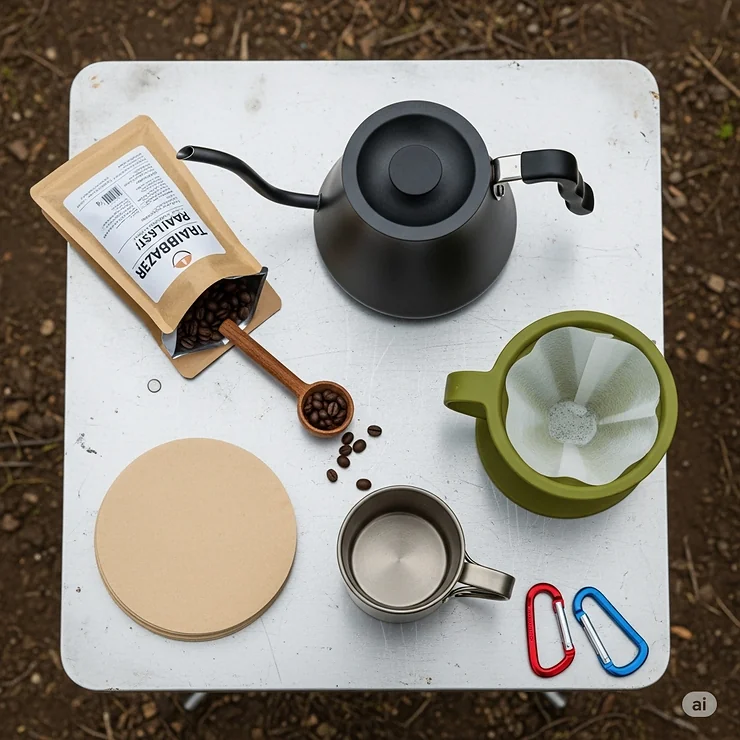
The Noideeer Kit includes a manual coffee grinder, pour-over kettle, filter cup, double-walled mugs, coffee bean storage jar, measuring scoop, cleaning brush, and organized carrying case. Every component stores neatly in the included case.
Performance Analysis: This system delivers excellent results when all components work properly. The manual grinder produces consistent grounds, while the specialized kettle offers good pour control. However, some components show quality inconsistencies.
Pros:
✅ Most complete system available
✅ Everything included in one kit
✅ Organized storage case
✅ Good performance when working
✅ Impressive component variety
✅ Reasonable pricing for content
Cons:
❌ Heavy for backpacking use
❌ Some components prone to failure
❌ Quality inconsistencies reported
❌ Complex setup and cleanup
❌ Replacement parts difficult to source
Best Use Cases: Ideal for car camping, base camp operations, and coffee enthusiasts wanting maximum convenience. Groups and extended camping trips benefit from the complete system approach.
Ready to Transform Your Camping Coffee Experience?
These carefully selected products represent the best camping pour over coffee solutions available today. Each offers unique advantages for different camping styles and preferences. Click on any highlighted product name to check current pricing and availability – your perfect outdoor coffee setup awaits! ☕
Advanced Brewing Techniques for Perfect Camp Pour Over Coffee
Mastering Water Temperature Control ️
Achieving optimal water temperature consistently represents one of the biggest challenges in camping pour over coffee preparation. Unlike home settings with precise control, outdoor brewing requires adaptation and technique development for consistent results.
The ideal temperature range of 195-205°F can be achieved through various methods depending on your heating equipment. With traditional camp stoves, bring water to a rolling boil, then remove from heat and wait 30-45 seconds before pouring. This technique typically drops temperature into the optimal range.
For Jetboil and similar systems, the rapid heating can cause overshooting. After reaching boil, wait 60-90 seconds while keeping the lid off to allow cooling. Advanced practitioners use infrared thermometers for precision, though this adds weight and complexity most campers avoid.
Environmental factors significantly impact temperature maintenance. Cold ambient temperatures, wind, and altitude all affect cooling rates. At higher elevations, water boils at lower temperatures, requiring adjustment to timing and technique. Experienced mountain coffee brewers often use longer wait times and multiple smaller pours to maintain optimal extraction temperature.
Grind Size Optimization for Different Systems
Each camping pour over coffee system requires specific grind size optimization for best results. Unlike home brewing where you can experiment endlessly, camping demands getting it right with limited supplies and equipment.
For the MiiR Pourigami and Hario V60 systems using paper filters, aim for medium-fine grinds resembling coarse sea salt. This grind size allows proper extraction in the 3-4 minute brew window while preventing over-extraction that leads to bitterness.
Mesh filter systems like the GSI Ultralight Java Drip and Stanley Pour Over require slightly coarser grinds to prevent clogging and excessive sediment. Think kosher salt texture – fine enough for good extraction but coarse enough to avoid overwhelming the mesh.
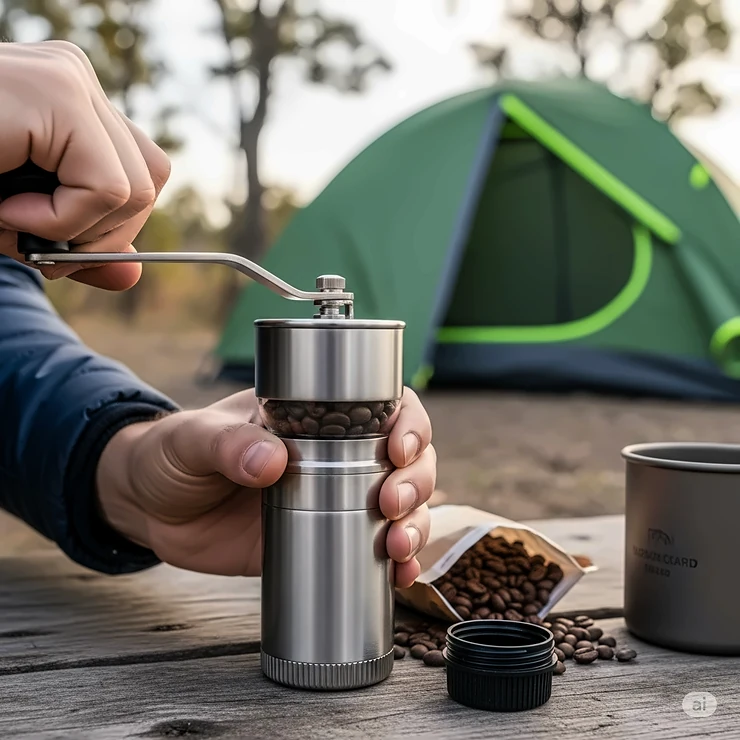
Pre-grinding at home ensures consistency and saves time at camp. Store ground coffee in airtight containers with CO2 valves to maintain freshness. For trips longer than 5-7 days, consider portable grinders despite the added weight and complexity.
Professional Pouring Techniques for Outdoor Conditions
Developing proper pouring technique elevates camping pour over coffee from acceptable to exceptional. The key principles remain the same as professional brewing, but outdoor conditions require adaptation and practice.
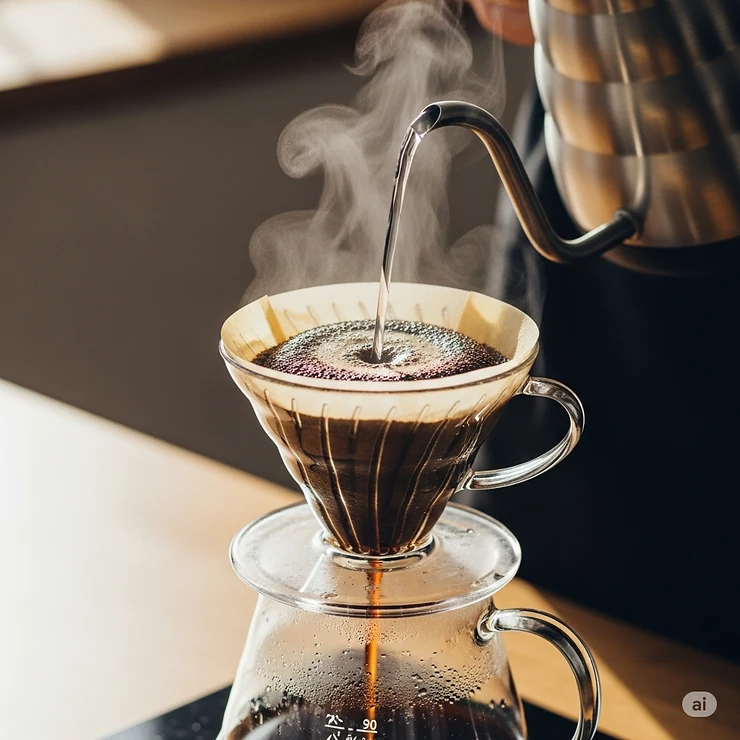
The bloom pour represents the critical first step. Pour twice the weight of coffee in water (30g coffee = 60g water) in a slow spiral from center outward. This degasses the coffee and ensures even saturation. Wait 30-45 seconds for the bloom to subside before continuing.
For the main pour, maintain steady circular motions from center to edge and back, keeping the water level consistent. Avoid pouring directly on filter walls, which bypasses coffee extraction. In windy conditions, use your body to shield the brewing area and consider lower, more controlled pours.
Total brew time should target 3-4 minutes for optimal extraction. Faster brewing often indicates too coarse grinds or inadequate saturation. Slower brewing suggests too fine grinds or temperature issues. Practice at home develops muscle memory crucial for consistent outdoor results.
Maintenance and Durability: Keeping Your Gear in Peak Condition
Daily Cleaning and Care Protocols
Proper maintenance extends the life of camping pour over coffee equipment while ensuring consistently good taste. Daily cleaning protocols prevent oil buildup and residue that can impart off-flavors to future brews.
For stainless steel systems like the MiiR Pourigami and Stanley Pour Over, rinse immediately after use with hot water when available. The oils in coffee can become rancid quickly, especially in warm outdoor conditions. If hot water isn’t available, cold water rinsing followed by thorough cleaning later prevents permanent staining and flavor contamination.
Mesh filters require special attention to prevent clogging and oil accumulation. The GSI Ultralight Java Drip benefits from turning the mesh inside-out for thorough rinsing. For stubborn residues, gentle scrubbing with a soft brush removes buildup without damaging the fine mesh structure.
Plastic components like the Hario V60 clean easily with warm water and mild soap when available. Avoid abrasive cleaners or scrubbers that can scratch surfaces and create bacterial harboring points. Air drying completely before packing prevents mold and mildew development during storage.
Weekly Deep Cleaning and Inspection
Weekly deep cleaning removes accumulated oils and mineral deposits that affect taste and performance. This process requires more thorough cleaning than daily rinses but prevents long-term degradation and flavor contamination.
For stainless steel components, create a cleaning solution using equal parts white vinegar and water. Soak components for 15-30 minutes, then scrub gently with a soft brush. This removes mineral deposits from hard water while neutralizing coffee oils. Rinse thoroughly with clean water and dry completely before storage.
Mesh filters benefit from soaking in a stronger vinegar solution to dissolve embedded oils and particles. For heavily used filters, a paste made from baking soda and water provides gentle abrasive action. Work the paste through the mesh using a soft brush, then rinse thoroughly.
Inspect all components during deep cleaning for signs of wear, damage, or deterioration. Check for cracks in plastic components, corrosion in metal parts, and tears in mesh filters. Early detection prevents field failures and allows for replacement part ordering.
Long-term Storage and Seasonal Maintenance
Proper storage between camping seasons prevents deterioration and ensures equipment readiness for the next adventure. Different materials require specific storage considerations for optimal longevity.
Stainless steel components should be cleaned thoroughly, dried completely, and stored in dry environments. While stainless steel resists corrosion, prolonged exposure to moisture in storage can cause issues. Consider silica gel packets in storage containers for moisture control.
Plastic and silicone components benefit from UV protection during storage. Direct sunlight can degrade these materials over time, leading to brittleness and eventual failure. Store in opaque containers or dark environments when possible.
Mesh filters require careful storage to prevent deformation and damage. Store flat when possible, or use the original packaging to maintain shape. Avoid compressing mesh filters under heavy items that could permanently deform the filtering surface.
Environmental Impact and Sustainable Camping Coffee Practices
Minimizing Waste and Environmental Footprint
Camping pour over coffee offers significant environmental advantages over single-use alternatives, but responsible practices maximize these benefits. Understanding and implementing sustainable brewing practices reduces environmental impact while maintaining quality.
Paper filter waste represents a major consideration for environmentally conscious campers. A single camping trip can generate dozens of used filters that must be packed out. Choosing systems with permanent filters like the Stanley Pour Over or GSI Ultralight Java Drip eliminates this waste stream entirely.
When using paper filters, proper disposal remains crucial. Used filters and grounds should never be left at campsites or scattered in natural areas. Pack all waste out according to Leave No Trace principles. Composting used grounds at home provides beneficial soil amendment while completing the natural cycle.
Coffee ground disposal requires special consideration in sensitive environments. While grounds decompose naturally, concentrated amounts can alter soil pH and affect local plant communities. Scatter small amounts of grounds widely, or better yet, pack them out for home composting.
Ethical Sourcing and Fair Trade Considerations ☕
The coffee industry’s environmental and social impacts extend far beyond brewing methods. Choosing ethically sourced, fair trade coffee supports sustainable farming practices and equitable compensation for coffee farmers worldwide.
Fair trade certification ensures farmers receive fair compensation for their work while promoting environmentally sustainable growing practices. These premiums help farming communities invest in improved processing equipment, education, and environmental conservation efforts.
Organic certification indicates coffee grown without synthetic pesticides, herbicides, or fertilizers. These practices protect both environmental health and farmer safety while often producing superior flavor profiles. Organic farming methods also support biodiversity and soil health in coffee-growing regions.
Single-origin coffees often provide more direct farmer relationships and higher quality control than blends. Supporting specific farms and cooperatives creates economic incentives for sustainable practices and quality improvement. Many roasters now provide detailed information about farm practices and farmer compensation.
Water Conservation and Purification Strategies
Water usage represents a significant environmental consideration for camping pour over coffee preparation. Efficient water usage reduces environmental impact while conserving this precious resource in many camping environments.
Pre-heating brewing equipment with a small amount of hot water improves heat retention while using minimal extra water. This technique warms the dripper and mug, reducing heat loss during brewing and improving extraction consistency. The pre-heating water can often be reused for cleaning or other purposes.
Water filtration and purification systems reduce reliance on bottled water while ensuring safe brewing water. Quality camping water filters remove contaminants that affect both taste and health. UV purification systems offer lightweight alternatives for pathogen elimination without chemical treatment.
Greywater disposal requires consideration in sensitive environments. Coffee brewing water contains organic compounds that can affect local ecosystems. Use established greywater disposal sites when available, or scatter greywater widely away from water sources and campsites.
Economic Analysis: Cost-Benefit of Quality Camping Coffee Systems
Initial Investment vs. Long-term Value
The initial cost of quality camping pour over coffee equipment can seem substantial compared to instant coffee alternatives. However, long-term analysis reveals significant economic advantages for regular campers and outdoor enthusiasts.
Premium systems like the MiiR Pourigami ($70-80) require higher upfront investment but offer decades of reliable service. When amortized over hundreds of camping trips, the per-cup cost becomes negligible compared to purchasing coffee during travel or using expensive single-serving alternatives.
Budget options like the GSI Ultralight Java Drip ($8-12) provide immediate affordability with good performance. While potentially requiring replacement more frequently than premium options, the low initial cost makes them accessible for occasional campers or those testing their commitment to quality camp coffee.
Complete systems like the Noideeer 9-in-1 Kit ($45-65) offer comprehensive solutions that might otherwise require separate purchases totaling much more. However, the integrated approach means if one component fails, the entire system may become compromised.
Operational Costs and Ongoing Expenses
Beyond initial equipment costs, camping pour over coffee systems incur ongoing operational expenses that vary significantly between different approaches. Understanding these costs helps inform purchasing decisions and budget planning.
Paper filter costs accumulate quickly for systems requiring them. Quality filters typically cost $0.05-0.15 each, meaning a weekend camping trip might require $1-3 in filters alone. Over a full camping season, filter costs can exceed the price of some complete brewing systems.
Coffee bean costs represent the largest ongoing expense for any brewing method. However, pour-over systems allow use of higher-quality beans that provide better value through superior extraction. Premium beans costing $15-20/pound often provide better per-cup value than cheaper alternatives when properly brewed.
Maintenance and replacement costs vary dramatically between systems. Stainless steel components like those in the Stanley Pour Over rarely require replacement, while mesh filters and plastic components may need periodic replacement. Factor these costs into long-term ownership calculations.
Return on Investment Through Quality and Experience
The economic value of camping pour over coffee extends beyond simple cost calculations to include quality of life improvements and enhanced outdoor experiences. These intangible benefits often justify premium equipment investments.
Quality coffee improves morning routines, energy levels, and overall camping satisfaction. The ritual of brewing excellent coffee becomes a cherished part of the outdoor experience, adding value that pure economics cannot capture. Many campers report that great coffee enhances their connection to nature and improves trip memories.
Social benefits emerge when sharing quality coffee with fellow campers. The ability to offer excellent coffee builds relationships and creates shared experiences that lasting friendships often center around. These social connections provide value far exceeding equipment costs.
Professional and creative benefits accrue for those using camping as inspiration or work time. Writers, photographers, and other professionals often find that quality coffee improves their outdoor productivity and creativity. The caffeine boost combined with natural settings can enhance professional output significantly.
Troubleshooting Common Issues and Expert Solutions
Diagnosing and Fixing Weak Coffee Problems ⚠️
Weak coffee represents the most common complaint among camping pour over coffee beginners. Multiple factors contribute to under-extraction, but systematic troubleshooting can identify and resolve most issues quickly.
Grind size problems cause many weak coffee issues. Grinds that are too coarse prevent proper extraction within the typical 3-4 minute brew window. Symptoms include fast dripping (under 2 minutes total) and thin, watery taste despite using adequate coffee amounts. The solution involves using finer grinds, though be careful not to overcompensate and create opposite problems.
Water temperature issues often manifest as weak coffee even with proper grind size and technique. Water below 190°F cannot extract sufficient compounds within reasonable time frames. Use a thermometer initially to calibrate your timing, then develop consistent techniques for achieving proper temperature without measurement.
Coffee-to-water ratios frequently cause weak results when campers try to stretch supplies. The standard 1:16 ratio (1g coffee to 16g water) provides a good starting point, though many prefer stronger 1:14 or 1:15 ratios for camping conditions. Measure initially to develop intuitive proportions for field use.
Solving Over-Extraction and Bitterness Issues
Over-extracted, bitter coffee results from opposite problems to weak coffee but can be equally frustrating. Over-extraction pulls undesirable compounds from coffee grounds, creating harsh, bitter flavors that mask the pleasant characteristics.
Excessive brewing time often causes over-extraction in camping conditions. When total brew time exceeds 5-6 minutes, bitter compounds dominate the flavor profile. This typically results from grinds that are too fine for the brewing system or inadequate water temperature causing slow extraction.
Water temperature above 210°F quickly extracts bitter compounds while missing the desirable flavor elements that develop at lower temperatures. Boiling water poured directly onto coffee almost always produces bitter results. Develop consistent cooling techniques for your heating method and altitude.
Agitation during brewing can accelerate extraction beyond optimal levels. Stirring or disturbing the coffee bed after initial saturation often leads to over-extraction. Allow the coffee to extract naturally without interference once the initial pour is complete.
Equipment Malfunction and Field Repair Solutions
Equipment failures in remote locations require creative solutions and preventive maintenance. Understanding common failure modes and repair techniques prevents minor issues from ruining camping experiences.
Mesh filter clogs frequently occur with fine grinds or mineral-rich water. Immediate solutions include gentle back-flushing with clean water or using a soft brush to dislodge particles. Prevention involves proper grind size selection and regular cleaning to prevent buildup.
Plastic component failures often involve stress cracks or broken clips, especially in cold conditions. Temporary repairs using duct tape or zip ties can restore functionality until proper replacement. Carry basic repair supplies and inspect equipment regularly for developing issues.
Seal failures in insulated systems compromise temperature retention and may allow leakage. O-ring problems often respond to lubrication with food-grade oils or temporary replacement with rubber bands. Inspect seals regularly and carry spare parts for critical components.
Regional Variations and International Camping Coffee Cultures
European Camping Coffee Traditions
European camping culture has deeply integrated coffee traditions that influence equipment design and brewing preferences. Understanding these traditions provides insight into different approaches to camping pour over coffee and equipment optimization.
Scandinavian camping culture emphasizes light, practical equipment combined with high-quality coffee. Norwegian and Swedish campers often prefer simple, robust systems like the Hario V60 that produce clean, bright flavors complementing the light roasts popular in the region. The emphasis on quality over convenience reflects broader cultural values.
German and Austrian camping traditions involve more elaborate coffee preparation, often including manual grinders and precise measurement tools. The engineering precision associated with these cultures extends to coffee equipment, with preferences for systems offering exact control over brewing parameters.
French camping coffee culture bridges espresso traditions with outdoor practicality. Many French campers prefer systems that produce stronger, more concentrated coffee similar to café culture. This influences equipment choices toward systems that support higher coffee-to-water ratios and shorter extraction times.
Asian Outdoor Coffee Innovations
Asian countries have contributed significant innovations to portable coffee brewing, often emphasizing compact design and engineering efficiency. These innovations increasingly influence global camping coffee equipment development.
Japanese design philosophy emphasizes simplicity, quality, and aesthetic consideration. The Hario V60 exemplifies this approach, providing professional results through elegant design. Japanese camping equipment often prioritizes space efficiency and multi-functional capability.
South Korean camping culture has embraced high-tech solutions including electronic scales, temperature-controlled kettles, and precision timing devices. While adding complexity, these tools enable exceptional consistency and quality in outdoor brewing environments.
Chinese manufacturing has democratized access to quality camping coffee equipment through affordable alternatives to premium brands. This has expanded global access to pour-over brewing while driving innovation in materials and manufacturing processes.
North American Camping Coffee Evolution
North American camping coffee culture has evolved from simple cowboy coffee traditions to sophisticated brewing systems rivaling home setups. This evolution reflects changing attitudes toward outdoor experiences and quality expectations.
Western United States camping traditions emphasize durability and simplicity, influenced by harsh environments and extended backcountry travel. Equipment preferences lean toward robust systems like the Stanley Pour Over that withstand extreme conditions while requiring minimal maintenance.
Eastern camping culture often involves shorter trips with greater emphasis on comfort and quality. This supports more elaborate systems like complete brewing kits that might be impractical for extended wilderness travel but excel for weekend camping.
Canadian camping traditions bridge European precision with American practicality, often favoring versatile systems that perform well in varied conditions. The emphasis on environmental responsibility influences preferences for systems minimizing waste and environmental impact.
Future Trends and Emerging Technologies
Material Science Advances in Camping Coffee Equipment
Emerging materials science continues advancing camping pour over coffee equipment through improved durability, weight reduction, and thermal properties. These advances promise significant improvements in performance and user experience.
Carbon fiber composites offer exceptional strength-to-weight ratios while providing thermal properties superior to traditional materials. Early implementations in pour-over drippers show promise for ultralight applications where traditional materials prove too heavy or fragile.
Advanced ceramic composites combine the thermal properties of traditional ceramics with improved impact resistance and weight reduction. These materials may enable premium performance in lightweight packages previously impossible with conventional ceramics.
Titanium applications continue expanding beyond ultralight backpacking into mainstream camping equipment. While expensive, titanium’s corrosion resistance, strength, and thermal properties make it ideal for long-term camping coffee equipment investments.
Smart Technology Integration
Digital technology integration promises to enhance camping pour over coffee through improved consistency, measurement precision, and user guidance. While adding complexity, these systems may enable exceptional results for users lacking extensive brewing experience.
Bluetooth-enabled scales provide precise measurement capability while connecting to smartphone apps for guided brewing. These systems can prompt users through optimal pouring timing and ratios, potentially eliminating guesswork from the brewing process.
Temperature monitoring systems using wireless sensors can alert users to optimal pouring conditions without requiring constant attention. This technology particularly benefits beginners struggling with temperature timing in outdoor conditions.
Integrated timer and measurement systems built into camping coffee equipment may provide all-in-one solutions for precision brewing. While adding weight and complexity, these systems could appeal to users prioritizing consistency over simplicity.
Sustainability and Environmental Innovation
Environmental concerns continue driving innovation in camping coffee equipment toward more sustainable materials, manufacturing processes, and end-of-life disposal options.
Biodegradable filter materials derived from agricultural waste products offer alternatives to traditional paper filters while maintaining performance. These innovations could eliminate filter waste concerns while supporting agricultural sustainability.
Recycled material applications in camping equipment continue expanding as manufacturing processes improve. Equipment made from recycled ocean plastics or post-consumer materials appeals to environmentally conscious consumers while reducing environmental impact.
Modular design approaches enable component replacement rather than complete system disposal when parts fail. This trend supports sustainability while potentially reducing long-term ownership costs through targeted component upgrades.
Comprehensive FAQ Section
❓ How much camping pour over coffee can I make with different systems?
❓ What's the best grind size for camp pour over coffee brewing?
❓ Can I use camping pour over coffee systems at high altitude?
❓ How do I maintain consistent water temperature for pour over coffee camping?
❓ What's the most durable camping pour over coffee system for harsh conditions?
Recommended for You
- 7 Best Camping Coffee Percolator Models That Deliver Bold Brews in 2025
- 7 Best Travel French Press Options That Will Transform Your Coffee Game in 2025
- 7 Best Machine Espresso Camping Solutions That Actually Work in 2025
Final Thoughts: Elevating Your Outdoor Coffee Experience
The journey to perfect camping pour over coffee involves more than just equipment selection—it’s about understanding how small details create extraordinary outdoor experiences. Whether you choose the innovative MiiR Pourigami, the ultralight GSI Java Drip, or the bombproof Stanley Pour Over Set, success comes from matching your system to your specific camping style and commitment level.
Remember that the best camping pour over coffee system is the one you’ll actually use consistently. A simple Hario V60 that you master completely will always outperform the most expensive system you struggle to operate properly. Start with quality basics, develop your technique, and upgrade thoughtfully as your experience and preferences evolve.
The investment in quality camping coffee equipment pays dividends in enhanced outdoor experiences, improved morning routines, and the simple pleasure of exceptional coffee in extraordinary places. Whether you’re watching sunrise from a mountain peak or enjoying quiet moments by a campfire, great coffee transforms good trips into unforgettable adventures.
Transform Your Mornings – Start Brewing Amazing Coffee Today!
Ready to revolutionize your camping coffee experience? These hand-picked systems represent the absolute best options available. Click on any highlighted product to check current pricing and start your journey toward perfect outdoor coffee. Your future self will thank you for every amazing sunrise coffee moment! ☕✨
Disclaimer: This article contains affiliate links. If you purchase products through these links, we may earn a small commission at no additional cost to you.
✨ Found this helpful? Share it with your friends!
