In This Article
Planning your camping trip shouldn’t mean stressing about what to eat under the stars. Make ahead camping meals are the secret weapon that transforms you from a frazzled camp cook into a relaxed outdoor enthusiast who actually enjoys their vacation. I’ve spent countless weekends juggling marshmallow roasting sticks and trying to remember if I packed enough propane, so trust me when I say preparation is everything.
What makes these pre-prepared camping meals so revolutionary is their ability to cut your campsite cooking time by nearly 70%. Instead of spending precious daylight hours chopping vegetables by a flickering lantern, you’ll be hiking that trail or actually relaxing by the fire. The best part? Modern food technology means these meals taste nothing like the cardboard-flavored rations your parents endured in the 1980s.
Whether you’re car camping with the family or backpacking solo through backcountry wilderness, having meals prepped at home means less equipment to haul, faster cleanup, and dramatically reduced chances of attracting unwanted wildlife visitors to your campsite.
Quick Comparison Table
| Meal Type | Prep Time at Home | Cook Time at Camp | Storage Method | Best For |
|---|---|---|---|---|
| Freeze-Dried Pouches | 0 minutes | 8-10 minutes | Backpack | Backpacking, Long trips |
| Pre-Made Breakfast Burritos | 30 minutes | 10 minutes | Cooler/Freezer | Car camping, Family trips |
| MRE Ready Meals | 0 minutes | 0-5 minutes | Any | Emergency, Quick meals |
| Foil Packet Dinners | 20 minutes | 15-20 minutes | Cooler | Car camping, Groups |
| Overnight Oats | 5 minutes | 0 minutes | Cooler | Quick breakfasts |
💬 Just one click – help others make better buying decisions too!😊
Top 7 Make Ahead Camping Meals: Expert Analysis
1. Mountain House Expedition Meal Assortment Bucket
This heavyweight champion of camping meals has earned its reputation through decades of satisfied adventurers. Mountain House Expedition Meal Assortment Bucket contains 30 servings of freeze-dried comfort food that actually tastes like real cooking. With classics like Beef Stroganoff, Chicken Fajita Bowl, and even Granola with Blueberries, you’re looking at genuine variety without the weight penalty.
Key Specifications:
- 30 total servings (15 pouches)
- 30-year shelf life guaranteed
- Weight: 6.79 lbs
- Just add hot or cold water
Customers consistently praise the authentic flavors and convenience factor. One reviewer mentioned using these meals during a week-long backpacking trip and being genuinely impressed that the food tasted better than some restaurant meals.
✅ Pros:
- Industry-leading 30-year shelf life
- High-quality ingredients without fillers
- Quick 10-minute preparation
- Trusted brand since 1969
❌ Cons:
- Higher price point than alternatives
- Some meals require 2+ cups of water
Price Range: $85-$110 | Best For: Long-term storage and serious backpackers
2. ReadyWise Adventure Meals Favorite Kit
For campers who want reliable nutrition without breaking the bank, ReadyWise Adventure Meals Favorite Kit delivers exceptional value. This 9-pack variety includes everything from Teriyaki Chicken to Apple Cinnamon Cereal, giving you breakfast through dinner options in one convenient package.
Key Specifications:
- 9 different meal pouches
- 15-year shelf life
- Lightweight and portable
- Can use any water temperature
The innovation here is ReadyWise’s ability to create meals that rehydrate properly even with cold water, perfect for situations where heating water isn’t practical. Hikers appreciate that the pouches stand up on their own for easy eating.
✅ Pros:
- Budget-friendly pricing
- Cold water rehydration option
- Wide meal variety
- Compact storage
❌ Cons:
- Slightly less flavor intensity than premium brands
- Smaller portion sizes
Price Range: $35-$50 | Best For: Weekend warriors and budget-conscious campers
3. Wild Zora Paleo Freeze Dried Meals AIP 4-Pack
Health-conscious adventurers rejoice! Wild Zora Paleo Freeze Dried Meals prove that dietary restrictions don’t mean sacrificing adventure or taste. Made with grass-fed beef and free-range chicken, these meals skip the added sugars and artificial ingredients that plague many camping foods.
Key Specifications:
- 100% gluten-free and grain-free
- No added sugar
- Made in USA with responsibly-sourced ingredients
- AIP diet compatible
What sets Wild Zora apart is their woman-owned, small-batch approach. Each meal is hand-crafted in Colorado using ingredients you can actually pronounce. Customers with food sensitivities report finally finding camping meals that don’t trigger reactions.
✅ Pros:
- Clean ingredient list
- Perfect for restrictive diets
- Superior meat quality
- Family-run authenticity
❌ Cons:
- Premium pricing
- Limited flavor options
Price Range: $45-$65 | Best For: Paleo/AIP dieters and health enthusiasts
4. Peak Refuel Variety Meal Kit
If protein is your priority, Peak Refuel Variety Meal Kit crushes the competition with nearly double the protein content of standard camping meals. This 6-pouch kit delivers 239 grams of 100% real meat protein and 4,920 calories across breakfast and dinner options.
Key Specifications:
- 12 total servings
- 100% USDA inspected real meat
- Made at 4,600 feet elevation in Utah
- Chef-inspired recipes
The Sweet Pork and Rice has become legendary among thru-hikers for its restaurant-quality flavor profile. Peak Refuel refuses to use TVP fillers, ensuring every bite contains genuine meat texture and taste.
✅ Pros:
- Highest protein content
- No meat fillers
- Gourmet flavor profiles
- Quick preparation
❌ Cons:
- Higher cost per serving
- Limited vegetarian options
Price Range: $65-$85 | Best For: Athletes and high-calorie needs
5. MRE Meals Ready to Eat 4-Pack Variety
When simplicity and reliability matter most, MRE Meals Ready to Eat deliver military-grade dependability. These self-contained meal kits require zero preparation and include everything from the main entree to dessert, utensils, and even a flameless heater.
Key Specifications:
- Inspection date 2025/2026
- No refrigeration required
- Flameless heater included
- Complete meal in every pouch
Originally developed for military use, MREs have evolved significantly. Modern versions taste vastly better than their predecessors while maintaining that crucial 3-year shelf life without refrigeration.
✅ Pros:
- Zero preparation needed
- Completely self-contained
- Works in any weather
- Long shelf life
❌ Cons:
- Heavier than freeze-dried options
- Higher sodium content
Price Range: $45-$60 | Best For: Emergency preparedness and convenience seekers
6. Weekend Camping Cookbook by Fox Chapel Publishing
Sometimes the best make ahead camping meals start with solid recipes. Weekend Camping Cookbook delivers over 100 innovative make-ahead recipes that go far beyond basic hot dogs. From Cast Iron Nachos to Fire-Roasted Pickle Wraps, this cookbook transforms meal planning.
Key Specifications:
- 100+ stress-free recipes
- Step-by-step photography
- Campfire cooking methods guide
- Breakfast through dessert coverage
What makes this cookbook special is its two-part approach: clear instructions for what to prep at home versus what to finish at camp. Reviewers consistently mention finally finding recipes that look like the pictures and actually work over real campfires.
✅ Pros:
- Extensive recipe variety
- Beautiful photography
- Practical camping tips
- Family-friendly options
❌ Cons:
- Requires some ingredients/equipment
- Not instant like freeze-dried meals
Price Range: $15-$25 | Best For: Creative cooks and family campers
7. Cook It Wild: Sensational Prep-Ahead Meals by Chris Nuttall-Smith
For those who refuse to compromise on culinary quality, Cook It Wild represents the pinnacle of camping cuisine. This award-winning cookbook features 80 recipes divided into “at home” and “at camp” sections, ensuring spectacular meals with minimal campsite fuss.
Key Specifications:
- 80 gourmet camping recipes
- Prep-ahead methodology
- Camp kitchen advice included
- Winner: Best Cookbook awards 2024
Chris Nuttall-Smith’s background as a food writer shines through recipes like Herby Lemon Chicken and Fire-Baked Sticky Buns. The genius lies in doing complex cooking at home so camp preparation becomes simple assembly and heating.
✅ Pros:
- Restaurant-quality recipes
- Expert outdoor cooking tips
- Beautiful presentation
- Tested by professionals
❌ Cons:
- Requires advance planning
- More complex preparation
Price Range: $20-$35 | Best For: Food enthusiasts and special occasions
Understanding Make Ahead Camping Meals
What exactly qualifies as make ahead camping meals? These are foods prepared partially or completely at home before your trip, designed to minimize campsite cooking while maximizing safety and taste. The concept isn’t new—pioneers preserved food for wagon trains—but modern technology has revolutionized what’s possible.
Today’s options range from commercially produced freeze-dried meals to home-prepared dishes that you freeze and reheat. The beauty of this approach lies in its flexibility. You can go completely hands-off with ready-to-eat MREs or get creative with foil-packet dinners assembled in your kitchen.
The science behind preservation methods matters tremendously. Freeze-drying removes 98% of moisture while maintaining nutritional value and flavor. Meanwhile, vacuum-sealing and freezing work together to prevent freezer burn and bacterial growth. Understanding these processes helps you choose the right approach for your specific camping style and timeline.
Benefits of Make Ahead Camping Meals
Time Savings That Transform Your Trip
Imagine arriving at your campsite with three hours of daylight remaining instead of frantically setting up in darkness because dinner prep took forever. That’s the reality with make ahead camping meals. On average, campers save 2-3 hours daily when meals are prepped in advance, time that converts into actual recreation.
The psychological benefits run deeper than mere convenience. Knowing your meals are handled eliminates decision fatigue and reduces the mental load of meal planning in unfamiliar environments. You’re free to be spontaneous with activities without worrying whether you’ll have time to cook.
Superior Food Safety Standards
Food safety becomes exponentially more challenging in outdoor settings where temperature control is limited. The USDA Food Safety and Inspection Service emphasizes that pre-preparation at home dramatically reduces contamination risks.
When you prep meals in your controlled home kitchen, you have proper handwashing facilities, sanitized cutting boards, and reliable refrigeration. These luxuries disappear at the campsite where stream water might harbor parasites and your cutting board doubles as a seat cushion. Pre-made meals bypass these hazards entirely.
Cost Efficiency That Adds Up
Restaurant stops during camping trips destroy budgets faster than you can say “roadside diner.” Pre-made camping meals cost roughly $5-12 per serving compared to $15-30 for restaurant meals. Over a week-long family camping trip, we’re talking hundreds of dollars in savings.
Bulk purchasing ingredients for home meal prep offers additional economies of scale. Buying a whole rotisserie chicken to shred for multiple meals costs less than individual chicken breast portions. These savings compound when you’re feeding four or more people.
Types of Make Ahead Camping Meals
Freeze-Dried Commercial Options
The freeze-drying process represents food preservation perfection for camping. Companies remove moisture through sublimation, where frozen water transitions directly to vapor without becoming liquid. This maintains cellular structure and nutritional content far better than traditional dehydration.
Premium brands like Mountain House and Peak Refuel invest heavily in recipe development, employing actual chefs rather than just food scientists. The result? Beef Stroganoff that genuinely tastes like beef stroganoff instead of reconstituted mystery meat.
Shelf life becomes practically irrelevant with quality freeze-dried meals. That 30-year guarantee from Mountain House isn’t marketing hype—it’s backed by actual testing. Store them properly and your grandchildren could theoretically eat them (though you probably won’t wait that long).
Home-Prepared Frozen Meals
Nothing beats the customization and cost savings of meals you prepare yourself. Breakfast burritos stuffed with your family’s favorite ingredients, lasagna made with grandma’s secret recipe, or chicken fajita bowls seasoned exactly how you like them—these become camping possibilities with proper freezing techniques.
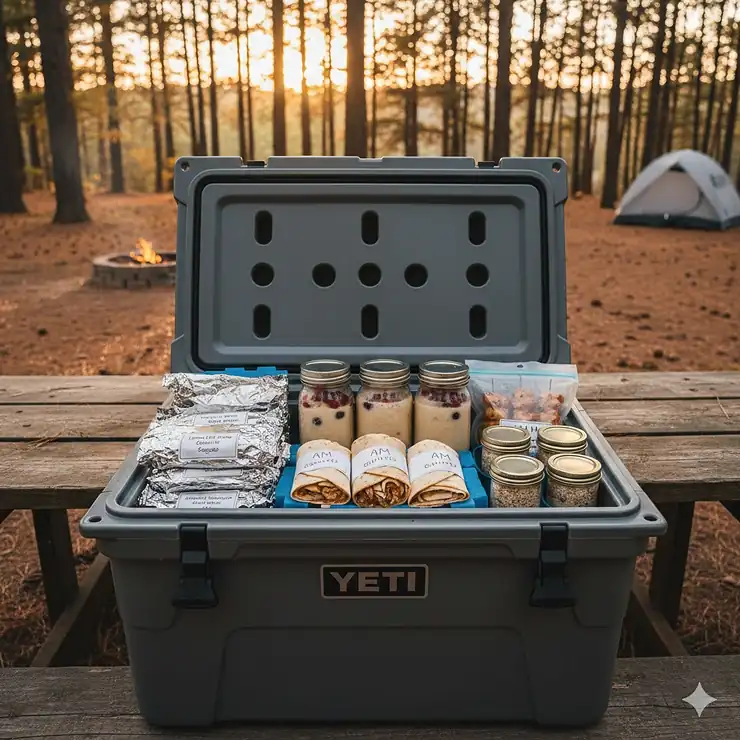
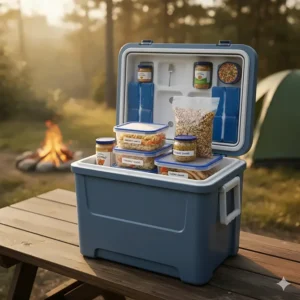
The key lies in strategic packaging. Individual portions wrapped in aluminum foil freeze solid and act as supplemental ice packs during transport. As they thaw, they maintain safe temperatures for surrounding items in your cooler.
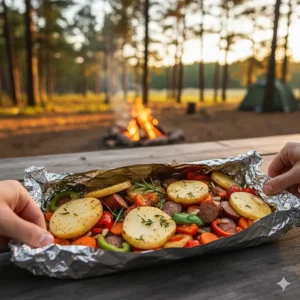
Pro tip: freeze meals in the containers you’ll reheat them in. Foil packets go straight onto campfire coals. Sealed freezer bags can be dropped into boiling water. This eliminates dishwashing and reduces equipment needs dramatically.
Dehydrated Meal Components
Dehydrating differs from freeze-drying in both process and outcome. Home dehydrators remove moisture through heat, which slightly alters texture and nutritional content but extends shelf life significantly. This method works brilliantly for vegetables, fruits, and even cooked ground beef.
Creating your own dehydrated meal components offers maximum control over ingredients and flavors. Dehydrate marinara sauce at home, combine it with dried pasta and vegetables, and you’ve crafted a custom meal kit at a fraction of commercial costs.
Rehydration times vary by ingredient. Rice and pasta rehydrate quickly in boiling water, while vegetables may need 15-20 minutes of soaking. Planning these timing differences into your meal assembly prevents the dreaded crunchy carrot surprise.
Essential Equipment for Meal Prep
Coolers and Temperature Management
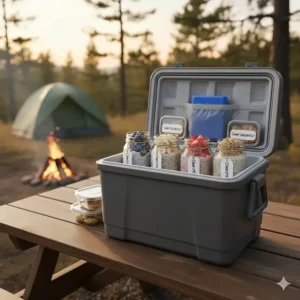
Not all coolers are created equal, and understanding the differences prevents foodborne illness. Clemson University’s Food Safety Extension recommends maintaining temperatures at 40°F or below, which requires quality insulation and proper ice management.
Hard-sided coolers with thick walls outperform soft-sided alternatives for car camping, though they’re heavier. The trade-off makes sense when you’re driving to your site and need to keep food safe for 3-4 days. Soft coolers work for day trips or as supplemental storage.
Ice management strategy matters as much as cooler quality. Block ice lasts longer than cubes but doesn’t conform to food shapes as well. Many experienced campers use a combination: frozen water bottles for sustained cooling plus cube ice for gaps. The frozen bottles become drinking water as they melt, serving double duty.
Vacuum Sealers and Storage Bags
Investing in a quality vacuum sealer transforms meal prep capabilities. These machines remove air before sealing bags, preventing freezer burn and dramatically extending frozen food lifespan. A properly sealed chicken breast lasts 2-3 years in the freezer versus 6-9 months in regular packaging.
For camping specifically, vacuum-sealed portions create compact, waterproof packages that stack efficiently in coolers. They’re also portion-controlled automatically—each bag contains exactly one meal’s worth of food, eliminating guesswork at the campsite.
Don’t overlook reusable silicone bags as eco-friendly alternatives. While pricier upfront, quality silicone bags withstand hundreds of uses and work with most vacuum sealer attachments. They’re particularly excellent for marinating meats or storing wet ingredients.
Portable Camp Kitchens
Your cooking setup at camp determines which make ahead meals work best. Two-burner camp stoves offer versatility for boiling water and simultaneously warming food. Single-burner backpacking stoves prioritize weight savings over cooking complexity.
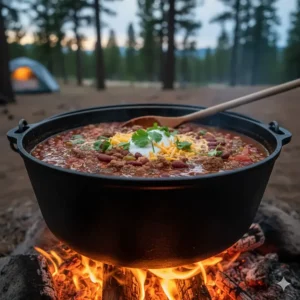
Cast iron Dutch ovens deserve special mention for car campers. These workhorses transform campfires into functional ovens, allowing you to bake, roast, or slow-cook pre-prepped meals. A 12-inch Dutch oven accommodates family-sized portions and develops incredible flavor through thermal mass.
Modern camping grills with temperature controls bridge the gap between primitive campfire cooking and home convenience. They’re worth considering if your campsite permits propane or charcoal and you’re willing to haul the extra weight.
Food Safety Guidelines for Camping
The Critical Temperature Danger Zone
Between 40°F and 140°F lies the danger zone where bacteria multiply exponentially. According to FoodSafety.gov, food left in this range for more than 2 hours becomes unsafe—or just 1 hour when temperatures exceed 90°F.
This reality shapes every decision about make ahead camping meals. That’s why freeze-dried options excel for summer camping and warm climates. They require no temperature control until rehydration, eliminating the danger zone entirely.
For perishable make ahead meals in coolers, constant vigilance pays dividends. Place a refrigerator thermometer inside your cooler and check it regularly. If temperatures creep above 40°F, you’re racing the clock on food safety.
Proper Storage and Transportation
The journey to your campsite poses unique challenges. Hot car trunks in summer sunshine can raise cooler temperatures despite adequate ice. Michigan State University Extension recommends keeping coolers inside the passenger compartment where air conditioning helps maintain lower temperatures.
Pack coolers strategically by usage timeline. Items for day one go on top for easy access. Foods for later in the trip nestle at the bottom surrounded by maximum ice protection. This minimizes how often you open the cooler, which causes temperature spikes.
Never pack a warm cooler. Pre-chill it overnight before loading, and ensure all foods enter the cooler already cold or frozen. Starting with cold conditions means your ice lasts longer and temperatures stay safer throughout the trip.
Cleaning and Sanitization in the Wild
Without running water and modern conveniences, maintaining hygiene requires creativity. Hand sanitizer with at least 60% alcohol content becomes your best friend, though it doesn’t replace proper handwashing when possible.
Biodegradable camp soap sounds environmentally friendly but must still be used far from water sources. The “biodegradable” label doesn’t mean harmless to aquatic ecosystems—it just means natural decomposition eventually occurs. Dispose of wash water at least 200 feet from streams and lakes.
Create a three-bucket dishwashing station for proper sanitation: one for washing with hot soapy water, one for rinsing, and one for sanitizing. A capful of bleach in the sanitizing bucket kills bacteria that soap alone might miss.
Meal Planning Strategies
Calculating Caloric Needs
Camping burns significantly more calories than daily life, especially if you’re hiking or engaging in active recreation. The average person needs 2,000 calories daily at rest but might require 3,000-4,000 calories during active camping days.
Don’t skimp on calorie-dense foods like nuts, dried fruits, and fatty proteins. These provide sustained energy without requiring large portions or constant snacking. A single serving of trail mix (nuts, dried fruit, chocolate chips) delivers 300-400 calories in a compact, no-refrigeration package.
Children and teenagers often surprise parents with their increased appetites outdoors. Fresh air and constant activity trigger hunger like never before. Plan for 25% more food than you think you’ll need, especially for growing kids.
Balancing Nutrition and Convenience
The temptation to survive entirely on granola bars and instant noodles is real but regrettable. Your body craves balanced nutrition, especially during physical exertion. Make ahead camping meals should include protein, complex carbohydrates, and vegetables whenever possible.
Freeze-dried meals often lack sufficient vegetables due to weight and cost considerations. Supplement them with dehydrated vegetable chips or fresh produce that travels well (carrots, bell peppers, apples). These additions boost nutrition without significantly increasing prep complexity.
Don’t forget micronutrients. Multivitamins provide insurance against dietary gaps, particularly on extended trips. They’re lightweight, require no preparation, and offer peace of mind that your nutritional bases are covered.
Creating Flexible Menu Plans
Rigid meal plans crumble when faced with camping reality. Weather changes, activity levels vary, and sometimes you’re just too tired to cook anything complex. Build flexibility into your menu by having backup options at multiple preparation levels.
Three-tier planning works brilliantly: primary meals for normal days, simple alternatives if you’re exhausted, and ultra-convenient options for emergencies. This might mean gourmet pre-made lasagna as your main dinner, instant pasta if you’re wiped out, and protein bars if the weather turns dangerous.
Account for group dynamics when planning. If you’re camping with picky eaters (kids or adults), having customizable options prevents mealtime battles. Taco bars with various toppings or build-your-own sandwich stations let everyone create meals they’ll actually eat.
Best Practices for Different Camping Types
Car Camping Advantages
When you can drive to your campsite, weight and volume restrictions essentially disappear. This luxury transforms meal possibilities dramatically. That heavy Dutch oven? Pack it. Multiple coolers? Absolutely. Fresh eggs in a protective carrier? Why not?
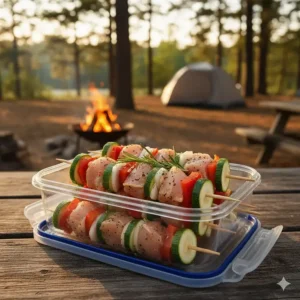
Car camping permits bringing partially prepared meals that require finishing at camp. Pre-marinated meats ready for the grill, chopped vegetables organized in containers, and pre-measured ingredients for campfire recipes all become viable options.
Don’t let abundance create waste, though. More space doesn’t mean you need more food. Stick to your meal plan and resist overpacking perishables that might spoil before you can use them.
Backpacking Considerations
Every ounce matters when you’re carrying your home on your back. Freeze-dried and dehydrated options dominate backpacking meal planning for good reason—they offer the best calorie-to-weight ratio available.
Calculate your total food weight carefully. Ultralight backpackers aim for 1.5-2 pounds of food per person per day. This tight constraint requires strategic planning around calorie density. Instant mashed potatoes, couscous, and protein powder become staples.
Water availability shapes backpacking meal choices significantly. If you’re near reliable water sources, bulkier freeze-dried meals make sense. In arid regions where water must be carried, minimize rehydration requirements by choosing foods that need minimal liquid.
RV and Glamping Scenarios
With full kitchen facilities or substantial cooking setups, make ahead camping meals serve different purposes. They’re less about survival and more about maximizing vacation time while minimizing cooking effort.
Pre-made casseroles that reheat in the RV oven, slow-cooker meals prepped in bags for dump-and-go convenience, and elaborate breakfasts assembled at home all fit glamping scenarios beautifully.
The fridge in your RV changes food safety dynamics completely. You can safely store perishables for the entire trip if the fridge maintains proper temperatures. This opens up fresh salad possibilities and dairy-based dishes that car camping can’t accommodate.
Budget-Friendly Make Ahead Meal Ideas
Inexpensive Breakfast Options
Overnight oats cost pennies per serving and provide sustained energy through morning activities. Combine oats, powdered milk, dried fruit, and nuts in individual containers at home. At camp, add water the night before, and breakfast magically appears by morning.
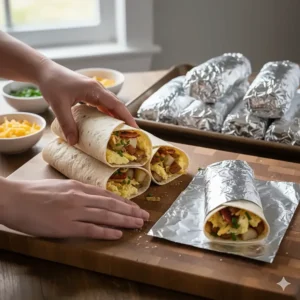
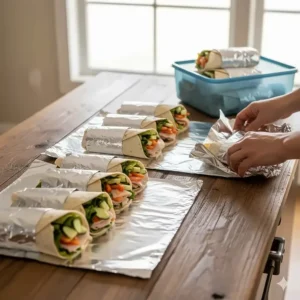
Breakfast burritos offer incredible value when made in bulk. A dozen burritos using eggs, beans, cheese, and tortillas costs roughly $10-12 total. Wrap them individually in foil, freeze them solid, and you’ve got convenient morning meals for under a dollar each.
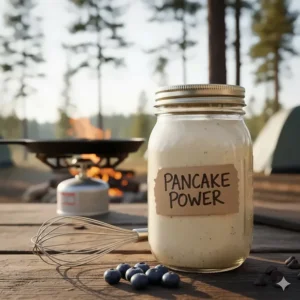
Pancake mix in a repurposed plastic bottle with measurements marked creates shake-and-pour convenience. Add water, shake vigorously, and pour directly onto your griddle. This eliminates bowls and measuring cups from your camp kitchen entirely.
Affordable Lunch and Dinner Solutions
Pasta-based meals deliver filling nutrition at bargain prices. Pre-cook pasta at home, toss it with olive oil to prevent sticking, and store it in portion-sized bags. At camp, reheat it with jarred marinara or pesto sauce—total cost per serving hovers around $1.50-2.
Rice and beans together create complete protein at unbeatable prices. Pre-cook rice, season black or pinto beans, and combine them with cheese and salsa. This Mexican-inspired meal costs roughly $1 per serving and satisfies even hungry teenagers.
Soup mixes assembled at home from dried lentils, barley, bouillon cubes, and dehydrated vegetables provide comfort food for chilly evenings. One large pot feeds multiple people for just a few dollars total, and leftovers taste even better the next day.
DIY Freeze-Dried Alternatives
Home dehydrators, while requiring upfront investment, dramatically reduce meal costs long-term. Dehydrating seasonal vegetables when they’re cheapest extends their use throughout the year and creates camping-ready ingredients.
Dehydrating cooked ground beef, pasta sauce, and vegetables separately allows mix-and-match meal creation. These components rehydrate in about 15 minutes with boiling water and cost 40-60% less than commercial freeze-dried equivalents.
Even without a dehydrator, you can create camping-friendly foods. Jerky made from inexpensive cuts of meat during sales provides protein-rich snacks. Fruit leather from overripe produce offers sweet treats that kids love.
Advanced Meal Prep Techniques
Vacuum Sealing for Extended Freshness
Mastering vacuum sealing techniques multiplies food preservation capabilities exponentially. The trick lies in partially freezing liquids before sealing—this prevents them from being sucked into the vacuum chamber and creating incomplete seals.
For marinated meats, vacuum sealing accelerates flavor penetration dramatically. What normally requires 4-6 hours of marinating happens in 30-45 minutes under vacuum pressure. This tenderizes tougher cuts while infusing deep flavors.
Portion control becomes automatic with vacuum sealing. Create single-serving or family-sized portions based on your needs, then stack them efficiently in coolers or freezers. The clear bags let you see contents at a glance without opening packages.
Freeze-Drying at Home
Home freeze-dryers represent significant investments ($2,000-3,000) but offer unparalleled food preservation capabilities. They allow you to freeze-dry your own meals with complete control over ingredients and flavors.
The process takes 24-36 hours per batch but requires minimal active time. Load prepared meals into trays, start the machine, and return a day later to find fully preserved food with 25+ year shelf life. The economic break-even point comes after processing approximately 250-300 meals.
Freeze-dried ingredients also enable creative camping cuisine impossible with commercial options. Imagine freeze-dried crab for seafood pasta, fresh berries for morning oatmeal, or homemade ice cream for dessert—all shelf-stable and lightweight.
Dehydrating Complete Meals
Dehydrating entire meals requires understanding how different ingredients rehydrate. Vegetables and grains rehydrate quickly, while meats need longer or should be ground finely. Cooked ground beef crumbles dehydrate beautifully and rehydrate in about 10 minutes.
Layer dehydration creates texture variety. Dehydrate sauce separately from pasta or rice, then combine them in packaging. At camp, these components rehydrate at different rates, creating more interesting textures than mush.
Temperature control matters more than time when dehydrating. Higher temperatures cook food rather than preserving it, destroying nutrients and flavor. Patient dehydration at 135-145°F produces superior results worth the extra few hours.
Specialized Diets and Restrictions
Gluten-Free Camping Solutions
Cross-contamination poses challenges even with naturally gluten-free foods. Dedicated gluten-free preparation surfaces at home eliminate this risk entirely. Pre-make meals in certified gluten-free facilities (your kitchen with proper protocols) to ensure safety.
Many freeze-dried camping meals now offer gluten-free certification, though options remain more limited than standard varieties. Mountain House, Peak Refuel, and Wild Zora all produce certified gluten-free meals clearly labeled for easy identification.
Rice, quinoa, and corn-based products become staples for gluten-free camping cuisine. These grains store well, prepare easily, and provide satisfying substance without gluten contamination risks.
Vegan and Vegetarian Options
Plant-based camping presents unique opportunities and challenges. Beans and lentils provide protein and fiber but require longer cooking times or pre-cooking. Pre-cook them at home, then rehydrate at camp for faster meals.
Textured vegetable protein (TVP) receives mixed reviews from outdoor enthusiasts. Some appreciate its light weight and high protein content, while others find its texture off-putting. Experiment at home before committing to TVP-based meals for an entire camping trip.
Don’t overlook the protein power of nuts and seeds. Nut butters, trail mixes, and seed-based energy bars deliver concentrated nutrition without refrigeration requirements. They’re perfect for quick energy during activities.
Keto and Low-Carb Adaptations
Maintaining ketosis while camping requires careful planning since traditional camping foods lean heavily on carbohydrates. Focus on fatty proteins and low-carb vegetables that travel well.
Beef jerky, string cheese (if you have cooling capabilities), and pepperoni all provide keto-friendly protein options. Nuts like macadamias and pecans offer high fat content with minimal carbs.
Cauliflower rice dehydrates reasonably well and rehydrates into acceptable substitutes for regular rice. Season it aggressively since dehydration mutes flavors. Adding bacon bits or parmesan cheese improves taste dramatically.
✨ Don’t Miss These Exclusive Deals!
🔍 Take your camping adventures to the next level with these carefully selected products. These tools will help you create authentic outdoor memories your family will love!
Common Mistakes to Avoid
Overpacking Food
Enthusiasm for meal variety often leads to ridiculous overpacking. Families routinely bring enough food for twice their trip length, resulting in wasted money and spoiled perishables. Calculate actual meal needs: breakfast, lunch, dinner, and 2-3 snacks per person per day.
Overestimating consumption happens easily because we forget that camping activities often reduce appetite initially (though it rebounds dramatically by day two or three). Start conservative and bring shelf-stable backups rather than excess perishables.
Remember that many campgrounds offer stores for emergency supplies. While prices run higher than grocery stores, they’re cheaper than throwing away spoiled food you never used. Build flexibility rather than redundancy into your packing.
Ignoring Weather Considerations
Hot weather accelerates food spoilage exponentially, while cold weather can freeze liquids you didn’t intend to freeze. Check extended forecasts and plan accordingly. Unexpected heat waves might necessitate more ice, fewer perishables, or ice supply midpoint.
Frozen meals can burst vacuum-sealed bags if water content expands too much. Leave some air space or use freezer-safe containers that accommodate expansion. This prevents disappointing discoveries of ruined food upon arrival.
Altitude affects cooking times and boiling points significantly. Water boils at lower temperatures as elevation increases, meaning foods take longer to cook. At 10,000 feet, water boils at 194°F instead of 212°F. Plan for extended cooking times or pre-cook foods more thoroughly at home.
Poor Container Selection
Glass containers break easily in transit and add significant weight. Plastic containers work better for most camping applications but must be food-grade and BPA-free. Silicone bags offer lightweight flexibility with decent durability.
Choosing containers without proper sealing mechanisms invites disaster. A loose lid on pasta sauce coating your entire cooler’s contents ruins everyone’s mood quickly. Test seals at home by turning containers upside down over a sink.
Size matters tremendously for efficient packing. Multiple small containers create wasted space, while oversized ones force awkward arrangements. Match container sizes to actual portion needs rather than using whatever’s available in your kitchen.
FAQ
❓ How long can make ahead camping meals stay frozen in a cooler?
❓ Can I make ahead camping meals without a freezer?
❓ What make ahead camping meals work best for kids?
❓ How do I prevent freezer burn on make ahead camping meals?
❓ Are commercial freeze dried meals worth the cost?
Conclusion
Make ahead camping meals transform outdoor adventures from stressful food logistics into relaxing experiences where you actually enjoy nature. Whether you’re investing in commercial freeze-dried options, preparing elaborate home-cooked frozen meals, or taking a hybrid approach with simple dehydrated components, the key lies in matching your meal strategy to your camping style.
Start small if you’re new to meal prep. Choose one weekend trip to experiment with pre-made breakfasts only. As you discover what works for your family’s tastes and camping preferences, gradually expand your repertoire. Before long, you’ll wonder how you ever managed the old way.
The beauty of modern camping meals is their incredible variety. From budget-conscious college students surviving on ramen to gourmet glampers enjoying sous vide chicken, everyone finds options matching their needs and preferences. The common thread? Less time cooking means more time creating memories under the stars.
Your next camping trip starts in your kitchen long before you pack the car. Invest a few hours in thoughtful meal preparation, and you’ll reap rewards throughout your entire outdoor adventure.
Recommended for You
- 7 Best Camper Water Tanks 2025 | Expert Reviews & Buying Guide
- 7 Best Camper Trailer Kitchen Sinks You Need in 2025
- 7 Best Camper Toilet Parts You Need in 2025
Disclaimer: This article contains affiliate links. If you purchase products through these links, we may earn a small commission at no additional cost to you.
✨ Found this helpful? Share it with your friends! 💬🤗
