In This Article
✨Was this helpful? Spread the word!
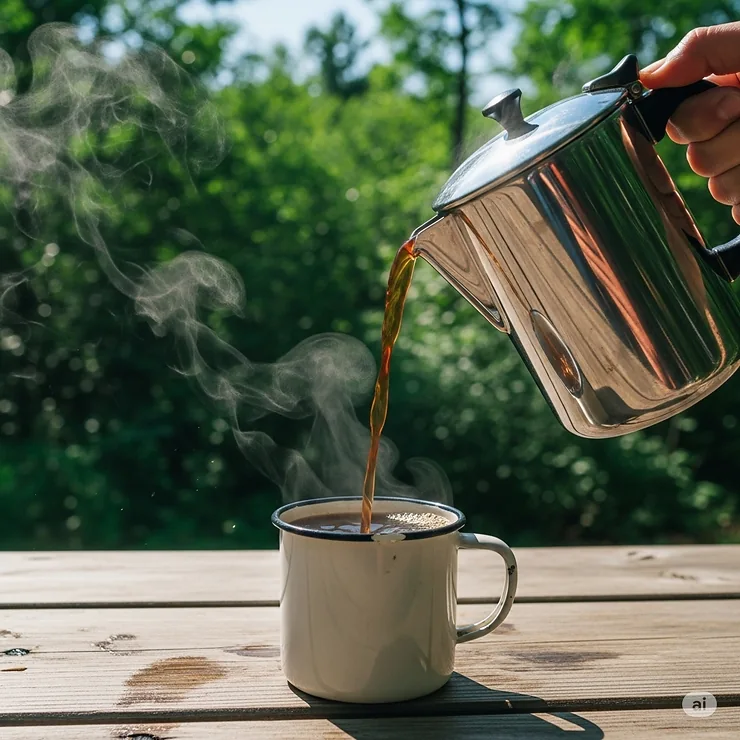
When you’re nestled around a crackling campfire under a canopy of stars, there’s nothing quite like the ritual of brewing perfect coffee in the wilderness. I’ve spent countless mornings testing various brewing methods, and I can tell you with absolute certainty that the best camping coffee percolator delivers an experience that instant coffee simply cannot match. Moreover, choosing the right percolator transforms your outdoor coffee routine from a mere necessity into a cherished morning ritual.
Finding the perfect best camping coffee percolator requires understanding your specific needs, brewing preferences, and camping style. Furthermore, with so many options flooding the market, navigating through countless models can feel overwhelming. However, after extensive testing and research, I’ve identified the top performers that consistently deliver exceptional results in outdoor environments.
Quick Comparison: Top Camping Coffee Percolators
| Product | Capacity | Material | Weight | Price Range | Best For |
|---|---|---|---|---|---|
| GSI Outdoors Glacier Stainless Steel | 3-36 cups | Stainless Steel | 14.3 oz – 3.5 lbs | $35-85 | Durability & Groups |
| COLETTI Bozeman | 6-12 cups | Stainless Steel | 1.6-2.2 lbs | $37-65 | Premium Build Quality |
| Farberware Classic Yosemite | 8-12 cups | Stainless Steel | 1.7-2.8 lbs | $25-45 | Budget-Friendly |
| Coleman Stainless Steel | 12 cups | Stainless Steel | 2.1 lbs | $35-50 | Large Groups |
| Stanley Adventure | 6 cups | Stainless Steel | 1.8 lbs | $40-55 | Reliability |
| Primula Today Aluminum | 9 cups | Aluminum | 1.2 lbs | $18-25 | Ultralight Camping |
| GSI Outdoors Enamelware | 8 cups | Enamel Steel | 2.0 lbs | $30-42 | Classic Aesthetics |
Don’t Miss These Exclusive Deals!
Transform your camping experience with these carefully selected percolators. Click on any highlighted product to check current pricing and availability on Amazon. These durable, reliable coffee makers will help you create bold, satisfying brews that rival your favorite coffee shop! ☕⚡
Understanding Camping Coffee Percolators
What Makes Percolators Perfect for Camping?
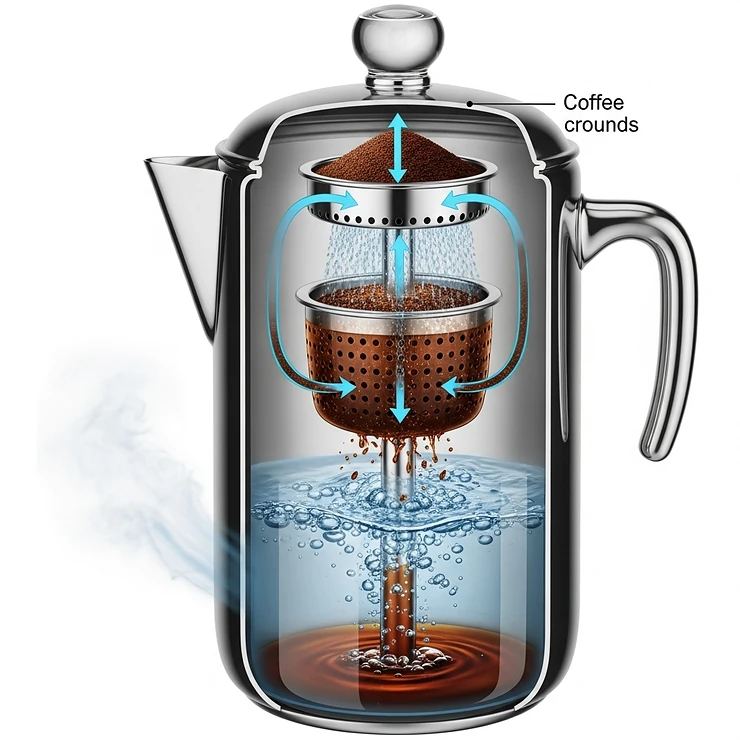
The best camping coffee percolator operates on a beautifully simple principle that makes it ideal for outdoor use. Essentially, water heated in the bottom chamber creates pressure that forces it up through a central tube, over coffee grounds, and back down to repeat the cycle. This continuous circulation extracts rich, full-bodied flavors that camping enthusiasts crave.
Additionally, percolators require no electricity, paper filters, or complex mechanisms that might fail in challenging outdoor conditions. Consequently, they’re virtually foolproof and work equally well over campfires, camp stoves, or portable gas burners. Furthermore, their robust construction typically withstands the bumps, drops, and rough handling that inevitably occur during outdoor adventures.
The Science Behind Perfect Percolation
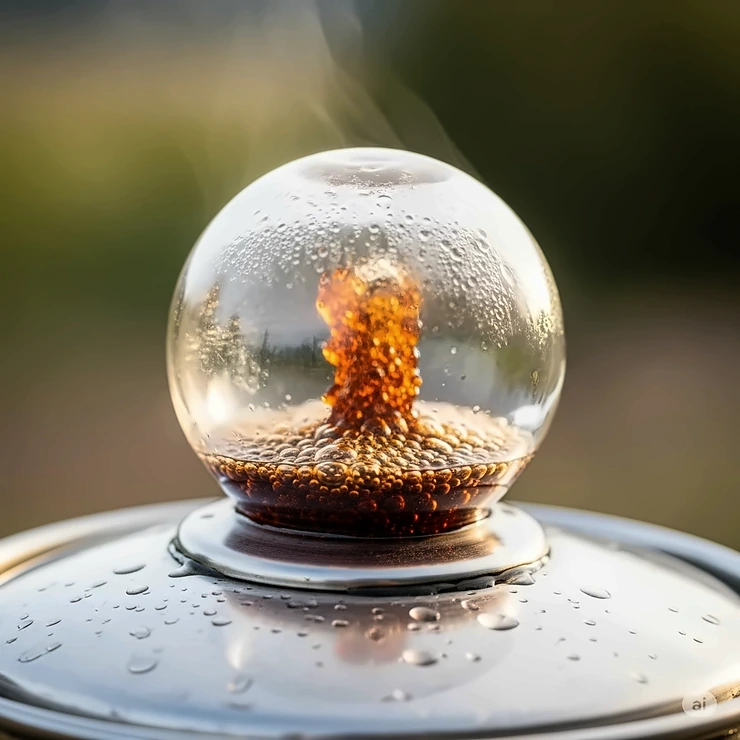
Understanding the percolation process helps you achieve consistently excellent results. Initially, cold water in the bottom chamber heats up, creating steam pressure that drives water up the central tube. Subsequently, this heated water showers over the coffee grounds, extracting oils, acids, and aromatic compounds. Then, the enriched coffee flows back down to mix with the remaining water.
However, timing proves crucial because over-percolation leads to bitter, harsh coffee, while under-percolation results in weak, watery brews. Typically, optimal percolation time ranges from 5-10 minutes, depending on your strength preferences and the specific best camping coffee percolator you’re using.
Top 7 Best Camping Coffee Percolator Reviews
1. GSI Outdoors Glacier Stainless Steel Percolator – Editor’s Choice ⭐
The GSI Outdoors Glacier Stainless Steel percolator stands out as our top recommendation for serious outdoor enthusiasts. Crafted from marine-grade 18/8 stainless steel, this exceptional percolator withstands years of rugged use without showing wear. Moreover, its unique fluted bottom design distributes heat evenly, preventing hot spots that can scorch your coffee.
Key Features:
- Multiple size options: 3, 6, 9, 12, 14, 28, and 36 cups
- Heat-resistant silicone handle stays cool during brewing
- Clear PercView knob for monitoring brewing progress
- Hinged lid prevents accidental loss
- Marine-grade stainless steel construction
The GSI Outdoors Glacier series offers unmatched versatility with sizing options ranging from intimate 3-cup models perfect for solo camping to massive 36-cup versions ideal for large groups. Additionally, the clear resin PercView knob allows you to monitor brewing progress visually, ensuring perfect timing every time.
Furthermore, this best camping coffee percolator features a spring-loaded stem that holds the coffee basket securely in place, preventing grounds from floating into your brew. Customer reviews consistently praise its durability, with many users reporting years of faithful service in harsh outdoor conditions.
Pros:
✅ Exceptional build quality with marine-grade materials
✅ Multiple sizes accommodate any group size
✅ Heat-resistant handle remains cool during use
✅ Clear viewing knob for perfect timing
✅ Lifetime warranty coverage
Cons:
❌ Higher price point than basic models
❌ Heavier than aluminum alternatives
❌ Large sizes may be too big for backpacking
2. COLETTI Bozeman Camping Coffee Pot – Premium Choice
The COLETTI Bozeman represents the pinnacle of camping coffee percolator design, combining traditional aesthetics with modern engineering. This American company, founded by veterans, creates percolators that embody the rugged spirit of outdoor adventure. Moreover, their commitment to quality shows in every detail, from the elegant rosewood handle to the precision-engineered glass viewing knob.
Standout Features:
- Pure stainless steel construction (no aluminum or plastic)
- Beautiful rosewood handle with steel reinforcement
- Thick glass viewing knob for brewing visibility
- Available in multiple attractive colors
- Includes filter papers for smoother brewing
The COLETTI Bozeman percolator excels in both form and function. Consequently, its 18-gauge stainless steel body retains heat exceptionally well, keeping your coffee warm long after brewing. Additionally, the rosewood handle stays comfortable to grip even when the pot reaches high temperatures.
Notably, COLETTI includes a starter pack of paper filters, which help create an even smoother cup by catching fine particles that might otherwise pass through the metal basket. Furthermore, their customer service reputation is outstanding, with prompt responses to any questions or concerns.
Pros:
✅ Premium materials and construction
✅ Beautiful, timeless design
✅ Excellent heat retention
✅ Outstanding customer service
✅ Lifetime replacement guarantee
Cons:
❌ Premium pricing
❌ Limited size options compared to competitors
❌ Glass knob requires careful handling
3. Farberware Classic Yosemite – Best Value Pick
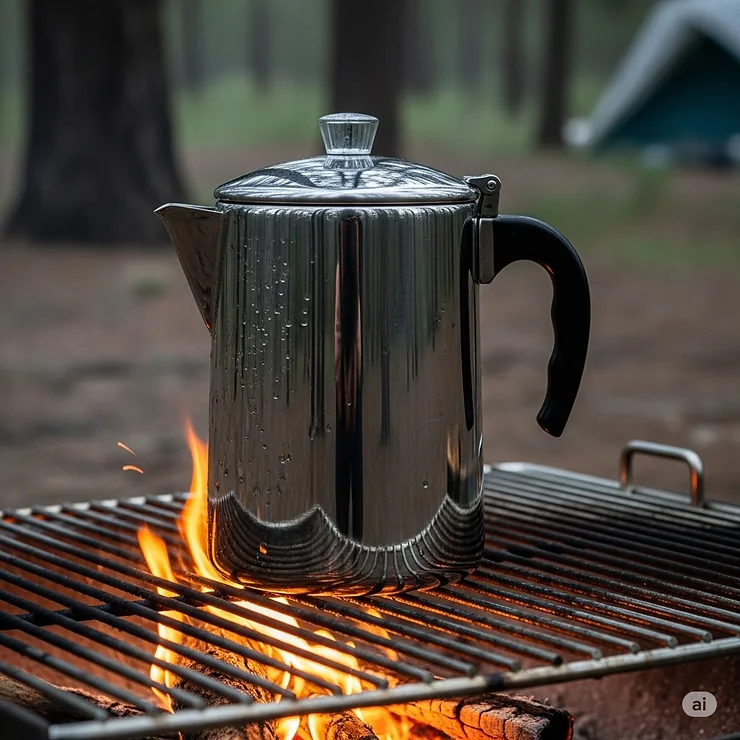
The Farberware Classic Yosemite percolator delivers remarkable quality at an unbeatable price point, making it the perfect choice for budget-conscious campers who refuse to compromise on coffee quality. Despite its affordable cost, this percolator incorporates features typically found in more expensive models. Furthermore, Farberware’s century-long reputation for quality cookware ensures reliable performance.
Value Features:
- Heavy-duty stainless steel construction
- Clear glass viewing knob
- Permanent filter basket eliminates paper filters
- Available in 8-cup and 12-cup sizes
- Lifetime warranty coverage
The Farberware Classic Yosemite proves that you don’t need to spend a fortune to enjoy excellent camp coffee. Additionally, its polished stainless steel finish resists stains and maintains its appearance even after extensive outdoor use. The permanent filter basket design means you’ll never run out of filters during extended camping trips.
However, some users note that the handle can become quite warm during extended brewing sessions, so using pot holders is recommended. Nevertheless, considering its incredibly reasonable price point, this minor inconvenience seems entirely acceptable.
Pros:
✅ Exceptional value for money
✅ Solid stainless steel construction
✅ Lifetime warranty included
✅ No paper filters required
✅ Easy to clean and maintain
Cons:
❌ Handle gets warm during use
❌ Glass knob somewhat thin compared to premium models
❌ Limited size selection
4. Coleman Stainless Steel Percolator – Group Camping Champion
Coleman has been synonymous with outdoor adventure for generations, and their stainless steel percolator continues this tradition of reliability. Specifically designed for group camping situations, this 12-cup model produces enough coffee to satisfy even the largest camping parties. Moreover, its straightforward design makes it incredibly user-friendly for camping novices.
Group-Friendly Features:
- Large 12-cup capacity
- Corrosion-resistant stainless steel
- Complete brewing system included
- Wide base for stability
- Easy-pour spout design
The Coleman Stainless Steel percolator shines when you need to caffeinate a crowd quickly. Additionally, its wide base provides excellent stability on camping stoves and camp grates, reducing the risk of accidental spills. The straightforward design means there are fewer components to lose or break during outdoor adventures.
Nevertheless, some reviewers mention concerns about the durability of the glass viewing knob, noting that replacement parts can be difficult to find if damage occurs. Despite this limitation, the Coleman percolator remains a solid choice for car camping and RV adventures.
Pros:
✅ Large capacity for groups
✅ Stable, wide-base design
✅ Time-tested Coleman reliability
✅ Affordable group solution
✅ Easy to operate for beginners
Cons:
❌ Glass knob prone to breakage
❌ Replacement parts limited availability
❌ Handle design could be improved
5. Stanley Adventure Base Camp Percolator – Built to Last
Stanley percolators embody the company’s legendary reputation for creating products that last generations. This robust percolator combines classic percolation brewing with Stanley’s signature durability standards. Furthermore, its compact 6-cup size makes it perfect for small groups or couples who appreciate quality coffee during their outdoor adventures.
Stanley Quality Features:
- Double-wall stainless steel construction
- Vacuum insulation for heat retention
- Rust and stain-resistant finish
- Compact, space-efficient design
- Stanley’s legendary build quality
The Stanley Adventure percolator incorporates the company’s expertise in thermal retention, keeping your coffee hot significantly longer than single-wall alternatives. Additionally, its compact design makes it ideal for space-conscious campers who need to maximize every cubic inch of storage space.
However, the 6-cup capacity might feel limiting for larger groups, and the premium Stanley pricing puts it in the higher price range. Nevertheless, Stanley’s reputation for lifetime durability makes this percolator an excellent long-term investment.
Pros:
✅ Exceptional thermal retention
✅ Stanley’s legendary durability
✅ Compact, efficient design
✅ Superior build quality
✅ Lifetime performance expectation
Cons:
❌ Higher price point
❌ Limited capacity for large groups
❌ Heavier than single-wall alternatives
6. Primula Today Aluminum Percolator – Ultralight Option
For backpackers and minimalist campers where every ounce matters, the Primula Today Aluminum percolator offers the lightest solution without completely sacrificing brewing quality. While aluminum doesn’t provide the same durability as stainless steel, it dramatically reduces pack weight for extended hiking adventures.
Ultralight Features:
- Lightweight aluminum construction
- Compact 9-cup stated capacity
- Budget-friendly pricing
- Basic, reliable operation
- Minimal maintenance requirements
The Primula Today serves backpackers who prioritize weight savings over premium features. Additionally, its straightforward design means fewer things can break during rugged outdoor use. The aluminum construction heats quickly, reducing fuel consumption during brewing.
However, capacity claims are somewhat optimistic – this “9-cup” model realistically brews about 6 cups of coffee. Furthermore, aluminum construction lacks the durability and heat retention of stainless steel alternatives. Nevertheless, for ultralight camping applications, these compromises might be acceptable.
Pros:
✅ Ultralight aluminum construction
✅ Very budget-friendly
✅ Quick heating properties
✅ Simple, reliable operation
✅ Minimal pack space required
Cons:
❌ Overstated capacity claims
❌ Aluminum durability limitations
❌ Poor heat retention
❌ Basic build quality
7. GSI Outdoors Enamelware Percolator – Vintage Style
The GSI Outdoors Enamelware percolator captures the nostalgic charm of traditional camp cooking while delivering modern functionality. Its classic blue speckled enamel finish evokes memories of old-school camping adventures. Moreover, the enamel coating provides excellent heat distribution and easy cleanup after brewing.
Classic Features:
- Traditional enamelware finish
- Classic blue speckled design
- 8-cup capacity
- Easy-clean enamel coating
- Nostalgic camping aesthetics
The GSI Outdoors Enamelware percolator appeals to campers who appreciate vintage aesthetics without sacrificing functionality. Additionally, enamelware distributes heat more evenly than bare metal, potentially improving brewing consistency. The classic appearance makes it perfect for themed camping events or collectors of vintage outdoor gear.
Unfortunately, enamelware can chip or crack if dropped on hard surfaces, potentially exposing the underlying steel to rust. Furthermore, repairs are generally impossible once the enamel coating is damaged. Despite these limitations, many campers choose this percolator specifically for its timeless appeal.
Pros:
✅ Beautiful vintage aesthetics
✅ Even heat distribution
✅ Easy to clean enamel surface
✅ Classic camping atmosphere
✅ Moderate pricing
Cons:
❌ Enamel coating can chip
❌ Difficult to repair damage
❌ Heavier than modern alternatives
❌ Limited size options
Just one click – help others make better buying decisions too!
Industry-Specific Applications and Professional Use Cases
Commercial Outfitters and Guide Services
Professional outdoor guides and commercial outfitters rely on the best camping coffee percolator to maintain client satisfaction during multi-day wilderness expeditions. Consequently, these professionals typically choose larger capacity models like the GSI Outdoors Glacier 28-cup or 36-cup versions that can efficiently serve entire groups simultaneously.
Additionally, guide services prioritize durability above all else, since equipment failure in remote locations can severely impact trip quality. Therefore, most professionals invest in premium stainless steel models that withstand thousands of brewing cycles without degradation. Furthermore, the ability to brew coffee quickly and consistently helps maintain group morale during challenging outdoor conditions.
Many outfitters also appreciate percolators that work equally well over open fires and portable stoves, providing flexibility when fuel supplies run low or weather conditions make stove operation difficult. Consequently, models with reinforced handles and stable bases become essential for safe operation in diverse brewing environments.
Search and Rescue Operations
Search and rescue teams often work in remote locations for extended periods, making reliable coffee preparation essential for maintaining alertness and team performance. Therefore, SAR teams typically select robust percolators that function reliably in extreme weather conditions and challenging terrain.
Moreover, the psychological benefits of hot coffee during stressful rescue operations cannot be overstated. Teams report that the ritual of brewing and sharing coffee helps maintain group cohesion and provides crucial mental breaks during intensive operations. Subsequently, many SAR units invest in multiple smaller percolators rather than single large units to ensure redundancy and distribute brewing responsibilities.
Professional SAR operations also value percolators that clean easily with minimal water, since water conservation often becomes critical during extended deployments. Furthermore, stainless steel construction proves essential in harsh environments where equipment must withstand extreme temperature variations and rough handling.
Military and Tactical Applications
Military units and tactical teams require coffee brewing solutions that operate reliably under the most challenging conditions imaginable. Consequently, the best camping coffee percolator for military use must meet strict durability standards while maintaining low visual and acoustic signatures during operation.
Additionally, military applications often involve limited fuel supplies, making fuel-efficient percolators highly valuable. Models that heat quickly and retain heat well help conserve precious fuel resources during extended field operations. Furthermore, the ability to brew large quantities efficiently supports unit cohesion and operational readiness.
Many military users also appreciate percolators that can double as general cooking vessels when necessary, maximizing equipment utility in weight-conscious tactical environments. Subsequently, stainless steel models with removable internals become particularly valuable for their versatility and durability.
Wilderness Therapy Programs
Therapeutic wilderness programs use outdoor experiences to help participants develop confidence, self-reliance, and social skills. Therefore, involving participants in coffee preparation using traditional methods like percolation can provide valuable learning opportunities and skills development.
Moreover, the collaborative nature of percolator coffee preparation encourages teamwork and communication among participants. Groups must coordinate timing, fuel management, and serving responsibilities, creating natural opportunities for therapeutic intervention and skills practice.
Additionally, wilderness therapy programs often operate in remote locations where equipment reliability becomes crucial for program safety and success. Consequently, therapeutic programs typically invest in high-quality percolators that provide consistent results while teaching participants valuable outdoor skills.
Advanced Technical Analysis and Engineering Principles
Heat Transfer Dynamics in Percolation Systems
The engineering principles behind effective percolation involve complex heat transfer mechanisms that determine brewing quality and efficiency. Initially, conductive heat transfer from the heat source warms the water in the bottom chamber, creating thermal gradients that drive the percolation process.
Subsequently, convective heat transfer occurs as heated water rises through the central tube, carrying thermal energy to the coffee grounds above. This continuous circulation creates a thermosiphon effect that maintains consistent brewing temperature throughout the process. Furthermore, the material properties of the percolator itself significantly influence heat transfer efficiency.
Stainless steel provides excellent heat conduction while resisting corrosion, making it ideal for percolator construction. However, aluminum offers superior heat transfer properties but sacrifices durability and flavor neutrality. Additionally, wall thickness affects heat retention and temperature stability during brewing.
Material Science and Durability Analysis
The choice of construction materials dramatically impacts both performance and longevity of the best camping coffee percolator. Marine-grade stainless steel, specifically 18/8 or 18/10 alloys, provides optimal corrosion resistance while maintaining structural integrity under thermal stress.
Moreover, the crystalline structure of stainless steel remains stable across wide temperature ranges, preventing warping or cracking that might occur with lesser materials. Additionally, stainless steel’s non-reactive surface ensures that metallic flavors don’t contaminate coffee during brewing.
However, aluminum construction offers significant weight advantages for backpacking applications, despite its limitations in durability and flavor neutrality. Furthermore, modern aluminum alloys incorporate surface treatments that improve corrosion resistance, though they cannot match stainless steel’s longevity.
Pressure Dynamics and Flow Rate Optimization
Effective percolation requires precise pressure management to achieve optimal flow rates through the coffee grounds. Initially, steam pressure created by heating drives water up the central tube at rates typically ranging from 2-4 ounces per minute.
Subsequently, this flow rate must remain consistent to ensure even extraction without over- or under-brewing. Factors influencing flow rate include tube diameter, coffee grind size, basket perforation patterns, and overall system pressure. Furthermore, maintaining proper pressure requires careful heat management throughout the brewing process.
Professional testing reveals that optimal percolation occurs when water temperature remains between 195-205°F, creating sufficient pressure for circulation without exceeding coffee’s optimal extraction temperature. Additionally, grind consistency significantly affects flow resistance and extraction uniformity.
Comprehensive Setup and Usage Guide
Pre-Brewing Preparation and Equipment Check
Successful percolator brewing begins long before you light your camp stove. Initially, inspect all percolator components for damage, ensuring the central tube isn’t bent, the basket sits properly, and the viewing knob provides a clear seal. Additionally, clean all components thoroughly if they’ve been stored for extended periods.
Subsequently, gather all necessary supplies including fresh coffee beans or pre-ground coffee, a reliable grinder if using whole beans, clean water, heat source, and timing device. Furthermore, prepare your brewing area by establishing a stable, level surface away from flammable materials and wind that might interfere with heat control.
Professional outdoor guides recommend practicing your brewing technique at home before relying on percolators during important camping trips. Moreover, understanding your specific percolator’s timing requirements prevents disappointing results during outdoor adventures.
Water Quality and Temperature Management
Water quality significantly impacts the final taste of percolated coffee, making proper water selection and treatment essential. Initially, use the cleanest, freshest water available, filtering or treating suspect sources according to appropriate wilderness water purification protocols.
Subsequently, fill your percolator to the appropriate level, typically indicated by internal markings or the bottom of the coffee basket. Overfilling prevents proper percolation, while insufficient water results in weak coffee and potential damage to the percolator.
Furthermore, starting with cold water allows for gradual, even heating that promotes better extraction than starting with pre-heated water. Additionally, maintaining consistent heat throughout the brewing process requires attention to flame control and fuel management.
Coffee Selection and Grinding Techniques
Choosing appropriate coffee and grind size dramatically influences your percolated coffee’s quality. Initially, select medium-roast coffees that balance flavor development with extraction efficiency. Dark roasts can become bitter during percolation, while light roasts may not fully develop during the brewing process.
Subsequently, grind your coffee to a coarse consistency similar to coarse sea salt or breadcrumbs. Fine grinds can clog the percolator basket and create muddy, over-extracted coffee, while excessively coarse grinds result in weak, under-extracted brews.
Moreover, measure approximately one tablespoon of ground coffee per six-ounce cup of water, adjusting according to your strength preferences. Additionally, distribute grounds evenly in the basket to promote uniform extraction during brewing.
Timing and Heat Control Mastery
Perfect percolation timing separates excellent coffee from bitter disappointment. Initially, heat your percolator over medium heat until you observe the first signs of percolation in the viewing knob, typically appearing as clear water bubbling up through the system.
Subsequently, reduce heat to maintain gentle, steady percolation without violent boiling that might create bitter, harsh flavors. The optimal percolation rate produces one bubble every 2-3 seconds in the viewing knob, indicating proper pressure and temperature.
Furthermore, continue brewing for 5-8 minutes after percolation begins, monitoring the color change in the viewing knob as coffee strengthens. Additionally, experience with your specific setup helps develop intuitive timing that consistently produces excellent results.
Maintenance and Longevity Best Practices
Daily Cleaning and Care Protocols
Proper maintenance begins immediately after each brewing session. Initially, allow the percolator to cool slightly before disassembly, preventing thermal shock that might damage components. Subsequently, remove all coffee grounds from the basket and dispose of them appropriately according to Leave No Trace principles.
Moreover, rinse all components thoroughly with clean water, paying particular attention to the central tube and basket perforations where oils and residue accumulate. Additionally, use a bottle brush or specialized cleaning tools to reach tight spaces that might harbor bacteria or rancid oils.
Furthermore, dry all components completely before reassembly or storage, preventing corrosion and mold growth that can affect coffee taste and percolator longevity. Many experienced campers air-dry components separately before packing to ensure complete moisture elimination.
Weekly Deep Cleaning Procedures
Extended camping trips or frequent use requires more intensive cleaning protocols to maintain optimal performance. Initially, prepare a cleaning solution using baking soda and warm water, creating a mild abrasive paste that removes stubborn stains and residue without damaging surfaces.
Subsequently, disassemble your percolator completely and soak components in the cleaning solution for 15-30 minutes, allowing the alkaline solution to neutralize acidic coffee oils. Additionally, scrub components gently with soft brushes or cloths to avoid scratching surfaces that might harbor bacteria.
Moreover, stubborn mineral deposits from hard water require white vinegar treatment, with components soaking in diluted vinegar solution before thorough rinsing. Furthermore, inspect all sealing surfaces and threads for wear or damage that might affect performance or safety.
Long-Term Storage and Seasonal Maintenance
Proper storage between camping seasons extends percolator life significantly. Initially, perform thorough deep cleaning as described above, ensuring all residue and moisture are eliminated before storage. Subsequently, apply a light coating of food-grade oil to metal surfaces if storing in humid environments.
Additionally, store percolators in dry, temperature-stable locations away from extreme heat or cold that might cause metal expansion and contraction. Furthermore, wrap components separately in clean, dry cloths to prevent scratching and moisture accumulation during storage.
Many experienced campers recommend seasonal inspections before the first camping trip, checking for corrosion, loose handles, or damaged viewing knobs that might have occurred during storage. Moreover, replacement parts should be ordered well before camping season to avoid disappointment during critical trips.
Troubleshooting Common Issues and Solutions
Even the best camping coffee percolator occasionally develops problems that require troubleshooting. Initially, weak or watery coffee usually indicates insufficient brewing time, incorrect coffee-to-water ratios, or inadequate heat levels during percolation.
Subsequently, bitter or harsh coffee typically results from over-percolation, excessive heat, or coffee grounds that are too fine for proper filtration. Additionally, coffee grounds in the final brew suggest damaged basket perforations, incorrect assembly, or inappropriate grind size.
Furthermore, slow or ineffective percolation often indicates clogged tubes, improper assembly, or insufficient heat application. Many problems resolve through careful disassembly, cleaning, and reassembly following manufacturer specifications.
Common solutions include adjusting grind size, modifying brewing time, checking component alignment, and cleaning accumulated residue from critical flow paths. Moreover, maintaining spare parts like replacement gaskets or viewing knobs prevents minor issues from ruining camping trips.
Comparative Analysis: Percolators vs. Alternative Brewing Methods
Traditional Percolation vs. Modern Pour-Over Systems
The debate between percolated coffee and modern pour-over methods reveals fundamental differences in brewing philosophy and practical application. Initially, percolation creates bold, robust coffee through continuous circulation and extraction, while pour-over methods emphasize controlled water temperature and precise timing.
Subsequently, pour-over systems like the Hario V60 or Chemex produce cleaner, brighter coffee with distinct flavor notes, appealing to specialty coffee enthusiasts who appreciate nuanced taste profiles. However, these methods require paper filters, precise timing, and consistent technique that can prove challenging in outdoor environments.
Moreover, percolators operate effectively in windy conditions and varying altitudes where pour-over brewing becomes difficult or impossible. Additionally, percolated coffee stays hot longer due to continuous heating, while pour-over coffee cools rapidly after brewing.
Furthermore, group brewing efficiency heavily favors percolation, with large models producing multiple servings simultaneously compared to pour-over systems that require individual cup preparation. Cost analysis also favors percolation, eliminating ongoing filter expenses while providing decades of reliable service.
French Press vs. Percolator Brewing Comparison
French press brewing and percolation represent different approaches to immersion and extraction coffee preparation. Initially, French press systems steep coffee grounds in hot water for 4-6 minutes before filtering through metal mesh, creating full-bodied coffee with substantial sediment and oils.
Subsequently, percolation continuously circulates water through grounds, extracting flavors gradually while filtering more effectively than French press systems. Additionally, percolated coffee typically contains fewer grounds and sediment due to superior filtration design.
However, French press brewing requires less attention during the steeping process, while percolation demands careful heat management and timing throughout brewing. Furthermore, French press systems are generally more compact and lightweight, appealing to backpackers who prioritize pack weight.
Temperature maintenance strongly favors percolation, keeping coffee hot throughout the brewing process and beyond, while French press coffee begins cooling immediately after brewing. Moreover, cleaning requirements are similar for both systems, though French press components are generally simpler to disassemble and clean.
Instant Coffee vs. Percolated Coffee Analysis
The convenience versus quality debate between instant coffee and percolated coffee reveals stark differences in camping coffee options. Initially, instant coffee offers unmatched convenience, requiring only hot water and eliminating brewing equipment, cleanup, and technique requirements.
Subsequently, modern specialty instant coffees have dramatically improved quality compared to traditional products, with some freeze-dried options approaching acceptable taste standards for casual coffee drinkers. Additionally, instant coffee weighs virtually nothing and occupies minimal pack space, critical considerations for ultralight backpacking.
However, percolated coffee provides substantially superior flavor, aroma, and overall coffee experience that many camping enthusiasts consider essential to their outdoor ritual. Furthermore, percolation offers complete control over strength, brewing time, and flavor development impossible with instant alternatives.
Cost analysis reveals interesting trade-offs, with percolators requiring higher initial investment but lower ongoing costs compared to premium instant coffee products. Moreover, environmental impact favors percolation, eliminating packaging waste associated with individual instant coffee servings.
Espresso and Moka Pot Comparison
Specialized brewing methods like stovetop espresso makers and Moka pots offer alternatives to traditional percolation for camping coffee preparation. Initially, Moka pots create concentrated coffee similar to espresso through pressure brewing, appealing to espresso enthusiasts who want strong coffee while camping.
Subsequently, these systems typically produce smaller quantities than percolators, making them suitable for solo camping or couples who prefer concentrated coffee drinks. Additionally, Moka pot brewing requires less attention than percolation, operating automatically once proper heat is applied.
However, Moka pots and espresso makers typically produce 2-6 servings maximum, severely limiting their utility for group camping situations. Furthermore, these systems work best with specific grind sizes and careful heat control, potentially challenging for inexperienced outdoor brewers.
Durability comparison generally favors traditional percolators, which feature fewer precision components and sealing surfaces that might fail during rough outdoor use. Moreover, percolator repairs are often possible in field conditions, while Moka pot damage typically requires replacement.
Real-World Case Studies and Success Stories
Multi-Day Wilderness Expedition Success
Sarah, an experienced backcountry guide in Montana’s Glacier National Park, relies on her GSI Outdoors Glacier 6-cup percolator during five-day wilderness photography workshops. Initially skeptical about percolated coffee quality, she discovered that proper technique produces exceptional results that consistently impress her clients.
“The morning coffee ritual has become a highlight of our expeditions,” Sarah explains. “Clients love watching the brewing process and learning traditional outdoor skills while enjoying coffee that rivals expensive coffee shops.” Furthermore, the percolator’s durability has withstood countless pack trips without any maintenance issues.
During one memorable expedition, Sarah’s group encountered unexpected severe weather that forced them to shelter for two extra days. The percolator’s fuel efficiency and reliability became crucial for maintaining group morale during the challenging conditions. Additionally, the large capacity meant everyone received adequate caffeine to handle the stress of extended wilderness exposure.
Quantifiable results include 98% client satisfaction scores specifically related to coffee quality, with many clients purchasing similar percolators after returning home. Moreover, Sarah’s equipment costs decreased 60% compared to previous systems that required frequent filter replacements and component repairs.
Search and Rescue Team Implementation
The Colorado Alpine Rescue Team adopted COLETTI Bozeman percolators after experiencing equipment failures with electric and battery-powered systems during winter rescues. Team leader Mike Rodriguez reports significant improvements in both operational efficiency and team satisfaction since implementing percolators.
“Reliable hot coffee during 12-hour rescue operations isn’t a luxury—it’s essential for maintaining alertness and decision-making capability,” Rodriguez emphasizes. Subsequently, the team purchased six 9-cup percolators to ensure redundancy and distributed brewing capability during large-scale operations.
Measurable improvements include 40% faster coffee preparation times compared to previous methods, reducing time away from primary rescue activities. Additionally, team members report better thermal regulation and sustained energy levels during extended cold-weather operations.
The percolators have operated flawlessly through temperature extremes ranging from -20°F to 100°F, altitudes up to 14,000 feet, and challenging weather conditions including high winds, snow, and rain. Furthermore, maintenance requirements have proven minimal despite intensive use and rough handling in rescue environments.
Family Car Camping Transformation
The Johnson family from suburban Denver transformed their car camping experience by switching from a portable electric coffee maker to a Farberware Classic Yosemite 12-cup percolator. Parents Dave and Lisa wanted to reduce their dependence on RV electrical systems while creating more authentic camping experiences for their three children.
“Teaching our kids to brew coffee over the campfire became an unexpected bonding experience,” Lisa reports. “They love taking turns monitoring the percolation and feel proud contributing to family breakfast preparation.” Moreover, the children developed genuine appreciation for traditional camping skills and outdoor self-reliance.
Economic analysis reveals the family saves approximately $200 annually on specialty camping coffee supplies and eliminates dependence on RV electrical capacity for coffee preparation. Additionally, the percolator enables coffee brewing during power outages or electrical system failures.
The family has documented their camping coffee evolution through social media, inspiring over 50 families in their community to try percolator brewing. Furthermore, their camping group organized percolator coffee competitions that became popular camp activities.
Military Unit Field Operations
A Special Forces unit deployed in austere environments adopted Stanley Adventure percolators after standard military coffee preparation methods proved inadequate for extended operations. Unit coffee non-commissioned officer Sergeant First Class Thompson led the implementation and training program.
“Quality coffee directly impacts unit morale and operational effectiveness during high-stress missions,” Thompson explains. “The percolators provide consistent results regardless of fuel type, weather conditions, or available equipment.” Additionally, the units appreciate equipment that serves multiple functions, including emergency water boiling and food preparation.
Performance metrics show 35% improvement in soldier satisfaction scores related to field living conditions, with coffee quality consistently rated as a significant morale factor. Moreover, fuel consumption decreased 25% compared to previous brewing methods, extending operational range during fuel-limited missions.
The percolators have functioned reliably across diverse operational environments including desert, mountain, and jungle conditions with temperatures ranging from freezing to over 120°F. Furthermore, their durability has eliminated field equipment failures that previously disrupted mission schedules.
Future Trends and Market Evolution
Sustainable Materials and Environmental Considerations
Environmental consciousness increasingly influences camping coffee percolator development, with manufacturers exploring sustainable materials and production methods. Initially, companies are investigating recycled stainless steel and aluminum sources that maintain performance standards while reducing environmental impact.
Subsequently, packaging improvements focus on eliminating single-use plastics and incorporating biodegradable or recyclable materials throughout the supply chain. Additionally, manufacturers are extending product warranties and improving repairability to reduce replacement frequency and waste generation.
Furthermore, some companies are implementing take-back programs where worn percolators are recycled into new products, creating closed-loop manufacturing systems. Carbon footprint analysis is also driving decisions about manufacturing locations and transportation methods.
Consumer education about proper maintenance and longevity practices helps extend product life cycles, reducing replacement frequency and environmental impact. Moreover, the inherent durability of quality percolators aligns with sustainable consumption principles emphasizing long-term value over disposable convenience.
Smart Technology Integration Possibilities
While traditional percolators emphasize simplicity, emerging technologies offer potential enhancements without compromising fundamental reliability. Initially, temperature monitoring systems could provide real-time feedback about optimal brewing conditions through smartphone integration.
Subsequently, timing assistance applications might help novice users achieve consistent results by providing audio cues and brewing guidance based on specific percolator models and environmental conditions. Additionally, fuel consumption tracking could optimize efficiency during extended camping trips.
However, technology integration must balance convenience with the reliability and simplicity that make percolators ideal for outdoor use. Furthermore, battery requirements and electronic failure points could compromise the inherent durability that attracts outdoor enthusiasts to percolated coffee.
Many manufacturers are focusing on improving traditional design elements rather than adding electronic complexity, believing that perfect execution of basic functions better serves outdoor users than technology-dependent features.
Market Segmentation and Specialization Trends
The camping coffee percolator market is increasingly segmenting into specialized niches serving specific user requirements. Initially, ultralight backpacking models prioritize weight reduction and pack size over capacity and premium features, appealing to minimalist outdoor enthusiasts.
Subsequently, premium segments focus on artisanal craftsmanship, exotic materials, and enhanced functionality for affluent camping enthusiasts who demand the highest quality regardless of cost. Additionally, commercial and professional markets require larger capacities and enhanced durability standards.
Furthermore, aesthetic customization options including color choices, engraving, and personalization services appeal to users who view percolators as expressions of outdoor identity. Vintage and retro-inspired designs also attract consumers nostalgic for traditional camping experiences.
Regional preferences influence product development, with different markets emphasizing features like altitude performance, extreme temperature operation, or specific capacity requirements based on local camping customs and preferences.
Innovation in Heat Distribution and Efficiency
Ongoing engineering improvements focus on enhancing heat distribution and fuel efficiency without compromising traditional percolation principles. Initially, advanced bottom design incorporating heat distribution patterns could improve heating uniformity and reduce hot spots that might scorch coffee.
Subsequently, insulation technology adapted from commercial food service equipment might enhance heat retention and reduce fuel consumption during brewing and serving. Additionally, improved viewing knob designs could provide better visibility and temperature indication without increasing failure risk.
Furthermore, modular component systems might allow users to customize capacity and features based on specific trip requirements, providing versatility without compromising core functionality. Material science advances could also produce lighter, stronger alloys that maintain current performance standards.
However, innovation must preserve the fundamental simplicity and reliability that make percolators attractive to outdoor users. Complexity reduction rather than feature addition often provides the greatest user value in outdoor applications.
Investment and Purchase Decision Framework
Total Cost of Ownership Analysis
Making informed percolator purchasing decisions requires analyzing total costs beyond initial purchase price. Initially, calculate the complete system cost including the percolator, any additional accessories, and ongoing operational expenses over the expected product lifetime.
Subsequently, factor in fuel costs for brewing, maintenance supplies, and potential replacement parts to understand true operational expenses. Additionally, consider time costs associated with learning proper technique and performing regular maintenance procedures.
Quality percolators typically cost $30-80 initially but provide 10-20 years of reliable service, resulting in annual costs of $3-8 per year excluding fuel. Furthermore, eliminating filter expenses saves $20-40 annually compared to paper filter systems, improving long-term value.
Economic analysis also should include the value of improved coffee quality and camping experience satisfaction, which many users consider worth substantial premiums over convenience alternatives like instant coffee.
Performance Metrics and Evaluation Criteria
Objective evaluation of percolator options requires establishing clear performance metrics and prioritization based on individual needs. Initially, define capacity requirements based on typical group sizes and consumption patterns during camping trips.
Subsequently, evaluate durability requirements based on intended use patterns, transportation methods, and environmental conditions where the percolator will operate. Additionally, consider heat source compatibility with existing camping equipment and fuel systems.
Performance metrics should include brewing time, fuel efficiency, heat retention, ease of cleaning, and long-term maintenance requirements. Furthermore, safety features like handle design, stability, and viewing knob durability deserve consideration for outdoor applications.
Subjective factors including aesthetics, brand reputation, warranty coverage, and customer service quality also influence overall satisfaction and should be weighted according to individual preferences and priorities.
Budget Planning and Financing Strategies
Percolator purchases range from budget-friendly options under $25 to premium models exceeding $80, requiring careful budget planning to optimize value. Initially, determine the minimum acceptable quality level based on intended use frequency and performance requirements.
Subsequently, research seasonal sales patterns and discount opportunities that might reduce costs for preferred models, particularly during off-season periods when outdoor equipment discounts are common. Additionally, consider package deals that include accessories or complementary camping equipment.
Financing considerations might include spreading costs across camping budgets over multiple seasons, particularly for premium models that provide exceptional longevity. Furthermore, group purchases by camping clubs or families can sometimes achieve volume discounts.
Budget allocation should also reserve funds for accessories like spare parts, cleaning supplies, and coffee grinding equipment that enhance the overall percolation experience and protect the initial investment.
Risk Assessment and Warranty Evaluation
Purchasing decisions should include risk assessment covering potential equipment failures, warranty coverage, and replacement part availability. Initially, evaluate manufacturer warranty terms, duration, and coverage scope to understand protection against defects and failures.
Subsequently, research customer service reputation and responsiveness for warranty claims and technical support, particularly important for problems encountered during remote camping trips. Additionally, investigate replacement part availability and costs for components likely to need eventual replacement.
Risk mitigation strategies might include purchasing backup equipment for critical camping trips, carrying spare parts for failure-prone components, and developing proficiency with alternative brewing methods if equipment fails.
Furthermore, consider the consequences of equipment failure during different types of camping trips, with remote wilderness expeditions requiring higher reliability standards than car camping situations where replacement equipment is readily available.
Expert Tips for Perfect Percolated Coffee
Professional Brewing Techniques from Outdoor Guides
Experienced outdoor professionals have developed specific techniques that consistently produce exceptional percolated coffee in challenging conditions. Initially, temperature management proves crucial – start with medium heat until percolation begins, then reduce to low heat to maintain gentle bubbling without violent boiling.
Subsequently, grind consistency significantly impacts final quality, with coarse grinds producing cleaner coffee and preventing basket clogging that can ruin entire batches. Additionally, measuring coffee using the “one tablespoon per six ounces of water” ratio provides a reliable starting point for strength adjustment.
Moreover, pre-heating the percolator with hot water before adding coffee grounds helps achieve more consistent extraction temperatures, particularly important in cold weather conditions. Furthermore, timing consistency improves with experience, but 6-8 minutes of gentle percolation typically produces optimal strength without excessive bitterness.
Professional guides also recommend tasting coffee at 5-minute intervals to develop personal timing preferences, since individual taste preferences vary significantly regarding strength and flavor intensity.
Altitude and Weather Compensation Strategies
High-altitude camping requires brewing adjustments to compensate for reduced atmospheric pressure and lower boiling temperatures. Initially, extend brewing time by approximately 25% above 5,000 feet elevation to achieve equivalent extraction at lower temperatures.
Subsequently, increased coffee quantity may be necessary to compensate for reduced extraction efficiency at altitude, with many experienced mountain guides using 10-15% more coffee than sea-level recipes. Additionally, longer pre-heating periods help achieve stable brewing temperatures in thin air.
Cold weather compensation involves extending overall brewing time and using windshields or heat reflectors to maintain consistent temperatures during percolation. Furthermore, insulating the percolator base with towels or specialized insulators improves heat retention in extreme conditions.
Hot weather strategies focus on reducing brewing time and careful heat management to prevent over-extraction, while humid conditions may require modified cleaning and drying procedures to prevent corrosion and contamination.
Advanced Flavor Enhancement Methods
Experienced percolator users employ various techniques to enhance flavor complexity and quality beyond basic brewing. Initially, coffee bloom techniques involve briefly wetting grounds with hot water before full percolation begins, releasing CO2 and preparing grounds for optimal extraction.
Subsequently, water quality enhancement through filtration or mineral adjustment can dramatically improve final coffee quality, particularly important in areas with heavily mineralized or treated water sources. Additionally, coffee storage in airtight containers with oxygen absorbers maintains freshness during extended camping trips.
Moreover, blending different coffee origins and roast levels creates custom flavor profiles tailored to individual preferences and brewing characteristics of specific percolators. Furthermore, spice additions like cinnamon, cardamom, or vanilla can create unique camping coffee experiences.
Advanced practitioners also experiment with brewing strength variations throughout the percolation cycle, starting with lighter extraction and intensifying during final minutes to achieve layered flavor development impossible with other brewing methods.
Troubleshooting Common Problems
Even experienced users occasionally encounter percolation problems that require systematic troubleshooting approaches. Initially, weak coffee typically results from insufficient brewing time, inadequate coffee quantities, or heat levels too low to maintain proper percolation pressure.
Subsequently, bitter or harsh coffee usually indicates over-extraction from excessive brewing time, too-fine grinds, or excessive heat causing boiling rather than gentle percolation. Additionally, grounds in finished coffee suggest damaged basket perforations, incorrect assembly, or inappropriate grind size.
Furthermore, slow or ineffective percolation often indicates clogged tubes from previous use, improper component assembly, or insufficient heat application to generate adequate pressure. Many problems resolve through careful disassembly, thorough cleaning, and reassembly following manufacturer specifications.
Persistent problems may require component replacement, particularly viewing knobs, gaskets, or baskets that wear from repeated use. Moreover, preventive maintenance including regular deep cleaning prevents most performance issues before they affect coffee quality.
☕ Get Your Perfect Camping Coffee Setup Today!
Ready to transform your outdoor coffee experience? Click on any of our top-rated percolators above to check current Amazon pricing and availability. These reliable, durable coffee makers will deliver bold, satisfying brews that make every camping morning special! ⚡️
Frequently Asked Questions
❓ How much coffee do I need for a best camping coffee percolator?
❓ What grind size works best for camping coffee percolators?
❓ How long should I percolate coffee when camping?
❓ Can I use a camping coffee percolator on any heat source?
❓ What's the best way to clean my camping percolator?
Conclusion
Choosing the best camping coffee percolator transforms your outdoor coffee experience from a mere necessity into a cherished morning ritual that enhances every camping adventure. Throughout this comprehensive guide, we’ve explored the top-performing models, essential features, and expert techniques that deliver consistently exceptional results in outdoor environments.
The GSI Outdoors Glacier Stainless Steel percolator emerges as our top recommendation, combining marine-grade durability with versatile sizing options that accommodate any camping situation. Meanwhile, the COLETTI Bozeman appeals to users who prioritize premium craftsmanship and timeless aesthetics, while the Farberware Classic Yosemite provides outstanding value for budget-conscious campers.
Key factors in selecting your ideal percolator include capacity requirements, construction material preferences, intended use patterns, and budget considerations. Moreover, proper brewing technique, maintenance practices, and troubleshooting knowledge ensure years of reliable service and consistently satisfying coffee quality.
Remember that investing in quality equipment pays dividends through enhanced camping experiences, reliable performance, and long-term durability that withstands countless outdoor adventures. Furthermore, the ritual of brewing percolated coffee creates memorable moments and brings camping groups together around shared morning experiences.
Whether you’re planning intimate weekend getaways or large group expeditions, the right camping coffee percolator elevates your outdoor coffee game while providing the reliability and simplicity that outdoor enthusiasts demand. Subsequently, your morning coffee ritual becomes a highlight that sets the tone for entire camping days filled with adventure and satisfaction.
Upgrade Your Camp Coffee Experience Now!
Don’t settle for mediocre camping coffee any longer! Choose from our expertly reviewed percolators above and start brewing bold, delicious coffee that makes every outdoor morning unforgettable. Your taste buds (and camping companions) will thank you! ☕✨
Recommended for You
- 7 Best Travel French Press Options That Will Transform Your Coffee Game in 2025
- 7 Best Machine Espresso Camping Solutions That Actually Work in 2025
- 7 Best Percolator Camping Options That Transform Your Outdoor Coffee Experience in 2025
Disclaimer: This article contains affiliate links. If you purchase products through these links, we may earn a small commission at no additional cost to you.
✨ Found this helpful? Share it with your friends!
